...

Professional supplier of overall solutions for pharmaceutical manufacturing and packaging

DPP-250/260 Blister Packing Machine

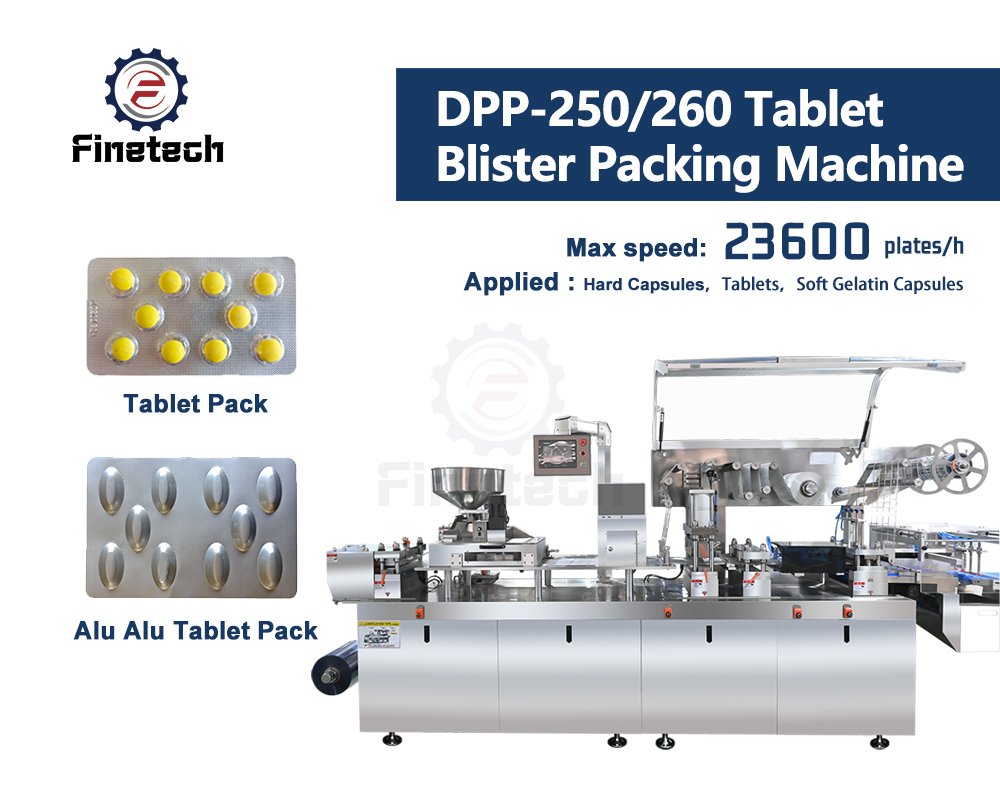
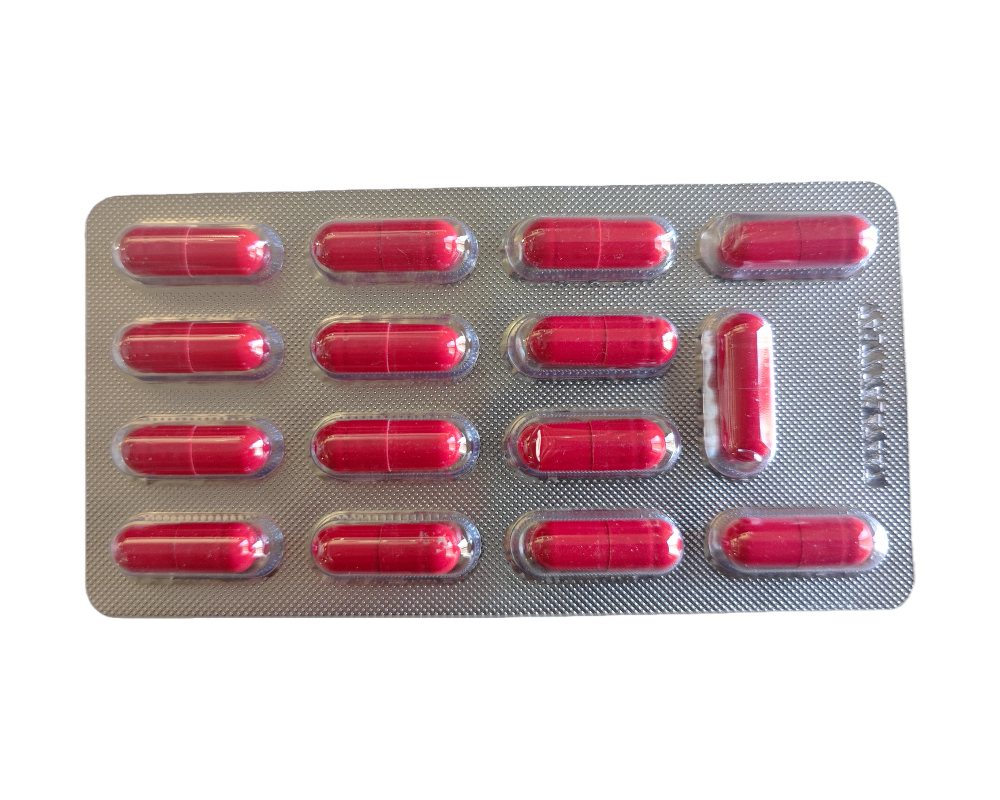
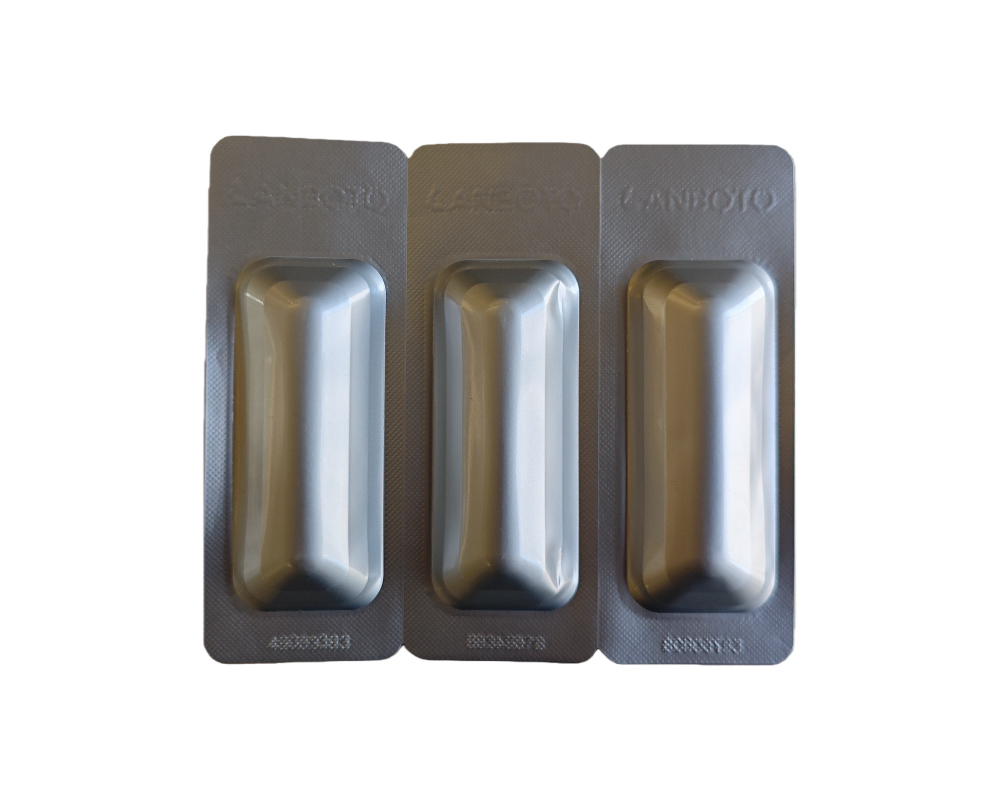
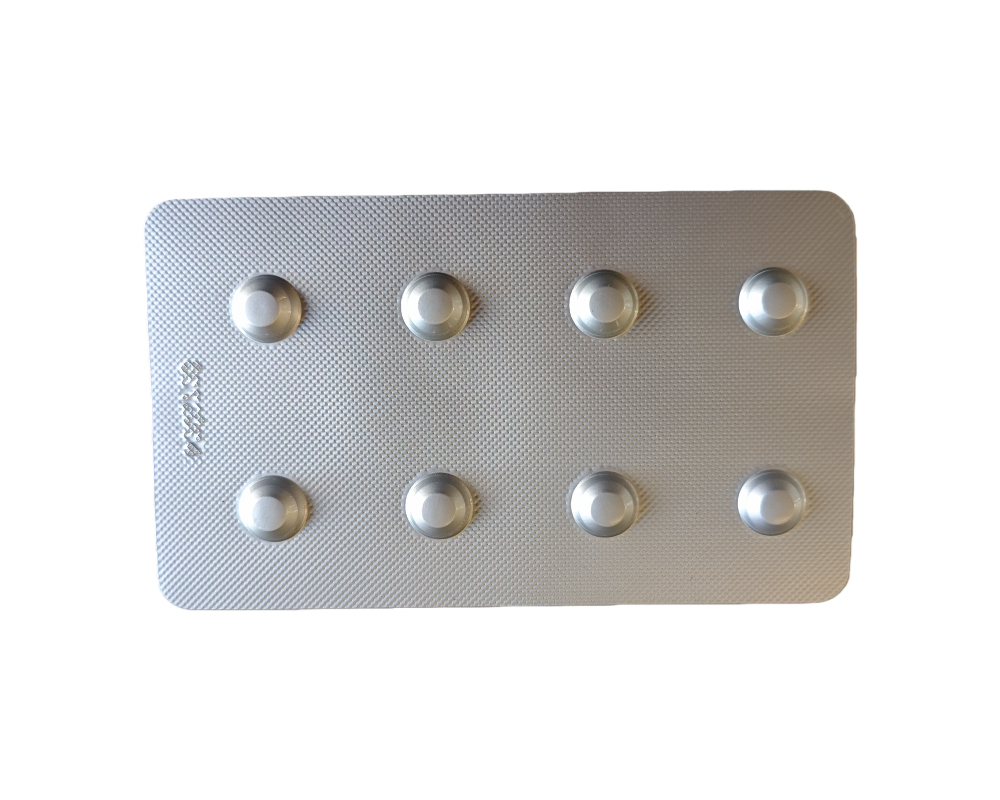
The DPP-250 is a high-speed automatic blister packaging machine with multi-axis servo drives and PLC+HMI smart control. It is made for the pharmaceutical, medical device, and food industries, and is ideal for individually sealed packaging of tablets, capsules, sensors, and similar products.

Need a Custom Quote?

Or More information About this product? Contact our sales stuff today!

Key Features

Technical Data

Machine Details

FAQ

Application

  1. Simple Structure: The transmission system is improved from the original, allowing a wider forming range, more precise movement, and quieter operation.
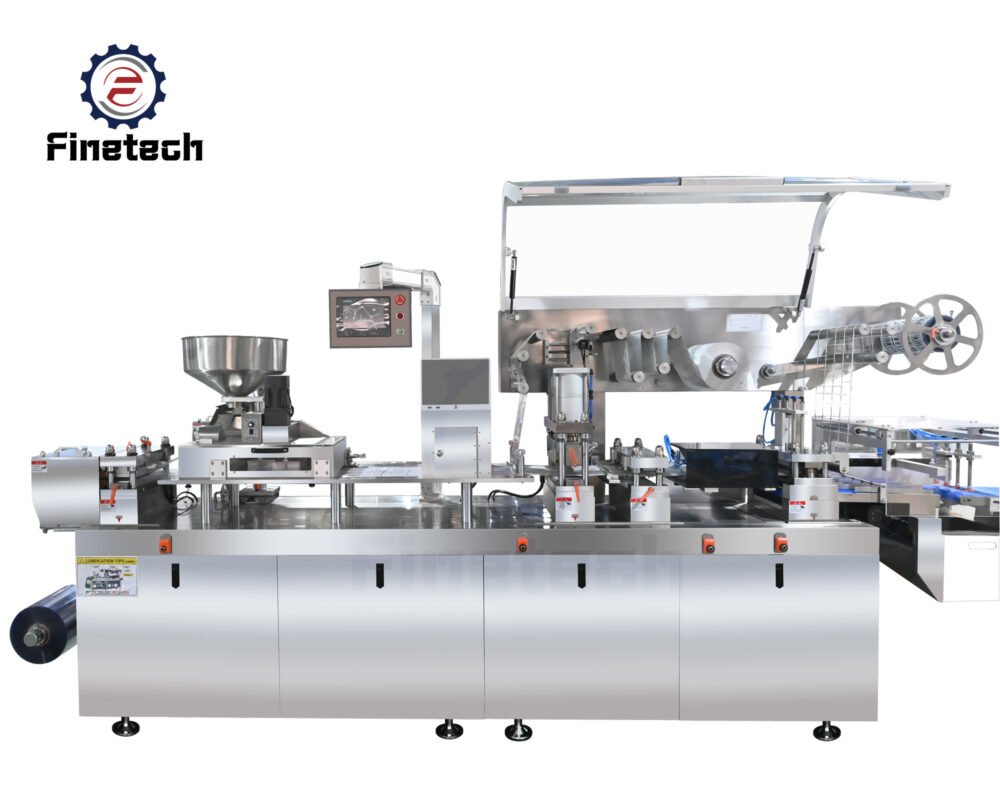
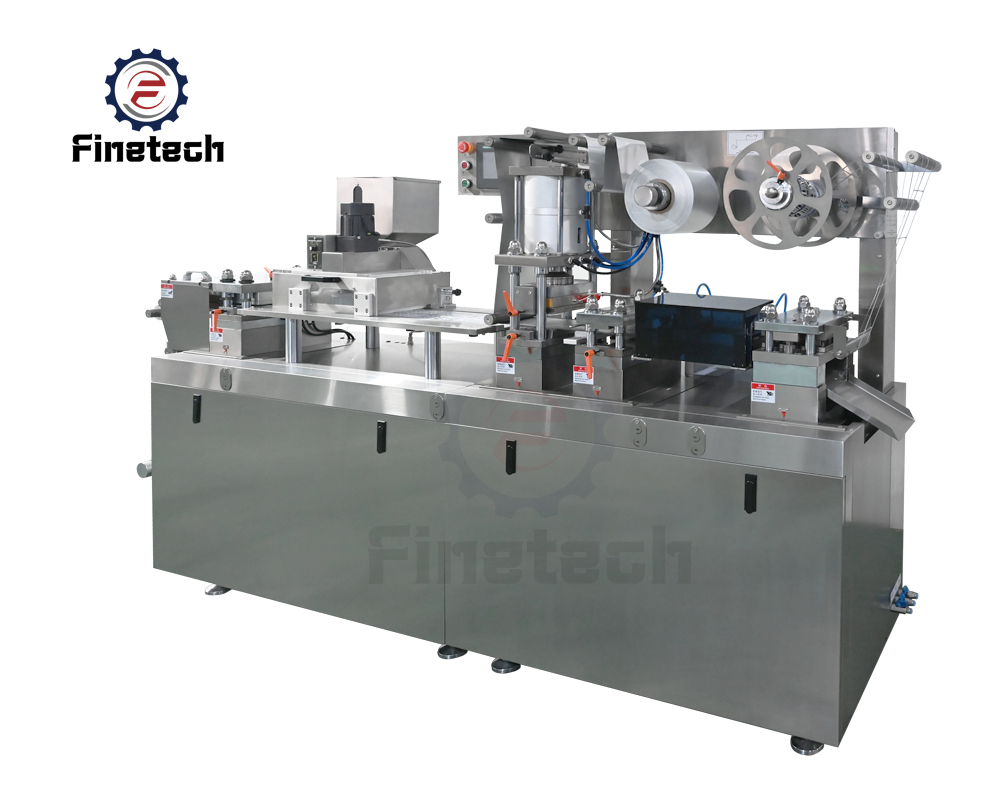
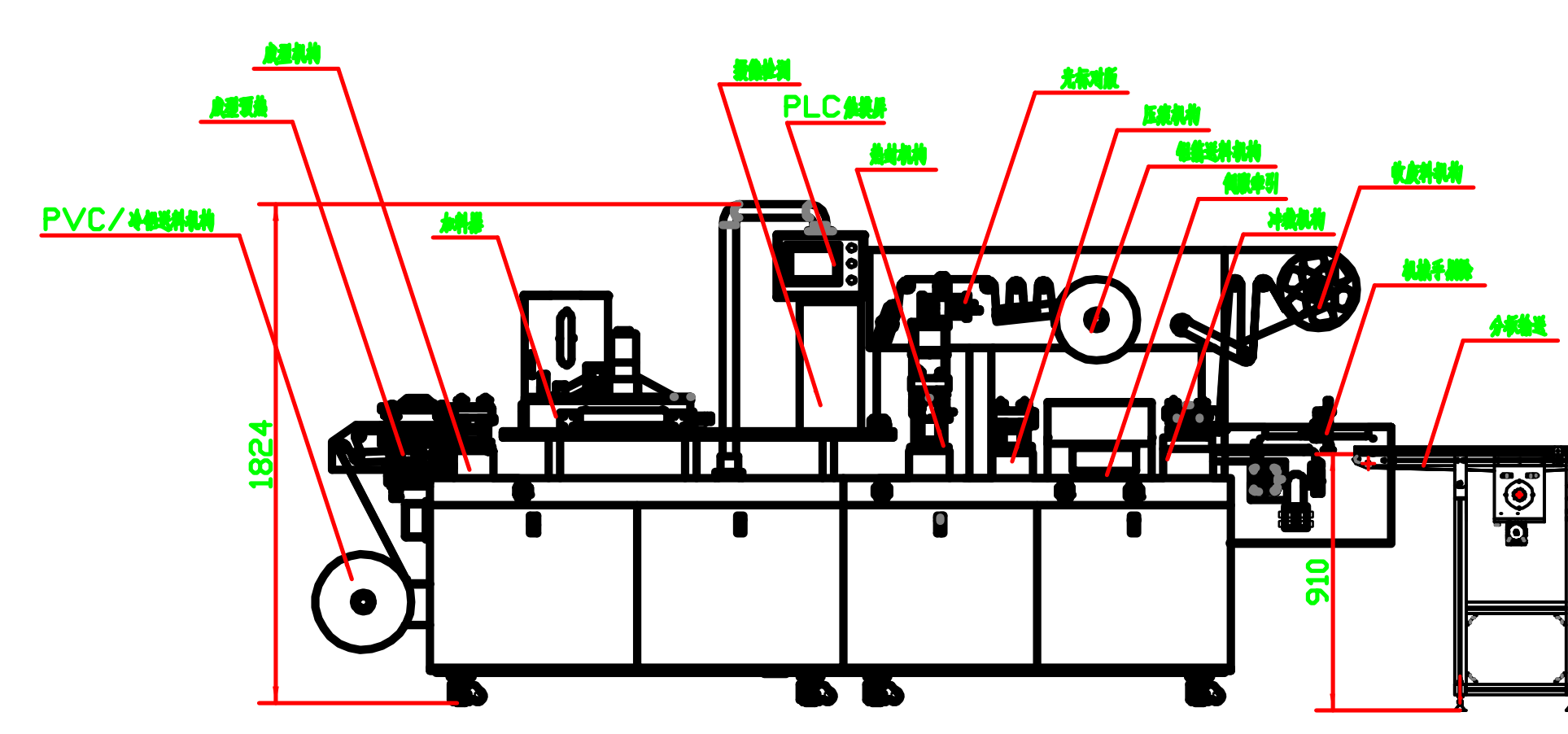
    DPP 250 Blister Packaging Machine Diagram
    DPP 250 Blister Packaging Machine Diagram
  2. Pneumatic-Clamp Servo Traction: Stable and easy to adjust, ensuring smooth and reliable film feeding.
  3. Dual Registration Forming: Dual-clamp servo traction guarantees accurate alignment of printed materials.
  4. Punching and Pushing Device:Keeps finished products from staying in the mold, preventing damage and waste.
  5. Customizable Options:Supports features like color mark alignment and vision inspection, with reserved space for easy installation.
Model DPP-250
Packaging Capacity 18k-236k capsules/hour
Cutting Frequency 20-45 strokes/min (Aluminum-Plastic)
10-40 strokes/min (Aluminum-Aluminum)
Adjusting range of travel 40-130mm (Customizable 40-160 mm)
Max. forming area 130x260mm
Max. forming depth 14 mm (Standard Machine)
Custom Machine: 26 mm (Aluminum-Plastic)
18 mm (Aluminum-Aluminum)
Size of standard plate 80x57mm
Power supply 380V 50HZ 7.5Kw
Main motor 2.2Kw
Air demand ≥0.3m³/min
Cooling of mold Circulating water consumption. 6OL/H
Width and thickness of PVC and PTP Pharmaceutical PVC: 270 x 0.15 – 0.45 mm
Aluminum Foil PTP: 270 x 0.02 – 0.03 mm
Hard Aluminum: 260 mm
Overall size 3700x720x1650mm
Weight 1800kg (Net Weight) 2000kg (Gross Weight)
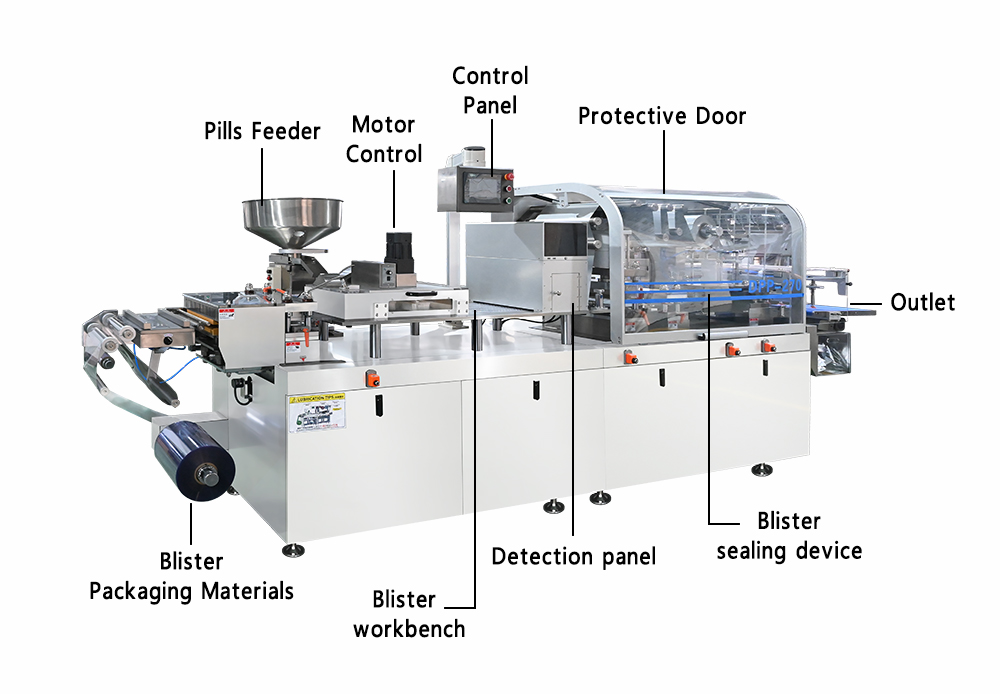
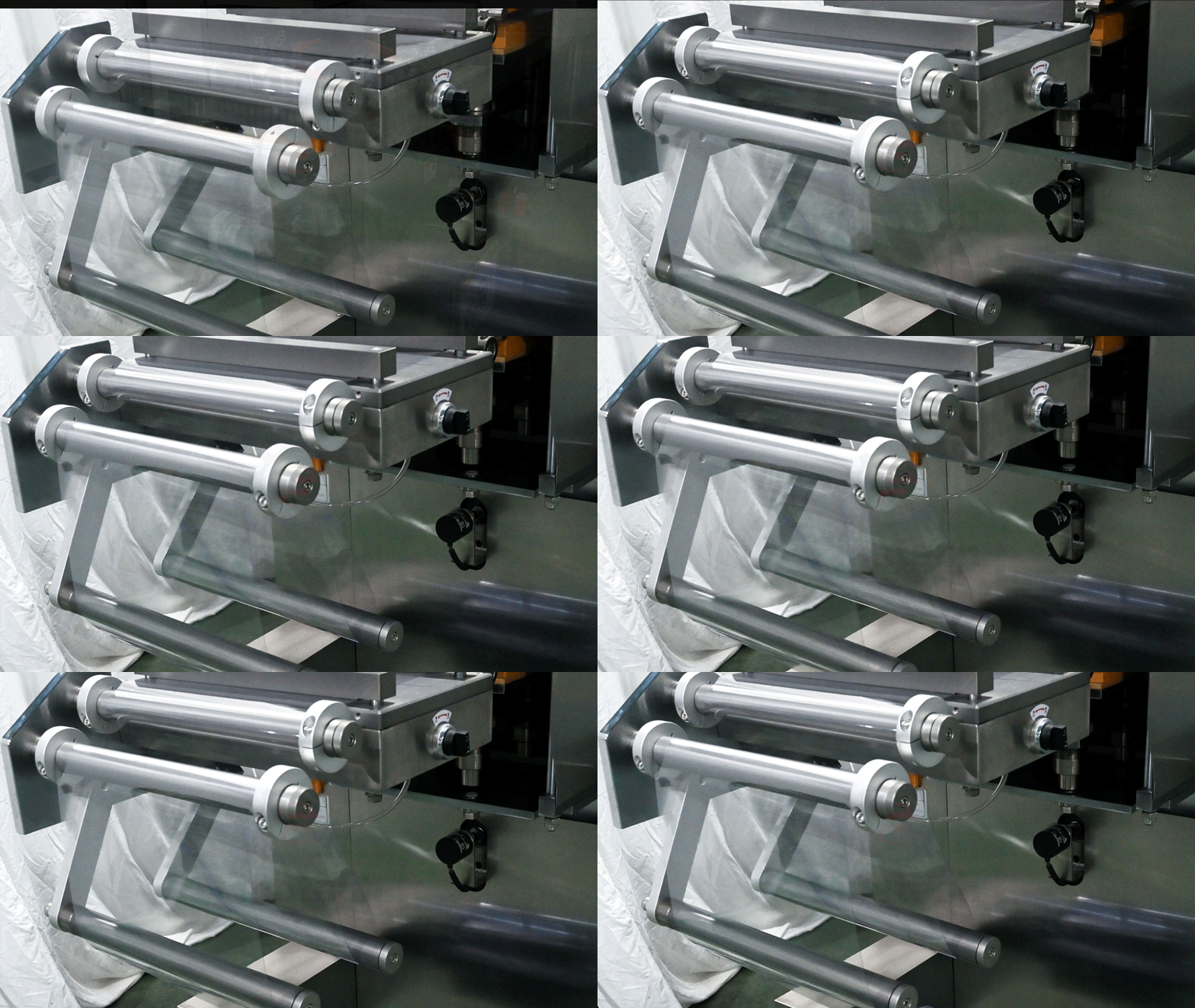
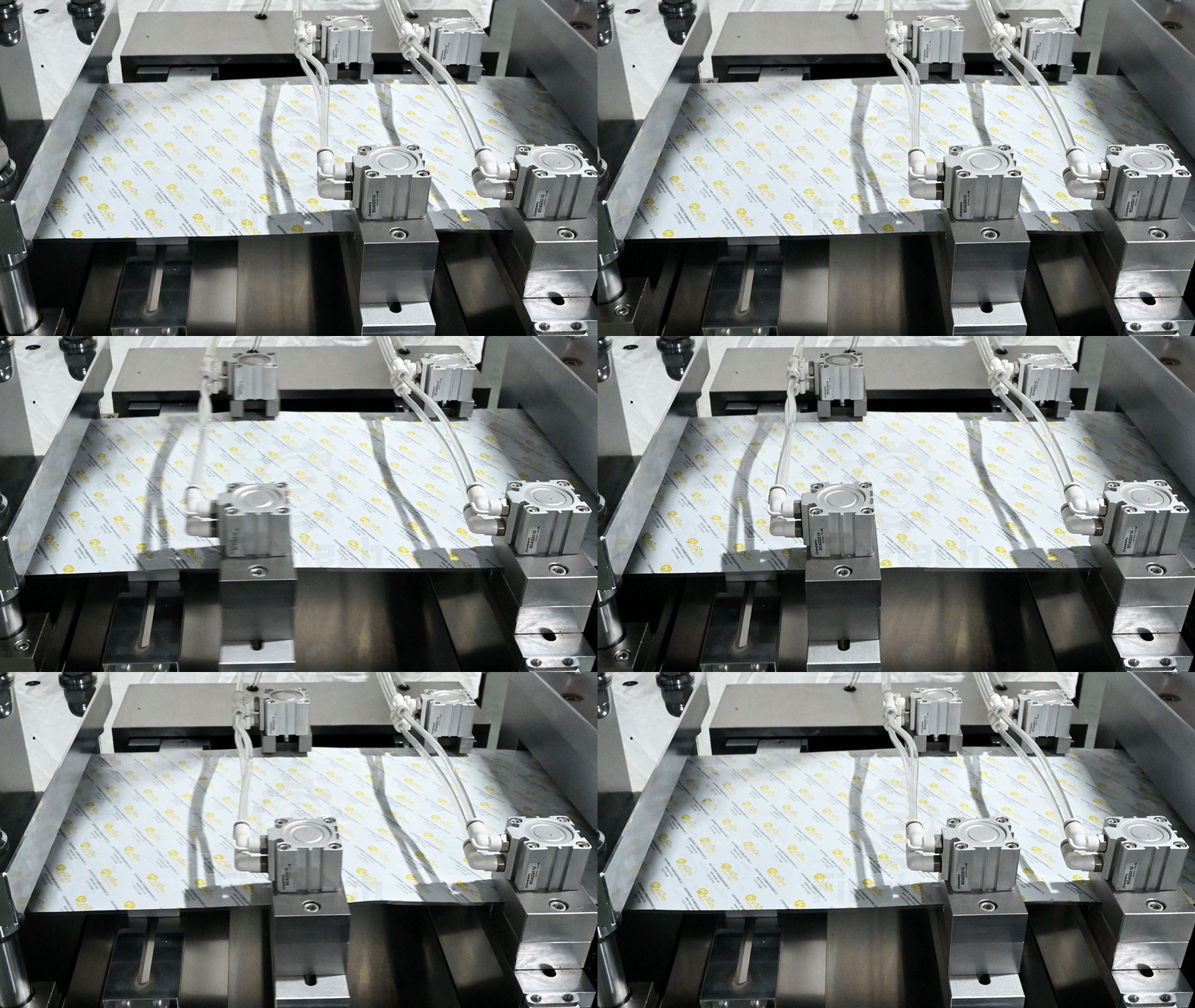
Blister Packaging Materials
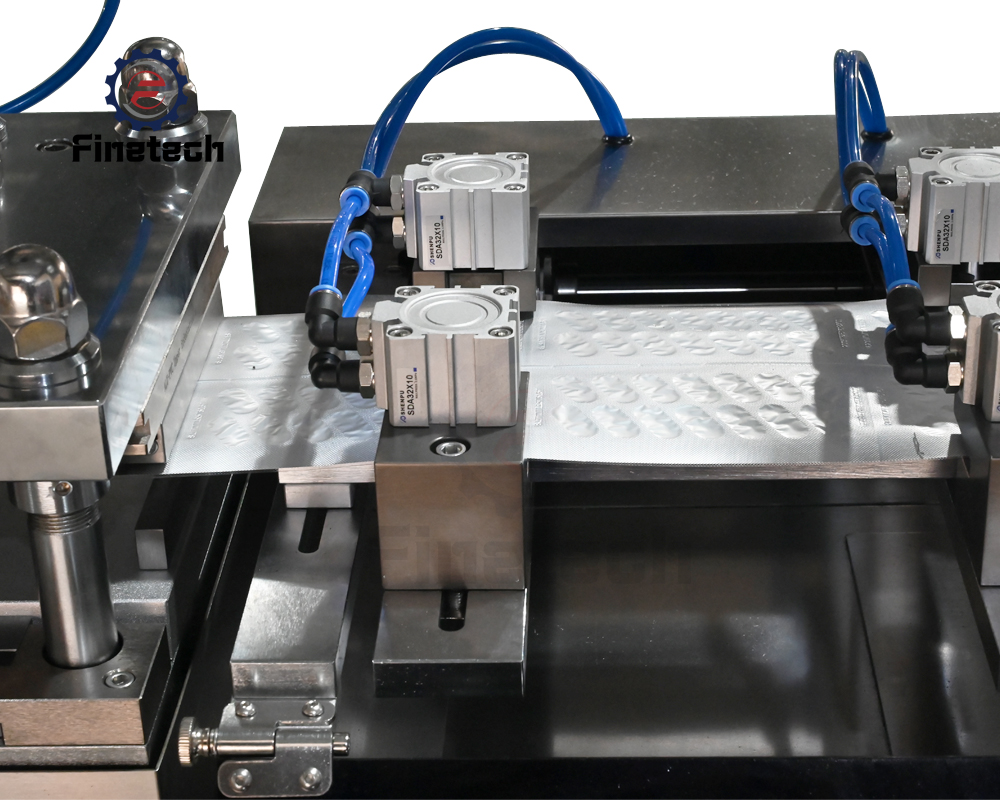
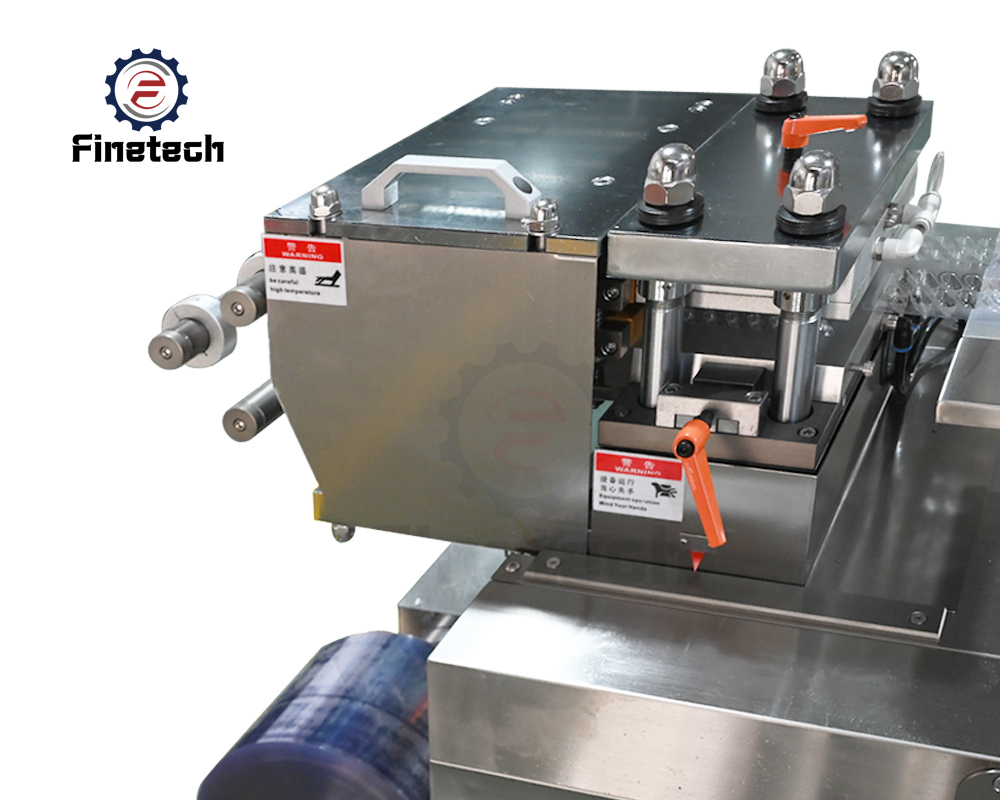
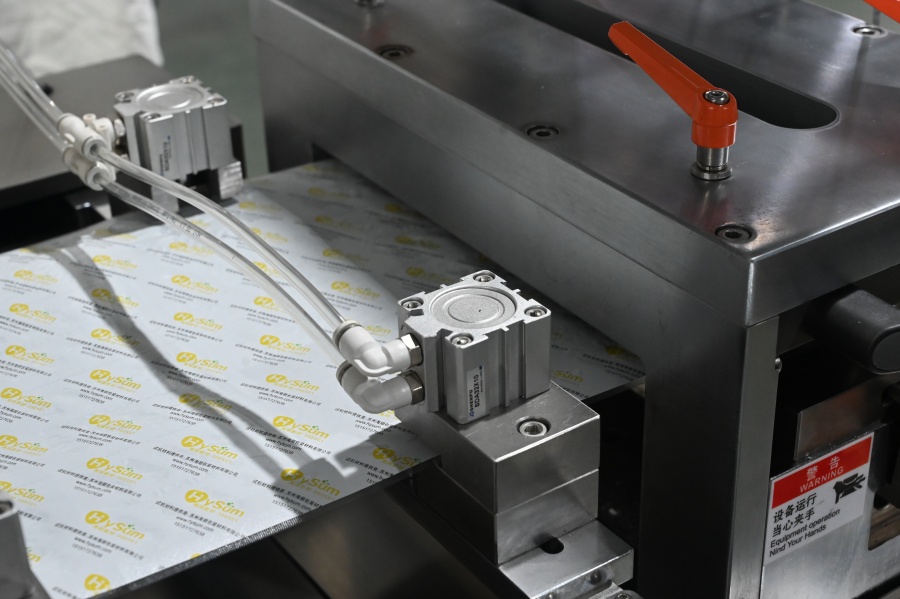
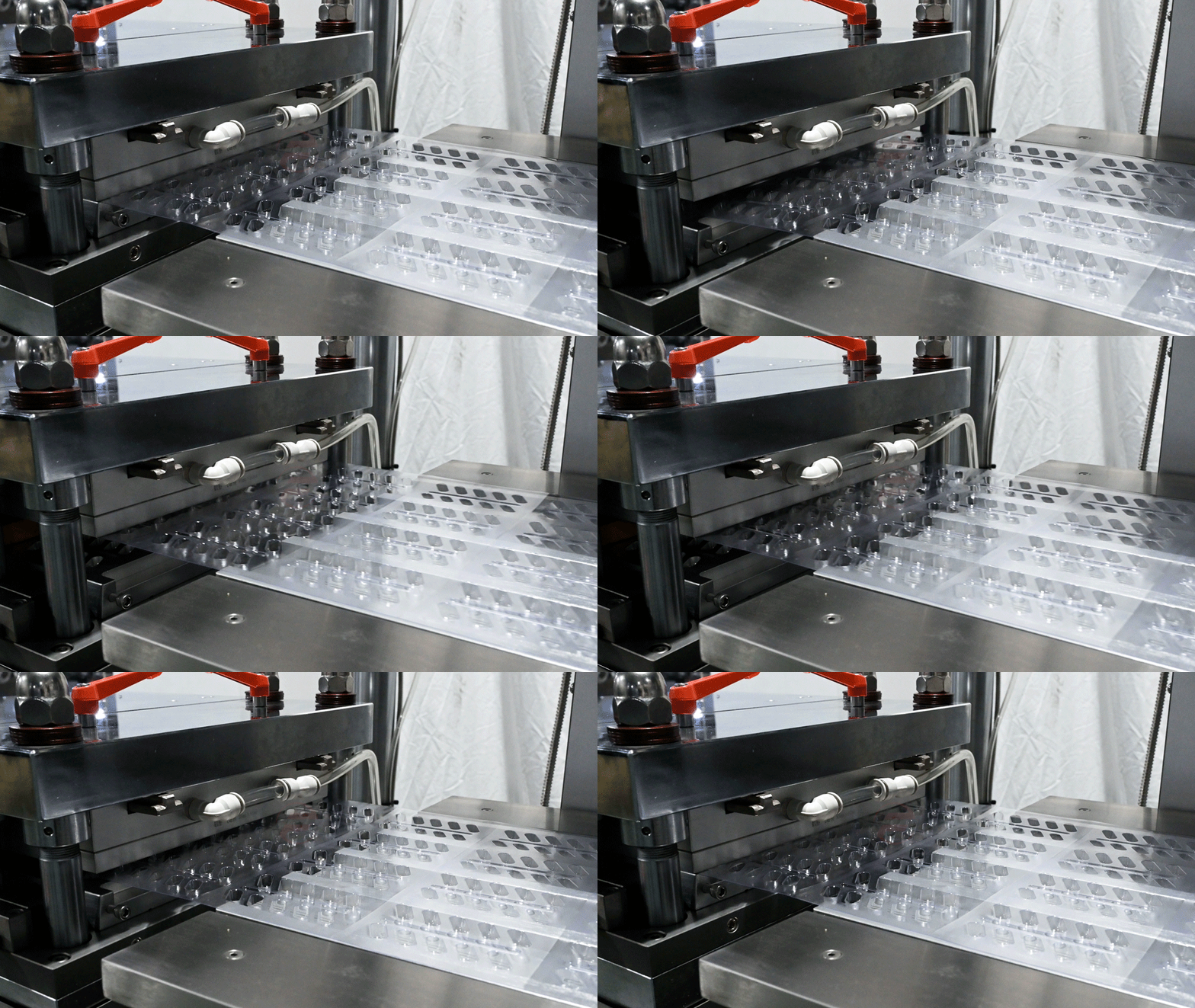
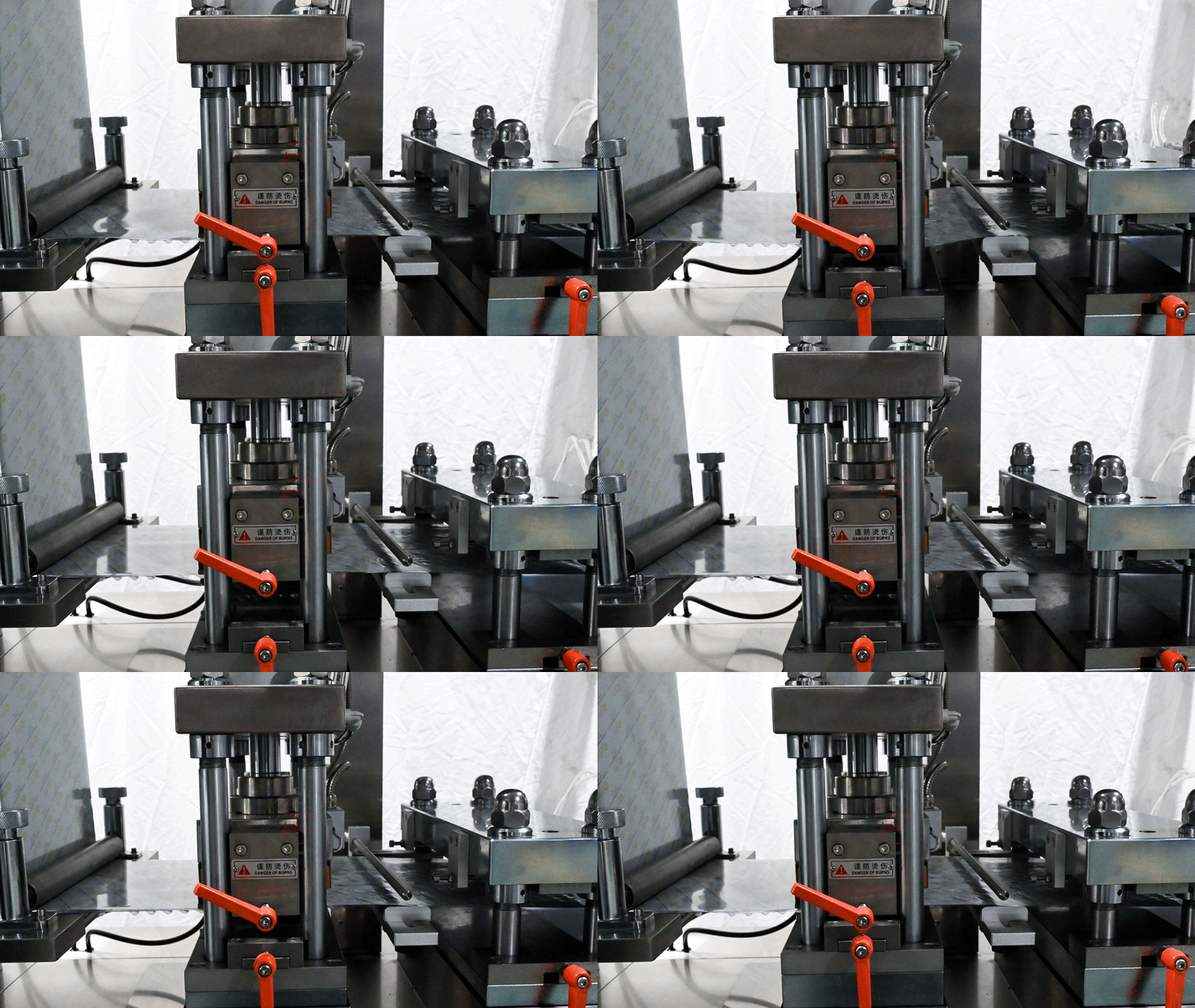
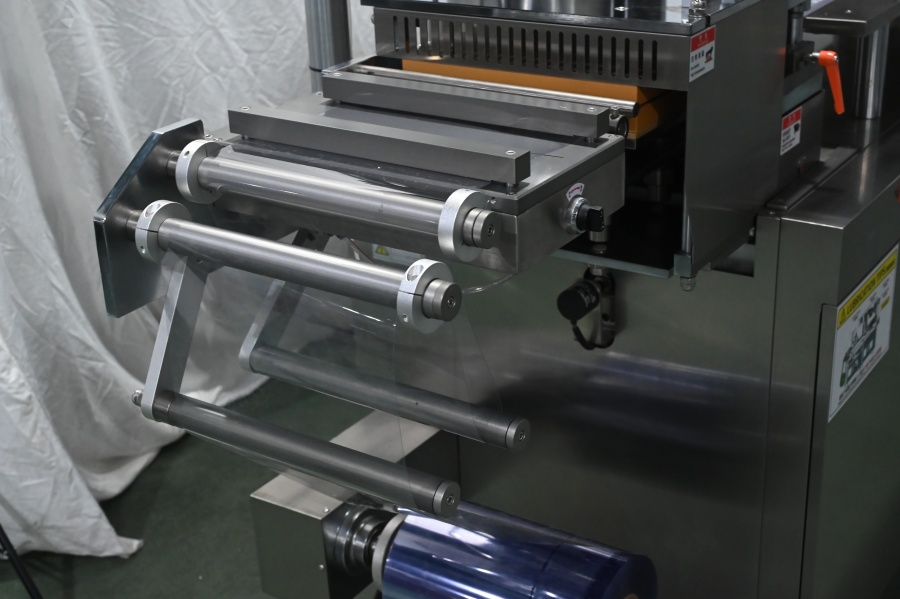
Blister sealing device
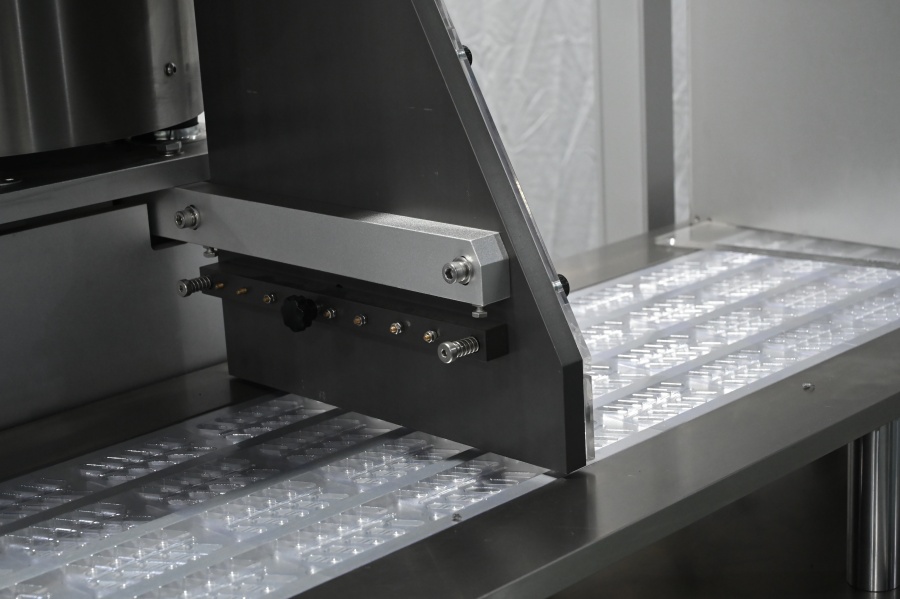
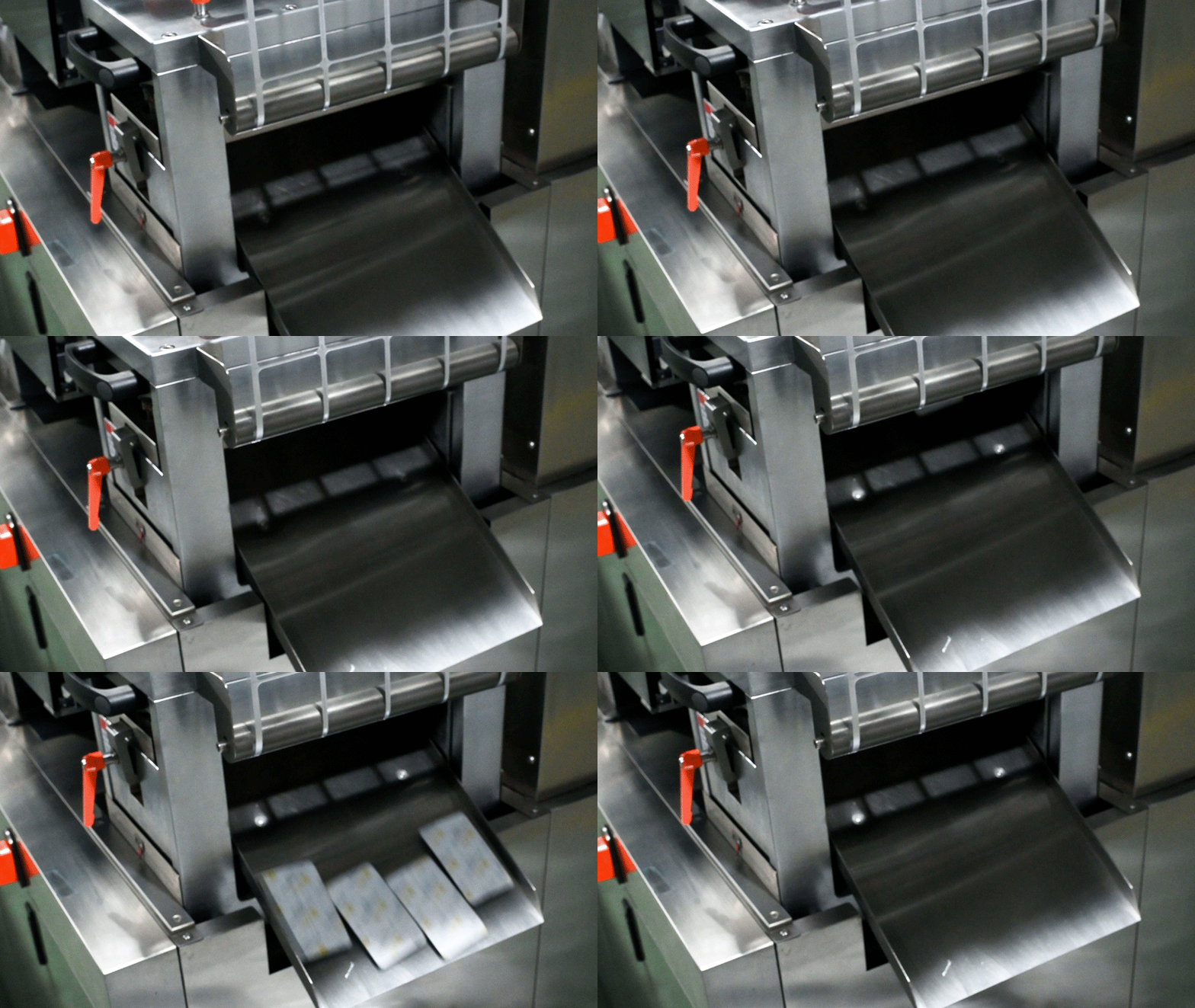
Blister workbench
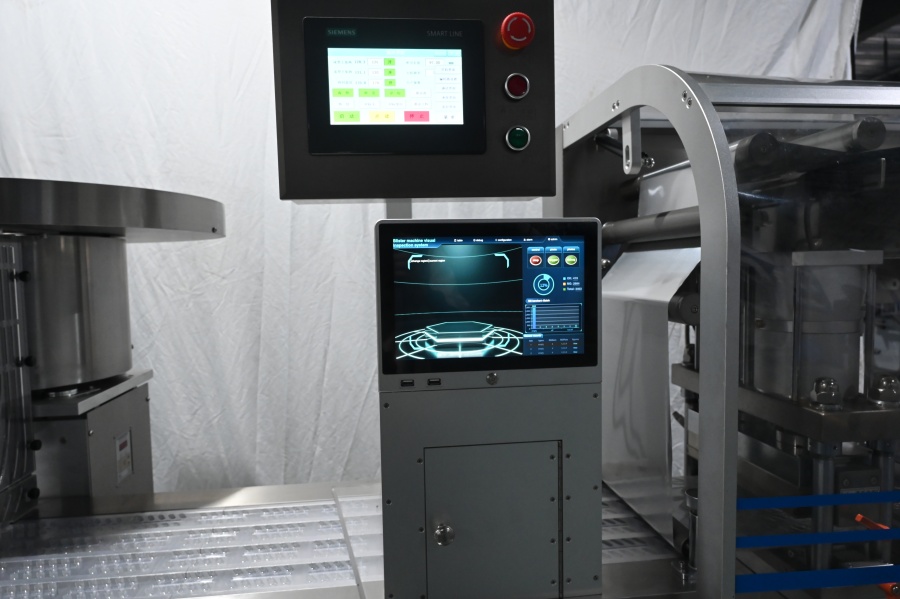
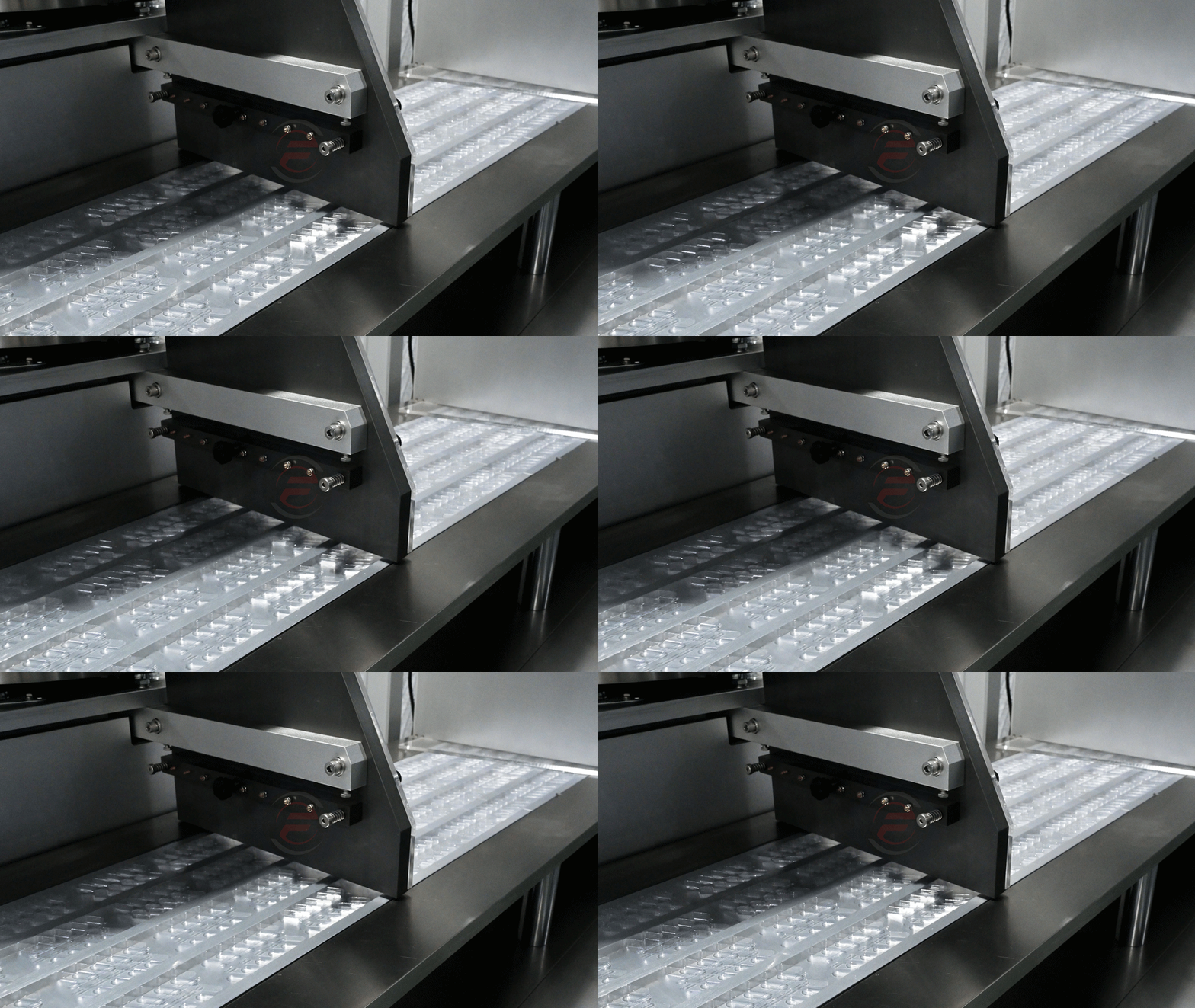
Blister workbench
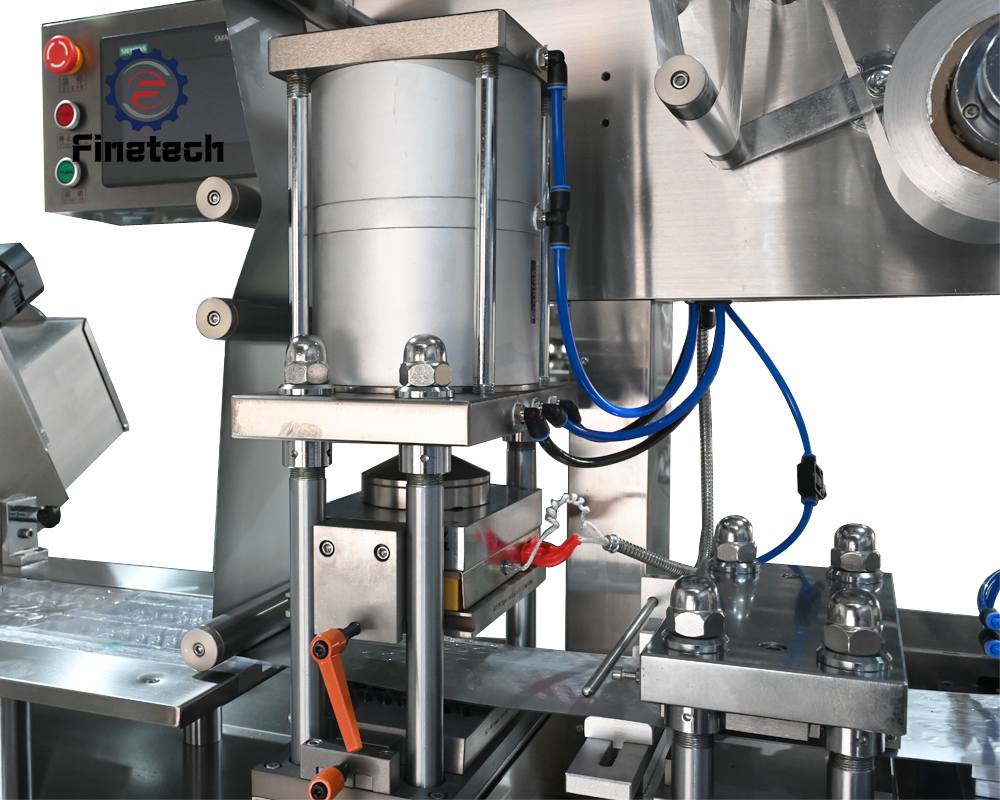
Control and detection panel
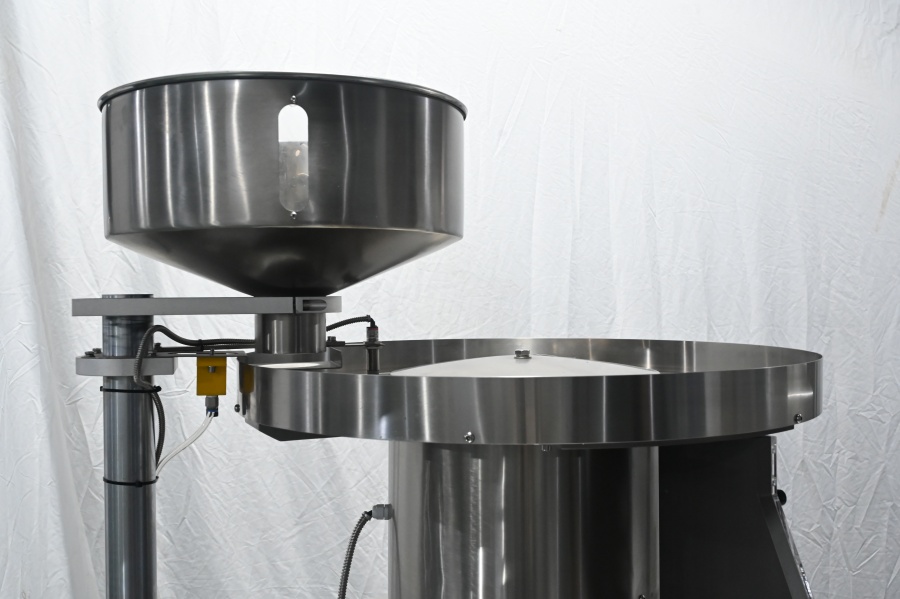
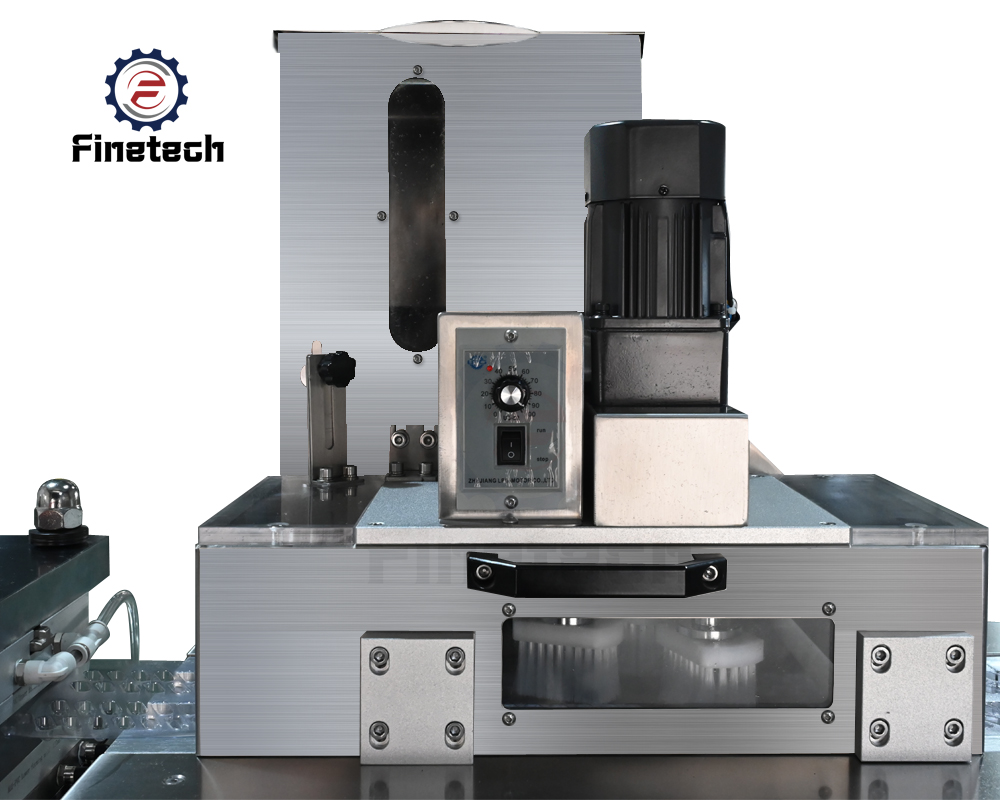
Pills Feeder
Pills Feeder
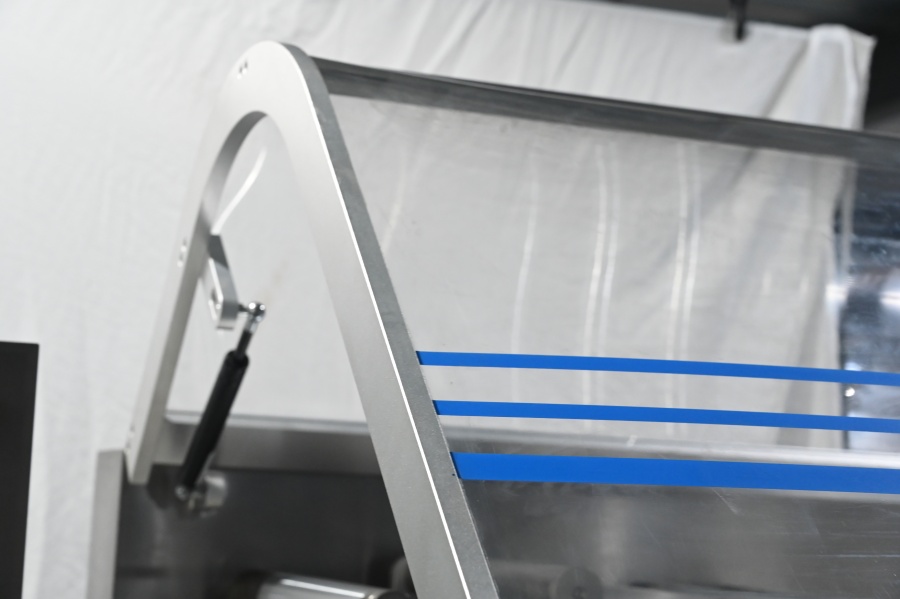
Safety door
Safety door
What is the primary application and advantage of the DPP-250 over smaller models like the DPP-150/180?

The DPP-250's main advantage is its large format and high speed. It is designed for:

  • Packaging large products (e.g., medical device kits, large tablets, pouches).

  • Creating blisters with a very high number of cavities (e.g., 30+ tablets per blister).

  • Achieving maximum production output, often for primary packaging lines with high annual volumes.

  • Calendar blister packs for full-course doses.

What is the typical production speed of the DPP-250?

As a high-speed machine, the DPP-250 typically operates in the range of 150 to 250+ blisters per minute. The actual speed is highly dependent on the blister size, product complexity, and feeding system.

What is the maximum blister size (format) it can handle?

This is its defining feature. The DPP-250 can handle large blister formats, typically up to 250mm x 250mm or even larger in some configurations. Always verify the specific technical data sheet for the maximum draw depth and usable area.

What materials is it compatible with?

 It handles all standard thermoformable films and lidding materials, but on a larger scale:

  • Forming Web: PVC, PP, PET, PE, Aclar®, and high-barrier co-extrusions.

  • Lidding Material: Hard-temper aluminum foil (printable or plain), paper/foil/poly laminates, and child-resistant lidding.

How long does a format changeover take on the DPP-250?

Changeover on such a large machine can be complex. Without quick-change systems, it can take 90 minutes to 3 hours. Investing in fully automated or cassette-based quick-change tooling is highly recommended to reduce this downtime to 30 minutes or less.

What are the main "format parts" for the DPP-250?

The tooling is larger, heavier, and more substantial:

  • Large Forming Mold and Plug-Assist Assembly

  • Large Sealing Die (often with multiple heating zones for consistent temperature)

  • Large, multi-cavity Cutting Punch and Die

  • Corresponding feed rails and guide plates.

How does the DPP-250 support pharmaceutical validation (IQ/OQ/PQ)?

As a capital asset in a regulated industry, the manufacturer should provide a full suite of documentation, including:

  • Factory Acceptance Test (FAT) & Site Acceptance Test (SAT) protocols.

  • Detailed Installation, Operational, and Performance Qualification (IQ/OQ/PQ) protocols and support for their execution.

  • Full traceability of materials and components.

Scroll to Top