 English
  Russian
  Turkish
  Spanish
  French
  German
  Japanese
.png)
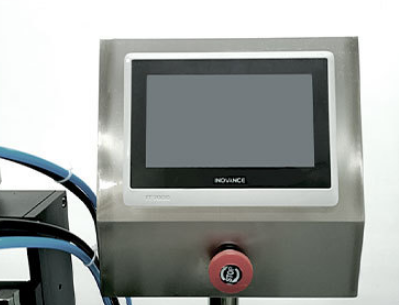
Manual perfume filling machine
A manual filling machine designed for small-scale perfume production, with precise flow regulation (error ±1-2%), easy operation, and stable control of filling volume. Made of stainless steel, it is hygienic and durable, and its leak-proof design keeps safe operation. It is applied for the small-scale liquid filling needs of high-end perfume studios, laboratories and small cosmetics manufacturers.
Need a Custom Quote?
Or More information About this product? Contact our sales stuff today!
Key Features
Technical Data
Machine Details
FAQ
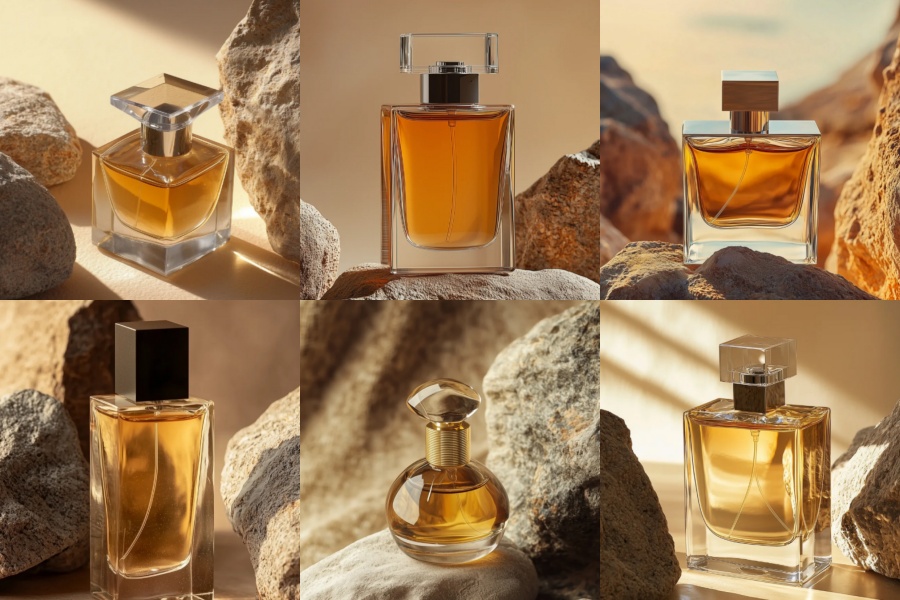
Application Perfume Types
Reviews No reviews yet
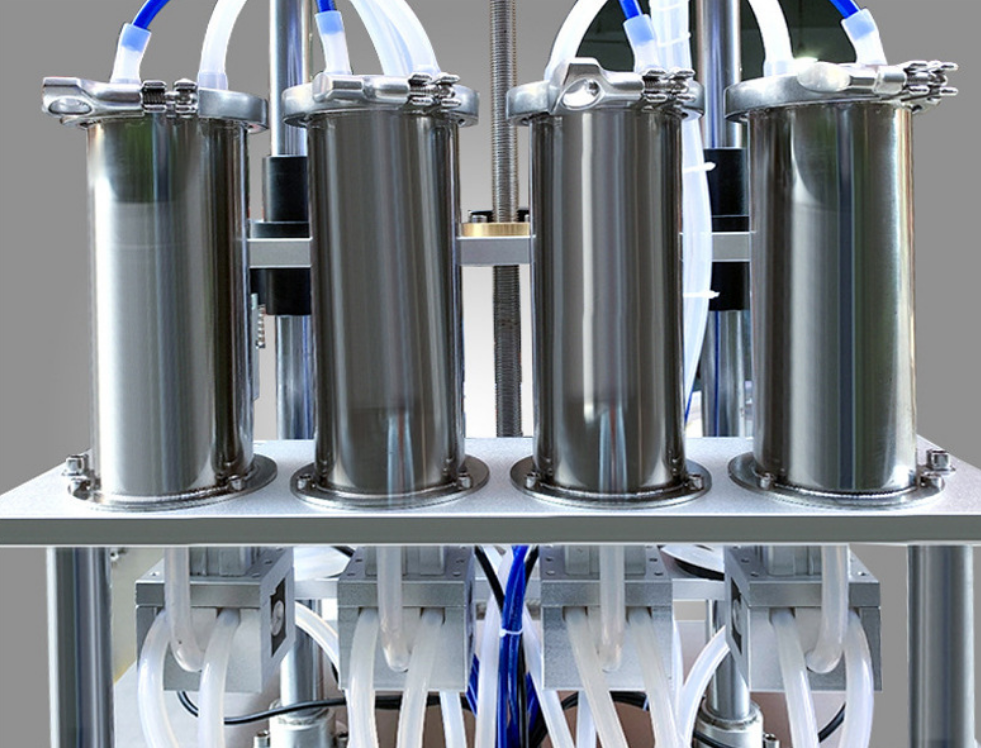
Negative pressure sucks liquid and then fills, controlling the liquid level.
Equipped with wheels, easy to move.
Material contact parts are SUS316L, frame is SUS304.
Applied for glass bottles or hard plastic bottles; easy to adjust, operate and maintain.
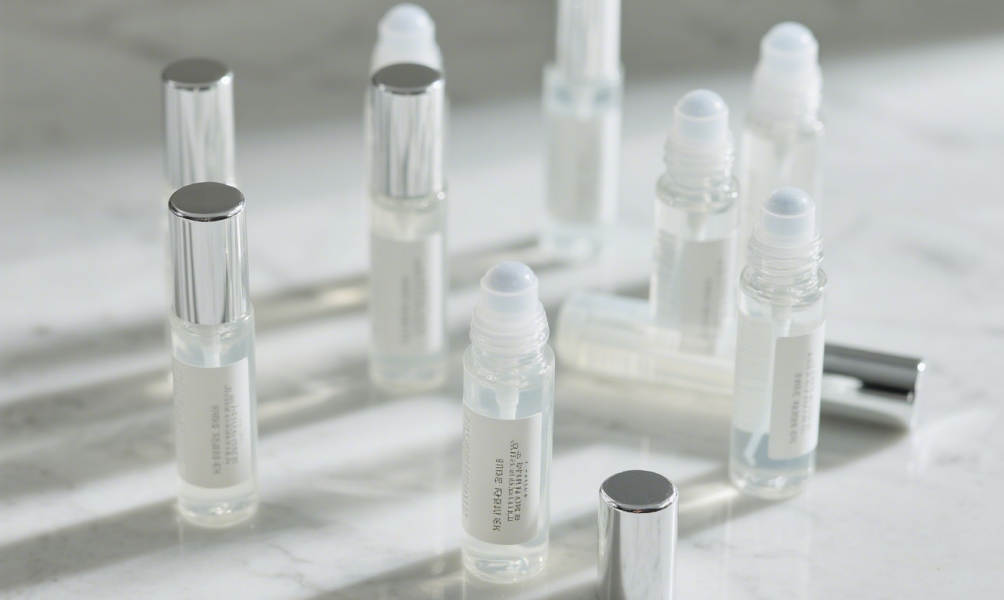
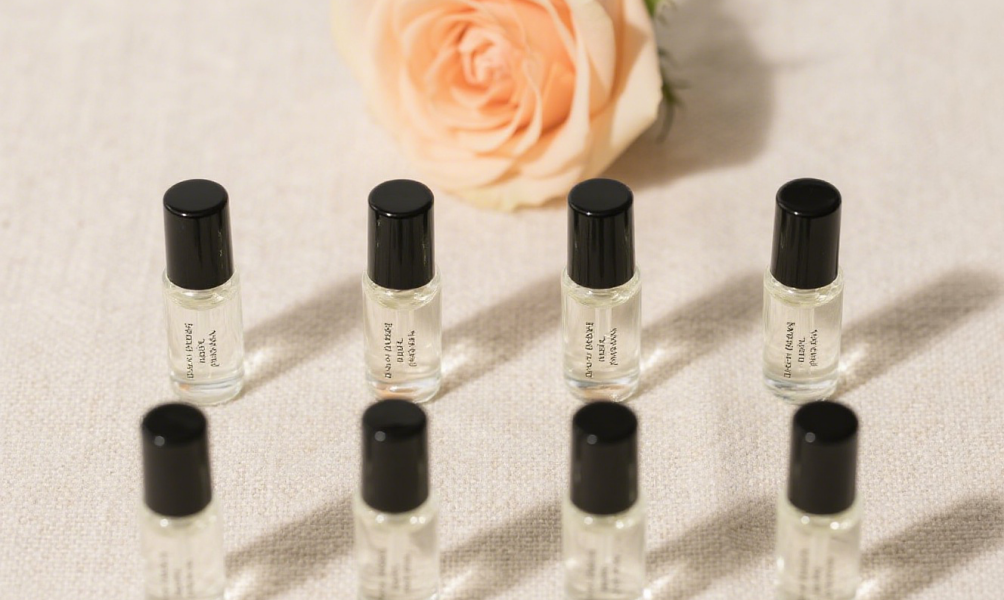
Applied to water-based liquids such as floral water, perfume, toner, etc.
This high viscosity filling machine represents a new generation of improved volumetric filling machines, used materials such as: perfume, beverage,ketchup, sauces, dressings, and viscous liquids.
| Model | Manual perfume filling machine |
| Filling volume | 15~1000ml |
| Filling speed | 20-30 bot/min |
| Filling accuracy | ≤±1% |
| Finish products rate of cap dropping and locking | ≥99%1 |
| Main machine power | 1kW 220V |
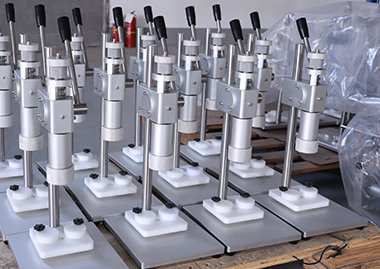
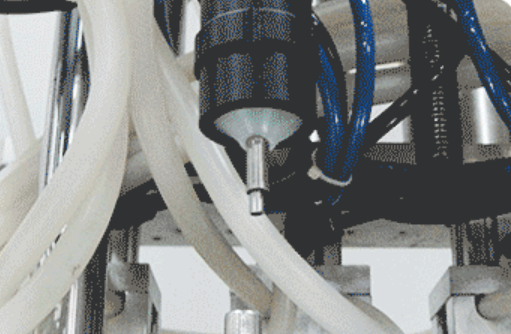
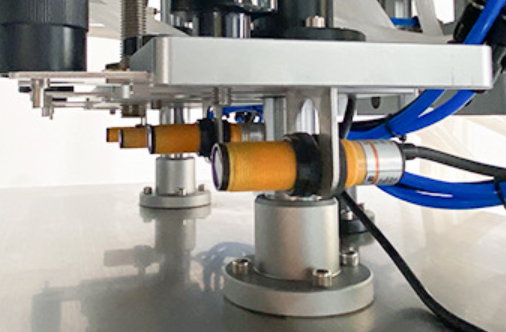
It's a hand-operated device used to accurately transfer a precise volume of perfume from a bulk container into individual bottles (e.g., glass flacons, roll-ons, atomizers). It typically uses a syringe, piston, or pump mechanism controlled by the user.
The basic principle is simple:
Intake Stroke: You lift the handle/pull the lever, which draws liquid from your source container into a cylinder or syringe.
Dispensing Stroke: You push the handle/lever down, forcing the liquid through a nozzle and into the target bottle. Volume is controlled by adjustable stops or by changing the syringe size.
Frame/Stand: Holds the mechanism.
Filling Head: Includes the cylinder, piston, and seals.
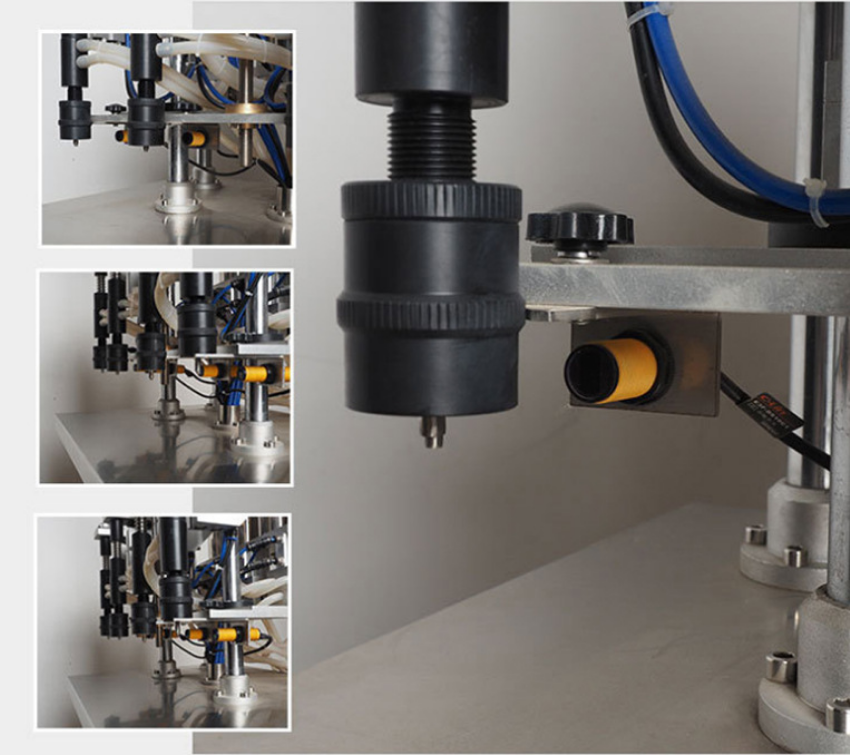
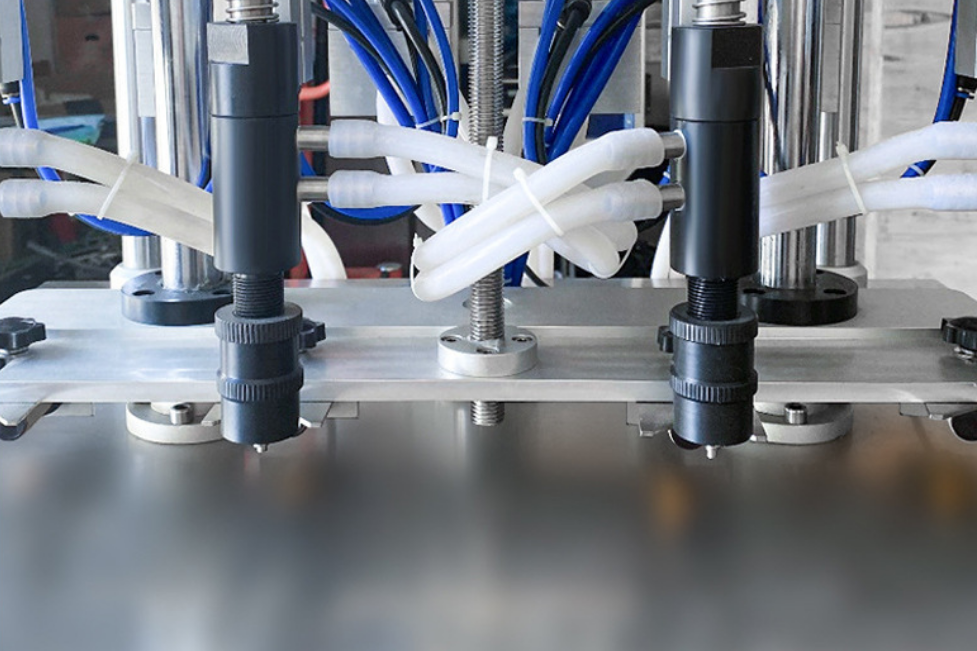
Nozzle: Dispenses liquid; often made of glass or PTFE to avoid contamination.
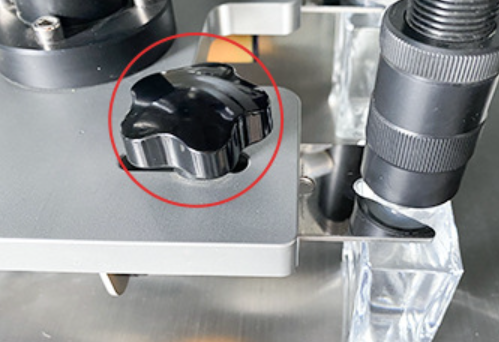
Volume Adjustment: A screw or knob to set fill volume.
Bottle Platform: Often adjustable for height.
Valves: Control the flow direction (from source to cylinder to bottle).
Yes, but with critical considerations. You must ensure all wetted parts (seals, valves, tubing) are made of compatible materials like PTFE (Teflon), Viton, or specific grades of stainless steel. Standard rubber or silicone seals will degrade rapidly when exposed to high-proof alcohol and essential oils.
Typical manual fillers handle volumes from 1ml to 100ml or more, depending on the cylinder/syringe size. You can often change cylinders to accommodate different batch sizes.
A well-calibrated manual filler can achieve an accuracy of ±0.5% to ±1%, which is excellent for small-batch production. Accuracy depends on operator consistency, liquid viscosity, and machine quality.
Low Cost: Much more affordable than automatic machines.
Simple Operation: Minimal training required.
No Power Needed: Portable and can be used anywhere.
Easy to Clean & Maintain: Fewer parts, simpler disassembly.
Ideal for Small Batches: Perfect for startups, artisans, labs, and sample production.
Minimal Waste: Great for handling expensive perfume oils.
Labor-Intensive: Slower than semi-auto or automatic machines; not feasible for high-volume production (e.g., 1000+ units/day).
Operator Dependent: Speed and consistency rely on the user's pace and technique.
Physical Effort: Can be tiring for the hands/wrists during large batches.
Limited Features: Usually just fills; capping and labeling are separate steps.
Disassemble the wetted parts (nozzle, cylinder, piston, valves) according to the manual.
Flush/Rinse with a high-proof alcohol (like 95% ethanol) or a dedicated solvent compatible with your fragrance.
Wipe all parts gently.
Allow to air-dry completely before reassembly to prevent contamination or dilution.
Customer Reviews
No reviews yet. Be the first to review this product!
Write a Review

Related Products
No reviews yet
-1.png "Manual perfume filling machine 13")
No reviews yet
.png "Manual perfume filling machine 14")
No reviews yet