English
  Russian
  Turkish
  Spanish
  French
  German
  Japanese
In the pharmaceutical industry, keeping equipment clean is required to protect product quality and patient safety. CIP systems help clean machines without taking them apart, saving time and reducing the risk of any potential contamination.
These systems are used in the pharma industry to meet strict hygiene rules. In this article, we explore how CIP works, its parts, benefits, and the rules companies must follow.
What is CIP?
Clean-in-Place (CIP) is a method that is used to clean the inside of equipment like tanks, pipes, and pumps without taking them apart. It is used in places like pharmaceutical factories where hygiene is very important. The CIP techniques are different for every industry.
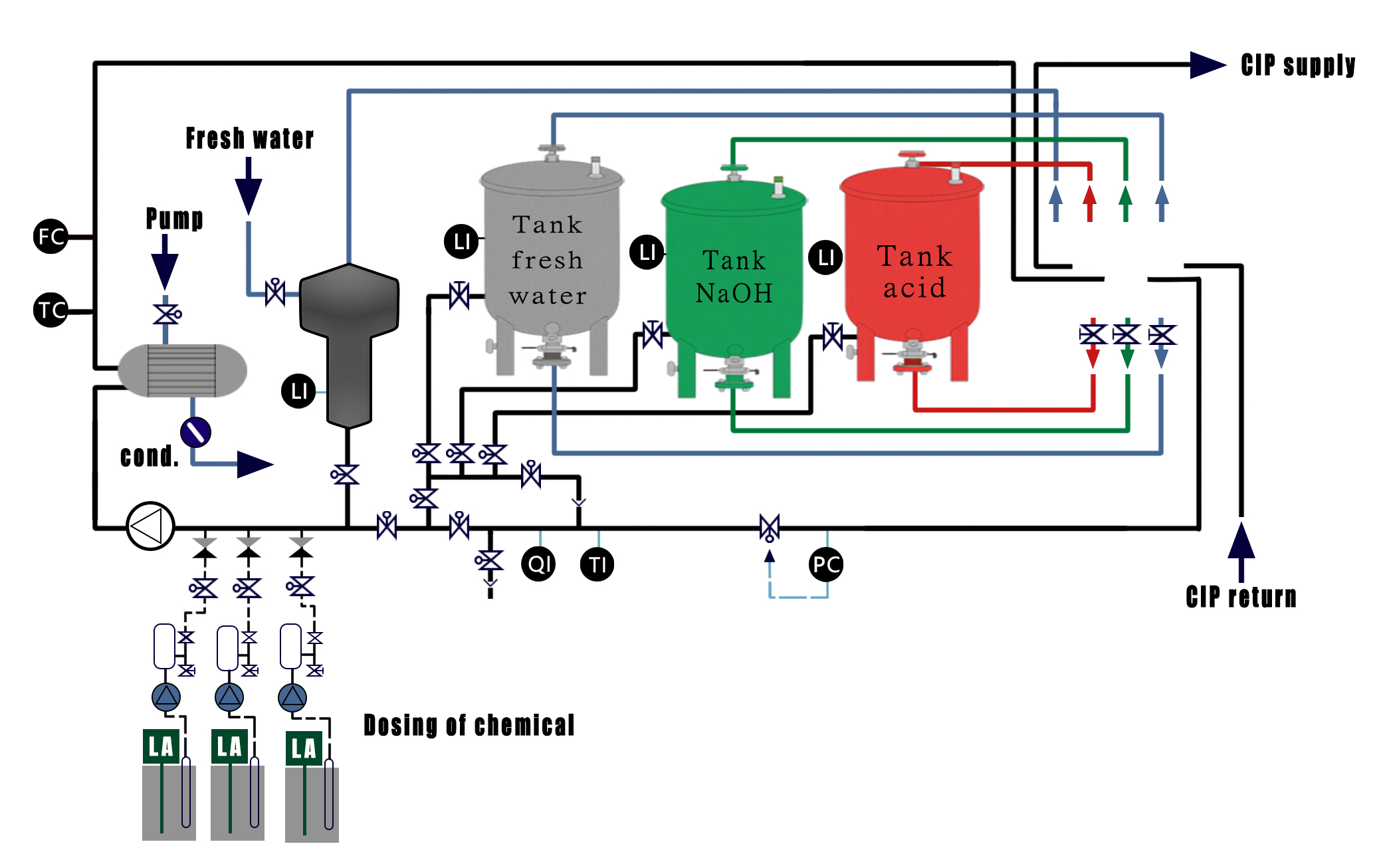
In a CIP system, cleaning liquids flow through the equipment to remove any leftover materials. This happens without opening the machines, which keeps everything safe and clean. CIP systems are built into the equipment and work by using pumps, pipes, and tanks that hold cleaning liquids.
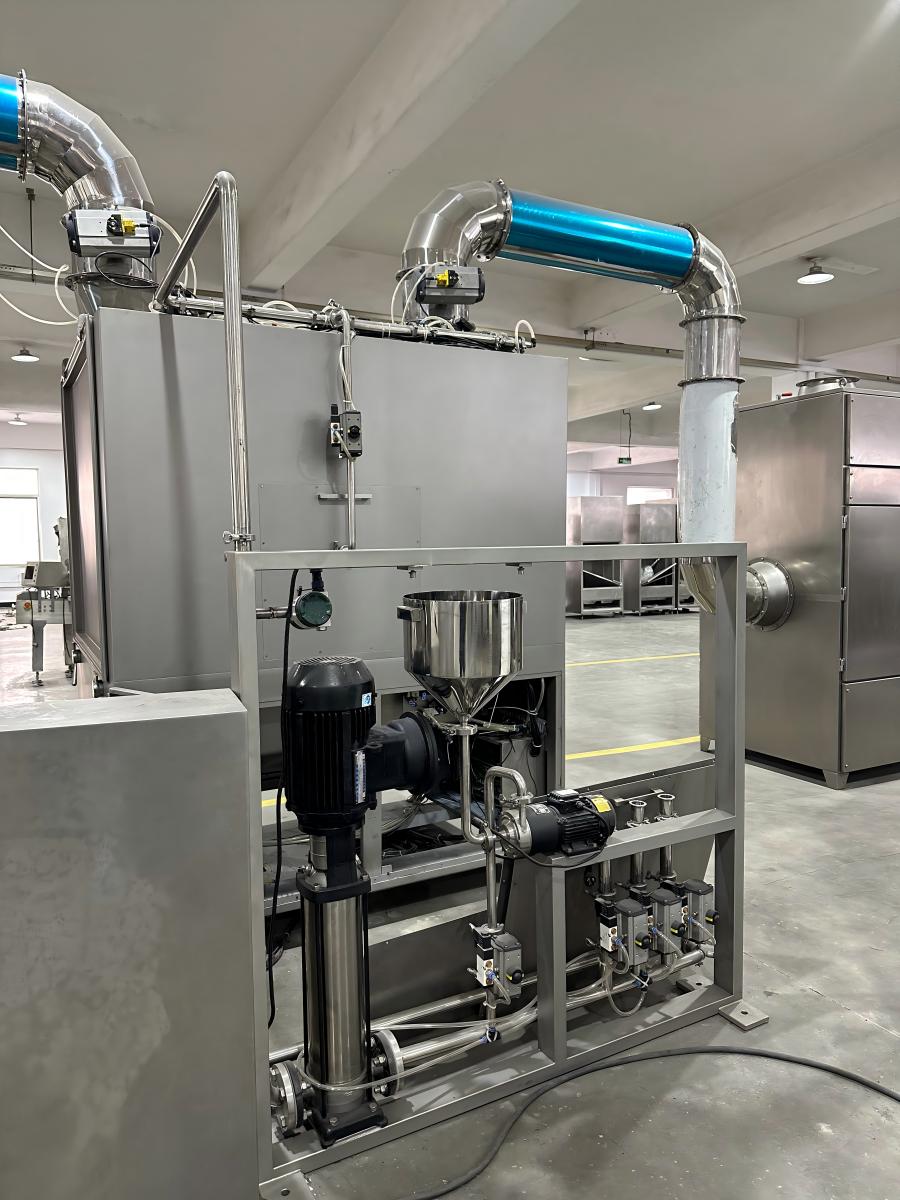
These systems are controlled automatically to make sure all parts are cleaned properly. The design of each CIP system depends on the type of equipment and the product being made. But the main idea is always the same: to clean the equipment from the inside, without needing workers to touch it. CIP is now a normal part of modern pharmaceutical production.
Key Components of a CIP System
A CIP system is made up of several main parts that work together to clean equipment without taking it apart. Each part has a special role in making sure the cleaning is complete and repeatable.
CIP Tanks
These tanks store the water, cleaning chemicals, and rinse solutions used during the cleaning process. There can be separate tanks for hot water, cold water, and detergents, depending on the system design.
CIP Pump
The pump circulates cleaning fluids through the equipment. It must provide enough pressure and flow to reach all internal surfaces, even in long or narrow pipelines.
Spray Devices
Spray balls or rotating nozzles are installed inside tanks and vessels. They spray cleaning solutions in all directions to remove residues from the inner surfaces.
Control Systems
These systems manage the sequence, timing, temperature, and flow rate of the cleaning process. They make sure that each step follows the set program and meets hygiene standards.
CIP Process Steps
The CIP process has a few simple steps that help clean the inside of machines properly. Each step is important to make sure everything is clean and safe to use again.
Pre-Rinse
This step uses water to remove loose particles and leftover product from the system. It also prepares the surfaces for better contact with cleaning agents in the next step.
Detergent Wash
A cleaning solution, usually containing an alkaline or acidic detergent, is circulated to break down and remove fats, proteins, or other deposits. The choice of detergent depends on the type of product previously processed.
Intermediate Rinse
Water is used again to wash out the detergent and any remaining dirt. This step makes sure that no cleaning chemicals are left in the system before the final rinse.
Final Rinse and Drying
This step uses Purification System clean water to give a last rinse. In some systems, air or steam drying is done to remove moisture before the equipment is reused.
Types of CIP Systems
CIP systems come in different types depending on how they are used and controlled. The main types are based on how many times the cleaning liquids are used and how much human effort is needed.
Single-Use CIP
In this system, cleaning solutions are used once and then drained. It is simple and reduces the risk of contamination, but uses more water and chemicals.
Reuse or Multi-Use CIP
This system collects and reuses cleaning liquids for several cycles. It saves water and chemicals but needs more care to avoid mixing clean and dirty solutions.
Manual CIP
This type needs workers to control each cleaning step. It is low in cost but may lead to human error or uneven cleaning if not done properly.
Automatic CIP
This system runs by itself using control panels and sensors. It gives better cleaning results and saves a lot of time.
Benefits of CIP in Pharma
CIP systems bring many advantages to the pharmaceutical industry, where keeping equipment clean is very important. These systems help clean machines properly without opening or moving them.
- CIP removes bacteria and product leftovers completely.
- Cleaning is faster and reduces production delays.
- Automatic steps reduce the chances of mistakes.
- Cleaning liquids can be reused, and less labor is needed.
- No need to enter equipment, so fewer risks.
- Helps follow health and safety rules easily.
CIP makes the cleaning process faster, safer, and more consistent. It helps pharmaceutical companies maintain high hygiene standards and avoid cross-contamination between different batches of medicine. By using automated systems, companies massively reduce the need for manual work and lower the chance of error.
CIP also helps reduce water and chemical use over time, which saves costs and supports sustainability. This makes it a necessary choice for modern pharmaceutical production.
Regulatory Requirements
CIP systems in the pharmaceutical industry must follow strict rules set by global health authorities. These rules make sure that the cleaning process is safe, consistent, and meets international quality standards.
Global GMP Standards
Many countries follow Good Manufacturing Practices (GMP), such as those by the World Health Organization (WHO), European Medicines Agency (EMA), and U.S. FDA. These guidelines require safe and validated cleaning systems in all pharma production.
Validation of Cleaning Process
The CIP process must be tested to show it removes product remains, microbes, and cleaning agents fully. Ongoing checks help confirm that the cleaning stays effective over time.
Documentation and Record-Keeping
Every cleaning step must be clearly recorded, including time, temperature, flow, and chemicals used. These records are checked during inspections, and this is what helps prove that cleaning was done correctly.
Inspections and Audits
Health authorities from different countries inspect facilities from time to time. Companies have to be ready to present full records and show that their CIP systems follow all required rules.
Conclusion
CIP systems help the pharmaceutical industry keep equipment clean without wasting time or risking safety. It makes cleaning simple, steady, and trustworthy. As the industry grows, using CIP in the right way will stay important for making safe medicines and running trustworthy production every day.
References:
Clean-in-place (CIP) Systems Explained.
Copyright Notice:
You may not reproduce, modify, publish, display, transmit, or in any way exploit any content on this website, or use such content to construct any kind of database without prior express written approval by Finetech Group. For permission to use the content, please contact: info@pharmamachinecn.com
Disclaimer:
The information contained in this article is for general information purposes only. The Company does not guarantee the accuracy, relevance timeliness or completeness of any information, and the Company assumes no responsibility for errors or omission in the content of this article.