English
  Russian
  Turkish
  Spanish
  French
  German
  Japanese
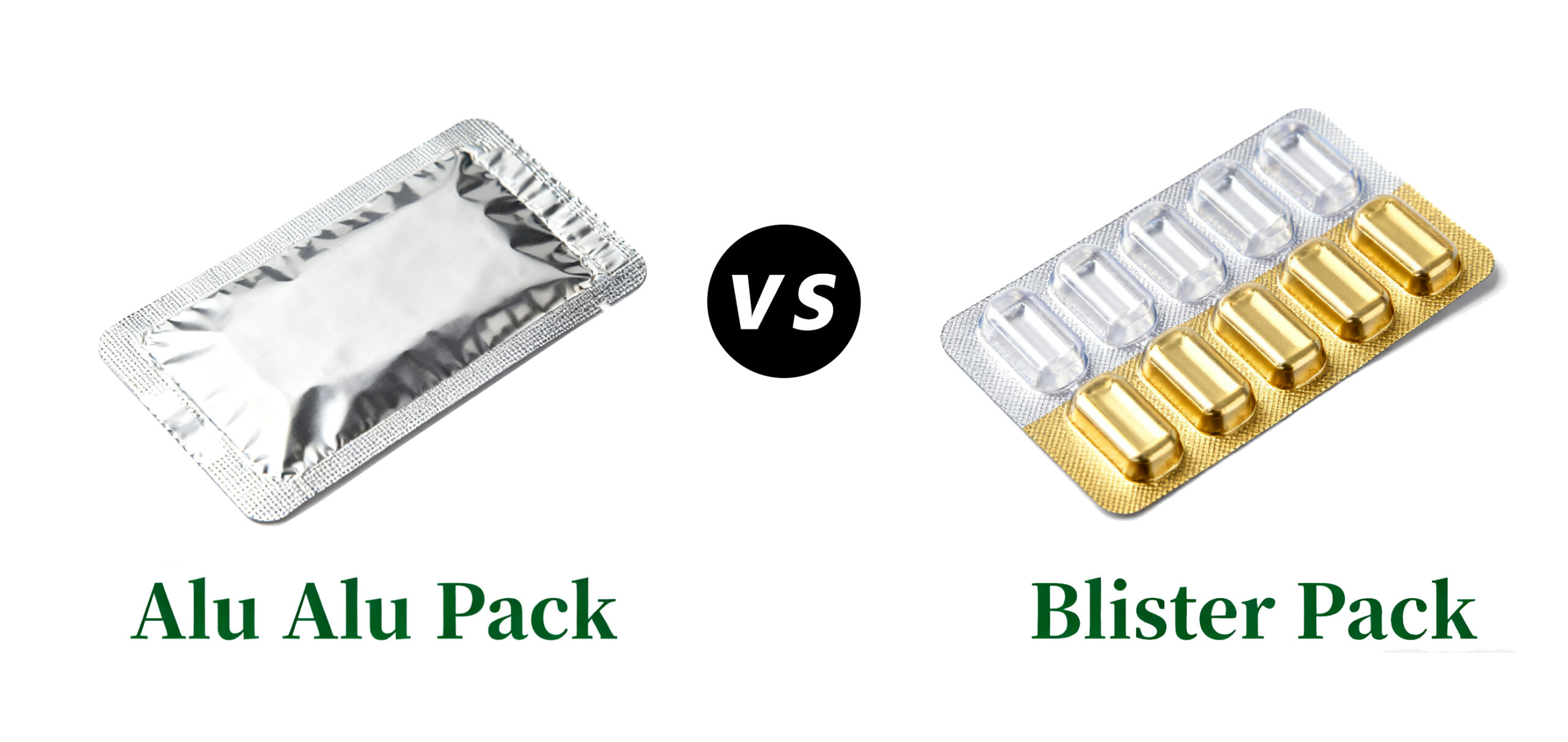
The main difference lies in their materials and protection levels. Alu Alu packs use aluminum-aluminum construction for maximum protection, while blister packs combine plastic with aluminum foil backing for standard protection needs. Both are made by Blister Machine.
What is Alu Alu Pack?
An Alu Alu pack is a pharmaceutical packaging made entirely of aluminum layers. It consists of aluminum foil on both the top and bottom, creating a complete metallic barrier around the product.
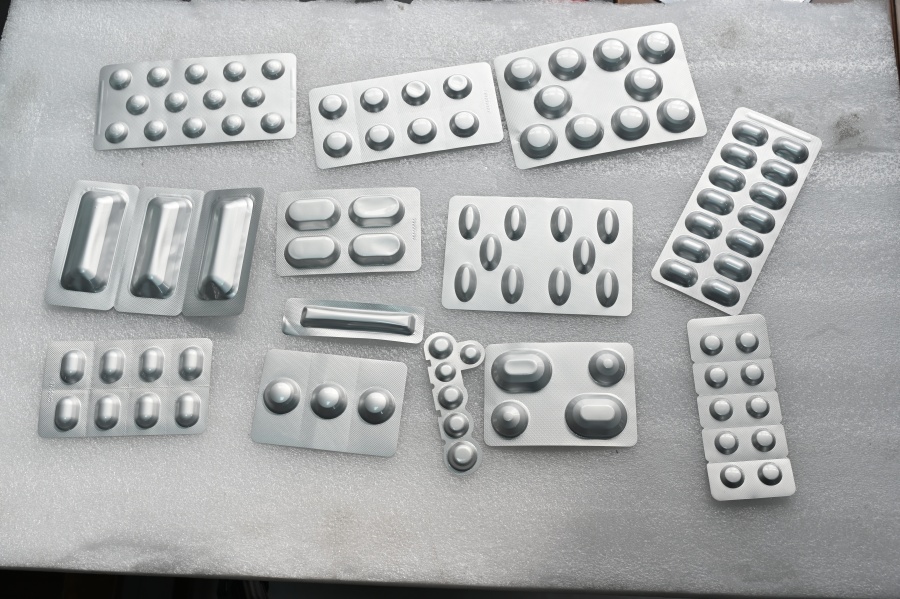
This packaging method sandwiches medications between two aluminum layers. The result? Maximum protection from external factors like moisture, light, and oxygen.
Advantages of Alu Alu Packs
Why choose Alu Alu packing? Here are the key benefits:
- Superior barrier protection: Blocks 100% of light, moisture, and gases.
- Extended shelf life: Keeps medicines fresh for longer periods.
- Temperature resistance: Handles extreme temperature changes.
- Tamper-evident: Easy to detect if packaging has been opened.
- Child-resistant: Harder for children to access accidentally.
Disadvantages of Alu Alu Packs
What are the downsides? Consider these limitations:
- Higher cost: More expensive than standard packaging.
- Limited visibility: Cannot see the product inside.
- Environmental impact: Less recyclable than some alternatives.
- Opening difficulty: May be challenging for elderly patients.
Applications of Alu Alu Packs
Here are the most common applications of Alu Alu packs.
- Sensitive antibiotics and vaccines.
- High-value pharmaceutical products.
- Moisture-sensitive medications.
- Export pharmaceuticals requiring long shelf life.
- Premium healthcare products.
What is Blister Pack?
What defines a blister pack? A blister pack combines a plastic cavity (usually PVC) with an aluminum foil backing. The plastic forms a bubble or “blister” that holds the product, while foil provides the seal.
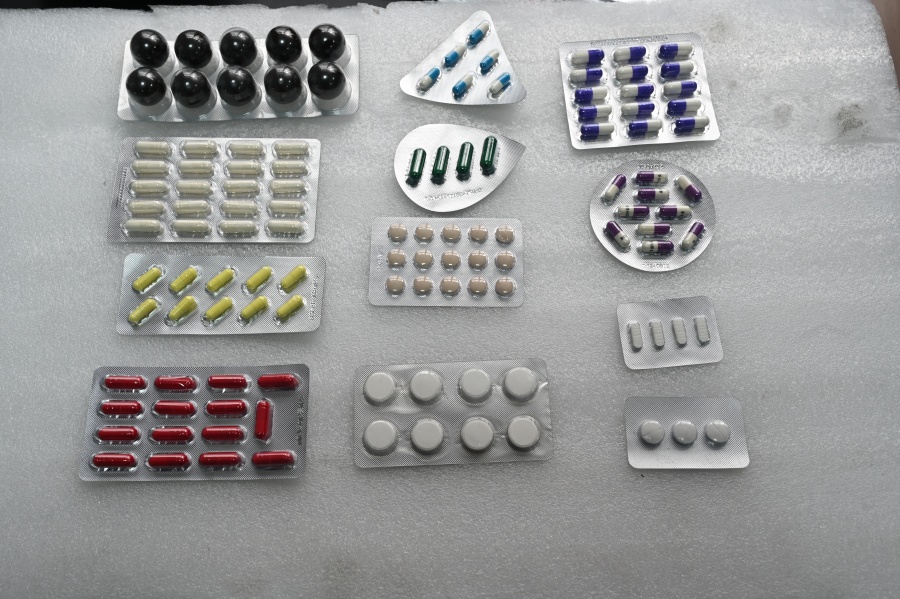
This packaging style is the most common in pharmaceutical and consumer goods industries.
Advantages of Blister Packs
Why are blister packs so popular?
- Cost-effective: Cheaper to manufacture and purchase
- Product visibility: Clear plastic allows easy identification
- Lightweight: Reduces shipping and storage costs
- Easy opening: Simple push-through mechanism
- Portion control: Individual dosing prevents overuse
Disadvantages of Blister Packs
What are the drawbacks?
- Limited barrier protection: Less protection from moisture and light
- Temperature sensitivity: Plastic can deform in heat
- Shorter shelf life: Products may degrade faster
- Puncture risk: Sharp objects can damage packaging easily
Applications of Blister Packs
Where do you commonly find blister packs?
- Over-the-counter medications.
- Vitamins and supplements.
- Consumer electronics accessories.
- Small hardware items.
- Chewing gum and mints.
Key Differences Between Alu Alu and Blister Packs
How do these packaging types compare directly?
Feature | Alu Alu Pack | Blister Pack |
Material | Aluminum-aluminum | Plastic-aluminum |
Protection | Maximum | Moderate |
Cost | Higher | Lower |
Visibility | None | Clear view |
Shelf life | Extended | Standard |
Opening ease | Moderate | Easy |
Protection Levels
Which offers better protection? Alu Alu packs provide superior protection against moisture, light, and oxygen. Blister packs offer adequate protection for most standard applications.
Cost Considerations
Which is more budget-friendly? Blister packs are generally 30-50% cheaper than Alu Alu packs, making them ideal for cost-conscious applications.
Environmental Impact
Which is more eco-friendly? Both have environmental considerations. Blister packs use mixed materials that are harder to recycle, while Alu Alu packs use more aluminum but are potentially more recyclable.
Key Takeaways
What should you remember about Alu Alu vs Blister packs?
- Choose Alu Alu for sensitive, high-value products requiring maximum protection.
- Choose Blister packs for cost-effective, standard protection needs.
- Protection vs Cost: Alu Alu offers superior protection but costs more.
- Visibility matters: Blister packs allow product identification.
- Application-specific: Your choice depends on product requirements and budget.
The bottom line? Both packaging types serve important roles. Alu Alu packs excel in pharmaceutical applications requiring maximum protection, while blister packs dominate cost-sensitive markets where moderate protection suffices. Consider your specific needs, budget, and target market when making your choice.