 English
  Russian
  Turkish
  Spanish
  French
  German
  Japanese
No matter the industry you’re operating in, the packaging of your product is the ‘first impression’ you can’t go wrong with. As a pharmaceutical, two options you’ve probably considered are blister packs and clamshell packaging. While they may look similar, digging into blister pack vs clamshell can be the secret to making your product stand out.
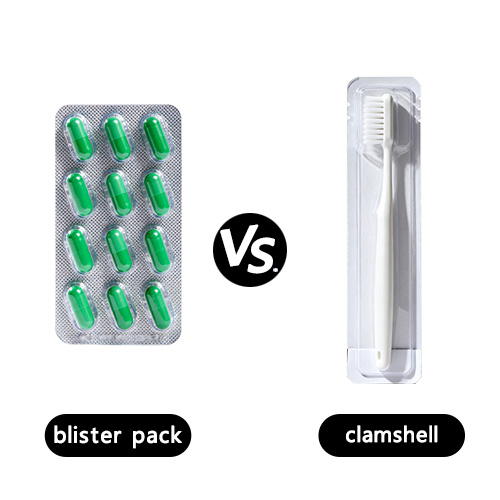
If you’re wondering which packaging is best for your product’s appeal, you’re in the right place. In this blog, we’ll explore the differences between the two types of packaging and decide which one is the ultimate choice for you. Let’s begin.
What is a Blister Pack?
Typically made of PVC or PET, blister packs are a type of packaging with a plastic bubble (called the blister) to fit the specific product. It’s usually attached to a flat cardboard or sometimes foil, which contains branding, instructions, and other legal information. The plastic front provides visibility for products of different shapes.
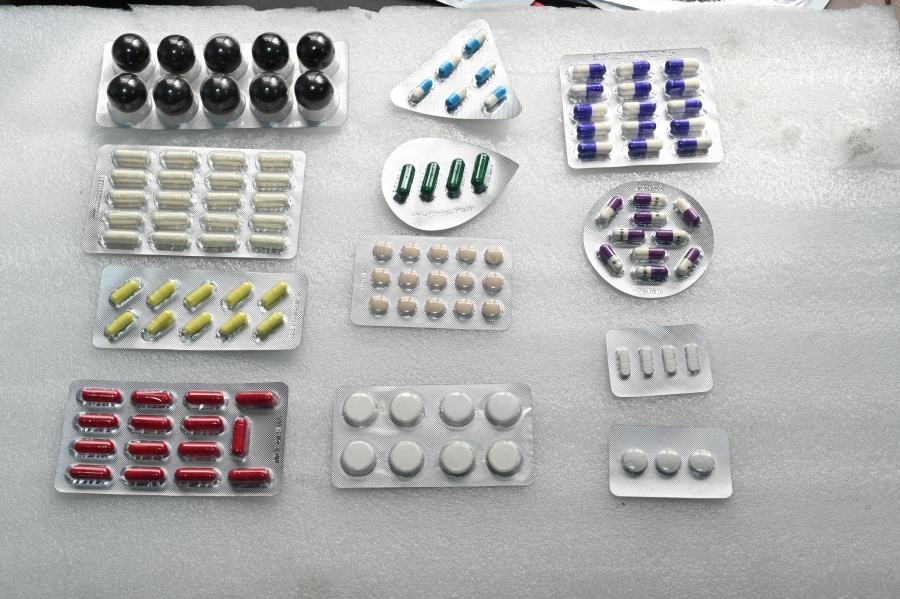
Some of the most common applications of blister packs are over-the-counter medicines, small tools, batteries, and stationery items. Better yet, blister packs are affordable and customizable, which is a huge plus for businesses. They’re also tamper-evident, i.e., you can tell if somebody has tried to open the product before.
What is a Clamshell Pack?
On the other hand, clamshell packaging gets its name from ‘clam,’ i.e., two shells joining together to protect the contents inside. Instead of a cardboard or foil back, clamshells are made entirely of plastic, with the two ends sealed shut until purchase. While they’re often more pricey than blister packs, they’re highly secure and pack larger items easily.

Made from multiple plastic versions like PET, rPET, or polystyrene, they give customers a full view of the enclosed product from multiple angles. Typically, clamshell packs are ideal for cosmetic sets, bulbs, small appliances, or retail products that require special security.
Blister Pack vs Clamshell: Key Differences to Know
When exploring blister pack vs clamshell, the stats reveal a lot about the kind of packaging that best serves the market. For instance, the global blister packaging market is projected to hit 34.1 billion by the end of this year, whereas the global clamshell segment is set to reach USD 19,674.2 million by 2030.
While both have unique ways to package and showcase your product, it’s worth exploring the key differences between them to choose the right packaging type, including:
Blister Pack vs. Clamshell Compare Tablet
| Feature | Blister Pack | Clamshell |
| Primary Use | Small, uniform items (pills, small electronics, toys). | Larger, irregularly shaped items (electronics, tools, appliances). |
| Structure | A pre-formed plastic “blister” on a cardboard backing. | Two identical or complementary rigid plastic halves hinged together. |
| Security | Very high. Tamper-evident; contents are inaccessible without destroying the package. | High. Often requires scissors or a knife to open, but can be re-closed. |
| Visibility | Excellent. 100% view of the product from the front. | Excellent. View from both sides, but plastic can cause glare. |
| Openability | Infamously difficult. Known as “wrap rage.” | Very difficult. Often requires sharp tools, posing a safety risk. |
| Reusability | Low. The package is destroyed upon opening. | High. Can be snapped closed for storage or resale. |
| Environmental Impact | Difficult to separate materials for recycling. Often ends up in landfill. | Bulky, uses more plastic. Recyclable, but often not recycled properly. |
| Cost | Generally lower cost for smaller, simpler items. | Generally higher cost due to more plastic and complex molding. |
Construction & Shape
The key differentiating factor between blister pack vs clamshell is how they’re built and closed. A blister pack’s plastic can be molded into almost any shape, whether it’s a grid for tablets or a custom form to hold a small tool. Conversely, a clamshell package features a single piece of plastic completely enclosing the product, without necessarily taking its shape.
Display Options
Usually, blister packs are designed to hang on hooks, so they don’t neatly place your product over shelves. On the other hand, clamshells are more flexible, letting you place the product on shelves, hang it, or even let it sit neatly on counters.
Types of Products
Exploring blister pack vs clamshell? Well, each type of packaging suits specific products, so it’s best to understand the kind of package that will best serve you. In general, blister packaging works best for lighter products like medicines, toothbrushes, or small toys. However, since clamshell packs are sturdier, they can pack gadgets, toolkits, or slightly heavier products.
Cost
When it comes to affordability, blister packs usually take the lead. Since they use less material and have a simpler design, they’re easier on the pocket. On the flip side, clamshell packs cost more as they’re bigger, use more plastic, and generally have a more complex design.
Security & Accessibility
Generally speaking, blister packs are less flexible but highly secure. Most of them are sealed to a cardboard back and can only be opened by tearing or cutting them. Clamshells, on the other hand, are pretty accessible, letting you open and close them easily. However, some of them are heat-sealed, so they remain shut until someone cuts them open.
Environmental Impact
In terms of environmental impact, blister packs are usually more eco-friendly since they use less plastic and are made up of sustainable materials like cardboard. However, clamshells are made up entirely of plastic, so they’re less green.
Blister Pack vs Clamshell: Which is Better For You?
When it comes to the ‘blister packs vs clamshell’ debate, there’s no one-size-fits-all answer. Eventually, the right packaging choice boils down to your packaging goals, and most importantly, the type of product you’re selling. Once you match your goals to the strengths of each packaging style, the final choice will be much clearer to you.
For example, if you’re selling something light like pharmaceutical products, a blister pack is usually a great yet cost-friendly choice. Nonetheless, you might opt for clamshells if your product is a bit larger, requires 100% visibility, or needs stronger protection.
FAQs
Are blister packs recyclable?
Unfortunately, blister packs are not recyclable in your regular household recycling bin or programs, mainly because of their contents, like plastic and aluminum. However, specialised recycling centers might still recycle them.
Why is PVC used on blister packs?
PVC is the most typical element used for blister packs, mainly due to its affordability, visibility, and the ability to be thermoformed easily. This makes it an excellent packaging material for pharmaceuticals and other sensitive products.
Are blister packs more eco-friendly than clamshells?
Yes, blister packs are often more eco-friendly than clamshells, mainly due to less plastic and the use of cardboard, which is often recyclable. On the flip side, clamshells are entirely two plastic shells joined together.
Conclusion
While picking the ‘right’ packaging depends on your product, a thorough understanding of blister pack vs clamshell can guide your decision. Clamshells are tough and durable, while blister packs are a cost-effective way to display your lightweight items on the market. The good news? Both options can be made from recyclable materials if going green is on your priority list!
Recommend Readings:
How Long Do Tablets Last Out of Blister Pack?
Types of Blister Packaging Machines Applied to Pharmaceutical Industry.
Alu Alu Pack vs Blister Pack: Which Packaging is Right for Your Needs?
Copyright Notice:
You may not reproduce, modify, publish, display, transmit, or in any way exploit any content on this website, or use such content to construct any kind of database without prior express written approval by Finetech Group. For permission to use the content, please contact: info@pharmamachinecn.com
Disclaimer:
The information contained in this article is for general information purposes only. The Company does not guarantee the accuracy, relevance timeliness or completeness of any information, and the Company assumes no responsibility for errors or omission in the content of this article.



2 thoughts on “Blister Pack vs Clamshell | What’s the Difference?”
Thanks for sharing. I read many of your blog posts, cool, your blog is very good.
Your point of view caught my eye and was very interesting. Thanks. I have a question for you.