 Skip to content
  English
  Russian
  Turkish
  Spanish
  French
  German
  Japanese
From pharmaceuticals to cosmetics and even everyday consumer goods, blister cartoning machines have taken over packaging. Cartons are no longer folded, filled, and sealed by hand. Instead, blister cartoning machines manage the entire process with speed and consistency that manual labor could never match.
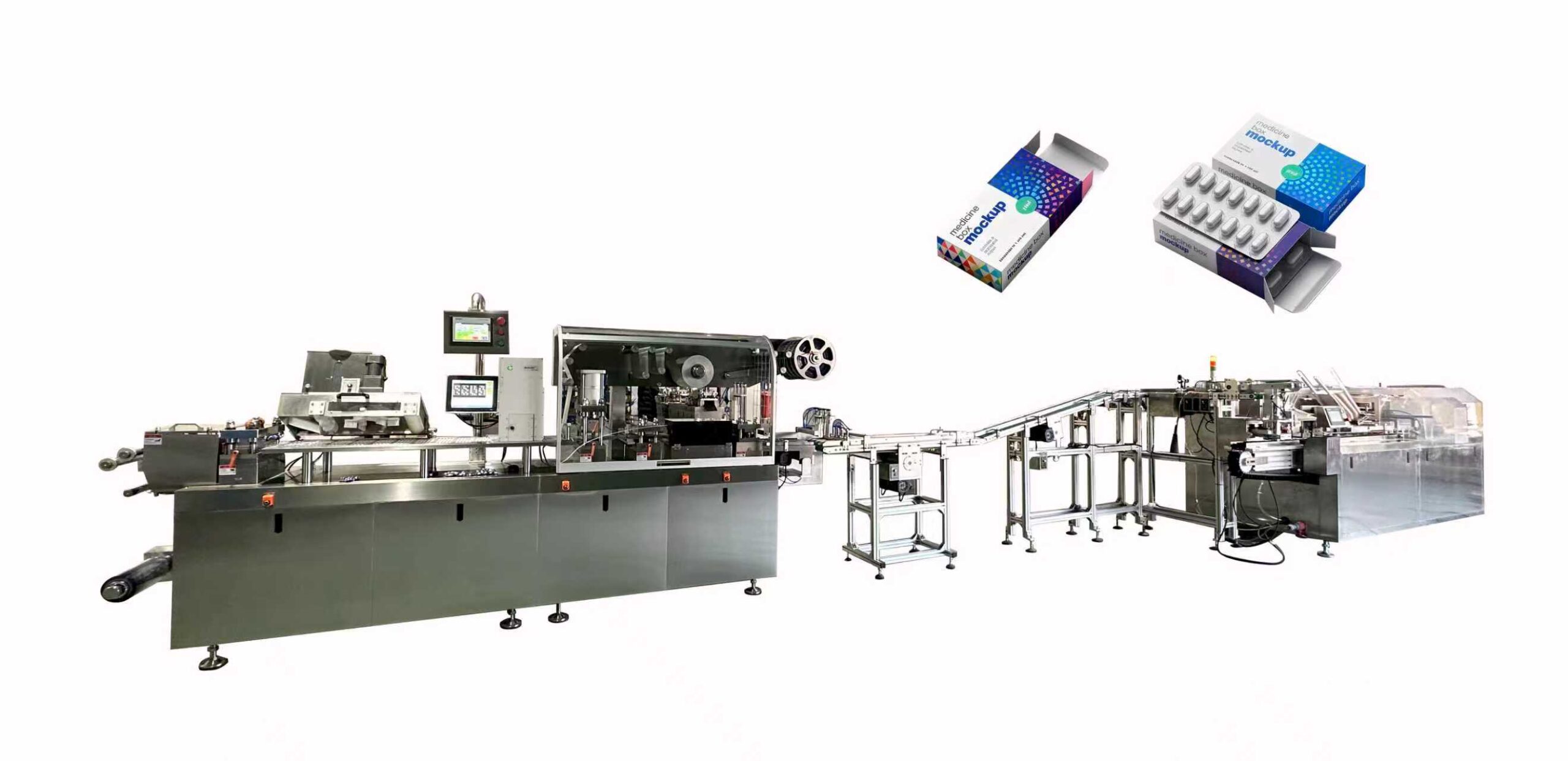
It provides uniform product packaging that meets both safety standards and consumer expectations. Each blister pack is placed, labelled, and sealed inside a perfectly sized carton. Without it, large-scale manufacturing operations would struggle to meet the rising consumer demand.
This guide explains key components and features that make blister cartoning machines stand out.
Key Takeaways: Blister Cartoning Machine
- What it delivers: Packs blister cards into cartons and seals them for safe transport and retail-ready presentation, turning bulk output into sellable units.
- How it runs: Operates in manual, semi-automatic, or fully automatic modes and integrates with upstream blister lines for continuous flow.
- Operator-focused features include Quick-Change tooling, servo controls, vision or presence sensors, and tool-less adjustments for rapid format changes.
- Bottom-line advantages: Speeds packaging, reduces rejection and manual touchpoints, improves regulatory compliance, and lowers per-unit packing costs.
What is a Blister Cartoning Machine?
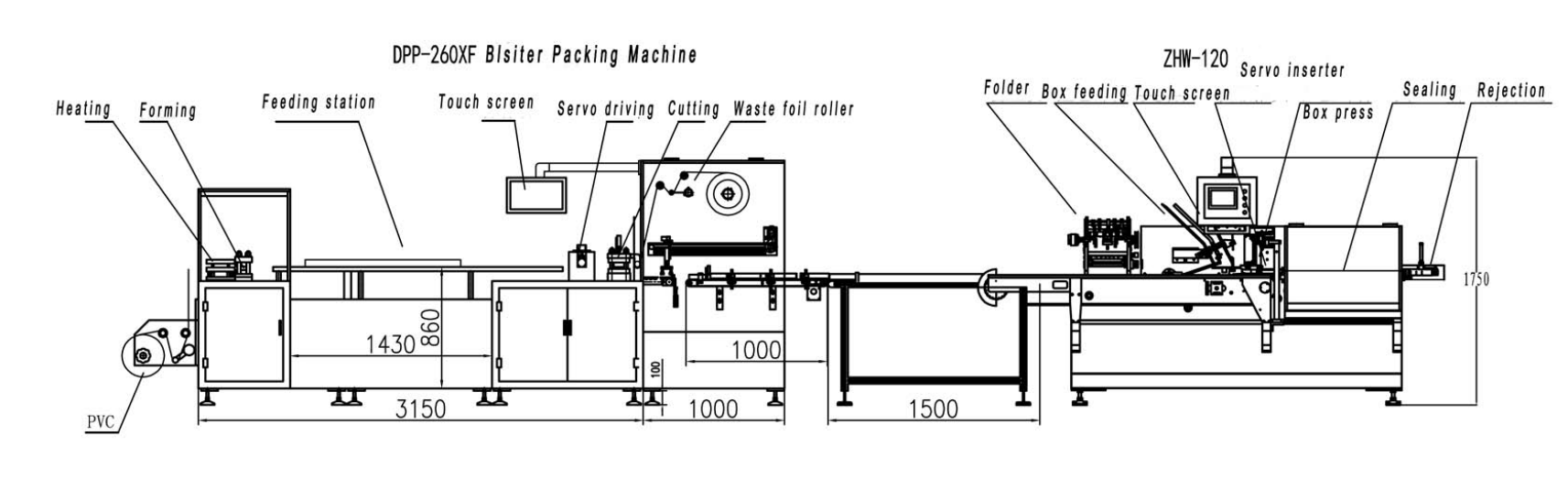
A blister cartoning machine is an advanced packaging equipment that automates the placement of blister packs into cartons. It handles every step, from erecting cartons to sealing the final box, without extensive manual labor.
Like all blister packaging machines, the cartoning machine is also a core asset in the industrial world. These machines package products in cartons at high speed with accuracy. The process begins with carton feeding. Flat cartons are drawn from the magazine and transferred into the erector for shaping.
Next, the blister packs, whether tablets, chewing gum strips, or cosmetic units, are automatically aligned and inserted into the cartons. They are then sealed using tuck-in flaps or hot-melt adhesives. Finally, the quality control system closely inspects every carton and rejects any that are defective or incomplete.
Here’s a video explaining how the machine works.
Blister Cartoning Machine Running Video
Blister Cartonning Machine Application Industries
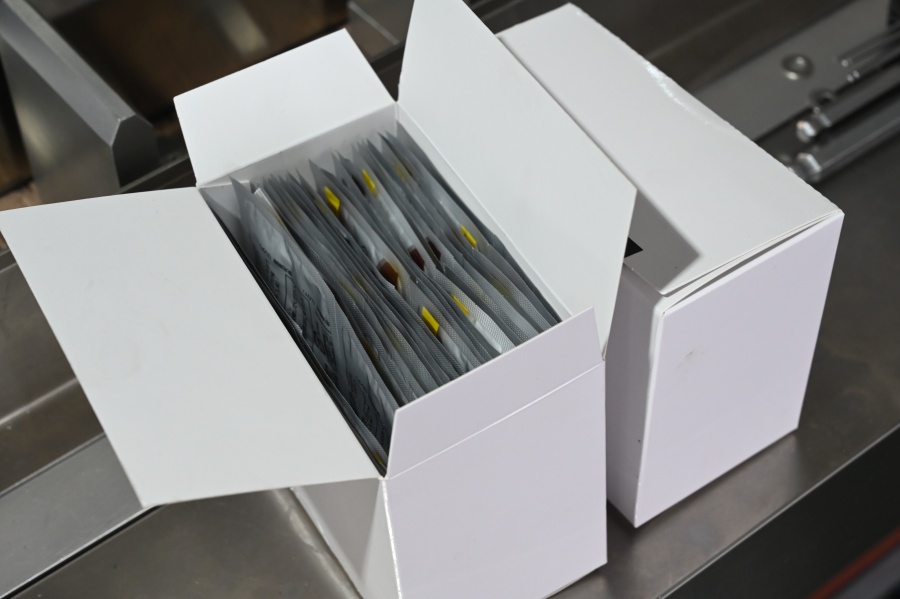
The application is most critical in industries where product integrity, safety, and information are paramount.
| Pharmaceutical | (The most common application) Prescription drugs, over-the-counter (OTC) medicines, pills, capsules, tablets, lozenges. |
| Medical Devices | Small kits, sterile components, syringes, test strips, surgical staples. |
| Consumer Goods | Batteries, razor blades, small electronics, seeds, hardware (screws, nails), confectionery. |
| Veterinary | Animal health products, pet medications. |
Main Components of a Blister Cartoning Machine
Understanding the working principle and features of a blister cartoning machine requires a detailed look at its core components. Here’s how the main components work together:
1. Carton Magazine

The carton magazine is the entry point of the system, where flat cartons are stacked. Using suction cups and mechanical grippers, cartons are individually picked and fed into the production line with precise timing.
2. Carton Erector
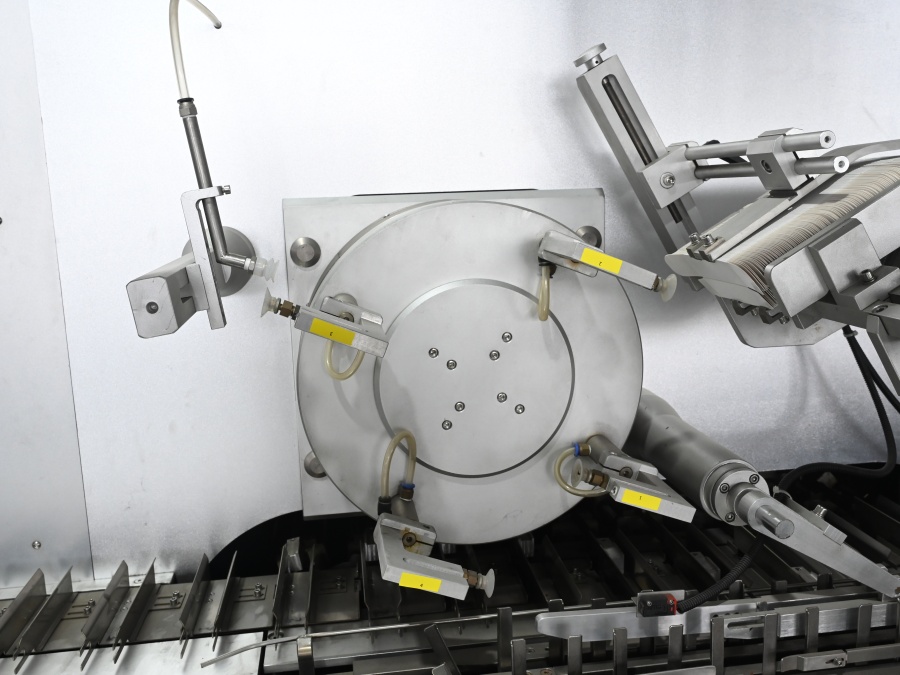
Since cartons are supplied flat, the erector folds and shapes them into perfectly-formed boxes. Pneumatic pushers and folding plates expedite the process and prepare the cartons for product insertion.
3. Control Segment
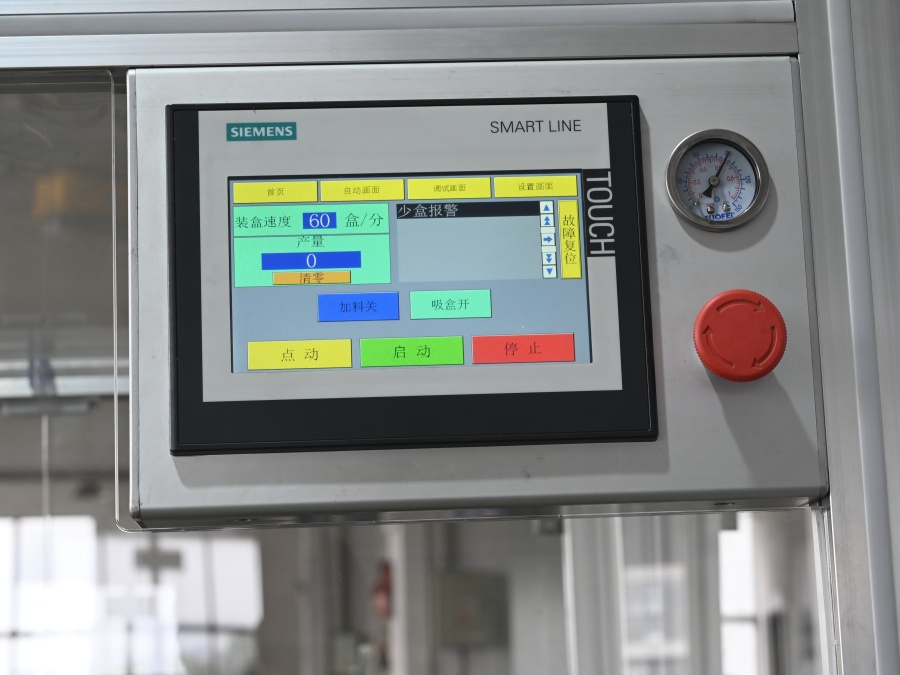
Modern machines feature PLC controls with touchscreen HMIs. This allows operators to monitor the machine performance in real time. It also reduces errors through greater transparency and control.
4. Carton Tooling System
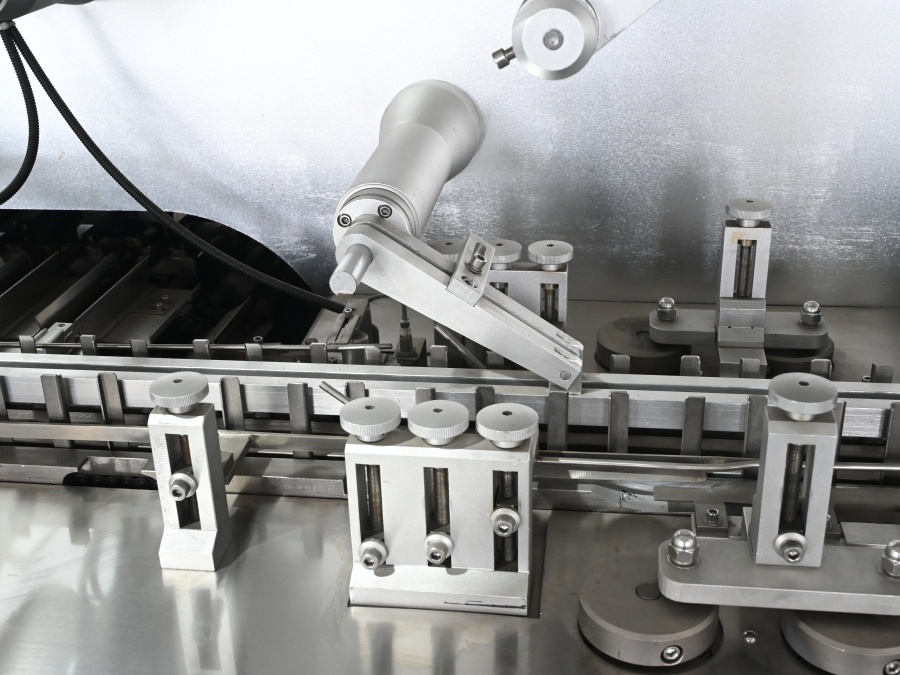
The carton tooling system enables rapid changeover between different carton sizes and designs that support multi-product operations. It precisely cuts and forms cartons according to the specifications set on the control panel.
5. Transport System
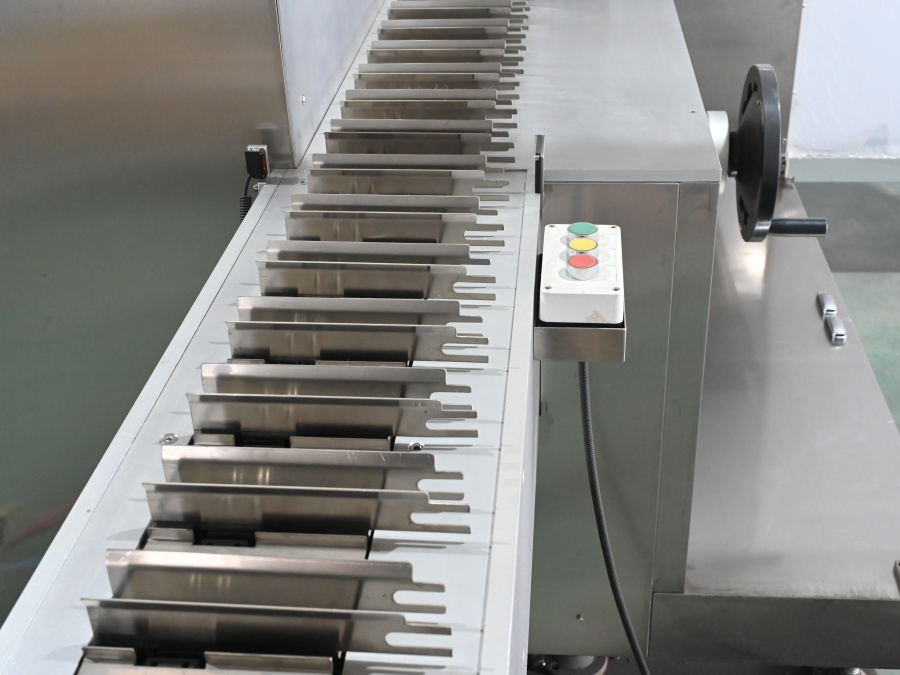
The transport system consists of a network of conveyors that guide cartons through each stage. By maintaining controlled movement and timing during folding, closing, and sealing, it allows smooth operation and prevents production delays.
Types of Blister Cartoning Machines
Blister cartoning machines are not one-size-fits-all. Their designs vary depending on production scale, product type, and facility requirements. Here are the most common types used across industries.
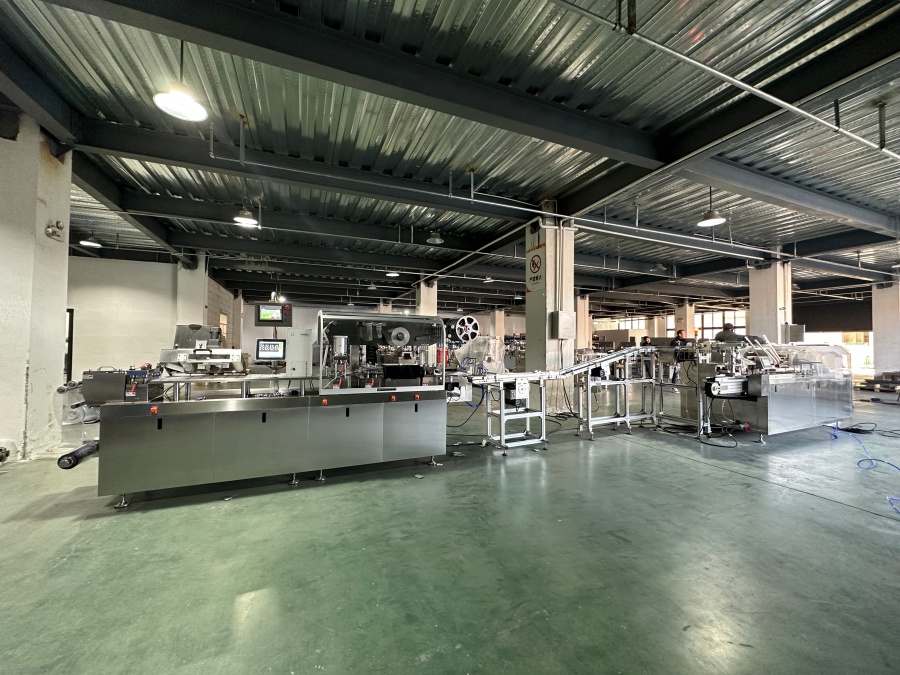
1- Horizontal Blister Cartoning Machine
In this design, cartons travel through the system horizontally. The products are guided into the machine via the lateral drawer. From there they advance through the packaging process.
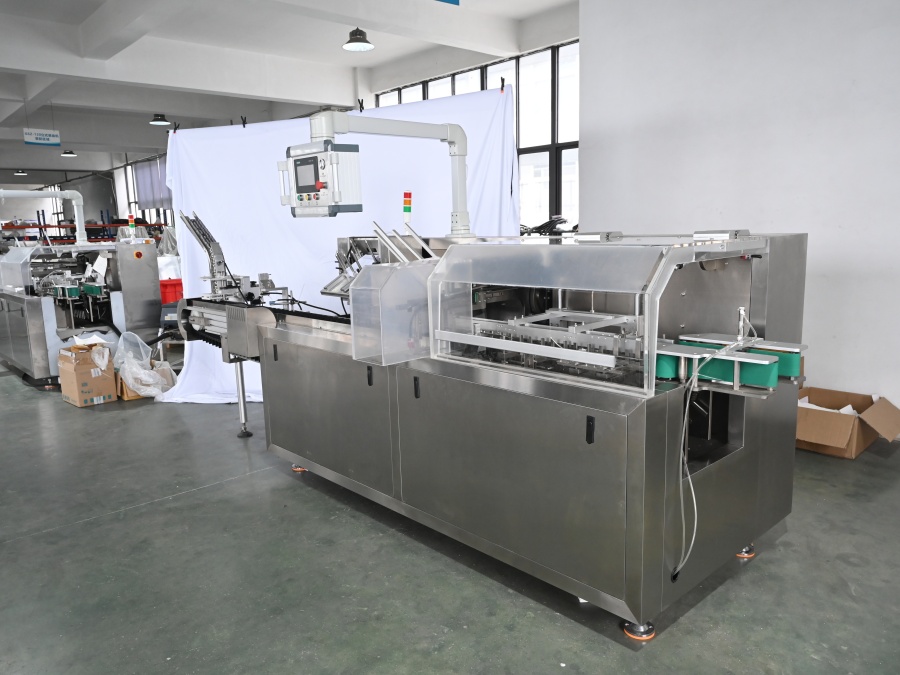
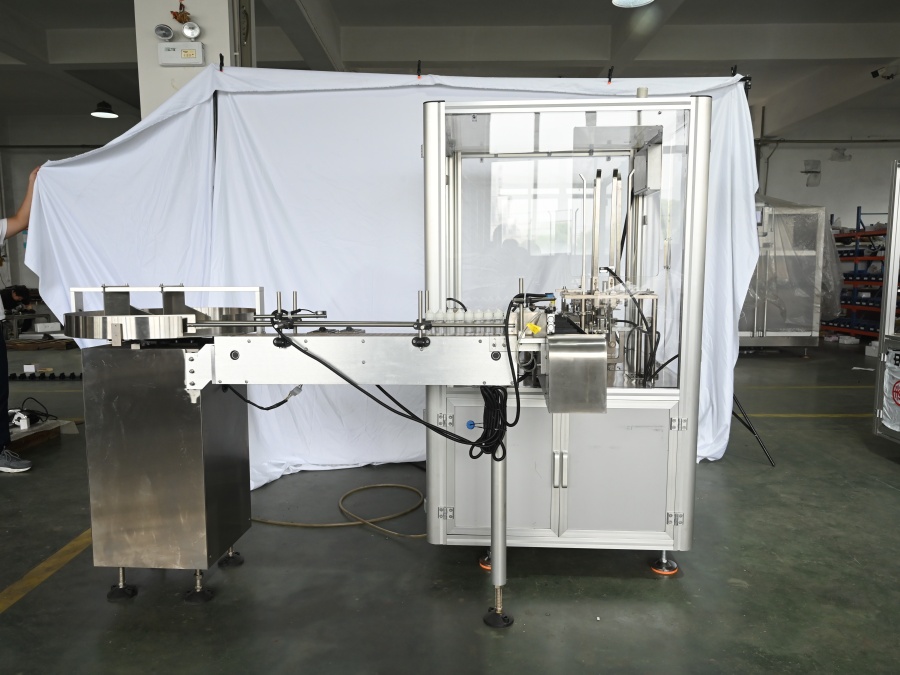
2- Vertical Blister Cartoning Machine
For delicate or irregular products that require careful handling, the cartons are packed vertically. Syrup bottles, injectables, and serums are most commonly packaged through vertical machines. Their compact footprint makes them an ideal choice for facilities with space limitations.
Key Features of a Blister Cartoning Machine
The performance of blister cartoning machines is defined by their features. Here are some key features that help the machine achieve peak productivity.
1. High-Speed
Advanced cartoning machines can handle 200 to 300 cartons per minute, or sometimes even more. For pharmaceutical, nutraceutical, and cosmetics manufacturers, this speed is critical for meeting growing market demands.
2. User-Friendly Interface
These machines don’t require highly specialized operators. With touchscreen HMIs and intuitive PLC systems, even staff with minimal technical training can oversee production.
3. Multiple Carton Closing Options
A robust blister cartoning machine supports various closure methods. The most common methods include tuck-in flaps, adhesive tapes, and glue sealing. Such flexibility allows manufacturers to tailor packaging styles based on regulatory requirements, branding, and product type.
4. Safety Control
Built-in safety features are a necessity in large-scale industries. Automatic sensors, safety guards, and emergency stop buttons instantly detect misfeeds, blockages, and operational faults. This prevents product loss and safeguards company employees.
5. Quality Control System
Cartons leaving the line must meet strict compliance standards. The quality control system automatically detects faults, such as missing blisters, misaligned prints, or structural damage. With integrated barcode scanners, vision, and weighing systems, the machine rejects defective units for superior output.
Benefits of Blister Cartoning Machines
Packaging is not just about putting a product in a box. It demands efficiency, compliance, and market competitiveness to make a mark. Here are some benefits of investing in a blister cartoning machine:
1. Versatile Handling
Modern cartoning machines are engineered for high adaptability, capable of accommodating a broad range of carton sizes, shapes, and materials. Advanced machines support multiple folding options (1–6 folds per carton) and can operate at speeds up to 200 cartons per minute.
Many modern systems also feature quick-change tooling and adjustable feeders. This allows operators to switch between different carton sizes and product types in under 20 minutes.
2. Automatic Functioning
By automating carton erection, blister insertion, and sealing, businesses significantly cut manual labor costs. Changeovers between carton sizes and materials are also automated for uninterrupted performance across different product runs.
From folding leaflets to embossing batch numbers and sealing the cartons, every task is automated. As a result, manufacturers benefit from faster production, lower labor dependency, and reduced operating costs.
3. Consistent Packaging
Blister cartoning machines guarantee the exact number of blister packs per carton with every batch. Equipped with modern PLCs, servo drives, and intuitive HMIs, operators can monitor and control packaging to ensure precision.
Features like “No Product, No Leaflet, No Carton” and “Open Flap Detect & Reject” systems enhance reliability. The consistent packaging boosts brand reputation and minimizes the risk of costly product recalls.
4. Product Identification
With the Healthcare Distribution Alliance (HDA) regulations mandating barcodes and human-readable data on packaging, the role of cartoning machines has become crucial.
Inkjet coding provides every carton with clear batch numbers, expiration dates, or QR codes. This enables complete traceability across international supply chains, especially during recalls.
5. Product Safety
Every product leaving the line must remain intact, hygienic, and tamper-proof. That’s exactly what blister cartoning machines are designed for. Built in accordance with ISO 9001 and GMP standards, they prevent contamination, misalignment, and physical damage during transport and storage.
Tamper-evident sealing assures consumers that the packaging is authentic and unopened. This reinforces product safety and overall trust in the brand.
FAQs
1. What types of blister packs can be handled by a blister cartoning machine?
These machines can handle PVC-ALU, ALU-ALU, and thermoformed blister packs used in pharmaceutical, cosmetic, and electronic packaging.
2. Can a blister cartoning machine be integrated with other packaging systems?
Yes, most machines can be integrated with blister forming, filling, and labeling systems for a fully automated packaging line.
3. What kind of training is required to operate a blister cartoning machine?
Operators typically need basic mechanical knowledge and on-site training to handle settings, troubleshooting, and maintenance. Many modern systems include guided digital interfaces that simplify operation even for new users.
The Future of Packaging with Blister Cartoning Machines
The packaging industry doesn’t only rely on speed. It also requires smart features that help with compliance, traceability, and sustainability.
The good news is that blister cartoning machines fulfill the ideal equipment checklist. They have revolutionized packaging operations by combining features, such as smart sensors, predictive analytics, and automated inspections.
If you’re searching for a reliable automatic cartoning machine, you’re at the right place. Our machines come equipped with advanced sensors, safety devices, and smart alarm functions. From blister packs to glass bottles, they handle a wide range of products with flawless precision.
At Finetech, we deliver packaging solutions that redefine productivity. Contact us today to customize your equipment and get the most competitive quotation.

2 thoughts on “Blister Cartoning Machine: Features, Types, and Key Components”
Your article helped me a lot, is there any more related content? Thanks!
This is a very comprehensive and clear guide to blister cartoning machines! It covers features, types, components, and benefits perfectly.