English
  Russian
  Turkish
  Spanish
  French
  German
  Japanese
Uniformity is a key factor impacting the drug’s therapeutic effectiveness. Achieving this homogenous formulation often requires precise control over powder size. ResearchGate study shows that the particle size of active ingredients plays an important role in achieving consistent drugs. In this aspect, a hammer mill in plays a pivotal role.

By reducing material size, this equipment ensures even distribution of APIs. It enhances the blending efficiency and ensures balanced batch quality. Here’s everything you need to know about this innovative machine.
Main Components and Working Principle
A typical hammer mill in consists of several key components. They work together to achieve efficient particle size reduction. Each part has a specific function that ensures smooth operation.
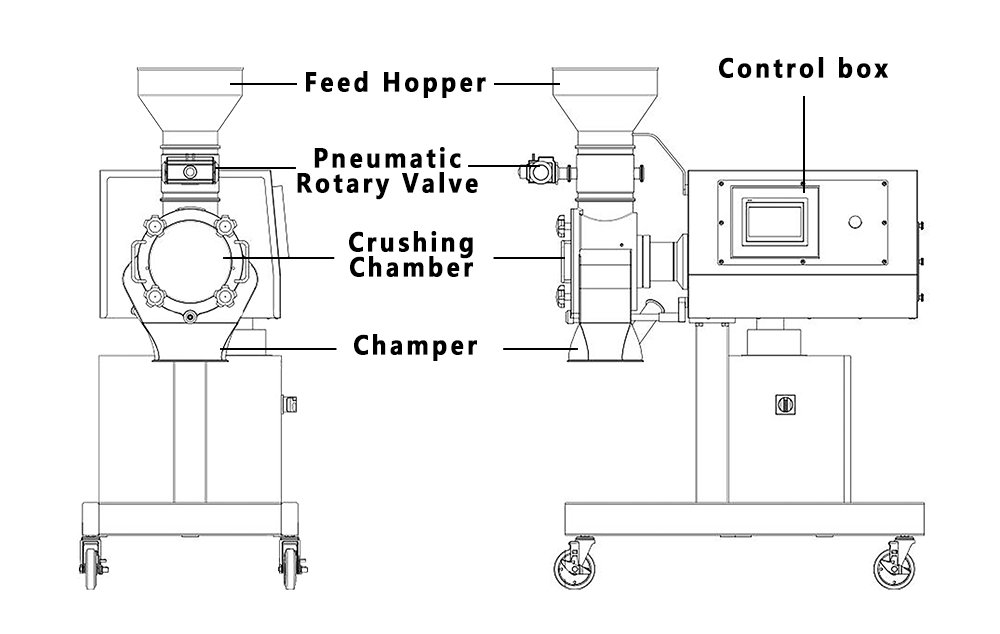
- Feeding Mechanism: This component controls the amount of material entering the mill. It ensures a uniform feed rate for efficient grinding.
- Rotors and Hammers: As the heart of the machine, hammers and rotors perform the primary milling function. Here, the hammers are attached to a rotating shaft that delivers high-speed impacts to break down the material.
- Liner or Crushing Chamber: This is the internal surface where the particle reduction takes place. Liner is usually made of stainless steel or other durable materials that can withstand constant impact.
- Screen or Sieve: To determine the final particle size, the screen or sieve is significant. They allow only particles below a specific size to pass through.
- Discharge System: After passing through the screen, the processed material is collected through the discharge system. It ensures smooth product flow and minimal losses.
Hammer Mill Working Principle
The hammer mill in operates on the principle of impact and attrition. Here, high-speed rotating hammers strike the material as they enter the milling chamber. The repeated blows from the hammers cause the feed to break into smaller particles. Then the crushed material is forced against a perforated screen. At this stage, the fine particles pass through while the coarser ones remain for further grinding.
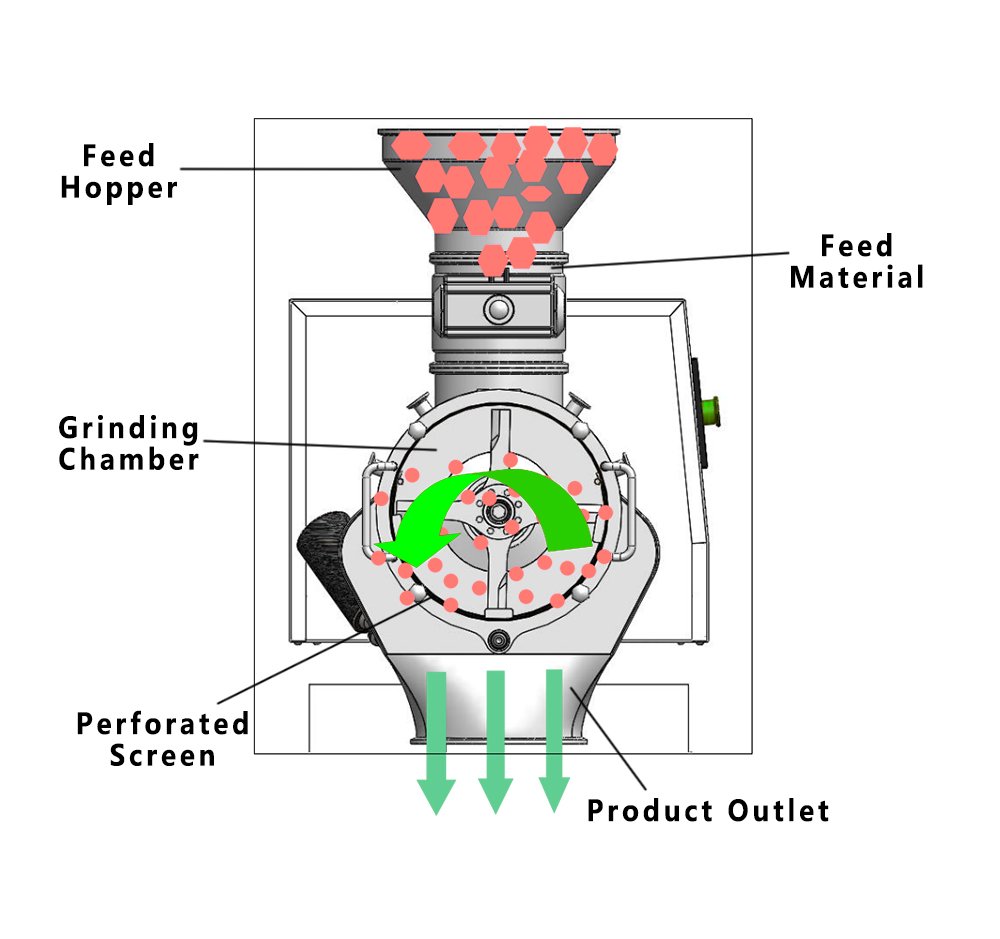
With this efficient milling action, formulators can produce a consistent particle size. American Pharmaceutical Review has revealed that establishing an appropriate material size is crucial for drug product quality.
Types of Hammer Mill
To meet specific production requirements, various milling models are available. Although all machines operate on the same basic principle, their design varies depending on the intended use. Selecting the right type of hammer mill in is significant to produce high-quality dosage forms.
Reversible Hammer Mill:
This type allows the direction of the rotor to be changed. When one side of the hammers wears out, the rotor can be reversed to use the opposite edge. This design extends the life of the hammers and maintains consistent grinding performance.
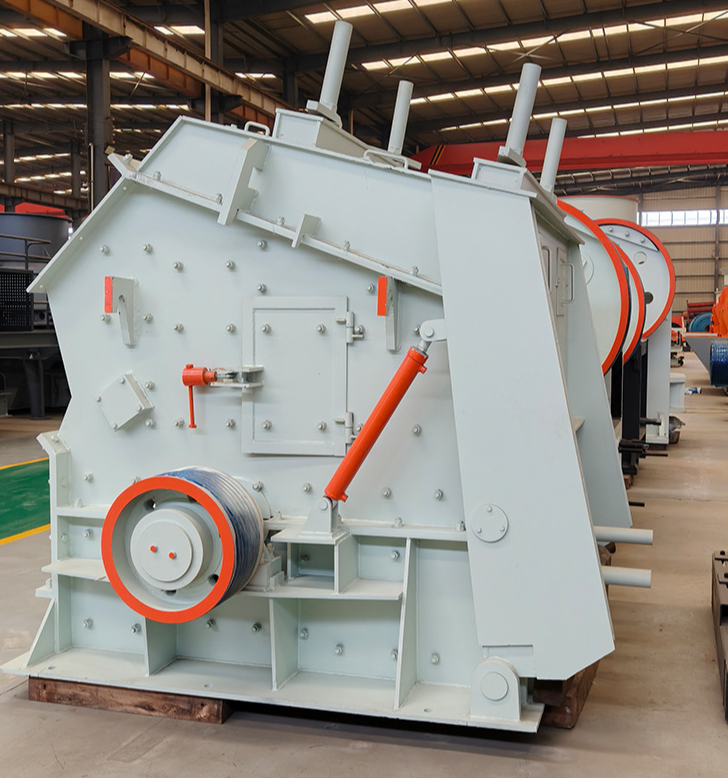
Reversible hammer mills are commonly used for continuous operations in pharmaceutical production. They are utilized where durability and efficiency are priorities.
Non-Reversible Hammer Mill:
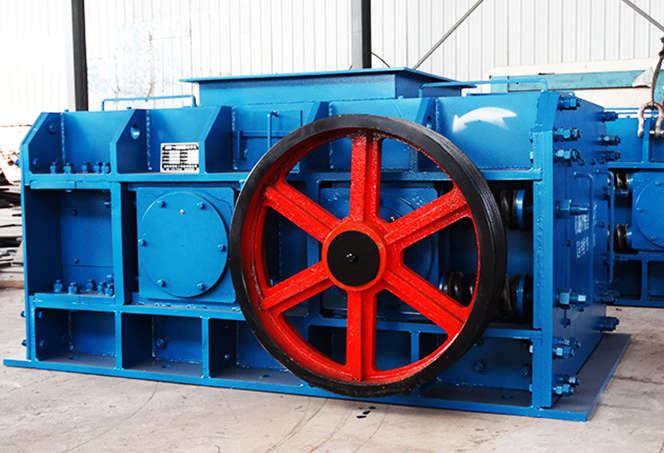
In this design, the rotor operates in only one direction. It is simpler and suitable for medium-scale production for less abrasive materials. Also, it offers a cost-effective solution for moderate grinding needs in medicinal applications. However, the machine requires more frequent hammer replacement.
Half-Screen Hammer Mill:
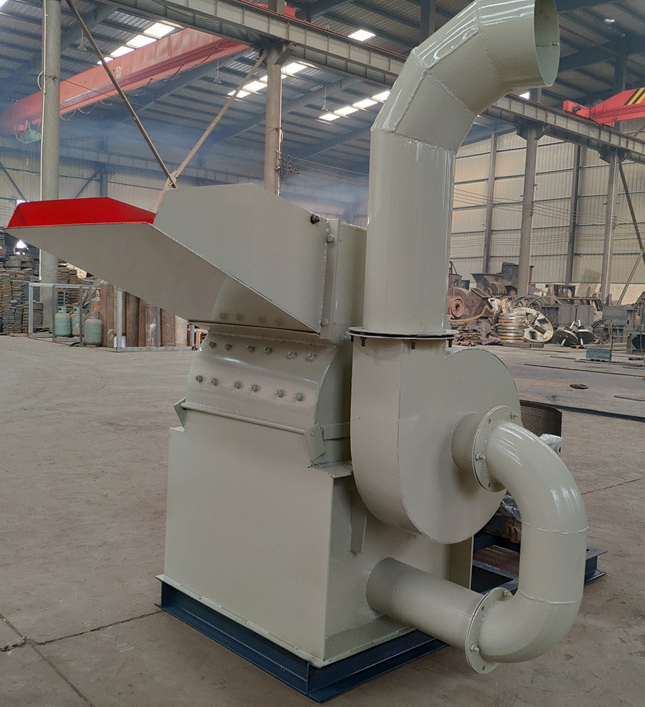
This model has a screen that covers only half of the grinding chamber. It is ideal for producing coarse to medium particle sizes. The design promotes airflow, which helps in cooling the material and preventing heat buildup. So, it makes this pharmaceutical equipment appropriate when handling temperature-sensitive ingredients.
Full-Screen Hammer Mill:
Study shows that the fineness of the final product relies on the size of the perforated screen. In this type, the mesh covers nearly the entire milling chamber. It allows for maximum contact between the material and hammers. This configuration results in finer, more uniform particles. This machine is highly suitable for achieving precision in drug formulations.
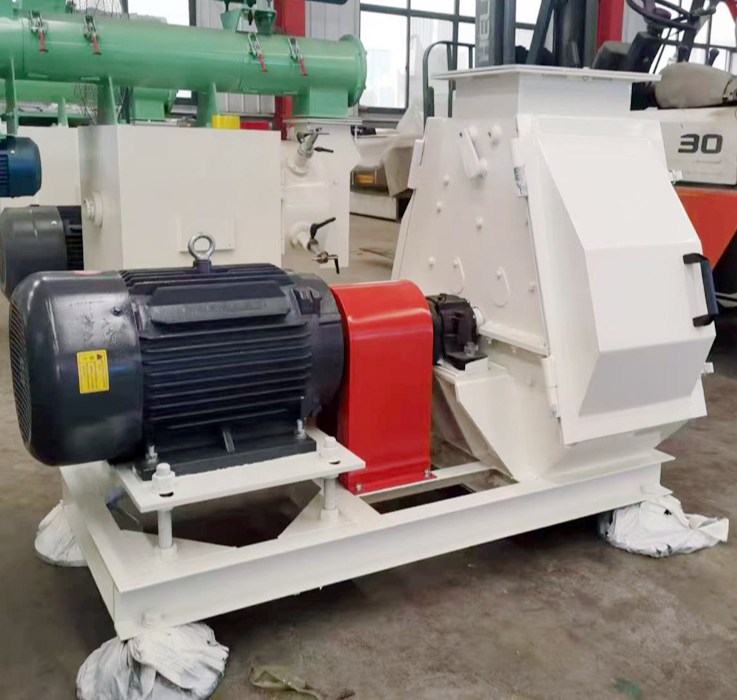
With this hammer mill in , the developers have better particle size control and efficient powder flow.
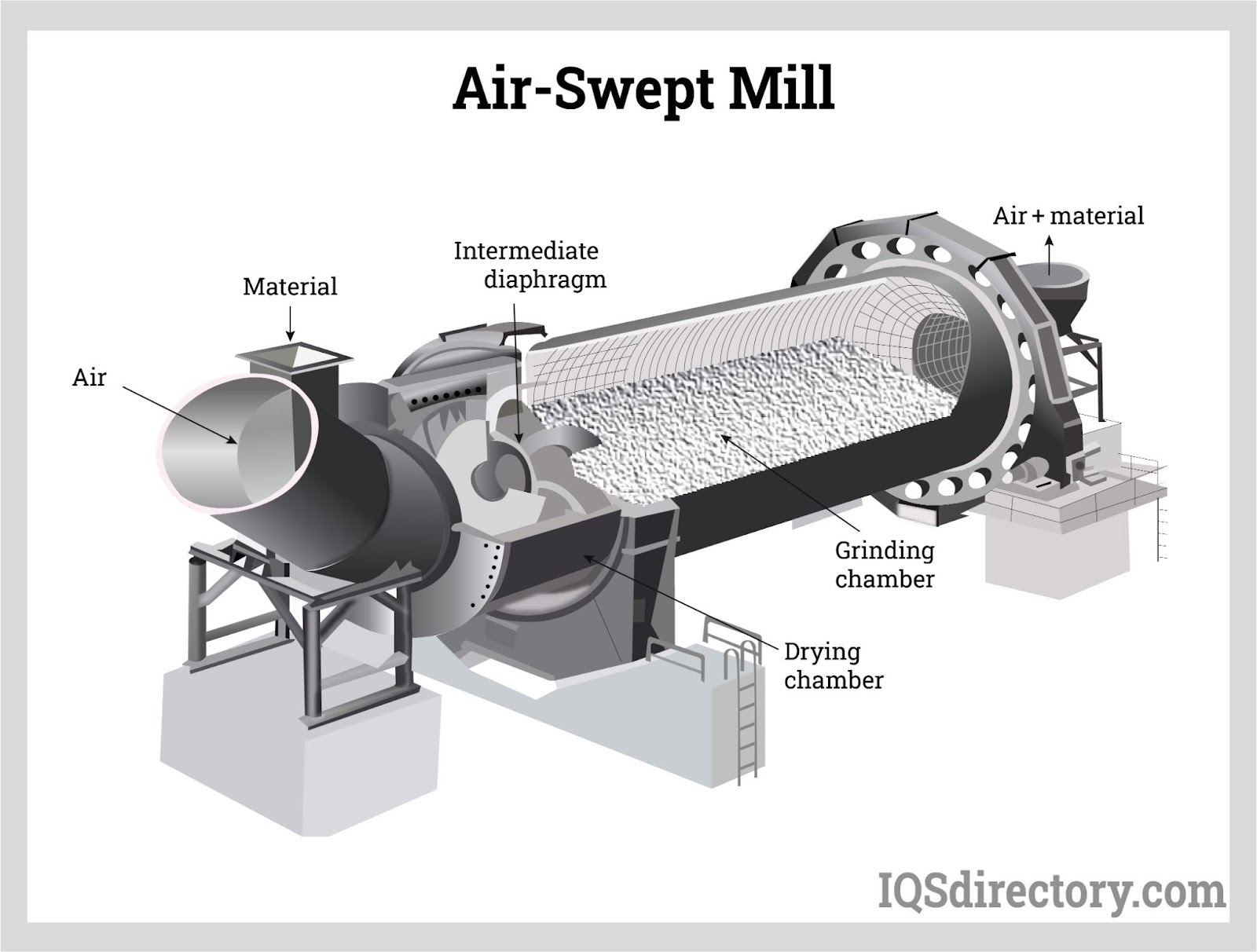
Air-Swept Hammer Mill:
This milling machine is equipped with an integrated air system. It uses airflow to carry the milled particles through the screen and out of the chamber. Thus, it minimizes heat generation and is particularly useful for heat-sensitive materials.
| Types of Hammer Mill | Key Features | Uses | Key Advantages |
| Reversible Hammer Mill | Rotor can rotate in both directions | Used for continuous grinding of raw materials | Longer hammer life and steady performance |
| Non-Reversible Hammer Mill | Rotor moves in one fixed direction | Suitable for medium-scale drug production | Simple design and low cost |
| Half-Screen Hammer Mill | Screen covers half the chamber | Best for temperature sensitive materials | Prevents overheating during milling |
| Full-Screen Hammer Mill | Screen covers nearly the full chamber | Used for fine and uniform powder production | Gives better control of particle size |
| Air-Swept Hammer Mill | Has airflow system for particle movement | Used for heat-sensitive or sticky materials | Reduces heat buildup and improves cooling |
What Is a Hammer Mill Used For
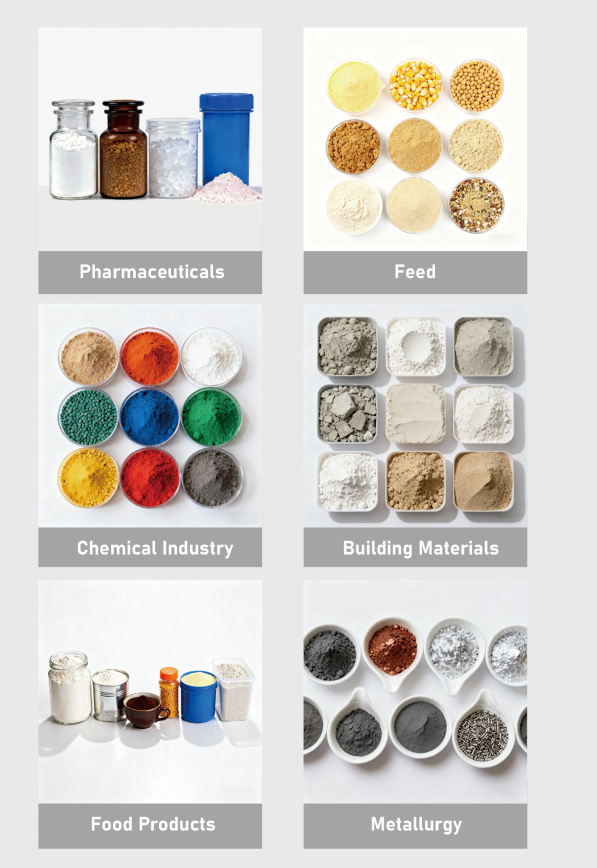
- Pre-Formulation Preparation: During the pre-formulation stage, a hammer mill is used to grind raw materials into fine powders. These powders blend easily with excipients to produce consistent dosage forms.
- Granule Processing: In granulation, the hammer mill plays a key role. The machine refines granules to achieve the desired size and consistency. Additionally, it enhances tablet hardness, flowability, and uniform drug release.
- De-Lumping of Powders: After drying or storage, powders may form lumps that hinder processing. The hammer mill effectively breaks these agglomerates, ensuring smooth product blending.
- Wet and Dry Milling Applications: Hammer mills are versatile as they can process both wet and dry materials. This flexibility allows their use in various stages of pharmaceutical production.
FAQS
How is Product Quality Maintained During Hammer Milling?
By controlling screen size or hammer speed, manufacturers ensure uniform particle size distribution. In this way, they can maintain consistent product quality across batches.
Can a Hammer Mill handle Both Wet and Dry Materials?
Yes. Modern hammer mills in are designed to process both wet and dry materials. It makes them versatile for different stages of drug manufacturing.
What Materials are Suitable for Hammer Milling?
Hammer mills are suitable for a wide range of materials. It includes active pharmaceutical ingredients (APIs), excipients, herbal extracts, and heat-sensitive compounds.
Conclusion
For achieving drug consistency, a hammer mill in serves as a vital equipment. Whether for delumping or fine-powder production, its uses are diverse. If you’re looking for high-performance milling machines, contact Finetech today. We provide reliable and high-quality solutions to meet your formulation requirements. So, explore our wide range of machinery and optimize your dosage efficiency now!