 English
  Russian
  Turkish
  Spanish
  French
  German
  Japanese
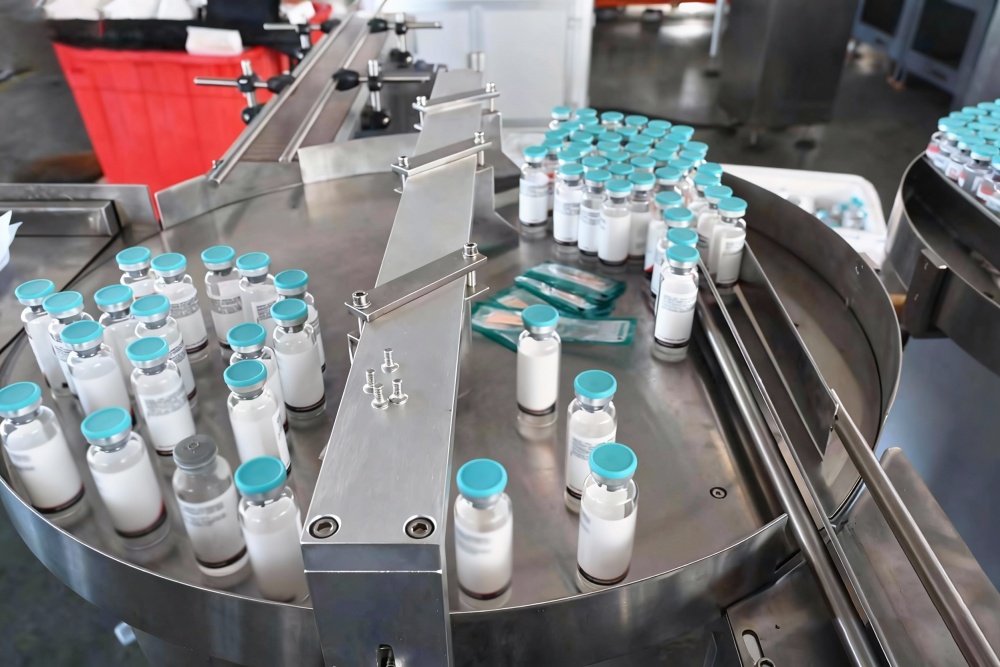
Vial Cartoning Machine: Your Ultimate Guide 101 In 2026
A vial cartoning machine is the heart of pharmaceutical packaging. It quietly shapes how fragile vials move from production to
 Skip to content
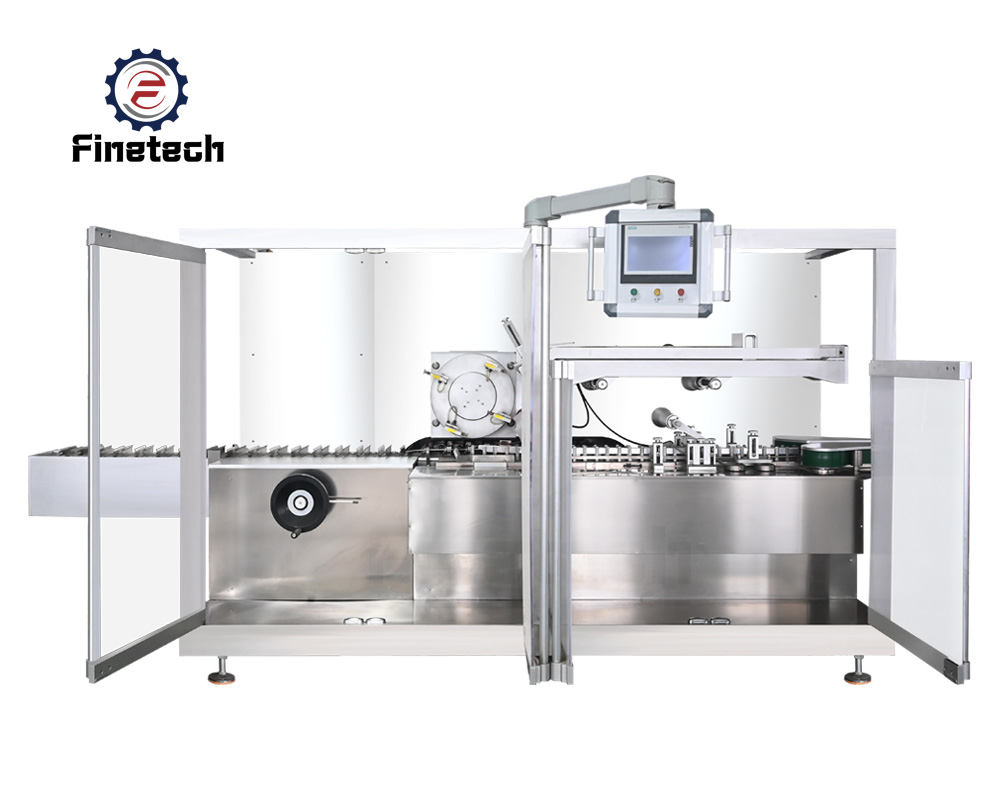



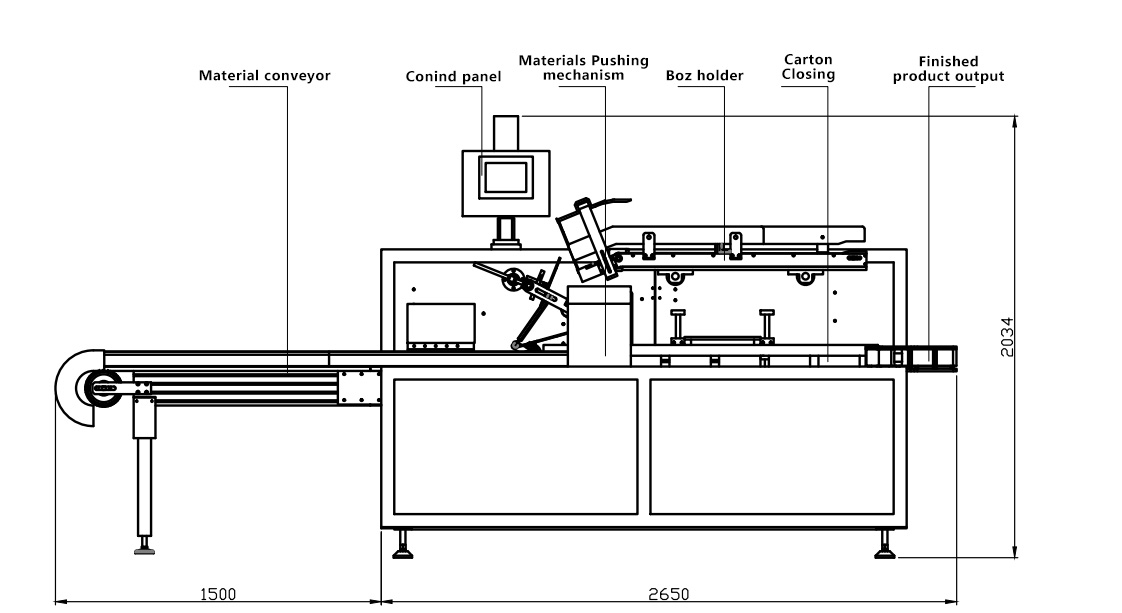
The pusher quickly slides materials into the box and seals it smoothly.

The box opener uses double suction heads to lower the box and open it twice to ensure ease of use and reliable opening.
A vial cartoning machine is the heart of pharmaceutical packaging. It quietly shapes how fragile vials move from production to
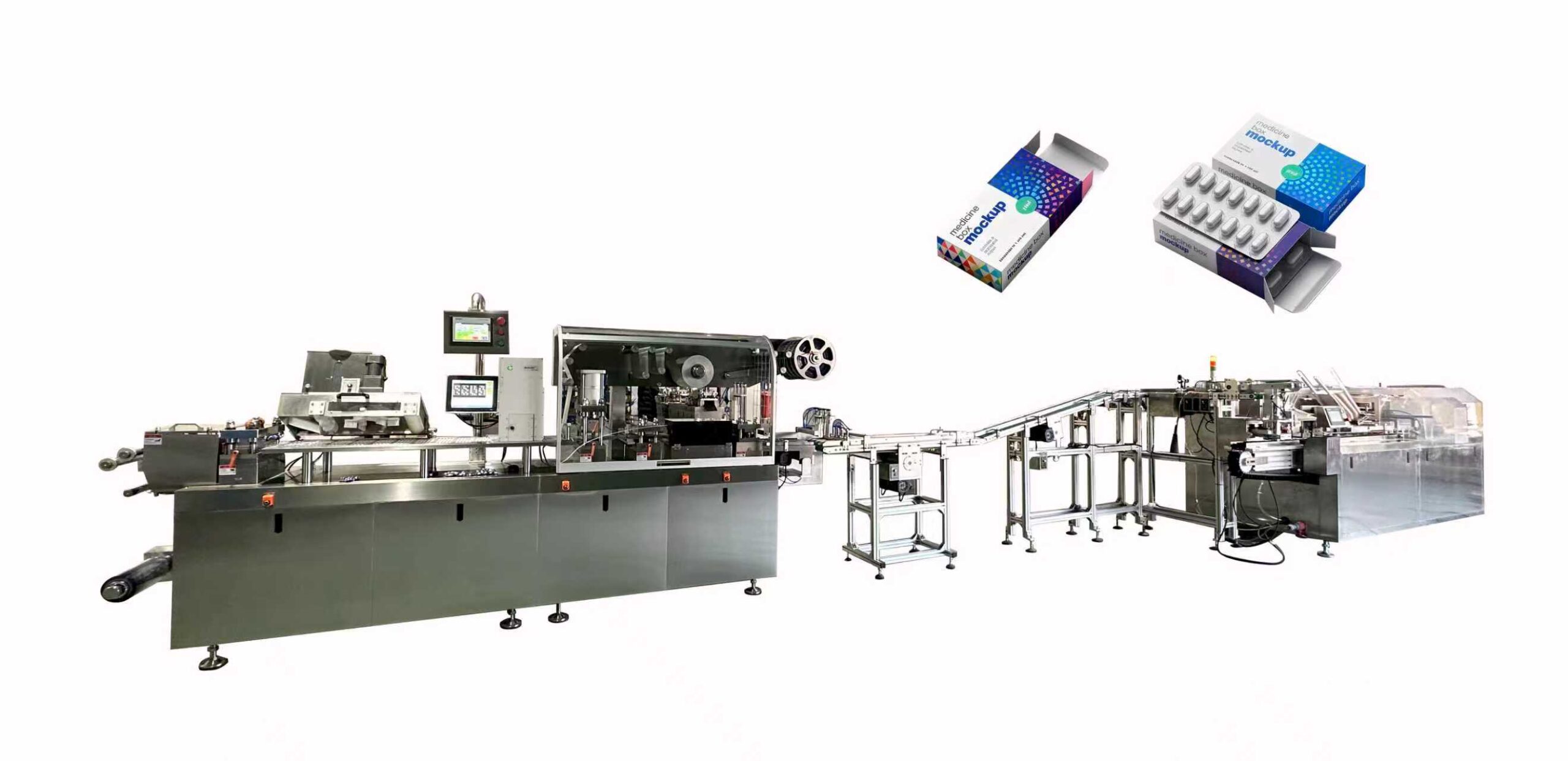
From pharmaceuticals to cosmetics and even everyday consumer goods, blister cartoning machines have taken over packaging. Cartons are no longer
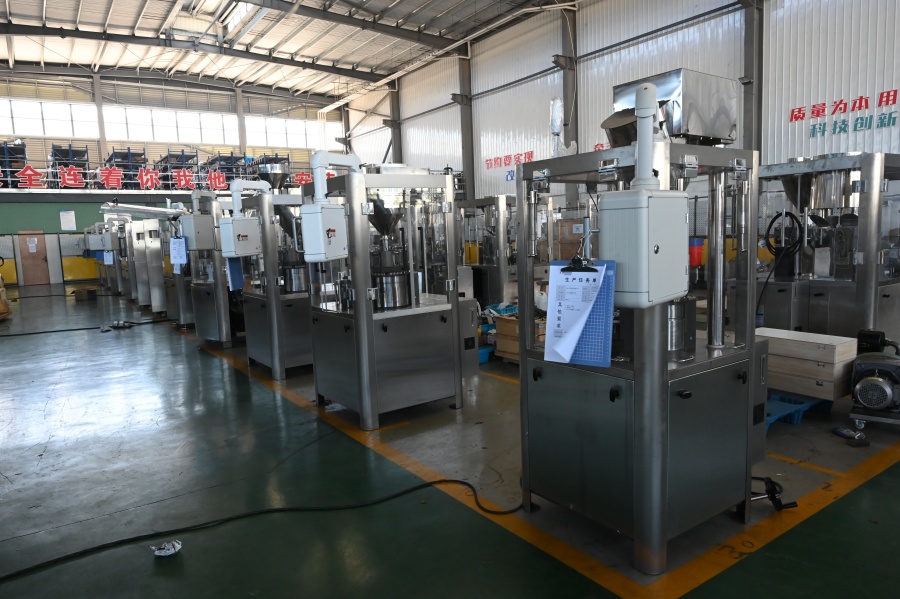
Many companies around the world build special equipment for factories. These machines are a key part of making things like
Have you ever wondered how products like toothpaste, medicine boxes, or snack bars end up so perfectly packed in cartons?
Speed (cartons per minute)
Carton Size Range (adjustability for different products)
Automation Level (manual, semi-automatic, or fully automatic)
Product Compatibility (rigid/flexible, shape, weight)
Sealing Method (glue, tuck-in, or heat seal)
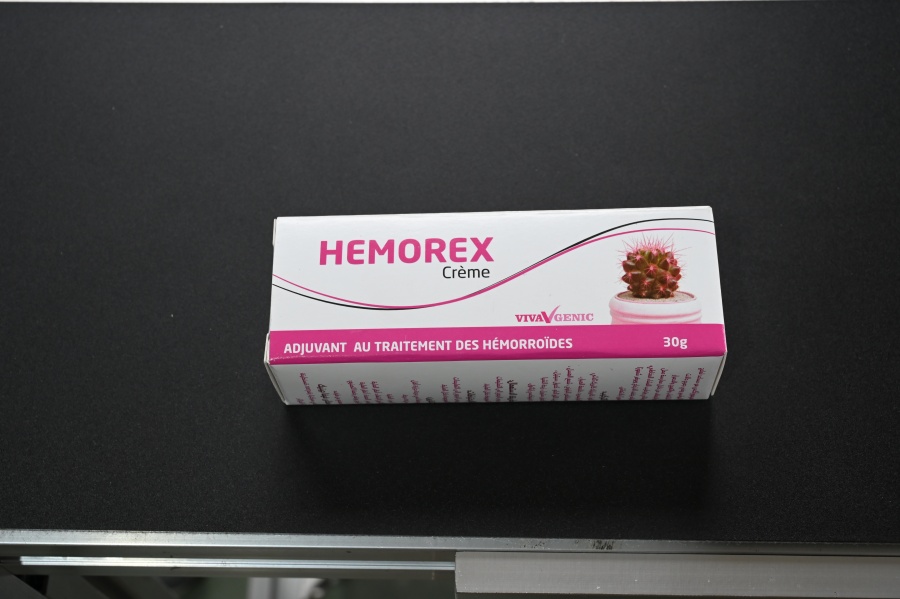
Yes, we can customize the mold and machine structure for your carton. You can visit our custom packaging machinery service page for more details.
Semi-automatic: 10-30 cartons per minute (CPM)
Fully automatic: 50-400+ CPM (high-speed models)
Regularly clean and lubricate moving parts.
Inspect sensors and pneumatic systems.
Replace worn belts, grippers, and seals.
Follow the manufacturer’s maintenance schedule.
Semi-automatic: $10,000-$50,000
Fully automatic: $50,000-$300,000+
An automatic cartoning machine takes flat cardboard blanks, forms them into open boxes, inserts your product (and any required inserts like leaflets or spoons), and then closes the carton—all without manual intervention. It automates the final “boxing” stage of your packaging line.
They are essential in industries with high-volume, consistent packaging needs:
Pharmaceuticals: For boxing blisters, bottles, vials, and syringes, with mandatory patient information leaflets.
Food & Beverage: For tea bags, snack bars, pouches, powdered mixes, and ready-to-eat meals.
Cosmetics & Personal Care: For perfume boxes, skincare sets, toothpaste, and soap.
Consumer Goods & Electronics: For batteries, lightbulbs, razors, and small accessories.
Medical Devices: For sterile and non-sterile kits.
Vertical Cartoner: The carton is formed and moves vertically. Products are typically dropped in from above. Best for single, free-flowing items like bottles, vials, or pouches. Often more space-efficient.
Horizontal Cartoner: The carton lies on its side and moves horizontally. Products are pushed in from the side. Ideal for stacked items, blister packs, fragile products, or when inserting multiple components (like a product + leaflet).
Speeds vary widely based on machine design and product complexity:
Intermittent motion (starts and stops): 60 – 150 cartons per minute (cpm). More precise for complex loading.
Continuous motion (constant speed): 200 – 400+ cpm. For high-speed, simpler applications.
Your specific speed requirement depends on your upstream equipment and overall line goals.
The three main methods are:
Tuck Closure: Flaps are mechanically folded and tucked. Common for retail boxes that may be opened and closed by the consumer. Cost-effective, no glue required.
Hot-Melt Glue Closure: A dab of fast-setting adhesive seals the flaps. Provides a tamper-evident, secure seal preferred for pharmaceuticals and for superior shelf appearance.
Lock-style/Pre-glued: Uses pre-applied adhesive or interlocking tabs. Simpler but may be less secure.
The “best” method depends on your product needs (security, aesthetics, customer experience) and operational costs.
Modern machines are designed for quick changeover. This involves changing mechanical parts like the carton magazine, forming heads, and pusher arms. Higher-end machines feature tool-less changeovers and digital memory to recall settings, reducing downtime from 30+ minutes to under 10 minutes. Always request a changeover demonstration.
Absolutely. A key consideration is integration capability. A good cartoner should easily connect (via PLC or Ethernet) with your upstream equipment (e.g., blister machine, filler, labeler) and downstream equipment (e.g., bundler, case packer) to create a seamless, automated line.
We have simplified the operational settings so that you can learn how to operate our machines in 5 minutes.
Siemens PLC Control Panel