English
 Russian
 Turkish
 Spanish
 French
 German
 Japanese
The real reason China dominates this space comes down to the combination of scale, supply chain depth, manufacturing maturity, and a production ecosystem. They have spent decades getting exceptional at building machinery.
In fact, in 2025, China contributed around 30% of the global manufacturing added value. That’s not a coincidence or a fluke of cheap labor. It’s the compounded result of infrastructure investment, industrial specialization, and a supplier network.

Just to put it into perspective, here’s the price difference between China, the USA, and Europe:
Machine Type | China | USA | Europe |
Semi-Automatic | $3,500 – $8,000 | $25,000 – $45,000 | $30,000 – $60,000 |
Fully Automatic | $14,000 – $55,000 | $80,000 – $150,000 | $100,000 – $200,000 |
Pharma-Grade | $65,000 – $110,000 | $180,000 – $280,000+ | $200,000 – $350,000+ |
Define Your Requirements First
Most buyers skip this step. They go straight to Alibaba, search “blister packaging machine china,” get overwhelmed by 4,000 listings, and either pick something random or give up. Don’t be like that.
Before you contact any supplier, get clear on what you actually need, such as:
- Your Product: What are you packaging? Tablets, capsules, food items, electronics, or hardware? The material, shape, size, and fragility of your product all determine the machine you should go for.
- Output Needs: How many units per hour do you need to produce? Be honest here. Buying a high-speed machine you don’t need wastes capital, while a slow one you’ll outgrow in eight months costs you more in the long run.
- Materials You’ll Use: PVC, PET (Polyethylene terephthalate), aluminum foil, and cold-form alu-alu; each requires different machinery. Know what your product needs before you start asking suppliers what they offer.
- Your Budget: Not the number you wish it were. The number you can actually spend, including shipping, import duties, installation, and a small buffer for things that never go exactly to plan.
Where to Find Suppliers in China
Once your requirements are locked in, it’s time to find the right supplier. You can find the best suppliers for blister packaging machines in China in a few places:
Skip the Search Entirely If you’d rather not spend weeks filtering through listings and chasing unresponsive suppliers, contact Finetech. We are a pharmaceutical equipment manufacturer with over 10 years of industry experience. With us, you get a direct line to a manufacturer that knows pharmaceutical-grade standards and has a track record you can actually verify. |
1. Online B2B Platforms
This is where most sourcing journeys start, and for a good reason. Platforms like Alibaba, Made-in-China, and Global Sources give you access to hundreds of blister packaging machine manufacturers in one place.
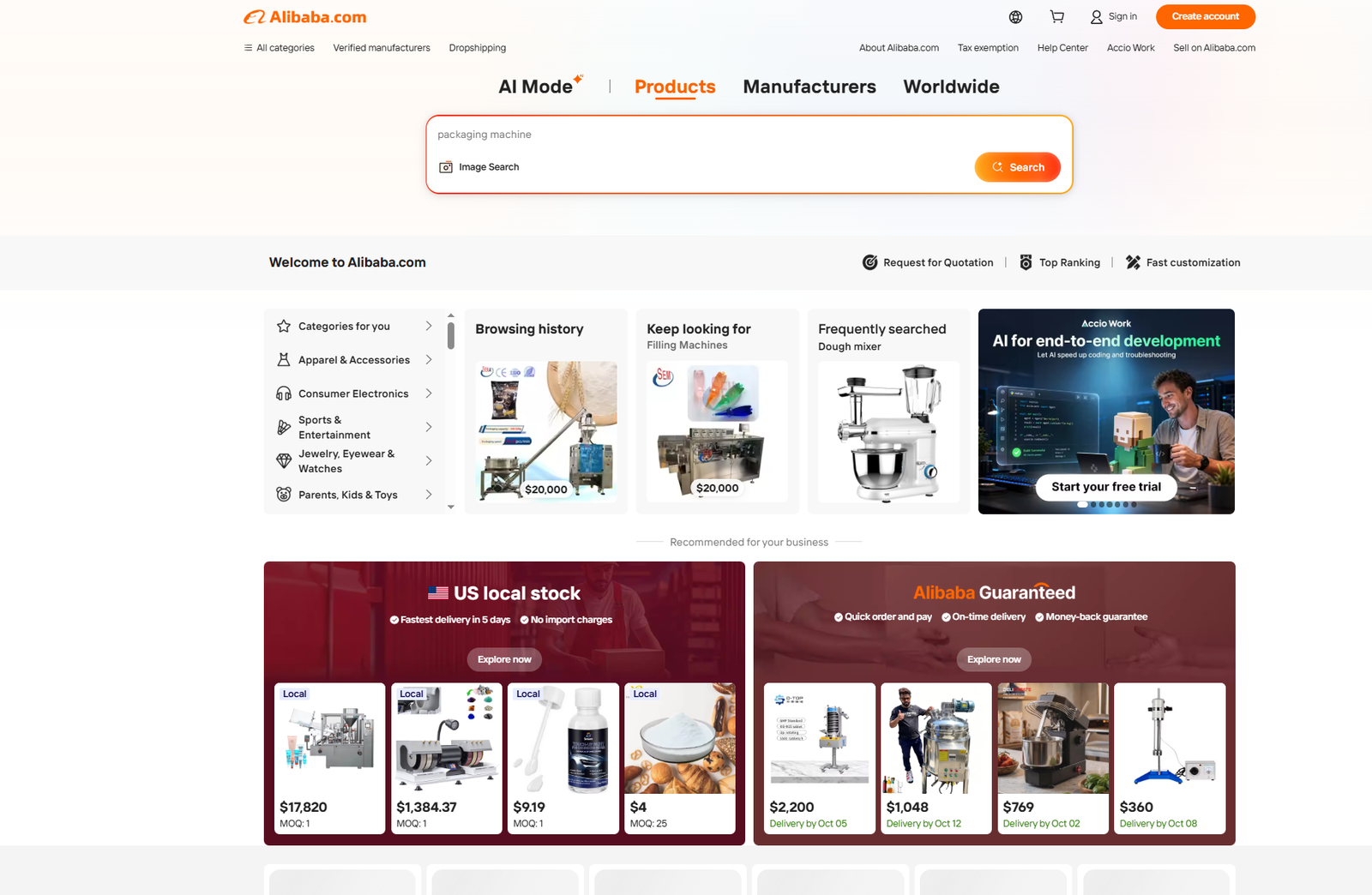
But browsing without a filter is a waste of time. Use these settings to use these platforms properly:
- Filter by Verified Suppliers Only: Look for “Gold Supplier” on Alibaba or “Verified” badges on Made-in-China. These aren’t guarantees of quality, but they do indicate the supplier has passed some level of vetting.
- Check Response Rate and Time: A supplier who takes four days to reply to a basic inquiry will take four weeks to resolve a post-delivery problem.
- Read the Negative Reviews: Everyone looks good in the positive ones. Read the one-star reviews; they will tell you what goes wrong.
- Request a Product Catalog: Legitimate manufacturers have these ready. If a supplier can’t send you a proper catalog within 48 hours, that’s a signal.
- Compare at least Five Suppliers: Pricing, specs, and after-sales terms vary more than you’d expect, even among machines that look identical on paper.
2. Trade Shows
Online listings tell you what a supplier says about themselves. Trade shows show you who they actually are.
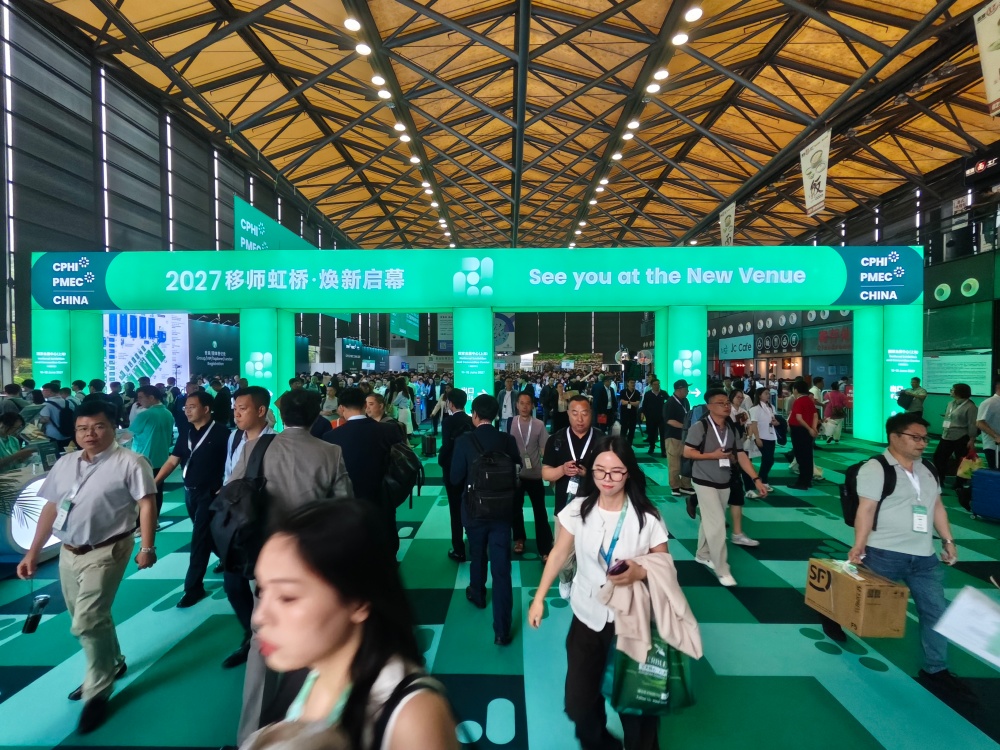
Events like the Canton Fair, CPHI & PMEC China, Sino-Pack, and Interpack bring together hundreds of packaging machinery manufacturers under one roof. You can watch machines run in real time, ask technical questions, and compare build quality.
If you’re making a significant investment (anything in the $30,000+ range), attending at least one trade show before committing is worth the trip. What you see in person rarely matches what the brochure promised.
3. Supplier Directories
Directories like ThomasNet, Kompass, and GlobalTrade.net are useful for a different reason. They tend to surface manufacturers who don’t aggressively market themselves on B2B platforms but have a solid track record.

In case you’ve exhausted Alibaba and want a different set of options, directories are a good next step. They also tend to include more detailed company background information, which helps with due diligence.
How to Vet a Supplier Properly
This is where most people lose money. China has thousands of blister packaging machine suppliers, and not all of them are what they claim to be. You can separate the real ones from the fake:
- Check and Verify Certifications: CE and ISO 9001 are the baseline. For pharma, add GMP compliance. Verify the issuing body and confirm the certificate hasn’t expired. If a supplier hesitates, that’s a red flag.
- Get on a Live Video Call: Ask for a real-time factory walkthrough, not a pre-recorded video. Legitimate factories can easily show their premises, machines, and workers. A Gmail or Yahoo address, rather than a company domain, is not acceptable for legitimate suppliers.
- Request a Test Pack: Before committing, send samples of your actual product and ask them to run it through the machine. You’re confirming complete sealing without defects, no leaks, and smooth, stable operation.
- The Pharma Test: Request IQ/OQ templates from their last 3 pharma-grade deliveries. A genuine supplier will deliver within 48 hours, and a fraudulent one stalls for weeks with a generic download template.
Common Red Flags You Should Watch Out For
The most common trap is pricing that feels like a steal. When a machine listed everywhere at $40,000 suddenly appears at $18,000 with identical specs, something is missing from that quote or from the machine itself.
Lead times are also where bad suppliers expose themselves. Any quote under 60 days for a custom pharma-grade machine is a red flag. Realistic timelines run 90 to 120 days from deposit to completed Factory Acceptance Test.
Apart from these, watch how a supplier reacts to milestone-based payments. Legitimate manufacturers accept staged payments without much pushback. One who insists on full payment up front is removing your only leverage if things go wrong.
Negotiating Price and Contract Terms
Most suppliers ask for 30% upfront and 70% before shipping. That’s the standard, but it’s not the only option. Push for milestones tied to actual production progress: a percentage at order confirmation, another after factory inspection, and the balance before shipment.
This keeps you in control at every stage and gives you real leverage if something doesn’t go as planned. Before you sign anything, make sure your purchase agreement explicitly covers the following:
- Full machine specifications, including dimensions, speed, output capacity, and materials compatibility.
- Quality inspection reports before shipment.
- Warranty terms and duration.
- After-sales support, such as remote troubleshooting, spare parts availability, and response time.
- Customization details, if applicable, with a clear process for handling change orders.
The last point matters more than most buyers expect. If you request a modification after production has started, costs can escalate quickly. Get the change order process, including who approves it and how it affects the timeline.
Shipping and Logistics: What To Know Here
Getting the right machine built is only one part of the process. The other is getting it to your facility in one piece without a customs surprise.
For that, you can follow the points below:
1. Choosing Your Shipping Method
The right method depends on your timeline and budget.
Ocean freight from Shanghai or Ningbo to Southeast Asian ports runs 12-18 days; to South America ports 28-35 days; to Middle Eastern ports 18-22 days. Air freight compresses this to 5-7 days but adds $3,500 to $8,000 in shipping cost.
For most buyers, sea freight is the practical choice. The cost difference is significant, and the timeline, while longer, is predictable when planned for. Air freight makes sense when a production line is waiting, and downtime is costing more than the shipping premium.
2. Understanding Incoterms
Incoterms define exactly where the supplier’s responsibility ends, and yours begins. The four you’ll encounter most often:
- EXW (Ex Works): You handle everything from the factory door. Maximum control and maximum responsibility.
- FOB (Free on Board): Supplier delivers to the port and loads the vessel. You take over from there.
- CIF (Cost, Insurance, Freight): Supplier covers shipping and basic insurance to your destination port. After that, import clearance is your responsibility.
- DDP (Delivered Duty Paid): Supplier handles everything, including import duties. Convenient, but the supplier controls the logistics chain.
For first-time importers, FOB is the sweet spot. You get a freight forwarder you trust to handle the journey, while the supplier manages the domestic leg.
3. Freight Forwarder vs. Going Direct
Unless you import machinery regularly, use a freight forwarder. They handle customs documentation, coordinate with the factory on packing standards, and flag any issues before they become expensive.
The fee you pay for it is usually worth it, especially for a high-value shipment where a single customs error can hold your machine at the port for weeks.
Customs, Documentation, and Import Duties
Customs is where smooth shipments get complicated. The good news is that most delays and unexpected costs are completely avoidable, as they always trace back to missing paperwork or a wrong code.
Make sure to get these documents ready before the machine leaves the factory:
- Commercial Invoice: Must show the full machine value, description, and country of origin.
- Packing List: Dimensions, weight, and number of crates.
- Bill of Lading: Issued by the shipping line, it serves as your proof of shipment.
- Certificate of Origin: Confirms the machine was manufactured in China.
- EORI Number: Required if importing into the UK or EU. Apply for this well in advance. It can take several days to process, and your shipment cannot clear without it.
Get the HS Code Right (Mandatory)
Most guides don’t tell you that the wrong HS code can trigger fines, seizures, and even a forced reclassification at a higher duty rate.

Blister packaging machines fall under HS code 8422.4000 as wrapping machinery under the 2025 WCO classification. The standard US import duty under this heading is 3.6% ad valorem, but it can increase significantly due to active trade tariffs.
An incorrect HS code choice here can result in loss of export benefits, higher import duty, or customs litigation. So, confirm the code carefully rather than copying it from a supplier’s paperwork without checking.
How to Avoid Customs Delays
One thing that catches buyers off guard is the description on the commercial invoice. If it reads something vague like “machinery” or “equipment,” customs will for sure flag it for manual inspection.
The invoice should clearly state the machine type, model number, and intended use. Specific is always better than generic.
Also, confirm your supplier declares the correct value. Some blister packaging machine suppliers offer to under-declare the machine value to rescue your import duty. Don’t agree to this. The short-term savings aren’t worth the legal exposure.
FAQs
1. How can I verify a blister packaging machine supplier in China?
Check business history, factory videos, client references, export records, certification documents, production capacity, and real machine testing videos. A serious manufacturer should be willing to run your product sample before shipment.
2. Is CE certification enough when buying from China?
CE marking is useful for machinery safety and market access in Europe, but it does not automatically prove pharmaceutical GMP suitability. You still need to check machine design, contact materials, documentation, validation support, and local regulatory requirements.
3. What are the biggest mistakes buyers make when sourcing from China?
The biggest mistakes are buying only on price, skipping sample testing, ignoring spare parts, accepting vague quotes, and not checking after-sales support. Another common issue is ordering a machine before finalizing blister design and packaging materials.
Ready to Source Smart? Here’s Why Finetech Should Be Your First Call
Sourcing a blister packaging machine from China is one of the best decisions you can make for your production line. The cost advantage is real, the manufacturing capability is world-class, and the options are genuinely impressive.
However, with such a luxury comes scams, too. They’re common enough that experienced procurement teams subject every new supplier relationship to scrutiny, and even then, things can go wrong.
If you don’t want that to happen, it’s best to partner with a well-known company, like Finetech, which has already worked with over 500 clients worldwide.
For 30 years, we have been supplying pharmaceutical equipment, including GMP-compliant blister packaging machines. Based in Wenzhou, Zhejiang, we offer fully customizable blister packaging solutions.
Get in touch with our specialists today to build your packaging line the right way!
📧 info@pharmamachinecn.com
📞 +86 15382537883