English
 Russian
 Turkish
 Spanish
 French
 German
 Japanese

Extruder machines have become a cornerstone of modern pharmaceutical manufacturing. Research suggests that nearly 40% of approved drugs contain poorly soluble molecules, which makes uniform formulation a challenge.
Extruders address this by converting active ingredients into stable, consistent forms that are easy to process into finished dosage units.
Without this process, achieving consistent drug release, dosage accuracy, and product stability would be nearly impossible. It also increases the risk of batch failure.
Below, we’ll dive into the working principles of extruder machines in the Pharmaceutical Industry, the types commonly used, and their key features. By the end, you’ll understand how these machines transform raw ingredients into high-quality, precise pharmaceutical products.
What is an Extruder Machine?
An extruder machine is a processing unit that forces material through a controlled barrel using pressure, heat, and mechanical movement. This results in finished pharmaceutical products with enhanced solubility and bioavailability. With 90% of developmental drugs being poorly soluble, extruder machines in the pharmaceutical industry are a must.
In a nutshell, the working principle of extruder machines consists of compression, shearing, homogenization, shaping, and finally solidification. It supports critical processes like wet-granulation, taste-masking, production of delayed-release tablets, and solid dispersion.
How Do Extruder Machines Work?
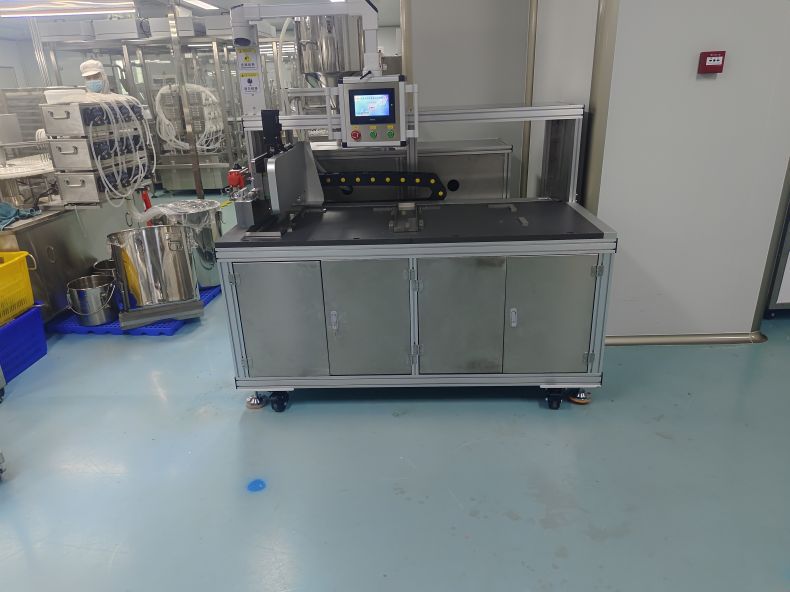
In the pharmaceutical industry, the extruder machine feeds ingredients into the hopper, which guides them into the barrel. The barrel consists of a rotating screw that generates pressure for mixing and compression. The screw design promotes intensive mixing for proper blending of the API and polymers.
As the material travels through the heated zones of the barrel, it softens and melts. Once it reaches the required viscosity and uniformity, it moves toward the shaping stage. The molten mass is then forced through a die to form pellets and granules.
After exiting the die, the extrudate is cooled to stabilize its structure and prevent deformation. When it is solidified, it enters the cutting stage, where specialized cutters trim it into precise dimensions for downstream processing.
Types of Extruder Machines in the Pharmaceutical Industry
There are two types of extruder machines used in the pharmaceutical industry. They differ mainly in the number of screws in the barrel. This slight variation in the number of screws results in a significant difference in the output. Here’s how each type differs:
1. Single-Screw Extruders
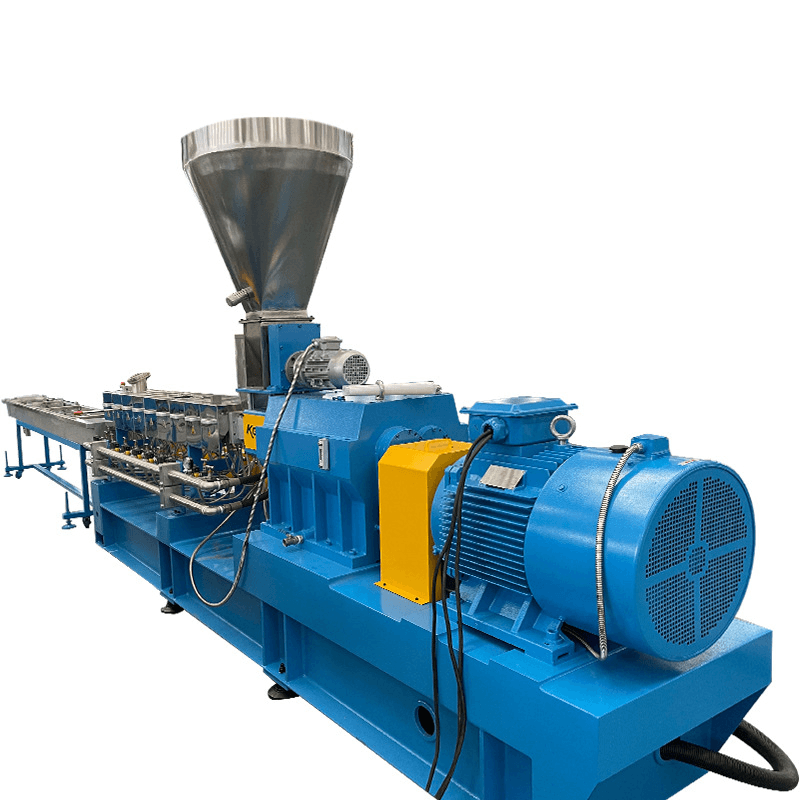
Single-screw machines have a single rotating screw inside the heated barrel. This makes it the simplest and most economical extrusion option, primarily relying on frictional stress for material transport.
They are usually utilized for processing a single material. The production yield of single-screw extruders can be easily increased by adjusting the screw diameter and length. Since there are fewer mechanical parts, the risk of machine breakdown is minimal.
2. Twin-Screw Extruders
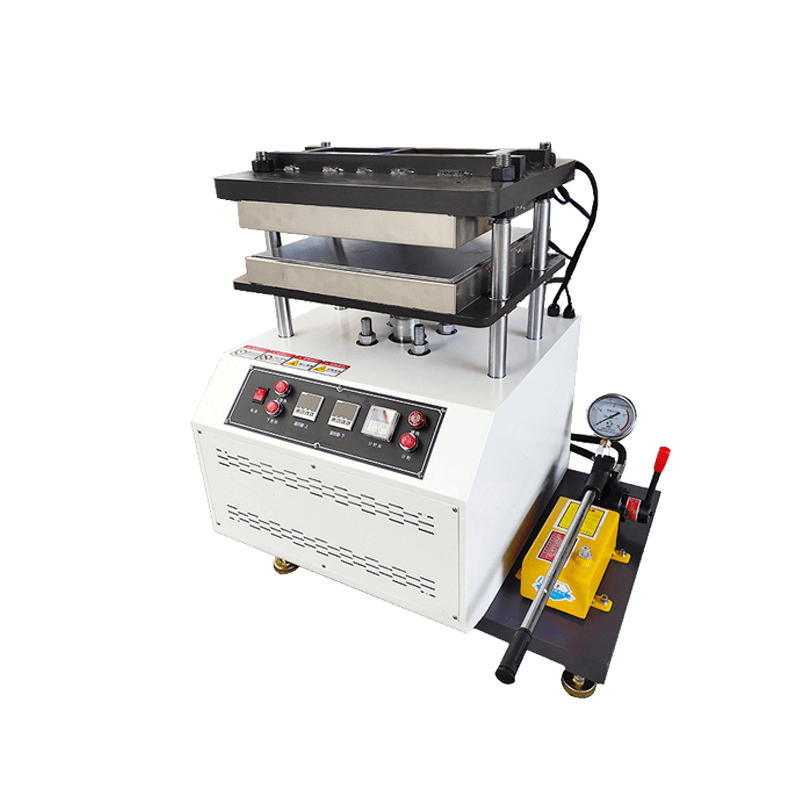
Equipped with two intermeshing screws that operate in synchrony, twin-screw machines deliver superior mixing of heat-sensitive ingredients. The flexibility in screw configuration makes it a multipurpose instrument. Most pharmaceutical facilities use co-rotating twin-screw extruders rather than counter-rotating types.
This is because counter-rotating extruders generate high pressure that degrades pharmaceutical ingredients. The high-rotation speed of twin-screw extruders results in greater output and less wear and tear. By combining multiple unit operations into a single line, these machines make pharmaceutical operations more efficient and cost-effective.
Key Features of Extruder Machines for Pharmaceutical Use
Choosing the right extruder machine for pharmaceutical use depends on several key factors. These include the processing material, production output, product shape, available space, budget, and maintenance expectations. However, all machines must share some essential features, including:
1. Flexible Screw Designs
Flexible screw configurations allow manufacturers to fine-tune mixing intensity. They also affect pressure build-up and residence time, depending on the formulation. The machines allow modification of the length-to-diameter ratio and addition of compression zones to control the shearing and mixing.
2. Regulatory Compliance
The pharmaceutical extruder machine meets FDA, cGMP, and EU standards. It especially complies with the FDA Process Analytical Technology (PAT) goals and 21 CFR Part 11 standards. This includes features like integrated batch records and test protocols. The DQ, OQ, and IQ documents help with qualification and validation of the extrusion process.
3. Easy Maintenance
Split barrels in extruder machines reduce cleaning time and allow easy access for maintenance and inspection. This reduces operating costs and decreases downtime, which ensures more efficient production.
4. Stainless Steel Structure
Machines made from 304 or 316 stainless steel stay protected even when exposed to corrosive materials and long operations. They also align with global quality standards and maintain compliance with EU, ISO, and cGMP regulations.
Advantages of Extruder Machines in Pharmaceuticals
The need for extruder machines in the pharmaceutical industry has skyrocketed over the past decade. Statistics reveal that the extruder market will reach $18.5 billion by 2034. This is mainly due to the shift towards continuous manufacturing and the diversification of dosage forms.
1. High-Volume Production
Extruder machines operate as continuous systems, which means the material flows through without interruption. This steady movement eliminates long pauses between batches and increases the output. Higher throughput leads to better resource utilization and faster delivery timelines.
2. Minimizes Waste
The close temperature, pressure, and mixing control reduce raw material loss and improve the overall efficiency. With an extrusion machine, the process is more predictable. It enables the recycling and reuse of raw materials for cost-effective, eco-friendly production.
3. Enhances Bioavailability
Hot-melt extrusion, which includes both single-screw and twin-screw types, is widely recognized for improving the solubility of poorly soluble drugs.
By dispersing the drug at the molecular level, extrusion creates stable formulations with higher dissolution rates. The molten polymers used in the extrusion process act as thermal binders and drug depots for sustained release and improved bioavailability.
4. Advanced Dosage Forms
They support various dosage forms like extended-release pellets, solid dispersions, taste-masked granules, and oral fast-dissolving systems. These dosage forms improve patient compliance and increase formulation stability. They also help companies differentiate their products in highly competitive pharmaceutical markets.
FAQs
1. What is hot melt extrusion (HME)?
HME melts a drug with a polymer and pushes it through a die to form solid dispersions. It is widely used to improve solubility of poorly soluble drugs.
2. What is the role of the screw in an extruder?
The screw transports, mixes, compresses and heats the material. Its design determines mixing intensity, residence time and output quality.
3. How do twin-screw extruders differ from single-screw extruders?
Twin-screw machines offer better mixing and allow continuous processing, making them ideal for complex formulations and high-precision work.
Investing in an Extrusion Machine is Crucial for Production
In addition to improving consistency and bioavailability, extruder machines in pharmaceutical companies enable rapid responses to changing market demands. It allows adoption of data-driven manufacturing through integrated sensors and real-time monitoring.
By integrating an extruder into your production line, you position your facility for sustainable growth. But sourcing high-quality pharmaceutical equipment requires a trusted supplier like Finetech.
We offer a complete range of eco-friendly pharmaceutical processing equipment. With 33 years of business and more than 1000 successful projects, we bring valuable experience to help you scale up.
Contact our specialists now to discuss your production needs and machine requirements.
Copyright Notice:
You may not reproduce, modify, publish, display, transmit, or in any way exploit any content on this website, or use such content to construct any kind of database without prior express written approval by Finetech Group. For permission to use the content, please contact: info@pharmamachinecn.com
Disclaimer:
The information contained in this article is for general information purposes only. The Company does not guarantee the accuracy, relevance, timeliness or completeness of any information, and the Company assumes no responsibility for errors or omission in the content of this article.