 English
  Russian
  Turkish
  Spanish
  French
  German
  Japanese
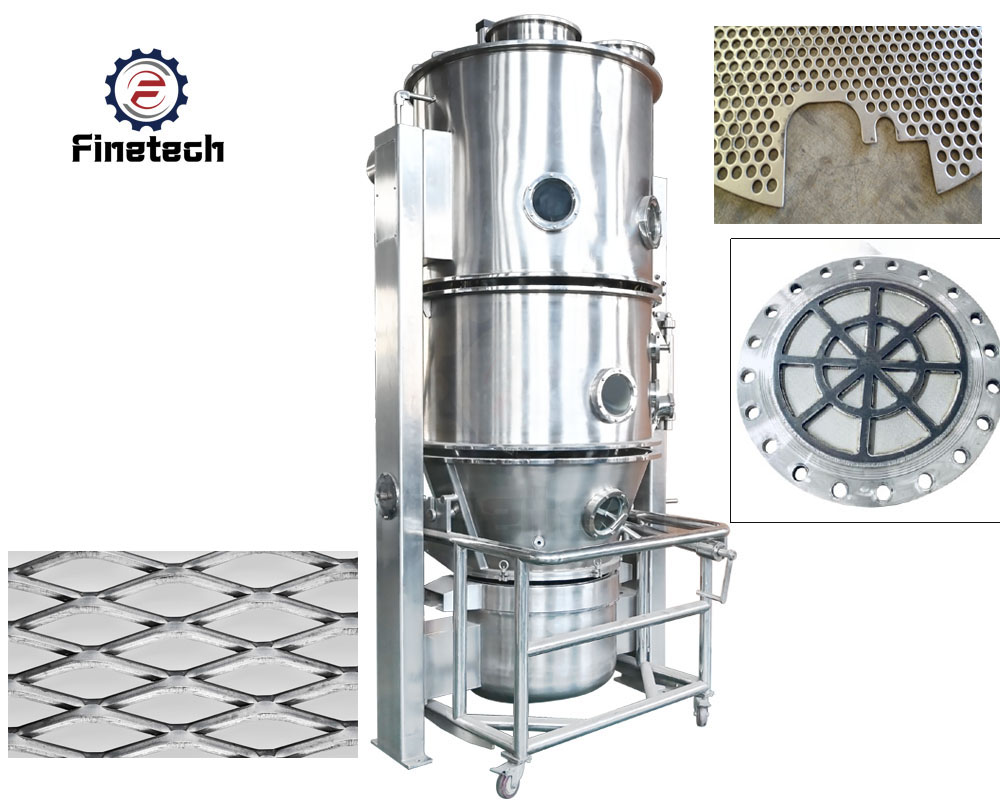
Types of Air Distribution Plates in Fluid Bed Processor
As a pharmaceutical manufacturer, you must know how vital a fluid bed processor is for drying, granulating, or coating powders
 Skip to content
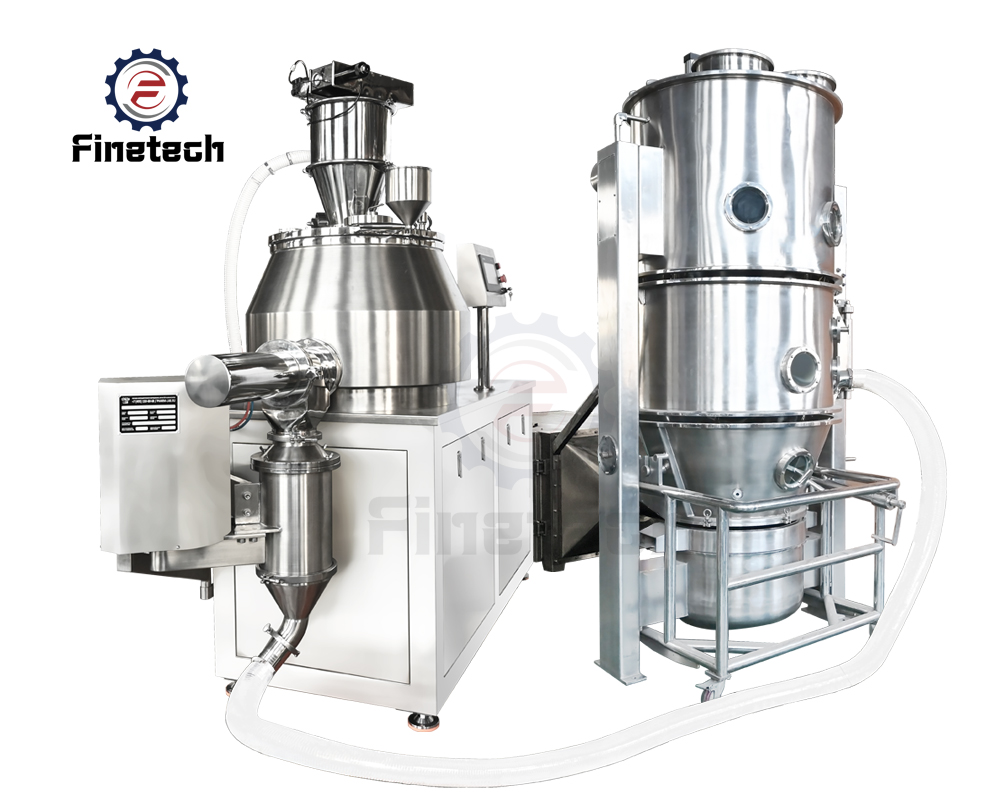
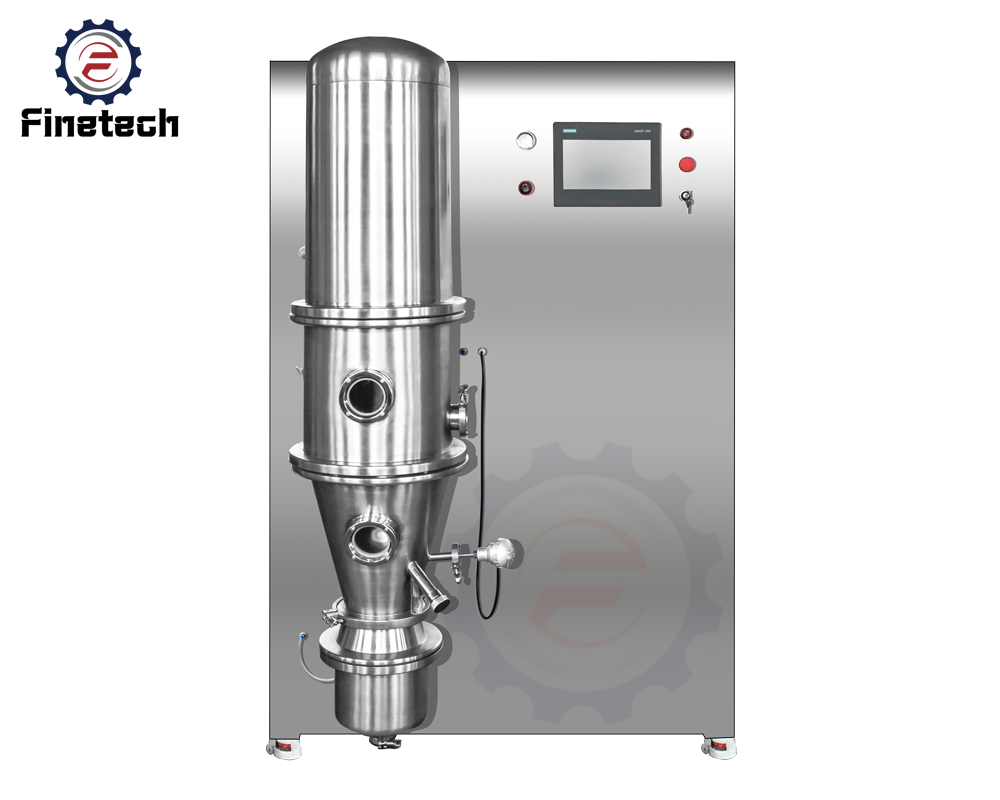


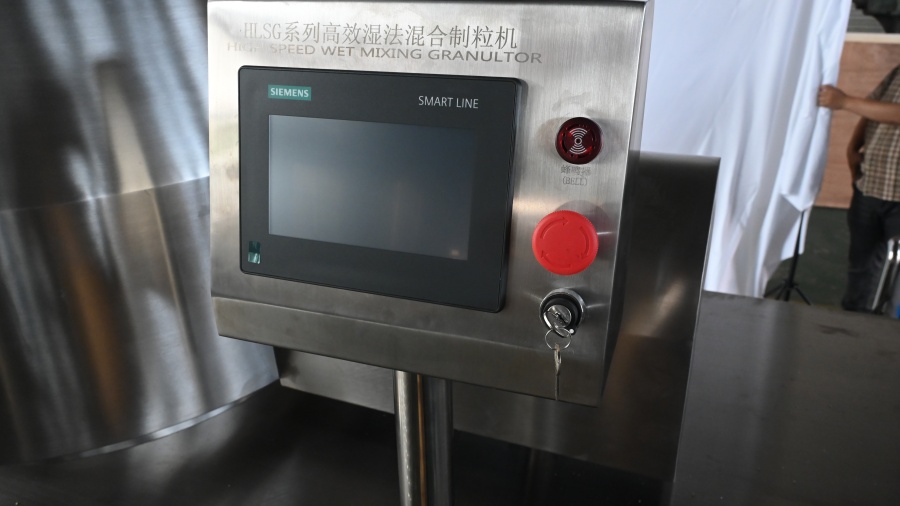
Depending on the materials, a control panel allows you to set the temperature and air flow and optimize the drying process.
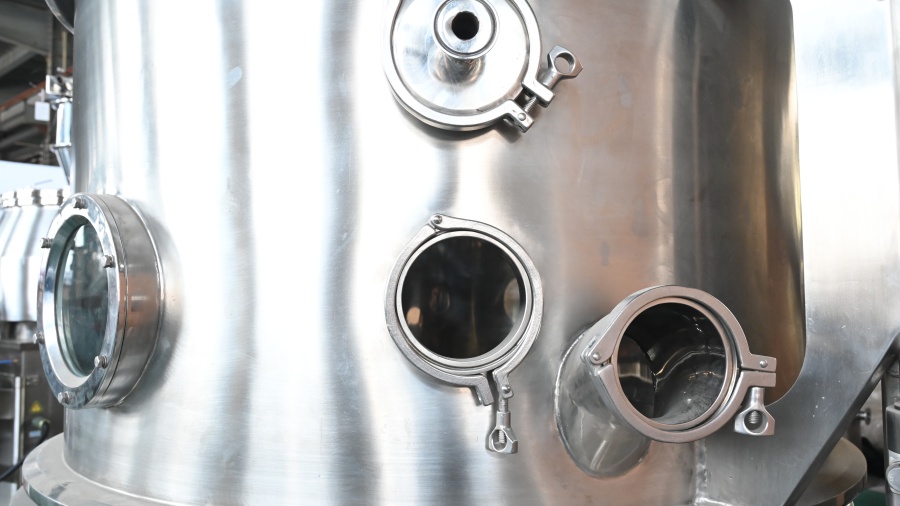
Provides clean air by removing particles as small as 0.3 μm in size.
Alarms and warnings to notify professionals when the system needs to shut off, whether due to overheating or other malfunctions. There's also an emergency stop button, which is quickly accessible, allowing you to stop the machinery's movement with one press.
As a pharmaceutical manufacturer, you must know how vital a fluid bed processor is for drying, granulating, or coating powders

Many products, from foods to medicines, need careful drying to be safe and effective. This drying process often requires very
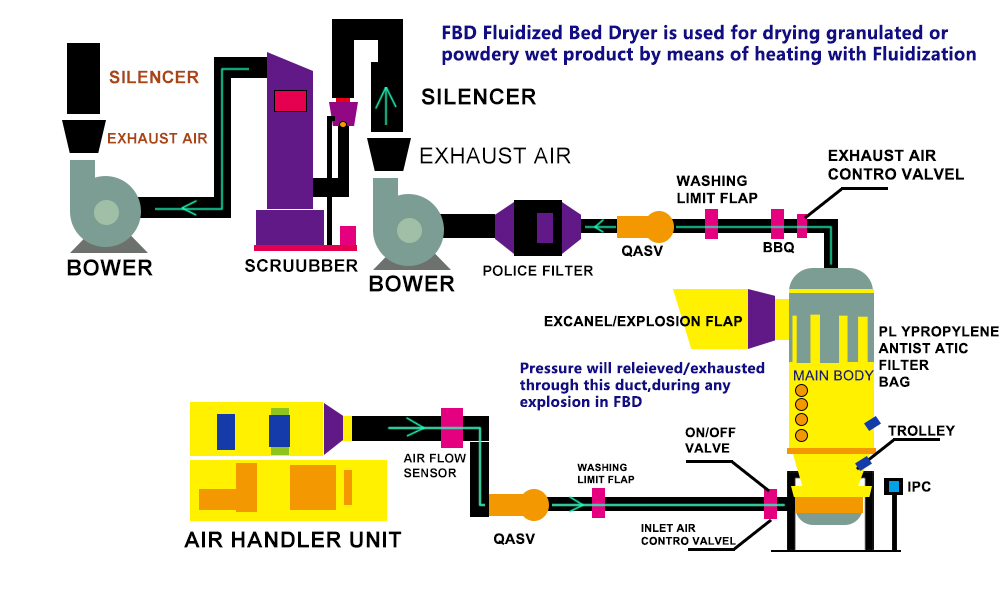
Whenever a pharma company considers buying a Fluidized Bed Dryer (FBD), sensors are one of the first things they ask
Have you ever wondered how medicines like tablets or capsules are made so perfectly and safely to use? Behind the
yes , we providing it!
Please check here:
When air velocity through a perforated bed plate reaches the minimum fluidization velocity, particles become suspended. They behave like a fluid—mixing vigorously, preventing agglomeration, and exposing maximum surface area to hot air. This creates uniform temperature distribution throughout the bed.
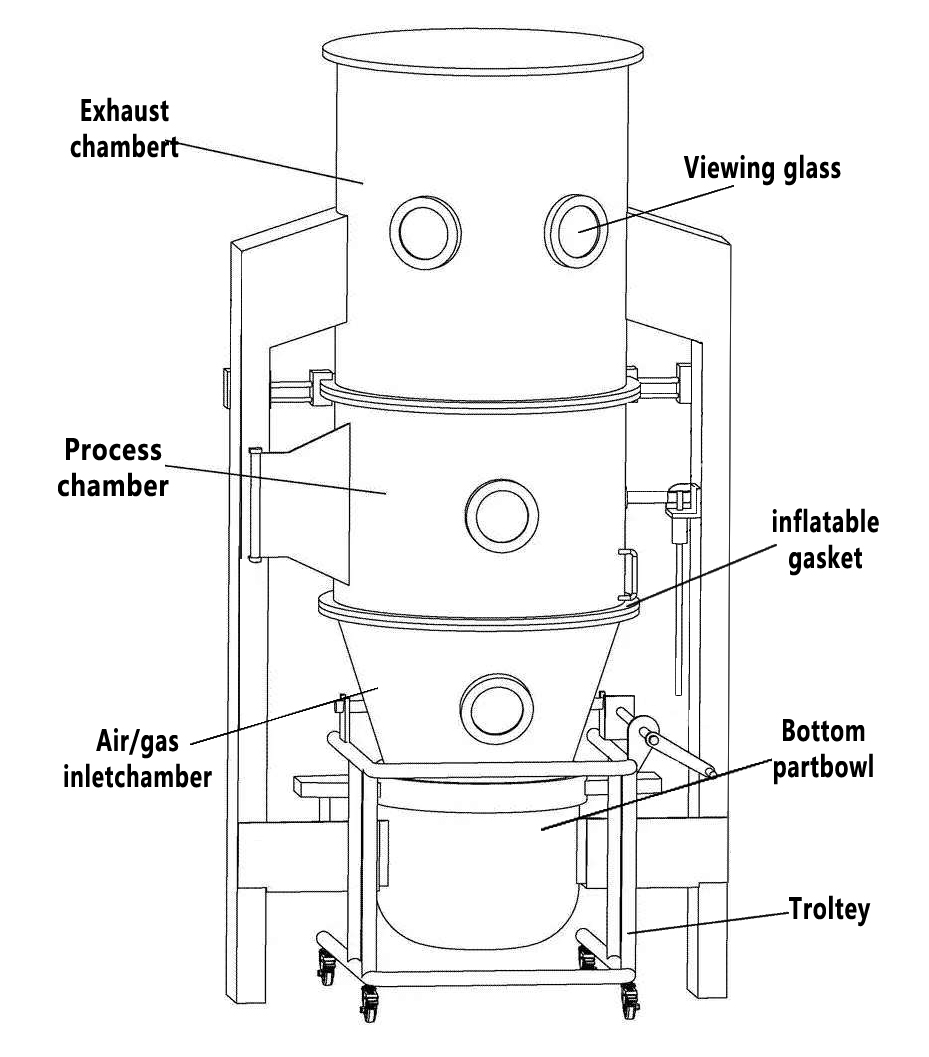
Product Container/Column: Holds the material on a distribution plate
Air Handling Unit (AHU): Filters, heats, and controls airflow
Heating System: Electric heaters, steam coils, or indirect heaters
Blower/Fan: Creates airflow through the system
Filters (Bag Filters): Retain product while allowing air/moisture to escape
Control Panel: Monitors/controls temperature, airflow, dew point
Discharge System: For dry product removal
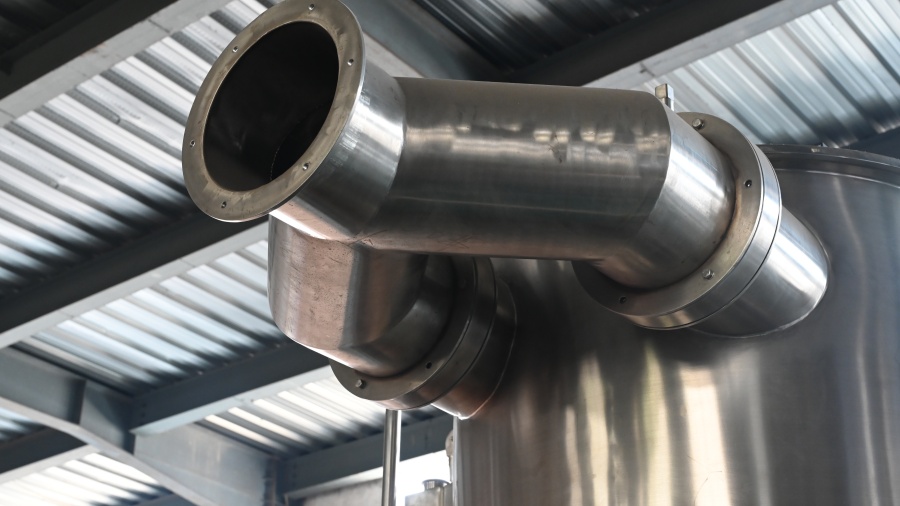
Exhaust System: Removes moist air
FBD: Fastest drying (minutes/hours), uniform drying, good for heat-sensitive materials
Tray Dryer: Batch process, longer drying times (hours/days), potential uneven drying
Vacuum Dryer: For heat-sensitive or flammable solvents, lower temperatures, longer cycle times
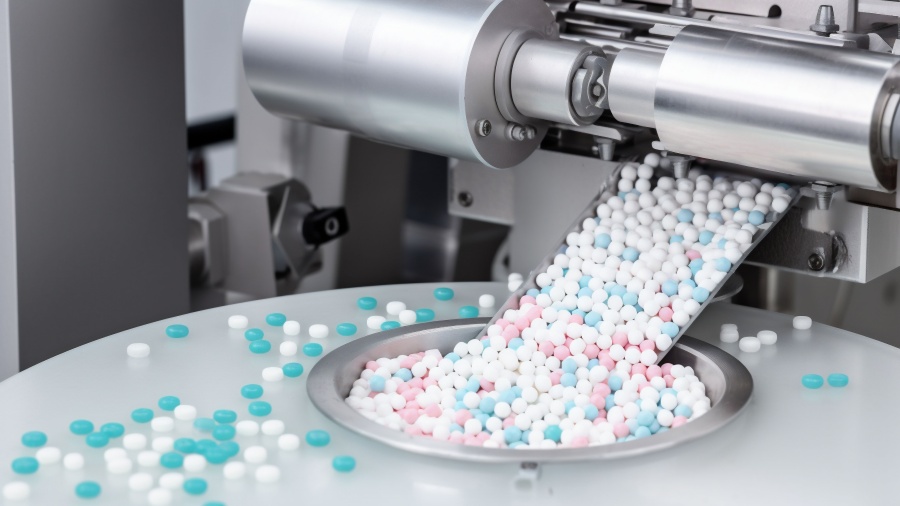
Pharmaceutical granules (after wet granulation)
Powders, crystals, pellets
Food products (coffee, milk powder, cereals)
Chemicals, polymers, catalysts
Herbal extracts, nutraceuticals
Materials that are free-flowing enough to fluidize
Rapid Drying: High heat/mass transfer rates
Uniform Drying: Even temperature distribution prevents localized overheating
Controlled Parameters: Precise control of temperature, airflow, humidity
Versatility: Can be used for drying, granulating, coating (with modifications)
Efficient: Lower energy consumption per kg of water removed vs. tray dryers
GMP Compliance: Designed for pharmaceutical standards
Inlet Air Temperature: Typically 40-80°C for pharma (depends on product)
Airflow Velocity/Volume: Must exceed minimum fluidization velocity
Product Bed Temperature: Key indicator of drying progress
Dew Point/Exhaust Humidity: Indicates moisture removal rate
Drying Time
Filter Shake/Fluidization Interval: Prevents filter clogging
Loss on Drying measures the moisture content in granules. Final LOD is critical for:
Tablet compression quality
Product stability and shelf life
Preventing microbial growth
Ensuring proper dissolution
Varies by product load, moisture content, and parameters. Typically:
Small batches (5-50 kg): 15-60 minutes
Production batches (100-500 kg): 1-3 hours
Much faster than tray drying (which takes 8-24 hours)
Insufficient airflow (below minimum fluidization velocity)
Cohesive/sticky materials that form clumps
Uneven particle size distribution
Improper distribution plate (clogged holes)
Too much or too little material in the container
Product contact parts: 316L stainless steel (pharma grade)
Surface finish: Ra ≤ 0.5 µm (electropolished) for easy cleaning
Gaskets: Silicone, EPDM, PTFE (based on temperature and cleaning agents)
Filters: Polyester, polypropylene, PTFE-coated fabrics
Inlet air must be clean, dry, and controlled:
HVAC-grade filtration (pre-filters, HEPA if required)
Dehumidification for consistent drying
Temperature control for process reproducibility
For sterile products: sterile filtration of inlet air
Yes, as a Fluid Bed Granulator. Liquid binder is sprayed onto fluidized powder, forming agglomerates. The same equipment can dry them in-situ (one-pot processing).
Supply fresh, heated, and filtered air for the fluidization and drying of different materials.
Inlet Air Handling Unit