 Skip to content
  English
  Russian
  Turkish
  Spanish
  French
  German
  Japanese
- Home
- / Pharmaceutical Production Line
Pharmaceutical Packaging Lines
Pharmaceutical packaging line is a synchronized system of conveyor belts and automated machines that transforms empty bottles into finished, shelf-ready cases or packs. Its core functions are: Cleaning, Filling, Capping, Labeling, and Packing.
View Our Pharmaceutical Packaging Line Equipment
Our bottling packaging line consists of 9 types of packaging line equipment, capable of packaging different solid dosages, such as: capsules, tablets, candies, and more.
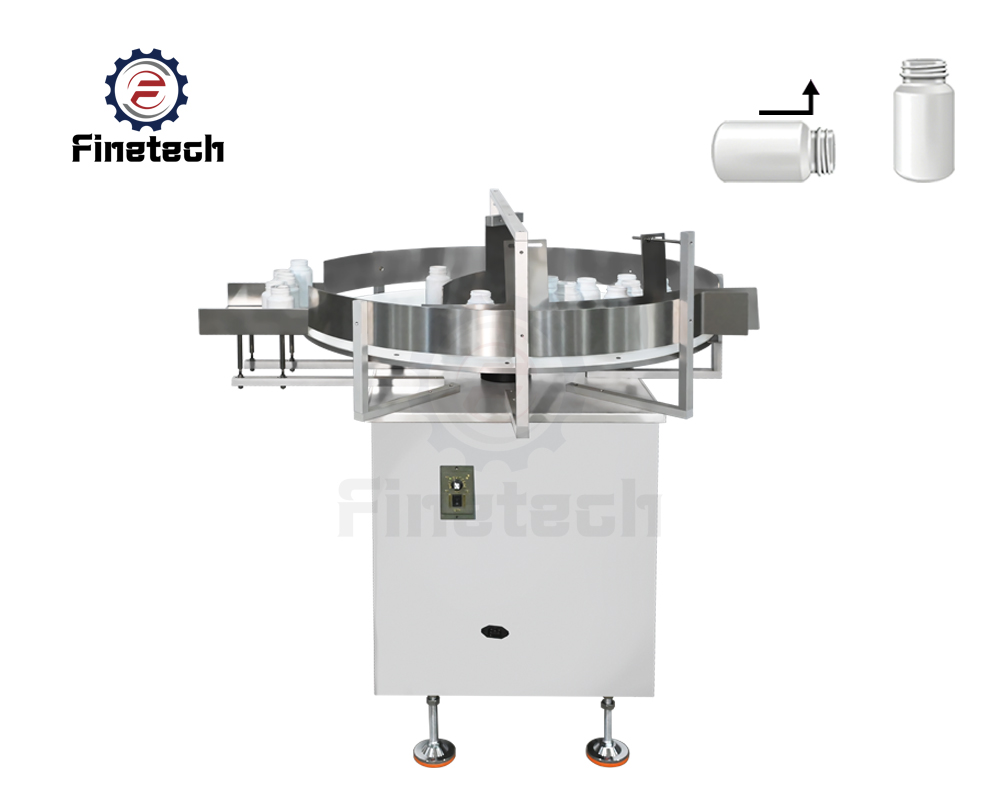
Packaging Line Equipment 1: Bottle Unscrambler
The core function of a bottle unscrambler is to take a bulk supply of empty, randomly oriented bottles and convert them into a single file of upright, properly oriented bottles on a conveyor, ready for downstream processes like rinsing, filling, and capping.
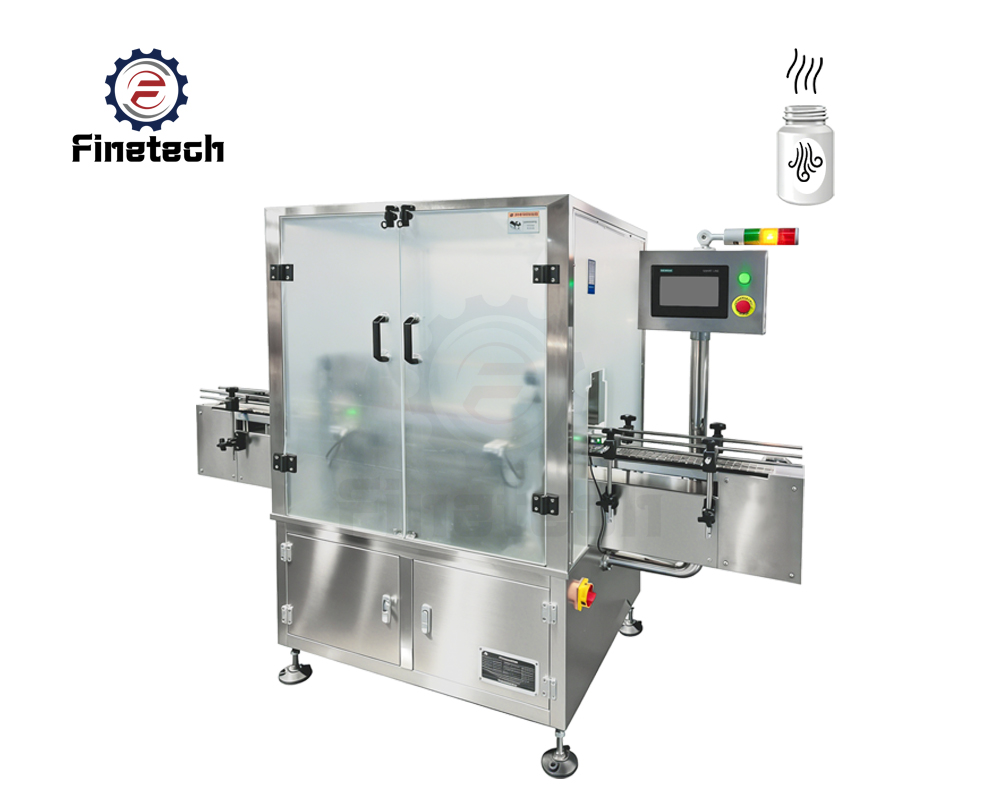
Packaging Line Equipment 2: Bottle Washing Machine
The washer is typically positioned at the very beginning of the packaging line, after bottle depalletizing/unscrambling and before inspection/filling. Properly washed bottles must be chemically neutral, sterile, and dry to avoid contaminating the new product.
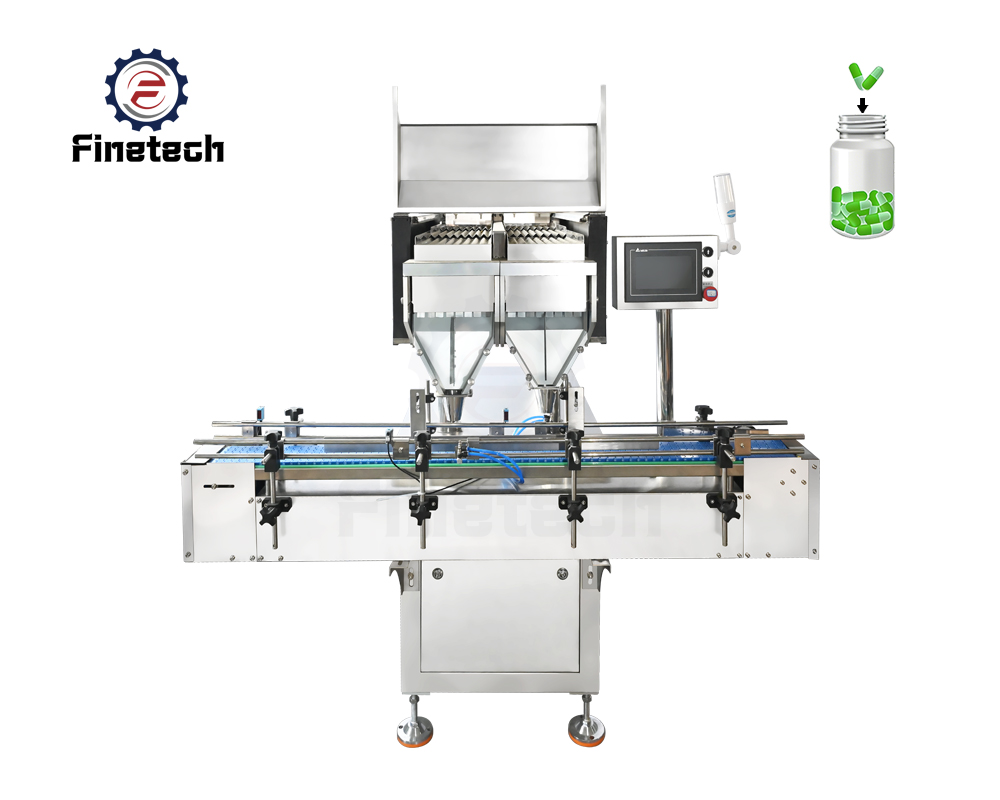
Packaging Line Equipment 3: Tablet Counting and Filling Machine
A Tablet Counting and Filling Machine is a precision-engineered system designed to accurately count, dispense, and fill solid dosage forms—primarily tablets and capsules—into containers such as bottles, vials, or blister packs. It is a core component in pharmaceutical, nutraceutical, and vitamin packaging lines, where dosage accuracy, speed, and contamination control are critical.
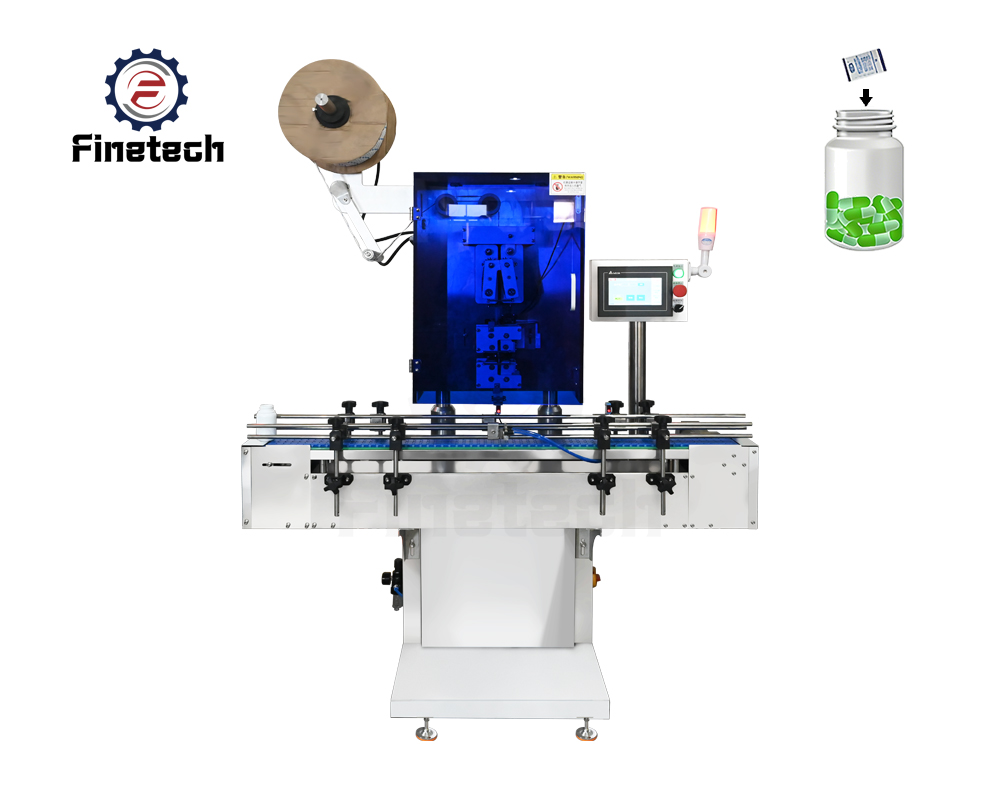
Packaging Line Equipment 4: Desiccant Inserter Machine
A Desiccant Inserter Machine is a specialized packaging automation device designed to automatically place desiccant packets, canisters, or cards into containers (typically bottles, vials, or thermoformed packages) to control moisture and protect sensitive products from humidity degradation.
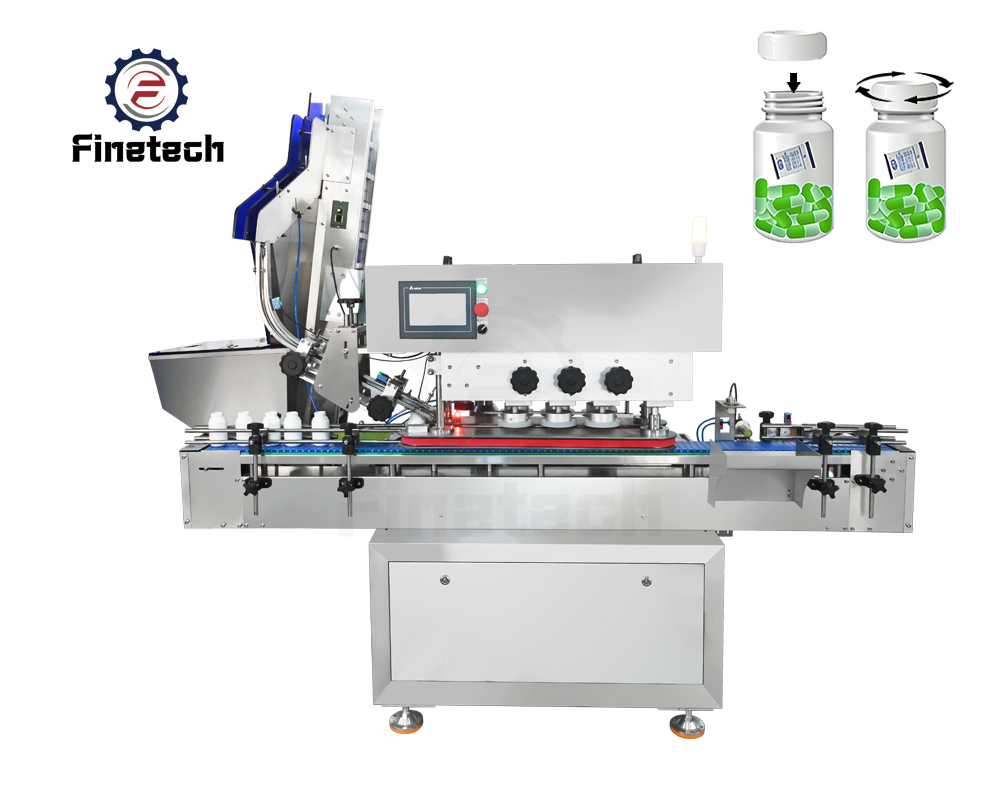
Packaging Line Equipment 5: Automatic Bottle Capping Machine
The Automatic Bottle Capping Machine is a critical packaging line component designed to securely apply and tighten various types of closures onto bottles or containers at high speed with precise torque control. It ensures product integrity, prevents leakage, and often provides tamper-evident features.
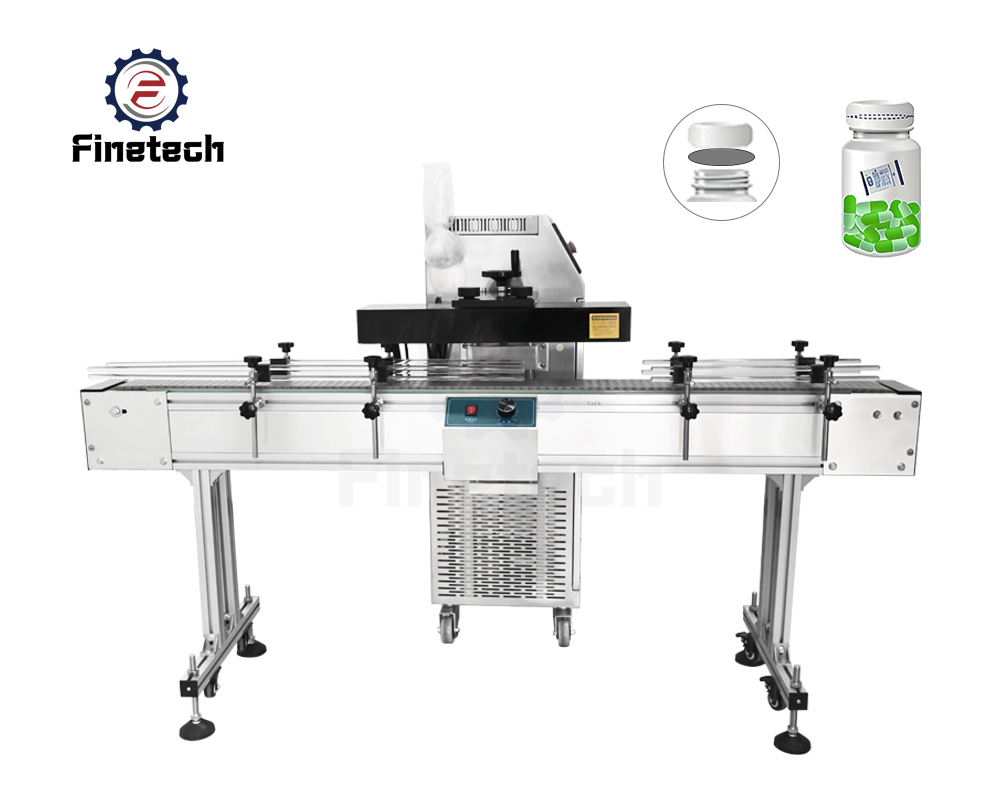
Packaging Line Equipment 6: Aluminium Foil Sealing Machine For Bottles
Aluminium Foil Sealing Machine is a specialized packaging device that hermetically seals bottles or containers by applying and bonding an inner foil membrane to the container’s mouth using heat, pressure, and electromagnetic induction. It creates an airtight, tamper-evident barrier that preserves product freshness and prevents contamination.
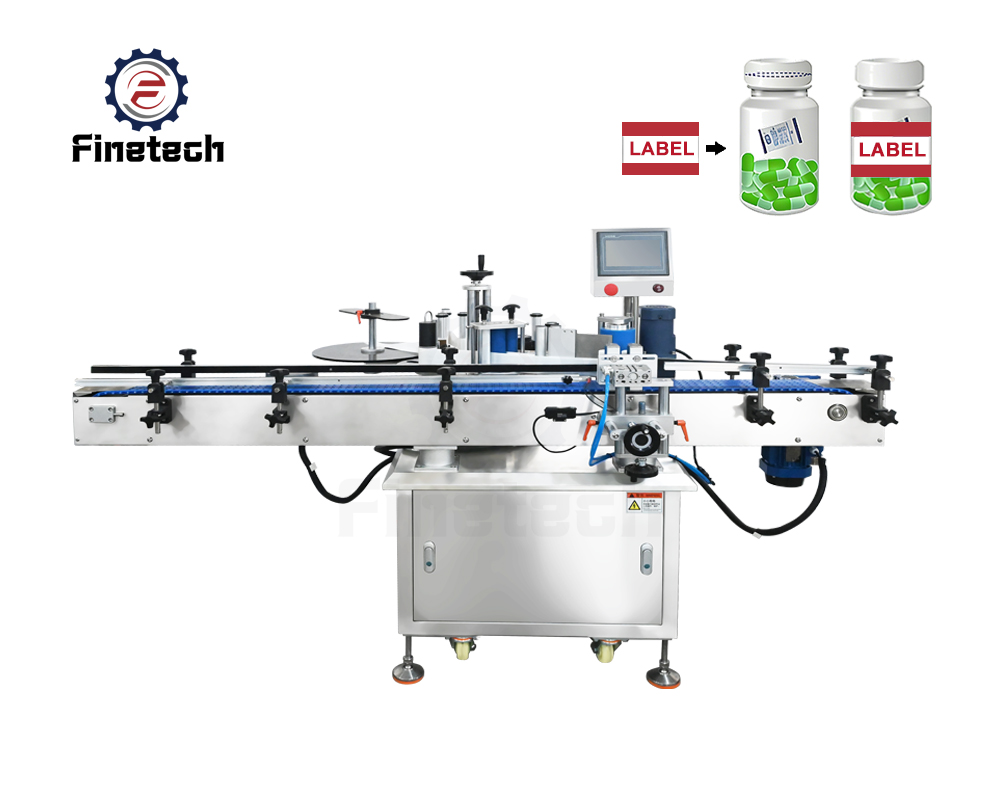
Packaging Line Equipment 7: Bottle Labeling Machine
An Automatic Bottle Labeling Machine is a core packaging line component designed to precisely apply labels to containers at high speeds. It automates the process of identifying, branding, and providing product information, ensuring consistency, accuracy, and efficiency while meeting regulatory requirements.
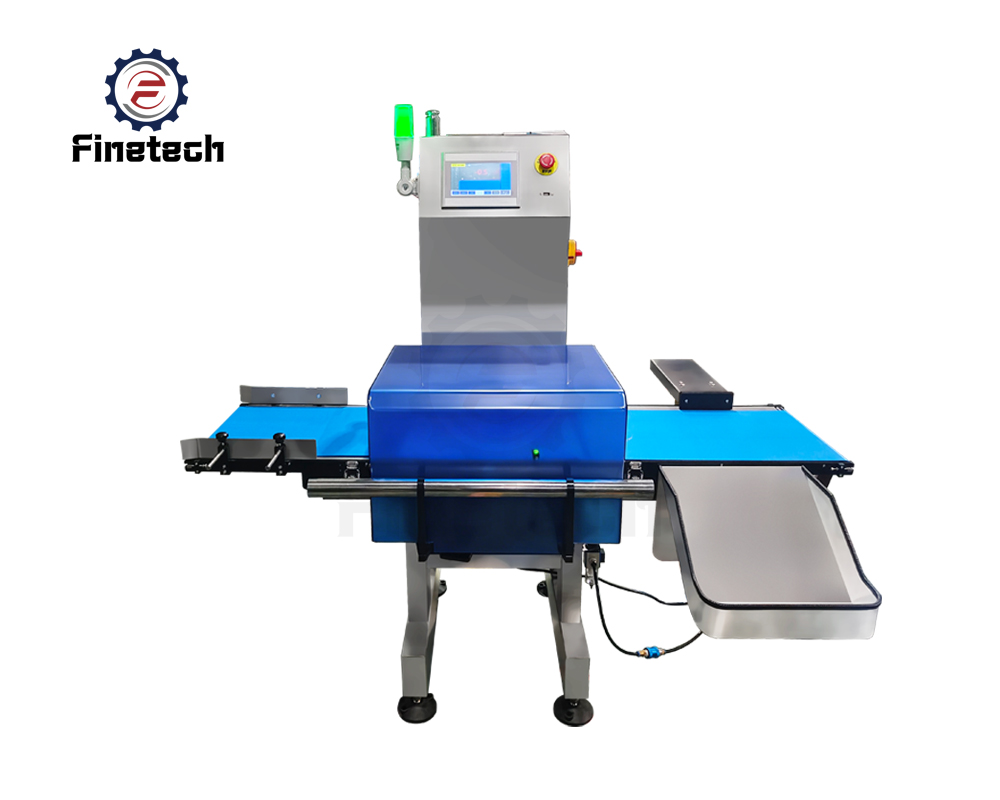
Packaging Line Equipment 8: Capsule Checkweigher
A Capsule Checkweigher is a specialized, high-precision quality control instrument designed to automatically weigh individual capsules or capsule-filled containers in pharmaceutical, nutraceutical, and supplement production lines. Its primary function is to ensure each capsule meets exact weight specifications, detecting and rejecting underweight or overweight units to guarantee dosage accuracy and regulatory compliance.
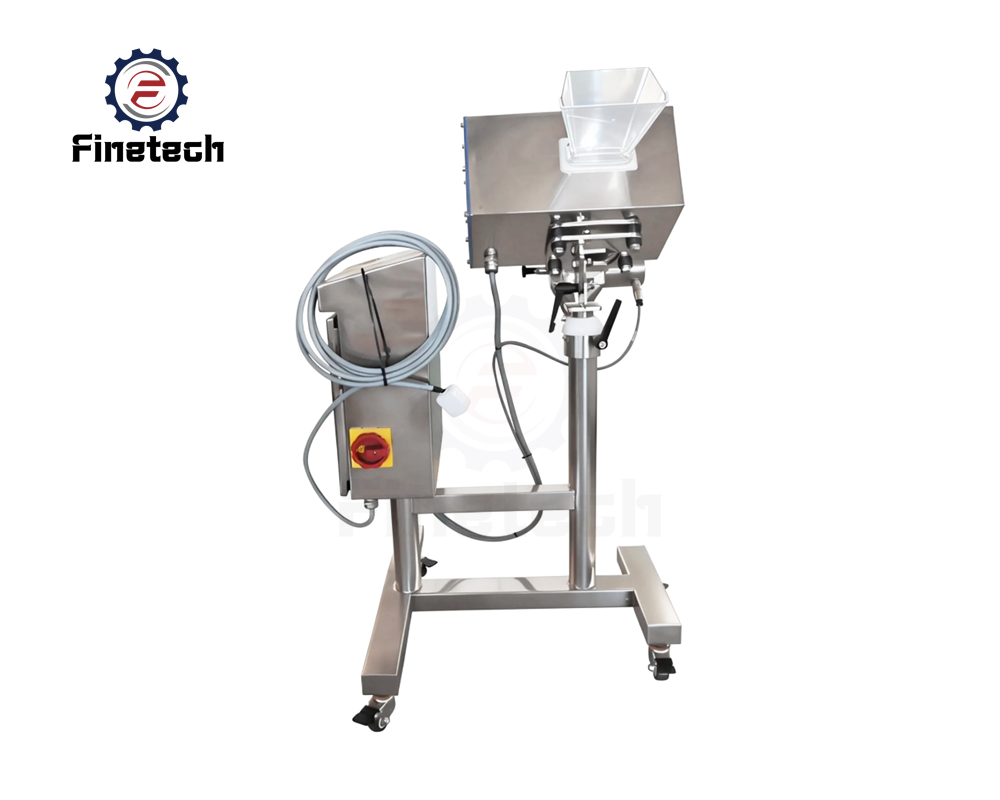
Packaging Line Equipment 9: Pharmaceutical Metal Detector Machine
A Pharmaceutical Metal Detector is a critical quality assurance and contamination control system designed to identify and reject metallic foreign bodies in pharmaceutical products and packaging. It is a mandatory safety device in GMP-regulated production lines, protecting patients from hazardous metallic contaminants that could originate from raw materials, processing equipment, or packaging machinery.
Get a prompt quote
Customized Pharmaceutical Packaging Solutions For Your Products
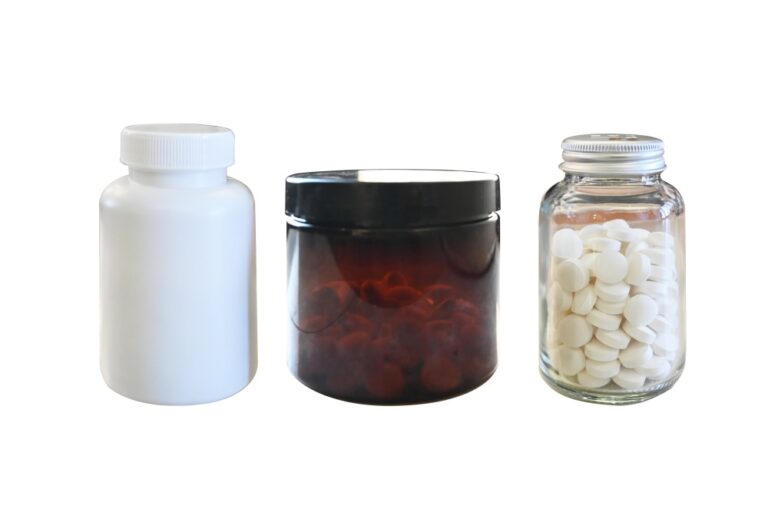
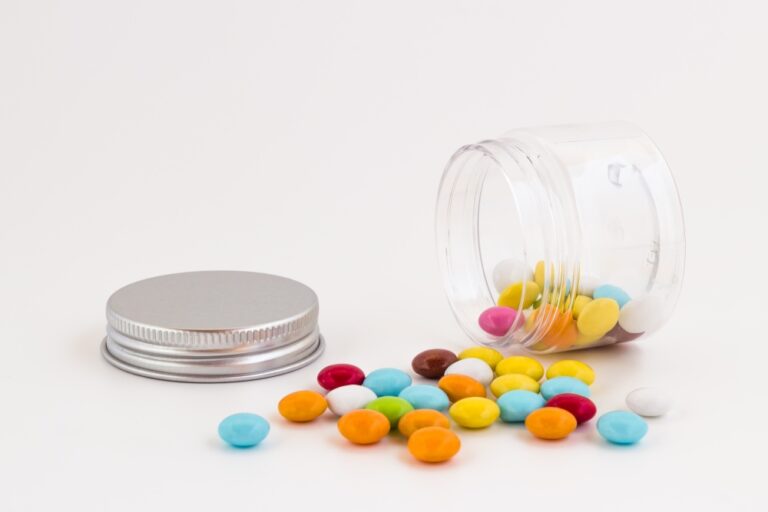
Applied Pharmaceutical Packaging Types
Our pharmaceutical packaging line is compatible with various bottle materials. We will customize a bottle packaging solution based on your bottle type, production capacity, and specific requirements.

Pharmaceutical Packaging Line Working Principle
A pharmaceutical packaging line works by sequentially and automatically filling, sealing, labeling, inspecting, and bundling pharmaceutical products in a validated, contamination-controlled process to ensure each pill is correctly identified, protected, and traceable for patient safety.
FAQ
Here are some frequently asked questions about the pharmaceutical packaging line.
It is an integrated system of automated machines and manual stations designed to assemble, fill, label, inspect, and package pharmaceutical products (e.g., tablets, capsules, vials, syringes) into their final marketable form, ensuring product safety, identity, and compliance.
Primary Packaging: Direct contact with the product (e.g., filling tablets into blister packs or bottles, inserting vials into trays).
Secondary Packaging: Grouping and protection of primary packs (e.g., cartoning, adding leaflets, bundling).
Tertiary Packaging: Shipping preparation (e.g., case packing, palletizing).
- If you are interested packing line details check this article to know more.
Primary Line: Handles the product itself (e.g., blister machine, vial filler, tube filler). Focus is on product protection and dosing.
Secondary Line: Handles the packaged primary units (e.g., cartoner, bundler, labeler). Focus is on information, branding, and grouping.
OEE (Overall Equipment Effectiveness) is a key performance metric calculated as: Availability × Performance × Quality.
It measures how effectively a packaging line is utilized, identifying losses from downtime, speed reductions, and defects. A high OEE indicates a reliable, efficient line.
Changeover: The process of switching the line from running one product to another. This involves mechanical adjustments, part changes, and cleaning.
Line Clearance: A GMP-critical procedure performed before and after changeover. A qualified person verifies that all previous product, components, and documentation have been removed to prevent mix-ups and cross-contamination.
Blister Machine: Forms cavity pockets, fills with product, and seals with foil/lid.
Bottle Filler & Capper: Fills solid or liquid doses into bottles and applies caps (screw, snap, child-resistant).
Cartoner: Erects cartons, inserts primary pack (blister, bottle) + leaflet, and closes.
Labeler (Print & Apply or Wrap-around): Applies product-specific labels with critical info (lot#, expiry, barcode).
Serialization & Aggregation Units: Prints and verifies unique serial codes on packs, bundles, and cases as per track-and-trace regulations.
Vision Inspection Systems: Cameras that automatically check for defects (missing tablets, incorrect label, unreadable codes).
Serialization: Assigning a unique serial number (via a 2D Data Matrix or barcode) to each saleable unit (e.g., carton) as mandated by laws (EU FMD, US DSCSA).
Aggregation: Creating a parent-child logistical link between individual serialized units and their bundles/cases. This allows scanning a case to know all cartons inside, crucial for supply chain security and recall efficiency.
Mix-ups (wrong product, leaflet, or label).
Contamination (physical, chemical, or microbial).
Labeling Errors (incorrect text, lot#, or expiry).
Missing or Defective Product (broken tablets, empty blisters, missing caps).
Data Integrity Issues in serialization records.
Approving line clearance before start-up.
Performing in-process checks (e.g., label accuracy, seal integrity, torque tests on caps).
Reviewing batch documentation and serialization data.
Managing deviations and overseeing corrective actions (CAPA).
GMP (FDA 21 CFR Part 211/ EU Annex 1 & 15): Core quality regulations.
ISO Standards: e.g., ISO 15378 (Primary Packaging Materials for Medicinal Products).
Pharmacopeial Standards (USP, Ph. Eur.): For materials and container testing.
Regional Track & Trace Laws: (EU FMD, US DSCSA, etc.).
Reduce Changeover Time: Implement SMED, use quick-change parts, prepare kits in advance.
Preventive Maintenance (PM): Scheduled upkeep to avoid unexpected breakdowns.
Operator Training: Skilled operators can solve minor issues quickly.
Line Balancing: Ensure no single machine is a constant bottleneck.
Data Analysis: Use OEE and downtime tracking software to target the biggest losses.
The integration of smart technologies: IoT sensors for predictive maintenance, digital twins for line simulation, AI-powered vision inspection, and centralized MES (Manufacturing Execution Systems) that collect real-time OEE, quality, and serialization data for paperless batch records.
Increasingly critical. Lines need to handle:
Smaller Batch Sizes for personalized medicine and orphan drugs.
Multiple Product Formats (vials, pre-filled syringes) on a single line.
Frequent Changeovers. This drives the design of modular, easily reconfigurable lines.