...

Professional supplier of overall solutions for pharmaceutical manufacturing and packaging

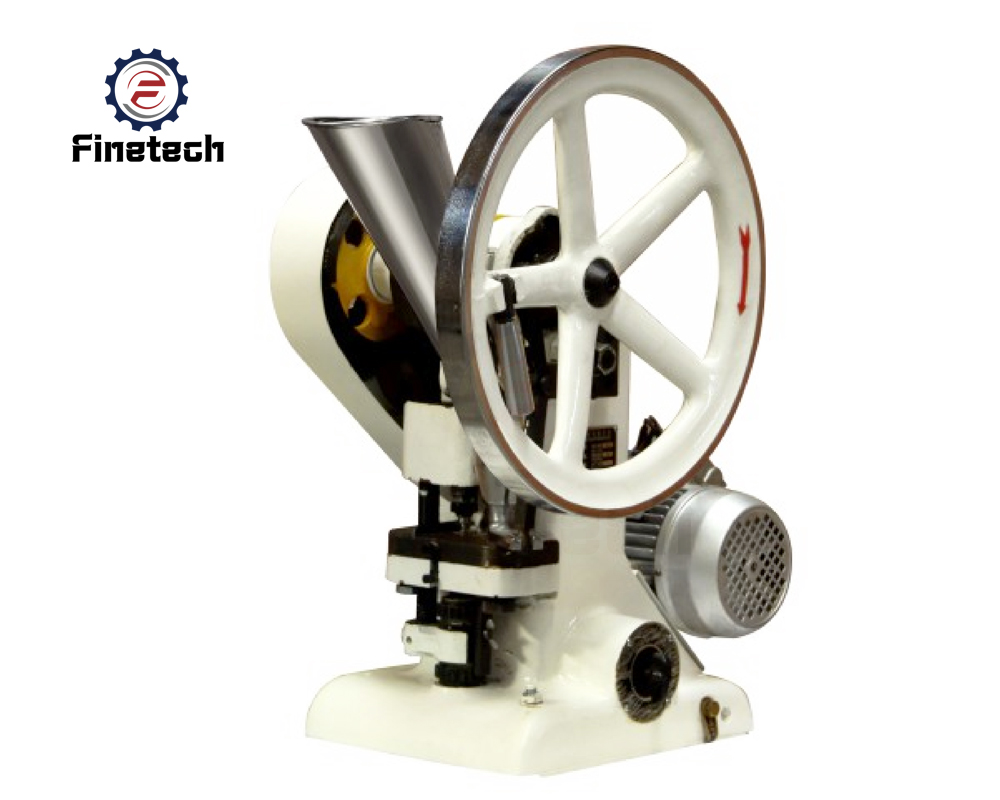
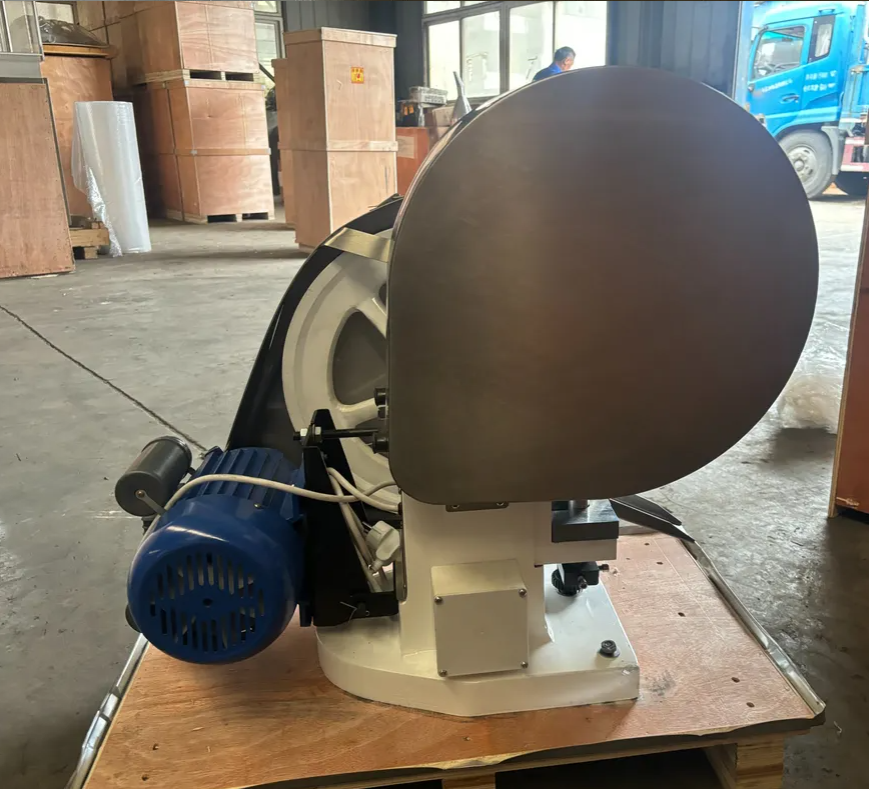
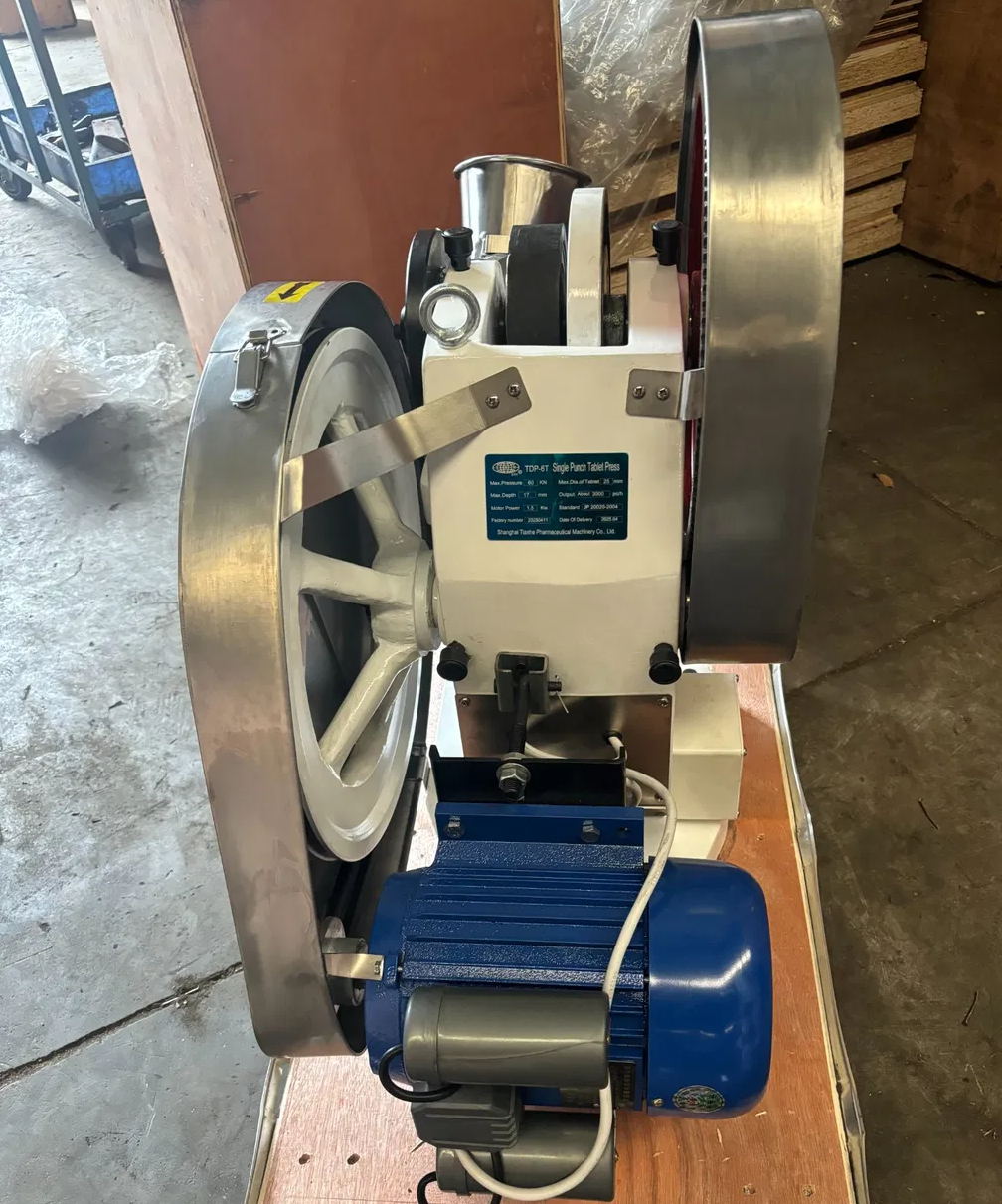
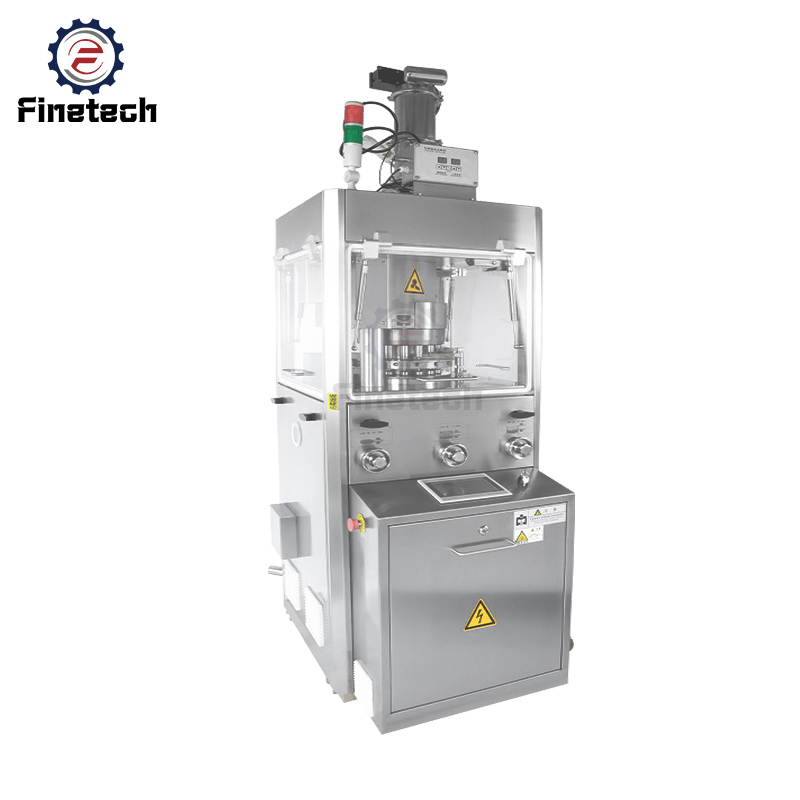
TDP-1.5T/5T/6T Single Punch Tablet Press Machine

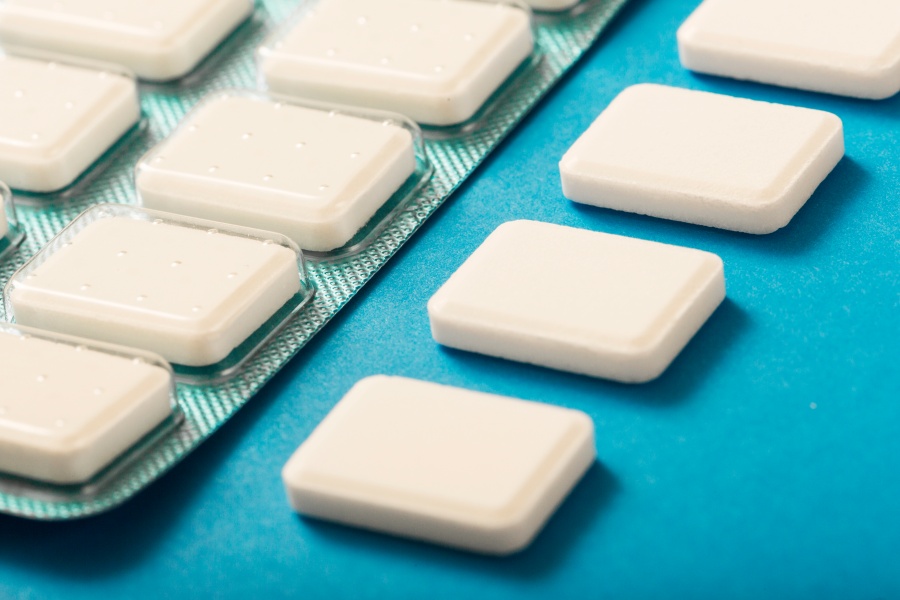
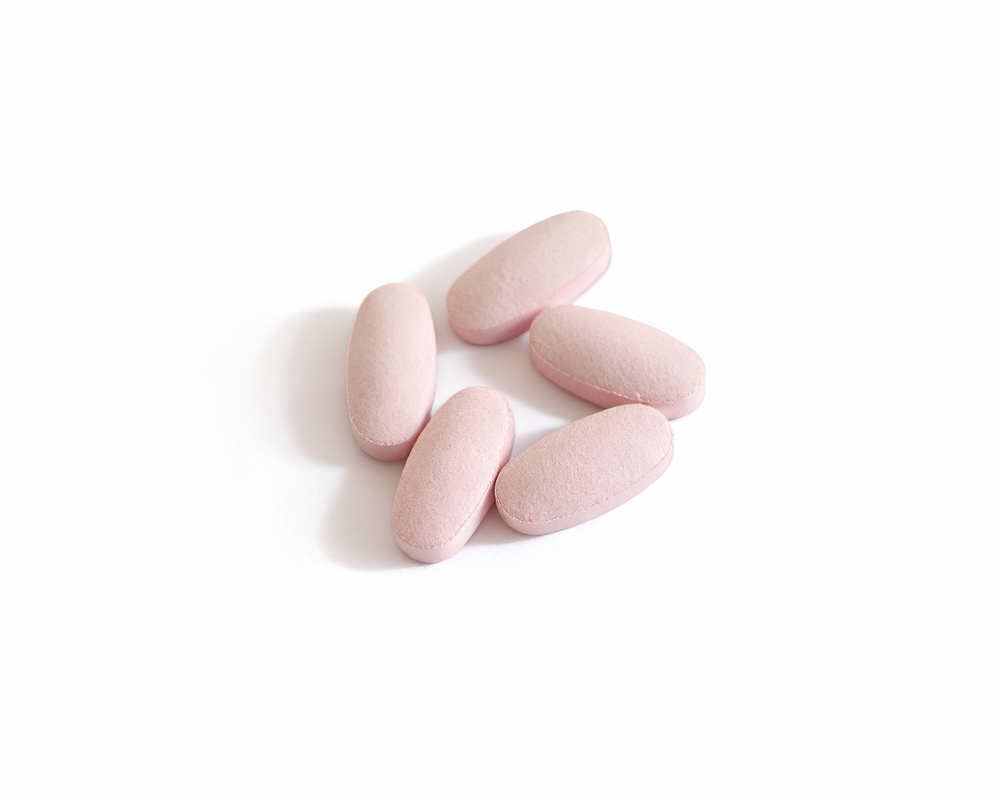
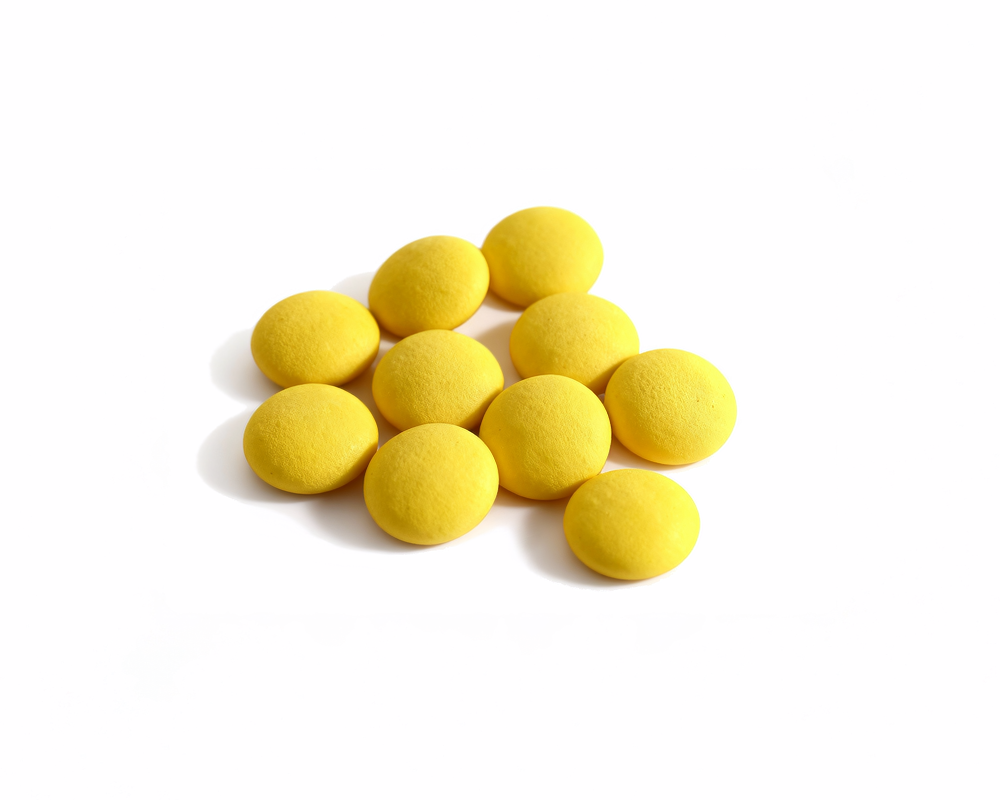
single punch tablet machine (also known as a single-station press or eccentric press) is a compact, manually operated device used in small-scale production of tablets in industries like pharmaceuticals, cosmetics, and chemicals.

Need a Custom Quote?

Or More information About this product? Contact our sales stuff today!

Key Features

Technical Data

Machine Details

FAQ

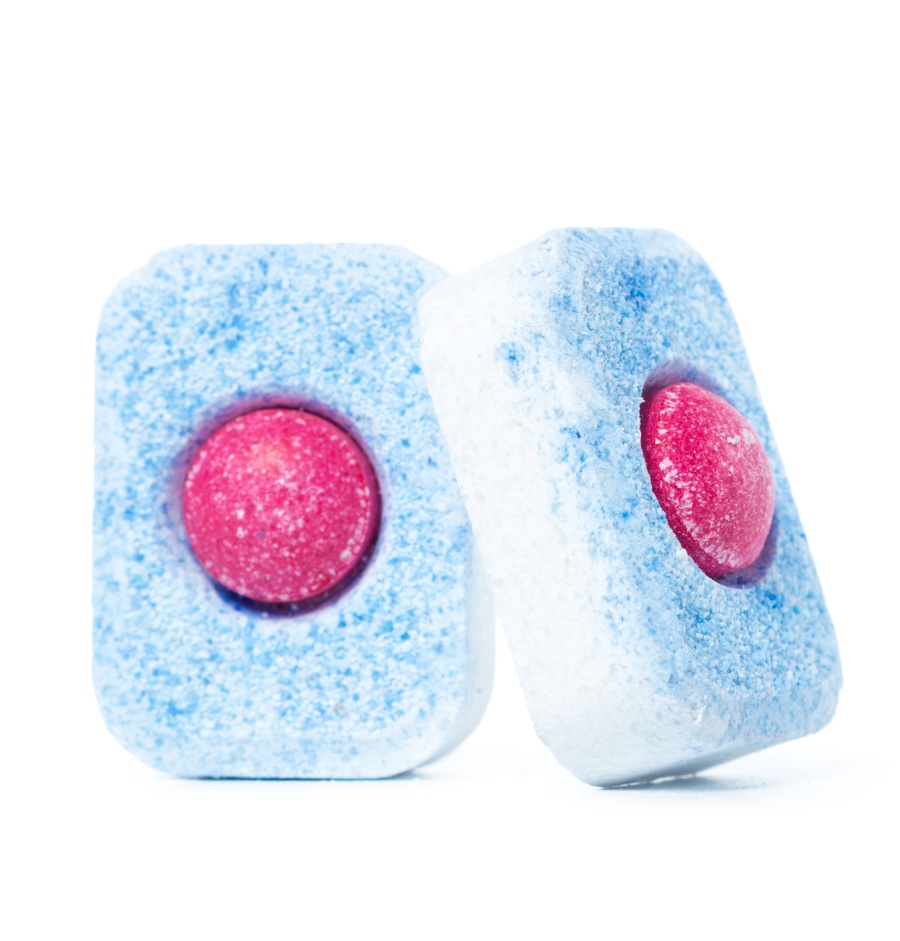
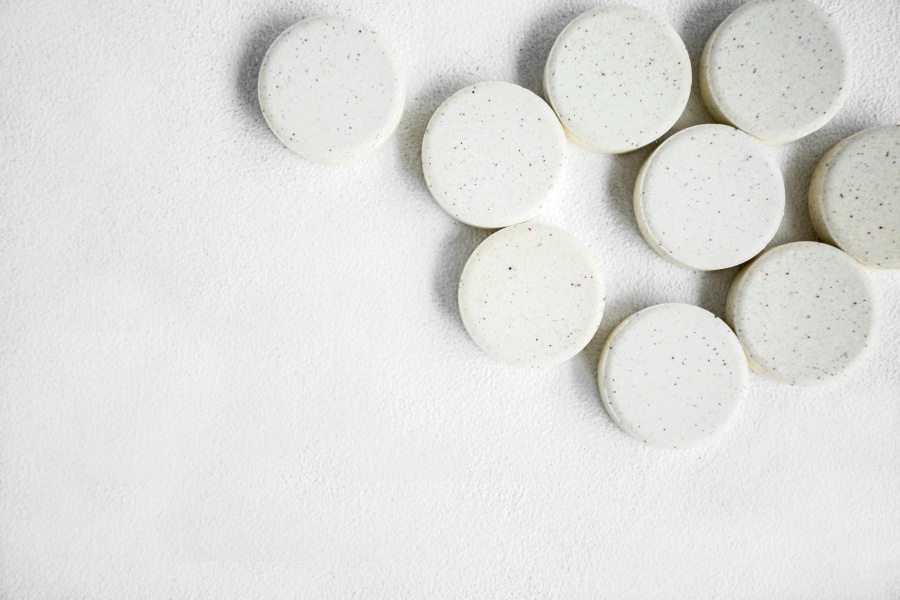
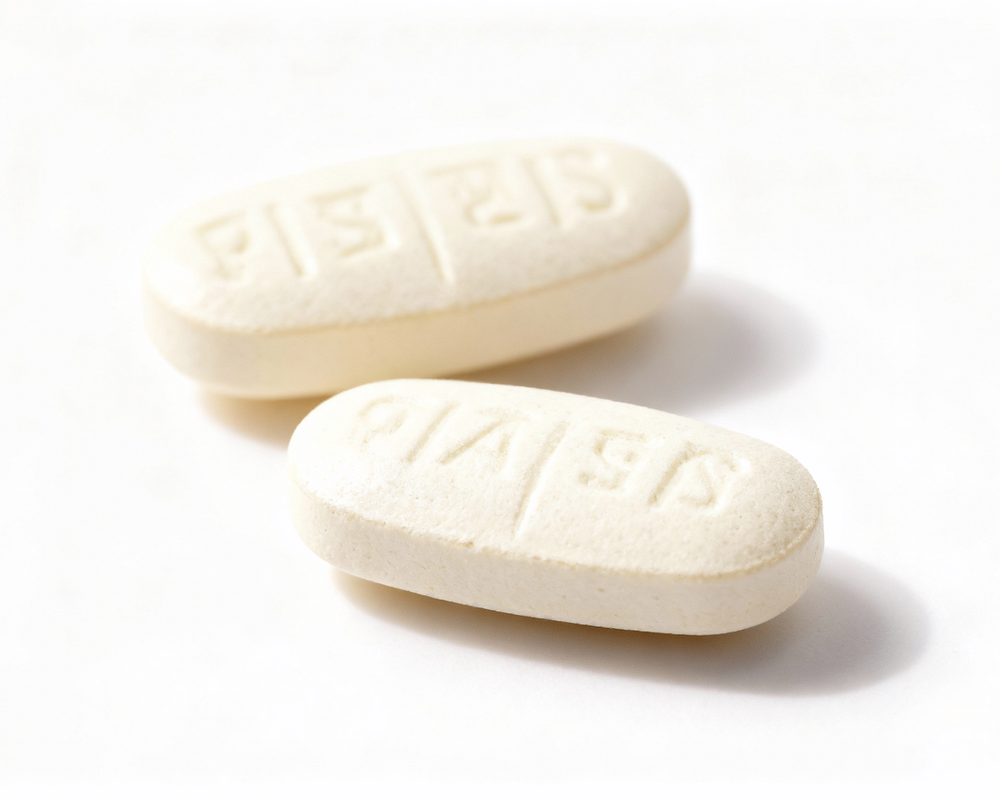
Application

1. Adjustable Pressure – You can freely adjust the tablet compression pressure to fit your needs.
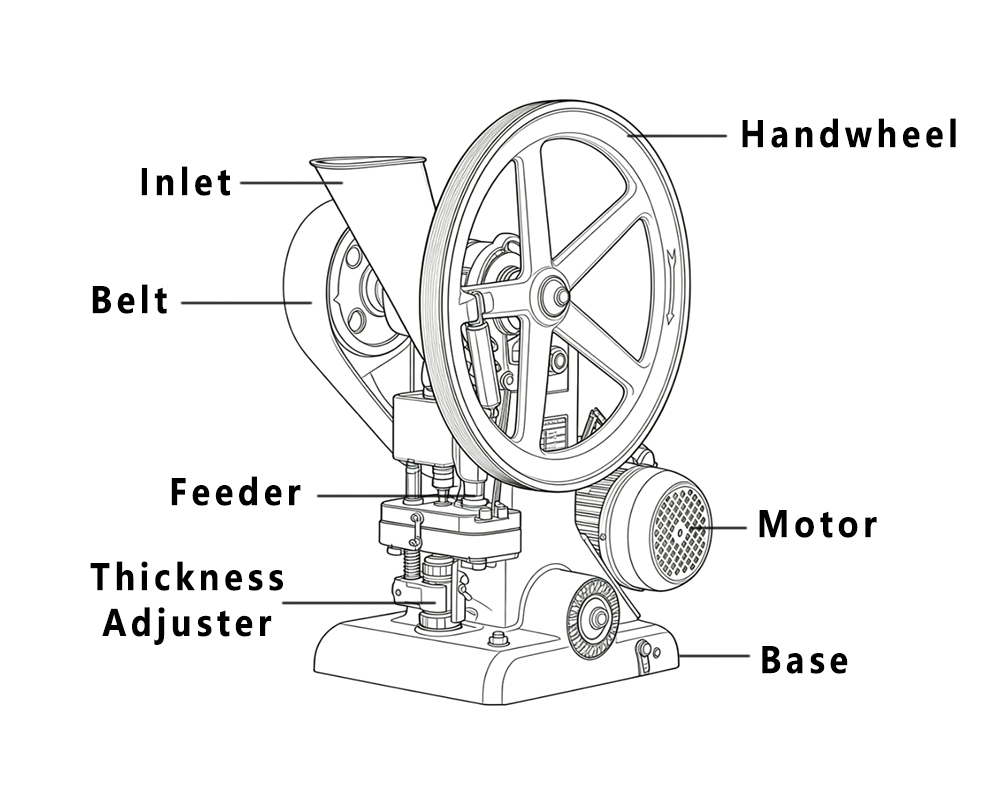
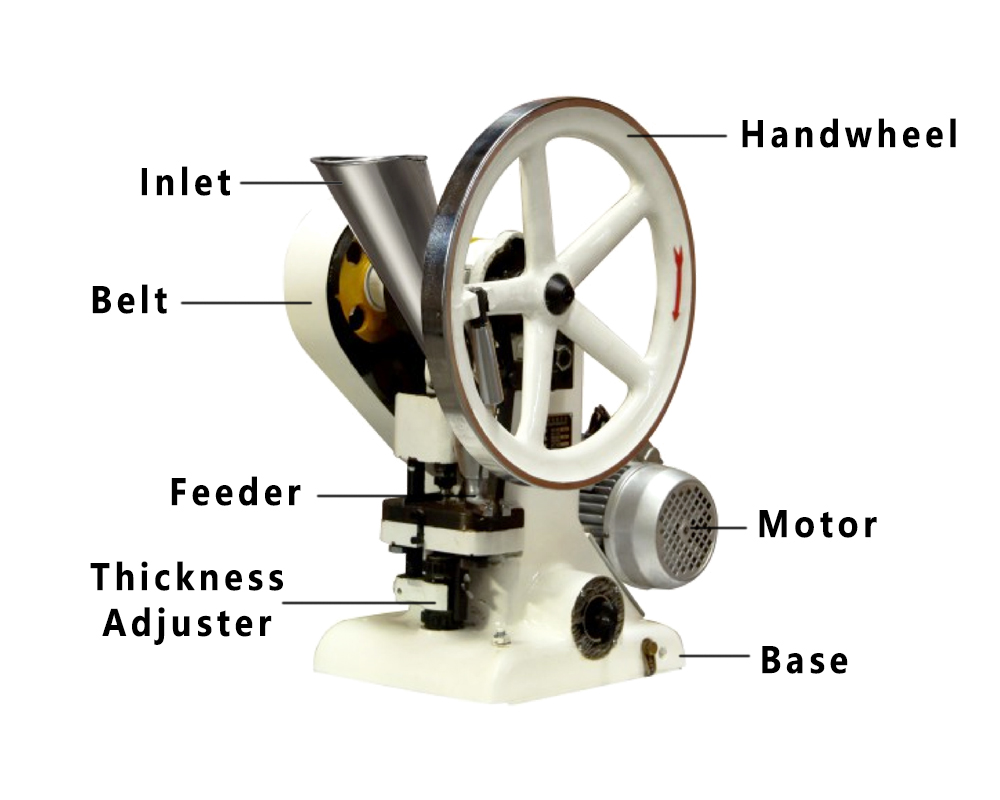
Single Punch Tablet Press Machine Diagram
Single Punch Tablet Press Machine Diagram.

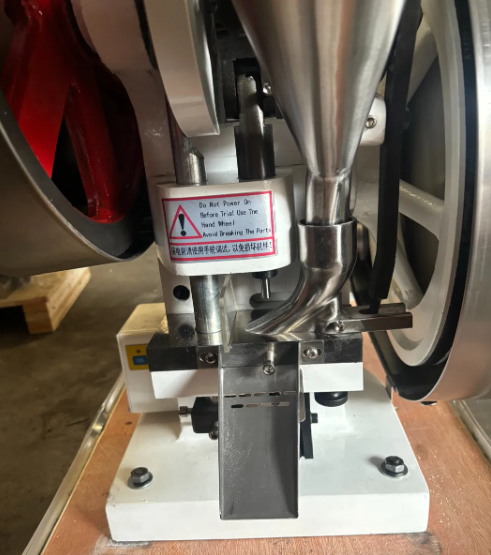
2. Standard Round Molds – Comes with standard round molds. Molds for other tablet shapes and sizes can be customized.

3. Thickness Adjustment – Rotate the adjustment nut to change the tablet thickness.

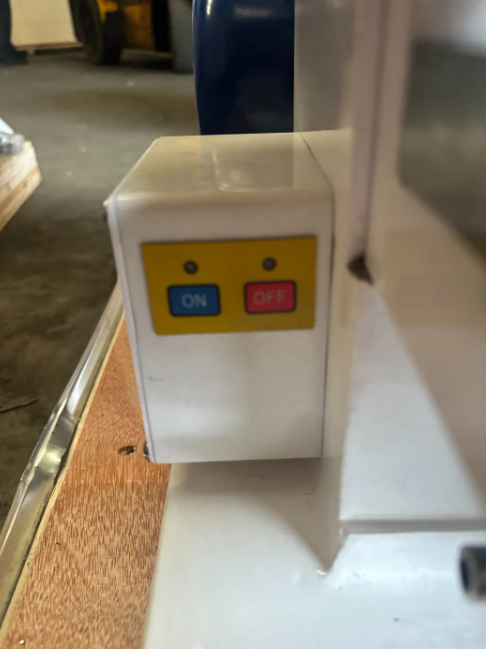
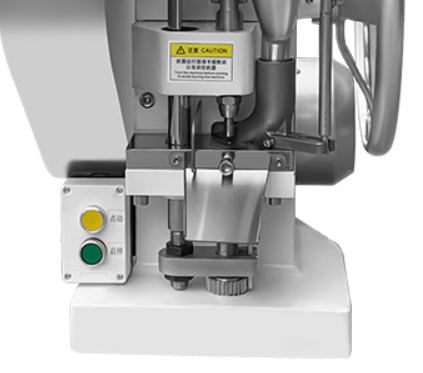
4. Control Panel – One-button start and stop. The jog switch helps fine-tune the thickness during adjustment.
Model TDP-1.5T TDP-5T TDP-6T
Max Main Pressure (KN) 15 50 60
Max Tablet Diameter (mm) 12 20 25
Max Filling Depth(mm) 12 17 17
Max Tablet Thickness (mm) 5 7 7
Max Production Capacity(pcs/h) 5000 4500 3000
Motor Powwer(kw) 0.55 0.75 1.1
Overall Size(mm) 700*370*800 700*400*800 700*500*900
Machine Weight(kg) 90 125 150
Circular tableting mold
Circular Tableting Mold
Control Panel
Control Panel
High-Quality Adjusting Nuts
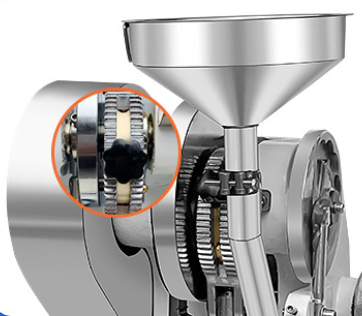
Power Freely Adjustable Mechanism
What is a single punch tablet press?

single punch tablet press (also known as an eccentric press) is a mechanical machine that uses a single set of upper and lower punches and a die to compress powder into tablets. It's the simplest type of tablet press, ideal for R&D, small-scale production, and educational purposes.

How does it work?
How does it work?

The process is cyclical:

  • Filling: The lower punch drops, creating a cavity in the die. The feed shoe moves over the die, filling it with powder.

  • Compression: The feed shoe retracts. The upper punch descends into the die, compressing the powder between it and the lower punch at a set pressure.

  • Ejection: The upper punch retracts. The lower punch rises, pushing the finished tablet out of the die. The feed shoe then returns, pushing the tablet off the platform and into a collection container, while simultaneously re-filling the die.

What are the main advantages of a single punch press?
  • Simplicity: Easy to set up, operate, and clean.

  • Low Cost: Significantly cheaper than rotary tablet presses.

  • Minimal Material Waste: Perfect for expensive active pharmaceutical ingredients (APIs) in R&D.

  • Easy Tooling Change: Switching between tablet shapes and sizes is quick.

  • Transparent Process: Excellent for understanding the fundamentals of tablet compression.

How do I install punches and a die?
  1. Die Installation: Loosen the die lock screw. Place the die into the die table hole, ensuring it sits flush. Tighten the die lock screw firmly.

  2. Lower Punch Installation: Insert the lower punch through the bushing in the die table from below. It should slide in smoothly.

  3. Upper Punch Installation: Insert the upper punch into the punch holder in the upper ram. Secure it with the punch lock screw.

  4. Alignment Check: Manually rotate the flywheel to ensure the punches enter the die cleanly without hitting the edges. Misalignment can severely damage the tooling.

How do I clean the machine?
  1. Disconnect from power.

  2. Remove all punches and the die.

  3. Clean the tooling separately with an appropriate solvent (e.g., Isopropyl Alcohol).

  4. Wipe down the die table, feed shoe, and all other powder-contact parts with a clean, lint-free cloth and solvent.

  5. Lubricate the machine's moving parts (e.g., cams, guides) as per the manufacturer's manual with food-grade or pharmaceutical-grade grease/oil.

What is it primarily used for?
  • Pharmaceutical R&D: Formulation development and small-batch production.

  • University Labs: Teaching principles of pharmaceutics and powder technology.

  • Nutraceutical & Cosmetic Industries: Producing small batches of supplements or pressed powder tablets (e.g., makeup).

  • Prototyping: Creating samples for new tablet designs.

What should I consider when buying one?
  • Max Compression Force: Determines how hard a tablet you can make.

  • Max Tablet Diameter: The largest tablet the machine can produce.

  • Tooling Standard (B or D): Availability of replacement punches and dies.

  • Operation Type: Manual (hand-crank), mechanical, or motor-driven.

  • Ease of Adjustment: How easily can you adjust weight and hardness?

  • Brand Reputation & After-Sales Support: Availability of spare parts and service.

What are its limitations?
  • Low Output: It produces one tablet per cycle, making it unsuitable for high-volume production.

  • Uneven Force Distribution: The single-sided compression can lead to less uniform density and higher risk of capping or lamination compared to dual-sided compression on rotary presses.

  • Manual Operation: Most models are hand-operated or semi-automatic, requiring constant operator attention.

Scroll to Top