Skip to content
  English
  Russian
  Turkish
  Spanish
  French
  German
  Japanese
Have you ever wondered how products like toothpaste, medicine boxes, or snack bars end up so perfectly packed in cartons? It’s all thanks to an automatic cartoning machine.
It’s one of those behind-the-scenes innovations that keeps production fast, consistent, and cost-efficient. This machine turns a simple piece of cardboard into a complete retail-ready product.
In this guide, we’ll break down exactly what an automatic cartoning machine does, how it works, and why it’s become a must-have in modern packaging lines.
What Is an Automatic Cartoning Machine?
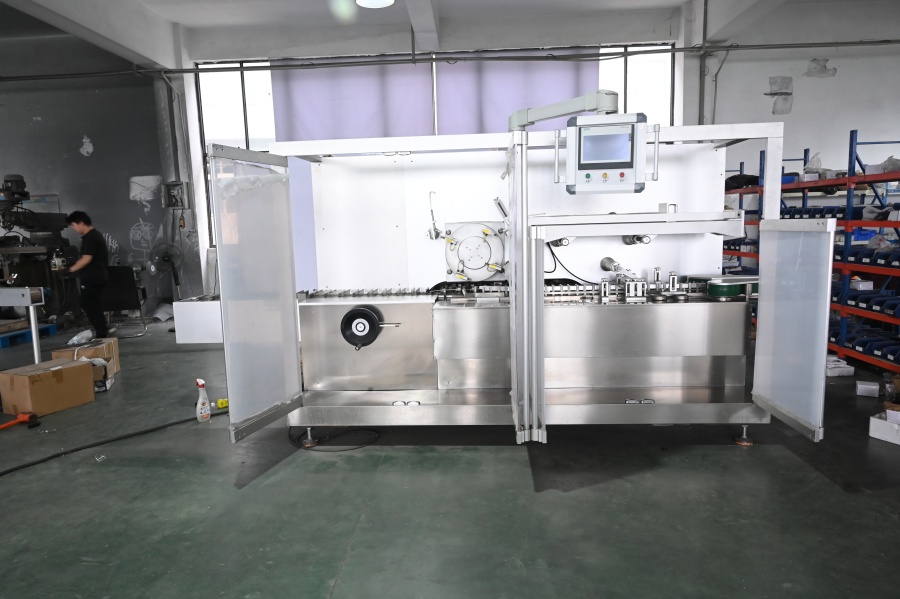
An automatic cartoning machine is a specialized piece of industrial equipment designed to pack products into cartons quickly and efficiently. It automates the entire process of forming, loading, and sealing cartons.
These machines are designed to handle flat-packed cartons, shape them, insert the product, and seal the carton using glue or tuck-in flaps.
What Does a Cartoning Machine Do?
A cartoning machine’s job is to turn a flat piece of cardboard into a fully packed and sealed product carton. Here’s how it works in simple terms:
- Carton Erecting: The machine picks up flat carton blanks and folds them into their proper shape.
- Product Loading: Products are placed into the open carton either automatically (for standard shapes) or semi-automatically (for delicate or irregular items).
- Carton Sealing: Once filled, the machine closes and seals the carton, using glue, tape, or tuck-in flaps, depending on the packaging design.
These machines can also integrate additional features like printing batch codes, scanning barcodes, and quality checks.
Four Types of Automatic Cartoning Machines
Automatic cartoning machines come in several types. Each type is designed to handle specific product shapes, speeds, and packaging requirements. Here’s how the four types differ from each other.
1. Horizontal Cartoning Machines
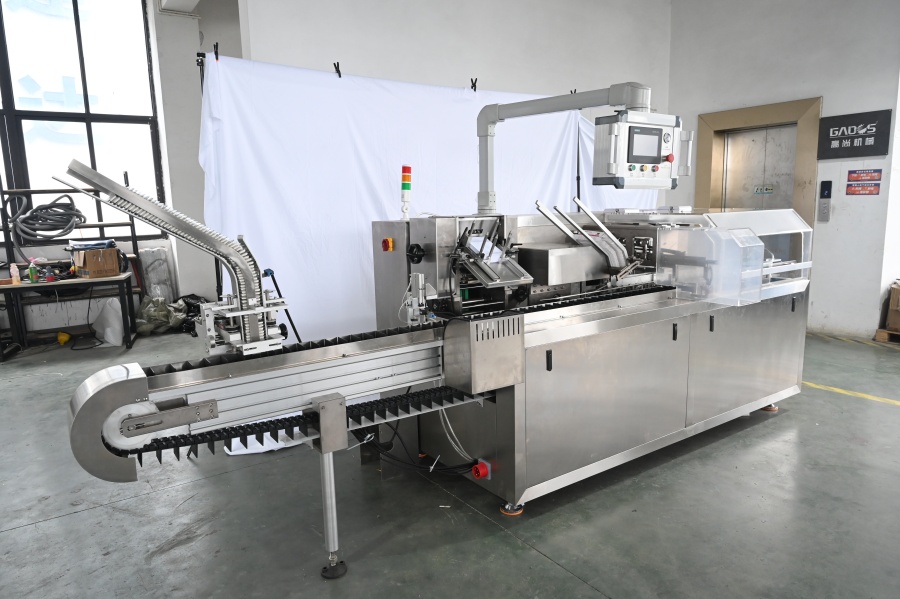
Horizontal cartoning machines are among the most commonly used in many packaging facilities. These machines load products lying flat, usually from the side. This method is ideal for stable items like toothpaste boxes, snack bars, and small electronics.
They are used in industries where speed and consistent size matter. On the machine, products are pushed sideways into open cartons, then sealed at both ends.
2. Vertical Cartoning Machines
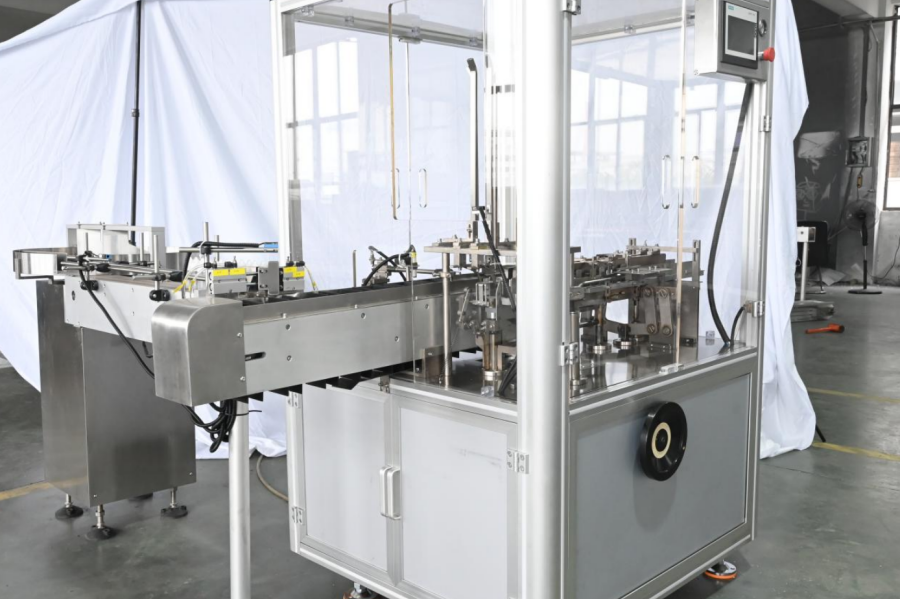
Vertical cartoning machines load products from the top down. They are used when products are delicate, irregular, or need to be placed carefully inside the carton. For instance, bottles, jars, or loose items like sachets are packed in these automated machines.
These machines are chosen for products that might not sit well horizontally. Gravity helps with placement, and operators may have the option of semi-automatic loading.
3. Continuous Automatic Cartoning Machines
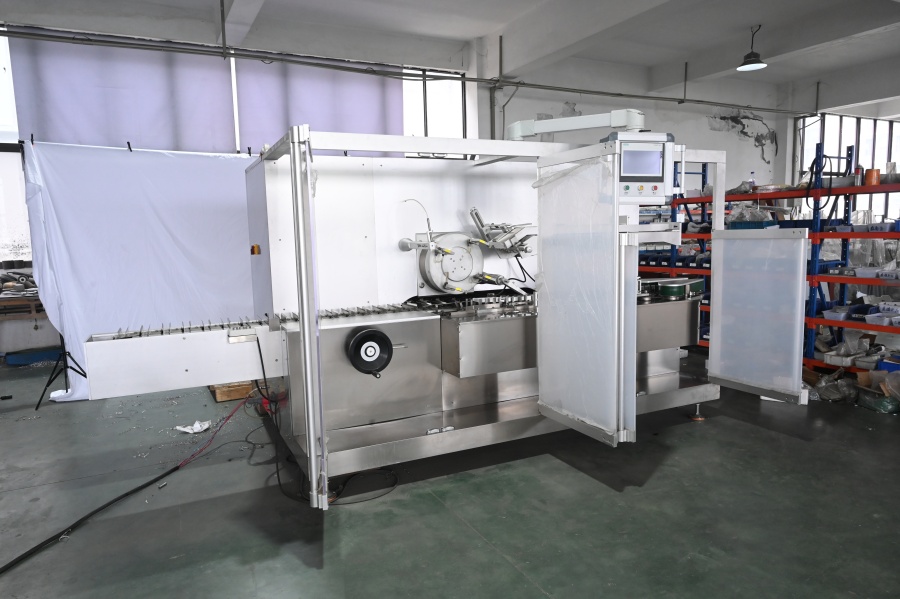
Continuous machines work without stopping between each operation. Cartons move through the machine in a constant flow while being formed, filled, and sealed.
This type of machine is ideal for industries like food and pharmaceuticals. The best part is that the non-stop movement allows for high output with consistent performance. However, they often require more precise product feeding systems and may come at a higher cost.
4. Intermittent Automatic Cartoning Machines
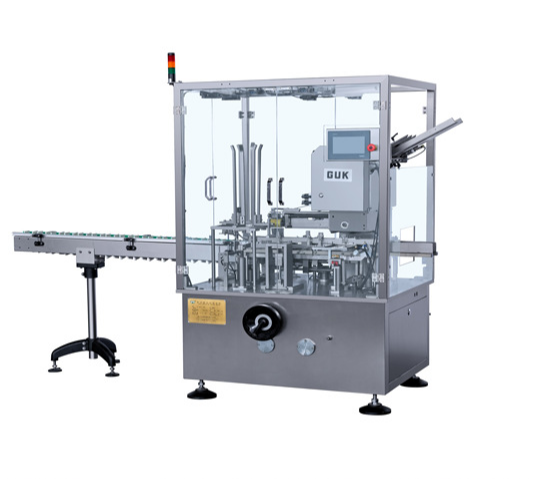
Intermittent machines work in start-stop motions. Each step of the cartoning process happens while the carton is stationary. These steps include opening, filling, and sealing.
For smaller production volumes, these machines are the best choice. They’re also the preferred choice when frequent product changes are needed. For businesses handling a variety of product types, this machine offers easier maintenance and greater flexibility than continuous ones.
How Does an Automatic Cartoning Machine Work?
Automatic cartoning machines make the tedious process of packing much easier. They simplify each step with speed and precision, making it ideal for workplaces handling large packaging volumes.
Here’s how the complete process works:
Step 1: Blank Carton Is Loaded Onto the Machine
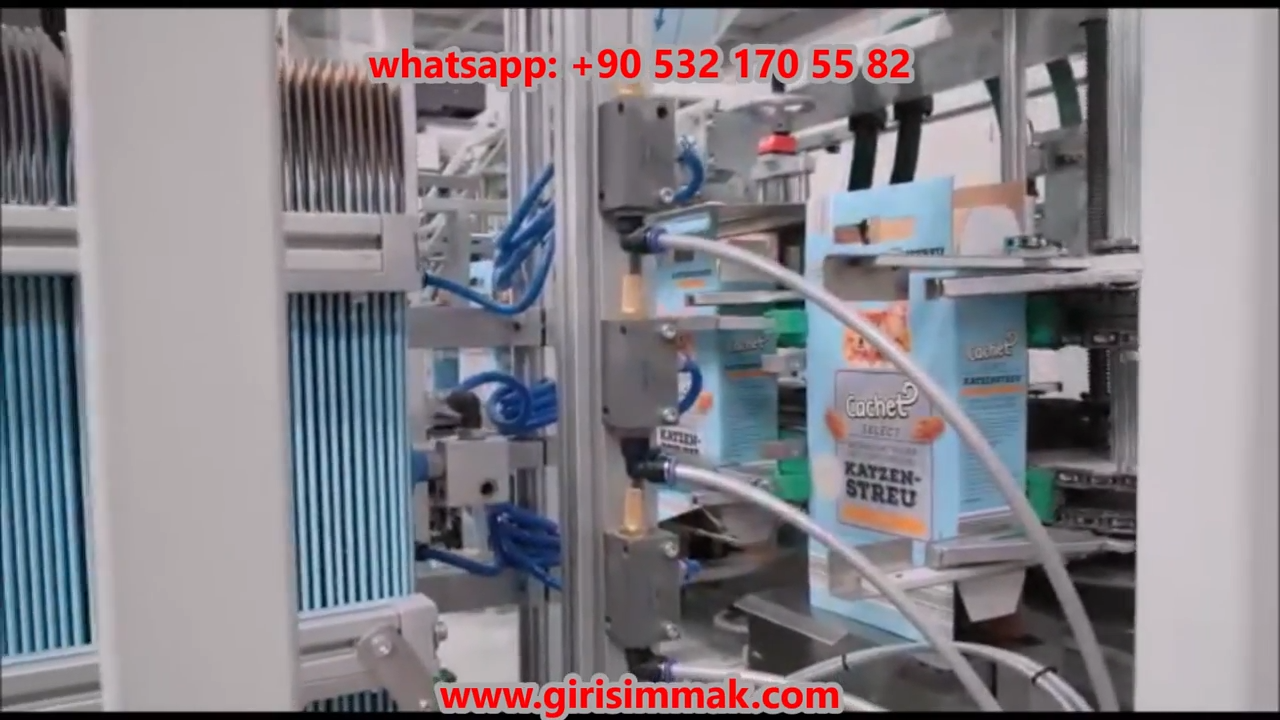
At first, carton blanks are loaded into a magazine, where a suction or mechanical arm picks and opens each one. The carton is erected, squared, and held securely in place. The operator then simply refills the blank stacks on the machine continuously and oversees the formation process.
Step 2: Machine Inserts the Product in the Carton
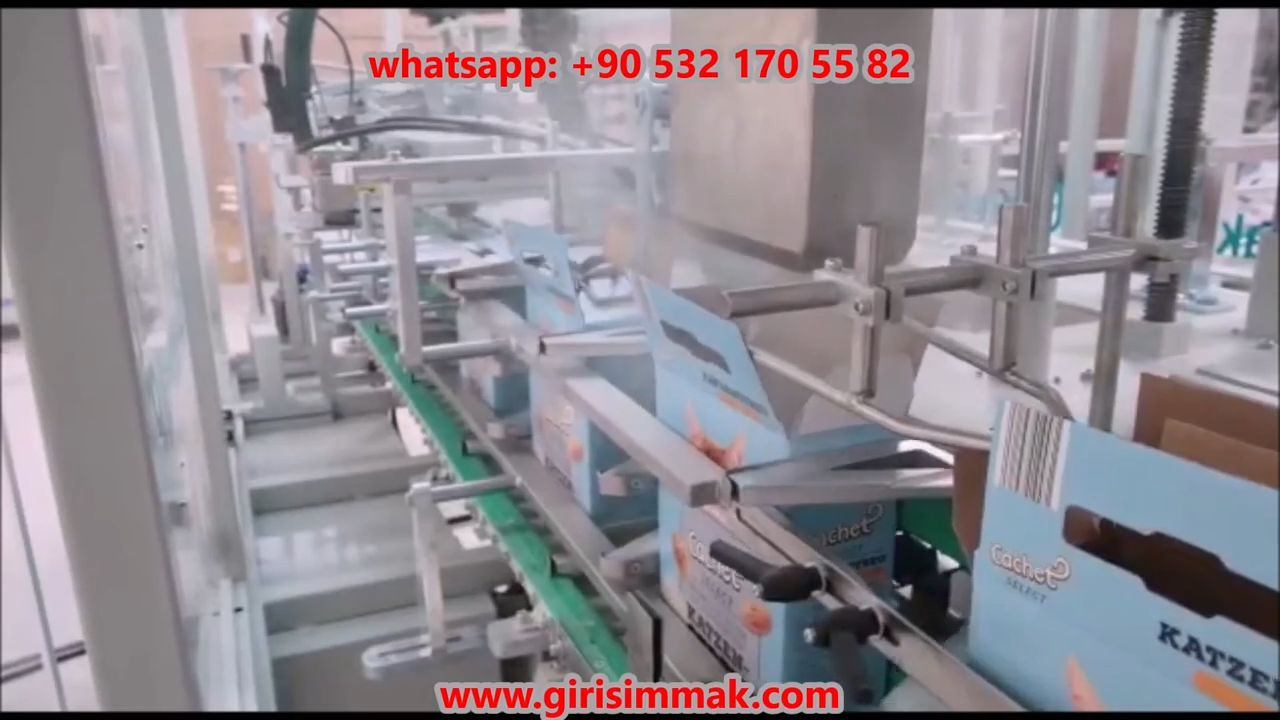
Once the carton is open, the machine places the product inside. The machine gently pushes items into each box. It is ideal for uniform products like blister packs or tubes. Operators are simply required to monitor the feed and align the items properly to prevent unnecessary jams.
Step 3: The Carton is Closed and Sealed
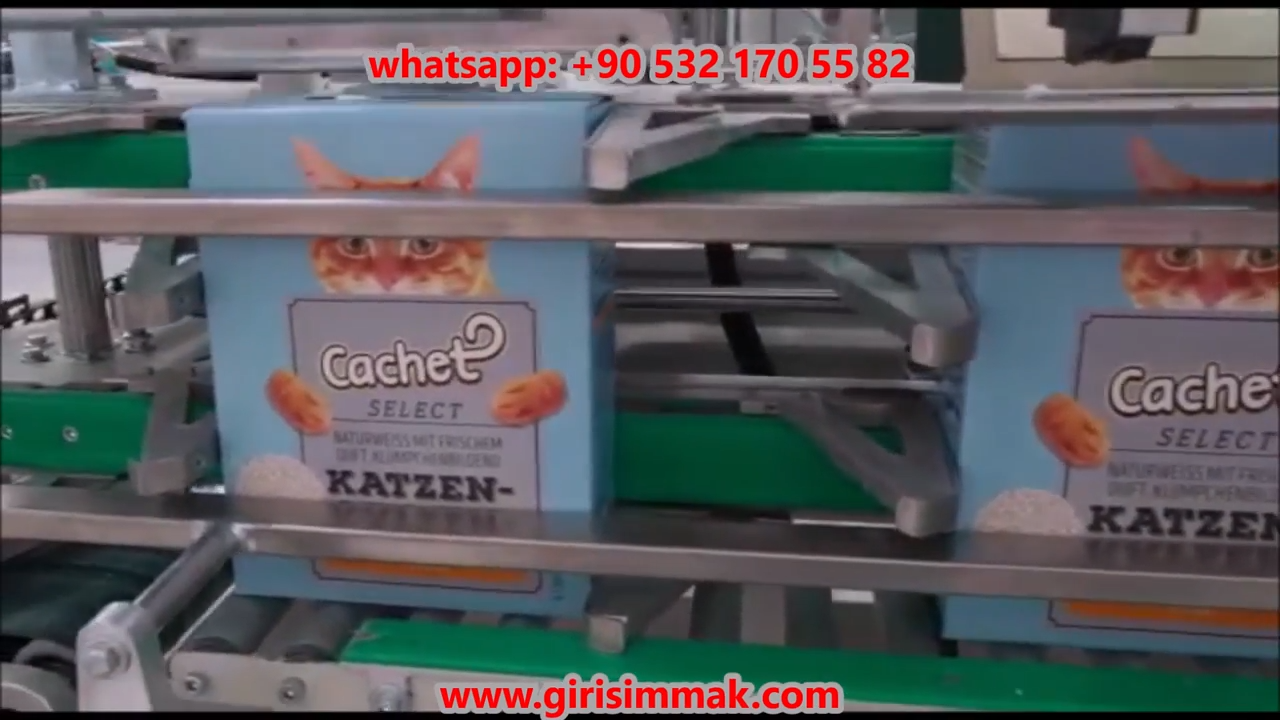
After insertion, the machine folds the carton flaps and seals them using glue or tuck-in closures. Operators may also adjust the glue settings when needed. They are also responsible for inspecting the quality of the seal. Aside from these tasks, the entire process is fully automated.
Step 4: The Package Is Coded and Printed
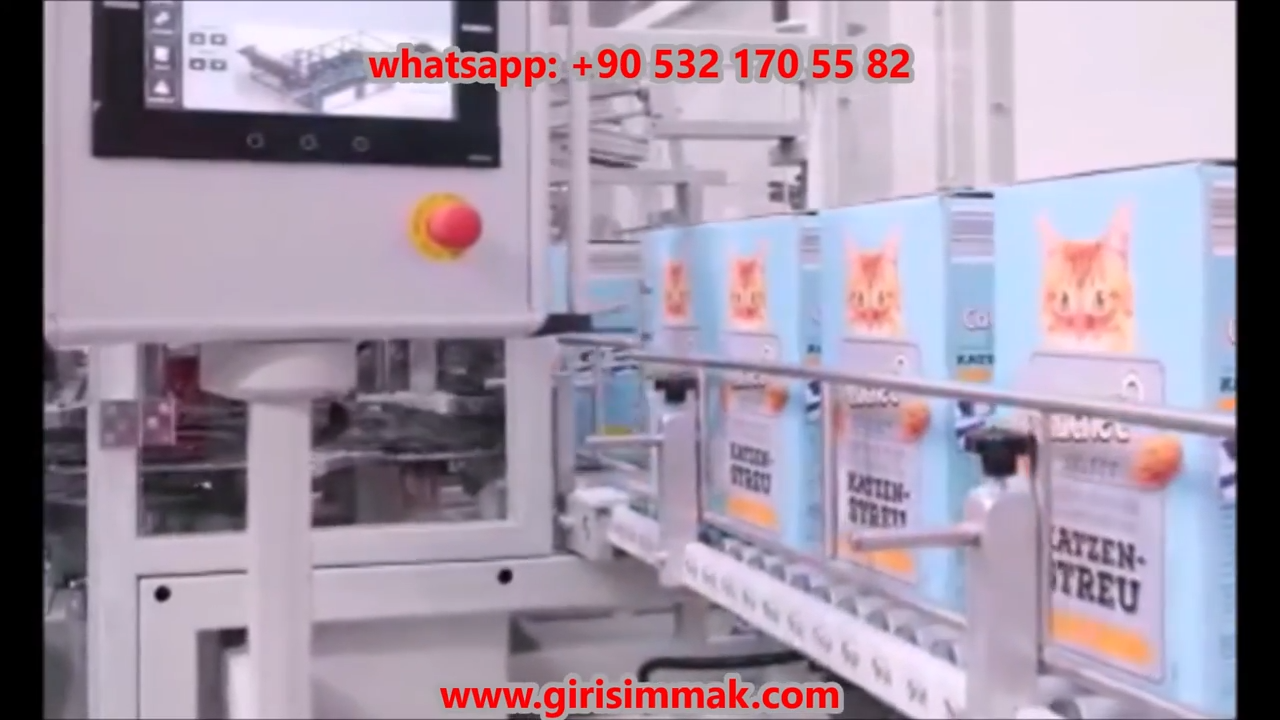
Finally, the machine prints batch numbers, expiration dates, or product labels on the carton. Operators are only required to load the ink ribbons or label rolls, or integrate advanced UV laser marking systems for permanent date and batch coding. The system ensures that each carton is date-stamped or barcoded before it exits.
Common Applications of an Automatic Cartoning Machine
Automatic cartoning machines are used across many industries to speed up packaging and improve product safety. Let’s take a look at where these machines are most advantageous:
1. Packing Ready-to-Eat Food Products
The food industry is one of the biggest users of cartoning machines. With its market value expected to reach $4,700 billion by 2033, the demand for advanced packaging solutions continues to grow.
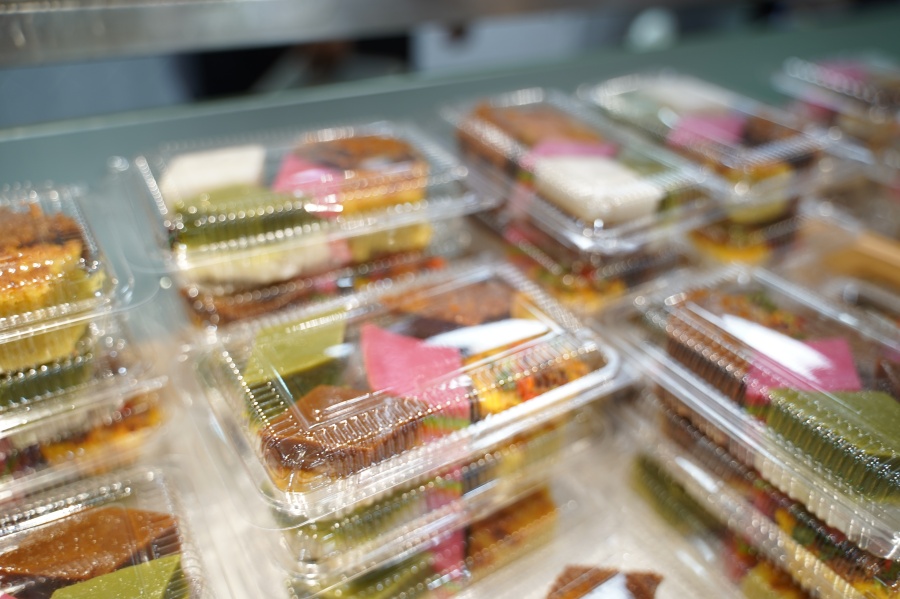
Automated cartoning machines help pack products, such as snacks, frozen meals, and cereals, cleanly and safely. This not only improves packaging speed and accuracy but also reduces manual handling and ensures product hygiene.
2. Boxing Medicines and Health Items
Pharmaceutical companies rely on cartoning machines to pack tablets, syrups, and medical devices. The machines ensure that every item is placed correctly, sealed, and labeled with expiry dates and batch codes.
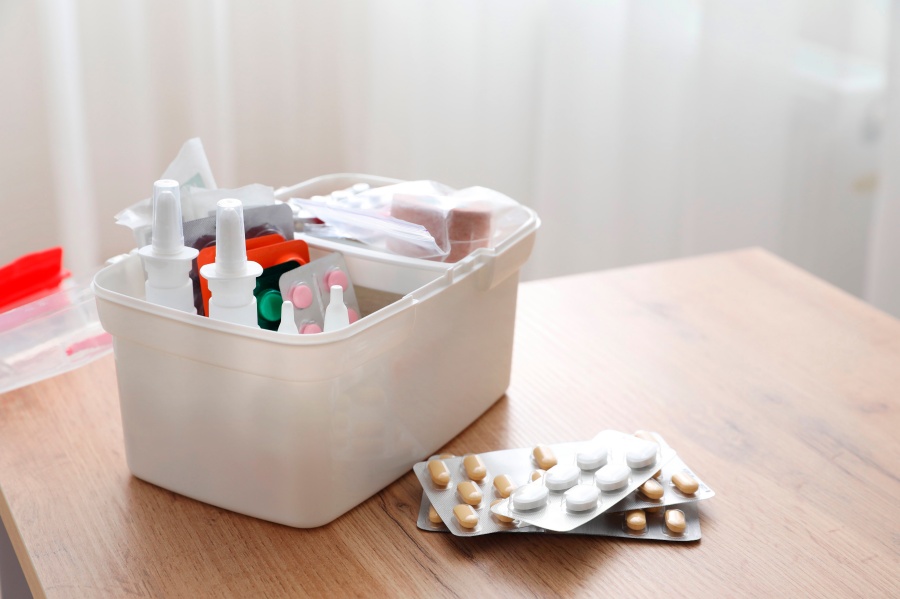
This helps prevent errors and keeps the supply chain consistent. As healthcare is subject to strict regulations, automation is crucial for ensuring quality control.
3. Cleaning and Home Supplies Products
Many home cleaning products are now packed using automatic cartoners. The machines make it easy to handle different shapes and sizes while keeping the products protected from dust or damage. Cartons are also great for organizing multipacks for retail shelves.

4. Packaging Electronics Safely
Automatic cartoning machines are also used in the packaging of electronics. It’s especially useful for items such as phone accessories, batteries, and small gadgets. These machines provide consistent packaging with protective inserts.

This prevents items from shifting or breaking during shipping. The brands can also include user manuals, warranty cards, and changing cables automatically inside each box.
How to Choose the Right Automatic Cartoning Machine
Before choosing a cartoning machine, you need to think about long-term efficiency and how well the machine fits into your setup. Below are key things to consider when deciding.
1. Which Safety Features Does It Offer
Safety should always be a priority. Look for machines with sensors that stop the machine if something is jammed or misaligned.
Emergency stop buttons, protective guards, and automatic shut-off systems are great for reducing the risk of injury. A good cartoning machine should also meet international safety standards like CE or ISO certifications.
2. The Available Automation Level Options
Some machines are fully automatic, while others may not be. You might have to load products or close the cartons manually. If you run a small facility or have changing product types, a semi-automatic machine might be a better choice.
3. Ease of Maintenance and Repairs
Do you know unplanned downtime costs businesses over $260,000 per hour? So make sure the machine you’re getting is easy to clean, adjust, and repair. Verify that the parts are standard and easily replaceable. Machines with modular designs or tool-free changeovers facilitate faster maintenance.
4. How It Handles and Picks Cartons
Carton handling is a crucial part of the packaging process. Some machines use vacuum suction, while others use mechanical arms. Look for a machine that can efficiently pick up flat cartons, open them, and ensure they retain their shape throughout the filling process.
5. Cost of the Machine and Warranty
The total cost goes beyond just the upfront purchase price. You also need to factor in installation, training, maintenance, and energy usage. It’s recommended to invest in a reliable brand with good after-sales support.
Don’t forget the warranty terms, too. A 1-2 year warranty is standard, but some manufacturers also offer extended coverage.
Five Benefits of Using an Automatic Cartoning Machine
Here are the five benefits of using an automatic cartoning machine:
- Labor cost reduction: Automatic cartoning machines cut down the number of workers needed on the packaging line. This results in lower labor costs and reduced manual handling risks.
- Faster packaging cycles: These machines can pack hundreds of boxes per hour without stopping. It’s a significant boost to overall production and helps meet higher demand easily.
- Better product protection: Products stay safer during the process because machines handle them gently. This reduces damage, especially with high-value items.
- Improved consistency and accuracy: Every carton is filled and sealed the same way. Customers get neatly packed products, which also enhances the brand image.
- Reduced human error: Fewer people touching the products means fewer chances of mistakes. The machine follows set instructions, thus reducing errors and waste.
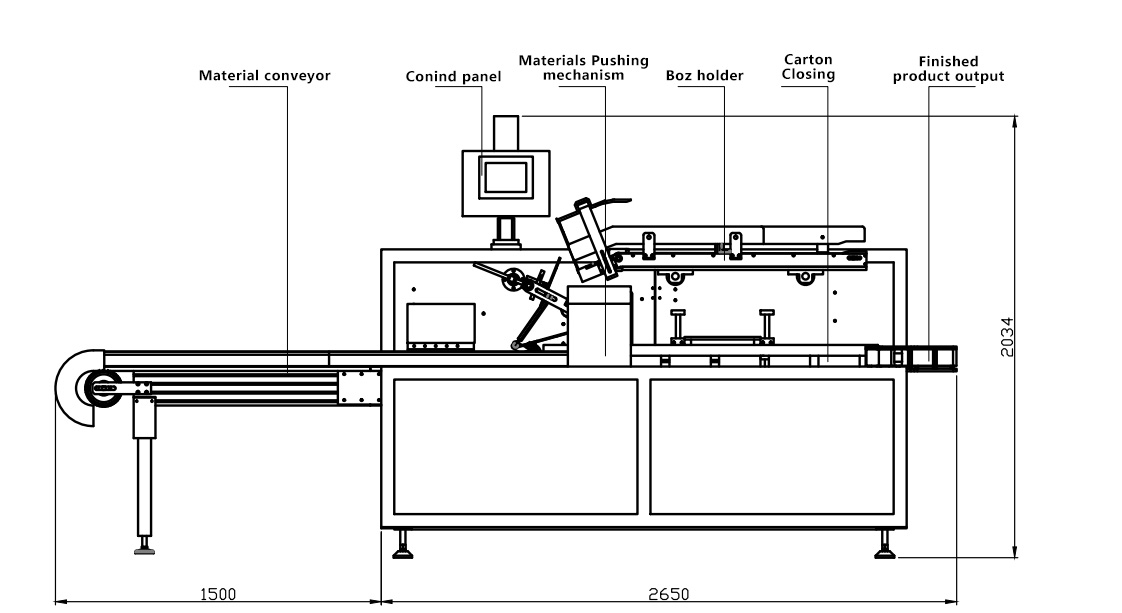
Key Parts of Automatic Cartoning Machine
1. The Carton Magazine (or Hopper)
This is the starting point of the process.
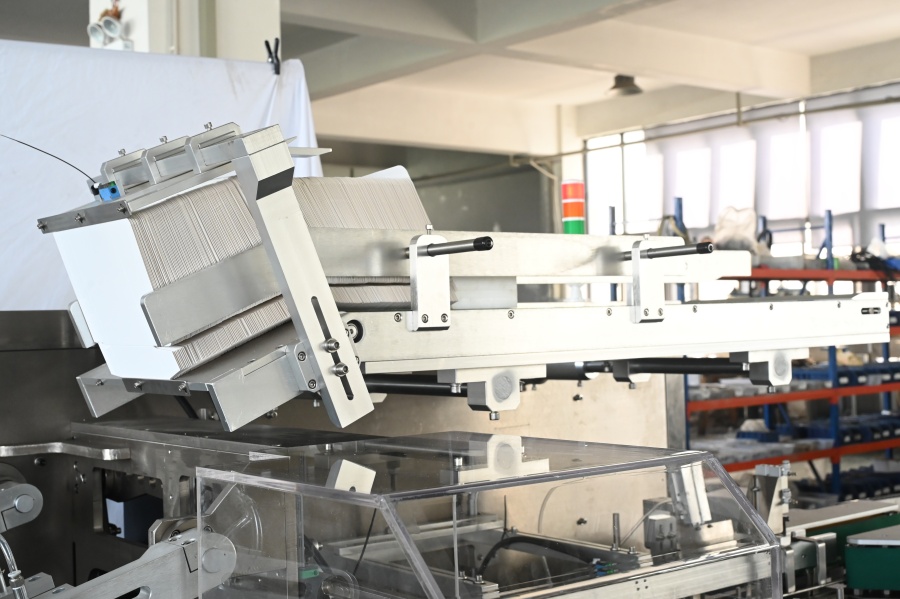
Function: To hold a vertical stack of flat, folded carton blanks.
2. The Carton Pick-and-Place System
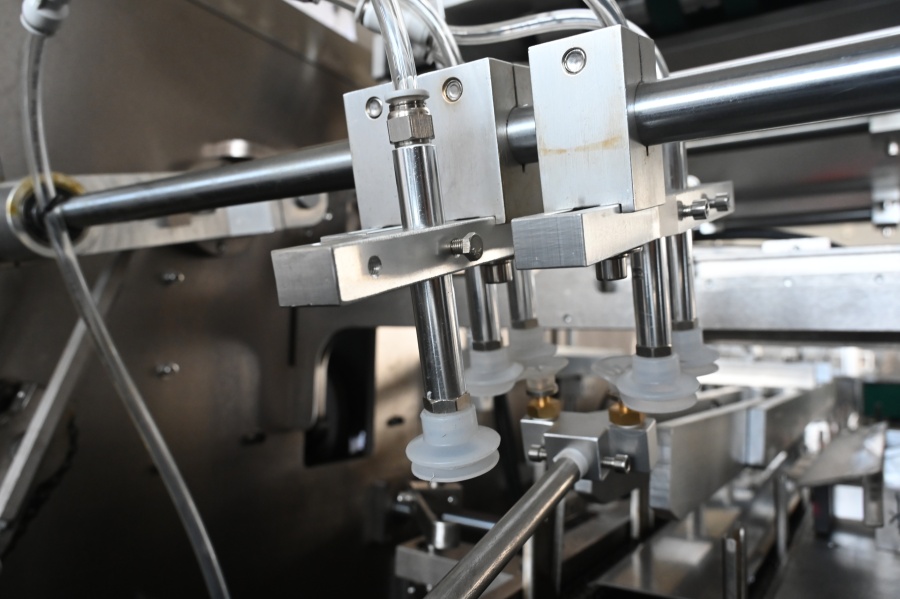
This system takes a single blank from the magazine and places it into the machine’s conveyor chain.
Function: To reliably separate and transfer one carton blank at a time.
3. The Carton Forming Section
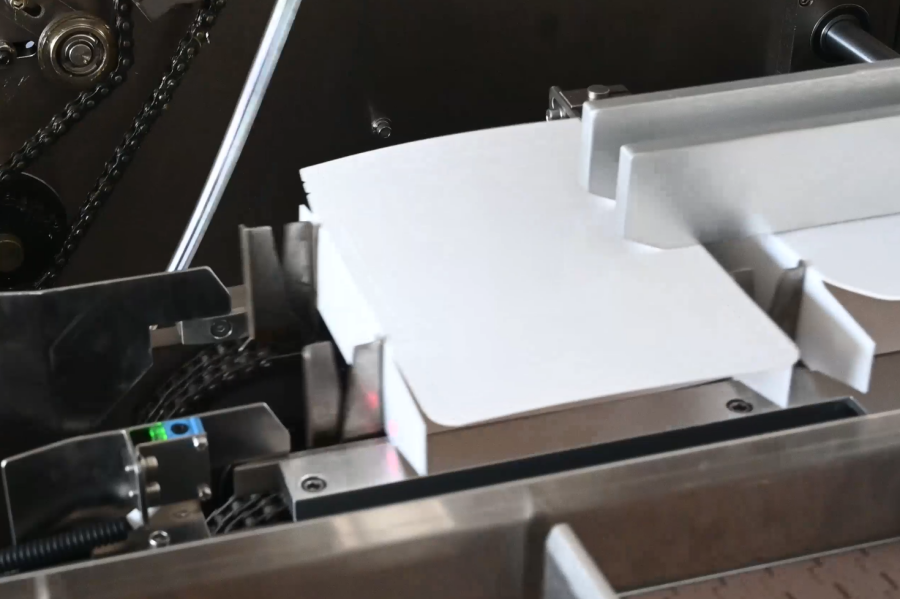
This is where the flat blank is transformed into a 3D, open-ended sleeve.
Function: To erect the carton and give it its rectangular shape.
4. The Product Loading System
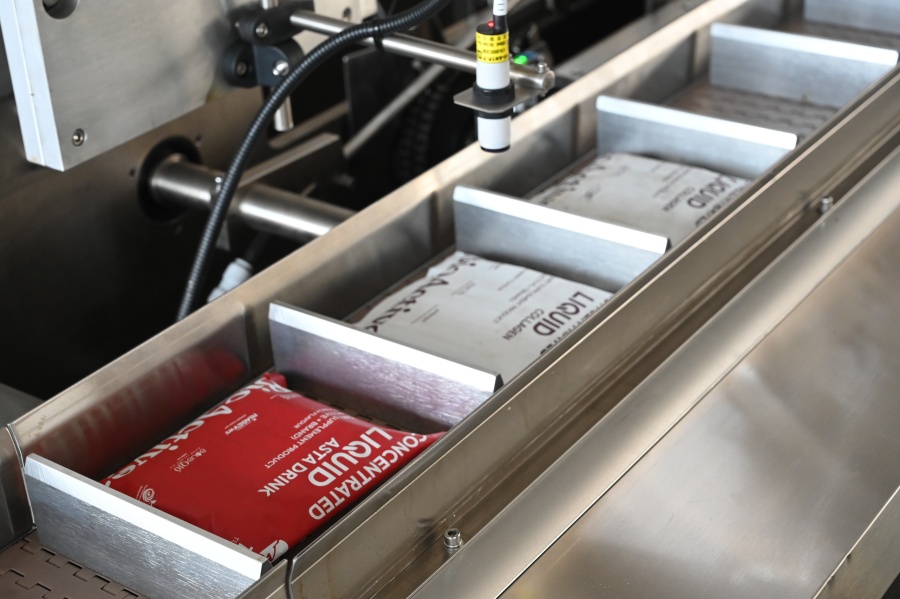
This is often the most customized part of the machine, designed for a specific product.
Function: To place the primary product (e.g., bottles, blisters, tubes) into the waiting carton.
5. The Insert Feeder (e.g., for Instructions)
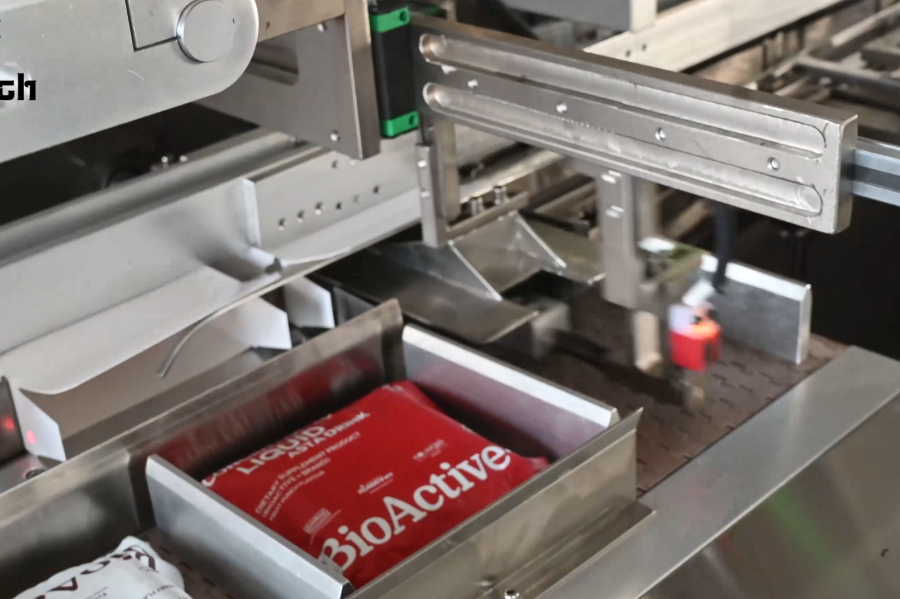
Many products require a leaflet, instruction manual, or coupon to be included in the box.
Function: To accurately fold and insert a leaflet into the carton alongside the product.
6. The Closing and Sealing Section
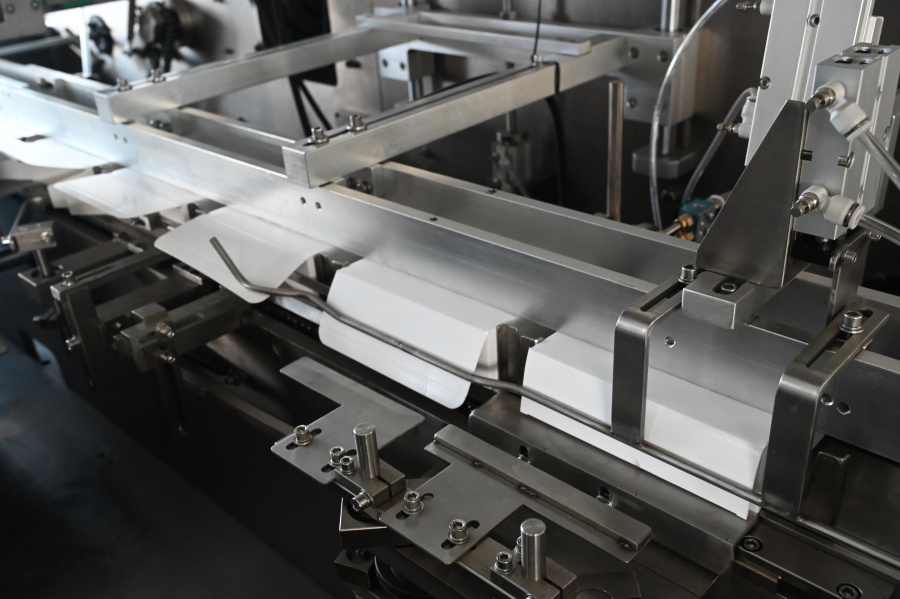
Once the product and inserts are loaded, the carton must be closed.
Function: To fold and secure the remaining flaps of the carton.
7. The Main Drive and Conveyor System
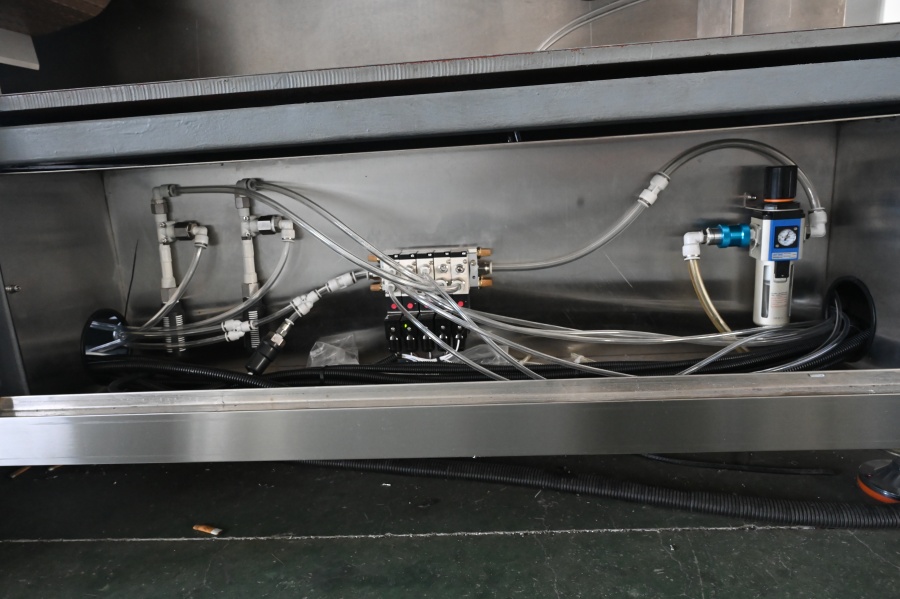
This is the “backbone” of the machine, moving the cartons through all stages.
Function: To provide synchronized movement throughout the machine.
8. The Control System (The “Brain”)
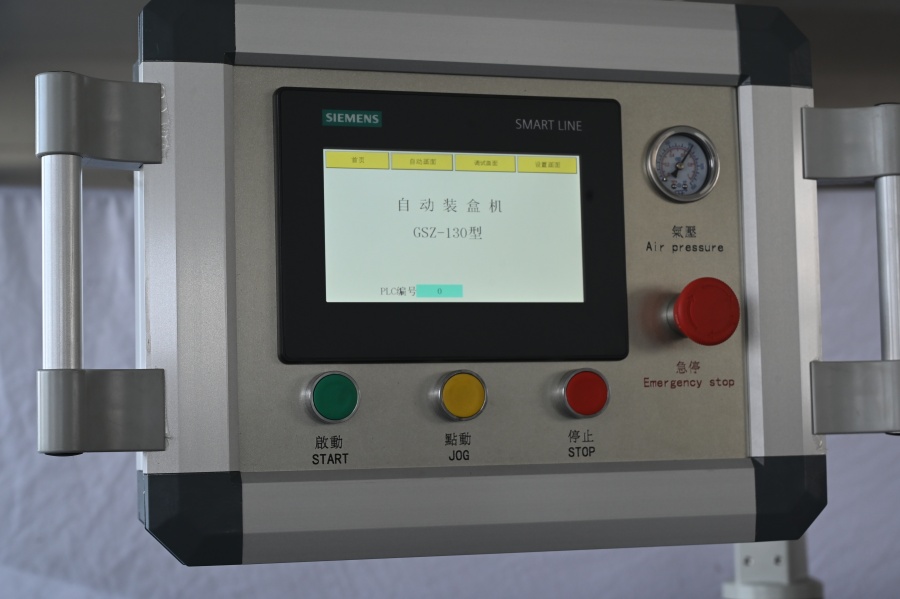
This integrates all the mechanical actions into a seamless, automated process.
Function: To monitor, control, and coordinate all machine functions
Final Takeaway
Automatic cartoning machines have changed how industries package products. They save time, reduce labor costs, and offer greater consistency with each packed unit. With various machine types, you can choose the one that suits your needs.
It’s important to understand how the machine works, what features matter most for your products, and how it fits into your current setup.
With the right machine in place, your packaging line can become faster, safer, and more efficient.
FAQs
1. Can one cartoning machine handle multiple carton sizes?
Yes, many automatic cartoning machines can handle various carton sizes. Operators can adjust guides, feeders, and settings to switch between sizes. However, the level of flexibility depends on the model you’re using.
2. What’s the difference between cartoning and case packing?
Cartoning involves packaging individual items into smaller retail-ready boxes or cartons. Case packing, on the other hand, is used to group multiple cartons or products into larger shipping cases. The former focuses on presentation, while the latter is mainly for storage and bulk delivery.
3. Can a cartoning machine work with fragile products?
Yes, but it depends on the product and machine setup. For fragile items, machines with gentle handling systems, cushioned inserts, and precise product feeding are ideal. Features like vacuum pick-and-place and adjustable speeds help ensure delicate products are packaged safely.