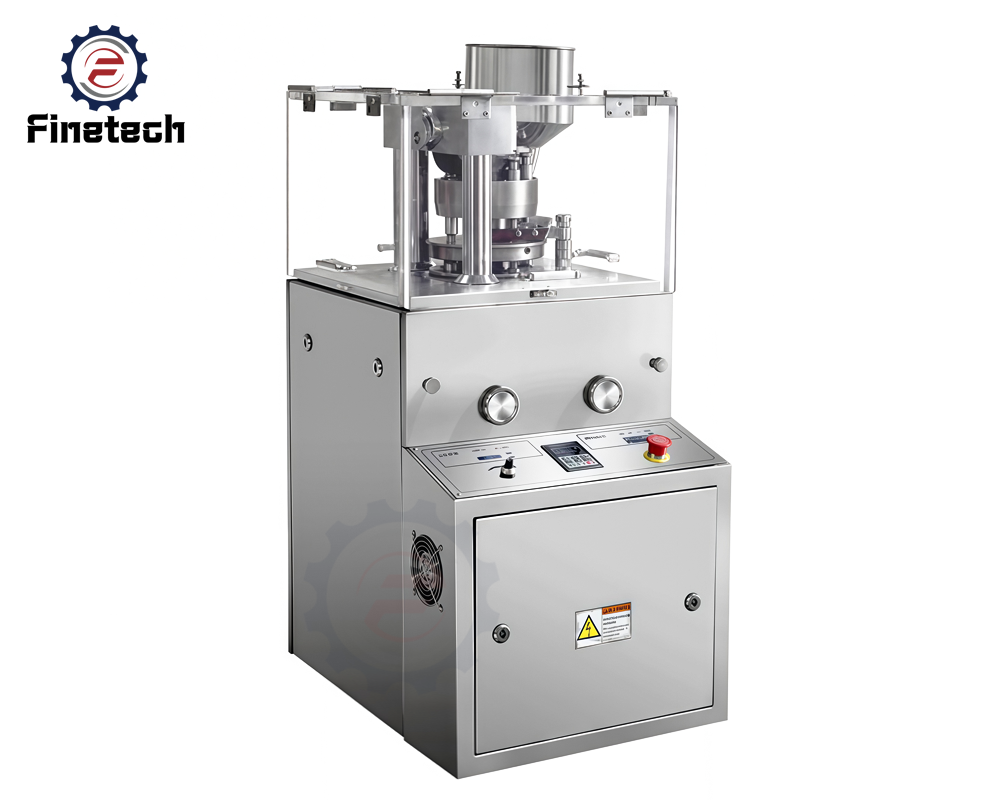
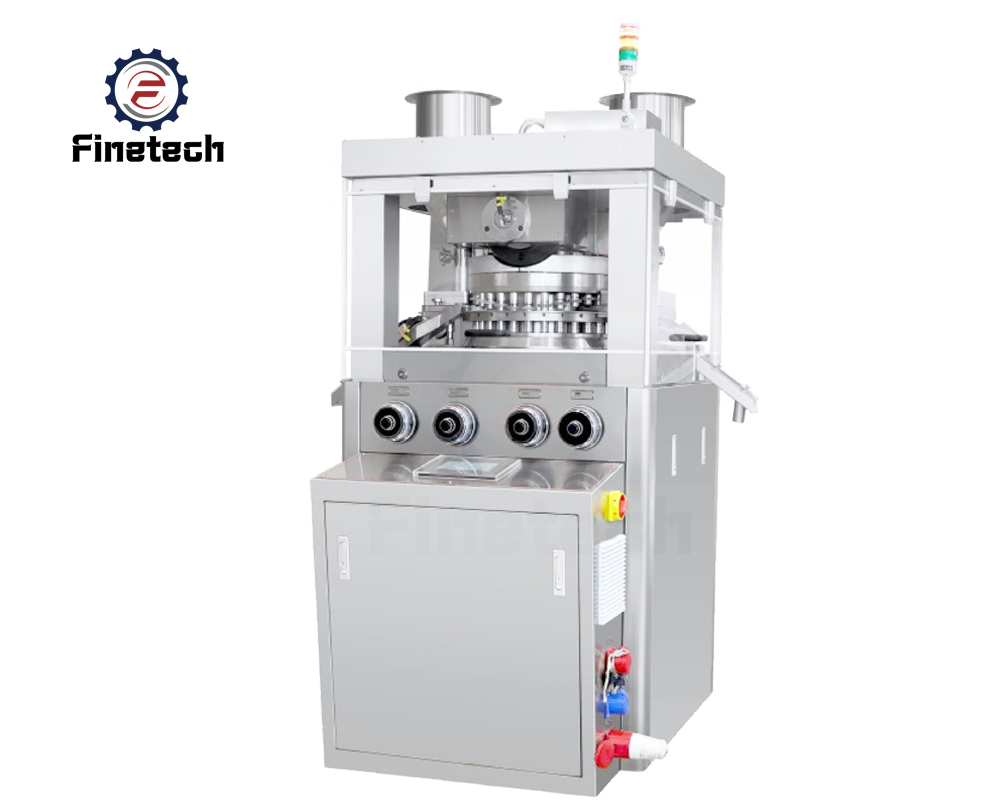
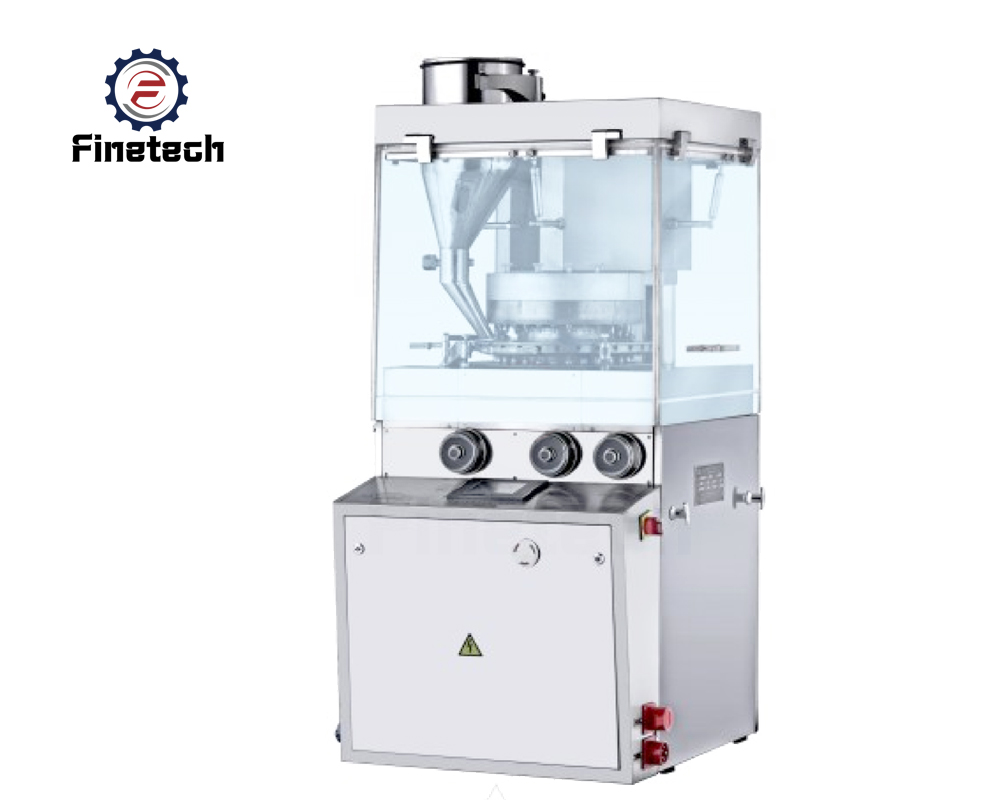
ZP9 Rotary Tablet Press Machine
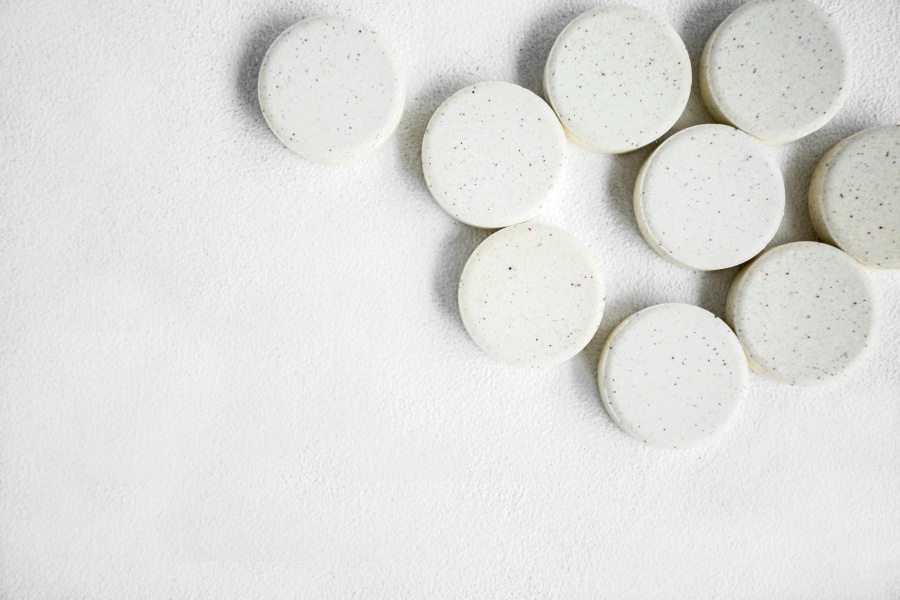
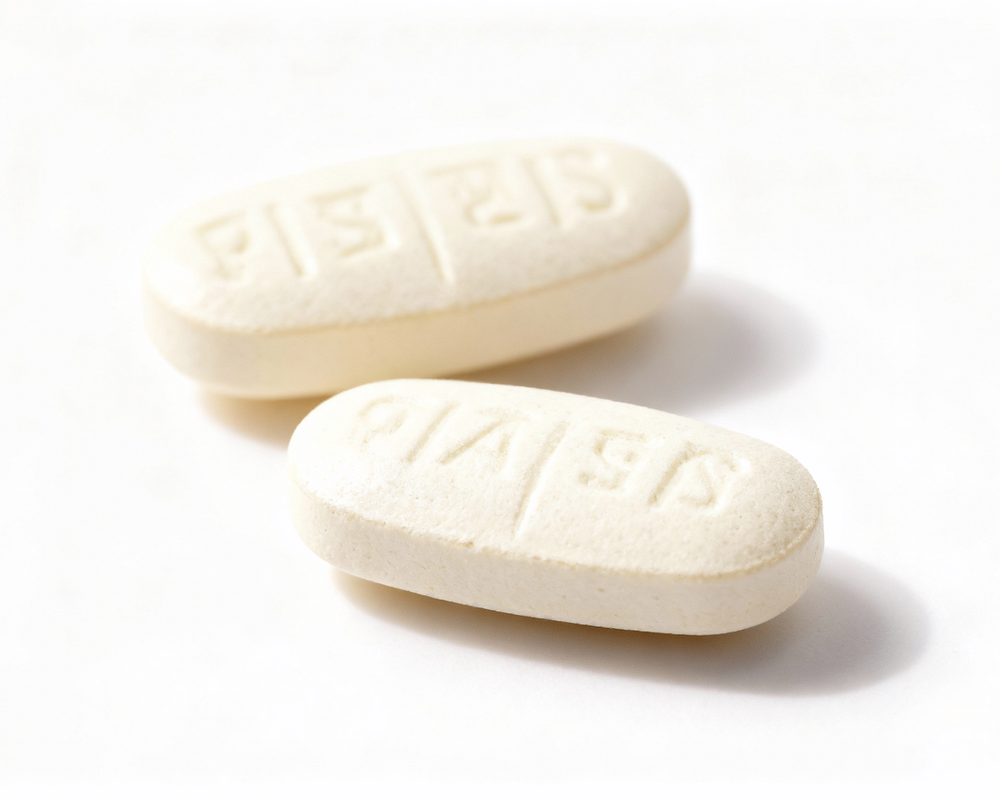
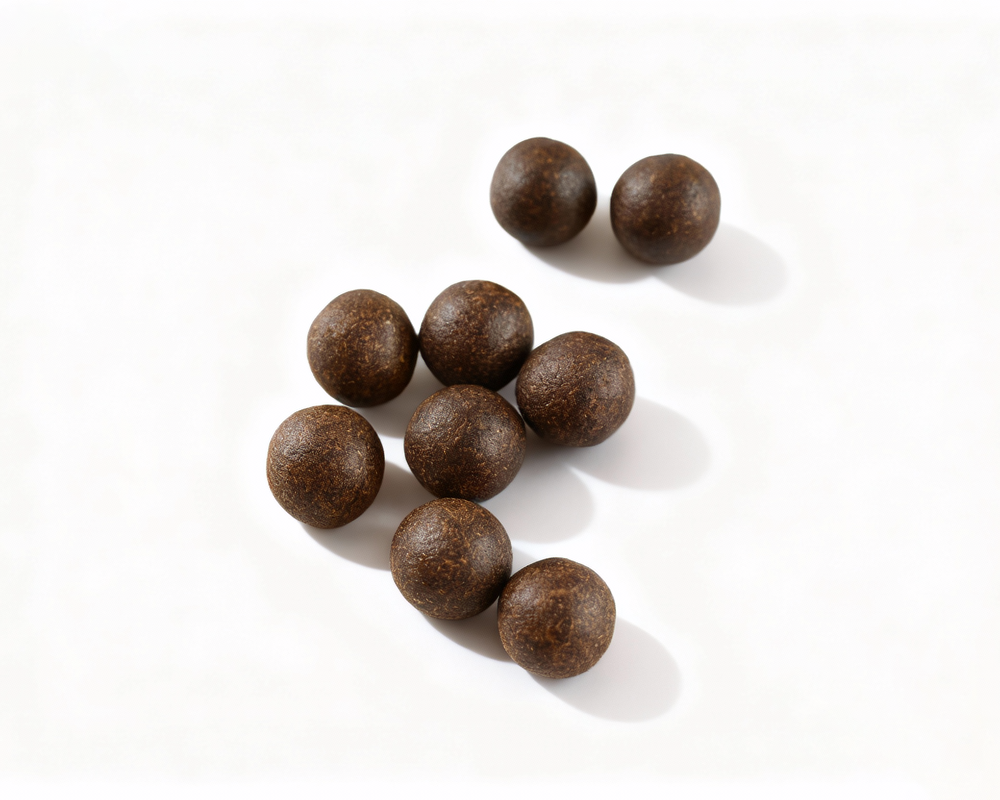
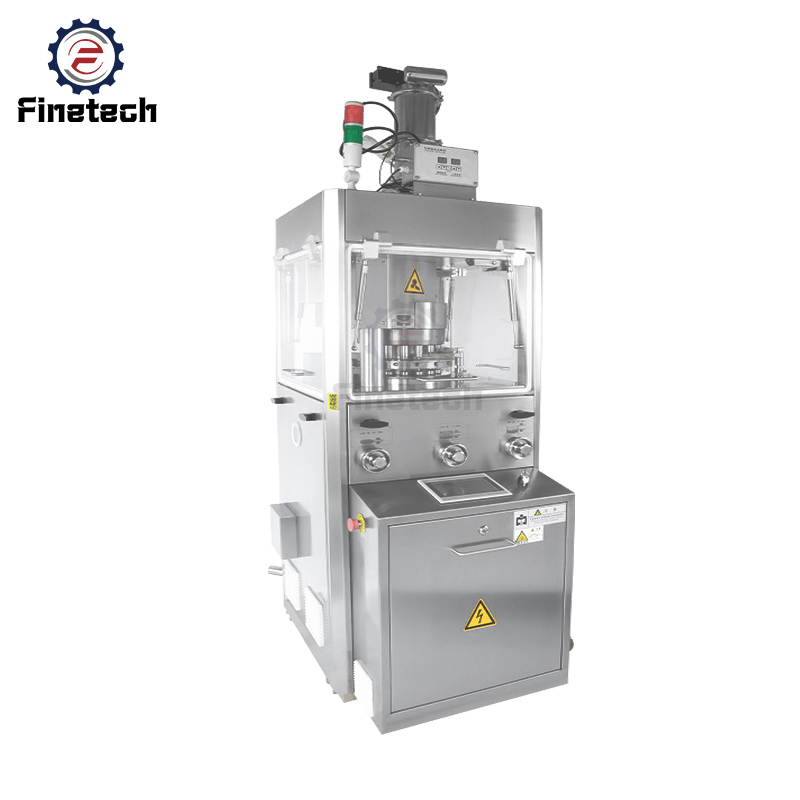
The ZP9 Rotary Tablet Press Machine is specially designed for small to medium-sized pharmaceutical companies, health supplement manufacturers, and research institutions. It features high efficiency, stable performance, easy operation, and simple maintenance, making it ideal for the efficient production of solid dosage forms such as tablets and pills.
Need a Custom Quote?
Or More information About this product? Contact our sales stuff today!
Key Features
Technical Data
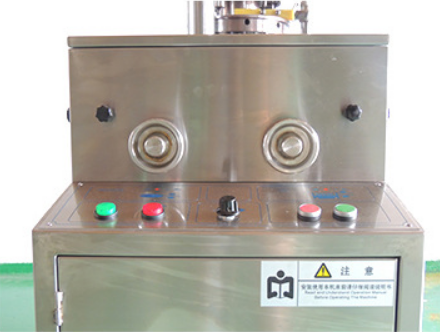
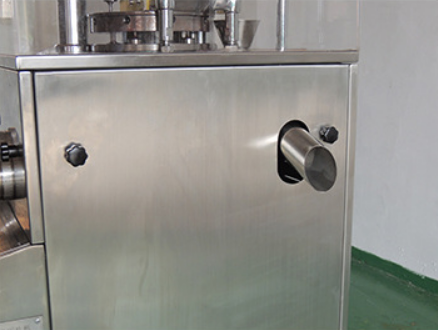
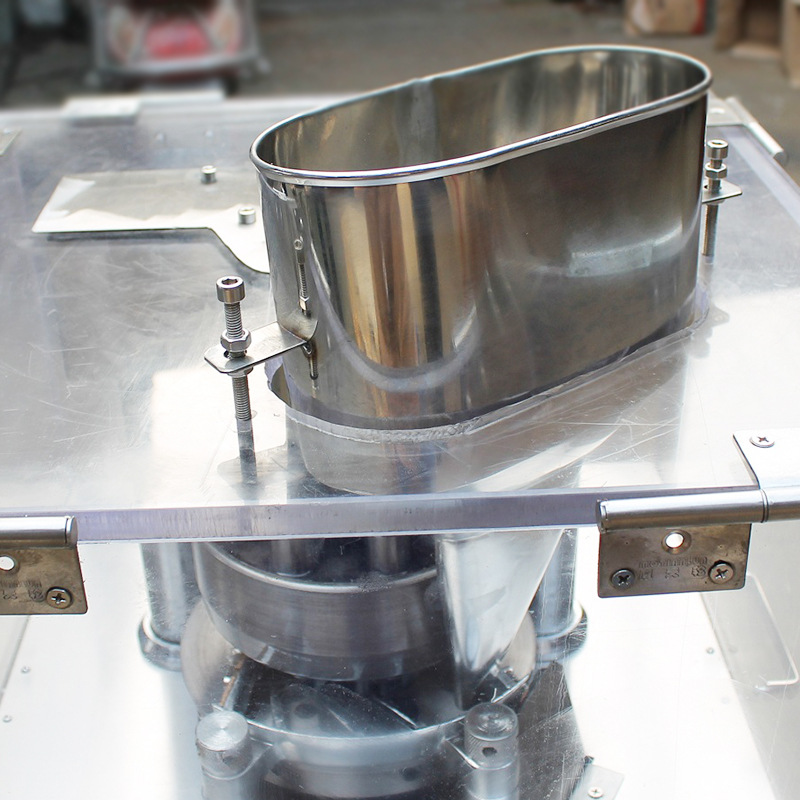
Machine Details
FAQ
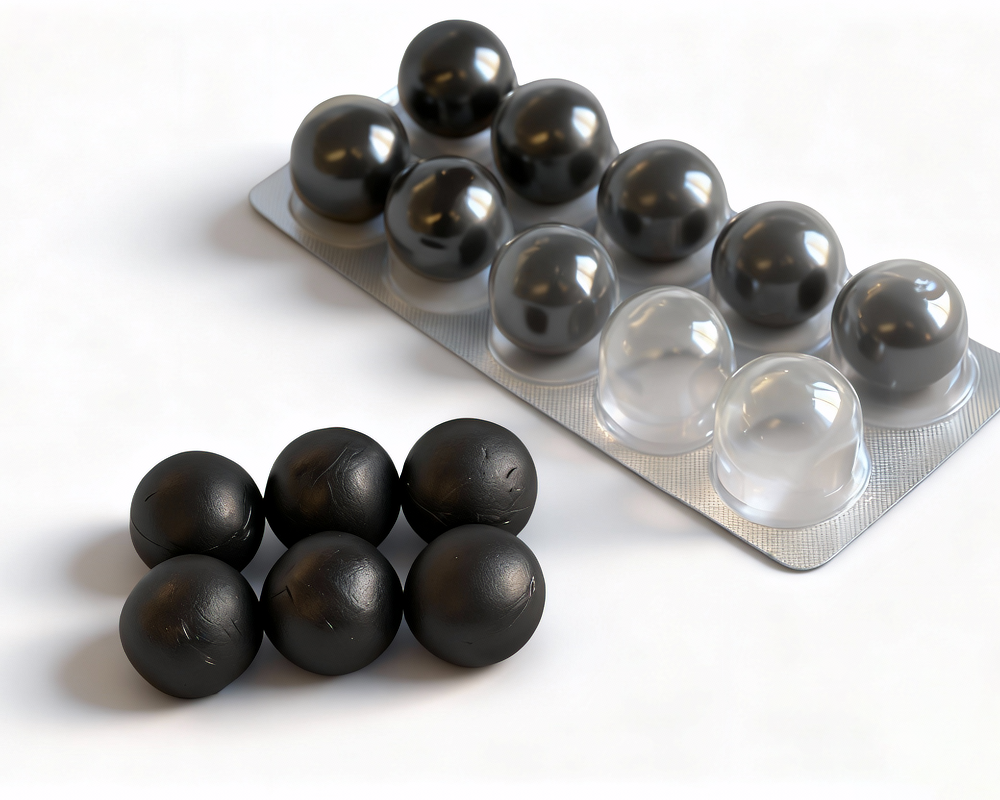
Application
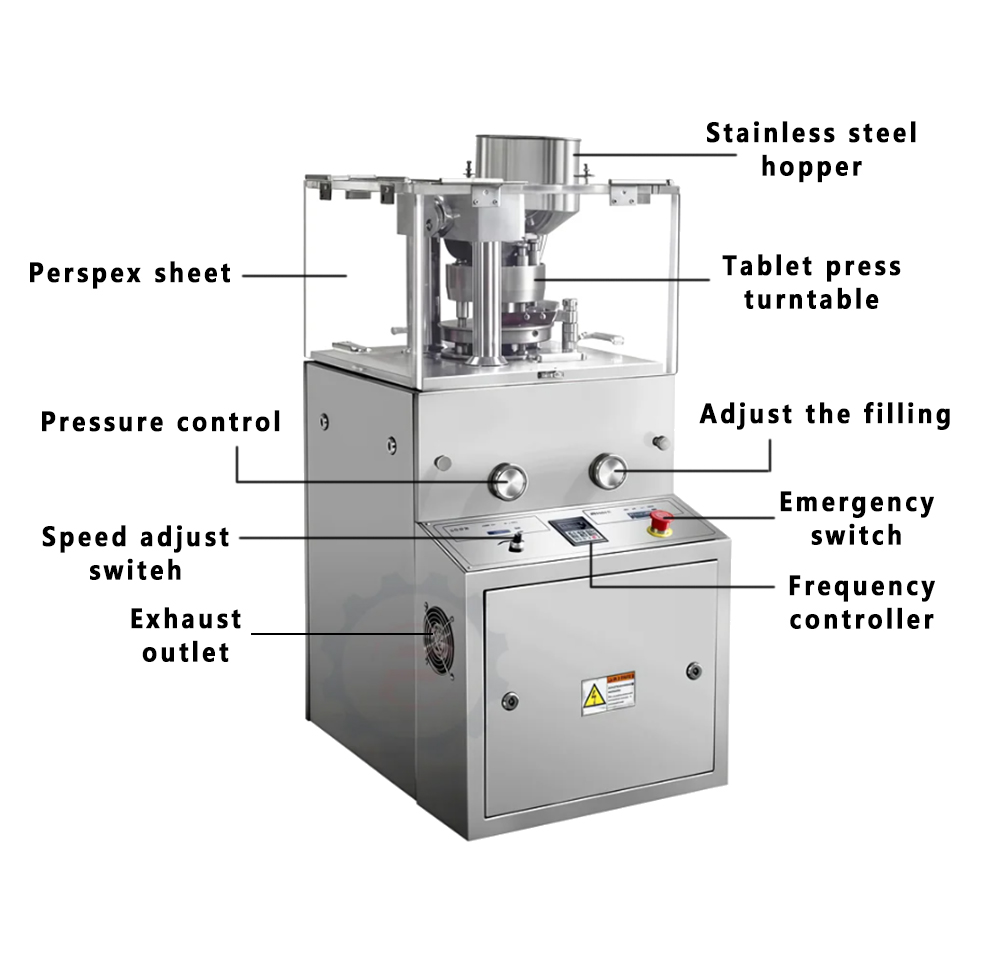
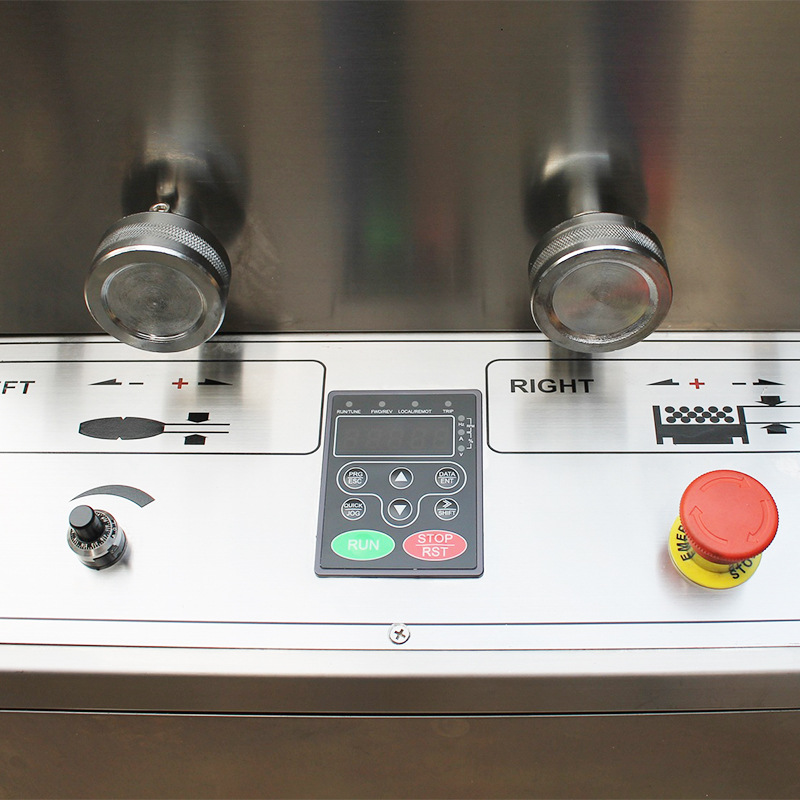
The machine uses a rotary multi-punch tablet press structure and is equipped with an intelligent pressure regulation system, ensuring consistency in tablet weight, hardness, and appearance. The machine supports both manual and automatic operation modes, meeting full-process requirements from process development to scaled production.

It is widely used for compressing powders and granules in fields such as chemical medicine, traditional Chinese medicine, and health supplements, offering a cost-effective mid-to-high-end tablet press solution.
| Model | ZP-9 | |
| Number of Stations | 5/7/9/11 | |
| Max Main Pressure (KN) | 40 | |
| Max Tablet Diameter (mm) | 12 | |
| Max Filling Depth(mm) | 12 | |
| Max Tablet Thickness (mm) | 6 | |
| Max Production Capacity(pcs/h) | 9k/13k/16.8k | |
| Motor Powwer(kw) | 1.5 | |
| Overall Size(mm) | 410*410*940 | |
| Machine Weight(kg) | 170 | |
The ZP9 is a single-sided, eccentric or rotary press designed for small-batch production, R&D, and university lab use. It's known for its simplicity, durability, and affordability compared to larger, double-sided production presses.
Pharmaceutical R&D and clinical trial batches.
Nutraceutical and vitamin tablet production.
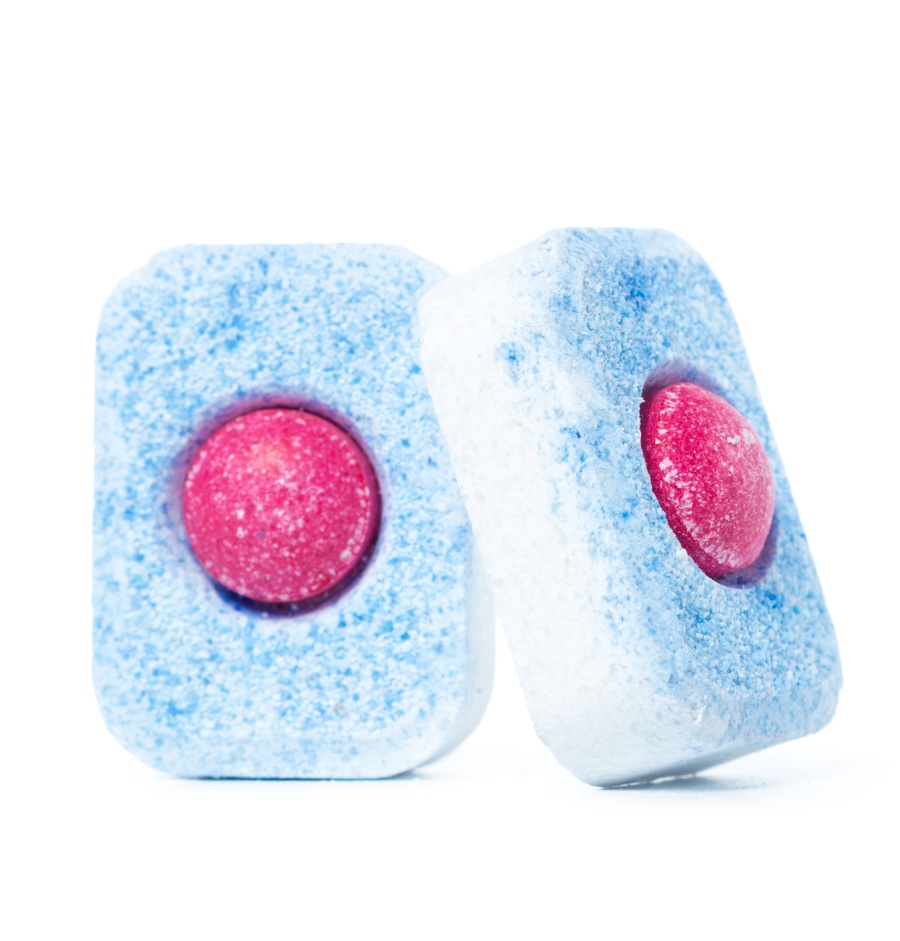
Chemical industry (e.g., detergent tablets, catalyst pellets).
Academic research and teaching.
Cosmetic tablets (e.g., bath bombs, makeup).
Pressure: The ZP9 can typically exert up to 40 kN (approx. 4 tons) of compression force.
Output: With a single feeding station, its output ranges from 5,000 to 15,000 tablets per hour, depending on the turret speed and powder characteristics.
The ZP9 uses B Tooling (BB or D). Common sizes include:
Round: 5mm, 6mm, 8mm, 10mm, 12mm, etc.
Shaped: Oval, capsule, square, etc.
The machine's specifications will state the maximum punch diameter and the maximum fill depth it can accommodate.
(Always refer to the official manual, but a general procedure is:)
Setup: Install the correct punches and die, and set the feeder.
Power: Connect to the correct power supply and turn on the main switch.
Adjustment: Manually rotate the flywheel to check for free movement.
Test Run: Run the machine without powder to ensure smooth operation.
Calibration: Set the filling depth (weight control) and compression force (hardness/thickness control).
Production: Add powder and start production, making fine adjustments as needed.
Ensure the machine is completely powered off and unplugged.
Remove the hopper and feeder assembly.
Loosen the locking screws for the upper and lower punch guides.
Carefully remove the entire punch and die set as a single unit.
Install the new set, ensuring it seats properly in the turret.
Tighten the locking screws and reinstall the feeder.
Contact the original manufacturer or a reputable supplier of pharmaceutical machinery. Many third-party companies specialize in ZP9 spare parts (e.g., punches, dies, cams, belts, motors).
ZP5: Smaller, lower pressure, for very small lab batches.
ZP9: The standard for R&D and small production.
ZP19: A larger, more robust version of the ZP9 with higher output.
Full-sized Rotary Presses (e.g., 37-station, 55-station): Double-sided, fully automated, and designed for high-volume commercial production. The ZP9 is a single-sided press.