 English
  Russian
  Turkish
  Spanish
  French
  German
  Japanese
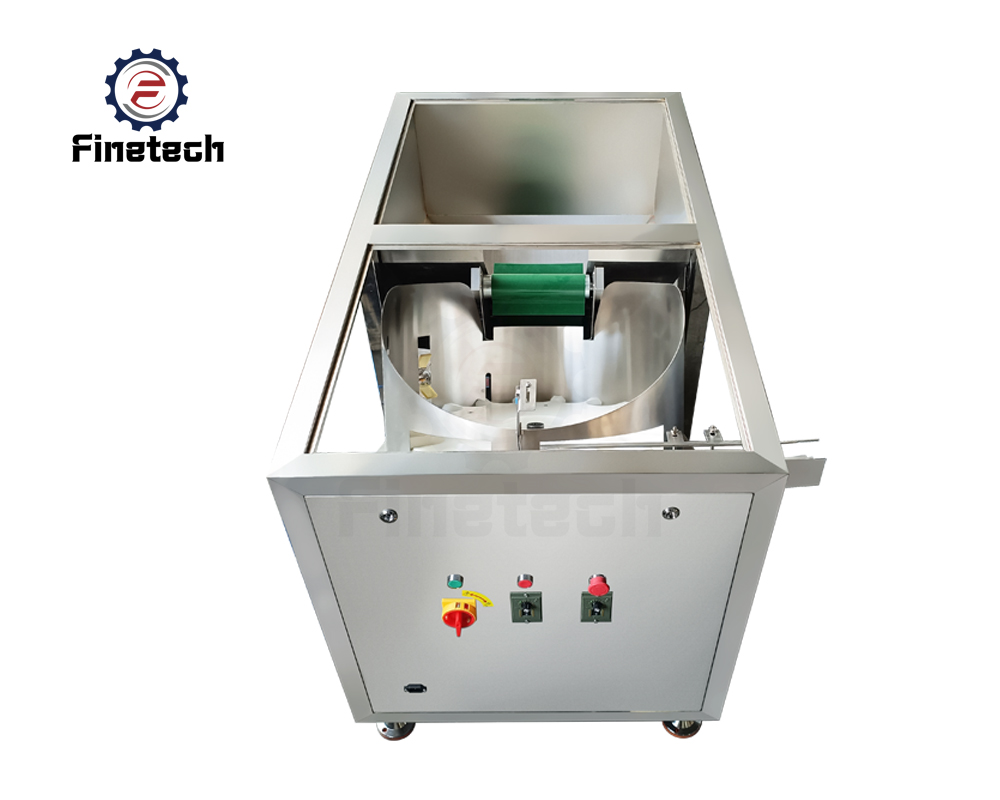
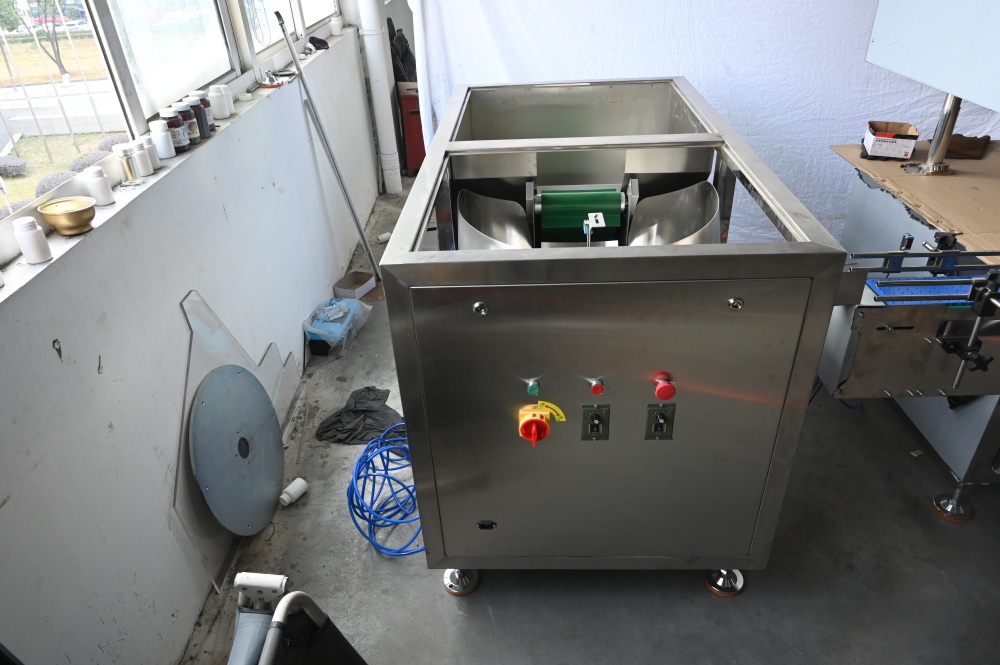
Automatic Bottle Unscrambler Machine
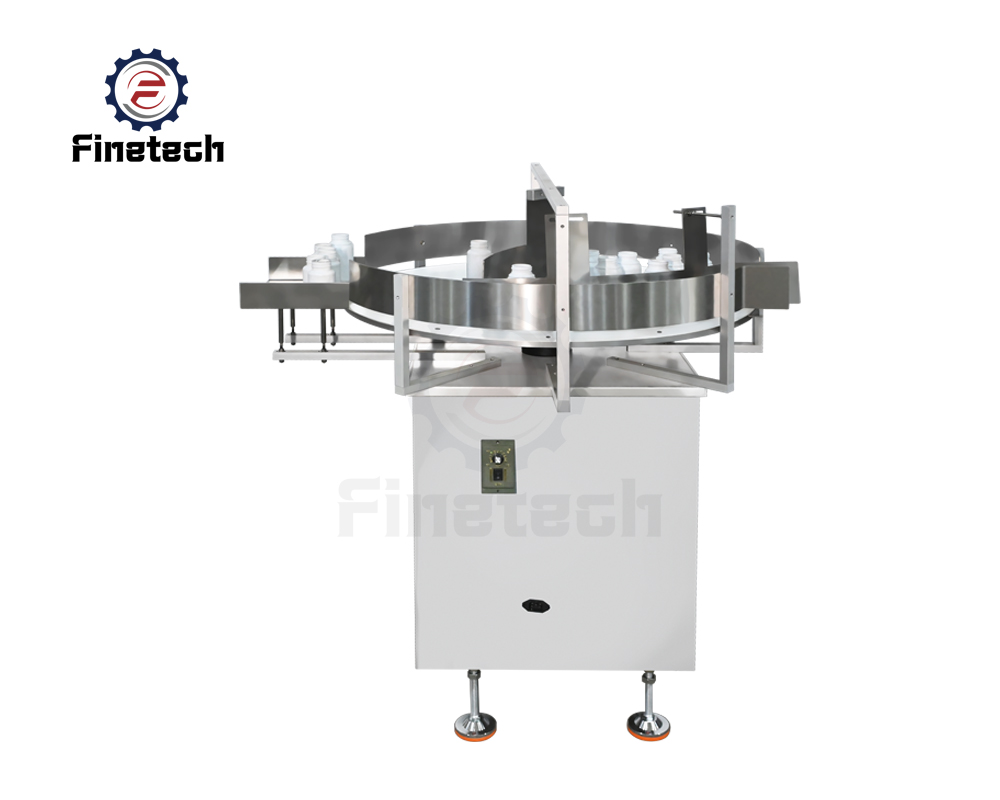
An automatic bottle unscrambler is a self-contained, automated system designed to take randomly oriented bulk bottles or containers and convert them into orderly, upright, single-file streams at a controlled speed for packaging lines. It eliminates manual loading and ensures a continuous, high-speed supply of containers to downstream equipment such as fillers, cappers, labelers, and sealers.
It is a critical upstream automation solution for manufacturing facilities producing liquids, powders, granules, or pastes in bottles, jars, vials, or other rigid containers.
Need a Custom Quote?
Or More information About this product? Contact our sales stuff today!
Key Features
Technical Data
Machine Details
FAQ
Application Product Types
Reviews No reviews yet
Videos
Automatic Bottle Unscrambler is an excellent fully automated bottle-handling device, designed in compliance with national GMP standards and process requirements to ensure precision at every stage.
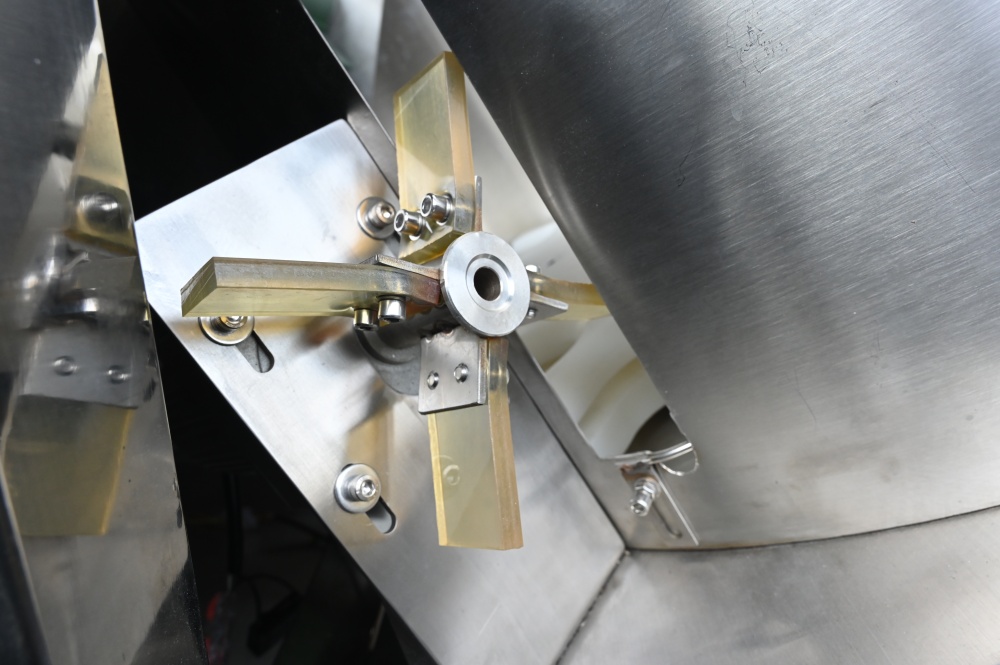
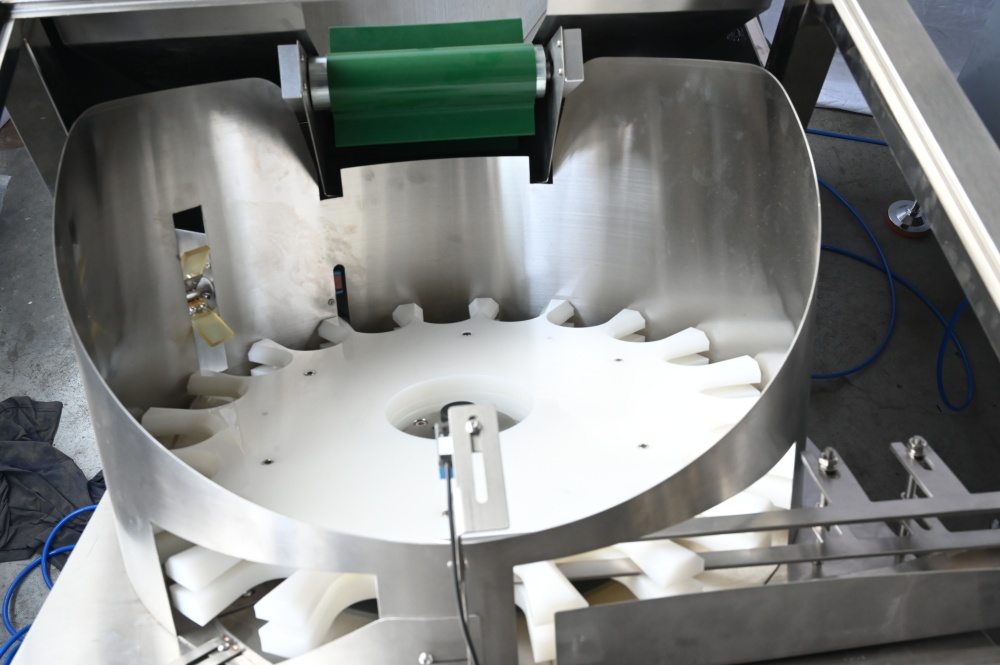
The motor drives the rotating unscrambling disc via gear transmission. Bottles in the hopper are moved from the lower to the upper part of the disc through the semicircular grooves of the rotary plate. During this process, bottles in the grooves are oriented by the flipping mechanism, which automatically inverts any bottles that are neck-down and base-up, completing the unscrambling process.
The driving components are housed inside the enclosure, effectively preventing potential material contamination from the transmission mechanism. All parts in contact with the product are made of food-grade stainless steel, ensuring cleanliness and hygiene.
The casing is constructed from high-quality stainless steel plates, making it robust and durable, which guarantees the stability and longevity of the equipment.
Additionally, the motor control system utilizes an advanced frequency converter, allowing users to freely set the production output within the designed range, providing great convenience for production planning.
| Applicable Bottles: | 20-950ml Round/Flat bottle |
| Bottle Size (mm): | φ20-40mm, Height 50-120mm |
| Power Source: | ~220V 50Hz |
| Capacity: | 6000-8000 Bottles Per Hour |
| External Dimension: | 1200×1000×1200mm(L×W×H) |
| Weight: | 350kg |
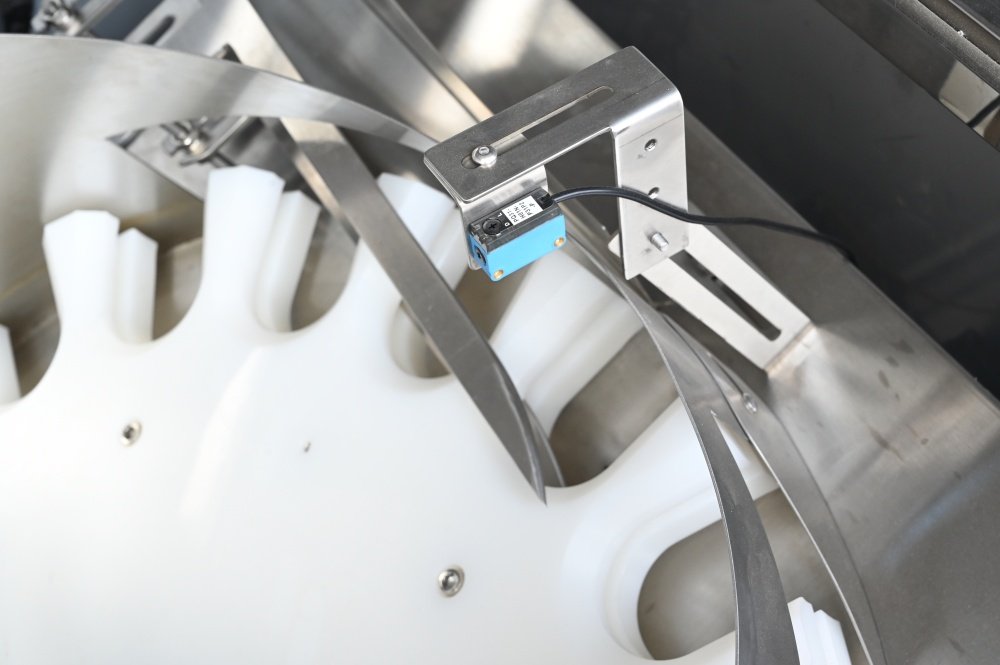
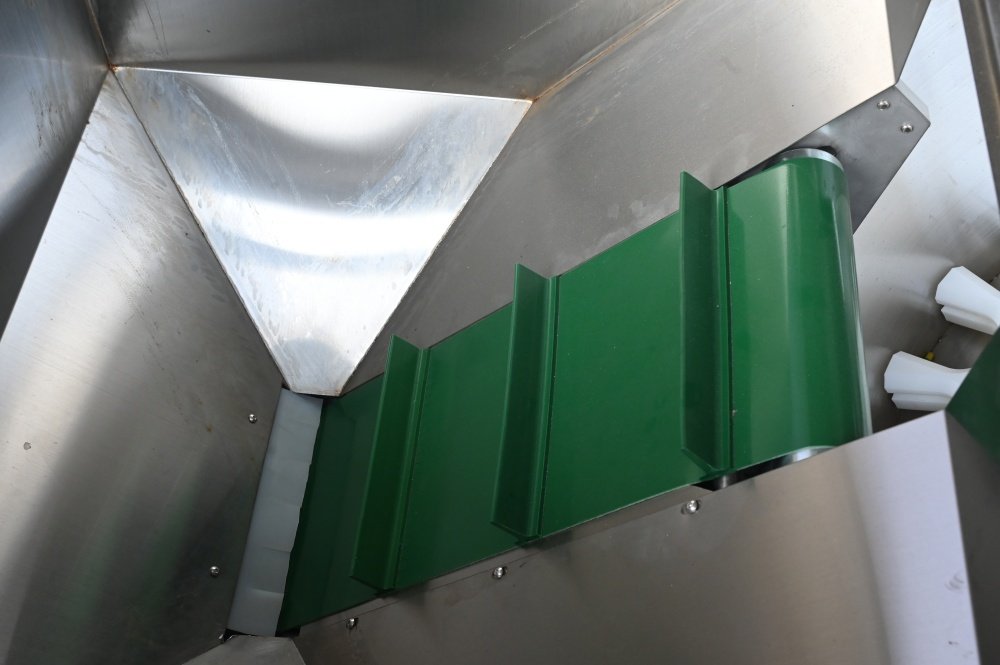
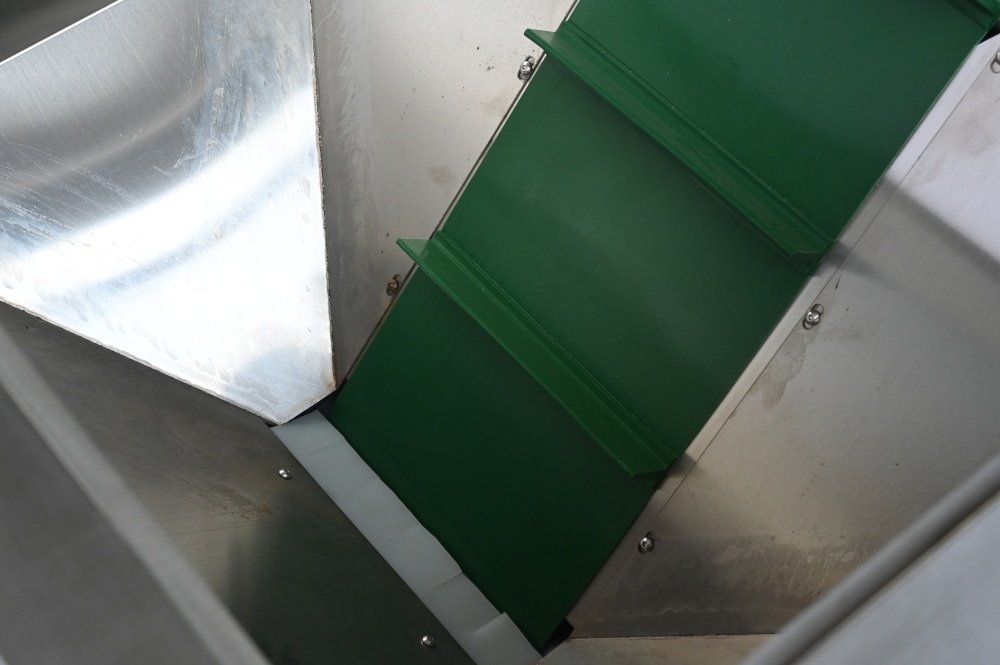
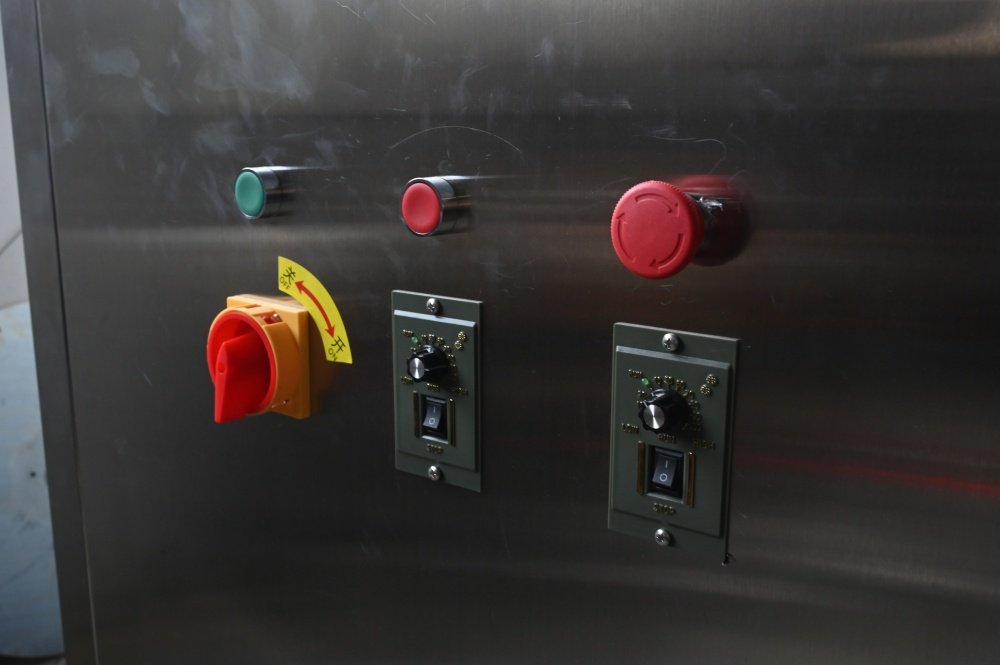
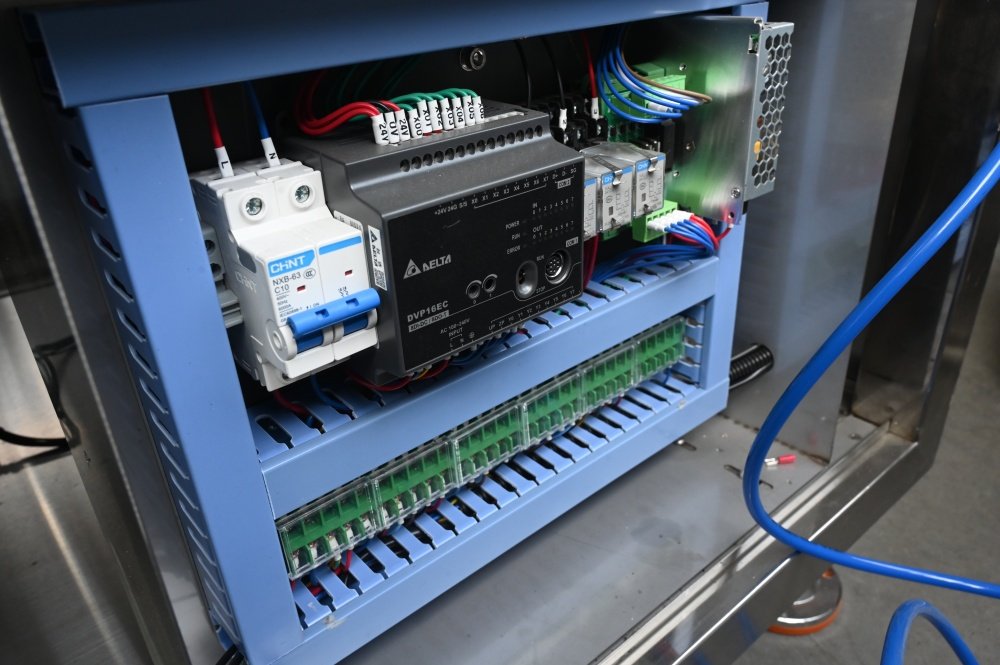
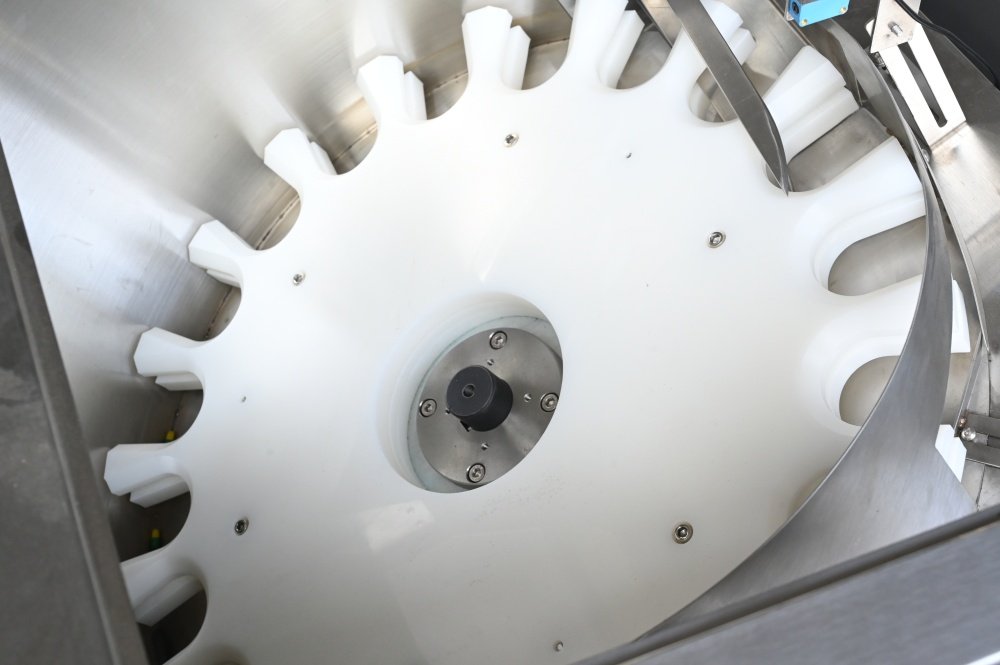
An automatic unscrambler is a self-contained machine that takes jumbled, randomly oriented empty bottles from a bulk container, orients them upright, and feeds them in single file at precise spacing to downstream packaging equipment (like fillers, cappers, or labelers).
Speed, consistency, and hygiene. It eliminates labor-intensive manual bottle handling, prevents contamination from human contact, and enables high-speed production lines (from 100 to 1,500+ bottles per minute).
Rotary Unscrambler: Uses a rotating disc or table. Most common; gentle, high-speed, versatile.
Linear/Belt Unscrambler: Uses a vibrating hopper and inclined belt. Often simpler and lower cost.
Centrifugal Unscrambler: Uses centrifugal force in a spinning bowl. Excellent for small, uniform containers.
Swing Arm/Pick-and-Place: Uses robotic arms. Ideal for fragile or expensive containers (glass vials, cosmetic bottles).
Bulk Loading: Bottles are dumped into a large storage hopper (manually or via automated bulk conveyor).
Gentle Singulation: The rotating disc/table lifts bottles. Adjustable guide rails and blade wheels use the bottle's geometry (neck, shoulder, body) to gently tip them into an upright position.
Transfer: Upright bottles are transferred via a starwheel or vertical conveyor to the discharge point.
Discharge: Bottles are placed onto the main conveyor line at the correct pitch for the filler.
It doesn't "know"—it uses mechanical geometry. Adjustable guides are set to contact specific parts of the bottle. A bottle lying on its side will have its neck or base caught by a guide, causing it to pivot upright as the disc rotates. It's a purely mechanical, passive orientation process.
Bottle Samples (3D): Physical dimensions, weight, center of gravity.
Material: PET, HDPE, Glass, etc.
Neck Finish/Size: Critical for orientation mechanism.
Required Speed (BPM): Your filler's maximum speed + 15-20% safety margin.
Bottle Stability: Does it tip easily? This affects guide design.
Cleanliness Class: ISO Class 8 (controlled) vs. wash-down environment.
It's placed upstream of the filler, typically connected via a variable speed conveyor. It must be electronically synchronized (often via a sensor on the filler's infeed starwheel) to deliver bottles on demand and prevent back-pressure or gaps.
Yes, but with special considerations. Requires softer guide materials (e.g., UHMW-PE, acetal), lower speeds, and sometimes vibration damping. Swing-arm robotic unscramblers are often preferred for small, fragile glass vials and ampoules.
Difficult shapes (asymmetric, flat, oval, or with low centers of gravity) require custom-designed orientation guides and rails. A 3D bottle sample must be tested on the machine during the procurement phase.


Customer Reviews
No reviews yet. Be the first to review this product!
Write a Review
Automatic Bottle Unscrambler Machine | How it Work

Related Products
No reviews yet