English
  Russian
  Turkish
  Spanish
  French
  German
  Japanese
Private label K-Cups don’t just appear on shelves by accident. Behind them is a lot of work around roasting, filling, packing, and keeping quality steady. That behind-the-scenes effort is what makes store brand single-serve coffee possible at scale.
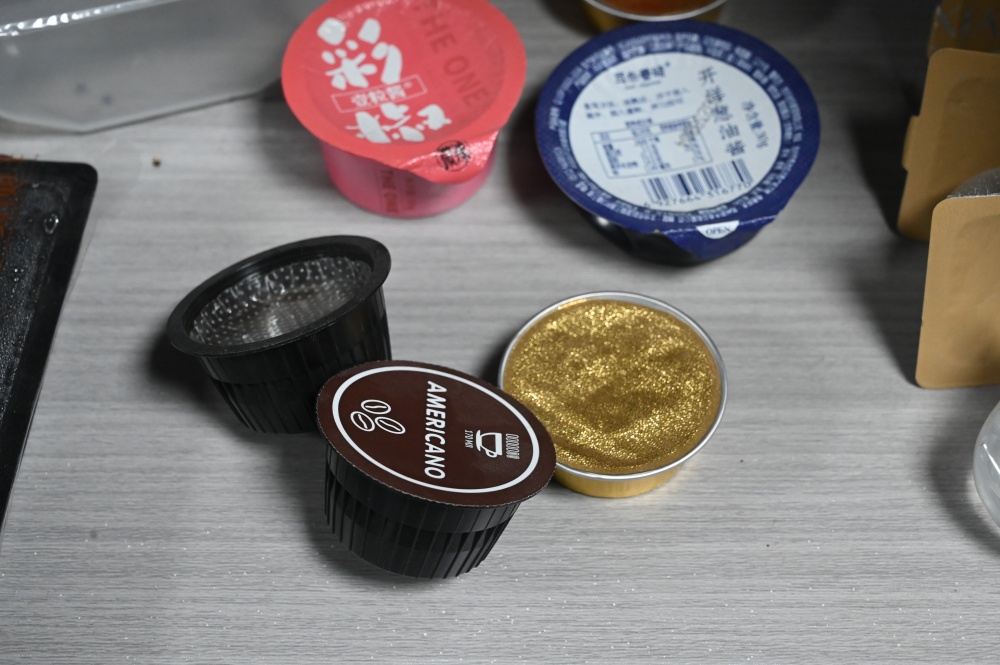
K-Cups are single-serve coffee pods made to work with pod brewing machines. Each cup holds a pre-measured amount of coffee sealed to stay fresh until it’s used. The design makes it easy to brew one cup at a time without grinding or measuring.
| Company Name | Founded | Country |
| TreeHouse Foods | 2005 | United States |
| Westrock Coffee | 2009 | United States |
| Rogers Family Company | 1979 | United States |
| Pod Pack | 1996 | United States |
| Club Coffee | 1906 | Canada |
| Mother Parkers Tea & Coffee | 1912 | Canada |
| Gruppo Gimoka | 1980 | Italy |
| Bru Caps | 2016 | Guatemala |
| MEG GROUP | 2009 | China |
TreeHouse Foods
Year Founded: 2005
Main Products:
- Private brand single-serve coffee pods and cups.
- Private brand single-serve cappuccino-style beverages.
- Private brand single-serve hot cocoa and cider beverages.
- Private brand bagged coffee (whole bean and ground).
- Private brand ready-to-drink coffee beverages.
TreeHouse Foods is based in Oak Brook, Illinois, and they are a huge maker of store brands. Their plan is to work in the background to help big single-serve coffee programs. They don’t just make the pods for machines; they also do bagged coffee so stores sell it all together.
The company started around 2005 and got bigger by buying other businesses to grow their skills. It matters less to a buyer when they started, but it matters that they built a deep list of coffee and tea choices. They can make hot cocoa, cider, and cappuccino drinks that sit right next to the regular coffee pods on the shelf.
They use a phrase called “source-to-package” to explain how they work. This just means they want to own every step a store brand cares about, from picking beans to boxing them up. It takes work to match flavors and get the grind right for these brewers. If the grind is off, the coffee is weak or the cup leaks, so they spend time fixing these settings.
You can see they are serious because they bought a large coffee plant in Northlake, Texas. This plant gave them room to roast, grind, and flavor coffee, which helps their pod business. Doing this in-house is often the difference between just packing coffee and making a product that tastes the same every time.
This mix of size and skill is why they matter for K-Cup private label making. They have the experience needed to make hot drinks work in these machines without issues. Retailers look for this because they need a partner who can manage a mix of products under one brand without messing up the supply.
Westrock Coffee
Year Founded: 2009
Main Products:
- Single-serve coffee cups.
- Roasted and ground coffee.
- Coffee extracts and ingredients used in beverages.
- Ready-to-drink coffee beverages.
- Tea products and beverage solutions.
Westrock Coffee has its main office in Little Rock, Arkansas, and acts as a major drink company for retail and food service. The business started in 2009 and has spent years building up its factories and roasting tools. You will often see the company linked to its founder, Scott Ford, in their business docs.
For a buyer looking at K-Cup style products, Westrock is key because they sell single-serve cups as a main part of their list. They sell themselves as a partner that can take raw coffee and turn it into a finished box on a shelf. This is just what store brands need since they want safe supply and taste that doesn’t change.
They grew their work in a huge way by buying S&D Coffee and Tea. This deal brought together many skills, letting them scale up their output of coffee, tea, and extracts all at once. It is the same mix that many store programs need when a shop wants to offer more than just plain coffee.
When a customer builds a line for Keurig brewers, they usually need tea cups and flavored choices too. Westrock handles these extra items that sit on the same shelf and follow the same sales schedule.
Their docs show that they look at the whole list, placing pods right next to other coffee types. This is key because many buyers want to give one supplier the deal for both pods and bags to keep things simple. In this setup, making the K-Cups isn’t a solo job but part of a bigger deal.
Westrock handles the plans and the work, which takes a load off the retailer. They manage the packaging and deal with changes to the mix if the store wants to refresh things. This lets the retailer focus on selling while Westrock worries about the making.
Basically, their role in this space is about size and a focus on the customer. They work at a level that brings in huge retail chains who can’t afford to run out of stock. They are set up to support big programs where the single-serve cup is just one piece of the puzzle.
Rogers Family Company
Year Founded: 1979
Main Products:
- OneCup™ coffee pods compatible with Keurig-style brewers.
- Private label coffee cups compatible with Keurig brewers.
- Single-serve coffee pod variety packs.
- Roasted coffee used in single-serve and bagged formats.
- Tea products are offered alongside coffee programs.
Rogers Family Company is based in Lincoln, California, and has a long history in the pod market with their own systems. The site notes that Jon and Barbara Rogers started the business in 1979, starting in San Francisco before moving. They have been around long enough to really get how the coffee world works.
They stand out in private label making because they have been named as the maker for big grocery programs in the past. It was said that they made the store brand cups for Safeway, which is a big deal in the trade. This is the role a buyer cares about because it proves the company can hit the rules and the price.
Rogers also made their own single-serve product called OneCup, which they sell under the San Francisco Bay Coffee brand. Because they have their own brand, they know how to make a pod that actually works well. They know how to set the grind size and the dose so the coffee brews right in different machines.
Having their own pod line means they have dealt with the heat regarding Keurig rules over the years. This shows they understand the tech rules needed to stop complaints about weak cups or clogs. A maker who has lived through those fights is usually better at stopping problems for their partners.
Pod Pack
Year Founded: 1996
Main Products:
- Private-label Keurig®-compatible cups (K-Cup® style).
- Single-serve coffee and tea pods for retail and foodservice.
- Espresso pods for single-serve systems.
- Bulk single-serve cup supply for offices and hospitality programs.
- Co-packing and contract manufacturing services for coffee products.
Pod Pack is located in Baton Rouge, Louisiana, and they act as an expert built to make Keurig-style cups. The company started in 1996 and acts as a partner for groups that want to launch a pod line. They exist to help companies that don’t want to build their own plant just to sell cups.
Their pitch is all about making the process easy for brand owners who might be new to this. They map out a flow that includes picking the pod, fixing the box, and checking a sample before real work starts. This list hits on the exact checks buyers worry about, like getting the look right and testing the goods.
They also stress that they can act as a partner from start to finish. They list services that cover buying, roasting, packing, and shipping the final goods. This simplifies things for the customer, who can just sign for the finished product instead of managing three vendors.
It supports a wider list of products, including flavored coffee runs and tea cups. As long as the maker can keep the fill weights exact, they can produce a lot of different items. This ease is great for brands that want to offer mix packs or seasonal tastes.
Their list shows private-label cups as a main offer and places them in spots like office coffee and hotels. This matters because it means their plans can handle different types of needs. Some customers need huge steady amounts, while others need short runs for a specific sale.
Club Coffee
Year Founded: 1906
Main Products:
- Private label single-serve coffee pods compatible with K-Cup® style systems.
- Contract-manufactured single-serve espresso capsules.
- Private label whole bean coffee.
- Private label ground coffee.
- Fractional packs and other foodservice coffee formats.
- Retail-ready coffee packaging formats (bags, shippers, display packaging).
Club Coffee is located in Toronto, Ontario, and works as a contract partner with skills in making single-serve pods. Their history goes back to 1906, which shows they have been in coffee for a very long time. They have turned that old experience into modern services for stores.
They are clear about their model, serving customers through store brands and contract work. They give help for product ideas and boxes, which is more than just filling cups with grounds. This is the profile many buyers want because success in pods depends on more than just the roast.
It needs steady work in the brewer and tight control over things like weight and sealing. If the seal isn’t good, the coffee goes stale, and the customer gets mad. Club Coffee posts details about their quality rules to explain how they stop these issues.
Quality and safety are key to what they offer, with set safety programs listed on their site. For store brand customers, these controls are a huge part of risk management. A store brand is judged by the user experience, so avoiding supply stops is critical.
You can see they link their making right to brewer fit. They clearly say their pods work with K-Cup systems, which is a huge sign to buyers.
Packaging width is another thing that really matters to these programs. Retailers often choose suppliers based on if they can handle multiple pack types in one deal. Club Coffee can do retail packs and food service packs, which supports the idea of a single partner for all of it.
This cuts the mess for the buyer who is building a K-Cup line. The same supplier can produce pods for people to use at home and packs for offices. It keeps the brand setup the same across different sales channels.
Their work is anchored in these listed services and their ability to grow. They push private label as a core part of their business, not just a side project. This focus helps them support store programs that need to run smoothly all year.
Mother Parkers Tea & Coffee
Year Founded: 1912
Main Products:
- Private label coffee pods and single-serve cup formats.
- Private label bagged coffee (whole bean and ground).
- Private label tea and herbal beverage products.
- Coffee extracts and cold coffee beverage solutions.
- Turn-key beverage programs for retail and foodservice customers.
Mother Parkers Tea & Coffee is based in Mississauga, Ontario, and works as a maker supplying coffee and tea for retail. The company was founded in 1912 and gives a timeline that shows they started blending tea and coffee for others by the 1930s. That is a classic start story for a private label company, building skill by producing for others.
A buyer looking for K-Cup pods checks more than just if a supplier can fill the plastic cups. They want trust that the maker can manage the mess of the drink category and keep steady work. Mother Parkers frames itself as an expert across both coffee and tea, which is how many modern plans are built.
They also sell special single-serve formats and packing approaches. One example is their EcoCup offer, which stresses features tied to the cup build and filter design. From a store brand view, this kind of system is often a plus because it affects how the product looks on the shelf.
They have a Canadian head office and a US office in Fort Worth, Texas. This footprint is useful for buyers who work in both markets or need to buy for US sales. It allows them to keep maker deals that cross the border without too much hassle.
Gruppo Gimoka
Year Founded: 1980
Main Products
- Private label coffee capsules compatible with Keurig® systems.
- Private label portioned coffee for other single-serve systems.
- Private label ground coffee and whole bean coffee.
- Private label soluble beverage products paired with single-serve assortments.
- Branded coffee and capsule lines produced alongside private label projects.
Gruppo Gimoka is based in Cinisello Balsamo, Italy, and serves both home and global markets. The company was founded in the early 1980s by Ivan Padelli, according to their own docs. The listed year reflects the decade they show as their start rather than a specific date.
They are unusually direct about their focus on private label work. They state that their factory skills support two business models: their own brands and store brand projects. This matters because it signals they are set up to run parallel paths where retailer products share the same gear.
For buyers focused on Keurig-style products, they have a dedicated page for capsules that fit that system. This is a clear sign that this format is not a side thought for them. It usually exists because they have repeat business in that area and want more calls from importers or stores.
They describe their setup in a way that aligns with what buyers expect. They note that their business is split into units, including one just for portioned products. This implies strict process control around capsule filling and sealing, which is different from just bagging beans.
Gimoka also states that they control the coffee chain through roasting and packing. Doing it all in-house is usually a sign of trust in this trade. A maker that runs those steps in-house can usually manage change requests more easily.
Their relevance comes from the fact that they show private label as a core business model. They explicitly offer Keurig-style capsule projects and describe their factory skills. This makes them a solid option for companies looking for European making with American fit.
Bru Caps
Year Founded: 2016
Main Products
- K-Cup® pods designed for Keurig® 1.0 and 2.0 systems.
- Private label coffee capsules for additional single-serve systems.
- Coffee-based capsule blends and roast profiles for private label programs.
- Tea and infusion options produced in single-serve formats.
- End-to-end capsule line development support for brands.
Bru Caps is located in Guatemala City, Guatemala, and focuses on making single-serve products for brands. The company was founded in 2016 and calls itself a partner for value-added coffee products. They are active across the Americas, helping brands build their store brand capsule plans.
They are very clear about their work in the K-Cup format. Their product list names pods designed for Keurig 1.0 and 2.0 systems exactly. This detail is helpful for buyers because it sets hopes around brewer fit right from the start.
The company frames itself as helping customers build and scale capsule lines using high tech. They support customers from sourcing all the way through to final packing. In a store brand context, this means a maker-led path where the customer gives the vision and Bru Caps does the work.
They also say that these plans don’t have to be limited to coffee. They describe helping customers craft cups that include teas, infusions, and other blends. This range cuts the mess by allowing one maker to supply multiple drink types.
Location is another key thing for them. Being based in Guatemala City can be attractive to North American buyers looking for close production. It allows them to keep access to a coffee-rich supply chain while keeping shipping fairly simple.
MEG GROUP
Year Founded: 2009
Main Products
- Custom flexible packaging for K-Cup compatible coffee programs.
- Printed film and lidding materials used in single-serve packaging systems.
- Retail cartons, pouches, and secondary packaging for pod multipacks.
- Private label packaging design and customization services for single-serve brands.
- Packaging supply programs supporting contract manufacturers and roasters.
MEG GROUP is based in Jiangsu Province, China, and works through Megpack Limited as a box supplier. The company was founded in 2009 and calls itself a focused group working on flexible packing. They have many production bases and serve customers across several trades with their plastic and paper goods.
In private label making, the box is not just a detail; it’s a huge part of the product. Retailers set apart their lines through outer cartons and multipack shapes. A supplier like MEG GROUP matters because they can provide safe packing output that meets retail quality rules.
Their place aligns with how many of these plans are done effectively. The coffee might be made by a contract maker, but the finished feel is shaped by the films and cartons. Megpack highlights custom design support, which is key for store brand buyers building a brand.
You will see them linked to K-Cup products through market listings that describe what they do. While box vendors don’t always list K-Cups as a separate class, the link is common. Pod plans need layers of goods, from the lid on the cup to the shipping case.
Their role is best viewed as upstream help for the trade. They aren’t filling the pods, but they supply the gear that makes the program work. They support multiple items with steady print quality, which is vital for scaling up work.
Conclusion
K-Cups have become a common way people make coffee because they are fast, consistent, and easy to use. The work behind each cup matters just as much as the machine it goes into. When everything is done right, the result is a simple cup of coffee that fits into everyday routines.
FAQS
1. What exactly are private-label K-Cup coffee pods?
Private label K-Cup coffee pods allow businesses (coffee roasters, retailers, or cafes) to produce their own Keurig-compatible pods and brand them with their own logo, company name, and custom blend. The manufacturer handles the production, while you own the brand and sell the product as your own.
2. Are private-label K-Cups compatible with all Keurig brewers?
In general, yes. Reputable manufacturers design their pods to be 100% compatible with Keurig 1.0 and 2.0 brewing systems. However, it is always best practice to request samples and test them across different models (like K-Elite or K-Mini) to ensure proper extraction, no leakage, and a perfect fit.
3. What are the typical Minimum Order Quantities (MOQs)?
MOQs vary widely based on the manufacturer and material:
High-volume suppliers (e.g., China-based): Standard plastic pods often require 10,000 to 100,000+ units.
Domestic co-packers (e.g., US-based): Many offer lower MOQs for startups, such as 5,000 units per blend.
Sampling/Pilot runs: Some suppliers offer extreme flexibility, with MOQs as low as 2 to 500 pieces for prototyping or market testing, though the per-unit cost will be higher.
4. How much do private-label K-Cups cost?
The cost per unit depends on volume, material, and customization:
Standard Plastic (PP) Cups: Can be as low as $0.02 to $0.08 per unit for high-volume orders (100,000+).
Biodegradable/PLA Cups: Typically command a premium, ranging from $0.20 to $0.30 per unit due to higher material costs.
Small Batch/Startup Pricing: Low-volume runs will have a significantly higher per-unit cost but allow for brand validation.
5. What materials can my K-Cups be made from?
You have several options depending on your brand’s sustainability goals:
Food-Grade Polypropylene (PP): The most common, BPA-free plastic option.
Compostable/Biodegradable: Made from PLA (plant-based materials) or paperboard. Look for certifications like BPI, OK Compost, or TÜV to validate eco-claims.
Aluminum: Offers high barrier protection and is often used for espresso capsules.
6. What certifications should my manufacturer have?
To ensure safety and market access, your supplier should provide documentation for:
FDA / EU Compliance: Confirms materials are safe for food contact.
BPI / OK Compost / EN 13432: Required if you are making environmental claims about compostability.
ISO 9001: Indicates quality management standards.
7. How is freshness preserved inside the pod?
High-quality manufacturers use a process called Nitrogen Flushing. Before sealing the pod, the oxygen inside is replaced with food-grade nitrogen. This inert gas prevents oxidation, which degrades flavor, and significantly extends the coffee’s shelf life.
8. Can I use my own coffee, or do I have to buy theirs?
This depends on the manufacturer:
“Tolling” Services: Many co-packers (like Three Rivers Coffee Company) allow you to send them your own roasted coffee, provided it meets their quality and grind specifications.
Full-Service: Other manufacturers offer custom roasting and blending in-house, creating a unique profile just for your brand.
9. How long does production and shipping take?
Production Lead Time: Typically 4 to 6 weeks after final approval of artwork and roast profile. Bulk orders from Asia usually take 20 to 30 days for production.
Shipping (from Asia): Sea freight adds 25 to 40 days; air freight takes 5 to 10 days but costs significantly more.
10. Can I protect my brand and recipe when working with a manufacturer?
Yes, but you must take proactive steps:
Non-Disclosure Agreements (NDAs): Ensure contracts include IP protection and confidentiality clauses.
Mold Ownership: Secure exclusive ownership of any custom molds used to create your pods.
Trademark: Register your trademark in the manufacturer’s country (e.g., China) to prevent unauthorized replication.