English
  Russian
  Turkish
  Spanish
  French
  German
  Japanese
Pharmaceutical terminologies is a collection of complex, industry-specific jargon and technical terms. These terms outline the standards, processes, and regulations that maintain consistency in global medical development.
Knowing the right pharmaceutical terminology gives your voice credibility. It helps you communicate with doctors, pharmacists, scientists, distributors, and suppliers. All this paves the way for informed decisions and productive collaboration across the industry.
To help you out, we’ll break down the most important pharmaceutical industry terminology every professional should know.
A
- Active Pharmaceutical Ingredient: An API is the core of any medicine and delivers the drug’s therapeutic effect. It combines with other components to diagnose, treat, cure, or prevent a disease.
- Ampoule: Small, sealed glass containers used for sterile injectable drugs. They protect sensitive liquids from air and contamination.
- Actual Acquisition Cost: AAC is the final price a pharmacy pays to purchase a drug after discounts, rebates, chargebacks, and other adjustments.
- ANDA (Abbreviated New Drug Application): An ANDA is submitted to the FDA to obtain approval for a generic version of an already approved drug by proving its bioequivalence.
B
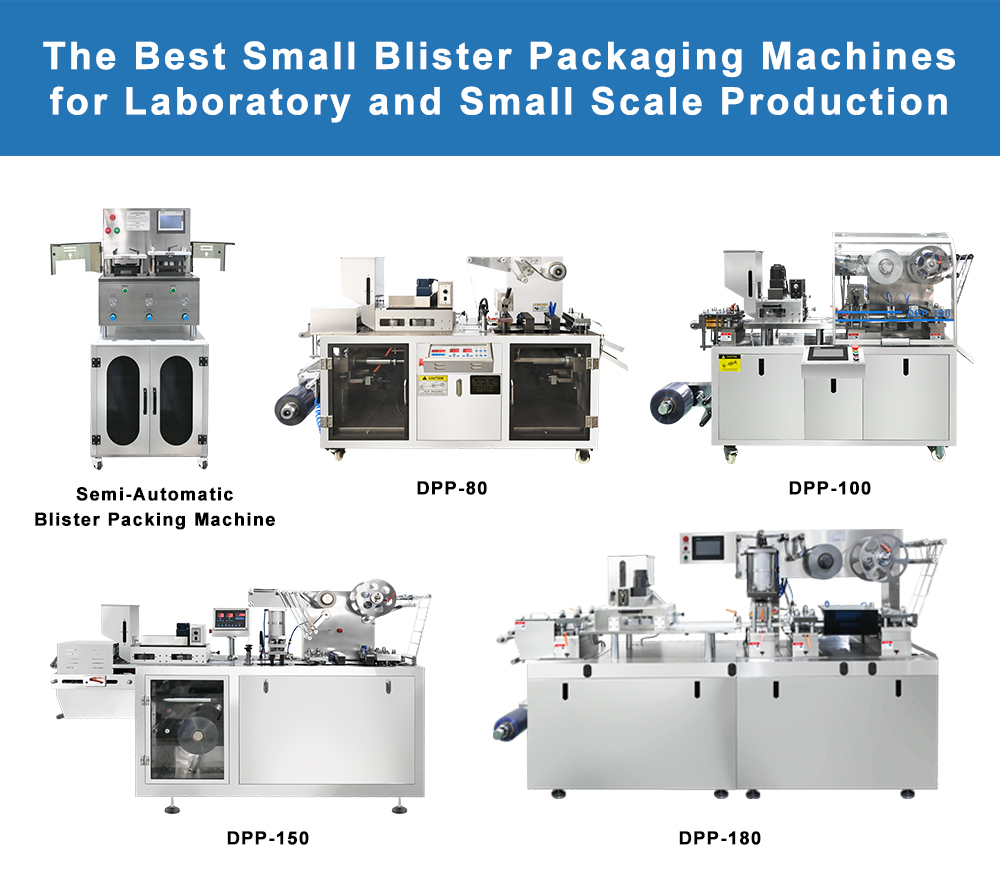
- Blister Packaging: The blister packaging machines seal each tablet or capsule in its own cavity using plastic and aluminum foil.
- Bioavailability: Bioavailability measures the amount of a drug that reaches the bloodstream. It depends on the drug’s physical and chemical properties, route of administration, absorption, metabolism, and excretion.
- Bioequivalence: It compares the formulation and bioavailability of two drugs to assess whether they provide the same therapeutic benefits.
C
- Clinical Trial: Clinical trials test a new drug’s safety and effectiveness for FDA approval.
- Counterfeit Medicine: These are fake or illegally produced medicines and may be harmful to consumers’ health.
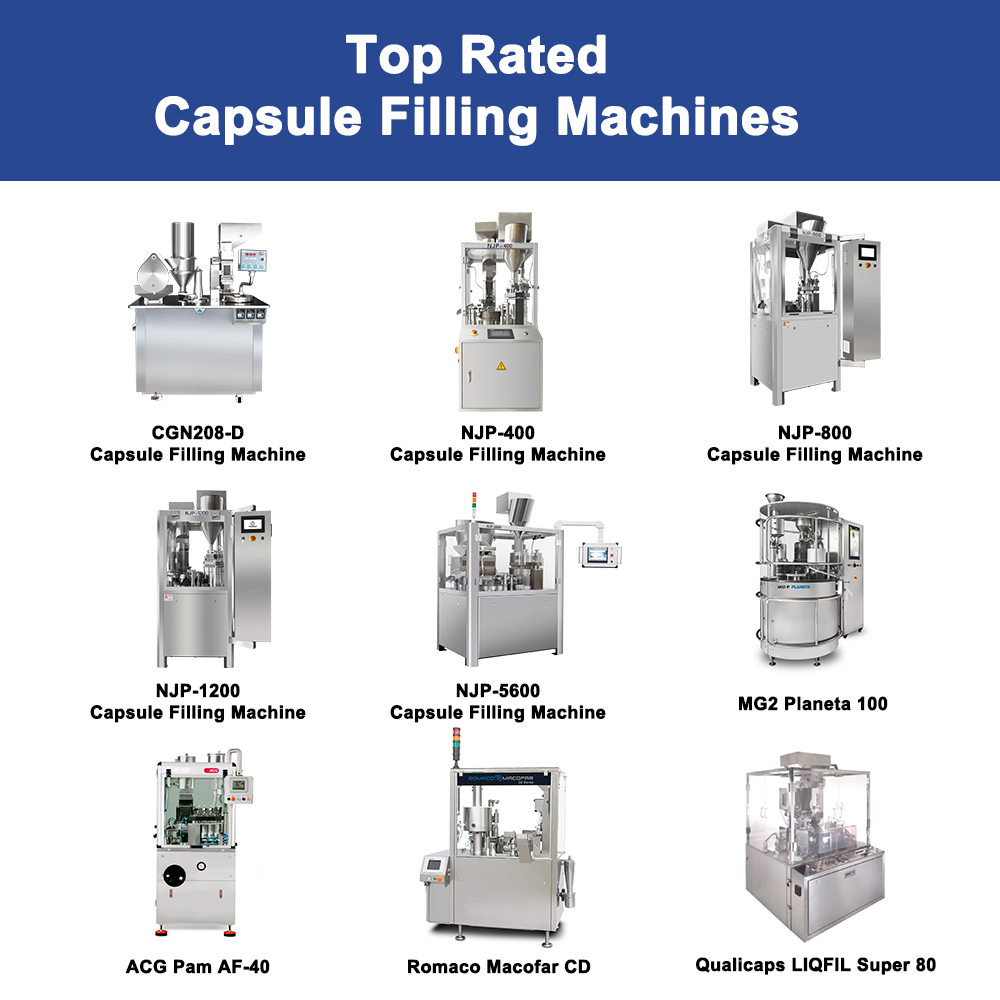
- Capsule: A capsule is a dosage form that contains the API inside a gelatin or plant-based shell. The shell dissolves in the gastrointestinal tract, and the drug is released in the bloodstream.
- CCP (Critical Control Points): CCPs highlight key steps in the manufacturing process where control is crucial to prevent contamination and related health and safety issues.
D
- Distributor: Distributors store, manage, and deliver drugs and act as a bridge between manufacturers and sellers.
- DMF (Drug Master File): A DMF is a confidential submission to the FDA. It includes information about manufacturing processes, raw materials, facilities, packaging materials, and other relevant data.
- Dosage Form: It’s the physical form in which a drug is produced and administered, such as tablets, capsules, ointments, or syrups.
- Drug Product: Drug product is the finished dosage form containing an active pharmaceutical ingredient (API) along with inactive components (excipients).
E
- Excipient: Excipients are the inactive components that stabilize and enhance the properties of the API.
- Expiry Date: The final date until which the drug remains potent and safe under recommended storage conditions.
- Endotoxin: Endotoxins are toxic substances released from the outer membrane of Gram-negative bacteria.
F
- FDA: The FDA is the U.S. regulatory body responsible for ensuring the safety and efficacy of drugs, medical devices, biological products, and food products.
- Formulation: It’s the process of combining active and inactive ingredients to create a stable and therapeutically safe final product.
- Finished Product: The final form of a pharmaceutical product that has undergone all manufacturing, quality testing, and packaging steps.
G
- Generic Drug: Generic drugs contain the same active pharmaceutical ingredient (API) and bioequivalence as the branded drug.
- GMP (Good Manufacturing Practice): The GMP regulations provide a framework for the formulation, processing, and packaging of a drug. The regulations ensure all new and current drugs meet safety standards to protect patient health.
- Good Clinical Practice (GCP): GCP is an international ethical and scientific quality standard for clinical trials involving human subjects.
H
- Homogeneity: The uniform distribution of all components within a formulation is known as homogeneity.
- Half-life: Half-life is the time it takes for the concentration of a drug in the body to reduce to half its initial level.
I
- Identification of Medicinal Products (IDMP):It consists of five standards established by ISO to ensure consistent identification of medicines throughout the world.
- Investigational New Drug (IND) Application: It’s a request submitted to the FDA to obtain approval for human clinical trials of an investigational drug.
- Intermediate: Intermediates are chemical compounds produced during the manufacturing of an API. They undergo further chemical reactions to become the finished Active Pharmaceutical Ingredient (API).
J
- Just-in-Time Manufacturing: This is a production strategy that minimizes waste and inventory costs by manufacturing pharmaceutical products only when needed.
K
- Ketamine: It’s an anesthetic used for dissociative anesthesia, pain management, and depression.
L
- Lot Distribution Report: A report submitted to the FDA for reporting the quantity of distributed pharmaceutical products under the biologics license application (BLA).
- Lyophilization: Lyophilization is a process used to remove moisture from pharmaceutical products, primarily through freezing and sublimation, to improve their stability and shelf life.
M
- Medical Devices: Medical devices are instruments, apparatuses, implants, and other related equipment used for medical purposes.
- Mutual Recognition Procedure (MRP): The Mutual Recognition Procedure (MRP) is a European regulatory process that allows a pharmaceutical product authorized in one EU member state to obtain approval in other states.
N
- New Molecular Entity: A new drug that contains an active ingredient that has not been approved by the FDA before.
O
- Over-the-Counter (OTC) Medicines: Drugs that can be purchased from a pharmacy without a prescription are called OTC medicines.
- Orange Book: The Orange Bookis an FDA publication that lists approved drug products and their therapeutic equivalence.
P
- Primary Packaging: Primary packaging (ampoules, vials, blister packs), also called sales packaging, is the first material that directly contacts the drug.
- Patent: A patent grants a company exclusive rights to manufacture and sell a new drug, usually for 20 years.
Q
- Quality Control (QC): It’s a system of testing, inspection, and regulatory compliance to detect and prevent defects in pharmaceutical production.
- Quality Assurance (QA): QA is a systematic process that oversees every stage of pharmaceutical production to ensure the products meet quality standards.
R
- Rx: This is a symbol derived from a Latin word that means “to take.” It denotes a prescription that requires authorization from a licensed healthcare professional.
S
- Secondary Packaging: This is the outer packaging (cartons and boxes) that covers the primary packaging. It helps with branding and drug protection during handling and shipping.
- Structured Product Labeling (SPL): A document markup standard for submitting product and facility information to the FDA.
- Sterilization: Sterilization eliminates all forms of microorganisms, including spores, from a surface, equipment, or pharmaceutical product.
T
- Therapeutic Index: The therapeutic index is the ratio between the toxic and effective dose of a drug. It indicates the safety margin of a drug during clinical use.
U
- Uniformity of Dose: Uniformity of dose ensures that each unit of a drug contains the same amount of active ingredient.
V
- Validation Report: A validation report is a document confirming that a pharmaceutical process or equipment consistently produces results that meet quality standards.
W
- Wholesale Drug Distributor/3PL Registration: This is an SPL submission required by businesses involved in third-party storage and distribution of drugs.
- Wet Granulation: It’s a process in tablet manufacturing that involves mixing powders with a liquid binder to form granules.
X
- Xenobiotic: A xenobiotic is a foreign chemical compound, such as a drug, pesticide, or synthetic chemical that is not usually present within the organism.
Y
- Yield Calculation: Pharmaceutical yield calculation is the ratio of input materials to output products and is measured in percentages.
Z
- Zero-Order Kinetics: Zero-order kinetics describes drug elimination at a constant rate independent of its plasma concentration.
Take Part in the Evolution of the Pharmaceutical Industry
Pharmaceutical industry terminology isn’t the only part that is expanding; the manufacturing side of pharma is evolving at an unprecedented pace. Every day, new technologies are introduced, from automated production lines to smart quality-monitoring systems.
As the industry moves forward, staying compliant isn’t enough. Companies need advanced, reliable manufacturing systems to stay ahead, and that’s exactly what Finetech has been delivering for the past 30 years.
From cutting-edge equipment to machine on-site training, we help pharmaceutical manufacturers maximize output, maintain compliance, and future-proof their operations.
Contact us now and see how Finetech can transform your manufacturing process.
References:
A Glossary of All Terms Pharma.
Copyright Notice:
You may not reproduce, modify, publish, display, transmit, or in any way exploit any content on this website, or use such content to construct any kind of database without prior express written approval by Finetech Group. For permission to use the content, please contact: info@pharmamachinecn.com
Disclaimer:
The information contained in this article is for general information purposes only. The Company does not guarantee the accuracy, relevance timeliness or completeness of any information, and the Company assumes no responsibility for errors or omission in the content of this article.