English
  Russian
  Turkish
  Spanish
  French
  German
  Japanese
Did you know many packaging problems start with a pharmaceutical carton?
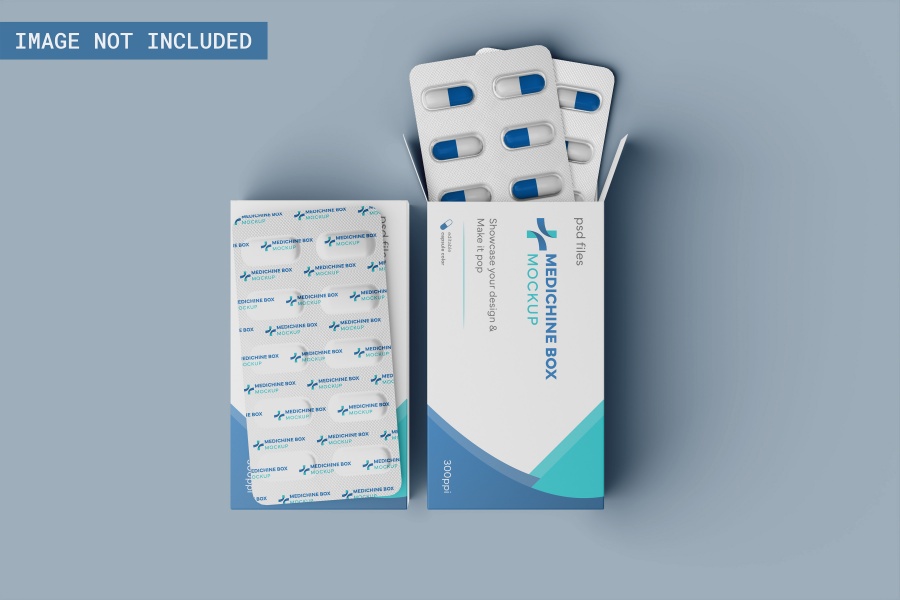
Even if a carton looks fine on paper, it can slow the production line, lead to rejects, or raise compliance questions once production begins. When that happens, the production cost shows up fast.
Small choices in design, material, and print can determine whether a line runs smoothly or struggles all day. In the sections ahead, we’ll cover the essential carton fundamentals packaging teams need to understand to prevent common problems and make more informed decisions.
What Is a Pharmaceutical Carton?
A pharmaceutical carton is the outer packaging used to hold and protect a medicine container, such as a blister pack, bottle, or vial. It is the first thing patients, pharmacists, and inspectors see, which makes it far more important than it may appear.
The carton serves several roles simultaneously. This protects the product during transport and storage and carries legally required information such as the product name, strength, batch number, and expiry date.
In fact, you’d be surprised to know that around 33% of medication problems are linked to packaging and labeling errors. This shows that incorrect text, poor print quality, or even confusing design can cause compliance failures.
Common Types of Pharmaceutical Cartons
Pharmaceutical cartons come in different styles because no single decision works for every product, line speed, or handling requirement. The most common types include:
1. Tuck End Cartons
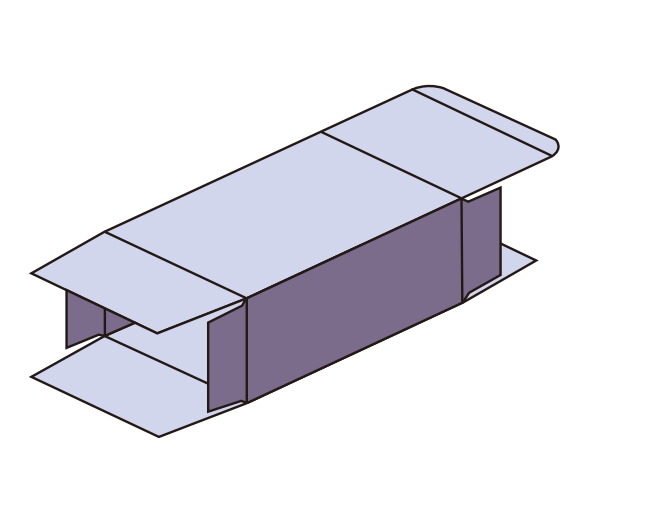
Tuck-end cartons are the most widely used carton style in pharmaceutical packaging. That is mainly because they are simple, cost-effective, and easy to run on high-speed cartoning machines.
These cartons use tuck-in flaps at one or both ends. They are easy to open and close, and work well for blister packs, sachets, and small bottles.
2. Reverse Tuck End Cartons
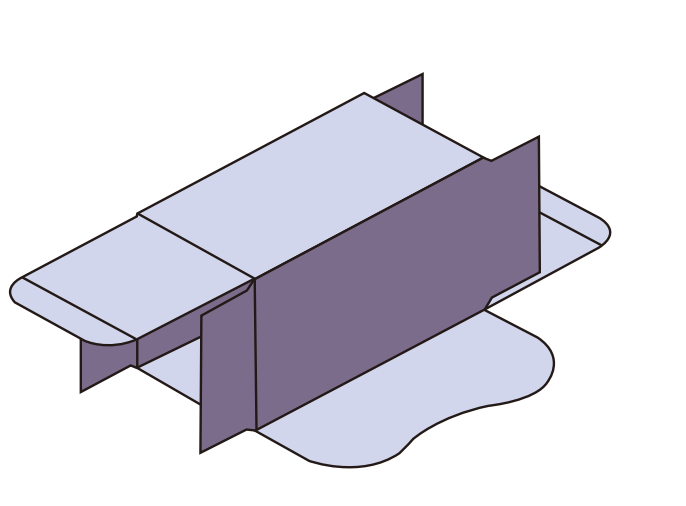
Reverse tuck end cartons are similar to standard tuck end cartons, but the top and bottom flaps tuck in opposite directions.
This design is often used to improve stacking stability or to meet specific branding and display needs. From a machine perspective, they behave much like standard tuck-end cartons, which makes them easy to use in packaging lines.
3. Crash Lock (Auto-Lock) Cartons
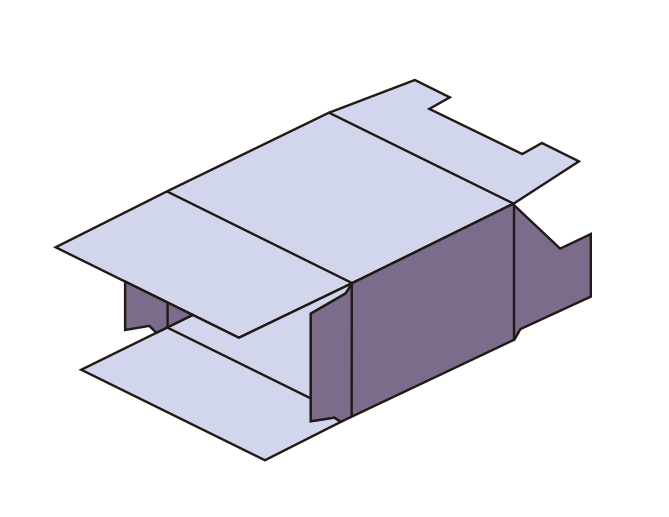
Crash lock cartons have a pre-glued bottom that locks automatically when the carton is opened. It provides a stronger base and faster manual or semi-automatic packing.
They are commonly used for heavier products, such as liquid-filled bottles or glass containers. While crash lock cartons offer strength, they are usually more expensive and may not be ideal for very high-speed automatic cartoning lines.
4. Straight Tuck End Cartons
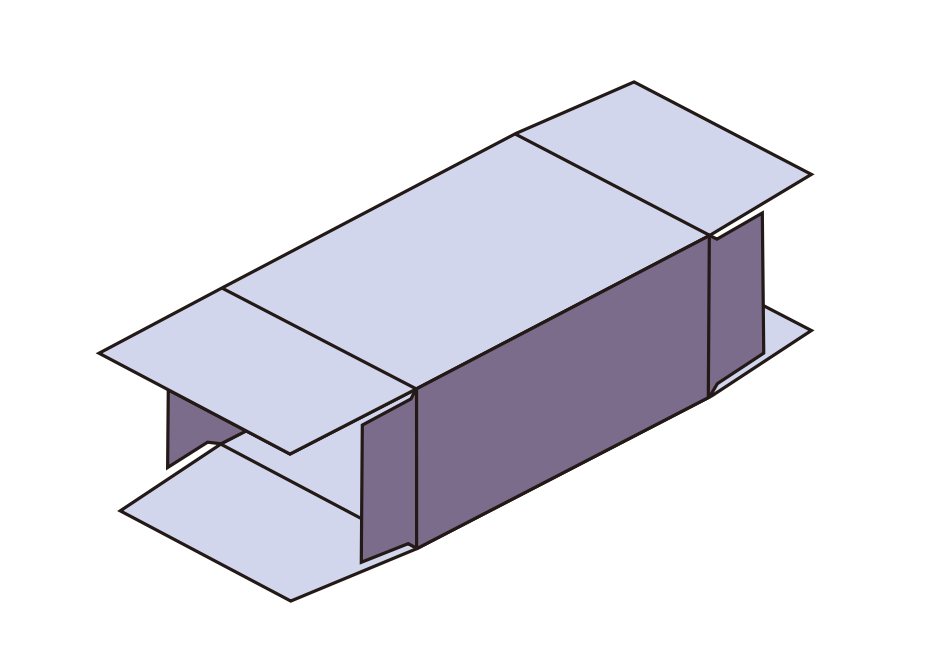
Straight tuck end cartons have both top and bottom flaps folding in the same direction. This carton style offers a clean appearance and is often chosen for products where presentation matters.
They work well on many cartoning machines but may require a more precise setup to avoid misfeeds.
Materials Used in Pharmaceutical Cartons
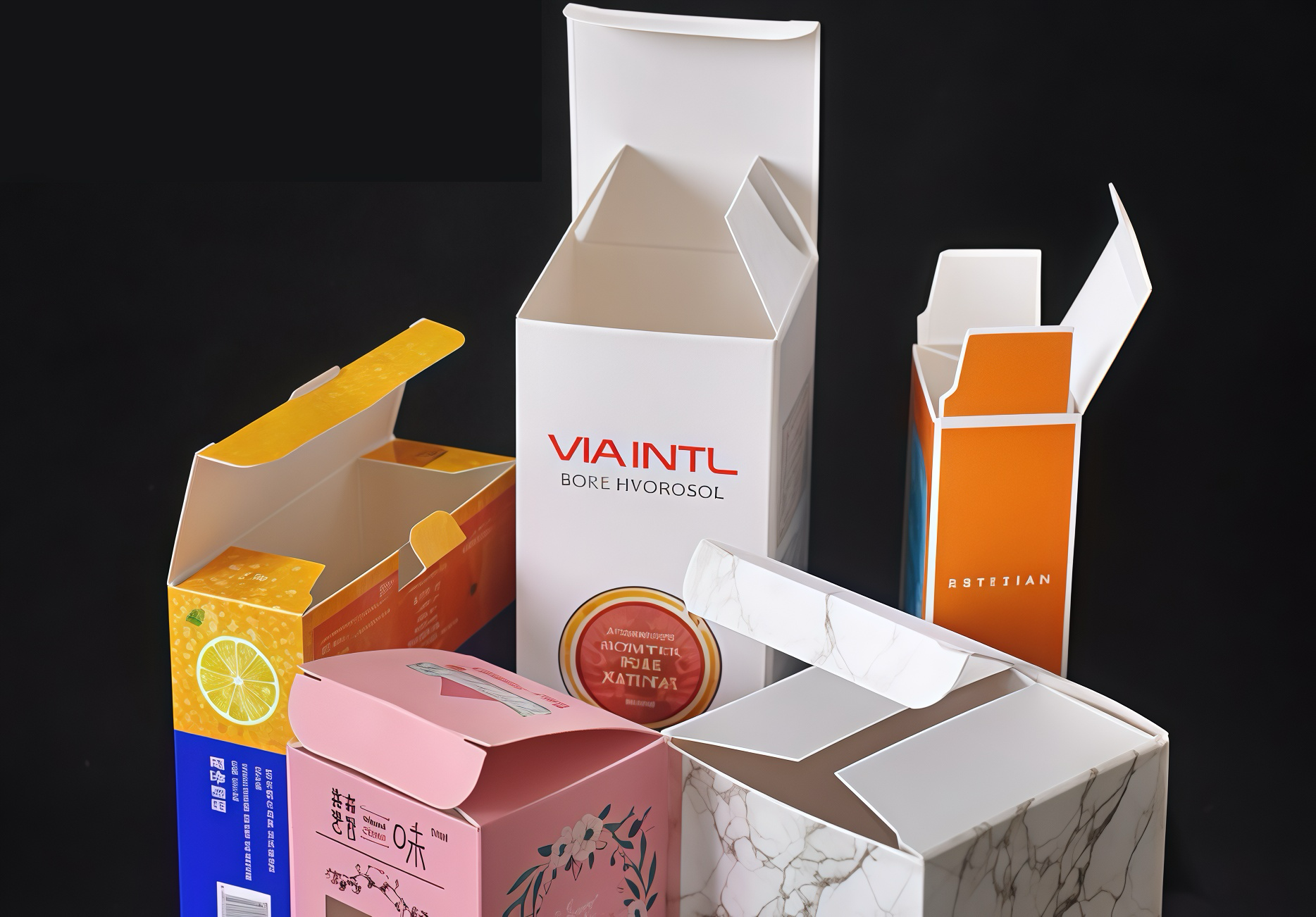
The material used for a pharmaceutical carton affects its strength, print quality, and smoothness during packaging line processing. With that said, here are the materials commonly used to make pharmaceutical cartons:
- Solid Bleached Sulfate (SBS): The most common material for pharmaceutical cartons. It is made from virgin fiber and is used for most regulated pharmaceuticals.
- Folding Boxboard (FBB/GC1/GC2): A multi-layer paperboard with a strong middle layer and good print surfaces. Often used in pharma when stiffness is needed.
- Coated Recycled Board (CRB / CCNB): Made from recycled fibers with a coated surface. However, it is used less in pharma due to regulatory restrictions.
- Aqueous (Water-Based) Coating: A common coating used to protect print, reduce scuffing, and improve readability.
- UV (Ultraviolet) Varnish: Used for higher visual impact and durability. It provides a glossier finish and better resistance to rubbing.
- Polyethylene (PE): This coating is applied when moisture resistance is required.
Carton Design Features Packaging Teams Must Understand
Packaging teams need to understand the key design features that influence both compliance and line performance.
1. Carton Size Along with Dimensional Accuracy
Carton size must closely match the product, but not too tightly. When cartons are too large, the products inside can shift, increasing the risk of damage or misalignment. Similarly, when cartons are too small, they may deform during closing.
Dimensional accuracy also matters. Even small size variations can affect how cartons feed into the cartoner.
2. Folding Structure

The folding structure defines how the carton opens, folds, and holds its shape. Crease lines must be placed correctly and formed cleanly to allow consistent folding.
A poor design can lead to uneven folds, twisted cartons, or incomplete closures. On high-speed lines, this often shows up as misfeeds or cartons that fail to square properly. Good folding design, on the other hand, supports stable carton assembly.
3. Closure Systems
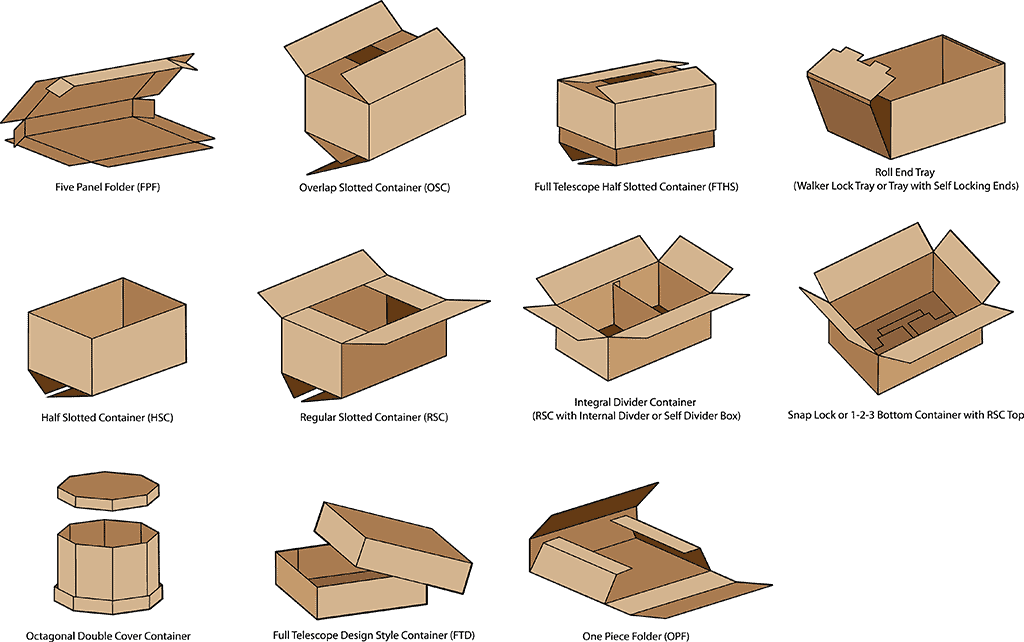
Closure systems determine how cartons are sealed and secured. Tuck flaps, snap locks, and glued bottoms all behave differently on the line.
Simple tuck closures are faster and easier to run, while lock-bottom designs provide more strength for heavier products. Packaging teams must balance ease of operation with the level of protection required for the product.
4. Carton Rigidity and Board Behavior
Carton rigidity affects how the carton holds its shape during feeding and loading. Cartons that are too soft may collapse or skew. Meanwhile, overly stiff cartons can resist folding and create stress on machine components.
The right balance helps cartons move smoothly through the machine without excessive force or adjustment.
Common Carton-Related Packaging Issues
Here are the common carton-related packaging issues that you might encounter during production:
1. Carton Misfeeds
Misfeeds occur when cartons fail to separate, open, or enter the cartoning machine correctly. This usually happens when carton dimensions vary, creases are poorly formed, or the board stiffness is not suited to the machine.
2. Print Defects
Print defects include smudged text, blurred barcodes, and low contrast between text and background. These issues often appear when coatings are unsuitable, ink adhesion is poor, or drying time is insufficient.
3. Carton Damage During Handling
Carton damage shows up as crushed corners, torn panels, or deformed flaps. This is commonly caused by weak board grades, overfilled cartons, or excessive mechanical pressure during closing.
4. Product Mix-Up Risks
Product and artwork mix-ups occur when cartons for different products look similar or are not properly controlled. This can lead to incorrect product placement, labeling, or regulatory non-compliance.
5. Improper Carton Closure
Some cartons leave the line with flaps not fully tucked or locked. It usually happens for a few reasons. For instance, when fold lines are poorly designed, material stiffness is inconsistent, or the closing mechanisms are misaligned.
FAQs
1. Which materials are most commonly used for medical-grade folding cartons?
Manufacturers primarily utilize Solid Bleached Sulfate (SBS) or Folding Boxboard (FBB) due to their superior stiffness, purity, and smooth surfaces for high-definition printing. These materials are chosen for their ability to withstand the mechanical stresses of high-speed automated packing lines without cracking.
2. What defines a tamper-evident pharmaceutical carton?
Tamper-evidence is achieved through structural designs like fiber-tear glue joints or perforated “void” seals that show irreversible damage if the package is opened. These features provide immediate visual confirmation to pharmacists and patients that the medication’s integrity remains uncompromised.
3. How do plant-based inks improve the eco-profile of pharma cartons?
Vegetable-based or soy inks replace petroleum-derived solvents, significantly reducing Volatile Organic Compound (VOC) emissions during the printing process. These inks are more compatible with de-inking facilities, which improves the overall quality and circularity of the recycled paper stream.
4. What types of containers are commonly used in pharmaceutical packaging?
Pharmaceutical products are typically packed in glass and plastic containers. Glass bottles are widely used for liquids and sensitive formulations. Plastic options include PET, PP, LDPE, and HDPE bottles, each selected based on strength, flexibility, and moisture resistance.
Both glass and plastic containers are available in small, medium, and large sizes, and may be clear, white, or amber to provide appropriate light protection.
Time to Build Your Reliable Packaging Lines
A pharmaceutical carton only performs as well as the packaging line or cartoning machine that handles it. Even the best carton design can also fail when machines are poorly matched, unstable, or difficult to adjust.
Although we don’t offer cartons, we supply the machines that handle them. Our automatic and vial cartoning machines are designed to work reliably with different carton sizes, styles, and materials.
When machines are stable and well-matched to your packaging needs, carton-related issues become easier to control.
Contact us today to find the best machinery!
Copyright Notice:
You may not reproduce, modify, publish, display, transmit, or in any way exploit any content on this website, or use such content to construct any kind of database without prior express written approval by Finetech Group. For permission to use the content, please contact: info@pharmamachinecn.com
Disclaimer:
The information contained in this article is for general information purposes only. The Company does not guarantee the accuracy, relevance timeliness or completeness of any information, and the Company assumes no responsibility for errors or omission in the content of this article.