English
  Russian
  Turkish
  Spanish
  French
  German
  Japanese
Blister packaging machines are the backbone of modern pharmaceutical manufacturing. While these systems drive the production line, the true force behind their success is the blister packaging tooling.
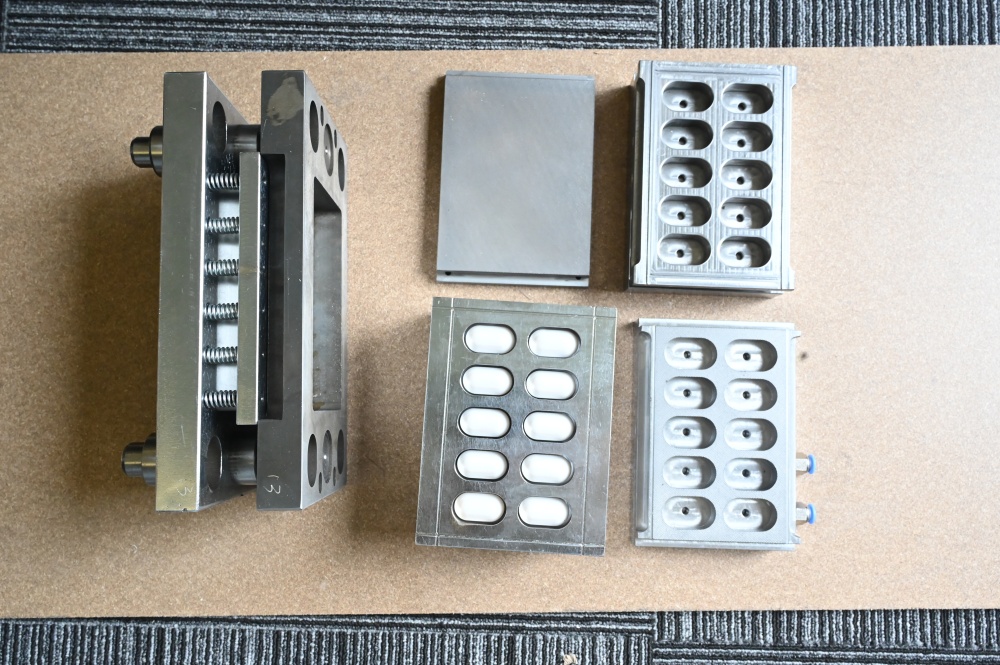
These components are far more than just mechanical parts; they are the powerhouse of the facility, which dictates the safety and integrity of every dose. Selecting the right blister packaging tools can make or break your production efficiency and regulatory compliance. High-quality sets maintain seamless operation and protect your manufacturing standards from costly errors.
In this guide, we’ll break down every type of blister packaging tooling and show how they define precise geometry. We’ll also explain why choosing the right tools is critical to protecting both your products and your reputation.
What Exactly Is Blister Packaging Tooling?
Blister packaging tooling refers to a set of high-precision, custom-made mechanical components integrated into blister packaging machines. These parts are installed inside the production line to form, fill, seal, and cut pharmaceutical or consumer goods. Every component is designed specifically for the unique geometry of the product, such as tablets, capsules, or syringes.
Standard tooling includes forming molds, sealing dies, and cutting punches that shape the final blister card. Such mechanical accuracy guarantees a hermetic seal and strong structural integrity. This level of calibration maintains medication stability as it travels from the manufacturing facility to the pharmacy shelf.
The 3 Essential Types of Blister Packaging Tooling
Blister packaging tooling is divided into three different categories based on two primary factors: the forming process and the mechanical action of the sealing station. Each type of tooling manages specific material properties and production speeds. Let’s take a detailed look at them one by one:
1. Forming Tooling (Shapes Every Dose Perfectly)
Forming tools are the primary components of blister packaging tooling. They are responsible for shaping the material into the desired cavity or pocket that will hold the product. There are two further sub-categories of forming tools:
a) Thermoforming Tools
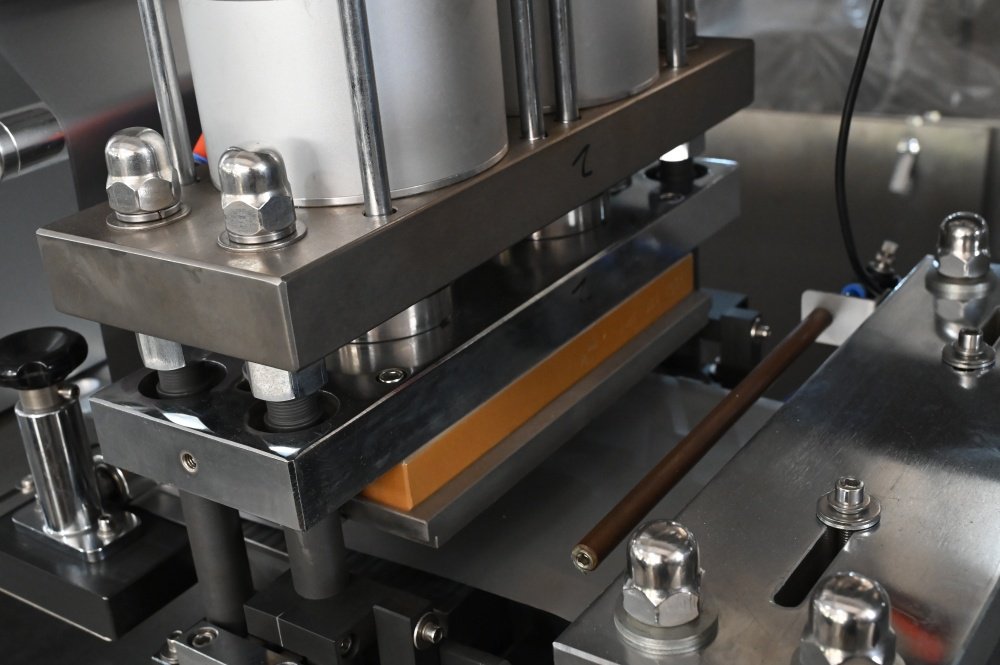
Thermoforming tools typically consist of heating plates, forming templates, and plug-assist mechanisms. They are often made of high-grade aluminum for superior heat conductivity and rapid cooling. This material choice allows the system to maintain stable temperatures during continuous high-speed production runs.
The thermoforming process uses a combination of heating plates to soften plastic films, such as PVC or PVDC, before a vacuum or plug-assist mold shapes the cavity. It helps the blister mold achieve a uniform thickness without thinning at the corners.
b) Cold-Form Tooling
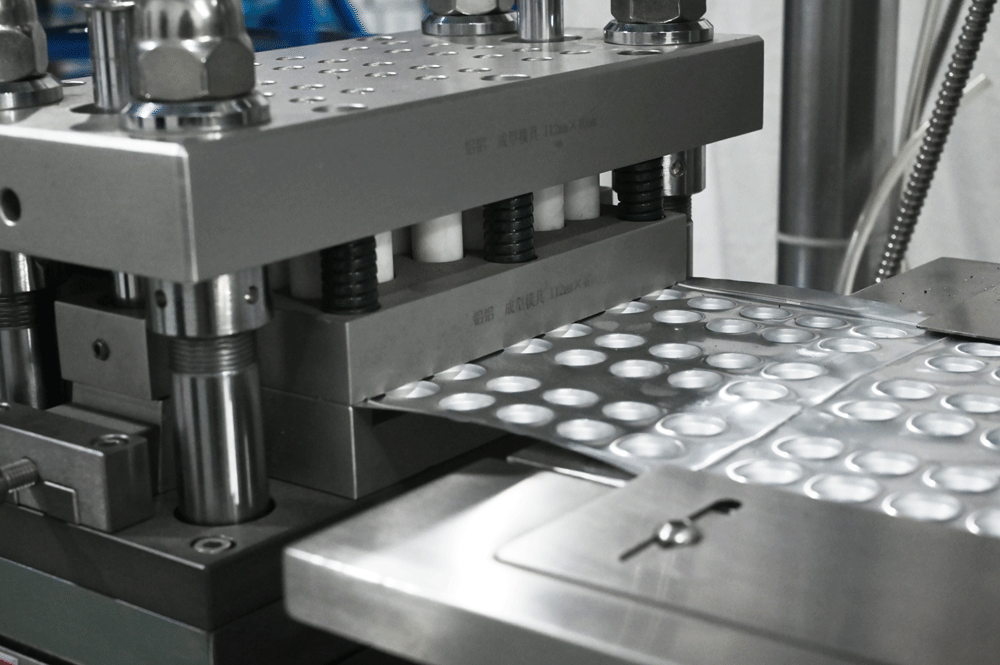
Cold-forming tooling uses high-pressure blister molds, upper and lower forming dies, and specialized steel punches. Because aluminum laminate cannot be stretched by heat, these punches are polished to a mirror finish. This allows the foil to slide into the blister mold without tearing or creating pinholes.
Operating with such accuracy ensures the blister mold creates a total barrier against moisture and light. By avoiding high temperatures, these components preserve medication stability and provide a strong, opaque protective shell.
2. Sealing Tooling (Protects Every Tablet)
After forming, the next critical stage is sealing. These components are used to bond the blister to the backing material, which is often a lidding foil or paperboard. The choice between different sealing tools depends on the required machine speed and the heat sensitivity of the product being packaged.
a) Rotary Sealing Rollers
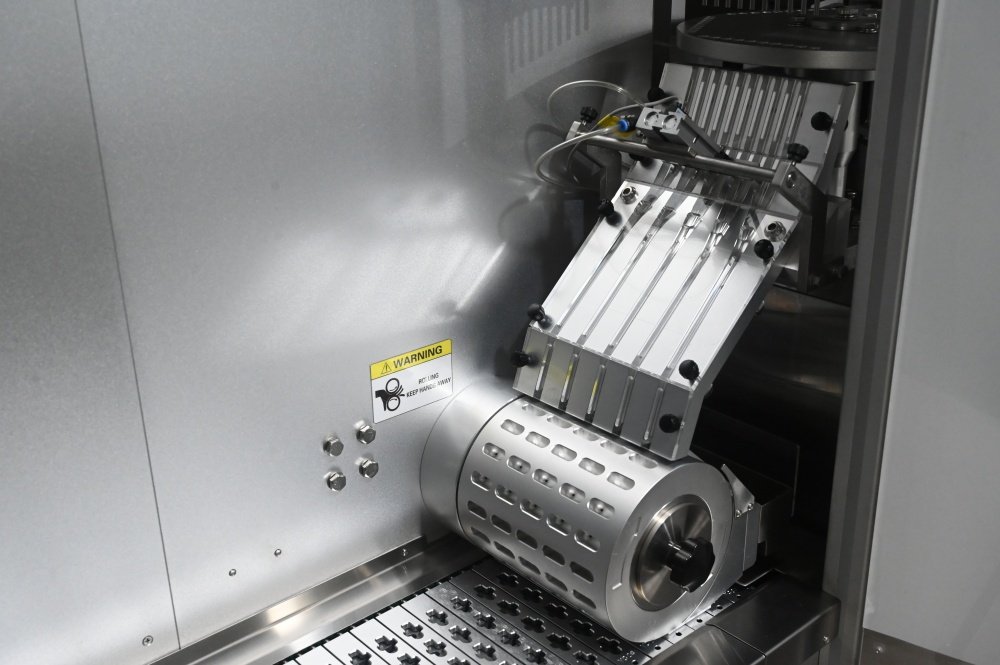
Rotary sealing tooling consists of two counter-rotating cylinders. One roller contains the pockets for the blisters, and the other provides the necessary heat and pressure to bond the layers. This configuration is preferred for high-speed, continuous motion lines because it allows for rapid throughput.
b) Platen Sealing Plates
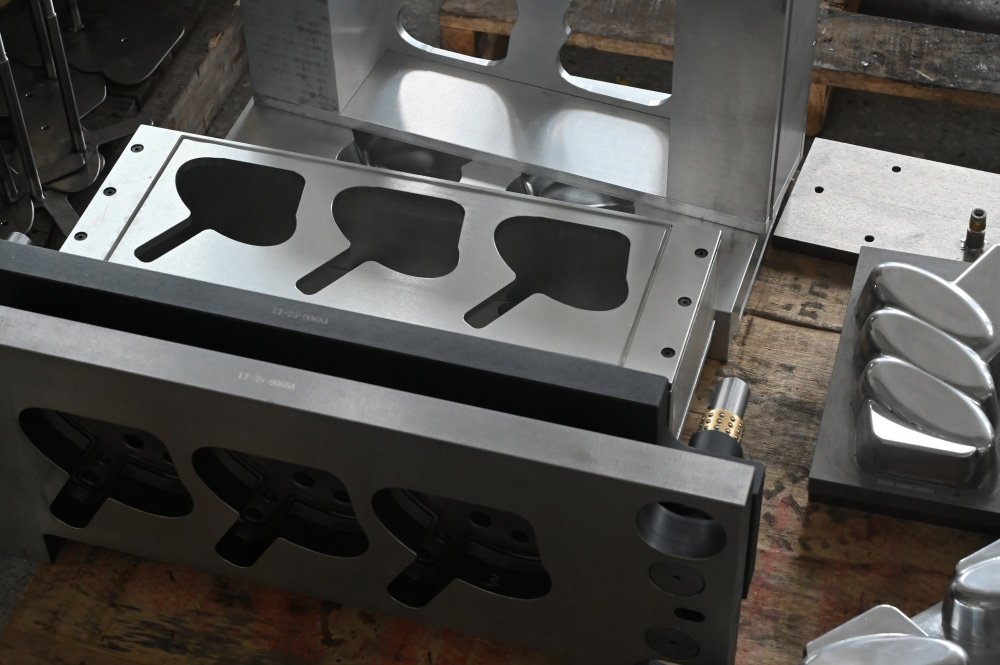
This tooling uses flat, heated plates that press down on the blister web while it is stationary. Unlike rotary systems, platen tooling provides more uniform pressure across the entire surface and longer dwell times. It is an ideal choice for delicate products or complex lidding materials like Tyvek. In these cases, a consistent and deep seal is required to maintain product safety.
3. Cutting and Finishing Tooling (Guarantee Safety)
The final stage of the process involves cutting and separating the blister web into individual units. This operation is performed by specialized finishing tools such as perforation dies and punching tools. Cutting tools ensure each card has clean, accurate edges for easy handling and consumer safety.
a) Perforation Dies
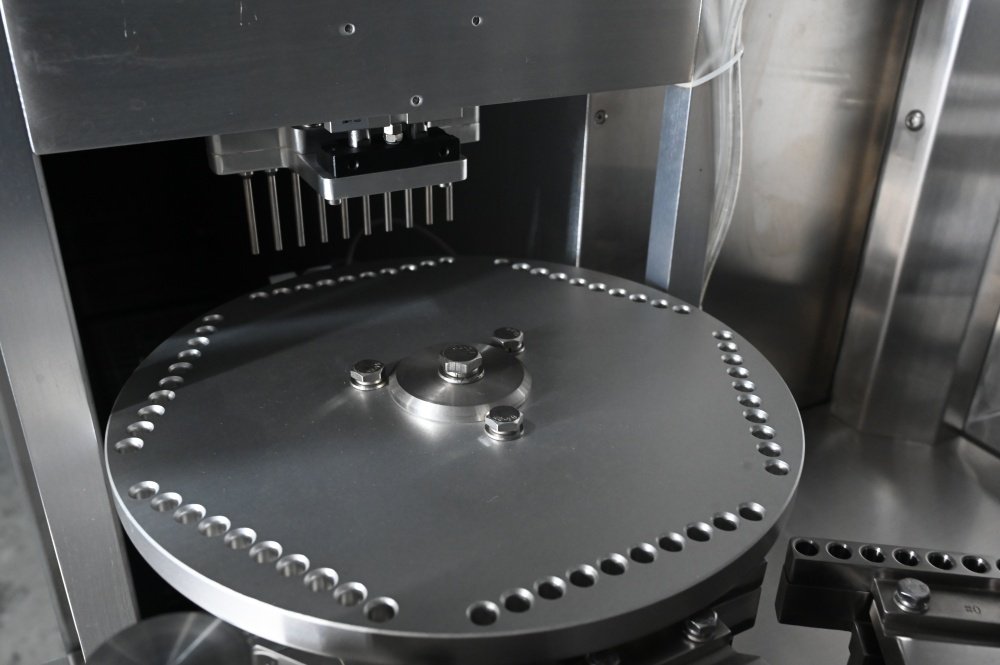
Perforation dies are typically made of hardened tool steel. These components create serrated lines between the blister pockets, which allow consumers to tear off a single dose without compromising the rest of the pack. They must be perfectly aligned so the perforation is deep enough to tear easily but shallow enough to maintain the structural integrity of the entire card.
b) Punching Tools
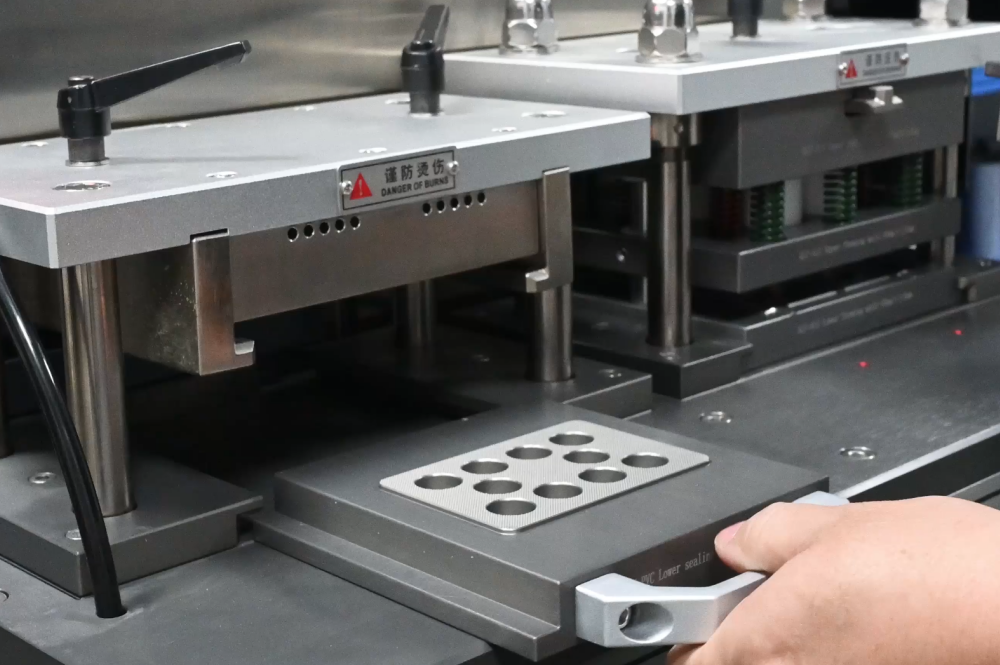
Punching tools consist of a sharp punch and a matching die plate, also manufactured from durable, wear-resistant steel. These tools act as a heavy-duty cookie cutter that shears the individual blister cards from the main web.
Punching tools undergo constant mechanical stress. Therefore, they are designed for extreme longevity to ensure every cut is burr-free. High-quality punching tools prevent jagged edges, which are essential for maintaining the professional appearance and safety of the final pharmaceutical product.
How Blister Tooling Shapes Quality and Safety
Blister packaging tooling serves as the fundamental building block of the production line. However, their influence is not limited to mere mechanical shaping. These components define the shape, security, and usability of a pharmaceutical product.
Below are the primary roles of these tools:
1. Defining Packaging Geometry
The most immediate role of tooling is to dictate the physical dimensions of the blister. Forming tools are machined to the exact millimeter of a tablet or capsule. This ensures the product fits perfectly and prevents movement that could lead to breakage or dusting during transit.
Furthermore, tooling determines how much a film stretches. Proper design prevents the material from becoming too thin at the corners, which would compromise the moisture and oxygen barrier.
2. Establishing Airtight Seal
Sealing tooling is responsible for the safety and shelf-life of the medication. Through the application of calculated heat and pressure, these tools bond the lidding foil to the base web. As a result, a hermetic seal protects the contents from environmental degradation. The knurl patterns on the surface of sealing dies displace air and create a mechanical lock between layers so the seal does not peel prematurely.
3. Design Packages for Easy Use
Tooling also handles the user interface and accessibility of the packaging. Specific components, such as perforation dies and specialized punching tools, create child-resistant (CR) or senior-friendly openings. Adjusting the depth of the cut or pattern helps manufacturers to keep the package secure enough to protect children.
How to Choose the Best Blister Packaging Tools
Selecting the ideal blister packaging tools requires a careful balance between material science, production volume, and product sensitivity. Here is a buyer’s checklist for you to evaluate your options:
1. Match Tooling to Your Material Type
The first consideration is whether your process utilizes thermoforming or cold-forming packaging. If you are using plastic films like PVC, PET, or PVDC, choose high-grade aluminum molds. For cold-forming applications, you must use hardened steel stamps capable of withstanding extreme mechanical pressure without deforming.
2. Prioritize Durable Materials
The quality of the material directly dictates the lifespan of your equipment. Ensure the tooling you choose is built from industry-grade, highly durable materials. Check if the aluminum alloys are resistant to corrosion and if the stainless steel components are hardened for wear resistance. Specialty coatings, such as Teflon or chrome plating, can also be applied to reduce friction and prevent material buildup during long production runs.
3. Compliance and Traceability
Compliance and traceability are non-negotiable in pharmaceutical manufacturing. Blister packaging tooling should be classified as GMP-compliant equipment to ensure it meets strict hygiene standards.
Verify that the supplier provides IQ/OQ (Installation and operational qualification) documentation. Additionally, look for ISO 15378 compliance, which caters to primary packaging materials and tools for medicinal products.
FAQs
1. Why is Diamond-Like Carbon (DLC) coating applied to sealing plates?
DLC coatings provide extreme micro-hardness and exceptionally low coefficients of friction. Applied to sealing plates, DLC repels sticky heat-seal lacquers and melted polymers, preventing cold welding and drastically reducing the need for abrasive cleaning downtime.
2. How do plug-assist mechanisms prevent blister wall thinning?
Plug assists are mechanical plungers that physically push the heated polymer deep into the mold cavity just before pneumatic pressure activates. They force the material to stretch evenly, preventing dangerous wall thinning in deep or complex blister geometries.
3. How is thermal mapping executed on blister machine heating stations?
Thermal mapping uses data loggers and tactile indicator paper to chart the exact temperature distribution across the sealing jaws. This confirms that the entire plate transfers uniform heat, eliminating cold spots that cause micro-leaks in the final packaging.
4. What operational failures lead to weak blister seal adhesion?
Weak adhesion generally results from insufficient sealing temperature, inadequate pneumatic clamping pressure, or abbreviated dwell times. Additionally, API dust or polymer debris contaminating the sealing flange acts as a physical barrier against the adhesive lacquer.
Choose Excellence in Blister Packaging Technology
Blister packaging technology is a strategic investment that guarantees the highest levels of consumer safety and product stability. To maintain a competitive edge, manufacturers should choose vendors with a reputable standing and proven track records in pharmaceutical tooling. Selecting partners supported by positive case studies guarantees long-term reliability.
Finetech’s blister packaging machine line frees you from the complexities of technical integration. As an ISO-certified leader, we provide format parts built from high-quality materials to ensure long-term durability.
Our expert team supports every phase of the process, including professional consultation, seamless installation, and ongoing maintenance. Partner with Finetech today and optimize your production standards!