English
  Russian
  Turkish
  Spanish
  French
  German
  Japanese
In the race to deliver safe, high-quality medications to market, the filling line machine stands out as a silent powerhouse. Behind every perfectly measured vial and sterile bottle lies a complex, high-speed system designed for precision.
As pharma evolves to meet the rising global demands, understanding the value and mechanics of a filling line machine offers insight into how automation safeguards quality, increases productivity, and keeps life-saving drugs flowing smoothly from lab to shelf.
Understanding the Role of Filling Line Machines in Pharma
A liquid filling line machine in pharmaceutical manufacturing is a specialized, automated system used to fill liquid or solid pharmaceutical products into containers, such as vials, ampules, syringes, bottles, or capsules. These machines are designed to meet the strict hygiene and accuracy standards mandated by regulatory authorities such as the FDA, WHO, and GMP.
In simple terms, the machines ensure:
- The correct dosage of medicine per container.
- Sterile conditions to prevent contamination.
- Seamless transition from bulk production to packaging.
With automation and AI becoming integral to the pharmaceutical industry, these machines are now equipped with smart sensors, digital interfaces, and real-time monitoring systems, enabling manufacturers to achieve higher throughput with minimal errors.
Types of Filling Line Machines
Pharma manufacturing is diverse, and so are the filling line machines used within it. Here is a breakdown of the most common types:
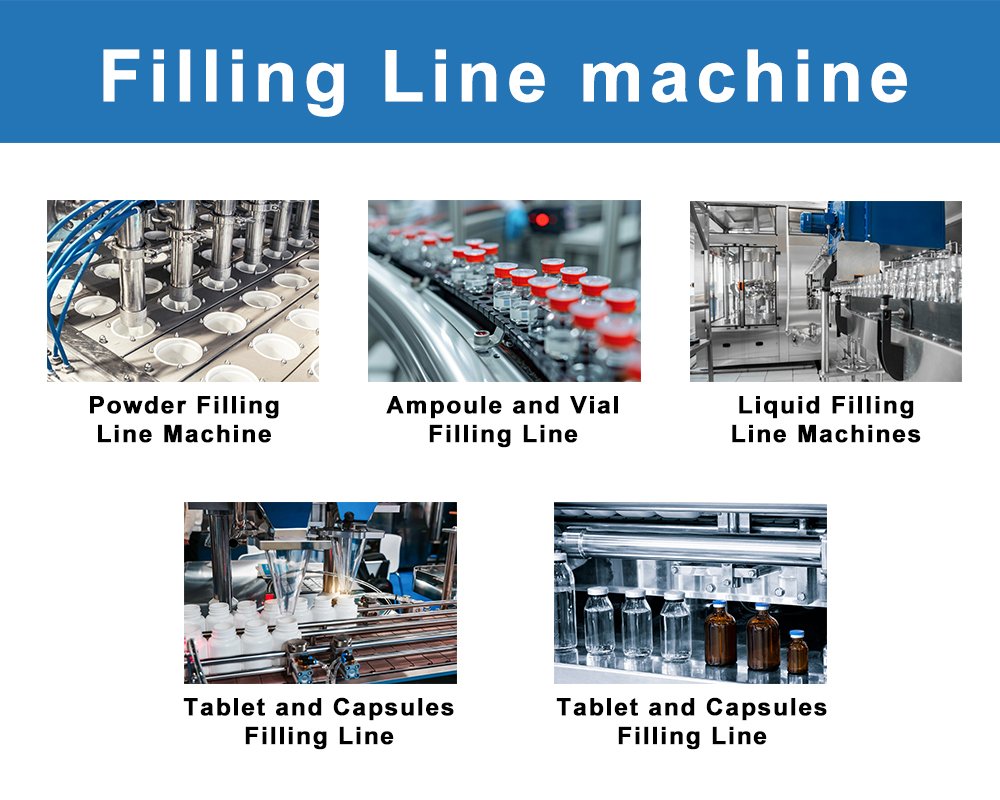
Liquid Filling Line Machines
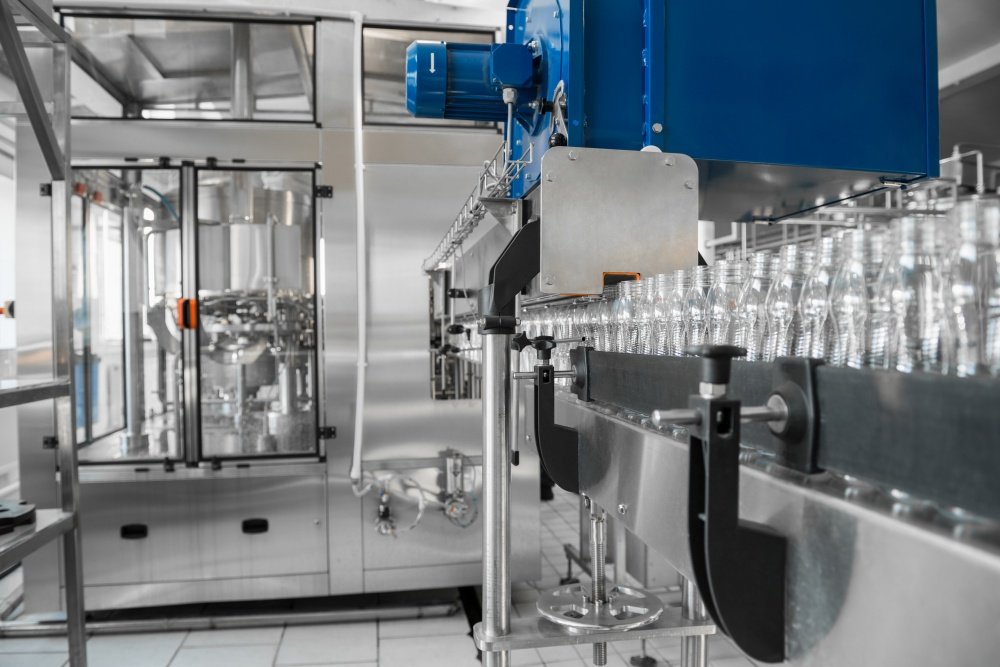
These machines handle syrups, oral liquids, eye drops, and injectable solutions. Based on volume and viscosity, you can choose from:
- Volumetric fillers (piston-based).
- Peristaltic pump fillers.
- Time-pressure fillers.
- Gravity fillers.
Powder Filling Line Machines
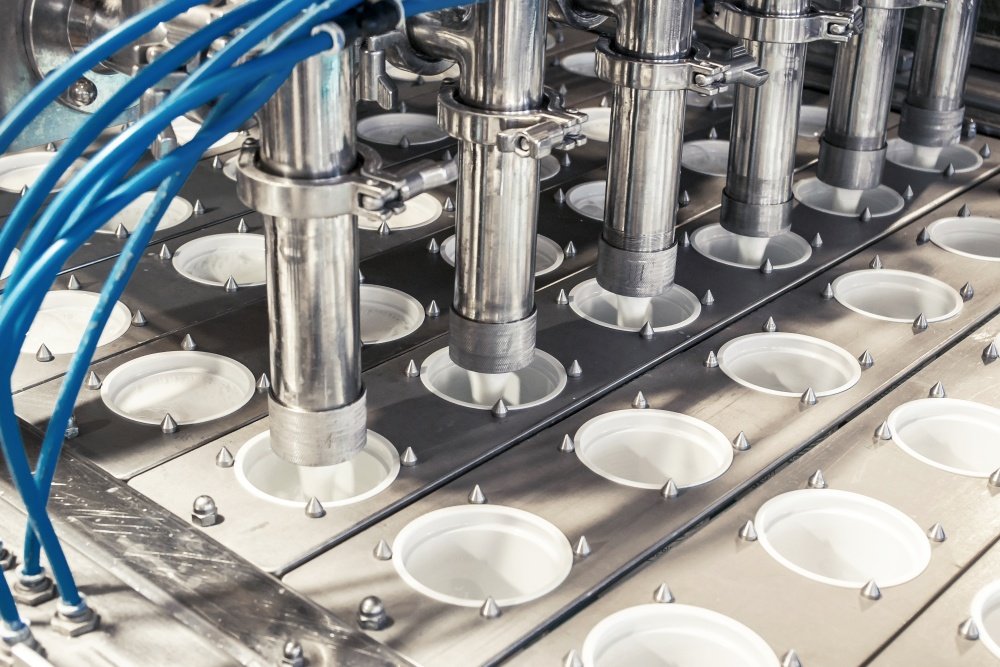
These are ideal for dry formulations, such as antibiotics, protein powders, and dietary supplements. Technologies include:
- Auger fillers.
- Vacuum fillers.
- Net weight fillers.
Aseptic Filling Machines
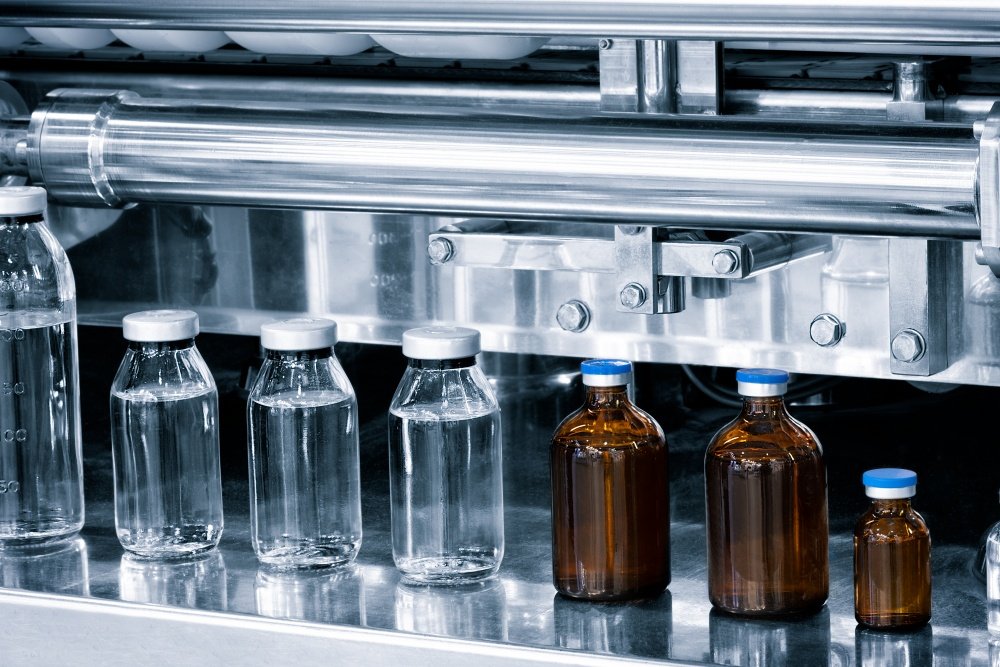
Designed for sterile injectable drugs, especially biologics, vaccines, and oncology medications. These machines operate under isolator or RABS (Restricted Access Barrier System) environments.
Tablet/capsule Fillers
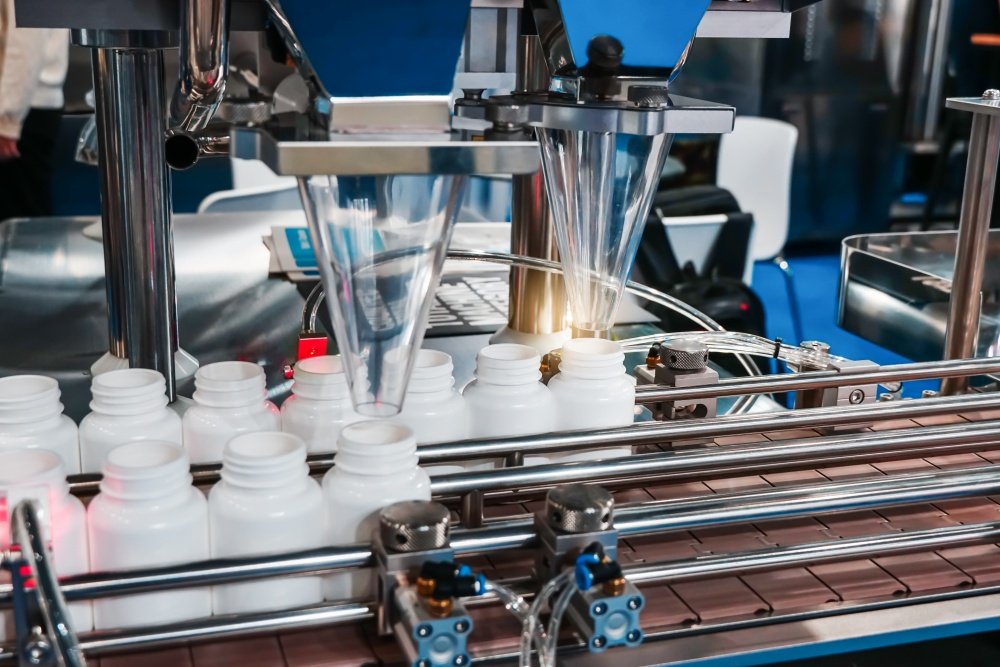
These machines sort, count, and insert tablets or capsules into blister packs, bottles, or sachets with exceptional speed and accuracy.
Ampoule and Vial Filling Machines
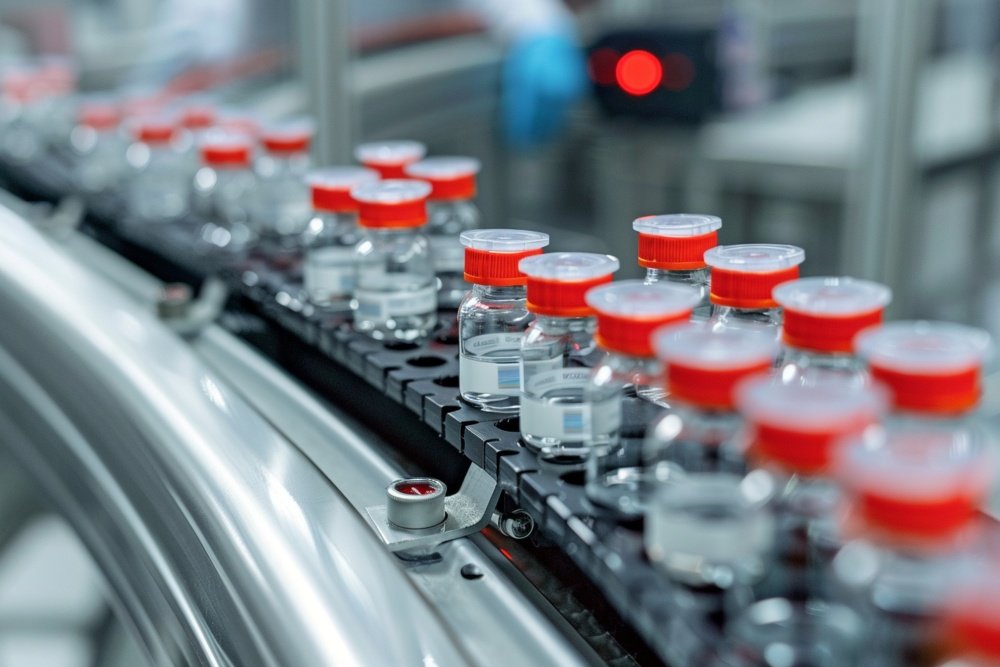
These are critical in the manufacture of parenteral products. Designed for small-volume, sterile filling and sealing of glass ampules or vials.
Each of these types plays a crucial role depending on the formulation being handled, the packaging requirements, and the scale of production.
Key Components of a Filling Line Machine
A modern filling line machine typically includes multiple integrated components that work in harmony to deliver efficiency, precision, and compliance:
Container Feeding System
Starts the process by loading containers into the line. It can include unscramblers, vibratory feeders, or rotary tables depending on the container type.
Filling Station
This is the core section. It dispenses a pre-defined quantity of product using pumps or nozzles, tailored to liquid, semi-solid, or powder consistency.
Stoppering or Capping System
It applies stoppers, caps, or lids to containers immediately after filling to minimize exposure.
Sealing and Labeling Unit
Heat seals, crimping tools, or induction sealers ensure leak-proof packaging. Labeling units apply complaint product labels with batch numbers and expiration dates.
Inspection System
It uses cameras or sensors to detect underfilled, overfilled, or damaged containers and automatically removes them from the line.
Outfeed Conveyor
It transports the filled and sealed product to the secondary packaging or palletizing area.
Benefits of Using Filling Line Machines in the Pharma Industry
Pharmaceutical companies benefit enormously by investing in high-quality filling line machines. Here is how:
Accuracy and Consistency
With dosing accuracy often within ± 1%, these machines eliminate underfilling or overfilling, both of which can have costly consequences.
Sterility and Hygiene
Designed in compliance with GMP and ISO standards, these machines maintain sterile conditions, reducing the risk of cross-contamination.
Increased Throughput
Automated machines drastically increase the speed of production, fulfilling high-volume orders without compromising quality.
Reduced Labor Costs
Once set up, one operator can monitor multiple machines, significantly lowering operational labor needs.
Regulatory Compliance
Filling machines often include validation tools and electronic batch records to meet FDA and GMP regulations, easing audits.
Scalability
From small-batch production to full-scale commercial manufacturing, filling line systems can be easily scaled as demand grows.
Flexibility for Multiple Product Types
Some machines are modular and can be adapted for different formulations and packaging sizes, offering better ROI.
Automation and Smart Technologies in Filling Lines
Pharma manufacturing is evolving with Industry 4.0, and so are filling line machines. Automation, data analytics, and IoT integration have transformed these systems into intelligent production assets.
Real-time Monitoring
Sensors and machine vision track fill volumes, seal integrity, and container defects in real-time.
CFR Part 11 Compliance
Software integrated into modern filling lines ensures electronic recordkeeping, audit trails, and user access controls for regulatory compliance.
Recipe Management
Operators can easily switch between products or batches using HMI (Human-Machine Interface) touch panels, reducing downtime.
Remote Diagnostics
Cloud connectivity enables remote troubleshooting, predictive maintenance, and system upgrades without halting production.
Factors to Consider When Choosing a Filling Line Machine
Before investing in a filling line machine, pharmaceutical manufacturers must evaluate several critical factors:
Type of Product
Liquid, powder, cream, suspension, or injectable, each requires different technology for optimal results.
Filling Volume
Machines must accurately handle the desired fill volume range, from small vials (1 to 2 mL) to large bottles (1000+ mL).
Production Capacity
Batch size and line speed will determine the number of filling heads and the level of automation required. Choose a semi-automatic option for low-volume needs or a high-speed automatic line for large-scale production.
Container Types
Compatibility with various container shapes, such as vials, ampules, syringes, and bottles, is essential.
Compliance Needs
Ensure the system complies with GMP, cGMP, FDA, and ISO standards. Also, make sure it supports IQ/OQ/PQ documentation.
Cleanroom Integration
If used in an aseptic environment, the machine must support clean-in-place (CIP) or sterilize-in-place ( SIP) capabilities. Verify if the machine meets Class 100 (ISO 5) or Class 10,000 (ISO 7) standards, depending on your requirements.
After-Sales Support and Spare Parts
Good OEM support is important for minimizing downtime and ensuring long-term reliability.
Conclusion
A filling line machine is far more than just a packaging tool; it is the final gatekeeper of pharmaceutical manufacturing success. From sterility assurance to production efficiency and regulatory compliance, it plays a pivotal role across formulation types. By understanding the machine’s features, applications, and challenges, pharma companies can invest more intelligently and produce more safely.
References:
What is a Bottle Packaging Line? Key Features, Applications and Main Components.
How Many Packaging Lines Are Used in the Pharmaceutical Industry?
Packaging Line Equipment | Everything You Need to Know.
Bottling Line Equipment | Process and Types.
Inline Packaging Systems: The Future of Manufacturing Automation.