English
  Russian
  Turkish
  Spanish
  French
  German
  Japanese
As a small business owner, packaging might be one of the last things you pay attention to. However, it’s one of the first things that affects efficiency, product presentation, and customer experience.
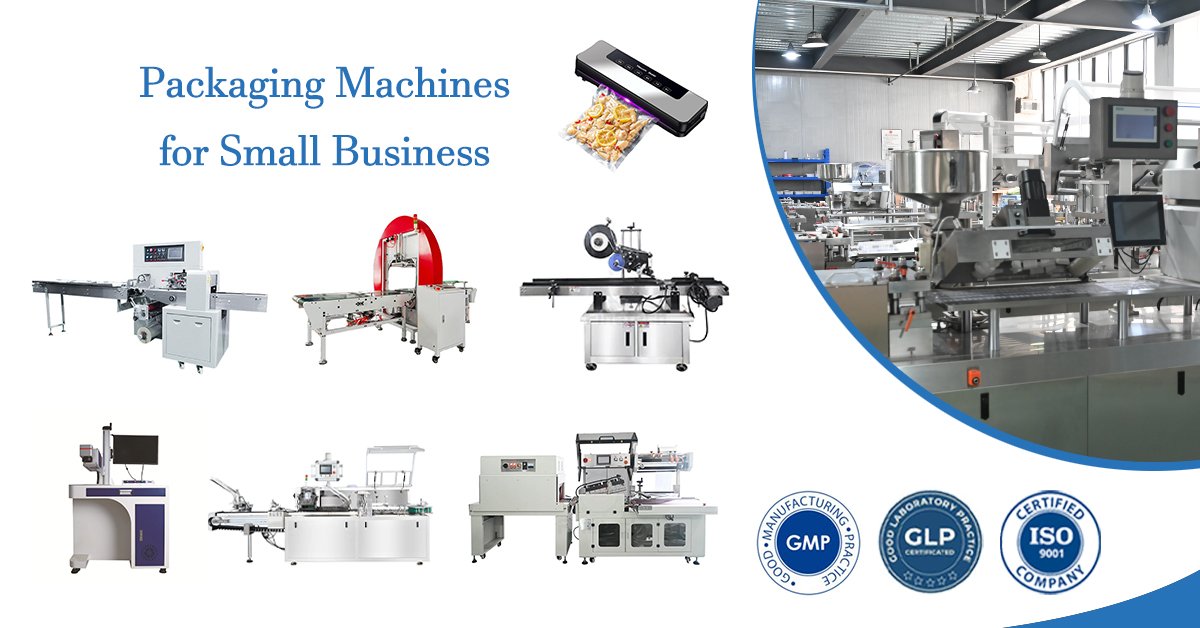
All you need is a packaging machine for small businesses. It doesn’t have to be massive or a six-figure investment. You can get more than enough benefit from a compact one that’s affordable and easy to operate.
In this guide, we will break down everything you need to know about packaging machines, types, what to look for, how much to budget, and more.
Why Small Businesses Need a Packaging Machine
Manual packaging feels manageable early on, but the costs compound fast. Labor alone accounts for 60 to 70 percent of total packaging costs, with a single packaging position costing between $25,000 and $35,000 annually.
Beyond cost, packaging directly affects how customers perceive your product. A national study by the Paper and Packaging Board and IPSOS found that 72% of consumers say packaging design influences their purchasing decision.
This is where packaging machines become a strategic investment rather than just an upgrade. They reduce reliance on manual labor, improve consistency, and allow small businesses to scale output without proportional increases in cost.
The right time to invest is when packaging begins slowing down fulfillment, driving up labor expenses, or producing inconsistent results that affect customer experience.
Types of Packaging Machines for Small Businesses
Choosing the right machine starts with understanding what each type actually does. Here are the most relevant packaging machines for small businesses:
1. Heat Sealing Machines

Heat sealers close and seal flexible packaging such as pouches, bags, and sachets using heat and pressure. They are one of the most common entry-level packaging machines due to their low cost, ease of use, and suitability for a wide range of products, including food, cosmetics, and supplements.
2. Vacuum Sealing Machines
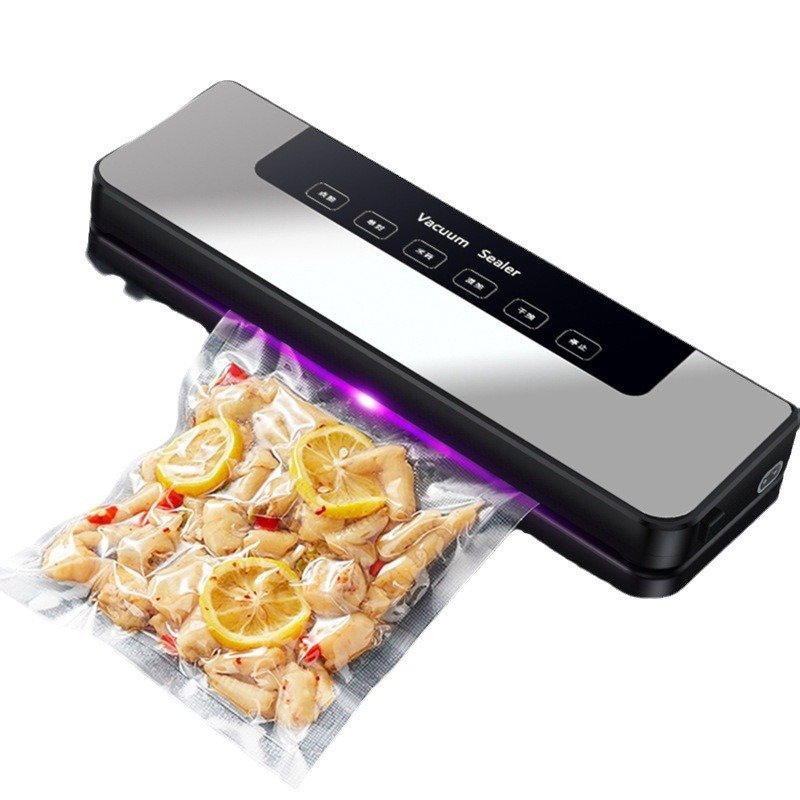
Vacuum sealers remove air from the packaging before sealing, extending product shelf life significantly. They are particularly useful for food products, nutraceuticals, and any product sensitive to moisture or oxidation.
3. Shrink Wrap Machines
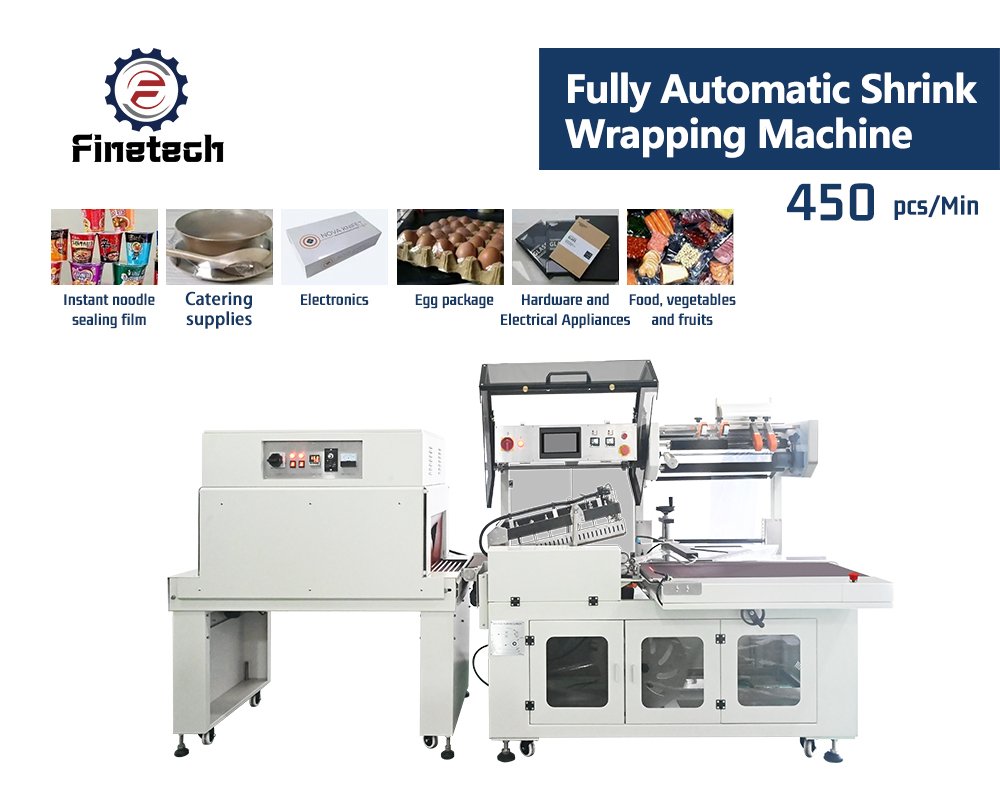
Shrink wrap machines wrap products in a plastic film that shrinks tightly around the item when heat is applied. These machines are widely used for bundling products, wrapping retail items, and adding a tamper-evidence layer to packaging.
4. Flow Wrap Machines
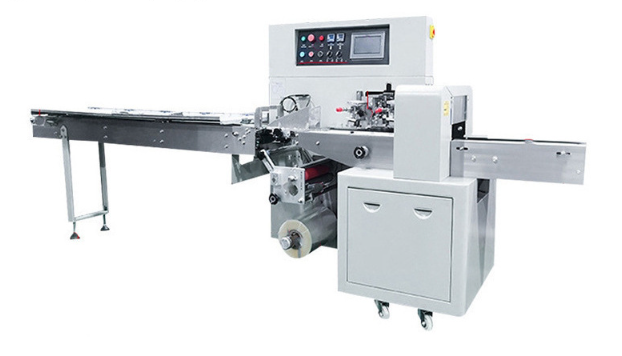
Also known as horizontal flow wrappers, these machines wrap products in a continuous film to create a sealed, tight package. They work well for solid products like bars, baked goods, and personal care items, and are a strong upgrade option once manual wrapping becomes a bottleneck.
5. Labeling Machines
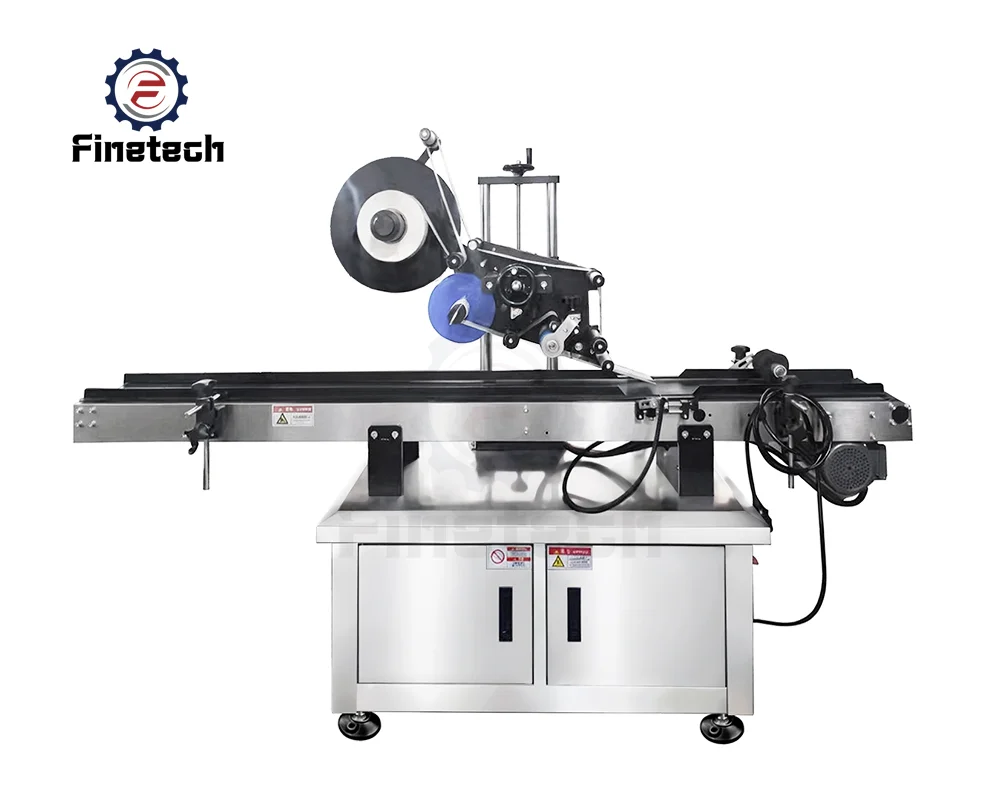
Labeling machines apply pre-printed labels accurately and consistently onto bottles, jars, pouches, and boxes. For small businesses, consistent and professional labeling is not just about aesthetics; it is often a regulatory requirement depending on the industry.
6. Carton Sealing Machines
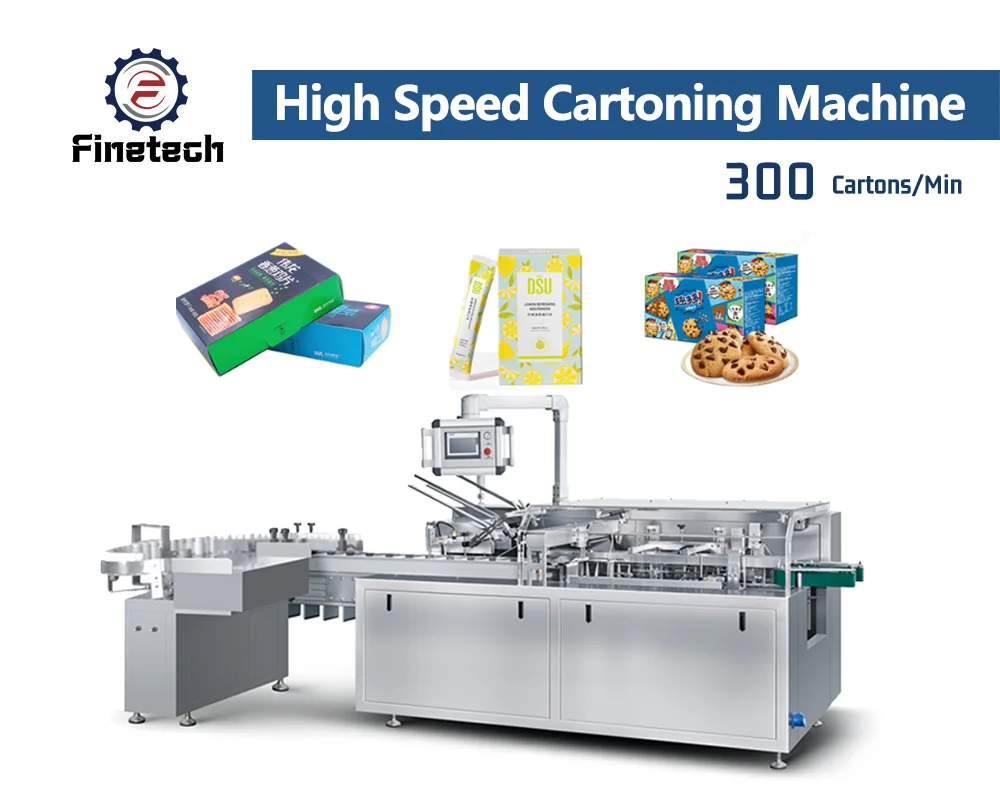
Carton sealers fold and seal cardboard boxes using tape or adhesive. For businesses fulfilling orders regularly, a carton sealer speeds up the packing process considerably and ensures every box is sealed uniformly.
7. Strapping Machines
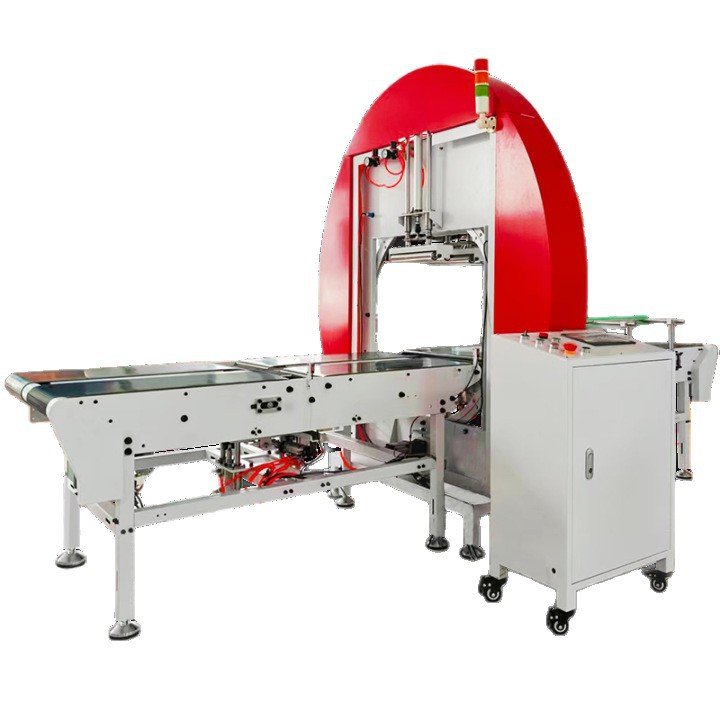
Strapping machines secure packages, bundles, or pallets with a plastic or steel strap. They are particularly useful for businesses shipping heavier products or bundling multiple units together for retail or wholesale.
8. Coding and Marking Machines
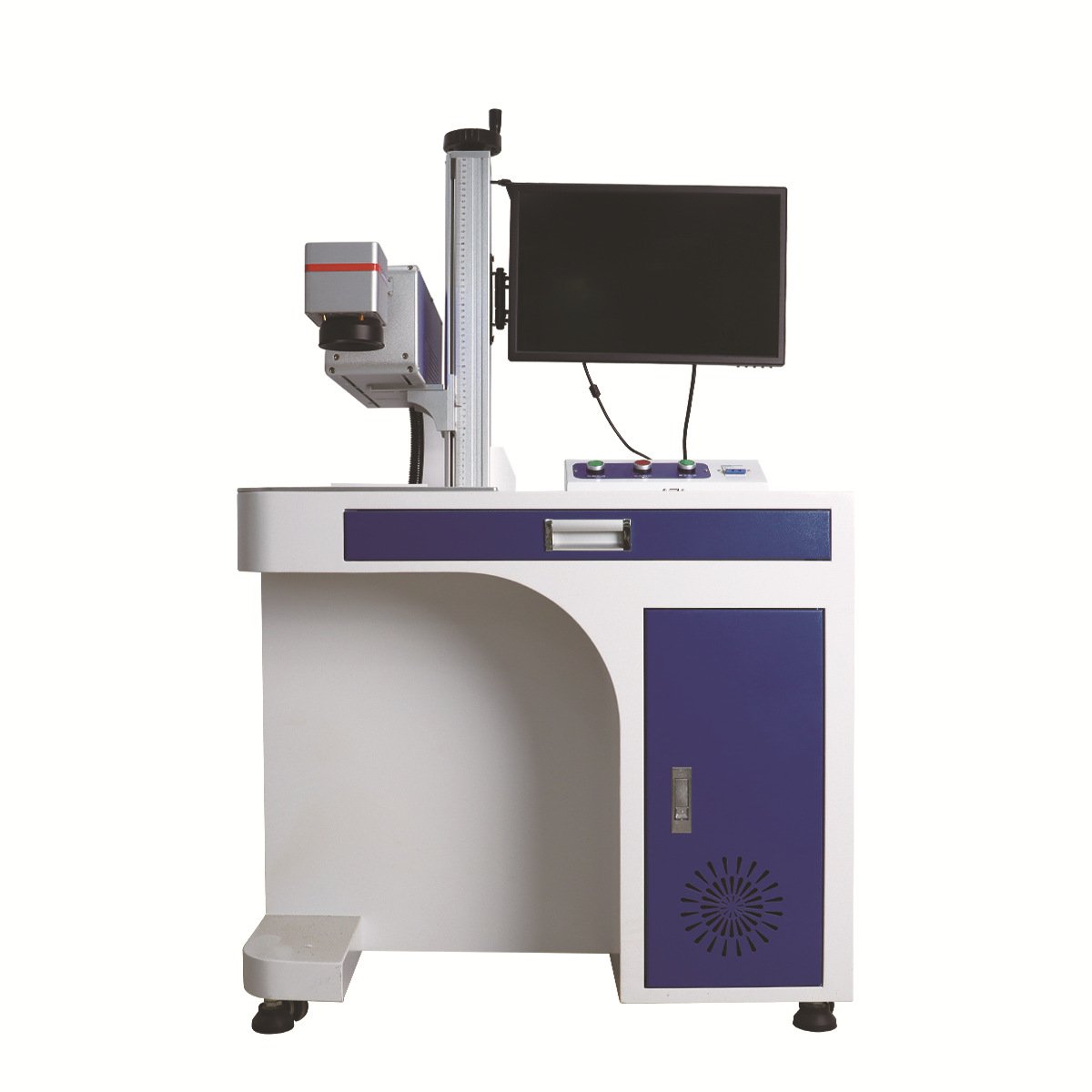
Coding machines print batch numbers, expiry dates, barcodes, and other variable information directly onto packaging. For most industries, this is a compliance requirement, and doing it manually is both slow and prone to error.
How Much Does a Packaging Machine for a Small Business Cost?
Packaging machine prices vary depending on the type, automation level, and production capacity. To help you understand the cost, we’ve created a simple table for you.
| Machine Type | Entry level | Mid-Range | Advanced |
| Heat Sealing Machine | $500-$2,000 | $2,000 – $8,000 | $8,000+ |
| Vacuum Sealing Machine | $300 – $1,500 | $1,500 – $6,000 | $6,000+ |
| Shrink Wrap Machine | $1,000 – $3,000 | $3,000 – $10,000 | $10,000+ |
| Flow Wrap Machine | $5,000 – $15,000 | $15,000 – $40,000 | $40,000+ |
| Labeling Machine | $1,000 – $5,000 | $5,000 – $20,000 | $20,000+ |
| Carton Sealing Machine | $500 – $3,000 | $3,000 – $10,000 | $10,000+ |
| Strapping Machine | $800 – $3,000 | $3,000 – $8,000 | $8,000+ |
Hidden Costs to Watch Out For
The sticker price is rarely the full picture. Spare parts, consumables, routine maintenance, and operator training all add to your total cost of ownership.
Installation and commissioning fees are often quoted separately, especially for more complex machines. Before committing, ask your supplier for a full breakdown that includes these costs upfront.
How to Calculate ROI
The simplest way to calculate ROI is to compare your current annual labor cost for manual packaging against the total investment in a machine.
For instance, manual packaging costs around $0.240 per unit, semi-automatic drops to $0.127 per unit, and fully automatic brings it down to $0.107 per unit. So, at 500,000 units annually, the difference between manual and fully automatic packaging is $66,500 per year.
This means that for most small businesses, a well-chosen machine pays for itself within one to two years.
Key Factors to Consider Before Buying
If you are serious about buying a packaging machine for your small business, you need to keep a few things in mind. These might sound simple; however, all of them have an impact on the machine you choose.
1. Product Type and Packaging Format
The type of product you are packaging, its size, weight, fragility, and shelf life requirements directly determine which machine is suitable.
A shrink wrap machine works for solid retail products, but it is the wrong choice for a powder or liquid pouch. Be specific about your packaging format, too, whether that is bags, pouches, boxes, or cartons.
2. Production Volume and Speed Requirements
Match the machine to your current volume, not your ideal future volume. Overspending on a high-speed, fully automatic machine when you are running low volumes means poor return on investment.
On the other hand, underspending on a machine that cannot keep up with demand creates bottlenecks. Know your units per hour requirement and choose a machine that comfortably meets it with room to grow.
3. Available Floor Space
Packaging machines vary significantly in footprint. A compact heat sealer needs minimal space, while a flow wrap machine requires a dedicated production area.
Measure your available floor space before shortlisting any equipment and factor in clearance for operators, maintenance access, and material flow around the machine.
4. Ease of Operation and Maintenance
A machine that is difficult to operate or hard to maintain will cost you more in the long run. This is not a minor consideration. Industry data consistently shows that equipment failure accounts for 42% of all unplanned downtime incidents.
Before buying, ask your supplier how frequently the machine requires servicing, how accessible spare parts are, and whether local technical support is available. A simple, well-supported machine will outperform a complex one that your team struggles to maintain.
5. Budget and ROI Expectations
Set a realistic budget that accounts for the full cost of ownership, not just the purchase price. Spare parts, consumables, installation, and training all add to the total investment.
Once you have a number, calculate your expected ROI by comparing current annual labor costs against projected savings. Most small business packaging machines pay for themselves within one to two years with the right machine.
FAQs
1. How quickly can a packaging machine pay for itself?
Many small businesses recover their investment through labor savings, faster order fulfillment, reduced packaging waste, and increased production capacity. The actual payback period depends on order volume and labor costs.
2. Is buying a used packaging machine a good idea?
Used machines can save money if they come from reputable sellers and have documented maintenance records. However, older equipment may lack replacement parts, warranties, or modern efficiency features.
3. What is the biggest mistake small businesses make when buying a packaging machine?
Many businesses buy based on maximum speed rather than actual production needs. This often leads to overspending on equipment that sits underutilized. It’s usually better to choose a machine that handles your current volume plus moderate growth instead of paying for industrial-level capacity you may never need.
Struggling to Find the Right Packaging Machine? Finetech Can Help
Choosing the wrong packaging machine for a small business costs more than the machine itself. It costs you time, labor, production efficiency, and, in many cases, the professional image your product deserves on the shelf.
So, if you are still unsure where to start, don’t rush in. We, at Finetech, are here to help you with that.
Finetech is a GMP-compliant equipment manufacturer with over 30 years of experience, servicing the pharmaceuticals, food, cosmetics, and household chemicals. We will assess your needs and recommend a solution that fits your product, space, and budget.