English
  Russian
  Turkish
  Spanish
  French
  German
  Japanese
Powder filling machines are widely used in industries like food, pharmaceuticals, and chemicals, but most people see them as a single unit. In reality, they are a system of interconnected spare parts working together to measure, control, and fill powder with precision.
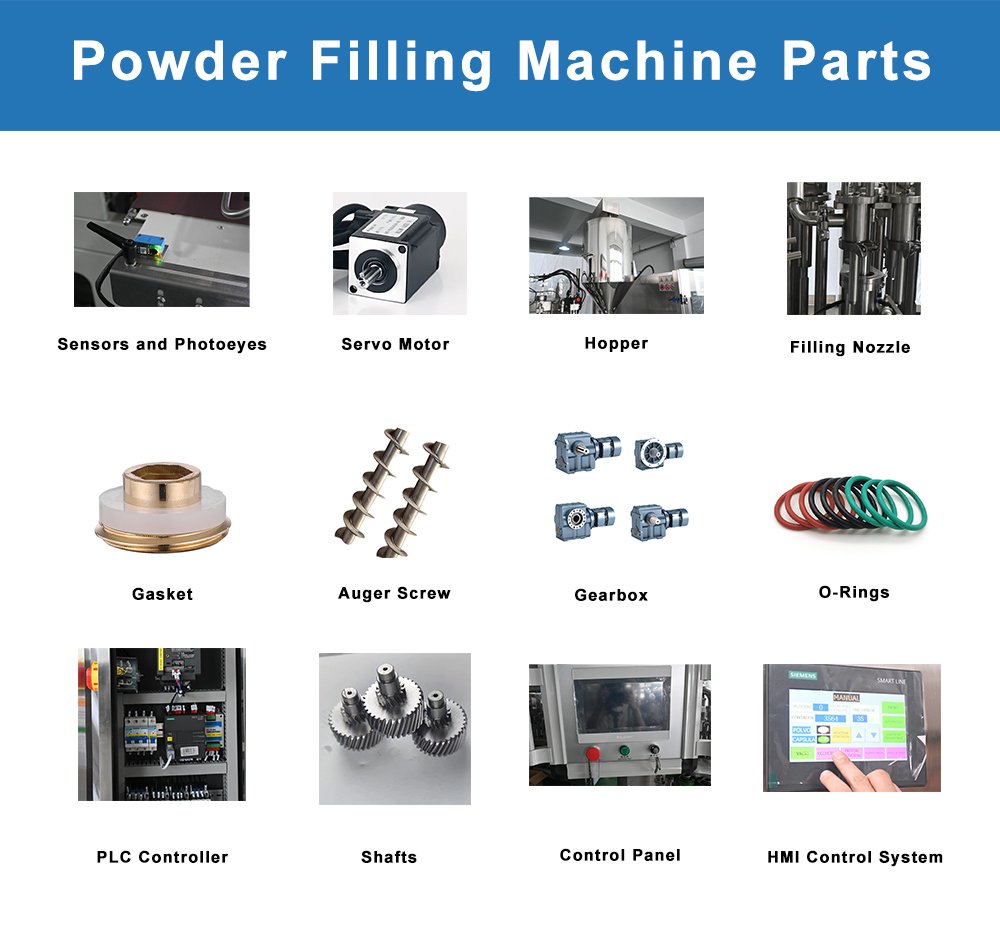
Each component plays a specific role in the process. From dosing and filling to sealing and control, every part directly impacts accuracy, speed, and consistency. Even a small fault in one component can disrupt the entire operation.
That’s why understanding the powder filling machine parts name is so important. Once you know what each spare part does, it becomes easier to understand how the machine works, how issues develop, and how performance can be improved.
In this guide, we’ll break down the main spare parts of a powder filling machine and explain their functions in a simple, practical way.
Mechanical Spare Parts of a Powder Filling Machine
Mechanical spare parts are the core working components that handle the actual movement and dosing of powder inside the machine. Their performance directly affects how accurately the filling process stays during operation.
1. Hopper
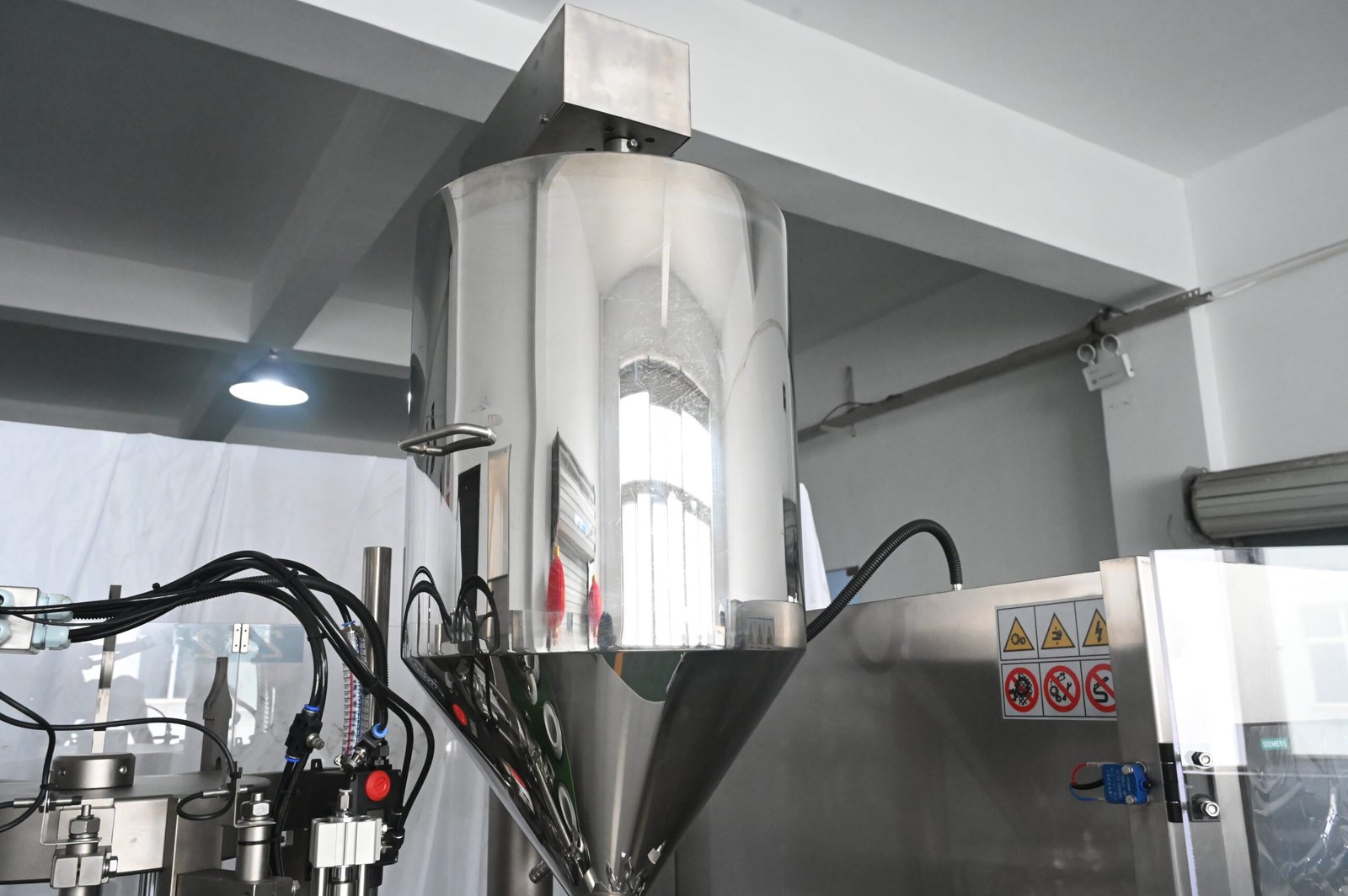
A hopper is the upper container of the machine where the powder is placed before it goes into the filling system. It stores the material and releases it gradually, so the machine can keep running without sudden pressure or gaps in flow.
The main function is to supply powder to the system at a stable rate. Stable material flow ensures uniform filling across all containers. Any disruption in this section can lead to uneven filling levels or breaks in the production process.
2. Auger Screw
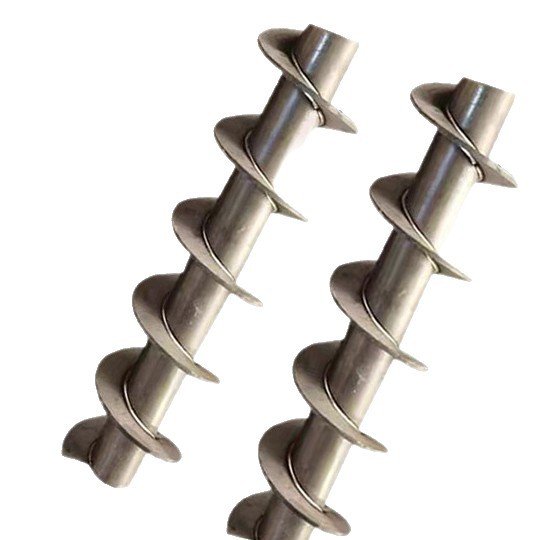
An auger screw is a spiral part that sits inside the machine and carries the powder forward from the hopper to the filling area. It turns slowly and keeps the powder moving in a controlled way to prevent it from dropping all at once.
The job of an auger screw is to measure and control the amount of powder being filled into each container. By adjusting its rotation speed, the machine can keep the quantity consistent every time. This level of accuracy is extremely important for following SOP requirements in the pharmaceutical industry.
3. Filling Nozzle
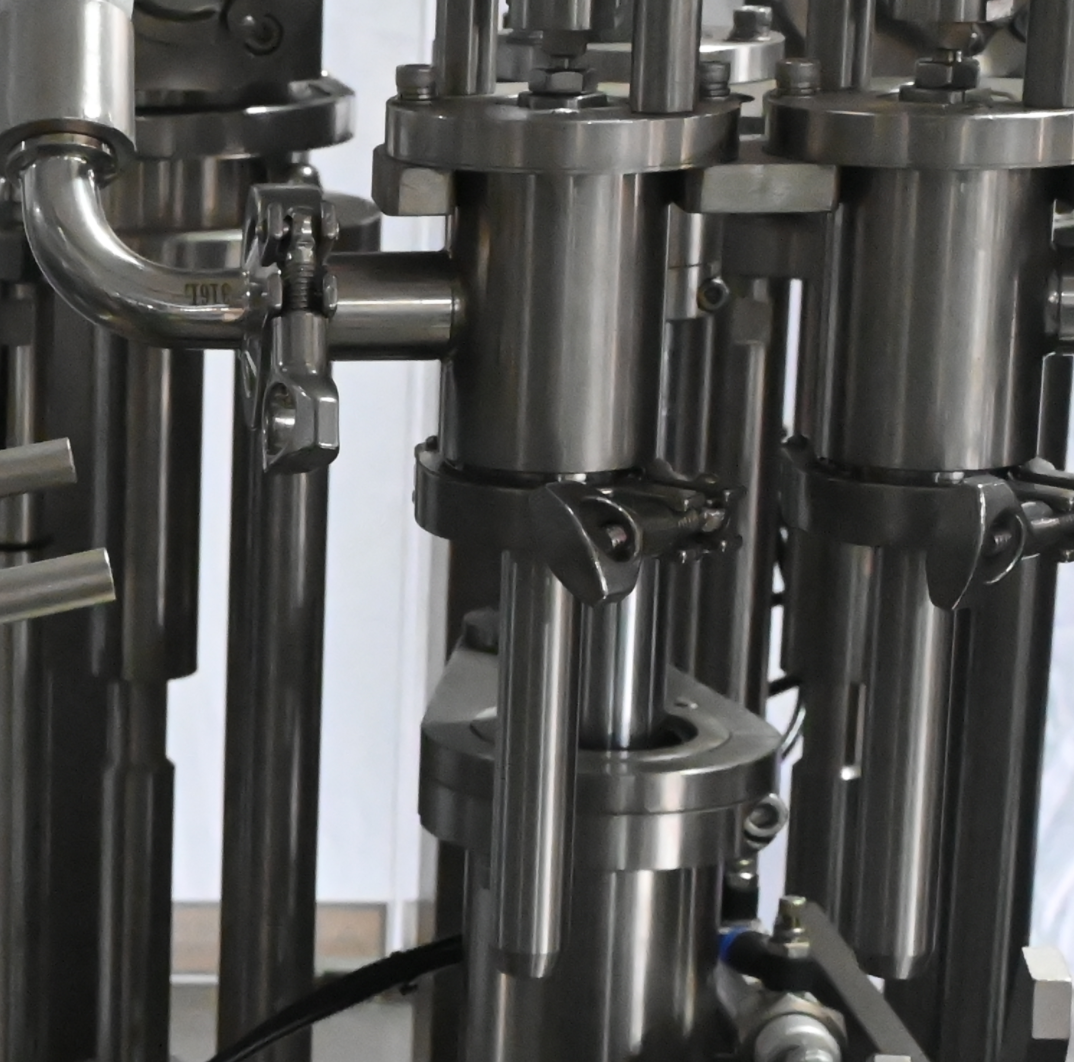
A filling nozzle is the component that dispenses powder directly into bottles, jars, or other containers. Positioned at the machine outlet, it controls the final transfer of the measured dose and guides the powder smoothly and accurately into each container.
This part helps make sure the filling stays neat and does not spill around the container. Typically, the nozzle is engineered to accommodate different container neck sizes, allowing the same machine to handle different packaging types and dimensions.
4. Motor
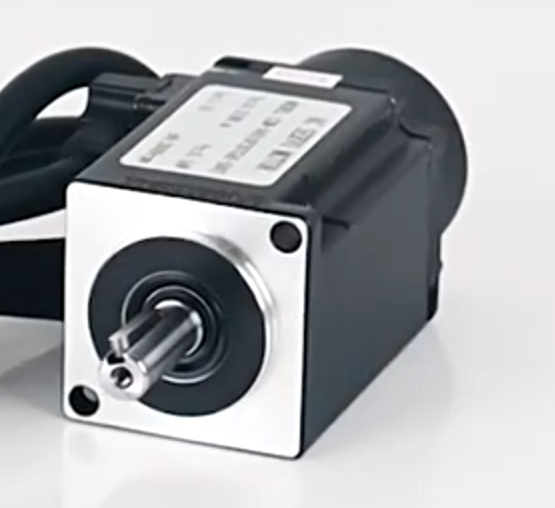
The motor acts as the primary power source of the powder filling machine. Electrical energy is converted into mechanical motion, which drives key components such as the auger and other filling mechanisms, enabling controlled powder movement throughout the system.
By maintaining consistent operation of these parts, the motor ensures stable and accurate filling performance. Without it, the machine’s mechanical functions cannot operate.
5. Gearbox
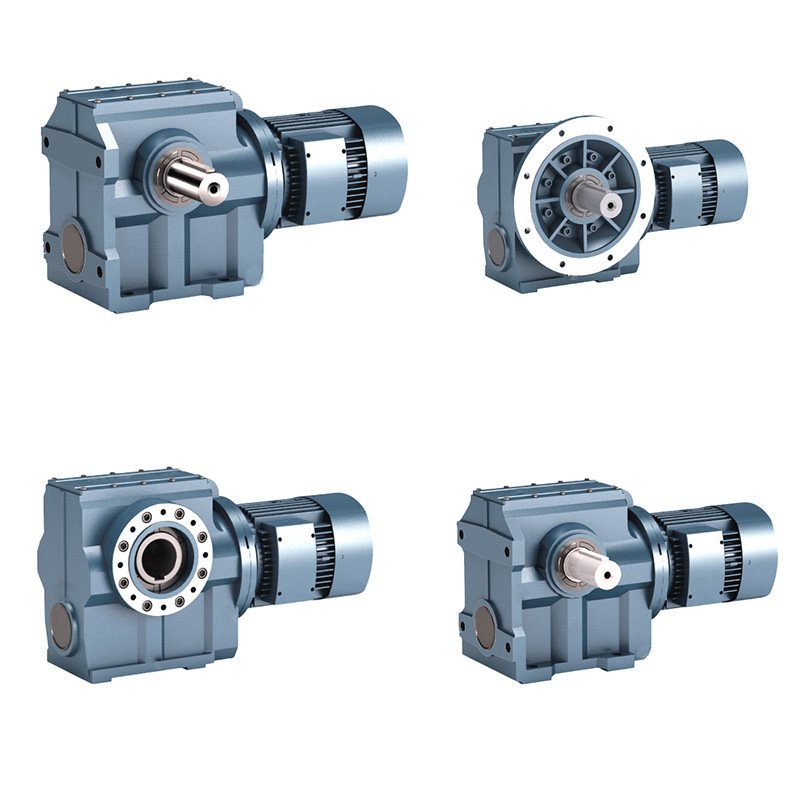
A gearbox is a part that manages how power from the motor is used inside the machine. It also helps match the motor’s output with what the machine actually needs to run properly.
Located between the motor and the moving mechanisms, the gearbox regulates speed and torque to ensure smooth, controlled operation. This system is a revolutionary approach to mechanical transmission, optimizing power delivery so the machine runs at the correct speed and force required for accurate and efficient performance.
Electrical Spare Parts of a Powder Filling Machine
Electrical spare parts of a powder filling machine are responsible for controlling how the system operates and responds during production. While these components do not come into direct contact with the powder, they manage electrical signals, timing, and coordination, so each process runs in the correct sequence.
1. Control Panel
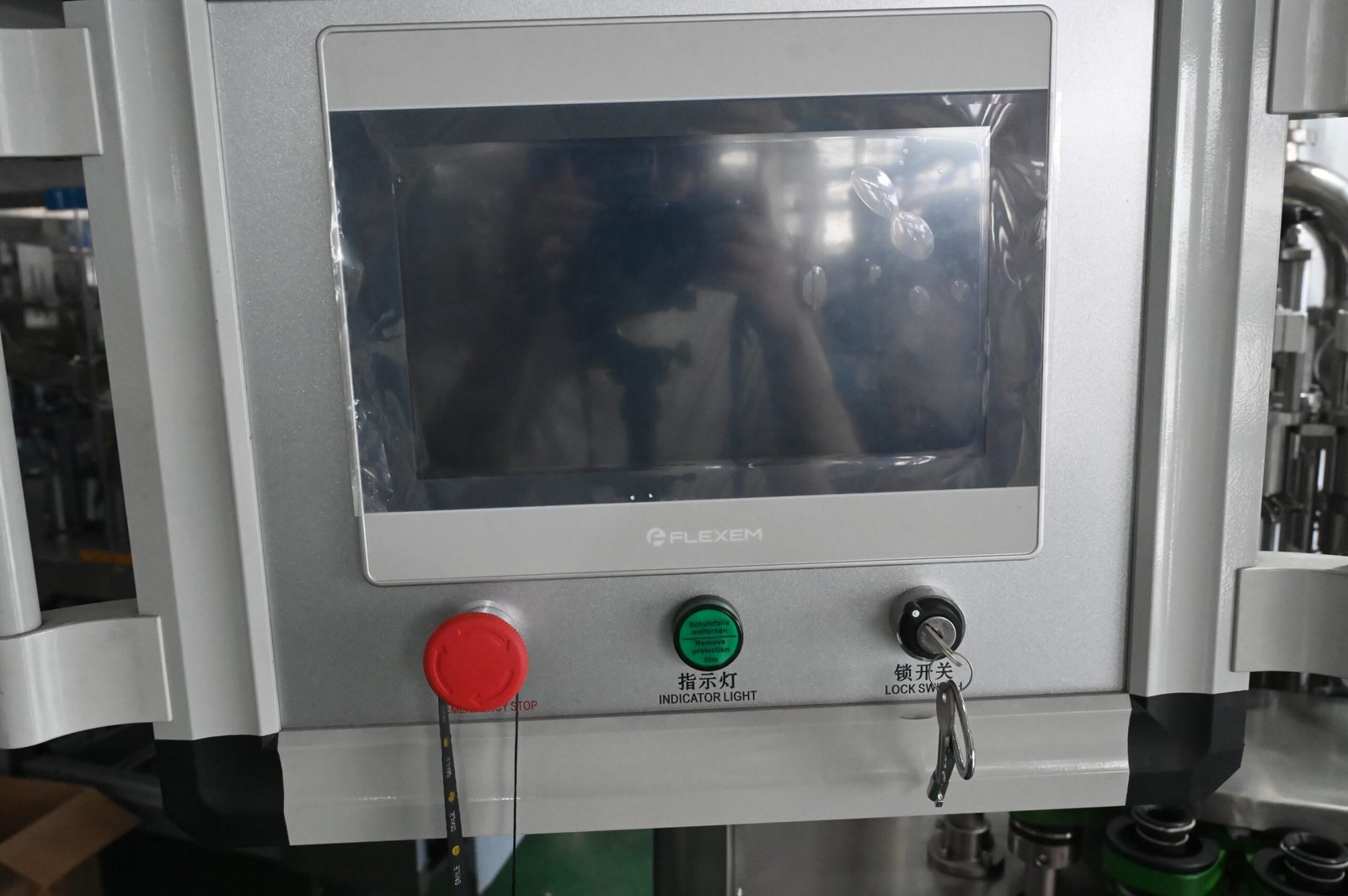
The control panel is the main area where the machine is operated. It includes buttons, switches, and displays that are used to start or stop the machine and set basic operating functions.
Operators can also select different production modes and set batch parameters such as quantity and timing. Real-time performance data appears on the screen, which makes it easier to monitor and control the process during operation.
2. PLC Controller
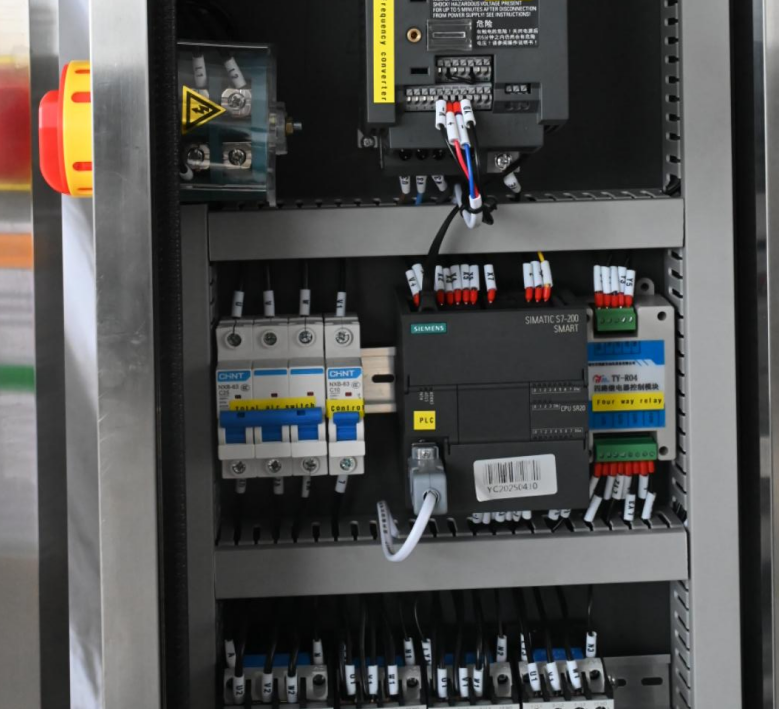
A Programmable Logic Controller (PLC) is a small computer used inside the machine to control how everything runs. Operating on pre-programmed instructions, the PLC makes sure each process step is executed in the correct sequence.
The PLC manages timing and coordination between different machine components by sending signals to start, stop, or adjust functions. This results in a more organized, consistent, and reliable system operation.
3. HMI Control System
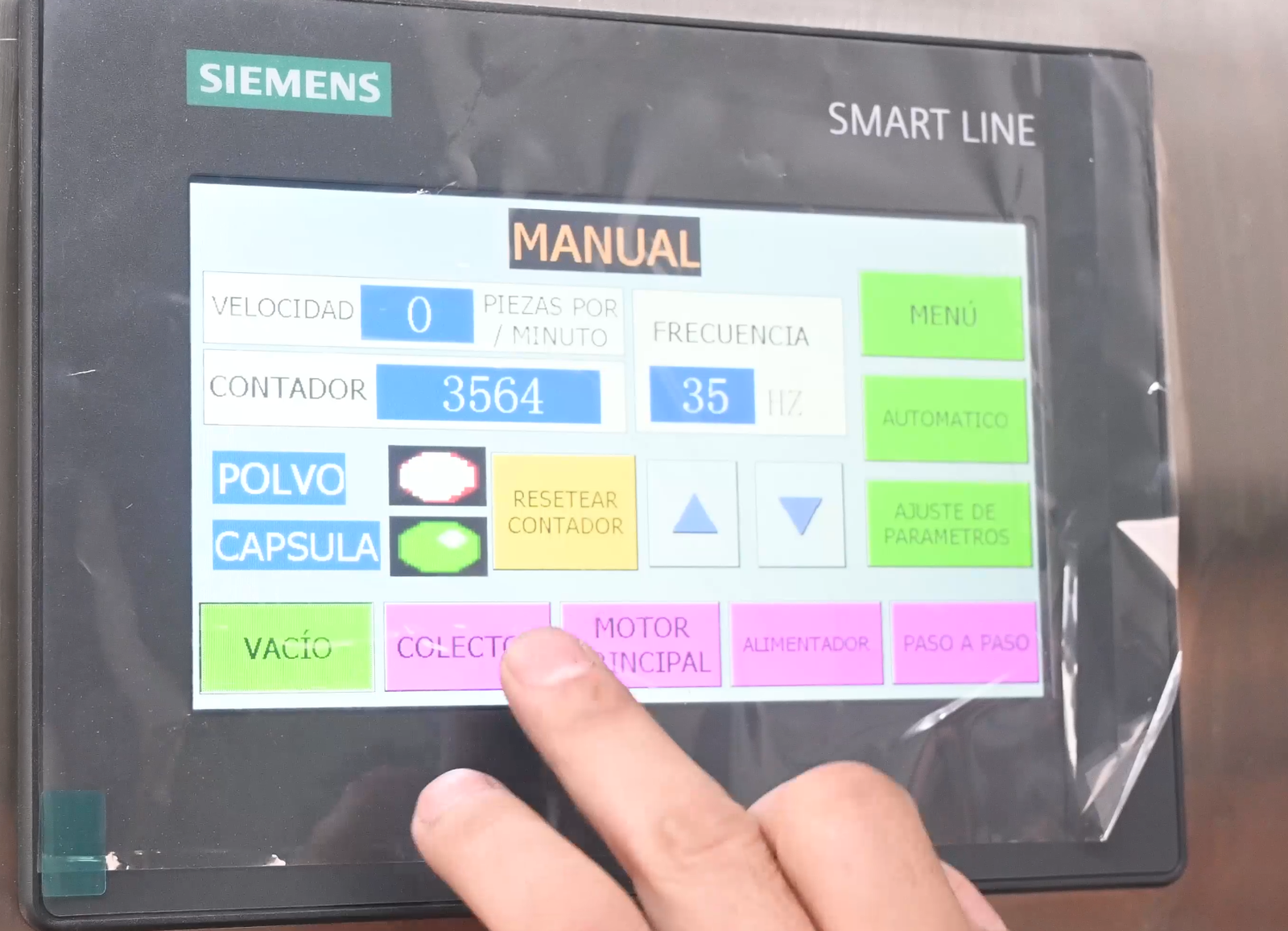
The Human Machine Interface (HMI) is a display screen that allows operators to monitor machine operations in real time. It presents key settings and system status in a clear format, making the process easy to understand and follow.
Through the HMI, operators can also check alerts and performance updates without stopping the machine. Direct on-screen controls allow adjustments to settings instantly, which improves flexibility and overall operational efficiency.
4. Sensors
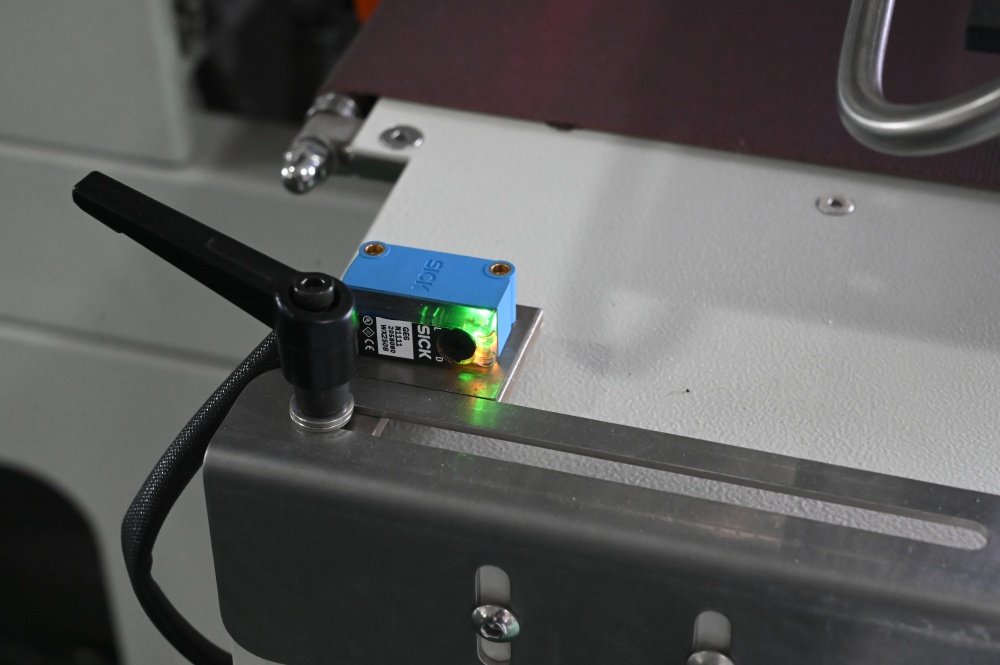
Sensors are small parts in the machine that detect and monitor different actions while it is running. They can check things like fill level and if containers are in the right position. Such monitoring is extremely helpful, as it can reduce downtime by up to 50% and extend machine life by up to 40%.
In some modern machines, sensors also help track live performance and send this information to a central system for analysis. This makes it easier to spot issues as soon as possible and keep the machines running properly.
Wear and Replacement Spare Parts of a Powder Filling Machine
Within the powder filling machine parts name, wear and replacement parts are those components that require periodic replacement. They support smooth operation by keeping the machine properly sealed and reducing the risk of leaks or mechanical looseness.
1. Seals and Gaskets
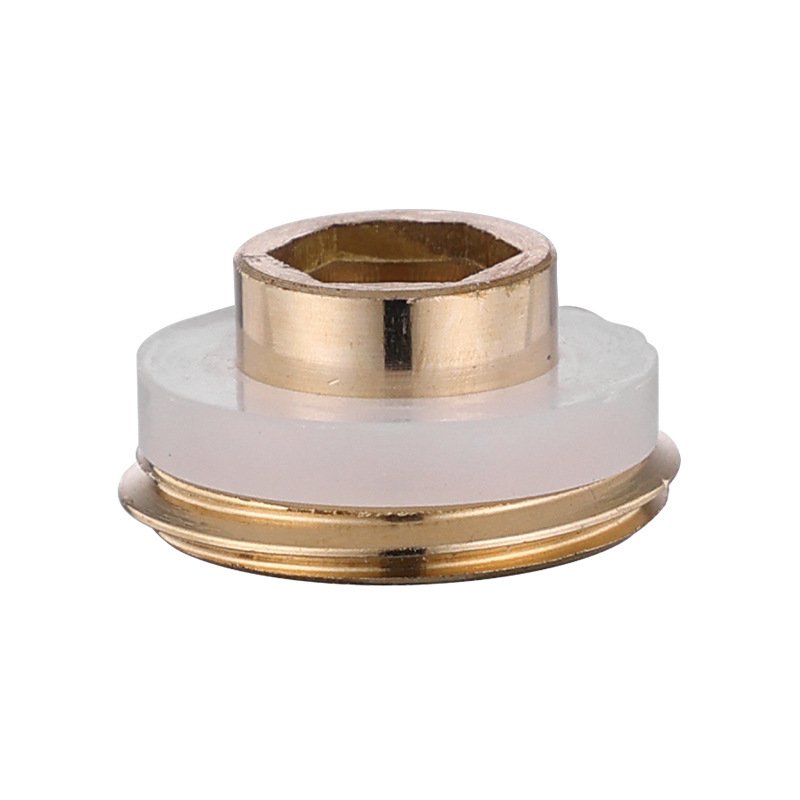
Seals and gaskets are components used to close gaps between different machine parts. Their main function is to prevent powder leakage while maintaining a tight and secure fit during operation.
2. Shafts
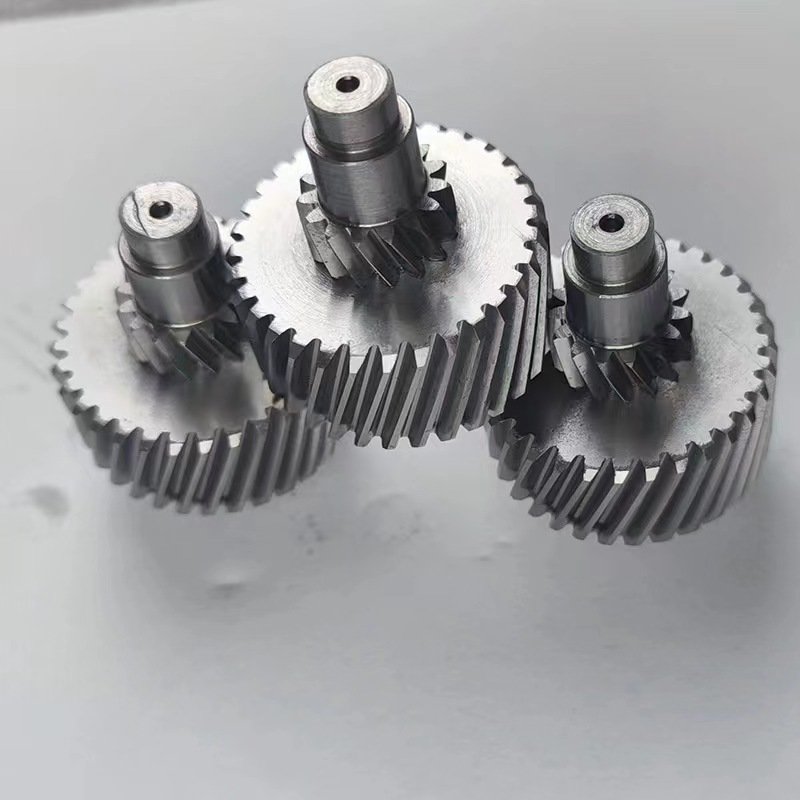
Shafts are long, rotating parts that help transfer movement inside the machine. They support different mechanical actions and keep the system running in sync.
3. O-Rings
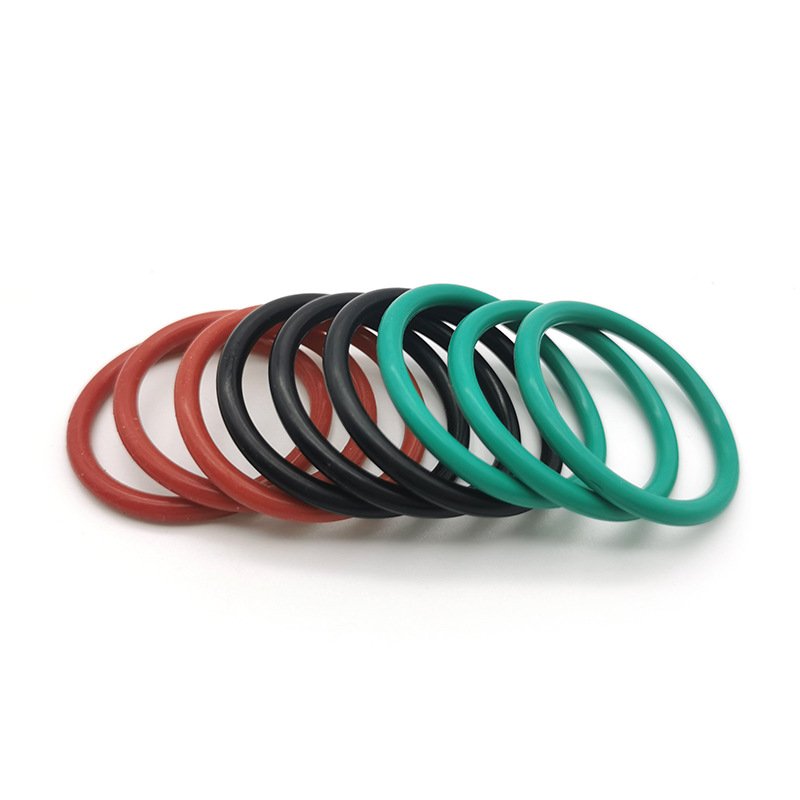
O-rings are small rubber rings used at joining points. They help prevent leakage and make sure connections between parts stay tight and secure.
FAQs
1. Why is an agitator used in powder filling machines?
The agitator keeps powder moving toward the auger so the machine can fill more consistently. It is especially useful for powders that bridge, clump, or do not flow smoothly. Without proper agitation, the machine may give uneven weights or stop feeding the product correctly.
2. What are powder filling machine sensors used for?
Sensors detect container position, powder level, filling status, and safety conditions. They prevent filling when no container is present and help reduce waste. In automatic lines, sensors are essential for smooth coordination between filling, conveying, sealing, and capping.
3. What safety parts are found in powder filling machines?
Common safety parts include guards, emergency stop buttons, interlocks, overload protection, dust control systems, and enclosed moving parts. For dusty powders, dust extraction is especially useful because it improves cleanliness and reduces airborne powder around the operator.
Get Your Pharmaceutical Filling and Packaging Process Running Without Delay
Knowing the powder filling machine parts name and functions is not the only way to maintain an efficient pharmaceutical facility. Machine quality, overall performance, and the manufacturer play an equally important role in guaranteeing smooth operations.
That’s why it is essential to work with partners who not only supply high-quality machinery but also provide reliable online and on-site installation support.
If you are looking for such a partner, Finetech offers dependable pharmaceutical machinery along with guidance to help set up and operate the equipment correctly.
Get in touch with us today to keep your pharmaceutical operations running without delays.