English
  Russian
  Turkish
  Spanish
  French
  German
  Japanese
Packaging is an important part of every industry, and the pharmaceutical industry is no exception. 72% of American consumers stated that their purchase decisions were influenced by a product’s packaging design. Therefore, you should focus on getting high-quality types of primary packaging machinery that make your products safe and aesthetic.
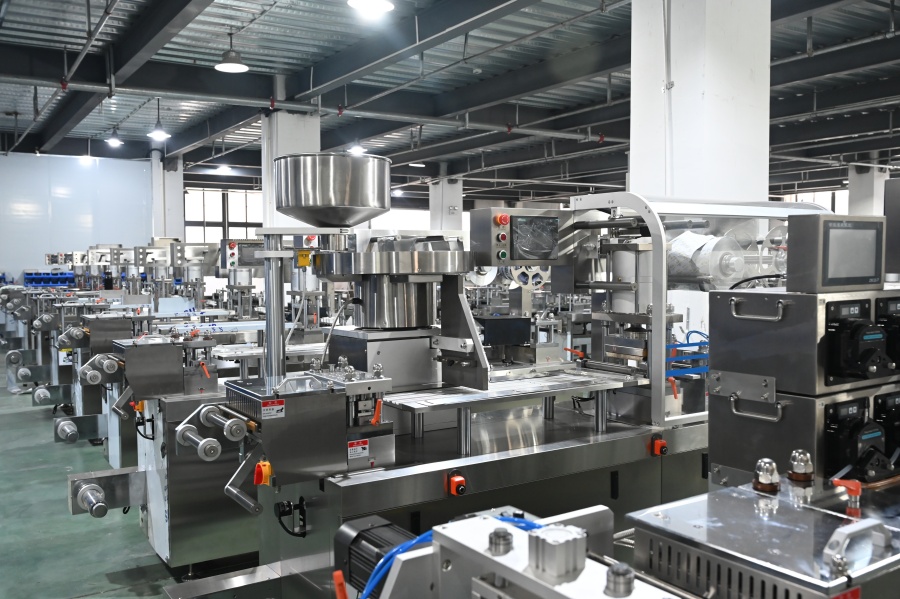
If you are confused about what primary packaging equipment is worth investing in and its difference from secondary machinery, keep reading!
What is Primary Packaging Machinery?
Primary packaging machinery applies the first packaging layer and comes in direct contact with the product. It’s the initial defense system against air and moisture, way before your pharma product touches the box or carton.
The ultimate goal of this equipment is to enhance product safety, hygiene, and shelf life. Some common examples of primary packaging include bottles, blisters, bags, and pouches.
Different Types of Primary Packaging Machinery
The primary packaging line isn’t limited to only one machine; instead, it involves the use of multiple pieces of equipment from bottle filling to capping and blister packing tools. Let’s discuss them in detail:
Bottle Filling and Capping Machines
Bottle filling and capping machines are an integral part of your primary packaging machinery. The former fills water-based, semi-viscous, and foamy liquids into bottles made of glass, PET, plastic, stainless steel, and aluminum.
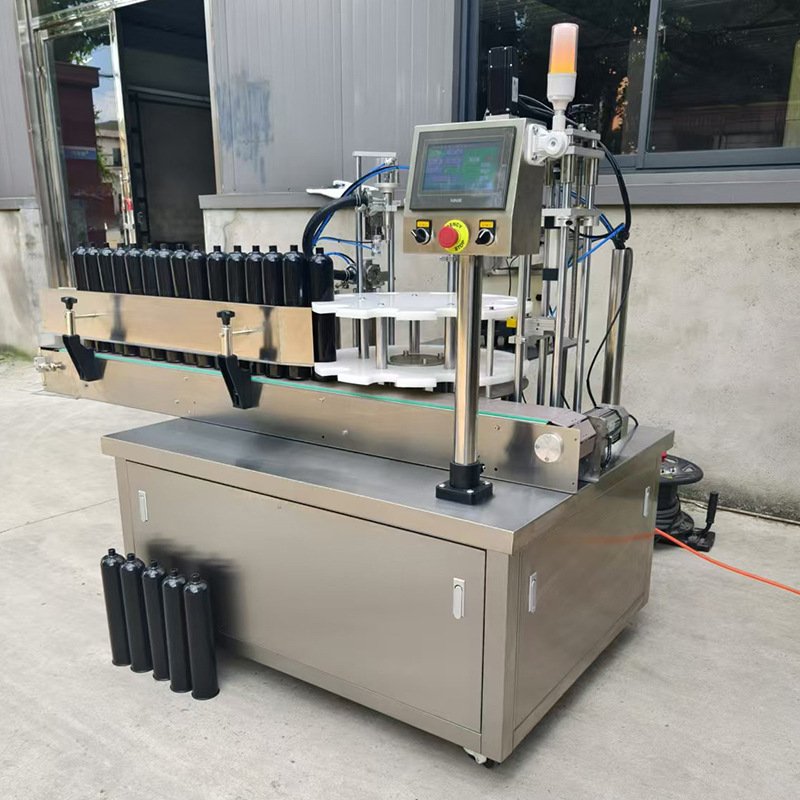
While the capping machines apply caps to bottles, creating a secure closure. This prevents the content of the bottle from spilling out and also shields against external factors like oxygen and moisture. Here’s the general working mechanism of bottle filling and capping equipment:
- You can either hand-feed bottles on a stainless steel belt conveyor, or they will be taken automatically and arranged correctly under a filling machine. However, before alignment, bottles are rinsed and cleaned thoroughly to avoid any debris.
- The filling head has multiple components, including nozzles, a head, and syringes. It measures and dispenses an exact amount of liquid and medication into each container. Different types of filling mechanisms are involved in this, including volumetric filling, piston pumps, and pressure pumps.
- Filled bottles are then moved to the capping station, where a cap is selected and secured using a capping head or induction sealing to ensure an airtight seal.
- Improperly filled or unsealed bottles collect on the outfeed turn table for easy disposal.
Blister Packing Machines
Blister packing machines are automated devices that create sealed, individual packages (blisters) for medications such as capsules and pills. The following steps give you a glimpse into the working of these types of primary packaging machinery:
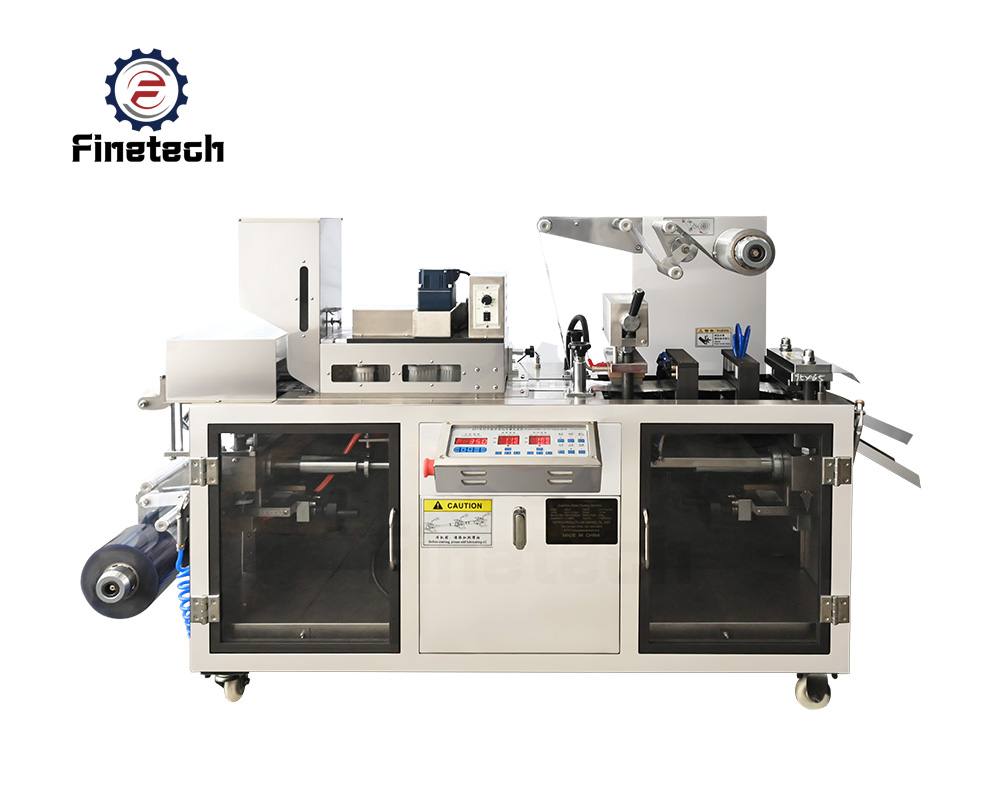
- First, the packaging material is fed into the blister packing machine, where it’s heated to a sufficient temperature to soften the plastic film.
- Then, a specific mold is used to make a blister shell or cavity with a certain depth and shape. However, for large capsules where you need extra depth, you can use various deepening devices.
- The product is placed into each shell using manual or automatic conveying and feeding systems.
- Once the product is filled, these types of pharmaceutical primary packaging machinery place another layer of plastic film or aluminum foil on top of it and heat seal it to protect the product from damage.
- Finally, each packaged product is cut into individual blisters before it goes for the secondary packaging.
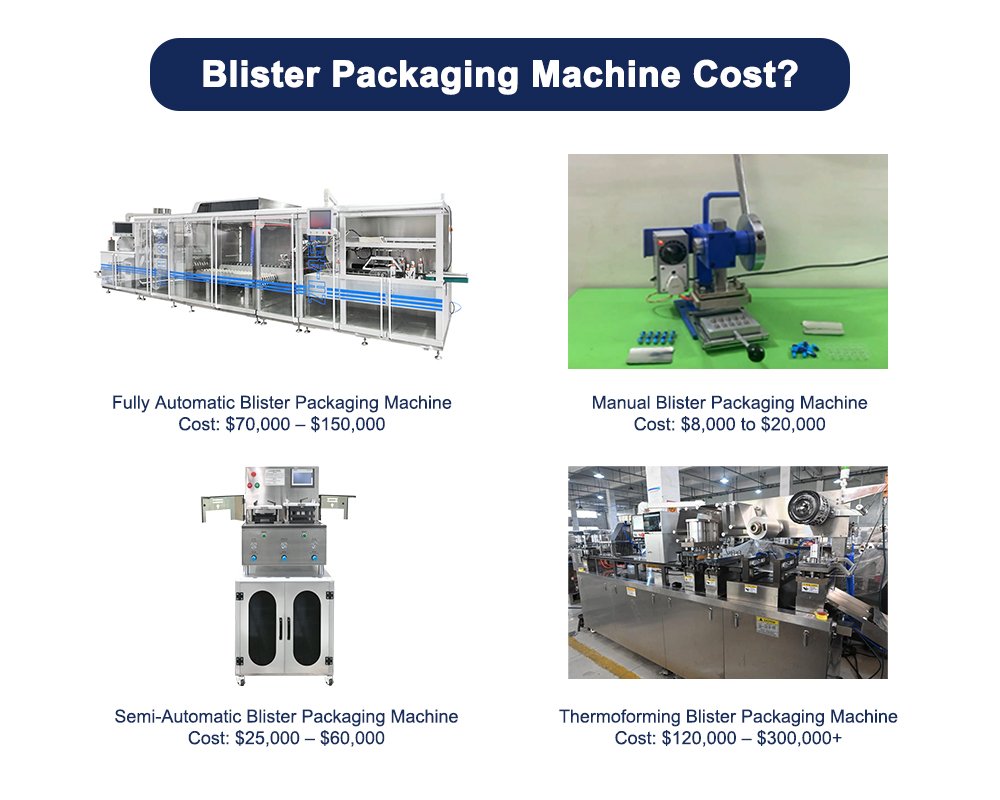
There are different types of pharmaceutical primary packaging machinery for making blisters, including manual, semi-automatic, and automatic options. Manual blister packing machines are suitable for start-ups and small businesses. Medium and large-sized businesses can go with the other two choices to achieve high production efficiency and low labor costs.
Labeling Machines
Labels are important in pharmaceuticals for ensuring product identification, presentation, and traceability. You can use these to convey necessary product information to your end customers or patients. For instance, the label needs to carry data, such as:
- Drug’s brand name, strength, and dosage form.
- Quantity.
- Instruction usage for patients, as well as warnings for pregnant women and children.
- Manufacturing and expiry date.
- Precautions and storage conditions.
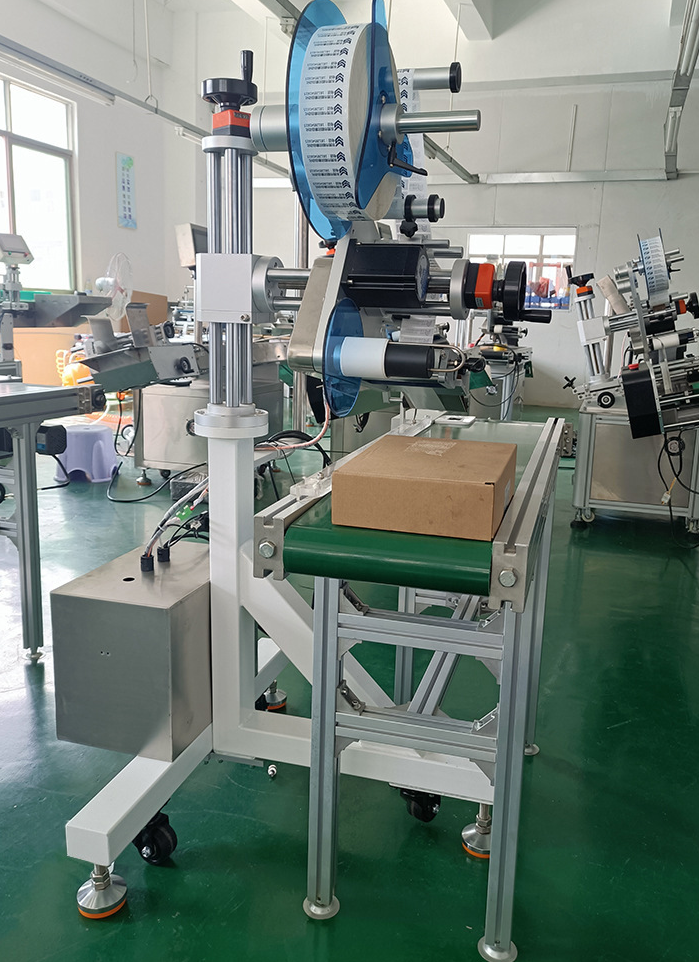
As far as labeling machines are concerned, they are equipment designed to print and attach labels on drugs. The following are the different types of labelers you can use:
- Front and Back Labellers: Front and back labellers, as you can analyse from the name, apply labels to the front and back of the product. There are two labeling heads that are positioned opposite each other. When the pharma product moves along the conveyor, the labels are simultaneously applied to both sides.
- Wrap-Around Labelers: Wrap-around labelers are designed to apply labels to the side surfaces of the cylindrical products, such as bottles and cartridges. The container rotates, and the labeling head wraps the label around either fully or partially.
- Vial Labelers: Vials are small, cylindrical gas cylinders that are useful in the pharmaceutical industry for storing liquids and powder medications. A vial labeler is actually a wrap-around labeling system that applies labels to vials.
Filling Machines
These machines dispense a specific volume or weight of product into a container.
Liquid Fillers:
Gravity Fillers: Simple and cost-effective for free-flowing, non-foamy liquids (e.g., water, juice).
Piston Fillers: Highly accurate for viscous products like sauces, pastes, creams, and gels.
Volumetric Cup Fillers: Good for chunks in sauce and other products where piston seals might fail.
Pressure Fillers: Used for carbonated beverages to prevent loss of carbonation.
Pump Fillers: Versatile for a wide range of viscosities, using rotary piston, lobe, or peristaltic pumps.
Powder Fillers:
Auger Fillers: The most common type. Use a rotating screw (auger) to dispense dry products like coffee, spices, and flour with high accuracy.
Volumetric Cup Fillers: For free-flowing, non-compacting powders.
Net Weight Fillers: The most accurate. The container is weighed before, during, and after filling to achieve a precise target weight.
Solid Fillers:
Counters: Used for tablets, capsules, or candy. Can use templates or electronic sensors.
Linear & Rotary Fillers: Pick-and-place systems for items like baked goods or snacks.
Capping, Sealing, and Lidding Machines
These machines apply closures to containers after filling.
Cappers:
Spindle Cappers: Use rotating discs or belts to screw on screw caps.
Chuck Cappers: Use a spinning chuck to apply and torque press-on or snap-on caps.
Snap Cappers: Apply downward pressure to seal snap-fit lids.
Sealers:
Induction Sealers: Apply an airtight, tamper-evident foil liner under a plastic cap using electromagnetic induction.
Heat Sealers: Use heat and pressure to seal lidding film onto trays or cups (e.g., yogurt pots).
Tray Sealers: Automatically place a lidding film and seal it over a filled tray.
Form-Fill-Seal (FFS) Machines
These are highly integrated systems that create the package from a roll of film, fill it with product, and seal it—all in one continuous operation.
Vertical Form-Fill-Seal (VFFS):
Description: The film is formed into a vertical tube, filled with product, and then sealed horizontally to create individual bags or pouches.
Common Uses: Snacks, coffee, frozen vegetables, pet food, and powders.
Horizontal Form-Fill-Seal (HFFS):
Description: The machine forms pouches or trays horizontally. Ideal for more complex shapes and fragile products.
Common Uses: Juice boxes (brick packs), candy bars, medical devices, and portion-control condiments.
Benefits of Different Types of Primary Packaging Machinery
Now that you are aware of the different types of primary packaging machinery, you must be looking for the potential benefits they offer. If yes, here’s a detailed overview:
- Contamination Prevention: When you invest in different types of pharmaceutical primary packaging machinery, you take a step towards product sealing and protection. They create a barrier that protects drugs against environmental factors, including moisture, oxygen, and light. This prevents degradation of active pharmaceutical ingredients (APIs), which reduces contamination and extends shelf life.
- Increased Efficiency: Much primary packaging machinery is automated and can process large volumes of products quickly. There’s little to no manual intervention that reduces labor costs and enhances overall pharmaceutical production efficiency.
- Compliance and Traceability: Pharmaceutical products need to be easily traceable and meet strict FDA and other regulations. Having a primary packaging machinery setup ensures that your products adhere to good GMP standards and are safe for use. In addition, many labelers now integrate RFID tags and QR codes on the product for quick traceability throughout the supply chain.
How to Choose the Right Types of Primary Packaging Machinery?
Finding the right types of pharmaceutical primary packaging machinery isn’t an easy task. You must consider multiple factors, ranging from material compatibility to cost.
Type of material
First things first: you should pay attention to the types of raw material to be packaged. Do you have powdered products? Perhaps you are dealing with liquids like ointments, Lotion, and gels? Depending on this, you can choose either a powder or a liquid filling machine.
Material Compatibility
Your machine should be able to handle the desired packaging material, such as glass, aluminum, plastic, or PET. Also, take into consideration the packaging format, like blister packs, sachets, or vials.
Easy Maintenance
Of course, your maximum time shouldn’t be spent on cleaning and fixing different types of primary packaging machinery. To ensure this, you should opt for equipment that’s easy to clean and maintain.
The manufacturer should also offer a warranty for it, so in case of failure, you can get it fixed or replaced. All this saves time and also ensures high hygiene levels.
Cost
While it’s tempting to opt for the most high-end packaging option available, you shouldn’t overlook the cost. Opt for machinery that has all the necessary features to handle your needs. Balance cost with functionality and avoid overspending.
Difference Between Primary Packaging and Secondary Packaging Machinery
Many people often confuse primary and secondary packaging machinery, but they aren’t the same thing. While primary packaging equipment comes in direct contact with the product itself, the secondary machines are the second layer of protection.
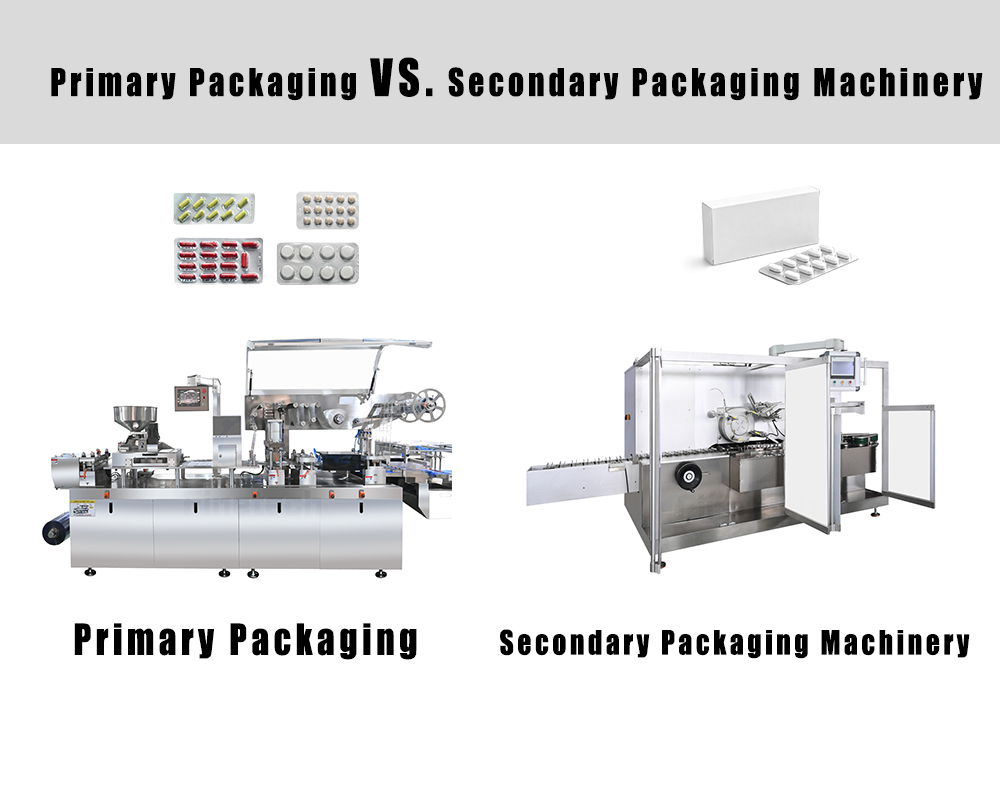
It involves cartons, shrink wraps, and boxes, and doesn’t touch the products directly, but organizes them. The focus of the primary line is on protection and hygiene, while the secondary packaging line revolves around grouping and logistics.
In the primary packaging, you need to ensure precise dosing, temperature, and sterility. However, that’s not the case with secondary pharmaceutical packaging, as it’s more about durability than precision.
Other than these two, there’s a tertiary packaging line that helps in shipping and transportation. Durable cardboard boxes and pellets that can withstand environmental rigours are part of the tertiary packaging.
FAQs
How is product safety ensured in primary packaging machinery?
Product safety in primary packaging machinery is ensured by following strict regulatory standards set by local and global health authorities. In addition, you need to do GMP compliance and have tamper-proof sealing to prevent contamination.
Can primary packaging machines print batch codes and expiry dates on products?
Yes, primary packaging machines can easily print variable data like batch codes and expiry dates on pharmaceutical products.
Are primary packaging machines cleaned between batches, and how?
Yes, primary packaging machines are cleaned in between batches to avoid cross-contamination. The cleaning steps are simple: you shut down the equipment, isolate it, get the cleaning materials, and follow the manufacturer’s guidelines.
Conclusion
The different types of primary packaging machinery available streamline your pharmaceutical tasks so you spend maximum time dealing with customers and innovating. If you want reliable packaging equipment for your business, Finetech is the ideal solution! Contact us today to explore our range of affordable and reliable machinery that serves you for years and maximizes your production efficiency.