English
  Russian
  Turkish
  Spanish
  French
  German
  Japanese
When considering your product’s packaging, it’s only natural to think of the material that comes in direct contact with the product. But what most people tend to forget is that secondary packaging plays an equally critical role in safeguarding your product. That’s exactly why businesses rely on multiple types of secondary packaging machinery today.
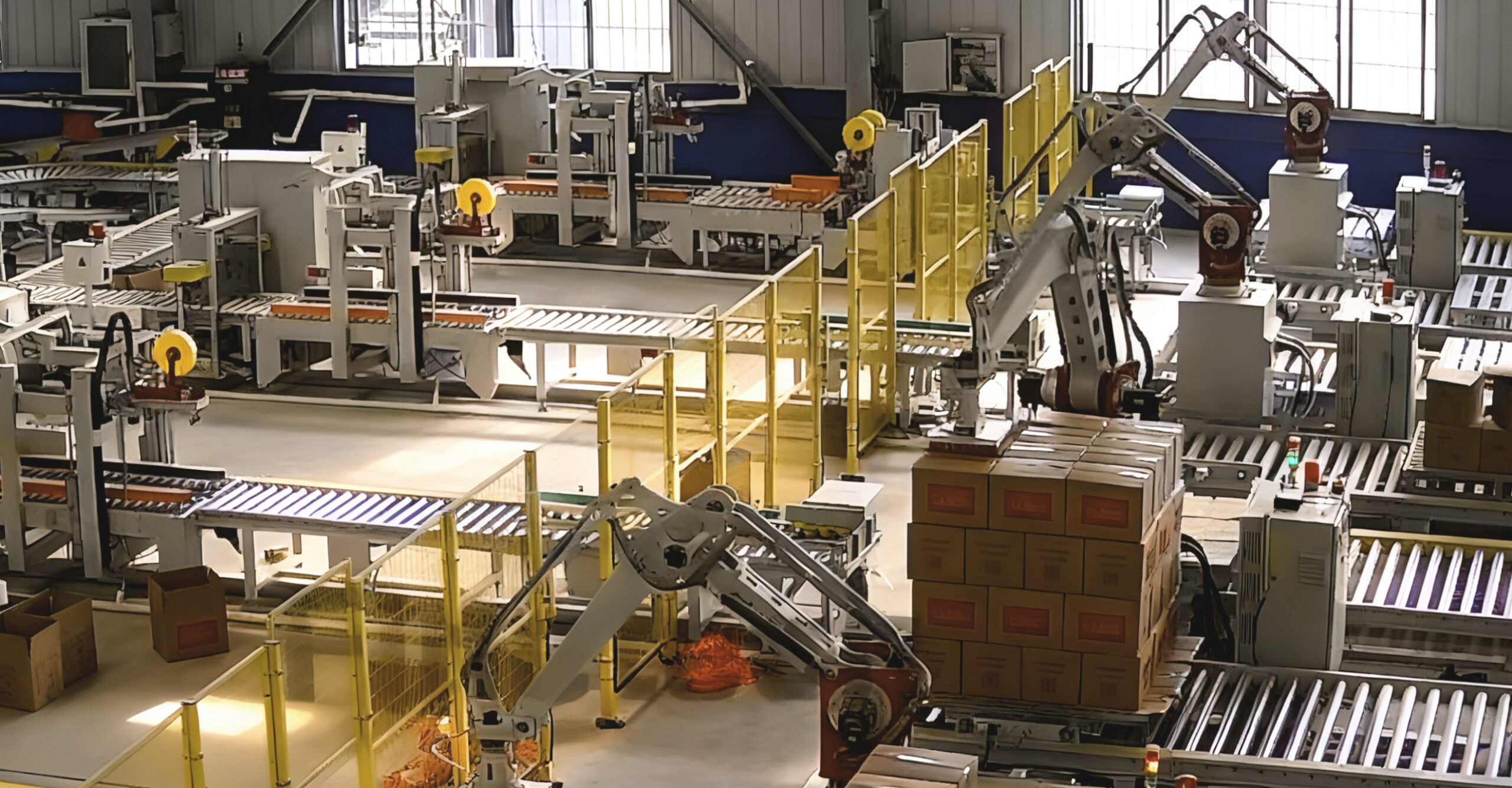
If you’re here, chances are that you’re seeking the right equipment to add that extra layer of security around your product. This ensures your product remains perfectly safe no matter where it goes. Let’s get down to secondary packaging machinery types to achieve the desired outcomes!
What are Secondary Packaging Machines?
Secondary packaging machines, or cartoning machines, are the equipment businesses use to place a protective coating around their products. These machines cover the primary layer by placing the items into cartons, boxes, or laminated wraps. This is especially critical for placing them onto shelves or shipping them to other destinations, ensuring minimal damage.
According to statistics, the global secondary packaging market is projected to hit USD 720.70 billion by 2032. With the dramatic rise in secondary packaging, multiple types of secondary packaging machinery have emerged to cut down on the need for manual labor. Some machines group items together, while others slide the products neatly into cartons.
Why Choose Automatic Over Manual Packaging?
Before we explore the types of secondary packaging machinery, it’s essential to know why you’re opting for them over manual work in the first place. While human labor was once an integral part of secondary packaging, the process has pretty much been automated now (and justifiably so!). Plus, with bulk products, it’s often impractical to get things done manually.
So, secondary packaging machines have taken up all parts of the function, such as wrapping, packing, and grouping items together. Automated equipment incredibly speeds everything up, letting you pack volumes reliably and consistently without lifting a finger. Better yet, they lead to reduced accidents and a safer work environment for everyone.
Types of Secondary Packaging Machinery
Some of the most common types of secondary packaging machinery include the following:
1. Case Packers

Case Packers are by far one of the most common types of secondary packaging machines, working with products of various shapes, sizes, and materials. As the name suggests, they’re used to load a bundle of products into a case, securing them for transport or storage. Typically, there are three types of case packer styles:
- Side-load packers (ideal for cartons).
- Top-load packers (ideal for bottles).
- Wrap-around case packers (ideal for space-saving fit).
These secondary packaging machines speed up packing, letting the products slide into cartons without extensive labor. Resultingly, you can pack items in bulk while suiting multiple production line layouts.
2. Palletizers
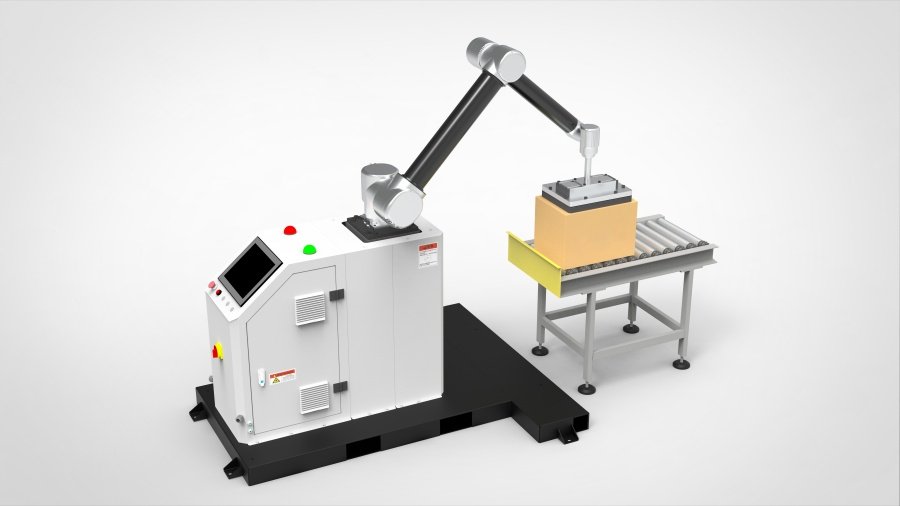
A critical part of product packaging is stacking it safely onto pallets so it can be secured with minimal damage, no matter where it travels. Usually, these palletizing machines speed up the stacking of products, carrying out the process neatly and consistently. They’re categorized into two common types:
- Robotic Palletizers (flexibility, versatility).
- Conventional Palletizers (high-speed, high-volume).
Palletizers take over the hassle of manual stacking, saving injuries, cost, and hours of physical exertion. Plus, it’s worth noting that while robotic palletizers are better suited for differently shaped products, conventional palletizers take up repetitive tasks sooner than you think.
3. Stretch Wrappers
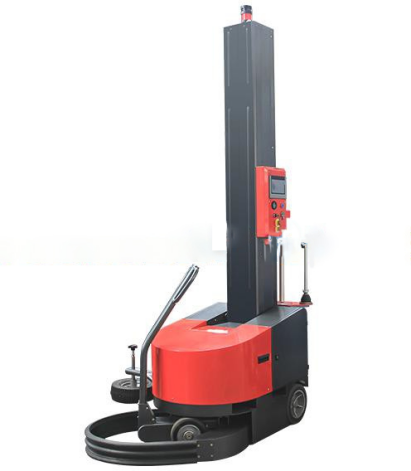
Among other secondary packaging machines, stretch wrappers are the go-to ones for securing product loads before they’re shipped out. These machines use a stretch film to wrap and hold the contents together, ensuring your product remains 100% intact during transport. Depending on your requirements, you might opt for semi-automatic or fully automatic models.
The good news? There are various stretch wrappers to pick from, including vertical/horizontal models, portable units, turntable wrappers, etc., which means there’s always an option to fulfill all your needs. With strong wrap tension, loads remain firm on trucks, with no damage during transit.
4. Cartoning Machine
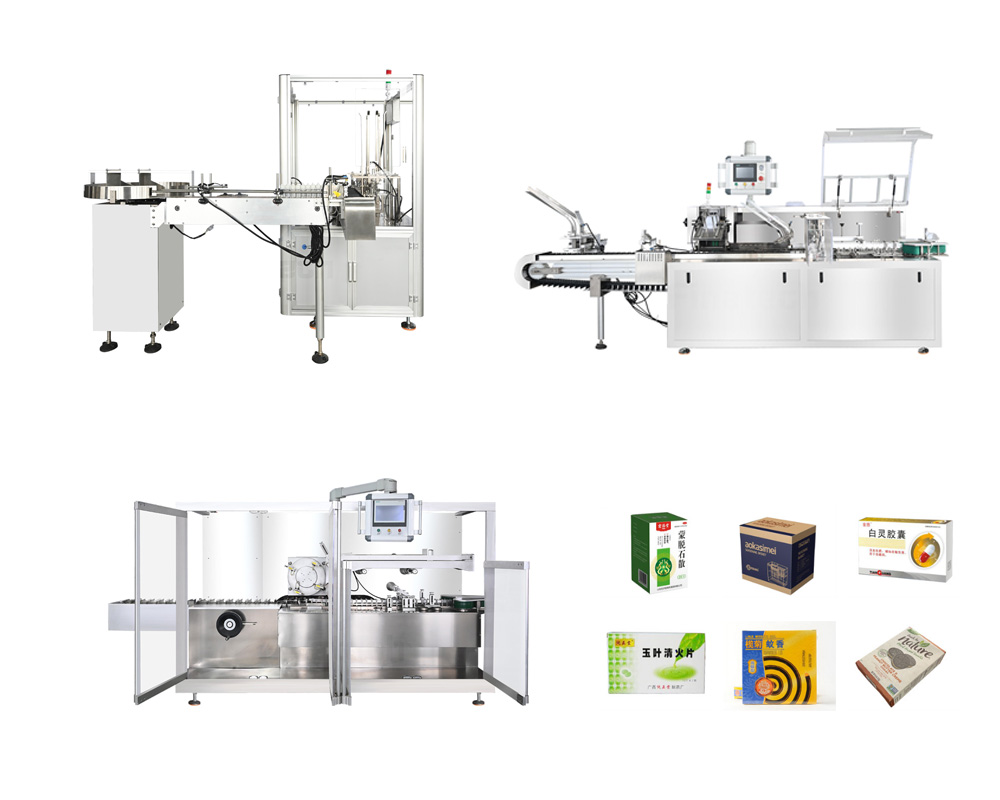
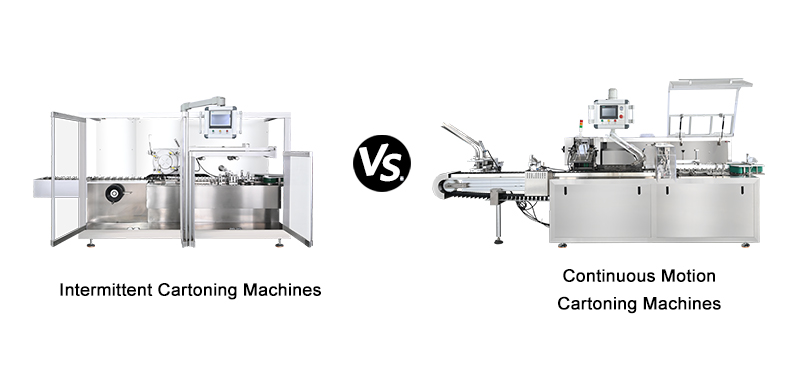
Let’s be honest, loading cartons manually onto trucks or warehouses is highly impractical, especially if you’re dealing with high-volume products. Luckily, cartoning machines step in to assist, automatically folding cartons and sealing them before you know it. Depending on the product, you might opt for any of the following cartoning machines:
Cartoning machines are perhaps the most common type of packaging machinery, used especially in industries like pharmaceuticals. They automate the cartoning process, saving hours while ensuring the packaging remains uniform throughout the lot. It’s no wonder that the global cartoning machine market is set to hit $3.9 billion by 2032.
5. Case Erectors
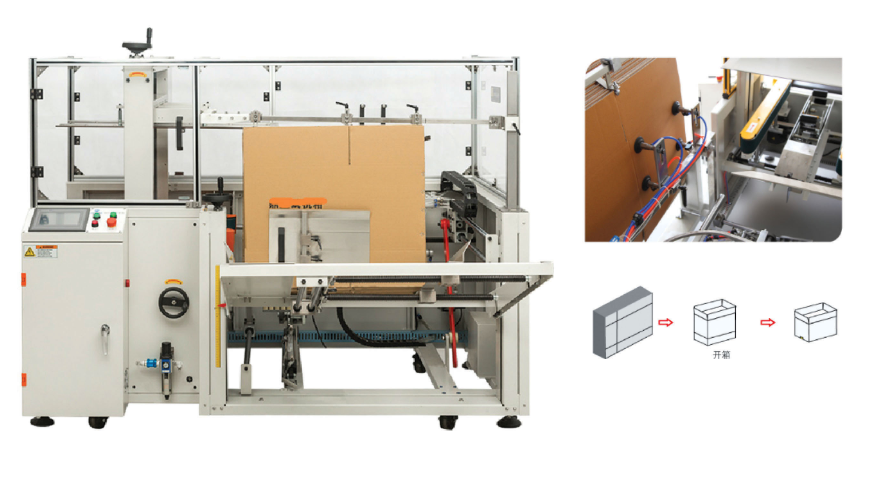
When it comes to packaging, nothing is as tedious as taping up boxes by hand, one after the other. Luckily, case erectors resolve this issue by automatically sealing the boxes till they’re ready for loading. This, in turn, increases your productivity by offering multiple boxes of various dimensions just in time.
FAQs
Which industries usually use secondary packaging machines?
Secondary packaging machines are now used across all sorts of industries, especially in the food, pharmaceutical, and cosmetics industries. They act as saviors for both retailers and manufacturers, keeping the products intact through all levels of the supply chain.
Can one machine handle various product sizes for secondary packaging?
Yes, fortunately, most machines are designed to handle different product sizes, but it primarily depends on the type of machine you’re using. While most modern machines come with adjustability, older models may lack this feature.
What does secondary packaging look like in the pharmaceutical industry?
In the pharmaceutical industry, the secondary packaging is the outer layer that protects the drug without coming into direct contact with it, such as blister packs or vials. It also facilitates branding and sharing important dosage guidelines.
Conclusion
Although secondary packaging might not be the first thing that comes to your mind, it’s definitely worth your attention. This is because securing your product through the supply chain is just as critical as manufacturing it. Luckily, with multiple types of secondary packaging machinery out there, you’re set to rise in your respective industry!
If you’re wondering where to get top-quality secondary packaging machines, contact X today! With our incredible range of equipment, we’ve got all your packaging requirements covered.