 English
  Russian
  Turkish
  Spanish
  French
  German
  Japanese
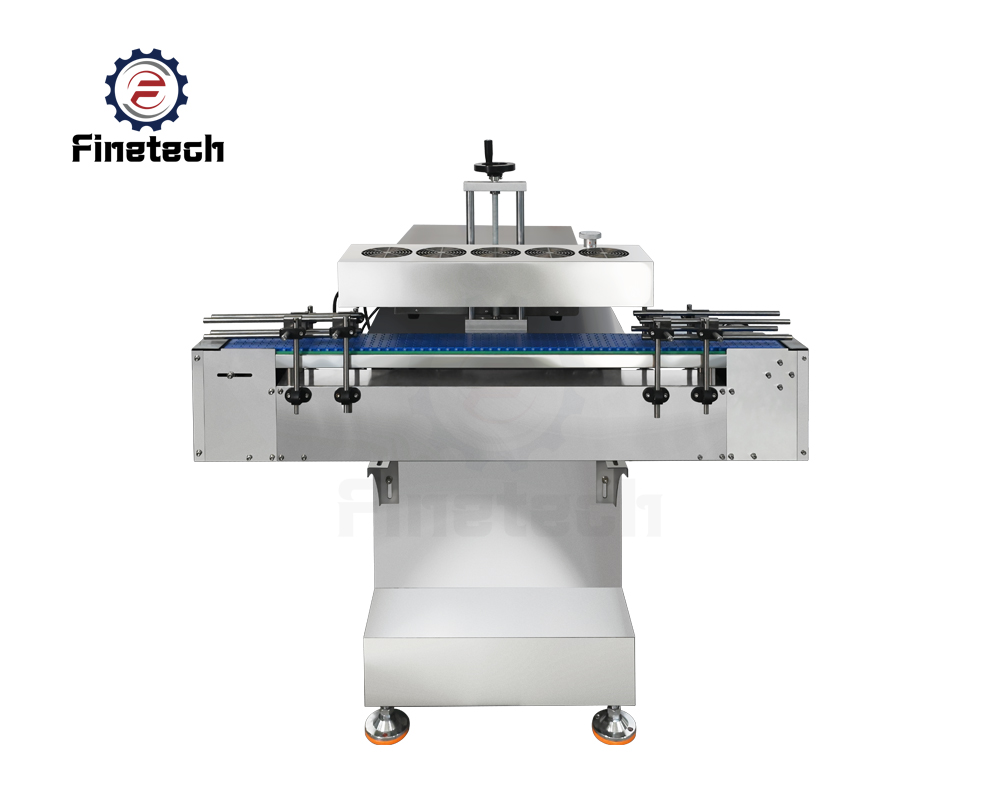
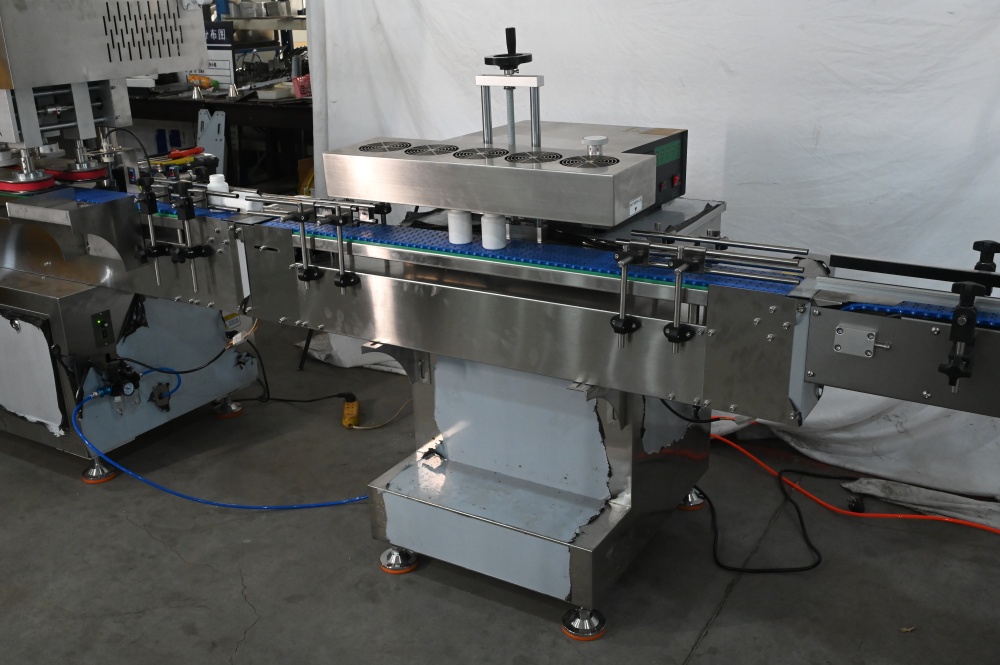
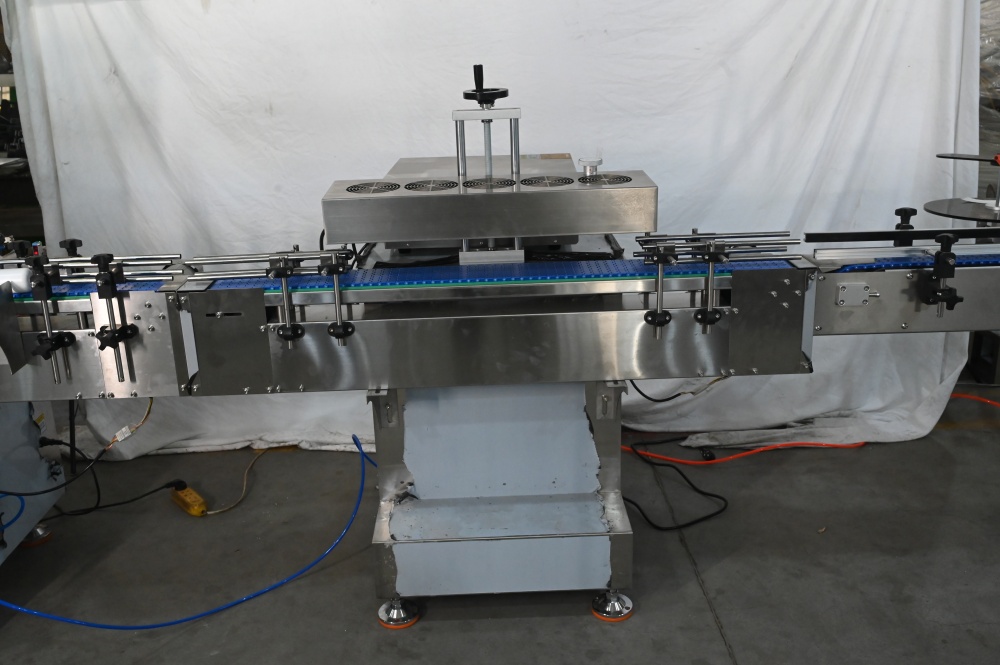
Electromagnetic Induction Aluminum Foil Sealing Machine
An Induction Foil Sealing Machine is an electromagnetic packaging device that creates hermetic, tamper-evident seals on containers by bonding a foil-lined closure to the container’s rim through controlled induction heating.
Need a Custom Quote?
Or More information About this product? Contact our sales stuff today!
Key Features
Technical Data
Machine Details
FAQ
Application Product Types
Reviews No reviews yet
Designed for Packaging Lines
Made of high-quality 304 stainless steel and features a rational design that meets GMP requirements.
The main unit’s generator employs imported transistors and CPU module control, with adjustable power output and digital display.
Equipped with a fully air-cooled heat dissipation system, it operates efficiently at high speeds and is capable of long-term continuous operation in all weather conditions.
| Power: | 2300w |
| Sealing Diameter: | 30-150mm |
| Induction Sealing Head adjustment: | Height: 0-800mm |
| Sealing Speed: | 80-300 BPM |
| Voltage: | AC220V±10%, 50Hz |
| Cooling type: | Air Chilled |
| Weight: | 45kg. (gross weight:71 kg) |
| Machine Size (L x W x H) : | 70*90*150cm(PKG: 72*63*155CM) |
| Conveyor weight: | 60kg(gross weight 112kg) |
| Conveyor Size: | 188*57*90cm, (PKG SIZE: 196*63*98CM) |
| Conveyor weight capacity: | 50kg |
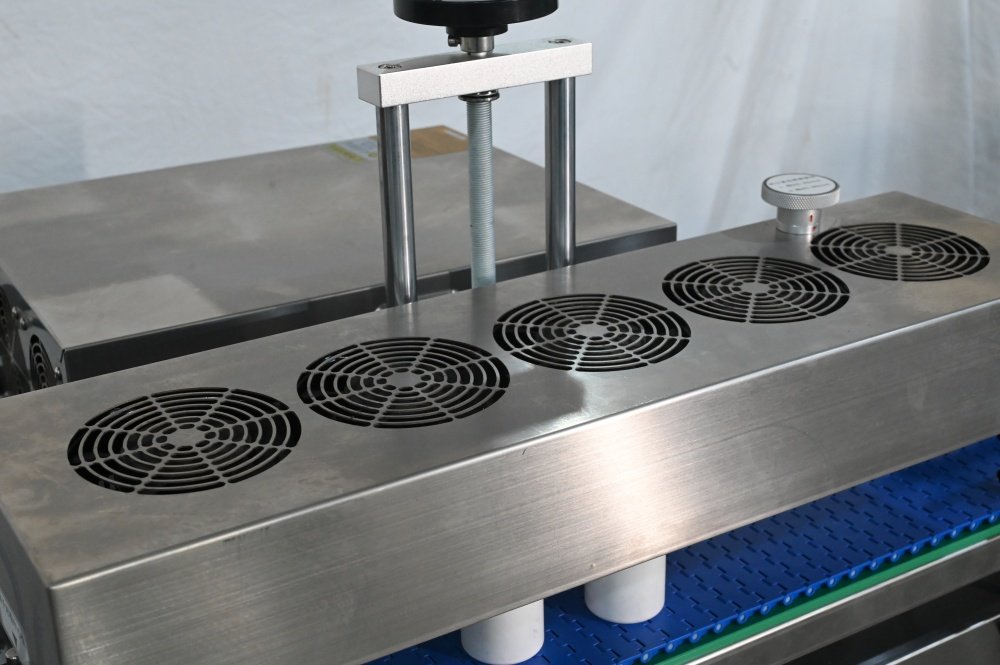
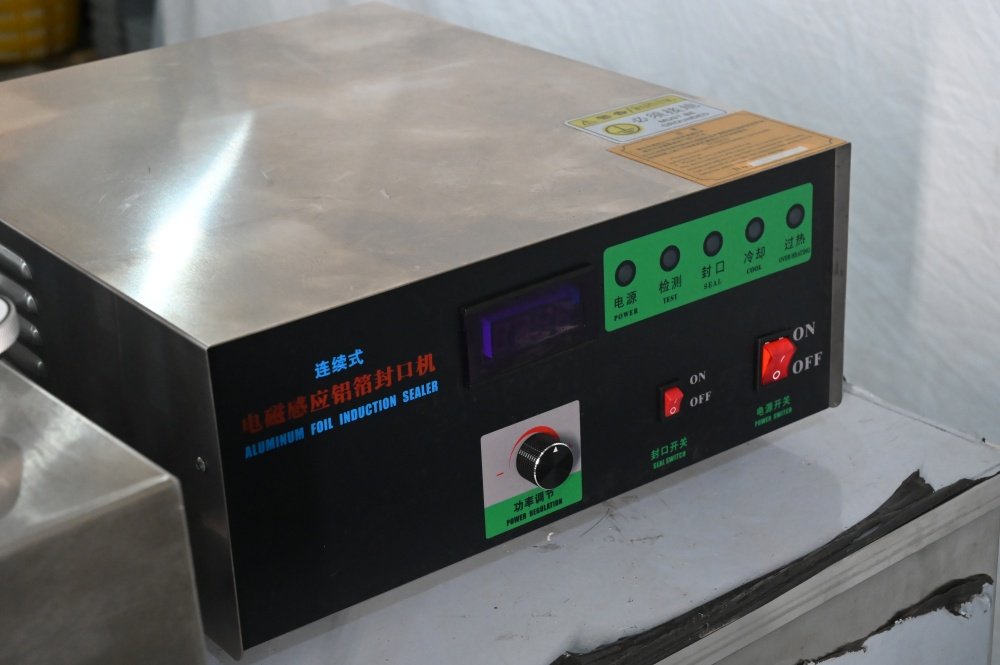
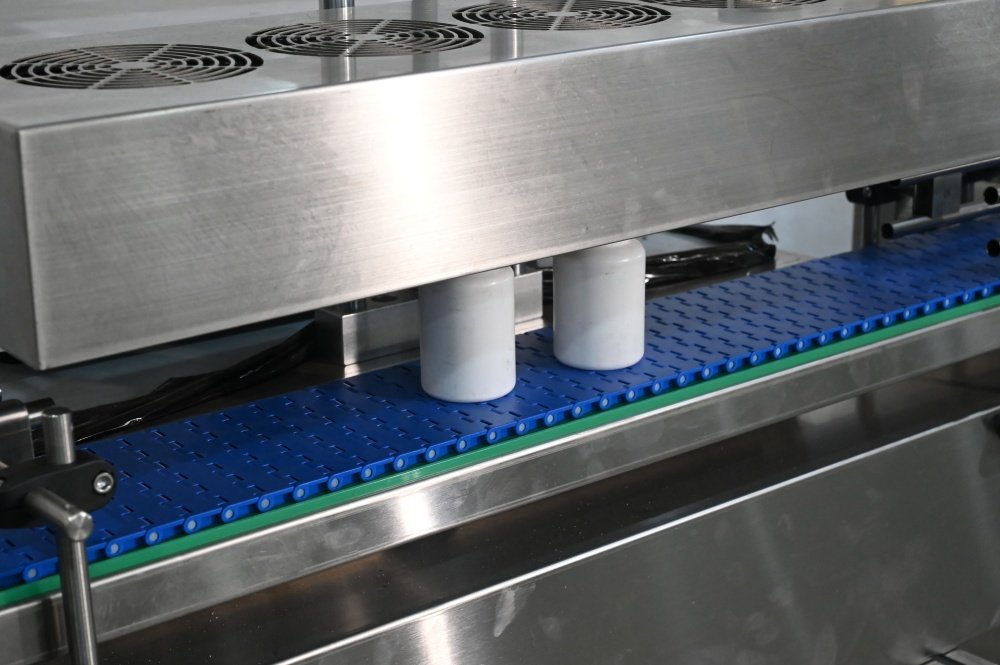
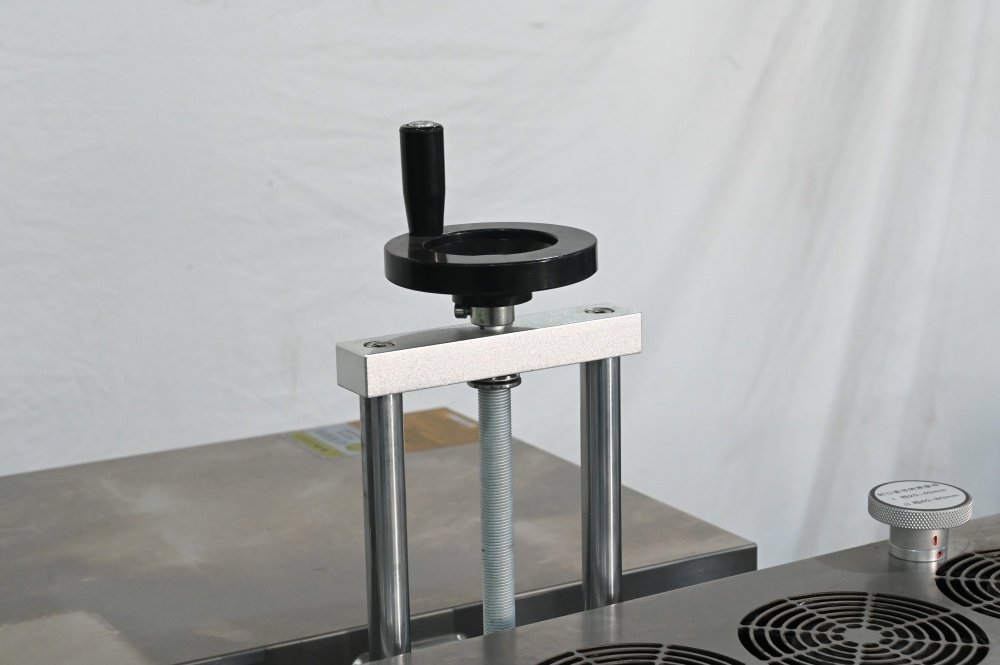
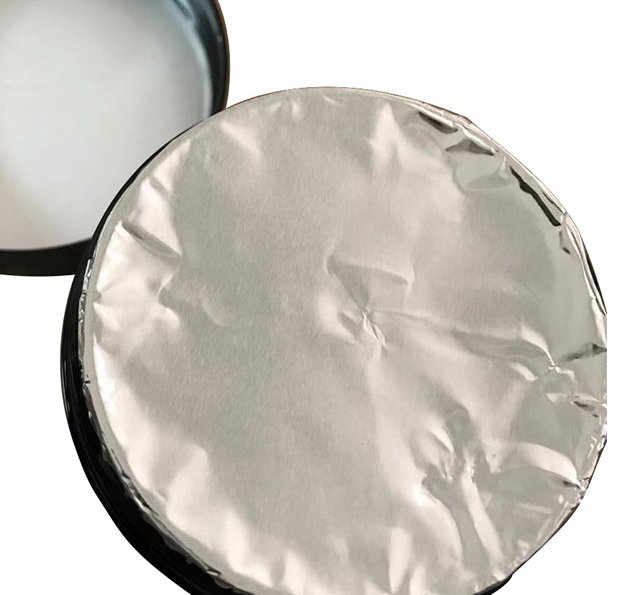
The machine generates a high-frequency electromagnetic field through a copper coil. When a bottle with a conductive aluminum foil liner (placed under a plastic cap) passes through this field, the aluminum layer heats up instantaneously. This heat melts the polymer layer beneath it, bonding it to the container's lip as it cools, creating a hermetic, tamper-evident seal.
Containers: Plastic (HDPE, PP, PET, PVC), glass, and some composite materials.
Closures: Must be non-metallic (plastic or plastic-lined caps). Metal caps will shield the field and prevent sealing.
Liquids/Powders: Excellent for liquids, gels, powders, and solids. The seal prevents leakage and contamination.
Continuous/In-Line Automatic Sealers: Containers move on a conveyor belt under a sealing head at a constant speed. Ideal for high-volume production.
Batch/Manual/Semi-Automatic Sealers: An operator places a single container or a batch on a platform, activates the seal cycle, and then removes them. Best for low-volume, multi-product, or R&D labs.
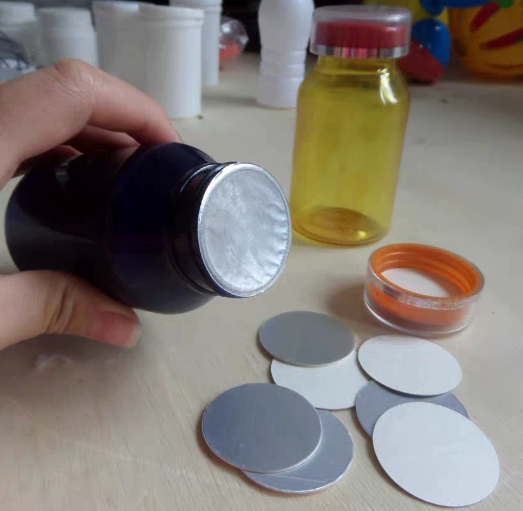
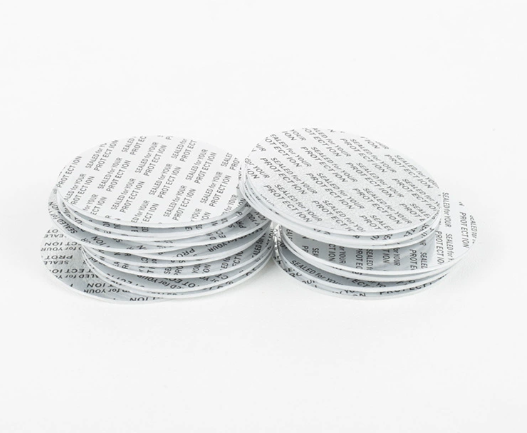
The foil is a multi-layered laminate. You must specify:
Substrate: The backing material (e.g., pulp, foam, PET film) for cap fit.
Sealant Polymer: The layer that melts (e.g., LDPE for PP, Surlyn for PET). It must match your container material.
Optional Features: Tamper evidence (fiber tear), oxygen/moisture barriers, peelable seals.
No, not directly. The electromagnetic field cannot penetrate a full metal cap. Solutions include:
Using a plastic overcap with a foil liner over a metal screw lid.
Using a metal cap with a plastic inner skirt that allows the field to reach the foil.
Yes. The process is non-contact, fast, and consistent. It creates a hermetic seal that significantly extends shelf life by preventing leakage and contamination. No external heat or contaminants touch the product.
Regular Cleaning: Keep the coil face and work area free of debris.
PTFE/Insulation Sheet Inspection: Replace if scratched or burned through.
Cooling System: Ensure fans and vents are unobstructed.
Periodic Calibration: Check and adjust seal timer and power settings.
Customer Reviews
No reviews yet. Be the first to review this product!
Write a Review

Related Products

No reviews yet