 English
  Russian
  Turkish
  Spanish
  French
  German
  Japanese


Induction Foil Sealing Machine
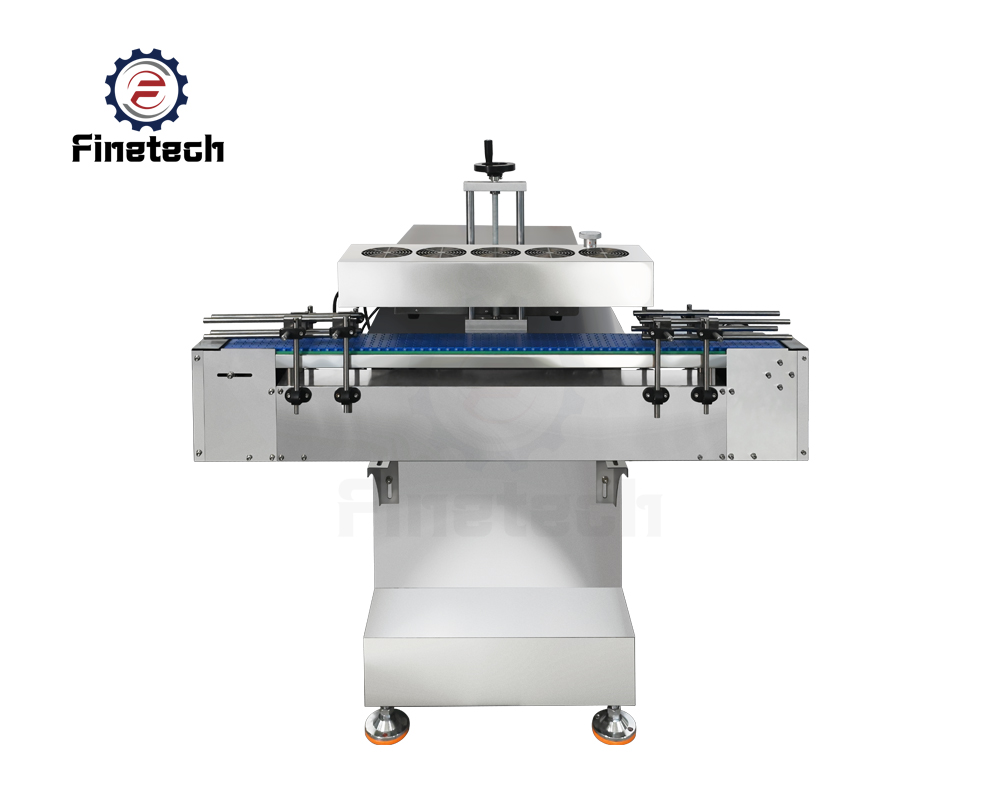
An Induction Foil Sealing Machine is an electromagnetic packaging device that creates hermetic, tamper-evident seals on containers by bonding a foil-lined closure to the container’s rim through controlled induction heating.
Need a Custom Quote?
Or More information About this product? Contact our sales stuff today!
Key Features
Technical Data
Machine Details
FAQ
Application Product Types
Reviews No reviews yet
Compatible Bottle Materials:
The induction foil sealing machine is suitable for PP, PE, PET, PS, ABS, HDPE, LDPE, and glass bottles.
Working Principle:
The machine utilizes electromagnetic induction to generate instant high heat, which melts the aluminum foil. The foil then adheres to the bottle mouth, achieving moisture-proof, leak-proof, and mold-resistant sealing to extend shelf life.
Key Features:
- Manual power adjustment for the switching power supply, equipped with a digital temperature display.
- Advanced AC speed-regulation motor ensures reliable performance and smooth transmission.
- Fully automatic foil sealing system with closed-loop stepless speed control.
- Intelligent sensor switch enables automated product conveying.
- Full self-diagnostic detection and all-air cooling for heat dissipation.
- High sealing speed, ideal for large-scale production.
- Stainless steel exterior with an elegant design.
- Easy to operate, delivers consistent sealing quality, and supports continuous operation.
| Applicable Bottles: | 20-950ml Round/Flat bottle |
| Bottle Size (mm): | φ20-40mm, Height 50-120mm |
| Power Source: | ~220V 50Hz |
| Capacity: | 6000-8000 Bottles Per Hour |
| External Dimension: | 1200×1000×1200mm(L×W×H) |
| Weight: | 350kg |
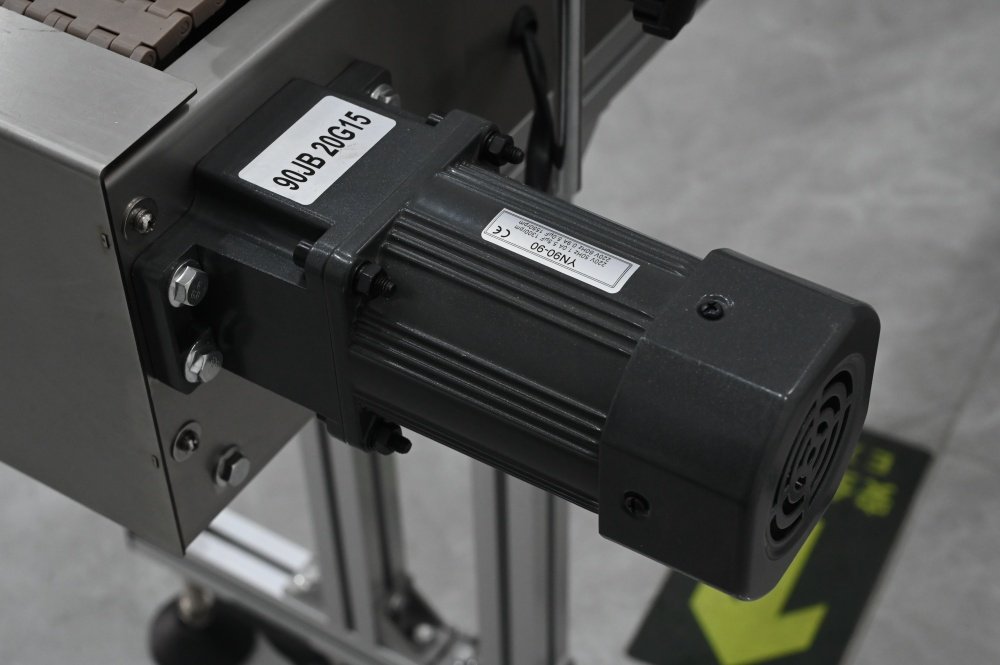
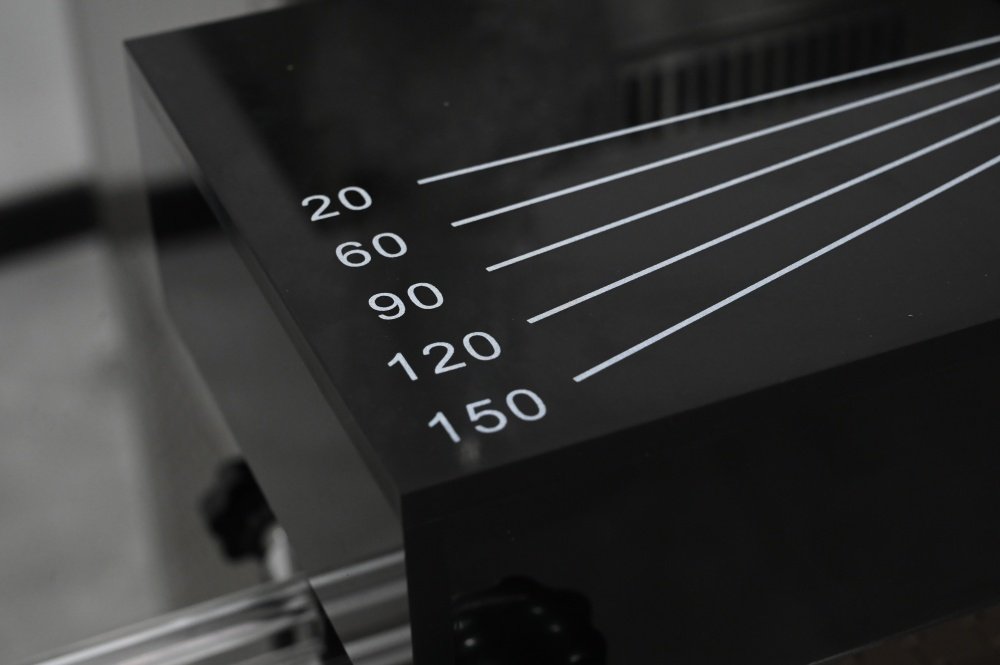
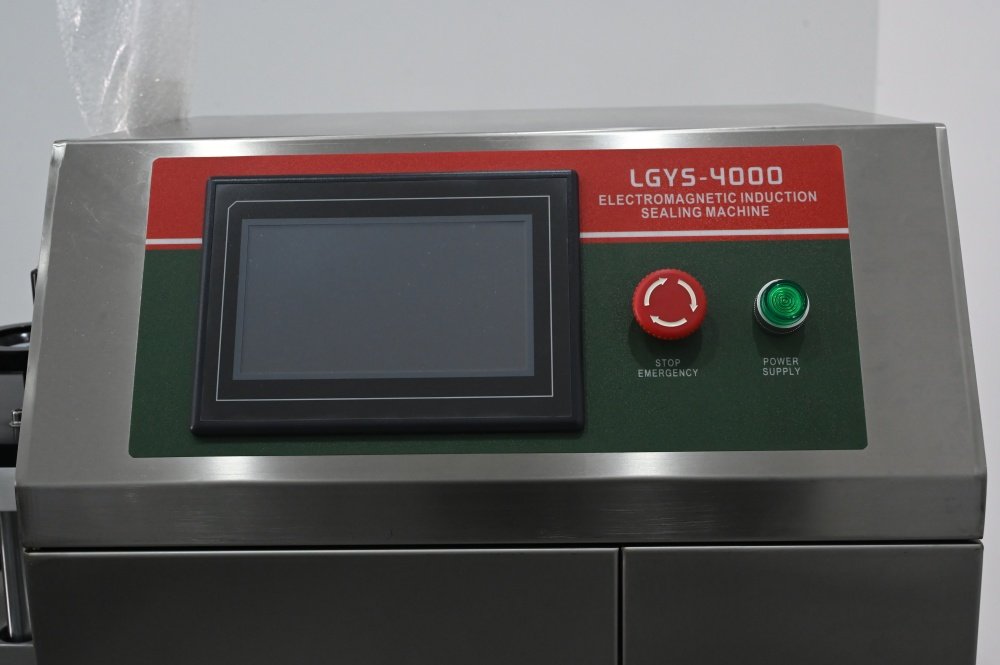
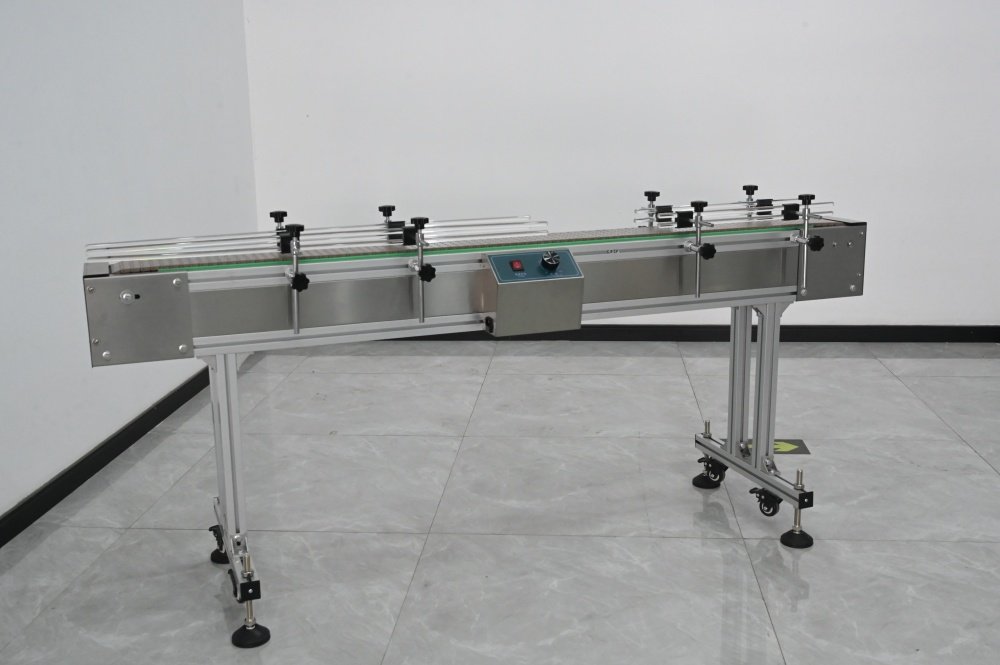
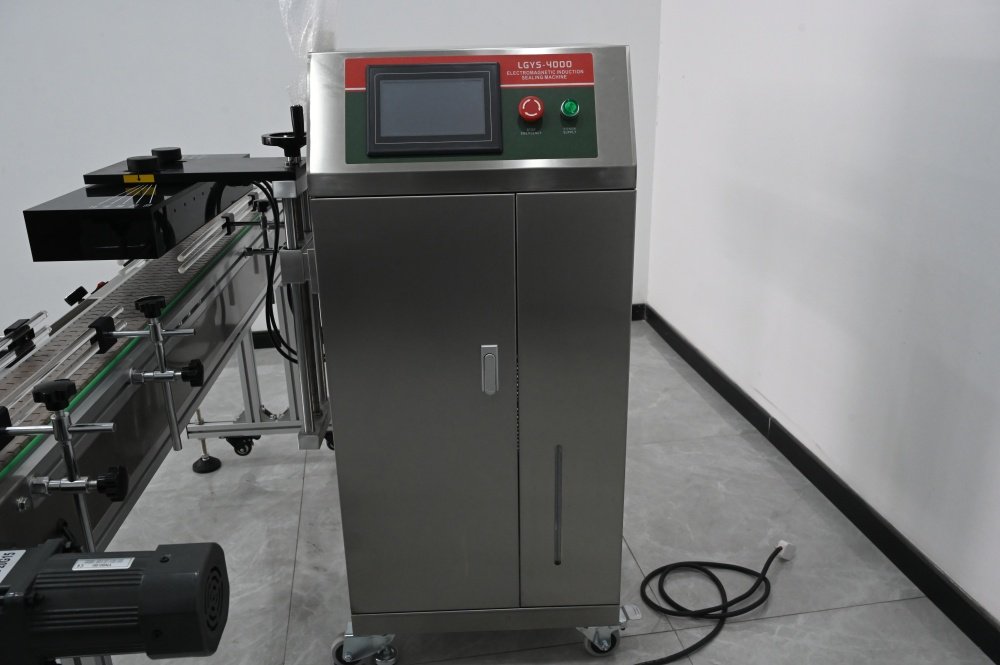
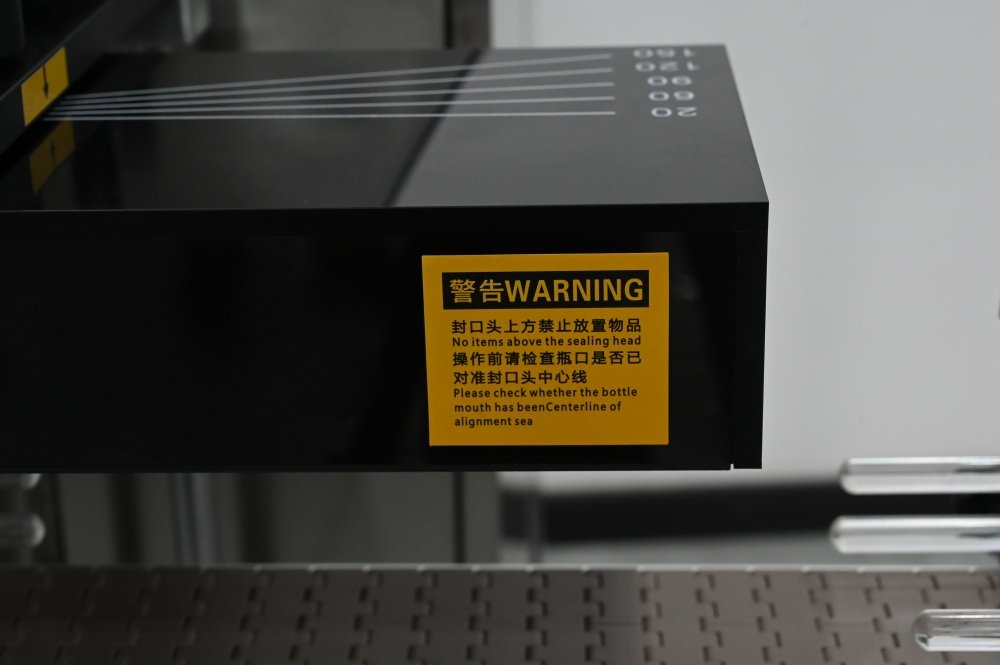
A machine that uses electromagnetic induction to create a hermetic, tamper-evident seal by bonding a multi-layered foil laminate to the rim of a plastic or glass container without physical contact with the cap or bottle.
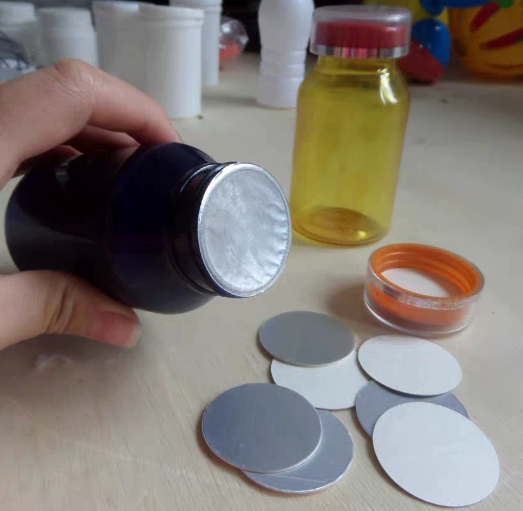
A foil seal (with a heat-seal layer and aluminum layer) is placed under the cap.
The capped bottle passes under an induction coil.
The coil generates a high-frequency magnetic field, inducing eddy currents in the aluminum layer.
The aluminum heats up instantly (in milliseconds), melting the heat-seal layer.
Pressure from the cap bonds the melted layer to the container lip as it cools.
The cap acts as a cooling mold, creating a smooth, tight seal.
Non-contact heating. The container remains cool, and only the foil's aluminum layer heats. This allows sealing of heat-sensitive products (like vitamins, probiotics, liquids) and prevents product degradation or bottle distortion.
Power Supply/Generator: Converts AC to high-frequency AC (typically 50-400 kHz).
Induction Coil (Sealing Head): The copper coil that generates the magnetic field. Shape is critical.
Conveyor System: Moves containers under the coil at precise speed.
Coil Height Adjustment: For different container heights.
Cooling System: Fans or water cooling for the coil and electronics.
Control Panel (HMI): For setting power, speed, and monitoring.
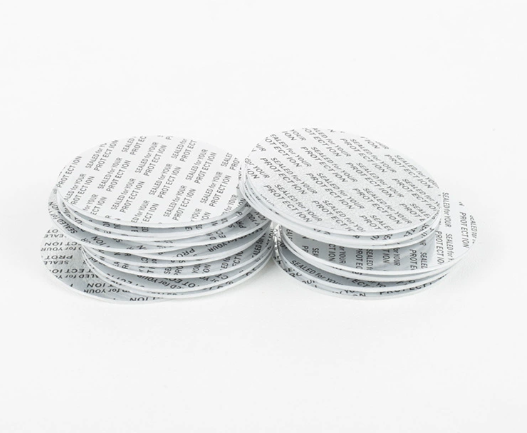
A typical 4-layer structure:
Top: Paper or PET layer (for printing, strength).
Wax or Release Layer: Allows easy peel-off for the user.
Aluminum Foil: The susceptor that heats up (5-30 microns thick).
Heat-Seal Layer (Polymer): The layer that melts and bonds to the container (e.g., polyethylene, PP). This layer is chosen to be compatible with the container material.
No. The container must be non-metallic (plastic, glass) to allow the magnetic field to pass through. The container mouth must be made of a thermoplastic that is compatible with the foil's heat-seal layer (e.g., HDPE, PP, PET, PVC).
Destructive: Peel test (measure peel force), visual inspection of seal pattern.
Non-Destructive: Vacuum/bubble test, torque test on cap, visual inspection for wrinkles/blisters.
Leak Detection: Dye penetration test or pressure decay test.
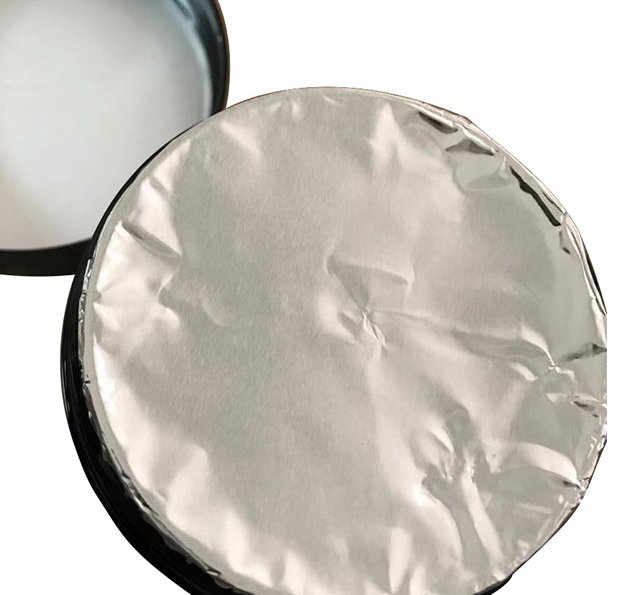
Under-Sealing: Low power, high speed (low dwell time), coil gap too large.
Over-Sealing/Burning: Too much power, low speed, coil gap too small.
Wrinkled Seal: Misaligned foil, warped container lip, improper cap torque.
Incomplete Seal Ring: Wrong coil shape/size, container not centered.
The release layer (wax) failed. Causes: Overheating (burns through the wax), incompatible wax for the product (e.g., oil-based products can dissolve certain waxes), or poor-quality foil.
Customer Reviews
No reviews yet. Be the first to review this product!
Write a Review

Related Products
No reviews yet