 Russian
  English
  Turkish
  Spanish
  French
  German
  Japanese
Эффективность высокоскоростного производства фармацевтической продукции во многом зависит от стабильности работы системы подачи. Если капсулы не выровнены идеально или подаются со скоростью, не соответствующей скорости работы наполнителя, работа всего производственного цеха останавливается.
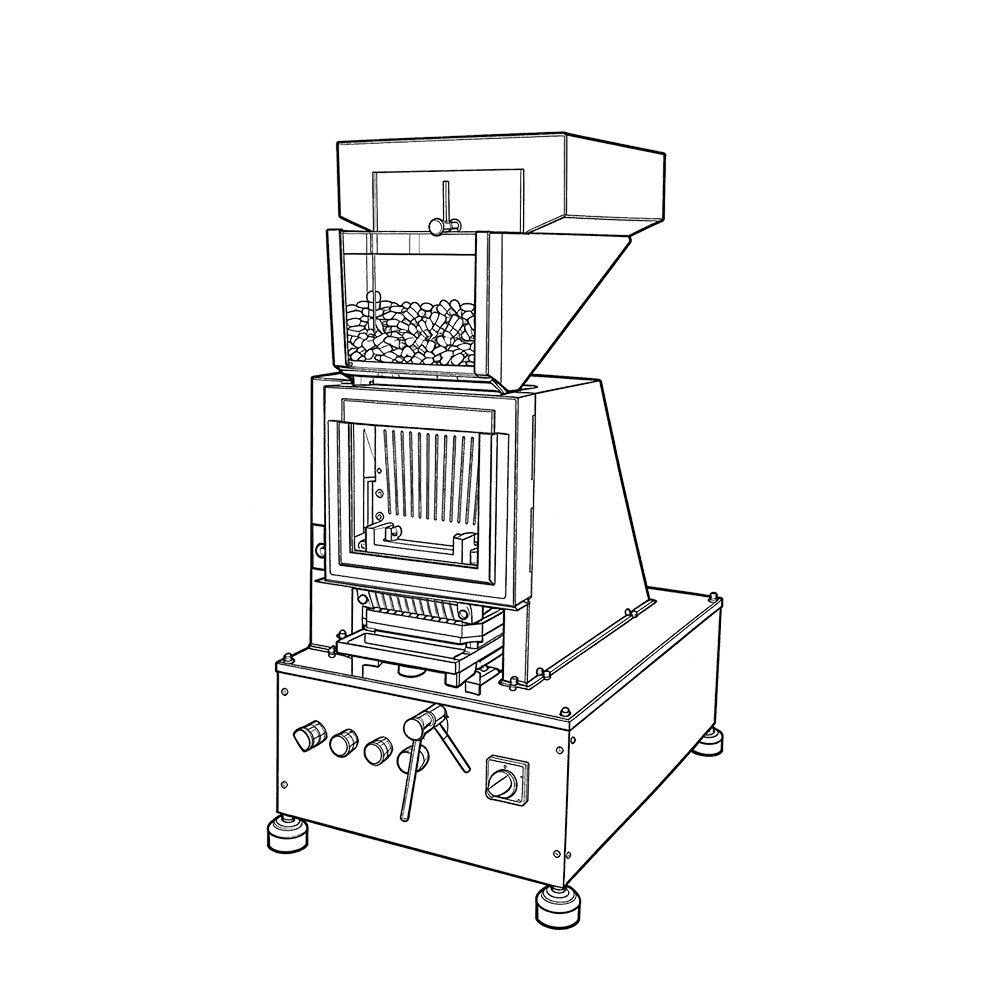
Машина для загрузки капсул решает эту проблему, автоматизируя самую трудоемкую часть процесса: сортировку и выравнивание тысяч капсул каждую минуту.
Современные загрузочные устройства не просто перемещают объёмы; они обеспечивают сохранность структуры капсул, сохраняя при этом стерильный барьер. Они исключают ручную обработку из технологического процесса и устраняют основной источник загрязнения и физических дефектов.
Давайте подробно рассмотрим эту технологию и то, как она помогает вам удовлетворять требования современного фармацевтического производства.
Что такое машина для загрузки капсул?
Фармацевтические производители используют различное оборудование для организации производственного процесса, и машины для загрузки капсул являются одним из таких видов оборудования. Это специализированное устройство, которое автоматически выравнивает, разделяет и загружает пустые капсульные оболочки непосредственно в машины для наполнения.
Основная функция этой системы заключается в том, чтобы правильно расположить каждую гильзу перед её заполнением порохом, дробью или гранулами.
Машины для загрузки капсул часто используются в сочетании с машины для наполнения капсул для максимального увеличения производительности. Они автоматизируют процесс ручной центровки, что позволяет исключить человеческий фактор и обеспечить высокую скорость производства.
Два типа машин для загрузки капсул
Существуют различные машины для наполнения капсул, которые различаются по степени необходимости участия человека и количеству производимых единиц в час. Рассмотрим две основные категории:
Тип #1: Машины для ручной загрузки капсул
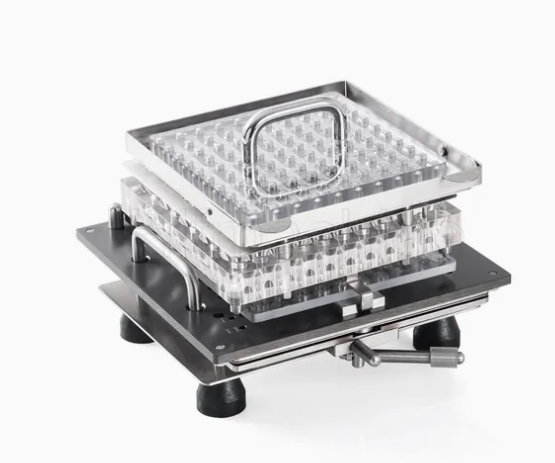
В ручных устройствах для загрузки капсул используется загрузочная пластина с заранее просверленными отверстиями. Эти отверстия соответствуют конкретному размеру обрабатываемых капсул. Техник высыпает пустые капсулы на пластину и встряхивает её вручную, пока каждое отверстие не будет заполнено.
Хотя этот метод является экономически выгодным для небольших лабораторий, его эффективность полностью зависит от скорости работы оператора. Такие ручные системы обычно обрабатывают от 100 до 400 капсул за один раз.
Тип #2: Автоматы для загрузки капсул
В автоматических устройствах для загрузки капсул для их ориентации используется механизм с вакуумной поддержкой. Эти машины обеспечивают непрерывное перемещение капсул с помощью револьверной головки, работающей в режиме непрерывного вращения или прерывистого движения, что позволяет достичь максимальной эффективности.
Выпрямитель переворачивает капсулы таким образом, чтобы крышка всегда находилась в вертикальном положении перед разделением. Эти машины промышленного класса способны загружать и наполнять до 100 000 капсул в час.
Основные компоненты машины для загрузки капсул
Промышленные машины для наполнения капсул состоят из ряда механических деталей. Каждый компонент сконструирован таким образом, чтобы обрабатывать хрупкие капсулы на основе желатина или растительного сырья, не нанося им структурных повреждений. Ниже перечислены ключевые компоненты, обеспечивающие этот процесс:
1. Бункер для капсул
Это контейнер из нержавеющей стали, в котором хранится большое количество пустые капсулы. Бункеры оснащены датчиками уровня, которые обеспечивают поддержание постоянного уровня наполнения на подающей дорожке. Кроме того, в них используются вибрационные перемешиватели для предотвращения образования мостов — распространенной проблемы, при которой капсулы слипаются и блокируют поток.
2. Магазин и выпрямитель
Магазин и выпрямитель являются основными механизмами, обеспечивающими процесс ориентации. Магазин представляет собой вертикальный канал, по которому капсулы поступают в механический выпрямитель. В нем используется специальная система пазов и штифтов, позволяющая переворачивать каждую капсулу. Такая механическая сортировка гарантирует, что конец капсулы всегда будет обращен вверх перед тем, как она попадет в загрузочные отверстия.
3. Лоток для загрузки
Эта пластина имеет точно обработанные отверстия, соответствующие конкретным размерам капсул, таким как размер 0 или размер 00. В ручных системах этот узел представляет собой съемный лоток, с которым работает оператор. В автоматических системах он выполняет функцию вращающегося сегмента синхронизированной револьверной головки.
4. Система вакуумной сепарации
Как только капсулы устанавливаются на место, вакуумный коллектор с помощью резкого всасывающего импульса втягивает корпус вниз. Крышка физически шире, чем корпус капсулы. Эта разница в размерах позволяет ей оставаться зажатой в верхней пластине. Одновременно корпус устанавливается в нижний сегмент, оставляя оболочку открытой для заполнения лекарственным веществом.
5. Система механического привода
Механическая приводная система состоит из сервомоторов, индексационных узлов с кулачковым приводом и приводных ремней. Она приводит в движение поворотный стол и другие подвижные детали с помощью двигателей и редукторов. Это обеспечивает идеальную синхронизацию этапов загрузки, разделения и наполнения.
6. Рама и защитные ограждения
Прочная рама обеспечивает стабильную основу для выполнения механических операций, не подверженную вибрациям. Прозрачные защитные ограждения окружают движущиеся детали и оснащены датчиками, которые мгновенно останавливают производственный процесс в случае открытия дверцы. Такая конструкция не только защищает оператора от травм, но и предохраняет фармацевтический продукт от попадания посторонних загрязнений.
Как работает машина для загрузки капсул? Пошаговая инструкция
Машины для наполнения капсул работают по четкой последовательности операций, чтобы обеспечить единообразие и безопасность каждой дозы. Чтобы понять этот процесс, необходимо рассмотреть взаимосвязь между этапами подачи, наполнения и завершающей обработки. Вот пошаговый процесс:
Шаг #1: Подача и выпрямление
Процесс начинается с подачи пустых оболочек капсул в бункер машины. Внутри выпрямителя ряд пазов и сортировочных штифтов определяет диаметр капсулы. Этот механизм переворачивает оболочки таким образом, чтобы конец с крышкой всегда был обращен вверх, прежде чем они попадают в загрузочные отверстия.
Шаг #2: Разделение
После выравнивания капсулы падают в загрузочный лоток или вращающийся сегмент. Они устанавливаются в отверстия, удерживаясь на месте за счет ободка крышки. Вакуумный коллектор, расположенный под загрузочной пластиной, создает сильное всасывающее усилие. Это всасывание втягивает корпус капсулы в нижний сегмент, в то время как более широкая крышка остается зажатой в верхней пластине.
Шаг #3: Заполнение и соединение
Теперь загрузочное устройство передает отделенные сегменты на дозирующую станцию. Здесь в открытые корпуса капсул дозируются порошки или гранулы. После наполнения верхняя пластина с крышками и нижняя пластина с корпусами вновь приводятся в идеальное вертикальное совпадение.
Набор механических фиксирующих штифтов подталкивает корпуса вверх в крышки. Машина оказывает определённое давление, чтобы соединить фиксирующие пазы и создать пломбу, сигнализирующую о вскрытии.
Шаг #4: Выталкивание и очистка
Заключительный этап заключается в извлечении готовой продукции. Набор выталкивающих штифтов выталкивает готовые капсулы из сегментов в разгрузочный желоб. По завершении цикла с помощью сжатого воздуха или специальных щеток производится очистка загрузочных отверстий от остатков порошка или фрагментов желатина.
Как выбрать подходящую машину для загрузки капсул
Выбор машины для наполнения капсул — это инвестиция, от которой зависят производительность и масштабируемость вашей производственной линии. Неправильный выбор оборудования может привести к возникновению «узких мест» или к ненужным накладным расходам. Ниже приведены некоторые основные факторы, которые следует учитывать при организации рабочего процесса на вашем предприятии:
1. Объем производства
Для начала определите необходимую почасовую производительность. В небольших научно-исследовательских лабораториях для обработки от 100 до 400 капсул за партию зачастую достаточно ручных загрузочных устройств. Напротив, для крупномасштабных промышленных предприятий требуются полностью автоматические системы, способные обеспечить высокую производительность — 100 000 единиц и более.
2. Совместимость капсул
Убедитесь, что оборудование поддерживает ваши конкретные размеры, такие как 000, 00, 0 или 4. Проверьте, поддерживает ли оборудование как желатиновые, так и HPMC-капсулы (вегетарианские). Эти материалы имеют разные вес и коэффициент трения, что напрямую влияет на их прохождение через оборудование.
3. Материалы и соблюдение требований
Все детали высококачественных погрузчиков, контактирующие с продуктом, должны быть изготовлены из нержавеющей стали марки SS316L для предотвращения загрязнения. Кроме того, проверка требования cGMP Соблюдение строгих нормативных требований и стандартов безопасности в сфере фармацевтического производства является обязательным условием.
Часто задаваемые вопросы
1. С какими типами капсул может работать машина для наполнения капсул?
Большинство дозаторов рассчитаны на капсулы из твёрдого желатина и гидроксипропилметилцеллюлозы (HPMC), широко используемые в фармацевтическом и нутрицевтическом производстве. Как правило, они позволяют работать с капсулами различных размеров — от 000 до 5 — благодаря сменным деталям или наборам инструментов.
2. Можно ли использовать машину для загрузки капсул вместе с ручными устройствами для наполнения капсул?
Да. Многие загрузочные устройства разработаны специально для ручных или полуавтоматических машин по наполнению капсул. Они автоматизируют процесс загрузки, в то время как этапы наполнения и запечатывания по-прежнему контролируются оператором.
3. Используются ли машины для загрузки капсул при производстве в лабораторных условиях?
Да. Небольшие устройства для наполнения капсул широко используются в научно-исследовательских лабораториях, при производстве препаратов для клинических испытаний и при выпуске пилотных партий, где требуется точное наполнение небольших количеств капсул.
4. В чём заключаются основные преимущества использования машины для загрузки капсул?
Устройство для загрузки капсул повышает производительность, сокращает трудозатраты и повышает точность ориентации капсул. Кроме того, оно сокращает время подготовки перед циклами наполнения и обеспечивает стабильное позиционирование капсул.
5. Какова роль устройства загрузки капсул в процессе наполнения капсул?
Устройство для загрузки капсул подготавливает пустые капсулы, выравнивая их и размещая в наполнительные пластины или загрузочные кольца. Автоматизация этого этапа ускоряет технологический процесс капсулирования и сокращает количество операторских вмешательств. Устройство, как правило, интегрируется с ручными или полуавтоматическими капсулонаполнительными машинами.
Превратите загрузку капсул в конкурентное преимущество
Машина для загрузки капсул — это не просто ещё одно устройство на вашем производстве. Это ключевой элемент. Если правильно подобрать такую машину, то все последующие процессы — точность наполнения, скорость линии, соответствие нормативным требованиям и эффективность работы операторов — придут в норму.
Прежде чем инвестировать, проанализируйте свой текущий рабочий процесс. Определите, в каких местах ручная обработка замедляет работу, где возникают ошибки и где будущий объем работы заставит вас работать на пределе возможностей. Затем выберите технологию погрузки у надежного поставщика, такого как Файнтех который решает именно эти проблемы.
Мы способствуем вашему успеху с помощью профессиональный монтаж, практические тренинги и постоянную техническую поддержку, чтобы ваша деятельность работала с максимальной эффективностью с самого первого дня.


1 комментарий к “All You Need To Know About Capsule Loading Machine”
Мне удалось решить вопрос, который давно меня беспокоил, и я многому научился. В повседневной жизни я тоже буду
Поскольку у меня были похожие проблемы, мне бы пригодились практические советы
Это очень полезно. Я хочу сразу же попробовать применить подход, описанный в статье.
Буду рад, если вы будете публиковать много понятных для новичков объяснений.