English
  Russian
  Turkish
  Spanish
  French
  German
  Japanese
A recent study found that 42.4% of participants preferred capsules, while fewer than 20% responded with tablets. This indicates that they are one of the most popular methods for delivering medicines.
However, not all capsules are the same. They come in different types, each designed to release the medicine in a specific way. Some work quickly to give fast relief, and others release the dose slowly over time.
Let’s explore the different types and how each one works.
What Are Capsule Dosage Forms?
Capsule dosage forms are the different ways in which capsules are prepared and given to patients. They decide how the drug will be taken, how fast it will work, and how it will reach the right part of the body.

The choice of dosage form depends on the drug’s properties, the patient’s needs, and the drug’s pharmacokinetic properties. This is important because the right dosage form can improve the treatment’s effectiveness and patient comfort.
Two Major Forms of Capsules
When it comes to capsules, they generally fall into two main categories. Each type has its own design, manufacturing process, and purpose. Let’s take a closer look at the two major forms of capsules used worldwide.
1. Hard Gelatin Capsules (HGC)
Hard gelatin capsules are among the most widely used capsule forms in the pharmaceutical industry. They are made from gelatin, a protein derived from collagen, usually taken from animal sources like bovine or porcine.
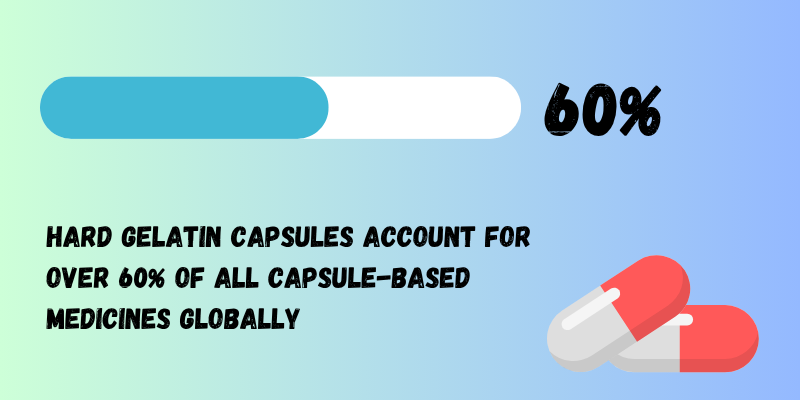
These capsules are preferred for drugs that are stable in dry form and do not require liquid inside. According to Global Growth Insights, hard gelatin capsules account for over 60% of all capsule-based medicines globally.
Patients often find them easier to swallow than tablets, and the gelatin dissolves quickly in the stomach. However, they are not suitable for people with strict vegetarian or vegan preferences unless made with plant-based alternatives.
2. Soft Gelatin Capsules (Softgels)
Soft gelatin capsules, often called softgels, are a single-piece capsule form that contains liquids, oils, or semi-solid fillings. They are made from a more flexible form of gelatin mixed with plasticizers like glycerin or sorbitol, which give them their soft texture.
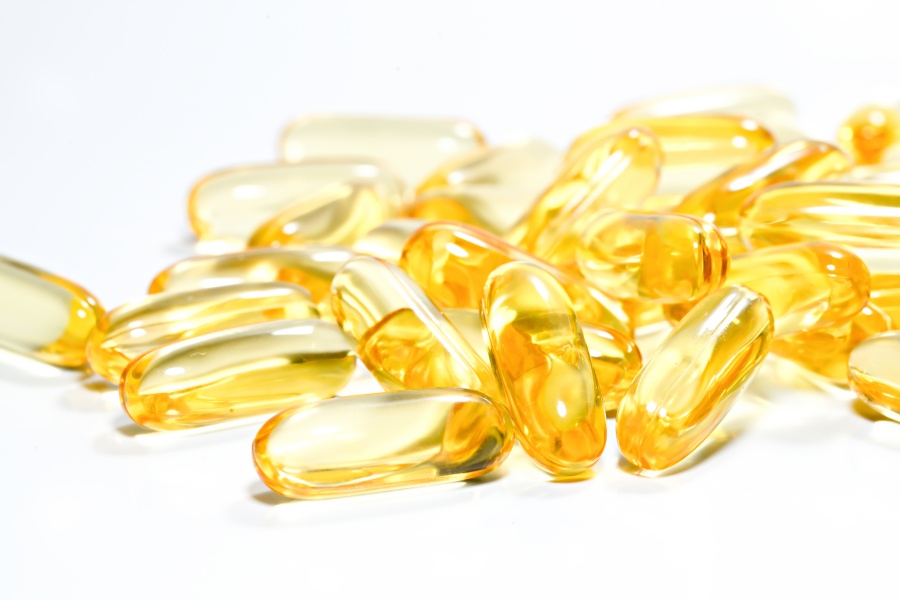
Unlike hard gelatin capsules, softgels are completely sealed during manufacturing. This makes them tamper-proof and leak-resistant. They also improve bioavailability, the body can absorb the drug more effectively, which is important for fat-soluble vitamins like A, D, E, and K.
The softgels market is growing rapidly, too, and is expected to reach $13.49 billion by 2030. This is due to the increased demand for nutraceuticals and omega-3 supplements. The only problem is that they are more expensive to produce and have a shorter shelf life.

Three Specialized Capsule Types
While hard and soft gelatin capsules are the most common, some medications require more advanced designs. These specialized capsule types include:
1. Enteric-Coated Capsules
The stomach damages some medicines before they can be absorbed. While others may irritate the stomach lining if released too early. This is where enteric coating comes in.
It’s a special protective layer applied to capsules or tablets. It is made from polymers that resist dissolving in the acidic environments of the stomach (pH 1-3) but break down in the more neutral to alkaline conditions of the small intestine (pH 6-7.5).
This ensures the medication passes safely through the stomach and is only released where it can be most effective.
2. Controlled-Release Capsules
Sometimes a single dose needs to work over several hours rather than all at once. Controlled-release capsules ensure that it happens exactly like that. In this specific case, the medication is combined with special materials that slow down its release.
This means the drug is delivered gradually over a set period, reducing the number of times a patient needs to take it. The main advantage is convenience and consistent drug levels in the blood.
For instance, some blood pressure medicines and pain relievers use controlled-release technology so that patients can take them once or twice a day instead of multiple times.
3. Effervescent Capsules
For patients who dislike swallowing standard capsules or need fast-acting relief, effervescent capsules are an innovative choice. These capsules contain ingredients like citric acid and sodium bicarbonate that react when they contact water or stomach fluid. This reaction produces gas, which helps dissolve the medicine faster.
The fizzing action can also mask unpleasant tastes and make swallowing easier for some patients. As for their use case, these capsules are popular for vitamins, electrolyte supplements, and certain painkillers.
Four Benefits of Using Capsule Dosage Forms
Capsules are more than just a convenient way to take medicine. Their design offers unique advantages that can improve treatment effectiveness, patient comfort, and even manufacturing flexibility. These benefits are:
1. Ease of Swallowing and Patient Compliance
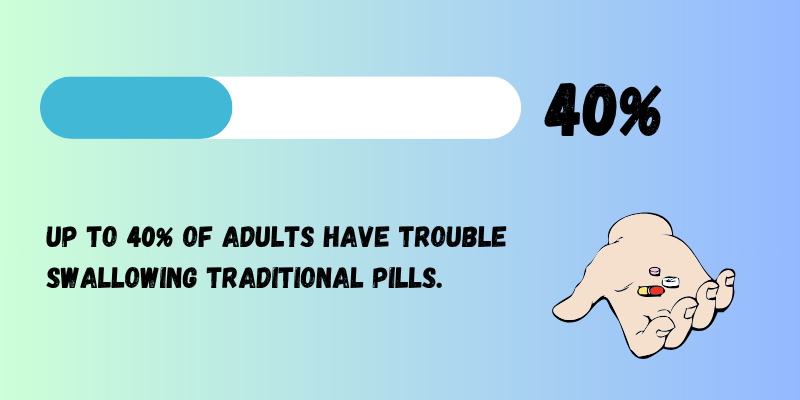
Studies show that up to 40% of adults have trouble swallowing traditional pills. Capsules reduce this problem and improve patient compliance. Unlike large tablets with rough edges, capsules have a sleek, often gel-based outer shell that glides down the throat more comfortably.
This makes them especially suitable for children, elderly patients, and people with swallowing difficulties. They also come in different sizes, so doctors can choose a size that is easier for the patient to take without affecting the dosage.
2. Taste Masking and Formulation Flexibility
Many medicines and supplements have a strong, unpleasant taste or odor that makes them hard to take. Capsules solve this problem as well by completely enclosing the active ingredients inside a shell. When it comes to bitter drugs like antibiotics or herbal extracts, these capsules are a game-changer.
From a manufacturing perspective, capsules offer remarkable flexibility in formulation. They can hold powders, granules, liquids, or even semi-solids, which allows pharmaceutical companies to use the best format for stability and absorption.
3. Faster Absorption Compared to Other Forms
Capsules are often designed so they can break down quickly in the stomach and release the medicine inside. It decreases the absorption time, mainly because the contents are usually in powder or liquid form, which the body can process more rapidly.
For example, pain relief capsules can start working within 15 to 30 minutes, while some tablets may take up to an hour. This speed can be crucial for medicines used in urgent conditions, like migraines or colds.
In addition, certain capsule types, such as softgels, dissolve even more quickly because their gelatin shells break apart faster than compressed tablets.
4. Reduced Gastrointestinal Irritation
Some medications can cause discomfort, irritation, or even damage to the stomach lining. However, it can easily be avoided by using capsules in several ways.
First, the shell acts as a barrier, preventing direct contact between the stomach lining and the active ingredient. Second, certain capsules are coated or designed to dissolve further down in the intestines.
This is especially important for drugs like NSAIDs, which are effective for pain relief but can cause stomach irritation in sensitive patients.
Summing Up
Capsule dosage forms have proven their value in modern medicine by combining patient comfort with precise drug delivery. All the different types offer unmatched versatility for various medical treatments.
Their ability to mask unpleasant tastes, improve swallowing ease, and reduce gastrointestinal irritation makes them a preferred option for both patients and healthcare providers.
If you’re in the pharmaceutical field, you should know these types to choose the right delivery method for your product.
FAQs
1. What makes capsules different from tablets?
Capsules are small containers, usually made of gelatin, that hold medicine in powder, liquid, or paste form. Tablets, on the other hand, are compressed solids made by pressing powdered ingredients together. Capsules dissolve quickly in the stomach, while tablets may take longer.
2. Are capsules easier to swallow than tablets?
Yes, for most people, capsules are easier to swallow. Their smooth, slippery surface and shape help them glide down the throat with less discomfort. However, tablets can sometimes feel rough or large, making them harder to swallow.
3. How long does it take for a capsule to dissolve?
On average, a standard gelatin capsule dissolves within 5 to 30 minutes in the stomach. Factors like temperature, stomach acidity, and whether food has been consumed can change this time. Special capsules, such as enteric-coated or slow-release types, are designed to dissolve later in the digestive process.
4. Can capsules be opened to take the medicine inside?
Some capsules can be opened, but not all. Opening them may change how the medicine works or how quickly it is absorbed. Controlled-release or enteric-coated capsules should never be opened.
Recommend Readings:
What Is the Dosage Form Definition in Pharmacy?
Capsule vs Tablet: The Complete Beginner’s Guide.
What is Softgel Capsule? Everything You Need to Know.
Understanding Capsules: The Essential Guide to Pharmaceutical Capsules.
Copyright Notice:
You may not reproduce, modify, publish, display, transmit, or in any way exploit any content on this website, or use such content to construct any kind of database without prior express written approval by Finetech Group. For permission to use the content, please contact: info@pharmamachinecn.com
Disclaimer:
The information contained in this article is for general information purposes only. The Company does not guarantee the accuracy, relevance timeliness or completeness of any information, and the Company assumes no responsibility for errors or omission in the content of this article.