 English
  Russian
  Turkish
  Spanish
  French
  German
  Japanese
To start a small-scale pharmaceutical manufacturing business, you need to go beyond simply producing medicines. It involves following strict regulations, ensuring product safety, and building a system that people can trust.
This industry is now growing rapidly as demand for affordable medicines and contract manufacturing is increasing across many regions.
So, for everyone wondering how to get into the small-scale pharmaceutical manufacturing business, we’ll cover all about it in this guide.
What Is a Small-Scale Pharmaceutical Manufacturing Business?
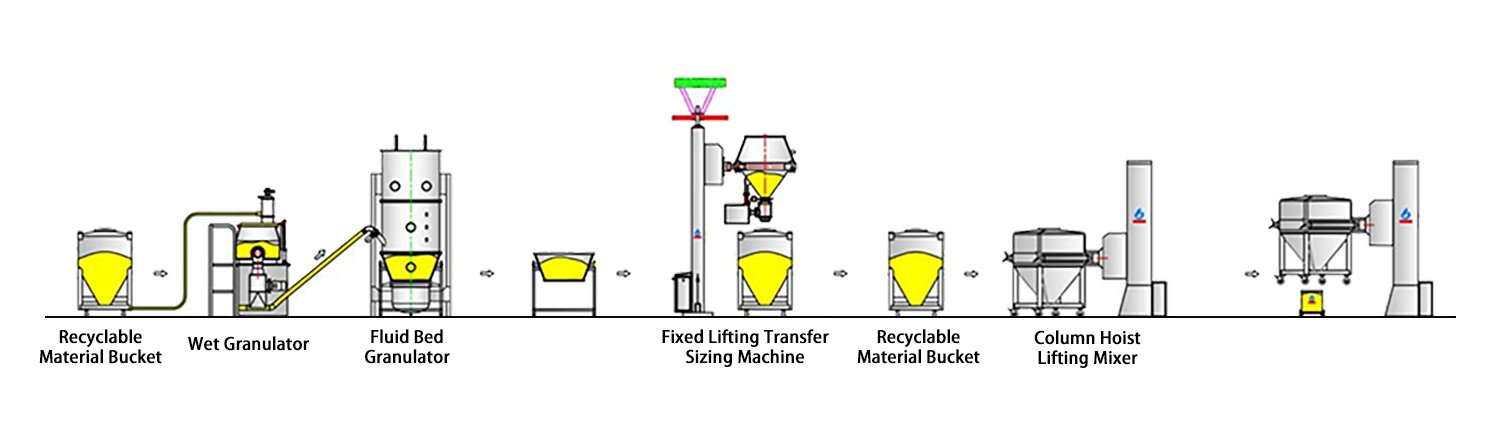
In a small-scale pharmaceutical manufacturing business, companies produce medicines in limited quantities while following strict GxP standards. These businesses typically focus on products like tablets, capsules, syrups, ointments, or basic formulations.
It often targets specific markets, niche products, or contract manufacturing opportunities. Even at a small scale, pharmaceutical manufacturing must follow the same core standards as large manufacturers.
This includes Good Manufacturing Practices (GMP), proper documentation, quality testing, and compliance with regulatory authorities.
How to Start a Small-Scale Pharmaceutical Manufacturing Business
Starting a small-scale pharmaceutical manufacturing business requires making the right decisions at every step, from licensing and compliance to choosing formulations and equipment. To help you navigate this process and set up a successful operation, here’s a step-by-step guide covering everything.
Step 1: Choose Your Product Focus
The first step is deciding what type of medicines you want to manufacture. This decision shapes everything that follows, including your manufacturing facility, equipment, and regulatory requirements.
Here are the different options of products that you can choose from:
- Tablets: Widely used, stable demand, requires compression and coating equipment.
- Capsules: Easier to produce than tablets, ideal for small to medium setups.
- Syrups/Liquids: Requires mixing, filling, and sealing systems.
- Ointments/Creams: Semi-solid production with specific mixing and filling machines.
- Nutraceuticals: Lower regulatory barriers but higher competition.
- Generic Medicines: Faster market entry; however, the price competition is high.
If you start with a limited product range, you can control quality, reduce complexity, and manage costs better. Over time, you can expand once your processes are stable.
Step 2: Understand Regulatory Requirements
Before setting anything, clearly understand the legal requirements in your region. These requirements usually include:
- Drug Manufacturing License: Mandatory to legally produce medicines.
- GMP (Good Manufacturing Practices): Ensures product quality and safety across all stages.
- Product Approvals: Required for each formulation you manufacture.
- ISO Certifications: Improve credibility and support exports.
- Local Health Authority Approvals: Varies by country or region.
Every process must be recorded and traceable. Without proper documentation, approvals can be delayed or rejected.
Step 3: Create a Detailed Business Plan
Pharmaceutical manufacturing requires a significant upfront investment. These costs include facility setup, machinery, licensing, staffing, raw materials, and working capital. On average, a small-scale setup may require an investment ranging from $50,000 to $200,000.
At this stage, it is important to decide how you will fund the business. Many startups rely on a mix of personal investment, bank financing, or external investors. Having a clear financial plan makes it easier to attract investors.
A strong business plan should include cost estimates, pricing strategy, target market, and projected revenue.
Step 4: Set Up a GMP-Compliant Facility
To start a small-scale business, your manufacturing facility must meet strict standards. Key requirements include:
- Cleanroom environments to prevent contamination
- Separate production areas for different processes
- Controlled air, temperature, and humidity systems
- Proper material flow design (raw → processing → finished product)
- Dedicated storage areas for raw materials and finished goods
The facility should follow a logical production flow, starting from raw materials entry to finished product output.
Here, environmental control is equally important. Temperature, humidity, and air quality must be maintained at specific levels to prevent contamination.
Step 5: Purchase the Right Equipment
The equipment you choose depends on the type of products you are manufacturing. For instance, tablet production may require mixers, granulators, compression machines, and coating equipment.
Syrup production may involve liquid mixers, filling machines, and sealing systems. At this stage, quality matters more than cost.
Poor-quality equipment can affect product consistency and lead to regulatory issues. Maintenance and calibration are also part of this process to ensure long-term performance.
Step 6: Hire Qualified and Skilled Staff
You will need qualified pharmacists, production staff, and quality control professionals. Pharmacists handle formulations and compliance, technicians handle production, and quality teams test and validate production.
Training here is equally important. Even experienced staff need to follow your specific processes and documentation standards. A well-trained team reduces errors and improves overall efficiency.
Step 7: Secure a Reliable Supply Chain
A stable supply chain is critical in pharmaceutical manufacturing. To secure a supply chain, you must build strong relationships with API (Active Pharmaceutical Ingredient) suppliers and other raw materials providers.
Reliable sourcing gives consistent product quality and prevents production delays. Any disruption in supply can halt operations completely.
Step 8: Plan Distribution and Market Entry
Once production is ready, reaching the market becomes the next priority. The most effective approach is to work with pharmaceutical distributors who already supply products to pharmacies and hospitals.
This allows you to enter the market faster without building your own distribution network from scratch.
Your only job is to approach pharmacies and hospitals with your product list, pricing, and compliance documents. If your product is competitive and meets quality standards, they can help you reach the market much faster.
Equipment Needed for Small-Scale Pharmaceutical Manufacturing Business
Having the right equipment is important for successfully starting a small-scale pharmaceutical manufacturing business. Each of these pieces of equipment mentioned below plays a specific role in the manufacturing process.
1. Tablet and Capsule Machines
These are the core machines used to produce solid dosage forms. Tablet compression machines are used to press powder into tablets with a consistent size, weight, and strength.
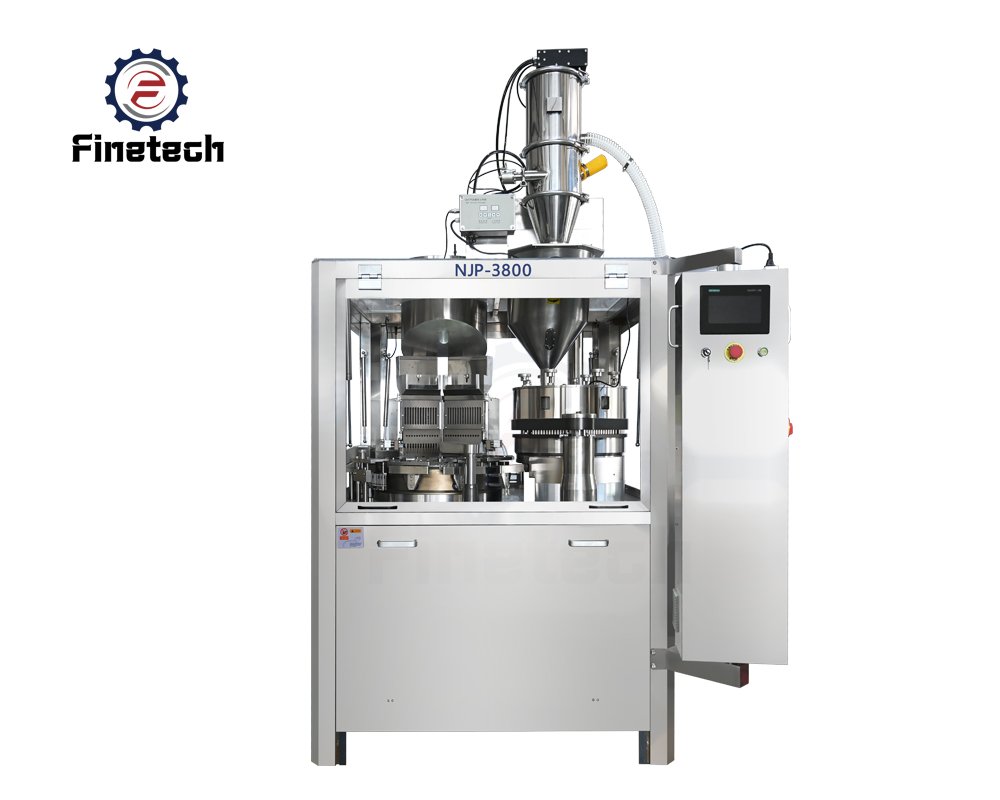
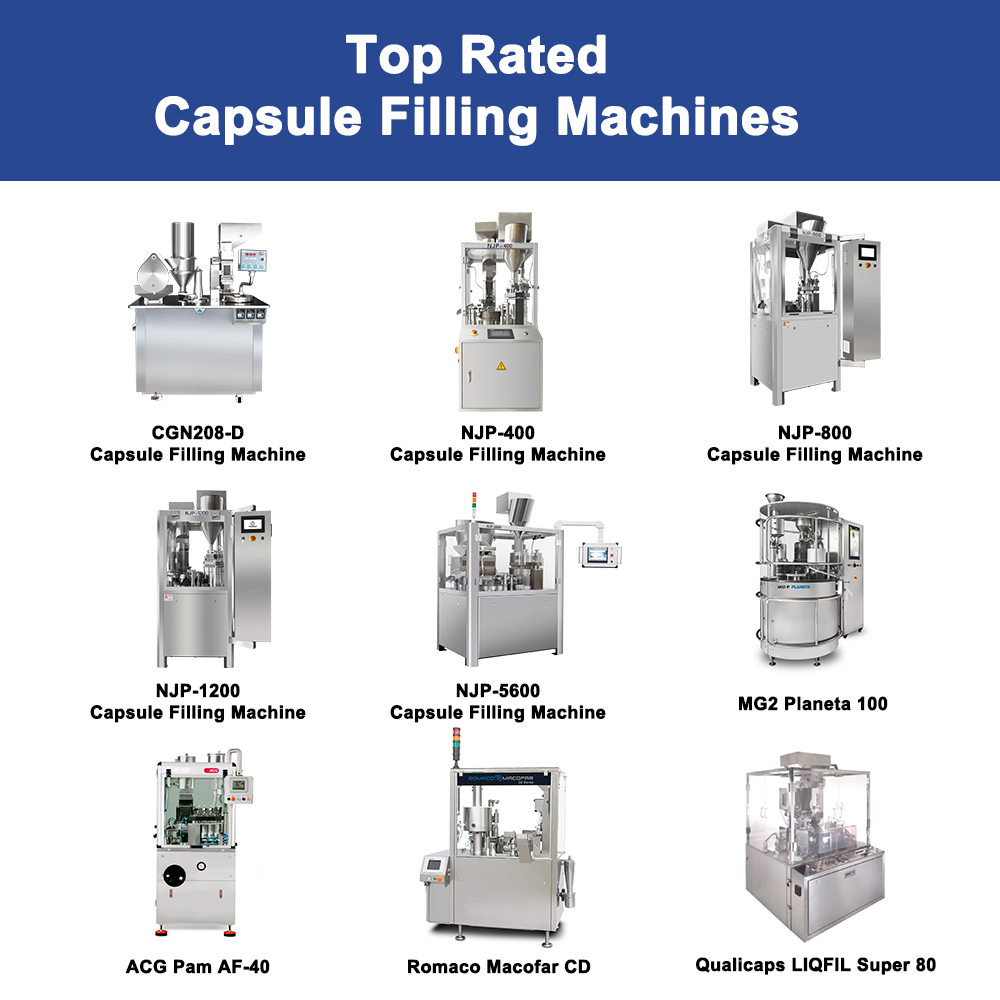
Capsule filling machines, on the other hand, are used to fill powders or granules into empty capsules. Both machines must operate with high precision to ensure every unit meets quality standards.
2. Mixing and Granulation Equipment
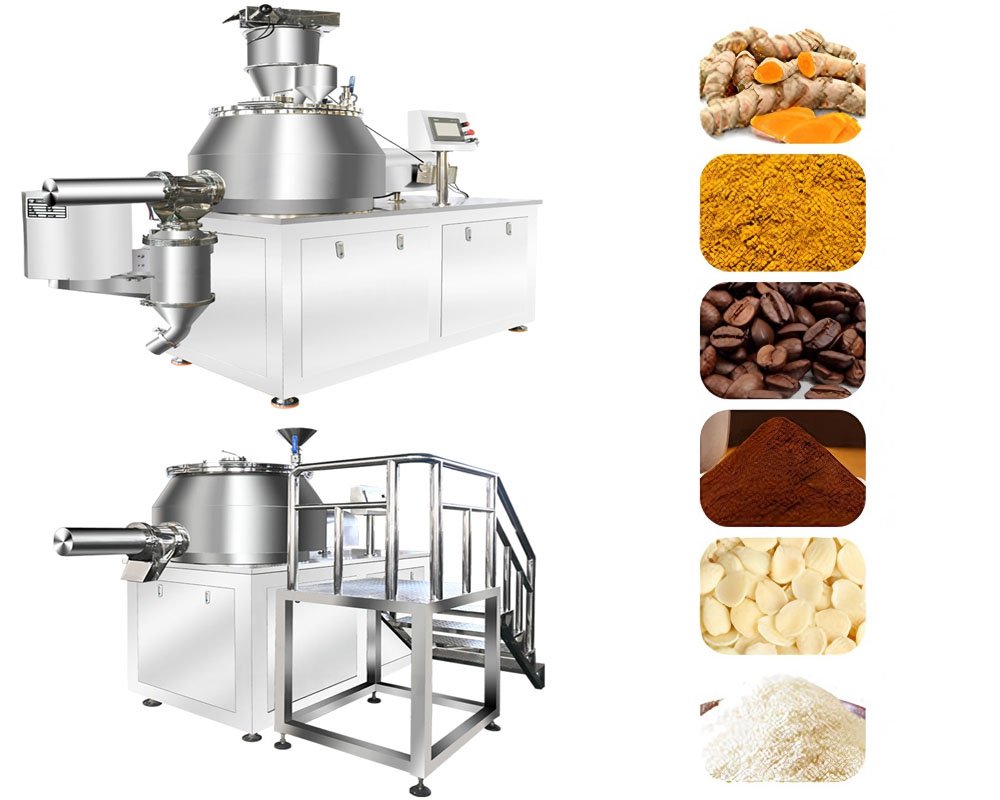
Before tablets or capsules are formed, raw materials need to be prepared properly. Mixers are used to blend active ingredients with excipients evenly. Meanwhile, granulation equipment converts this mixture into granules.
This equipment improves flow and ensures uniformity during tablet compression or capsule filling.
3. Filling and Packaging Machines
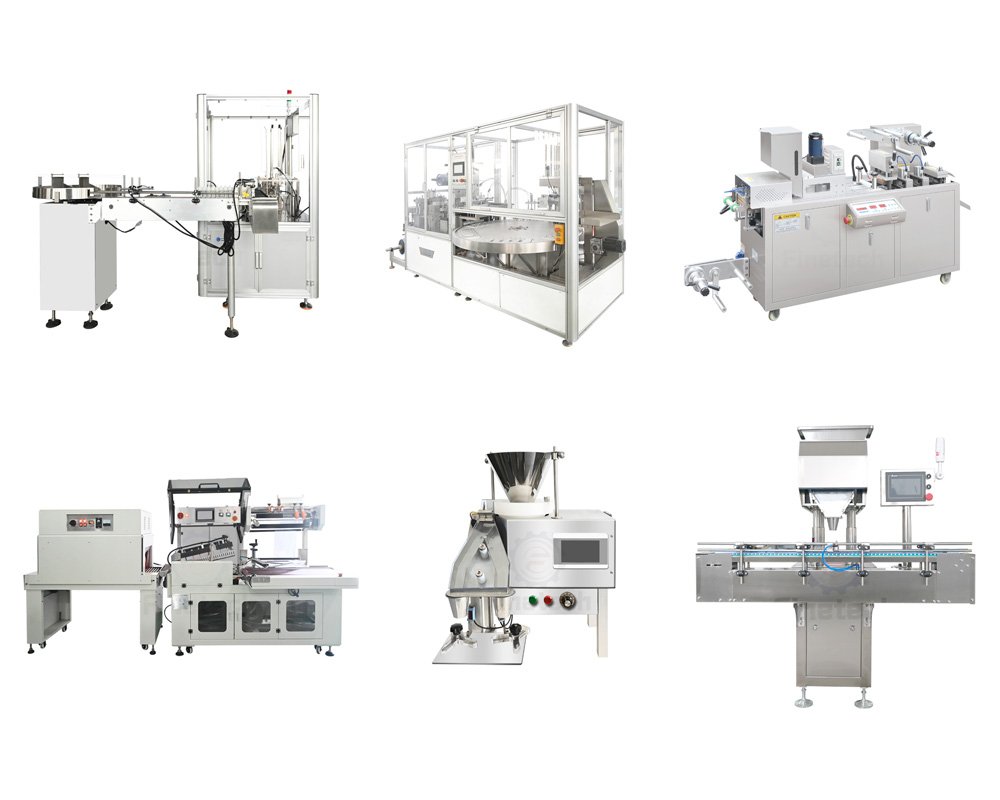
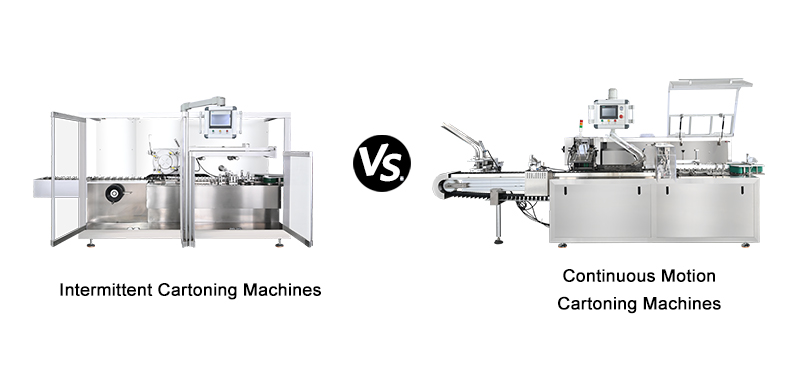
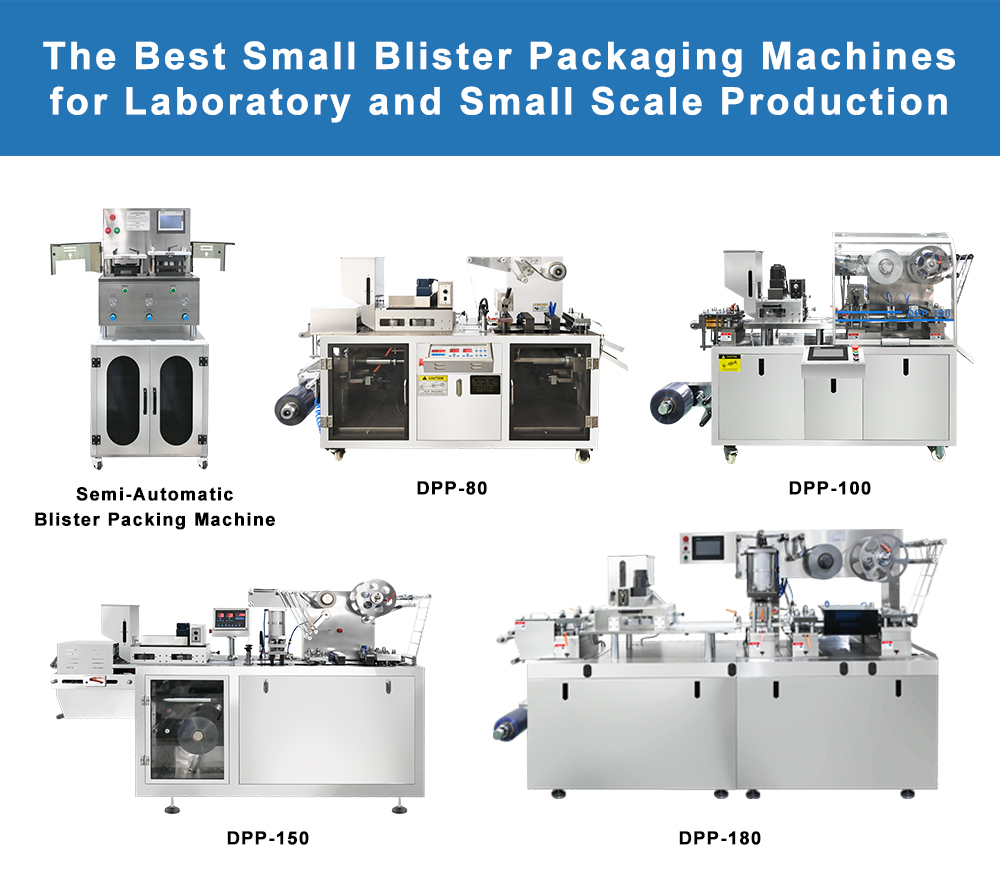
Once the product is manufactured, it needs to be packed correctly. Filling machines are used for liquids like syrups, while packaging machines handle tasks like blister packing, bottle filling, labeling, and sealing.
Proper packaging protects the product, maintains shelf life, and guarantees compliance with regulatory labeling requirements.
Tips for Starting Successfully
When you focus on the right priorities from the beginning, you can easily start a pharmaceutical manufacturing business. Here are some tips that can help you avoid common mistakes and build a solid foundation:
- Start with a Limited Product Range: It is tempting to launch multiple products at once, but that increases complexity. Each product requires its own process, testing, and compliance.
- Focus on Compliance First: In this industry, compliance needs to be built into your system from day one. This includes proper documentation, GMP standards, and regulatory approvals.
- Build Strong Supplier Networks: Reliable suppliers are important for smooth operations. You need consistent access to quality raw materials and APIs.
FAQs
1. How much does it cost to build a pharmaceutical manufacturing plant?
Establishing a pharmaceutical manufacturing facility is a highly demanding and resource-heavy undertaking. The total investment can reach up to $2 billion, with timelines stretching between 5 to 10 years before full-scale operations begin. This includes expenses for infrastructure development, specialized equipment, validation processes, and meeting strict regulatory standards required for production approval.
2. What licenses are required to start a small pharma manufacturing unit?
You typically need a manufacturing license, GMP certification, and product-specific approvals from local drug regulatory authorities. Licensing also covers facility, personnel, and product registration.
3. What types of products are suitable for small-scale pharma manufacturing?
Common options include tablets, capsules, ointments, syrups, and nutraceuticals. Many small manufacturers focus on low-volume or specialty formulations rather than mass-market generics.
4. Why do most new drugs fail during development?
Most drug candidates fail because they do not show the expected results in human trials. Others are dropped due to safety issues or harmful side effects. Some fail because of poor drug properties like low stability or absorption, while a smaller portion is discontinued due to weak market demand or poor planning.
Turn Your Idea Into a Working Facility
To start a small-scale pharmaceutical manufacturing business, do the right things from the beginning. Missing even one area can slow down your progress or create problems later on in the manufacturing process.
So, if you are struggling to set up a compliant facility or design a production line, you need expert help. And you can get that from Finetech.
We offer pharmaceutical turnkey solutions, production line design, and pharmaceutical equipment based on your product type, capacity, and budget. Rather than dealing with separate vendors, you get everything aligned from the start.
Contact Finetech today for further assistance!
Copyright Notice:
You may not reproduce, modify, publish, display, transmit, or in any way exploit any content on this website, or use such content to construct any kind of database without prior express written approval by Finetech Group. For permission to use the content, please contact: info@pharmamachinecn.com
Disclaimer:
The information contained in this article is for general information purposes only. The Company does not guarantee the accuracy, relevance timeliness or completeness of any information, and the Company assumes no responsibility for errors or omission in the content of this article.


2 thoughts on “How to Start a Small-Scale Pharmaceutical Manufacturing Business”
Very helpful information here
I m thinking of making lithium carbonate tablet single composition to start with