English
  Russian
  Turkish
  Spanish
  French
  German
  Japanese
Successful drug formulations rely on the active ingredients and the functional excipients.
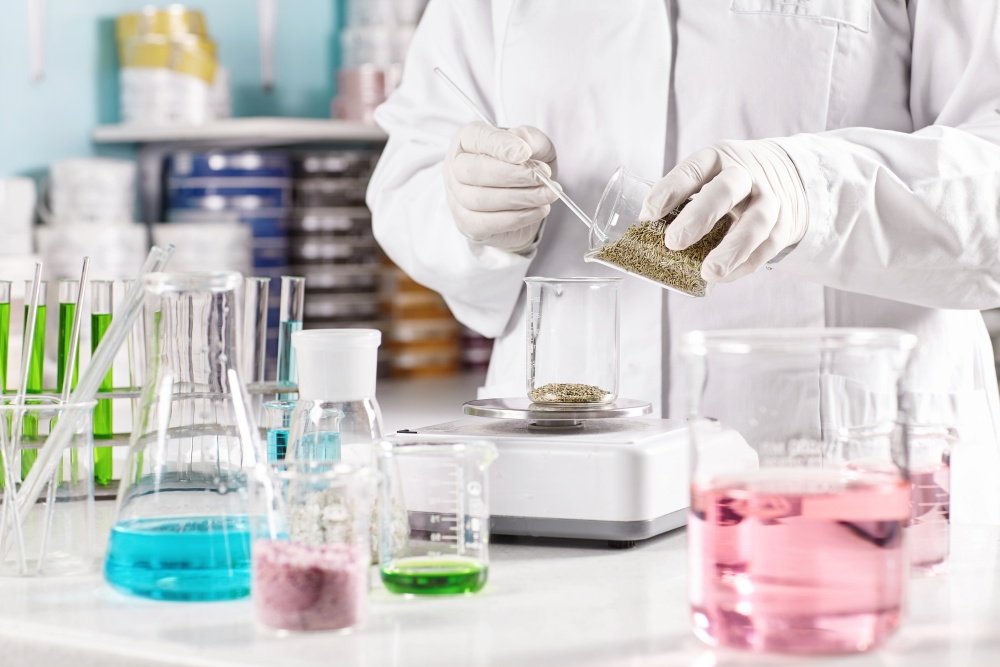
Active ingredients deliver therapeutic effects, while functional ingredients manage drug production and delivery. These ingredients control everything from drug solubility and stability to release rate and shelf-life. They also influence taste and the texture of medicinal products.
In short, functional ingredients in the pharmaceutical industry determine how well a drug performs, how long it remains stable, and how safe it is for patients.
In this guide, we’ll break down why these ingredients are essential and how they help pharmaceutical manufacturers create high-quality, consistent, and reliable medicines.
What are Functional Ingredients for the Pharmaceutical Industry?

Functional ingredients consist of APIs and excipients, and are an essential part of all medicines.
The active pharmaceutical ingredients (APIs) are the biologically active compounds responsible for the primary therapeutic effect. On the other hand, excipients are the inactive components that allow APIs to perform as intended.
APIs are manufactured under GMP principles and offer physiological effects to treat the disease. However, functional excipients don’t cure or prevent disease on their own. They stabilize sensitive molecules, mask unpleasant tastes, control drug release, and ensure consistent drug absorption.
Real Life Example of API and Functional Excipients |
Ibuprofen is an active pharmaceutical ingredient that reduces pain, fever, and inflammation. If an Ibuprofen tablet dissolves too slowly, the active ingredient might not be properly absorbed. A disintegrant, which is a type of excipient, solves this problem by promoting the breakdown. |
5 Functional Ingredients for the Pharmaceutical Industry
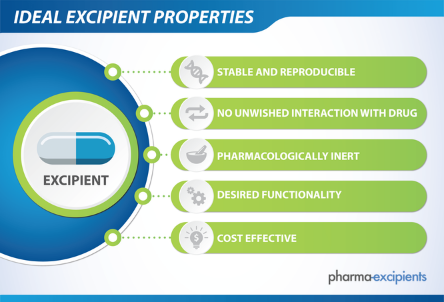
The APIs and excipients also support biologic drugs, such as monoclonal antibodies, peptides, and gene therapies. Here are key functional ingredients in pharmaceuticals that make these new-generation formulations possible.
1. APIs (Active Pharmaceutical Ingredients)
The main functions of any drug depend on its active pharmaceutical ingredient. They are manufactured from raw materials after going through synthesis, purification, and isolation. APIs are then shaped into tablets, capsules, injectables, and other therapeutic forms.
The physical properties of the API affect its behaviour within the body. These include factors such as solubility, particle size, hygroscopicity, and crystallinity. To achieve the best results, APIs are combined with excipients.
2. Binder Agents
Binders hold the drug particles together. They give the tablets sufficient mechanical strength to withstand handling, coating, and packaging. Without binders, tablets would fall apart during the production process.
Research confirms that the type of binder directly affects a tablet’s hardness and disintegration time. This, in turn, affects the tablet’s mechanical integrity and therapeutic performance.
Some of the most common binders in the pharmaceutical industry include sorbitol, starch, PEG, and hydroxypropyl methylcellulose (HPMC). These compounds act like molecular glue to give tablets, pellets, and granules the necessary hardness and durability.
3. Diluent Agents (Fillers)
Sometimes, even after adding the API and excipients, the tablet may fall short of the ideal size or weight. Hence, diluents are added to bulk up the formulation. This provides tablets and capsules in a manageable size, which makes them easier to manufacture, handle, and swallow.
Diluents, such as anhydrous lactose, lactose monohydrate, and mannitol, affect key properties like powder flowability, uniformity, and tablet appearance. They provide the necessary structural support so that tablets meet standard dimensions. Average tablets are 2-3 mm in size and weigh more than 50 mg.
4. Disintegrant Agents
Without effective disintegration, even a perfectly compressed tablet can’t be absorbed in the body. Disintegrant agents, such as sodium starch glycolate, break apart the medicine quickly when it comes into contact with fluids in the digestive tract.
When exposed to fluids, these agents rapidly swell and push the surrounding particles. This causes the tablet to burst. The disintegrants may also work by wicking, strain recovery, or breaking particle-particle bonds.
5. Glidant Agents
Uneven tablet filling can lead to weight variation and dosing errors. Glidants improve the flow properties of powders and granules. Hence, they’re also called flow promoters. They reduce interparticle friction and surface charge, which improves the flow during capsule filling, tablet compression, and dry powder sachet filling.
Talc, colloidal silicon dioxide, and corn starch improve the product quality and reduce the process cost by minimizing downtime. Therefore, their use supports both a smoother process and large-scale production.
Benefits of Functional Ingredients for the Pharmaceutical Industry
Functional ingredients for the pharmaceutical industry do more than just provide structure and stability. They enable advanced drug delivery, extend shelf life, and create flexible dosage forms for different patient needs.
1. Improves Drug Solubility
Around 40% of approved drugs are made of poorly soluble molecules. This makes it difficult for the body to absorb them well. Functional ingredients solve this problem by enhancing dissolution rates and bioavailability.
Solubilizers, disintegrants, and coating agents create an environment that facilitates faster dissolution of the active pharmaceutical ingredients (APIs).
2. Ensures Drug Stability
Functional ingredients shield APIs from moisture, light, heat, and oxygen. Stabilizers and coating agents prevent the drug from breaking down, which could reduce its potency or safety. The right functional excipient helps control the internal moisture and improve drug stability.
It also prolongs the shelf-life and drug performance by modifying pH, enhancing permeability, and facilitating drug dissolution.
3. Optimizes Drug Release
Controlled drug delivery is one of the most notable features of functional ingredients. They allow manufacturers to tailor how and when a drug is released in the body. Excipients make it possible to achieve immediate, delayed, or sustained release. Polymer coatings on medicines are the most competent method of controlling drug release.
For instance, Omeprazole, a common PPI, would be destroyed by gastric acid without protection. An enteric coating allows the drug to safely pass the stomach and is only released in the small intestine for best absorption.
4. Enhances Patient Compliance
More than 60% of APIs taste bitter, which negatively impacts patient compliance. Taste-masking agents, film coatings, and textural enhancers can make oral drugs easier to swallow, especially for children and elderly patients.
Flavoring agents transform bitter APIs into better-tasting formulations. Binders and fillers adjust size and shape, while coatings help tablets glide down the throat smoothly.
5. Multifunctional Uses
Many functional ingredients have multiple uses. For example, microcrystalline cellulose (MCC) serves both as a binder and filler, while pregelatinized starch functions as a disintegrant and filler.
With more than 1000 functional excipients in the market, multifunctional excipients reduce the number of steps and the total cost of production.
FAQs
1. What are examples of commonly used binders?
Examples include povidone (PVP), hydroxypropyl methylcellulose (HPMC), starch paste, and gelatin. These materials improve cohesiveness and contribute to a uniform tablet structure.
2. What is the role of emulsifiers in pharmaceutical formulations?
Emulsifiers help blend oil and water phases in emulsions and creams. They stabilize the mixture and prevent separation over time. Examples include lecithin, polysorbates, and cetostearyl alcohol.
3. What is the difference between natural and synthetic functional ingredients?
Natural ingredients are derived from plant, animal, or mineral sources, while synthetic ingredients are chemically produced. Synthetic materials often offer greater purity, consistency, and scalability for industrial production.
Power Your Production with Pharma Precision
The importance of functional ingredients for the pharmaceutical industry is undisputed. They guide the formulation, scalability, and personalization of medicines. However, to process these ingredients, you need premium, high-precision machinery.
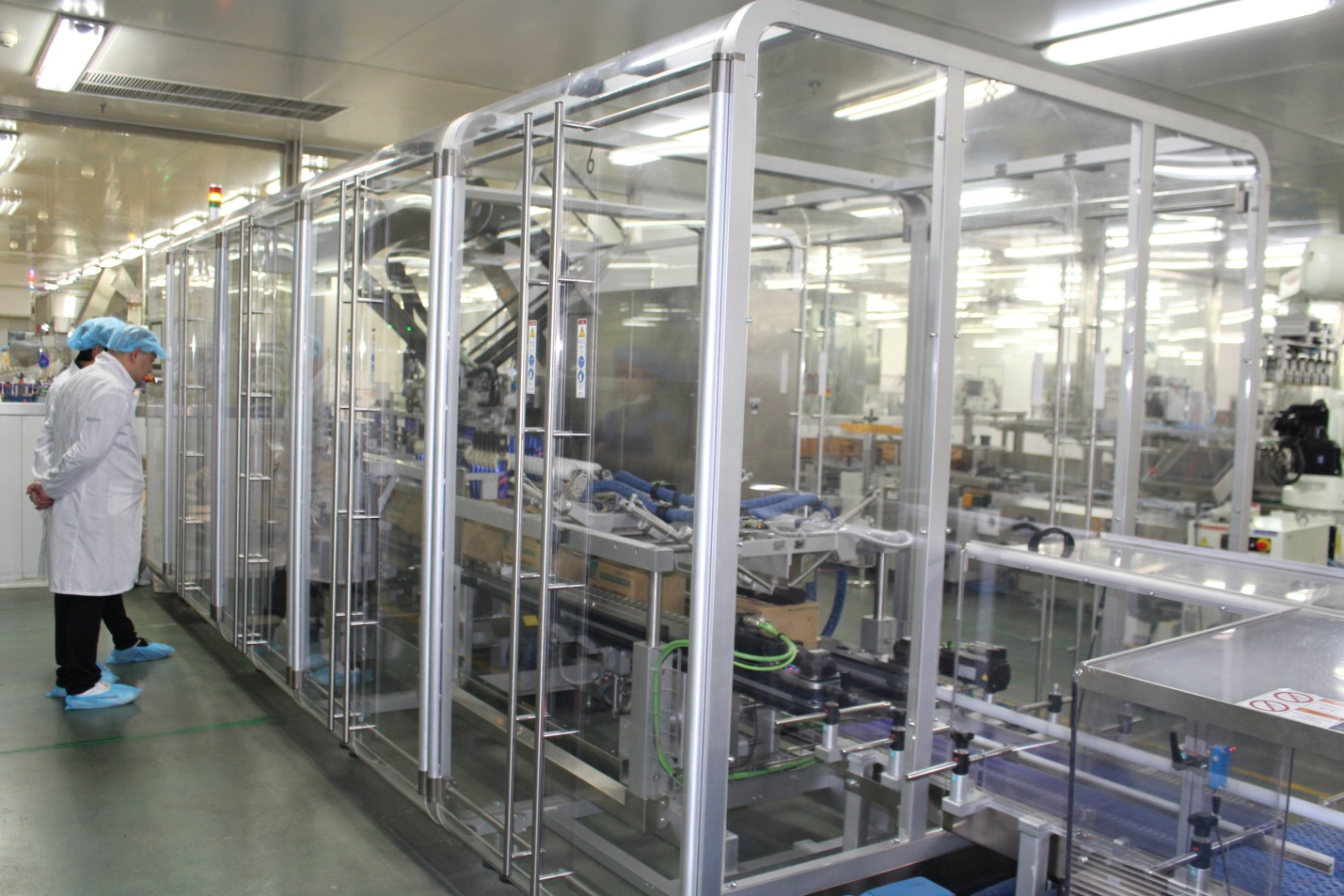
Take the fluid bed dryer, for example, a key machine in drying and granulating functional ingredients. It ensures moisture removal and uniform particle size, which directly affects the stability, and quality of the final product. Without this level of precision, even the best formulations can lose potency.
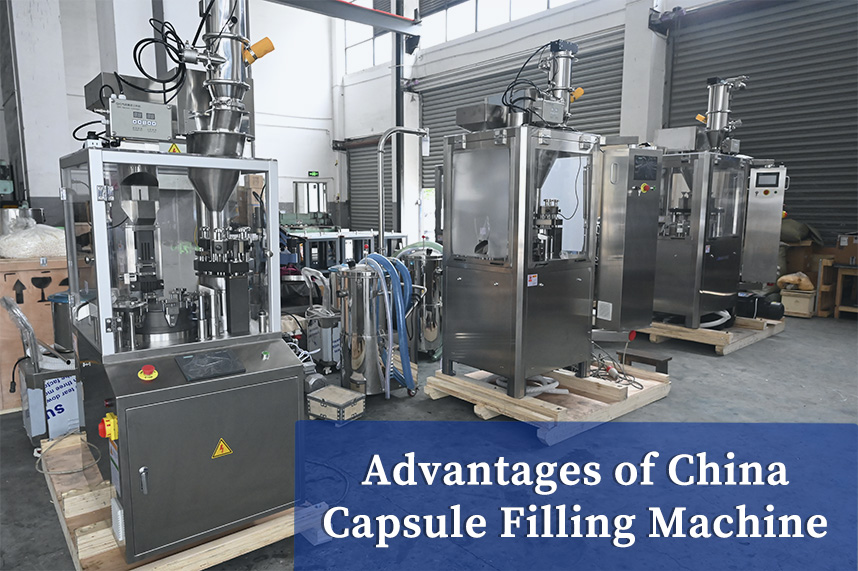
Advanced pharmaceutical equipment like this guarantees accurate dosing, uniform mixing, and consistent results for complex formulations. If you’re looking for a reliable supplier for your pharmaceutical facility, Finetech is a trusted option. Our certified pharmaceutical machinery offers an eco-friendly option to grow your business. Partner with Finetech for smarter, cleaner ingredient processing.
References:
- Functional Ingredients: From Molecule to Market—AI-Enabled Design, Bioavailability, Consumer Impact, and Clinical Evidence.
- Raw Materials and Functional Excipients.
Copyright Notice:
You may not reproduce, modify, publish, display, transmit, or in any way exploit any content on this website, or use such content to construct any kind of database without prior express written approval by Finetech Group. For permission to use the content, please contact: info@pharmamachinecn.com
Disclaimer:
The information contained in this article is for general information purposes only. The Company does not guarantee the accuracy, relevance timeliness or completeness of any information, and the Company assumes no responsibility for errors or omission in the content of this article.