English
  Russian
  Turkish
  Spanish
  French
  German
  Japanese
Over the last couple of years, the number of vapers has increased from 82 million to 114 million, which shows that the demand continues to rise.
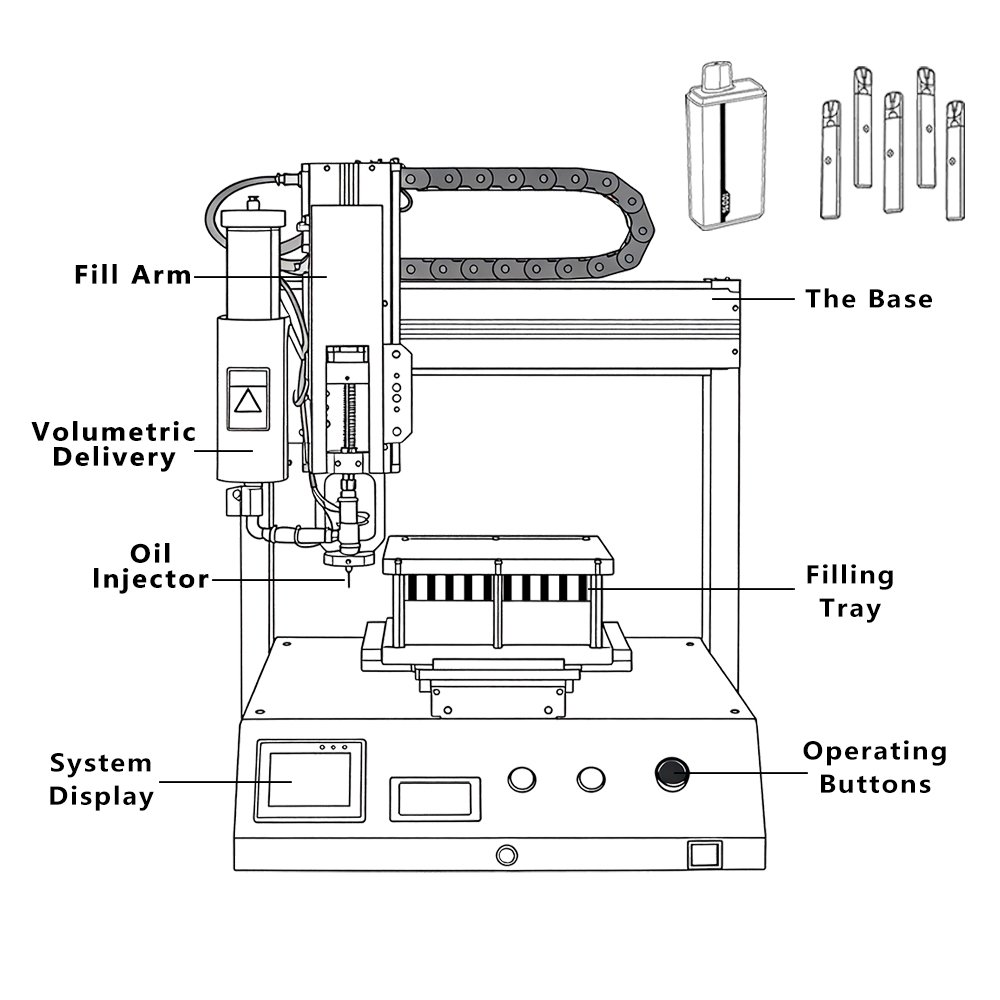
This means there’ll be a higher need for vapes as time goes on. And when that happens, the vape cartridges will be one of the most sold parts, as these can be replaced while using the same vape.
So, if you’re looking to pursue this market, you’ll need a vape cartridge filling machine. It’s a precision tool designed to save time, reduce waste, and ensure every cartridge delivers the same quality.
Here’s everything you should know about this machine.
What Is a Vape Cartridge Filling Machine?
A vape cartridge filling machine is a specialized piece of equipment designed to automate the process of filling cannabis or nicotine oils into vape cartridges.
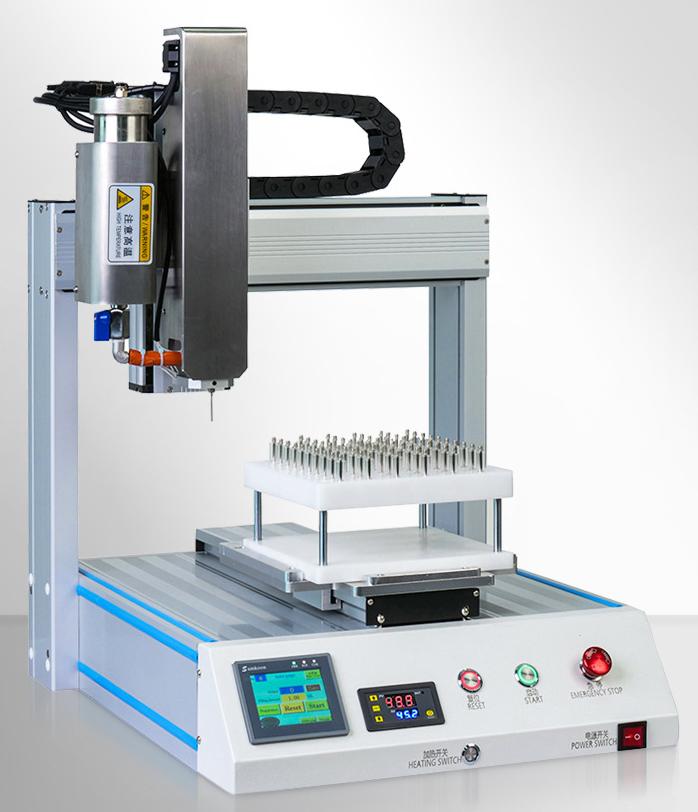
Instead of relying on manual methods like syringes or droppers, which are slow and prone to error, these machines deliver accuracy, consistency, and speed.
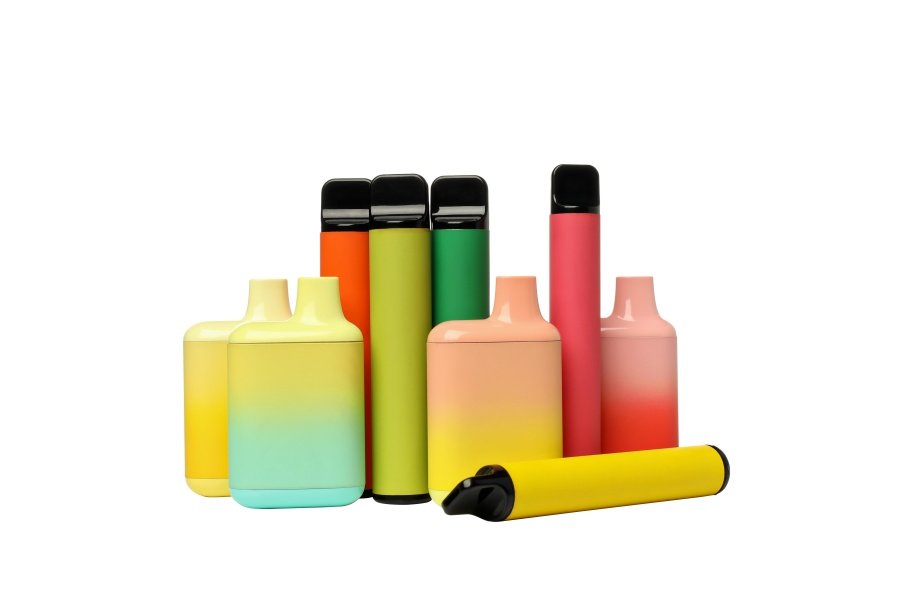
The machine works by using controlled dispensing systems to guarantee each cartridge receives the exact amount of oil. This not only reduces waste but also maintains product uniformity, which is crucial in a regulated industry.
Beyond filling, many modern machines also handle capping and sealing, eliminating the need for multiple manual steps.
How Does a Vape Cartridge Filling Machine Work?
Here’s how a vape cartridge filling machine works:
Step 1: Preparing and Heating the Oil
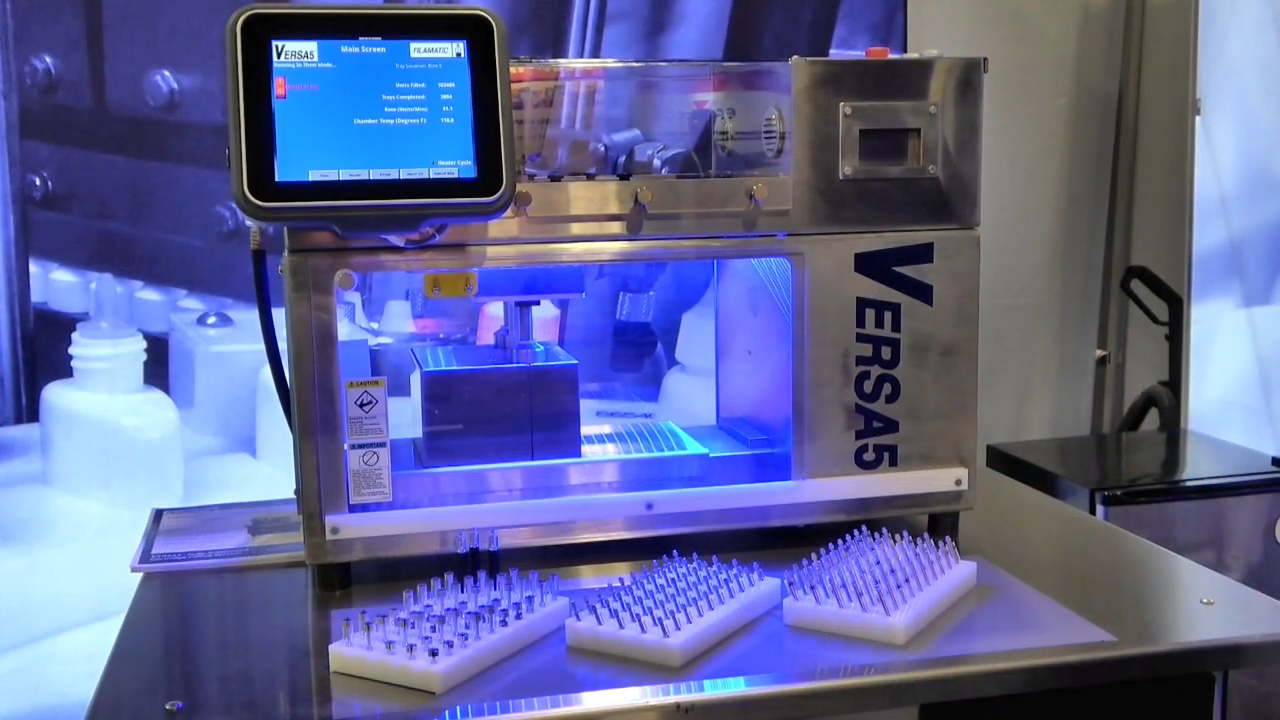
Before anything else, the oil (distillate, CBD, or THC concentrate) needs to be prepared. Most oils are too thick to flow at room temperature, so the machine gently heats them to just the right temperature.
This makes the liquid smooth enough to flow into cartridges without clogging. Think of it like warming up honey so it pours easily.
Step 2: Priming the System
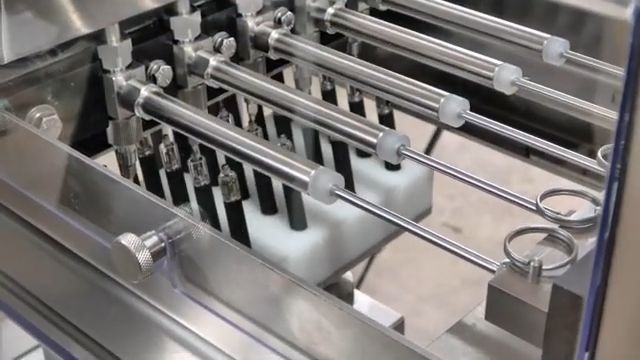
Next, the machine has to be “primed.” This simply means running the oil through the tubing and nozzles before the real filling starts.
This is important because air bubbles can cause inaccurate fills. By pushing out the trapped air, the system ensures that every cartridge later receives a consistent amount of oil without gaps.
Step 3: Dispensing the Oil into Cartridges
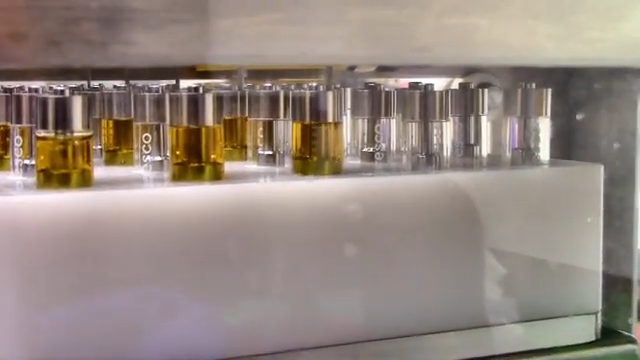
This is the heart of the process. The machine measures out a precise volume of oil for each cartridge and dispenses it through nozzles.
Do you know what the beauty of these machines is? It’s the accuracy because you don’t want one cartridge half-full and the next one overflowing. Whether you’re filling 100 or 10,000 cartridges, the machine ensures each one is consistent.
Step 4: Capping and Sealing the Cartridge
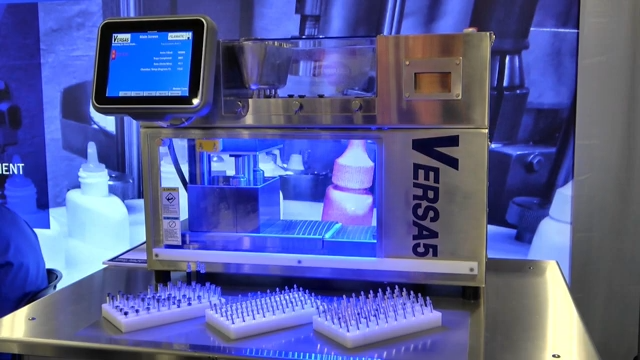
Once the cartridges are filled, it’s time to seal them with their caps or mouthpieces. Some machines have automated capping systems, while others require operators to place the caps manually.
Either way, sealing prevents leaks, keeps the oil fresh, and ensures the cartridge is ready for use.
Step 5: Cleaning and Packaging
Finally, the cartridges are cleaned, labeled, and packaged for shipment.
Excess oil on the outside is wiped away, and the cartridges are placed into trays or retail packaging. At this stage, they’re ready for shipment or stocking.
All steps image source: https://www.youtube.com/watch?v=LPlkgZvtLtE
Types of Vape Cartridge Filling Machines
Not all vape cartridge filling machines are the same. The right choice depends on the number of cartridges you’re filling, the level of accuracy you require, and your budget. Let’s break down the main types:
1. Manual Vape Cartridge Filling Machines
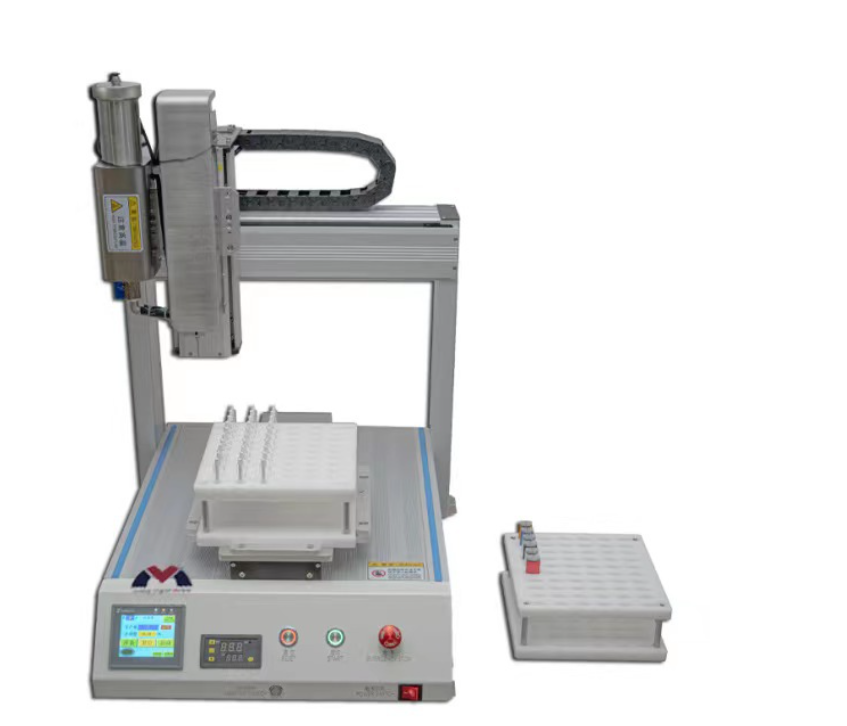
These are the most basic types and are often used by small-scale businesses or startups. Operators manually draw the oil into a syringe or small pump system and then inject it into each cartridge one by one. If you’re producing a few hundred cartridges at most, this type would be the best choice for you.
- Pros: Low cost, easy to use, and minimal setup.
- Cons: Very time-consuming, higher chance of human errors, and not ideal for scaling up.
2. Semi-Automatic Vape Cartridge Filling Machine
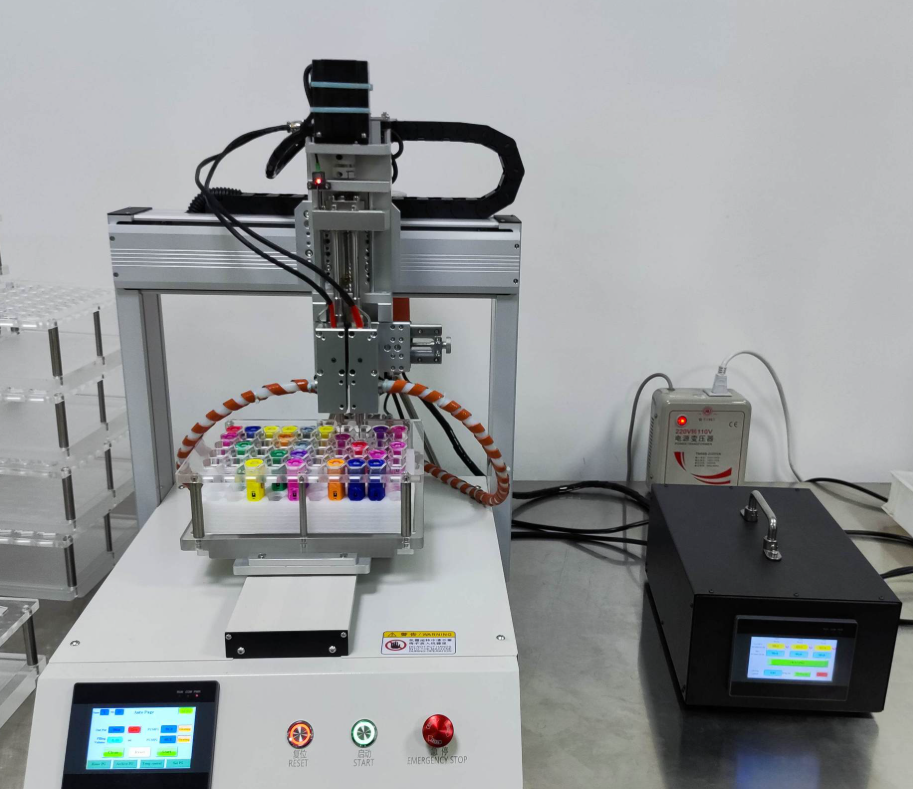
Semi-automatic machines strike a balance between efficiency and affordability. They use a pump and heating system to keep the oil warm and fluid, and the operator only needs to position the cartridges under the nozzle and press a button or foot pedal.
The machine then dispenses the correct amount of oil into each cartridge. This option is popular for medium-sized businesses producing thousands of cartridges per week.
- Pros: Faster than manual, more accurate filling, and reduces operator fatigue.
- Cons: Still requires human labor to load and cap cartridges, so it’s not fully hands-free.
3. Fully Automatic Vape Cartridge Filling Machine
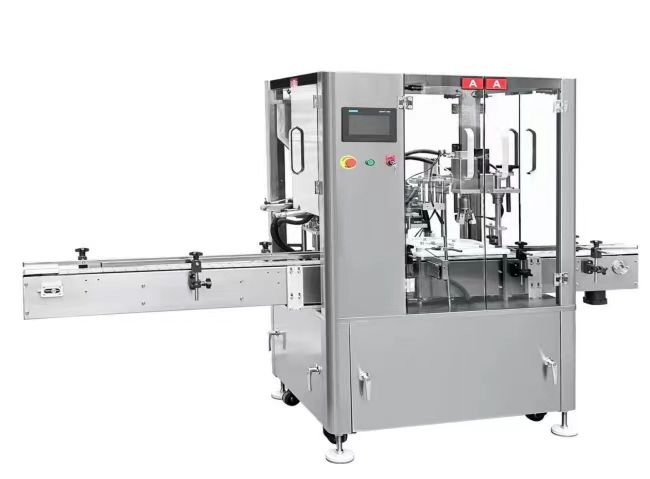
These last types of machines are the workhorses of large-scale vape production. Fully automatic machines handle the entire process without much operator involvement. Many also include sensors for quality control and can fill thousands of cartridges per hour.
So, if you’re an established manufacturer who’s looking to scale production, fully automatic filling machines are the ideal type.
- Pros: Extremely fast, highly accurate, consistent results, and reduces labor costs.
- Cons: High upfront cost, requires more space and technical know-how to operate.
1. What are emerging trends in vape cartridge filling technology?
Recent trends in vape cartridge filling technology include AI-driven automation, improved temperature control for thicker oils, and systems designed to handle multiple cartridge types. Manufacturers are increasingly adopting GMP-compliant, cleanroom-ready designs that support safer and more reliable large-scale production.
2. How can I prevent leaks and clogs when filling vape cartridges?
Use proper oil viscosity (preheat thick oils), avoid overfilling, don’t let oil enter central airflow paths, seal cartridges right after filling, and clean nozzles regularly.
3. What common mistakes do new operators make with vape cartridge fillers?
Mistakes include using the wrong viscosity fluid, setting fill speed too high, delaying capping, not pre-warming cartridges, skipping cleaning, and using hardware incompatible with the liquid.
Your Production Line Deserves the Right Equipment
Many manufacturers encounter delays and quality issues when working with outdated or unreliable suppliers. So, if you’re struggling to find a reliable vape cartridge filling machine, you’re in the right place.
At Finetech, we’ve spent over 30 years designing and delivering advanced pharmaceutical and industrial machinery. It helps businesses scale and maintain consistent product quality.
By working with us, you also get customization options, expert guidance, and full-service support. This makes sure your production line runs smoothly from day one.
Get in touch today to request a free quote!