English
  Russian
  Turkish
  Spanish
  French
  German
  Japanese
Shaping tablets the right way is important so they are easy to take and work well. The process needs care and the right tools to make sure every pill is safe and proper. In this article, we discuss pills mold, how they work, the different types, and simple ways to keep them clean and in good condition.
What Are Pills Mold?
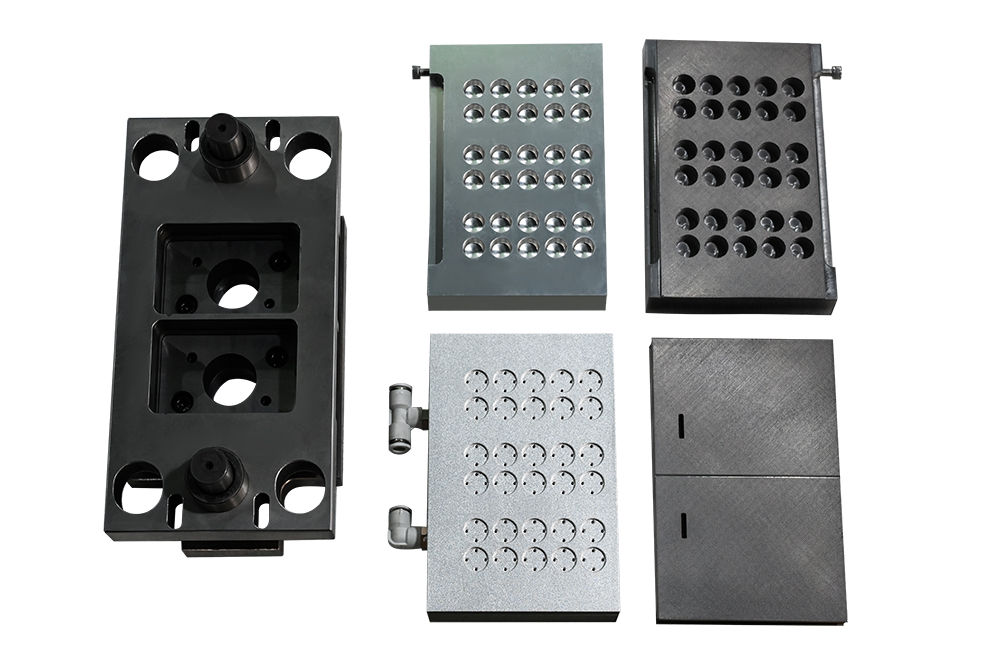
Pills mold is a tool used to shape powdered medicine or vitamins into tablets. It makes sure each tablet has the right size and amount of medicine. Without a proper mold, tablets can come out unevenly or have too much or too little medicine.
Pills molds can be made from materials like stainless steel or plastic, depending on the type of tablet and production needs.
In the pharmaceutical industry, pills molds are very important. They help factories produce large quantities of uniform, safe, and easy-to-take tablets. Using the right mold also saves time, reduces waste, keeps tablets strong, and gives them a smooth surface.
Types of Pills Mold
Pills molds come in different types depending on how tablets are made and how many are needed. Some molds are simple and used in laboratories, while others are automated and used in large factories. Choosing the correct type of mold makes tablet production much faster and safer.
Silicone pill mold
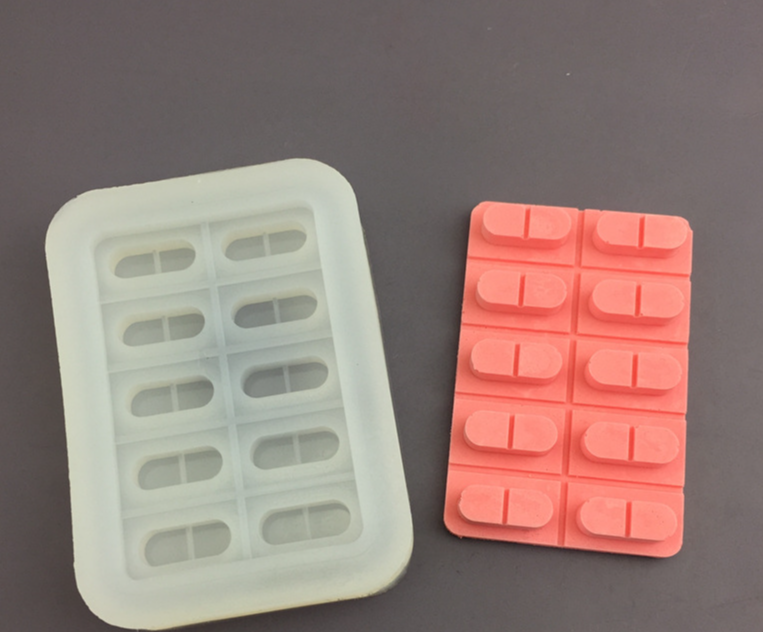
Silicone pill molds are small and simple tools. They are used when only a few tablets are needed or for testing in labs. A person presses the powder into the mold by hand. These molds are easy to use and clean, but they are slow and not suitable for large production.
Semi-Automatic Pill Mold
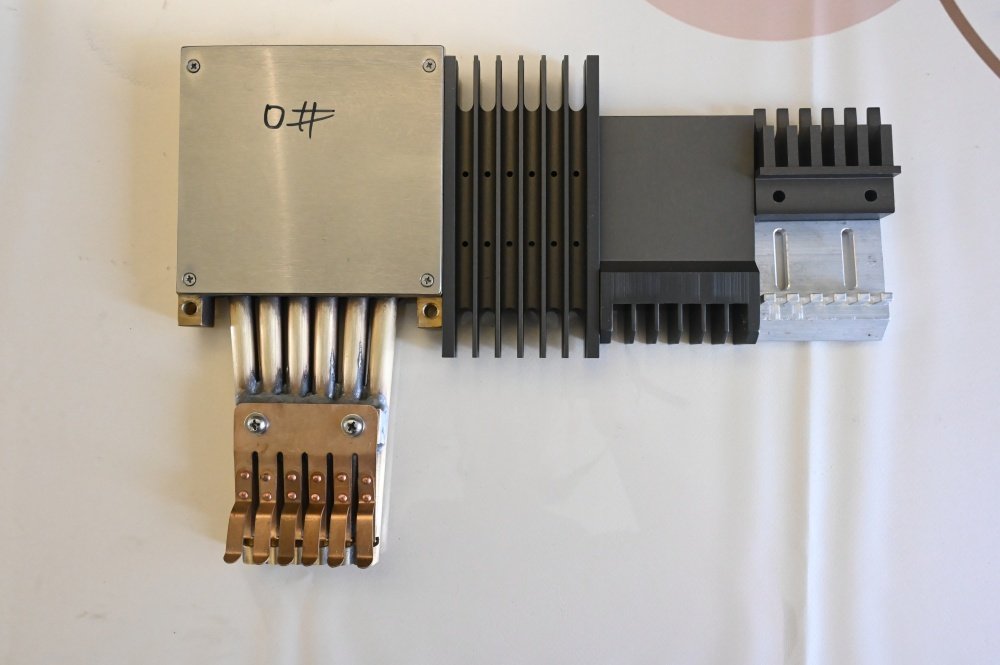
Semi-automatic molds require some machine assistance, but a person still controls part of the process. They can make more tablets than manual molds and are primarily used in small factories. This equipment, like the semi-automatic capsule filling machine, saves time and makes tablets more uniform than manual molds.
Automatic Pill Mold
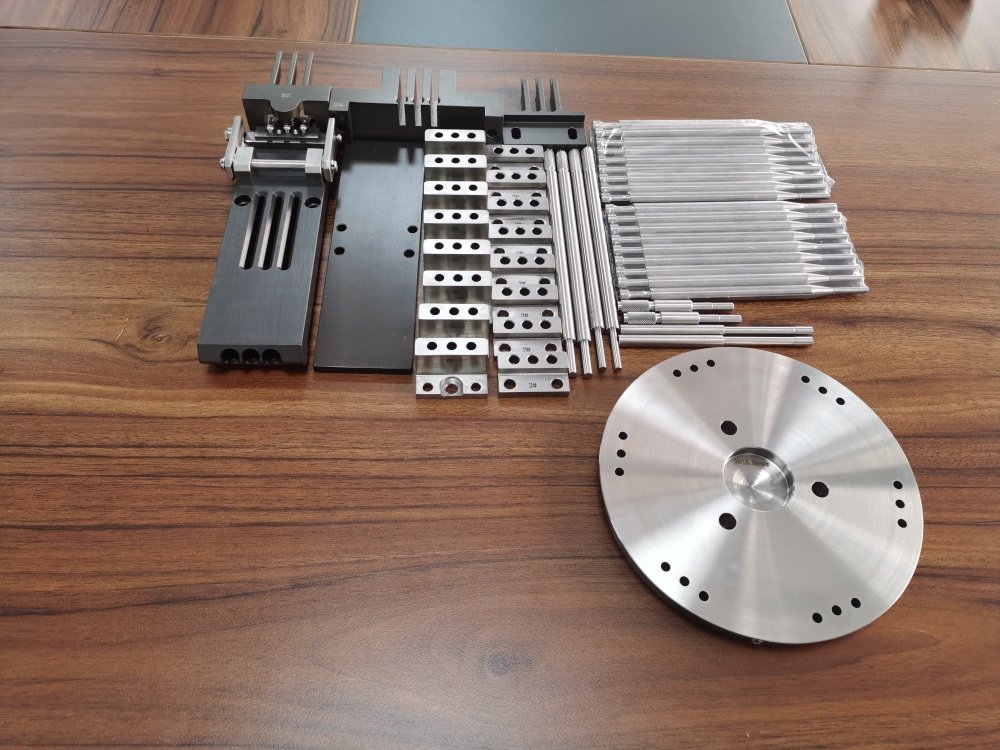
Automatic molds are fully machine-operated and used in large factories. They can make thousands of tablets every day without much human help. These molds are fast, accurate, and help keep all tablets the same size and shape, which is very important in a pharmaceutical production line. They are perfect for mass production.
3D-Printed Pill Mold
3D-printed molds are made using special 3D printers. They allow custom tablet shapes and designs that are hard to make with traditional molds. These molds are helpful for small batches, new medicines, or special tablets with logos or patterns. They are precise but usually slower than automatic molds for large production.
Medicine Molds
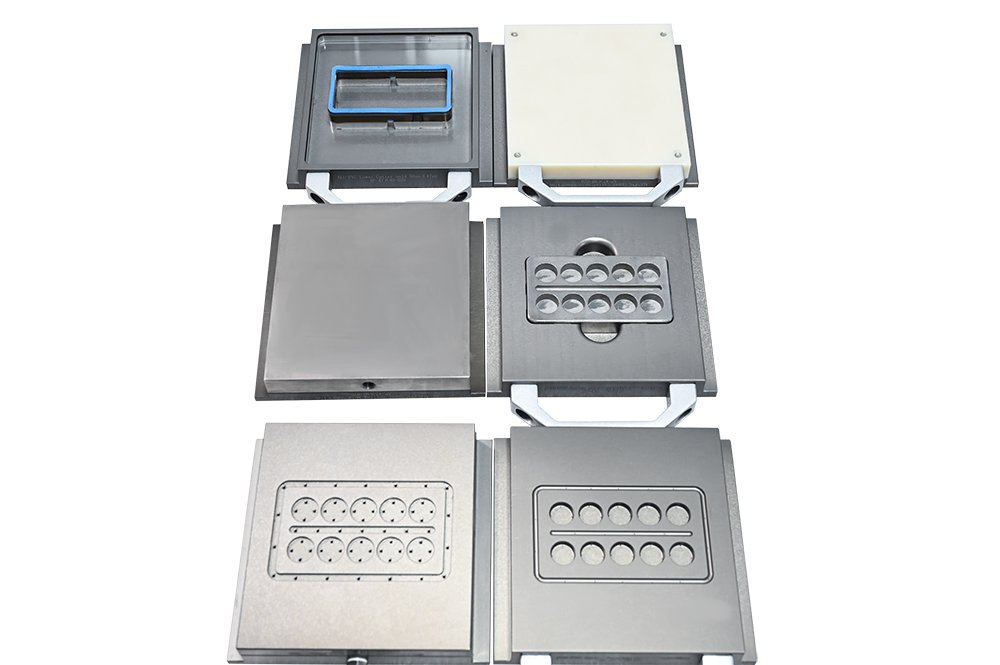
A pill press is a type of mold setup that compresses powder into tablets quickly and firmly. It can be manual, semi-automatic, or automatic depending on the production need. Pill presses are used when many tablets need to be made efficiently, and they make sure each tablet has the right shape and size.
Pills Mold in Tablet Manufacturing
Pills molds are important in the tablet manufacturing process as they keep it pretty organized. They also help factories produce tablets that are safe and ready for packaging.
Role in Tablet Making
Pills molds give tablets their shape and size. They help reduce mistakes during production and make the process faster. A good mold also lowers waste and keeps tablets consistent in every batch. In factories, molds and tablet manufacturing machines play the role of producing large quantities of tablets without issues.
They allow the tablets to emerge neatly, with clean edges and the correct thickness. Proper molds make it easier for workers to handle tablets and prepare them for the next stage, like coating or packaging.
How It Works
During tablet making, the powder or granules are placed into the mold cavity and pressed using a tablet-coating machine. The machine pushes the powder tightly to form solid tablets. After pressing, the tablets are carefully removed so that they do not break or lose their shape. The pressure, alignment, and speed of the machine all affect how well the tablets form.
Accuracy Matters
Accurate molds make sure every tablet has the right amount of medicine. This is very important for patient safety because tablets with too much or too little medicine can be harmful.
Accuracy also keeps all tablets the same in size, shape, and weight, which helps in packaging and labeling. Workers regularly check the molds and make minor adjustments to maintain consistent tablets throughout the batch.
SOP for Pill Mold Handling and Maintenance
Proper handling and care of pill molds is imperative to keep tablet production safe. Following the proper steps helps molds last longer and makes sure tablets come out neat and the right size every time.
Cleaning and Sanitization
Molds should be cleaned after every batch of tablets. Warm water and mild soap can remove leftover powder and other residues. Rinse the molds properly to make sure no soap remains, and dry them thoroughly before storing or using again.
Using soft brushes or cloths helps reach small corners without scratching the mold. Regular cleaning prevents tablets from sticking, keeps them safe, and makes sure the molds are ready for the next batch.
Inspection Before Use
Before starting any production, it is very important to inspect the molds carefully. Proper inspection helps catch any damage or leftover powder that could cause problems.
Tools like magnifying glasses, loupes, microscopes, light boxes, and calipers are used for the visual inspection of medicines to check for cracks, chips, color differences, or size variations.
- Look for cracks or dents on all parts of the mold.
- Check that the mold edges are smooth and not worn out.
- Make sure all parts fit together correctly and nothing is loose.
- Remove any leftover powder or dust from previous batches.
- Confirm that moving parts, if any, work easily without sticking.
After inspection, make any necessary minor adjustments and wipe the mold clean. This simple check before use helps tablets come out in the right shape and size.
Proper Storage
Molds should be stored in a dry place to prevent exposure to moisture, dust, and accidental damage. Keep molds in boxes or cabinets to protect them from being knocked or scratched.
Heavy items should not be placed on top of molds, and labeling them clearly can prevent mix-ups if the molds are used for different types of tablets. Proper storage helps the molds stay in good condition and ready for long-term use.
Tips for Longer Mold Life
Taking care of molds properly helps them last longer and stay safe for use. Small habits make a big difference and make tablet production easier.
- Handle molds carefully and do not drop or force them.
- Lightly oil moving parts if the manufacturer suggests it.
- Avoid strong chemicals that can destroy the surface.
- Clean molds gently after each use to remove powder or dust.
- Store molds in a dry and safe place, away from heavy objects.
- Take advantage of on-site machine installation and commissioning services.
Following these tips keeps molds in good condition and helps tablets come out correctly every time, reducing problems and waste.
Common Problems and Solutions
Using pills molds is very helpful in tablet production, but sometimes problems can occur. Some of the most common issues are:
Cracks and Breakages
Cracks or breakages in molds happen if they are dropped, pressed too hard, or used for a long time without maintenance. Broken molds can make tablets uneven or cause pieces to get mixed with the powder. The solution is to handle molds carefully and replace any mold that has cracks or damage.
Sticking or Powder Residue
Sometimes, tablets stick to the mold, or powder gets left behind. This happens because the powder does not flow well, causing clumps or sticking to the mold walls. Poor flow can be due to high moisture, uneven particle size, static electricity, or improper granules.
To fix this, clean molds thoroughly after every batch and make sure powders are dry. Using a light coating of recommended lubricant can also help prevent sticking.
Uneven or Incorrect Tablet Size
Tablets can come out too thick, too thin, or uneven if the mold or tablet press is not set correctly. This can affect the amount of medicine each tablet contains. To solve this, check the mold alignment and adjust the pressure on the tablet-making machine.
Worn-Out or Damaged Mold Surfaces
The surfaces of molds can wear out or become rough. This can make tablets look bad or cause them to break easily. The solution is to inspect molds often or replace them when they show signs of wear. Keeping molds clean and stored safely also reduces surface damage. For molds requiring high wear resistance and high precision, advanced ceramic materials (such as GGS zirconia ceramics) are sometimes used as some wear-resistant replacement parts.
FAQs
What material is best for making pill molds?
Stainless steel is the best choice because it is strong, easy to clean, and does not rust. It keeps the tablets safe from contamination. This material also follows FDA and GMP rules for use in medicine production.
How often should pill mold be cleaned?
Pill molds should be cleaned after every batch to remove leftover powder and prevent mixing of formulas. Regular cleaning keeps the tablets uniform in size and shape. It also helps the molds last longer without damage.
Can the same pill mold be used for different types of tablets?
It is possible, but only after proper cleaning and checking. Each tablet may require a different size or pressure level, so using a single mold for all can lead to errors. Always inspect the mold before using it for a new product.
Conclusion
Pills molds are essential in making tablets. Taking care of them and fixing common problems helps tablets come out right and safely. For help with pharmaceutical machines, equipment installation, or inspection, you can contact us today for expert support and guidance for your factory.
Copyright Notice:
You may not reproduce, modify, publish, display, transmit, or in any way exploit any content on this website, or use such content to construct any kind of database without prior express written approval by Finetech Group. For permission to use the content, please contact: info@pharmamachinecn.com
Disclaimer:
The information contained in this article is for general information purposes only. The Company does not guarantee the accuracy, relevance timeliness or completeness of any information, and the Company assumes no responsibility for errors or omission in the content of this article.