English
  Russian
  Turkish
  Spanish
  French
  German
  Japanese
When it comes to medication, finding the right type for one’s specific needs can make a world of difference in the recovery process. You might have noticed prescription bottles with “SR” or “ER” printed on the label. These letters represent two of the most significant breakthroughs in modern drug delivery: Sustained Release and Extended Release.
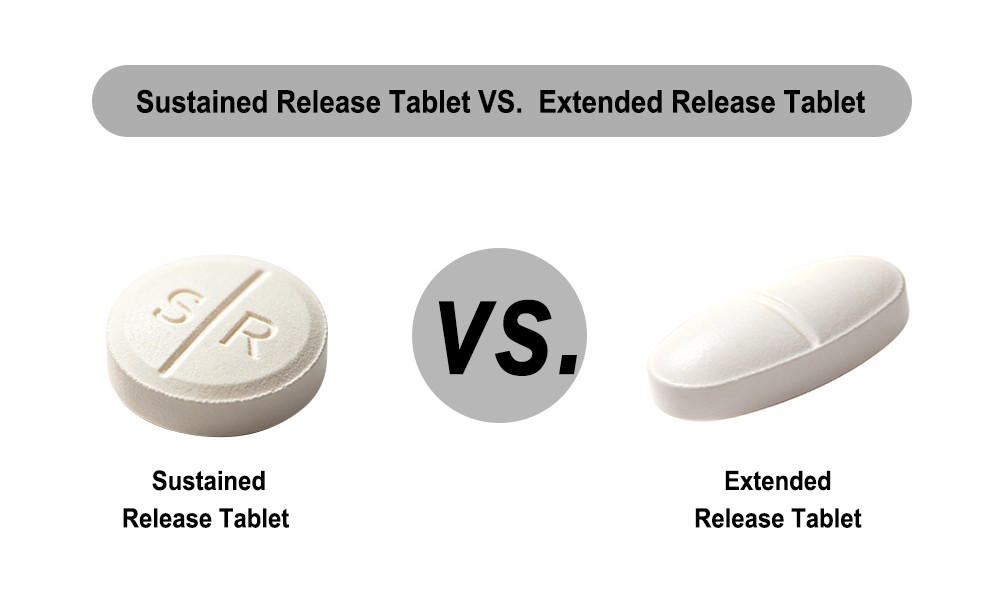
Sustained-release and extended-release are specialized technologies that control how active ingredients enter and act in our system.
But how do these mechanisms actually function?
Keep reading this guide to know more about both formulations, the difference between sustained release and extended release tablets, and their benefits.
Difference Between Sustained Release and Extended Release Tablets: At a Glance

Here is a detailed comparison table that highlights the key differences between the two drug delivery systems:
| Feature | Sustained Release (SR) | Extended Release (ER) |
| Release Pattern | Slow and steady over time. | Constant amount over a prolonged period. |
| Kinetics | First-Order (rate slows as dose depletes) | Zero-Order (perfectly flat, constant rate). |
| Duration | Typically 8 to 12 hours. | Usually up to 24 hours |
| Mechanism | Mainly hydrophilic matrix systems | Osmotic pumps, laser apertures, or beads |
| Primary Goal | Maintain therapeutic window | Achieve a stable drug level. |
| Best For | Acute pain, heart rate stability, and twice-daily regimens. | Chronic conditions (Diabetes/ADHD), elderly patients, and sensitive stomachs. |
What are Sustained-Release Tablets?
Sustained release (SR) tablets are special medications designed to release their active drug slowly and steadily over an extended period, rather than all at once. This process maintains a steady concentration of medication in the bloodstream and does not cause the rapid peaks or crashes seen with traditional pills.
SR formulations are particularly helpful for medications needing a consistent body level for optimal results. For instance, 12-hour ibuprofen for managing chronic pain or cardiovascular drugs that need round-the-clock stability.
What are Extended-Release Tablets?
Extended-release (ER or XR) tablets are advanced pharmaceutical formulations that deliver a specific, constant amount of medication into the bloodstream over a prolonged period.
Unlike immediate-release versions, ER tablets operate over an even longer timeframe. These formulations often work for up to twenty-four hours to maintain a consistent treatment.
ER medications simplify complex regimens for chronic conditions and improve patient compliance. For example, once-daily metformin provides stable 24-hour blood sugar control.
Sustained vs. Extended Release: Understanding the Differences
While both SR and ER formulations are designed to control the release of a drug over time, there are some key differences between the two. These differences focus on the accuracy and duration of the delivery mechanism. This crucial aspect of the drug development process ensures that medications offer maximum efficacy with reduced side effects.
Sustained-Release Tablets
The significance of SR tablets involves more than just how long a capsule takes to dissolve or break down in the stomach. Modern drug delivery relies on intricate methods to ensure the active ingredient bypasses immediate digestion for a more controlled effect.
To understand these complexities, we will take a look at the mechanism, release profile, and other important factors:
1. Mechanism
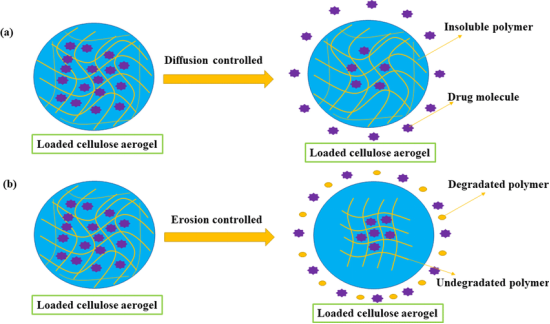
Most SR pills utilize a “matrix” system, which is a well-mixed composite of active drugs and gelling agents. This structure acts as a controlled framework that prevents the medication from dissolving all at once.
The primary components of this matrix are hydrophilic polymers. These specialized molecules react immediately upon contact with digestive fluids. Instead of simply breaking apart, they absorb water and swell to form a thick, jelly-like barrier around the drug. This gel layer forces the medicine to leach out at a slow, predictable speed as it gradually erodes or allows the drug to pass through.
2. Release Profile
The delivery rate of an SR tablet typically follows first-order kinetics, where the release rate depends on the concentration of the drug remaining in the system. It is achieved through:
- Diffusion Control:Drug molecules are embedded in insoluble carriers, which force them to migrate slowly through a microscopic maze into the body.
- Dissolution Control: The solvent excipients gradually dissolve and release new layers of medicine.
- Osmotic Pressure Drive: A semi-permeable membrane uses osmotic differences to draw water inside, and pushes the drug molecules out.
- Ion Exchange: Suitable for preparations containing ionic drugs, through the ion exchange resin control drug release speed.
3. Primary Goal
The main purpose of SR tablets is to optimize the therapeutic window by maintaining a steady drug concentration in the blood. This approach prevents fluctuations where a patient might experience toxicity at high levels or a loss of symptom control at low levels.
4. Uses
Sustained-release tablets are critical for managing health conditions that require around-the-clock medication. SR versions of analgesics, such as tramadol, provide continuous relief for patients with back injuries or arthritis. Similarly, blood pressure medications like Propranolol SR work throughout the day to prevent dangerous spikes.
Extended Release Tablets
Both sustained-release and extended-release medications are designed to prolong the duration of drug action. However, the main difference lies in how the drug is released into the body. This distinction is an integral part of pharmaceutical manufacturing that keeps the treatment effective over longer cycles.
1. Mechanism
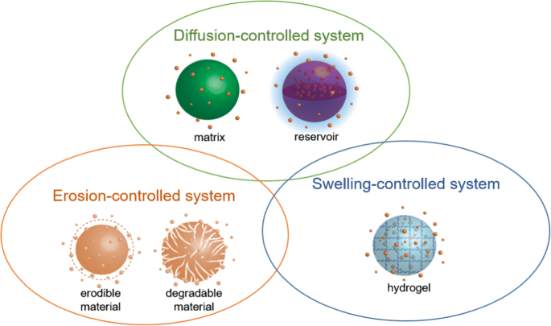
Extended-release tablets often utilize an osmotic pump system or specialized coated beads. Unlike simple matrices, these systems use a semi-permeable membrane and a laser-drilled hole. As water enters the tablet, internal pressure forces the medication out at a constant, predetermined rate.
2. Release Profile
The delivery of ER tablets typically follows zero-order kinetics. This means the system provides a constant amount of drug over a specific period, regardless of the remaining concentration in the tablet. This plateau effect is achieved through different methods:
- Osmotic Pressure Drive: Water enters through a semipermeable membrane and creates pressure. This force pushes the drug out of a microscopic aperture at a fixed, hourly rate.
- Diffusion-Controlled Reservoirs: A non-dissolving polymer coating surrounds the drug core. The medication slowly migrates through this thin layer, which acts as a permanent speed limit for the drug release.
- Erosion Control: The tablet is designed to wear away at a perfectly synchronized speed. As the outer surface disappears, the drug is released at a rate that matches the steady loss of the tablet’s mass.
- Multi-Stage Bead Delivery:The capsule contains different groups of beads, each with a specific coating thickness. These groups dissolve in a timed sequence to maintain a constant flow of medication into the body.
3. Primary Goal
The primary objective of ER tablets is to maintain a constant and optimal level of medication in the body for up to 24 hours. By delivering a fixed dose every hour, these systems eliminate the fluctuations seen in shorter-acting pills. This stable state enhances the drug’s performance and reduces the risk of toxicity or breakthrough symptoms.
4. Uses
Extended-release tablets are primarily used for managing chronic conditions that require an uninterrupted therapeutic effect.
Beta-blockers like Metoprolol Succinate (Toprol-XL) maintain balanced blood pressure and heart rates throughout the day and night. Mental health treatments for ADHD, like Methylphenidate ER (Concerta), rely on ER technology to provide smooth and continuous results.
Benefits of Sustained-Release Tablets
Sustained-release medicines offer significant advantages over conventional immediate-release forms. Here are some of the key benefits of SR tablets:
1. Reduced Dosing Frequency
SR tablets consolidate multiple doses into a single pill by releasing the drug slowly. Patients need to take pills less often (e.g., once or twice daily instead of every 4-6 hours). This improves convenience and makes it easier to adhere to the prescribed treatment plan as they only need to take it once or twice daily.
2. Lowered Toxicity Risks
Conventional immediate-release pills deliver their entire dose into the bloodstream almost instantly. This sudden influx often creates peak concentrations that can reach levels bordering on toxicity and lead to uncomfortable side effects.
Sustained release technology acts as a buffer by maintaining a controlled, gradual flow of the drug. It keeps the medication within a safe therapeutic window, which reduces the intensity of adverse reactions and prevents the body from being overwhelmed by a high initial dose.
3. Consistent Symptom Control
Traditional medications often cause crashes or troughs, where the drug level drops below the effective range before the next dose. This results in a return of symptoms, such as a spike in blood pressure or a flare-up of chronic pain.
SR versions provide uninterrupted relief by keeping the medication stable at a steady therapeutic level. It provides seamless coverage throughout the day without the fluctuations that disrupt a patient’s quality of life.
Benefits of Extended-Release Tablets
ER tablets provide specialized clinical advantages that go beyond simple convenience. Here is how these medicines offer superior outcomes for long-term therapy:
1. Enhanced Patient Compliance
ER formulations reduce the daily pill burden to a single dose, which lowers the chance of missed or forgotten medication. A single morning or evening routine is much easier to sustain than a complex schedule throughout the workday. This simplicity helps maintain a consistent treatment schedule without the stress of frequent dosing.
2. Management of Chronic Conditions
These tablets are excellent for managing persistent health issues, especially for elderly patients. Because aging individuals often manage multiple prescriptions, the simplified ER schedule reduces the risk of drug-dosage errors.
A stable, round-the-clock symptom control prevents dangerous fluctuations in blood pressure or glucose levels. This consistent delivery is particularly important for aging bodies, which may be more sensitive to sudden changes in drug concentration.
3. Protects Sensitive Drugs
Extensive release technology shields active ingredients from harsh stomach acids through specialized enteric coatings. The protective layers make sure the medicine remains intact and only releases once it reaches the alkaline environment of the intestines.
A targeted release prevents the drug from losing its potency and the stomach lining from potential irritation caused by certain medications.
FAQs
1. How does the drug release mechanism differ between SR and ER formulations?
SR tablets typically utilize a matrix or coating that dissolves slowly to deliver medication at a consistent rate over 8 to 12 hours. ER tablets often use more complex delivery systems, such as osmotic pumps or multi-layered membranes, to provide a steady release that can last up to 24 hours.
2. Can SR and ER tablets be used interchangeably?
No, these formulations are not bioequivalent and switching between them without medical supervision can lead to sub-therapeutic levels or toxicity. The specific release profile of each is tailored to the drug’s half-life and the patient’s clinical requirements.
3. Is it safe to crush or chew SR and ER tablets?
Most SR and ER medications must be swallowed whole to preserve the integrity of their release-controlling mechanism. Crushing or chewing them can cause “dose dumping,” where the entire 12-to-24-hour dose is released instantly, potentially causing a dangerous overdose.
Optimal Healing Through the Right Technology
Choosing between sustained-release and extended-release tablets depends on a patient’s specific health needs, age, and lifestyle. While both formulations provide significant clinical benefits, the ultimate decision relies on individual treatment goals and expert medical advice.
Whether a treatment plan requires the 12-hour coverage of SR or the 24-hour plateau of ER, the effectiveness of these treatments starts with the quality of pharmaceutical manufacturing.
The right technology can make all the difference in patient recovery. Finetech ensures that every tablet meets the highest standards of accuracy and reliability. As leading pharmaceutical manufacturers, our mission is not just to produce equipment but to enhance global health outcomes through innovation.
Visit our website today and get an instant quote for your manufacturing needs.
Copyright Notice:
You may not reproduce, modify, publish, display, transmit, or in any way exploit any content on this website, or use such content to construct any kind of database without prior express written approval by Finetech Group. For permission to use the content, please contact: info@pharmamachinecn.com
Disclaimer:
The information contained in this article is for general information purposes only. The Company does not guarantee the accuracy, relevance timeliness or completeness of any information, and the Company assumes no responsibility for errors or omission in the content of this article.