English
  Russian
  Turkish
  Spanish
  French
  German
  Japanese
Capsule-filling machines serve as the backbone of production for both the pharmaceutical and nutraceutical industries. However, finding the perfect match for your facility is not an easy job.
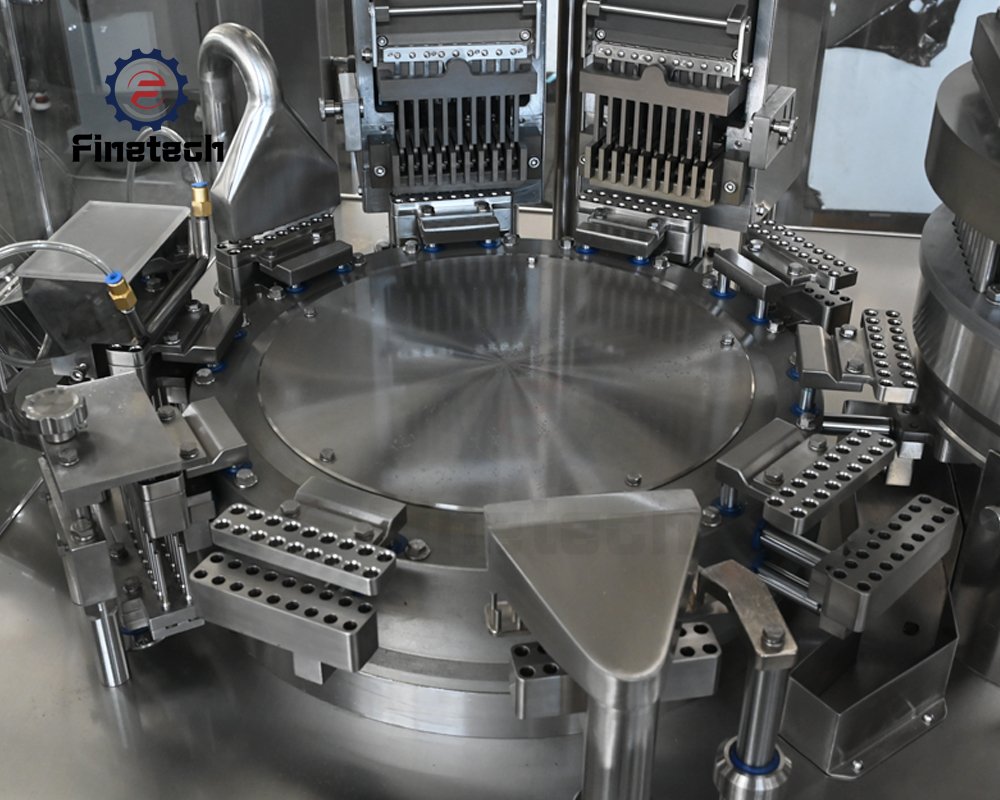
The market is saturated with countless options that can overwhelm even the experienced production managers. So, how can you ensure your investment is both technically reliable and cost-effective? That’s where this guide comes in.
In this blog, we will share ten essential tips to help you choose a capsule-filling machine that safeguards your production standards. By the end, you will have a clear understanding of the key factors to consider, from initial compatibility to long-term technical support, so you can make an informed, confident decision.
10 Tips to Consider When Choosing a Capsule Filling Machine
Choosing the best capsule-filling machine requires a balance of several critical factors. Every detail, from your powder formulation to production requirements and budget, demands careful consideration.
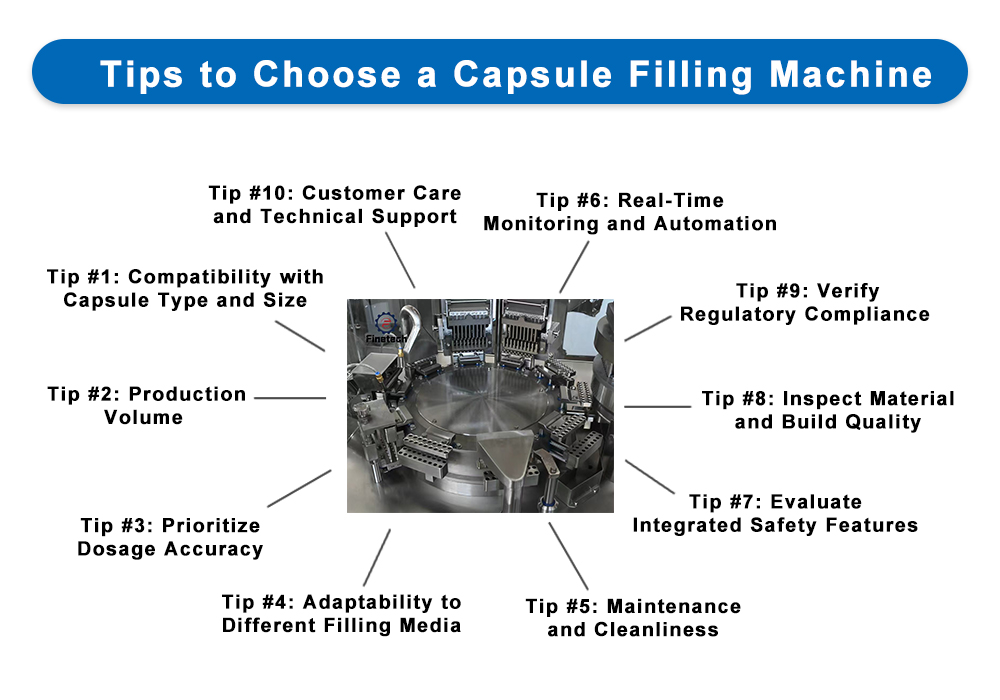
Below, we have shortlisted the 10 most helpful and practical tips for choosing a capsule-filling machine for your production facility.
Tip #1: Compatibility with Capsule Type and Size
The first thing you need to consider is the type of capsule you need to fill. Most operations involve hard capsules, soft gel capsules, or specialized liquid-filled shells. Hard gelatin and HPMC (vegetarian) materials respond differently to mechanical stress during the filling process.
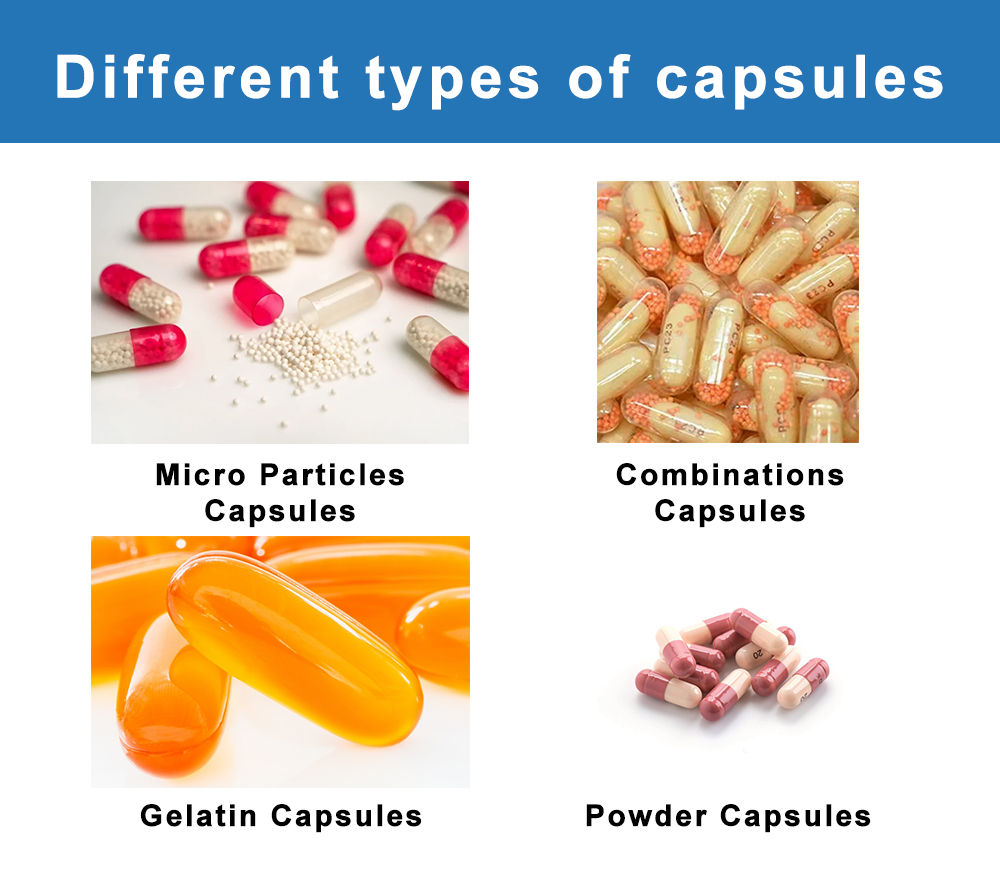
A good capsule-filling machine must handle these brittle shells carefully to prevent cracking or deformation during high-speed runs.
Along with that, you should also determine the correct capsule size. Capsule filling machines should handle the full spectrum of dimensions, from the large #000 used for supplements to the tiny #5 for specialized pharmaceuticals. Likewise, check if a specific model requires extensive changeover parts for size transitions.
Tip #2: Production Volume
Determine what exactly your production requirement per day/hour is. An estimated figure helps you decide the appropriate level of automation.
Manual machines typically produce between 100 and 6,000 capsules per hour. In contrast, semi-automatic models reach up to 50,000 units, best for supporting mid-scale operations.
Bigger production needs might require fully automatic capsule-filling machines. These units offer maximum efficiency by producing up to 336,000 capsules per hour. However, such high performance comes with a higher price tag. Compare these capabilities against your long-term goals and then decide what level of investment matches your projected growth.
Tip #3: Prioritize Dosage Accuracy
Dosage accuracy is the key to a safe and potent product; however, maintaining exact fill weights remains the primary challenge in capsule filling. High-quality machines utilize tamping pins or dosator systems to ensure every capsule meets strict pharmacopeia standards.
Tamping systems excel with most standard granulated powders. Dosator systems are best for micro-dosing and handling cohesive or poorly flowing materials.
Professional equipment should consistently achieve a weight variation within ±5-10 mg for powders and up to ±50 mg for liquids.
Tip #4: Adaptability to Different Filling Media
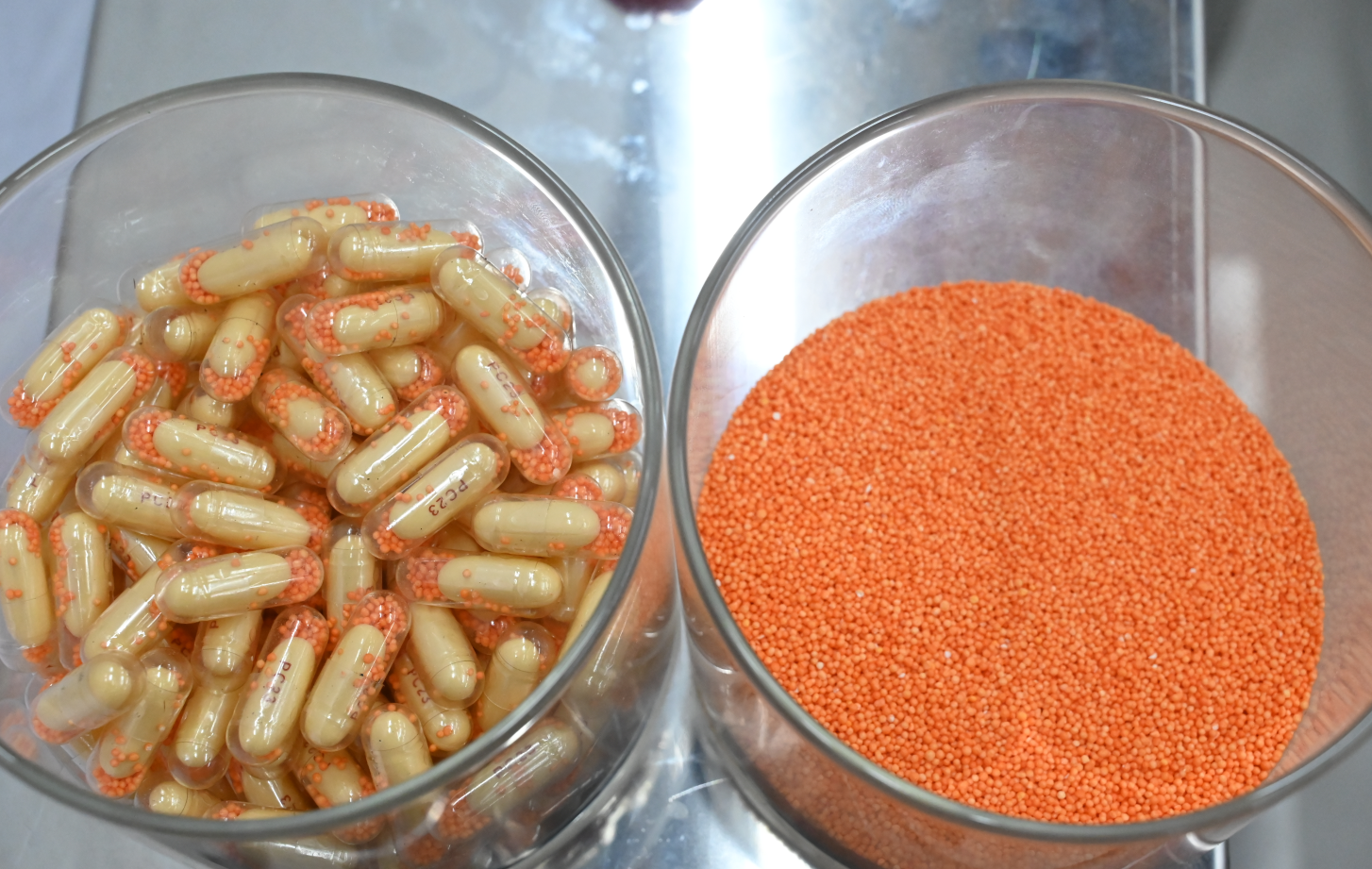
Modern pharmaceutical formulations often need a complex combination of active ingredients. Capsule fillings are usually solid, liquid, or a combination of both, such as oil-based liquids inside gelatin shells.
A powder dosage needs a tamping or dosator mechanism, whereas liquid or semi-solid fillings require specialized fillers with a pump and nozzle system. Look for units that can fill powder, pellets, and mini-tablets within the same system. High-end capsule-filling machines come with specific pumps for oil-based formulations. It allows them to switch between different product lines with minimal reconfiguration.
Tip #5: Maintenance and Cleanliness
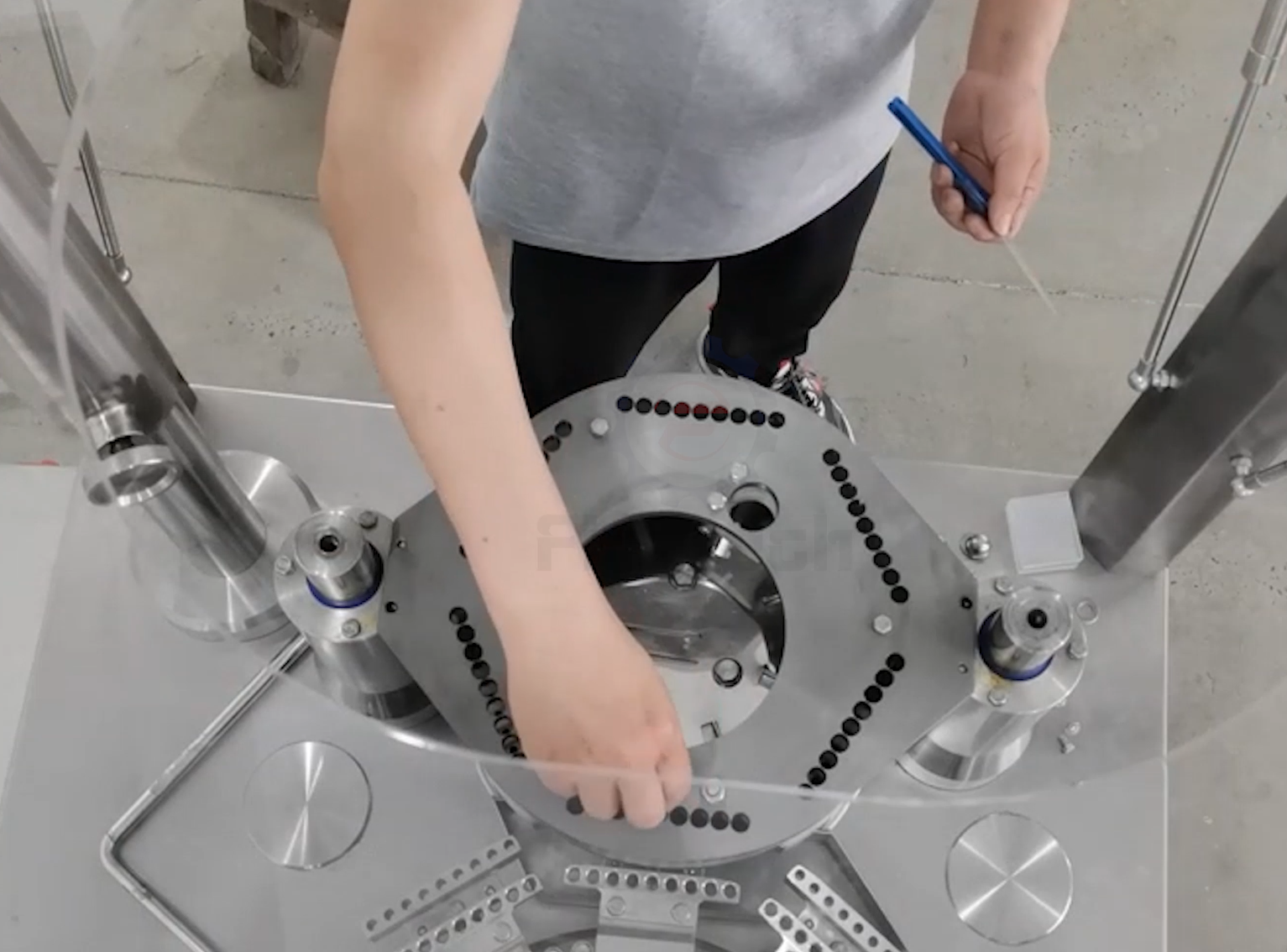
A capsule-filling machine needs proper cleaning after every filling session. It is important to remove all residue and avoid the risk of any cross-contamination between different batches. The best option is to go for CIP (Clean-in-Place) technology. This is an automated process for cleaning the interior surfaces using circulated water, detergents, and sanitizers in a programmed sequence.
Equipment must also be easy to maintain to ensure long-term performance. Quick-release parts allow operators to switch between batches in under an hour and minimize downtime during the sanitization process. A machine with an open frame simplifies inspection as well as daily maintenance.
Tip #6: Real-Time Monitoring and Automation
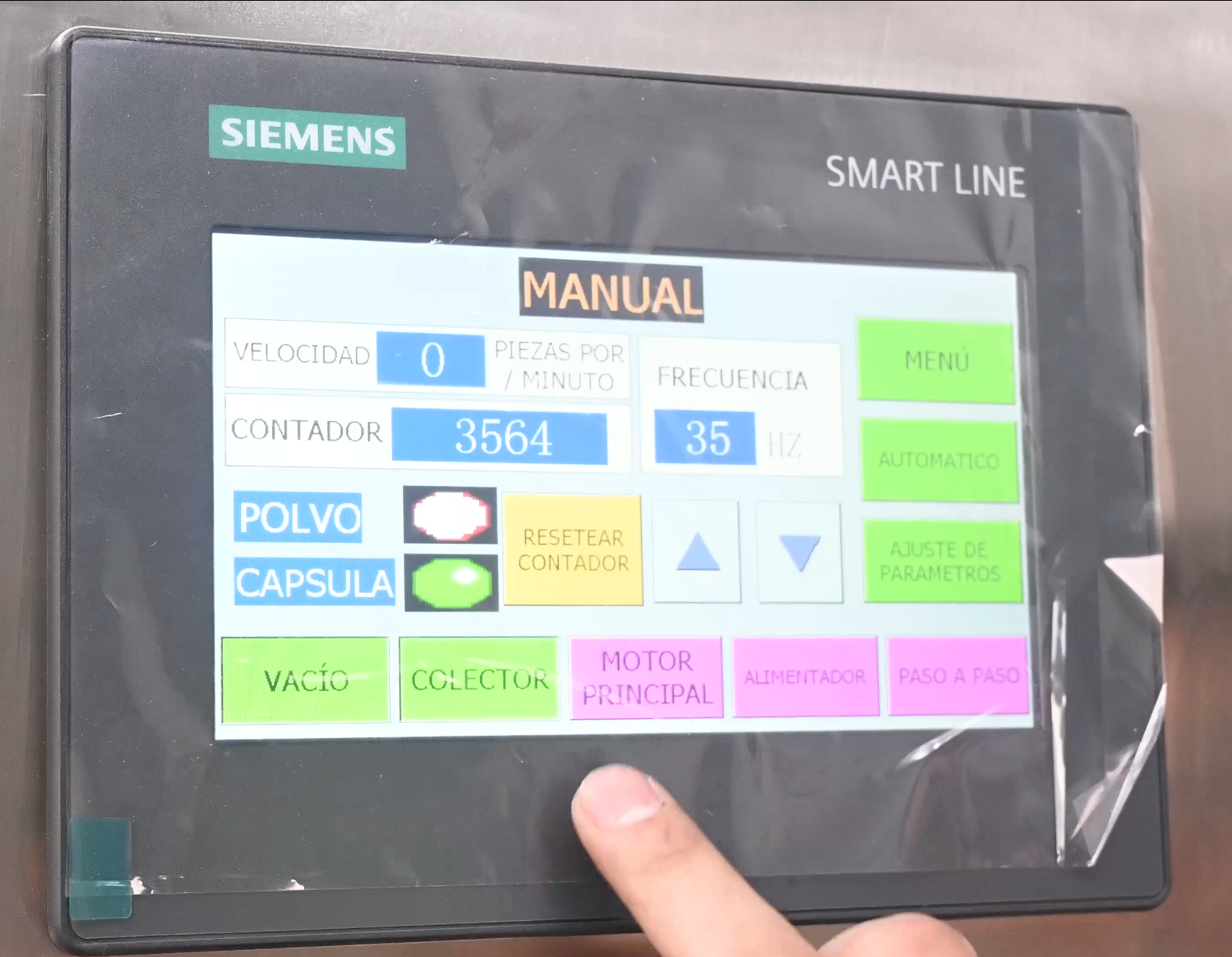
A strong digital interface is critical to maintaining consistent product quality in modern facilities. Advanced capsule-filling systems feature a digital interface that monitors every stage of the process in real time. This automated system helps you manage the orientation, filling, and final ejection of capsules.
The rejection system automatically identifies faulty or improper capsules and purges them from the line without stopping the machine.
Tip #7: Evaluate Integrated Safety Features
Safety is a top priority in high-speed manufacturing environments to protect both staff and the equipment. Modern capsule filling systems include several safety protocols to prevent accidents and protect mechanical integrity.
This includes safety interlocks with automated sensors. These sensors trigger an immediate shut-off if any protective door is opened during a production run. Secondly, large accessible buttons at the front of the machine allow operators to halt all movement instantly in case of an emergency.
Enclosed systems and vacuum attachments also prevent dust accumulation and keep active ingredients from escaping into the workspace.
Tip #8: Inspect Material and Build Quality
Durability is one of the non-negotiable aspects of long-term equipment performance. Pharmaceutical machines are often exposed to harsh cleaning chemicals, high humidity, and constant friction.
The main components of a capsule-filling machine should be constructed from stainless steel, preferably SUS316L. This specific grade of stainless steel provides maximum chemical resistance and superior mechanical strength.
Another key factor is the structural integrity of the machine frame. Heavy-duty frames reduce vibrations during high-speed operation, which helps maintain the calibration of sensitive dosing components. Additionally, ensure all seals and gaskets are made from FDA-approved, food-grade materials to prevent any risk of batch contamination.
Tip #9: Verify Regulatory Compliance
A machine’s performance is only as reliable as the paperwork that validates it. The pharmaceutical industry requires strict adherence to international safety and quality marks for passing rigorous inspections.

Suppliers must provide full Installation Qualification (IQ) and Operational Qualification (OQ) documentation to prove the machine operates within specified parameters. The machine should carry the CE marking and meet all relevant FDA and cGMP standards for sanitary design. Furthermore, digital systems need to comply with 21 CFR Part 11 for electronic records and signatures.
Tip #10: Customer Care and Technical Support
Reliability is not just limited to the hardware; how your chosen vendor or manufacturer supports your operation holds equal importance. A reputable partner is the one that provides prompt service and responses to all your technical inquiries.
When choosing a supplier, verify their reputation for after-sales service and their ability to provide on-site training for your operators.
Manufacturers should offer comprehensive support from the initial purchasing stage through to installation and long-term troubleshooting. You must maintain access to a global logistics network for spare parts and expert remote assistance. A dedicated support framework swiftly resolves all of your mechanical and software issues and protects your investment in the long-term.
FAQs
1. Why is capsule shell quality a critical variable in high-speed automatic filler performance?
Dimensional consistency in shell diameter and wall thickness prevents jamming during the rectification phase. High-speed fillers, exceeding 100,000 units hourly, require capsules with specific moisture content to withstand mechanical stresses during the vacuum separation process.
2. What maintenance protocols are necessary for the cam-track assembly in rotary fillers?
Daily inspection of the central lubrication system is vital to prevent frictional wear on the cam tracks. Technicians must monitor for metallic debris and verify that timing remains synchronized to avoid catastrophic mechanical collisions.
3. What determines the maximum output speed for a specific capsule formulation?
Throughput is limited by the formulation’s compression characteristics and flow rate. While a machine may be rated for 150,000 capsules hourly, cohesive powders often require slower speeds to maintain consistent weight and density.
Achieve Innovation and Success With a Reliable Partner
Choosing a capsule-filling machine is just the first step toward building a reliable and sustainable production line. Your final decision should strike the right balance between budget, scalability, and the long-term reputation of your brand. After all, the quality of your equipment directly affects the health and safety of your end users.
For high-performance encapsulation, Finetech sets the standard with exceptional engineering. We offer a wide range of capsule-filling machines. Our team provides expert technical support, seamless installation, and tailored customization to meet your unique production needs.
Get in touch with our experts today and collaborate with us to take your production to the next level.
References:
TOP 10 Capsule Filling Machine Manufacturers In 2026.
The Best 7 Types of Capsule Filling Machine Recommended for Your Business (2026 Review).