English
  Russian
  Turkish
  Spanish
  French
  German
  Japanese
Pharmaceutical packaging is all about protecting medicine and making it easy to use. Small details in bottle design can affect freshness, safety, and how well a product works over time. Years of hands-on manufacturing experience have shaped packaging that meets strict healthcare needs while staying practical for everyday use.
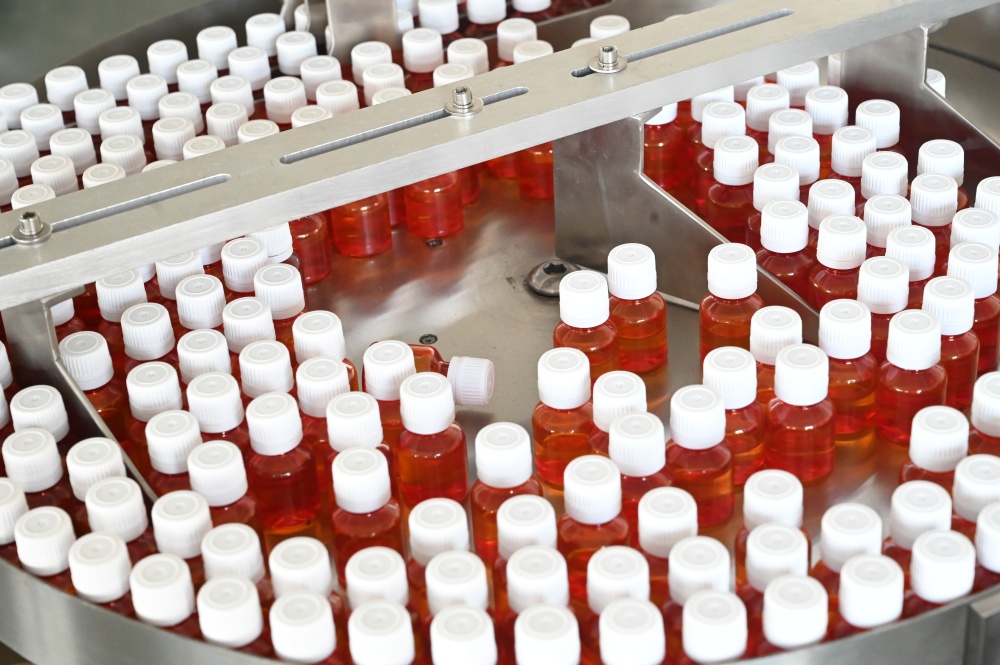
Pharmaceutical plastic bottles are containers made to safely store and protect medicines like tablets, capsules, and liquids. They are designed to block moisture, air, and light while working with secure closures that help prevent spills or misuse. These bottles are built to meet strict health standards so medications stay stable from production to the patient.
| Company | Founded | Country |
| Amcor plc | 1860 | Australia |
| Gerresheimer AG | 1864 | Germany |
| Berry Global, Inc. | 1967 | United States |
| Pretium Packaging, LLC | 1992 | United States |
| Alpha Packaging, Inc. | 1969 | United States |
| Comar, LLC | 1949 | United States |
| ALPLA Group | 1955 | Austria |
| Bormioli Pharma S.p.A. | 1825 | Italy |
| Shanghai Haichang Medical Plastics Co., Ltd. | 2014 | China |
| Zhejiang Huahai Pharmaceutical Packaging Products Co., Ltd. | 1989 | China |
AMCOR PLC
Year Founded: 1860s
Main Products:
- PET plastic bottles and vials for pharmaceutical applications.
- HDPE rigid containers and closures.
- Tamper-evident child-resistant caps and screw closures.
- 36mm pharmaceutical jar range with desiccant holder seals.
- Wide mouth packer. bottles for tablets and capsules.
- Prescription oval bottles.
- Traditional packer bottles.
- Ointment jars.
- Custom pharmaceutical packaging solutions.
Amcor plc is based in Melbourne, Australia, and is a giant name in making bottles. The story began in the 1860s when a stone mason named Samuel Ramsden built a simple paper mill by the Yarra River. It is hard to believe a paper mill would turn into such a huge plastic company, but that is what happened. The business eventually turned into Australian Paper Manufacturers in 1926 before changing its name to Amcor Limited in 1986.
Things really changed when they looked past paper and got into other types of packaging. This shift put them in a great spot to start making bottles for pills and liquids. Buying the Bemis Company in 2019 was a big move that combined their strengths to lead the market. That deal added a lot of skill with PET bottles, which are the clear plastic ones you see everywhere.
They kept growing, and Amcor joined with Berry Global in 2025 to make an even bigger group. This deal gave them more factories and new tools to invent things for hospitals and shoppers. With all these tools in one place, they can handle almost any packaging job that comes up. It lets them help people all over the world much faster than they could before.
Right now, the company runs about 212 factories spread out over 40 countries. They have a team of 41,000 people who help bring in around $13.6 billion in sales every single year. When it comes to healthcare, their main goal is making sure their hard plastic bottles follow strict FDA rules.
You can find all kinds of bottles here, from tiny vials for strong drugs to big tubs for pills. They use special molding tech that lets them pick exactly how thick the plastic walls are. This matters because it keeps air and moisture away from the medicine while making sure the cap fits tight. It is all about keeping the product safe until you need to use it.
GERRESHEIMER AG
Year Founded: 1864
Main Products:
- Pharmaceutical plastic bottles and containers for liquids and solids.
- PET bottles for pharmaceuticals.
- HDPE packer bottles.
- Polypropylene containers.
- Plastic prescription containers for retail pharmacy dispensing.
- Prefillable syringes.
- Insulin pens and inhalers.
- Pharmaceutical vials and cartridges.
- Complex drug delivery systems.
- Plastic closures and safety systems.
- Medical device components.
Gerresheimer AG is in Düsseldorf, Germany, and has made packages since Ferdinand Heye opened a glass factory in 1864. Success came fast, and by 1886 they were actually the biggest bottle maker on the planet. For a long time, the name Gerresheimer just meant glass, and they even changed their name in 1972 to show that focus.
But the market changed, and the company knew it had to shift gears to stay on top. In 1999, they made a tough call to sell the glassworks and focus just on packaging for meds and makeup. This choice cleared the way for them to really dive into plastic packaging. They went on the stock exchange in 2007, which gave them the cash they needed to grow and buy other shops.
To keep up with the need for plastic bottles, they built a specific team for medical plastic systems. This group works on everything from simple pill bottles to complex drug tools. They opened a new plant in Changzhou, China, in 2019 because they saw that a lot of medicine making was moving to Asia. It just made sense to be where the action was so they could supply customers faster.
Gerresheimer got even stronger by buying the Bormioli Pharma Group in 2024. This move brought in more plastic experts and grew their reach into North America. Now, they offer a huge list of products, including safety caps that kids can’t open. Their factories use different molding tricks to make sure every bottle is safe and follows health rules.
BERRY GLOBAL, INC.
Year Founded: 1967
Main Products:
- ClariPPil polypropylene bottles for healthcare (100cc, 120cc, 150cc sizes).
- Prescription oval bottles.
- Traditional packer bottles.
- Ointment jars.
- PET pharmaceutical bottles.
- HDPE pharmaceutical containers.
- Polypropylene packaging solutions.
- Pharmaceutical vials.
- Child-resistant bottle closures.
- Tamper-evident packaging.
- Ophthalmic squeeze bottles.
Berry Global, Inc. calls Evansville, Indiana home and has been a key player in plastic cups and jars since 1967. Over the years, they built a name for fixing problems and getting products to buyers fast. They set up factories all over the world, including spots in Europe and Asia, to stay near the big drug markets.
One thing they are great at is using different plastic types to make hard bottles. Whether a medicine needs PET, HDPE, or something else, Berry has a fix that works. They make everything from tiny single-dose vials to the big packer bottles you see on shelves for vitamins. This mix helps makers pick the perfect material to keep their specific medicine safe.
A standout item from them is the ClariPPil bottle, which uses a special clear plastic. These bottles are made to be better for the earth than old colored bottles while keeping pills safe. They actually block moisture way better than standard clear bottles, which is great for keeping drugs fresh.
The ClariPPil bottles come in a few handy sizes and have a wide neck that fits standard child-proof caps. They are also certified recyclable, which is a huge selling point where recycling programs are good. Berry makes these bottles with a process that creates way less gas waste than older ways. It shows they are trying to be efficient while watching out for the planet.
Berry also makes plenty of standard prescription bottles and jars that you probably have in your house right now. They even make squeeze bottles built to let out just one drop of eye medicine at a time. The company has a whole team ready to design custom bottles if a client needs something unique.
In 2025, Berry merged with Amcor to form a giant packaging leader with tons of cash. This combo brought together Berry’s skill with hard containers and Amcor’s know-how with soft packaging. It puts them in a tough spot to beat when offering total solutions to drug companies.
PRETIUM PACKAGING, LLC
Year Founded: 1992
Main Products:
- PET rigid plastic bottles in multiple sizes (10cc to 12L).
- HDPE rigid containers.
- Polypropylene bottles.
- Custom injection-blow molded containers.
- Rigid plastic packer bottles.
- Wide-mouth packer bottles for pharmaceuticals.
- Pharmaceutical closures.
- Injection-blow molded designs.
- Stock bottles with extensive size variations.
- Custom pharmaceutical bottle designs.
Pretium Packaging, LLC works out of Chesterfield, Missouri, and is a major maker of plastic bottles built just for healthcare. The company started in 1992 and got big fast by being flexible and really listening to what customers wanted. A firm called Genstar Capital bought them in 2014, giving them the money to go out and buy other companies.
Their main setup in St. Louis is impressive, with a 210,000 square-foot factory packed with modern gear. They also run a plant in Aurora, Illinois, which helps them serve drug clients in the Midwest. Pretium spreads its factories out so they can ship bottles quickly, which matters when drug companies are in a rush.
You can get almost any size bottle from them, from tiny 10-milliliter ones to huge 12-liter jugs. They put a lot of focus on wide-mouth “packer” bottles that hold tablets and capsules. These containers use special designs that make them tough and easy for people to open and close.
Pretium uses special molding to make sure their bottles have even walls and tight seals. They also make the caps that go with them, including the ones that snap on or screw tight to keep kids out. If a company wants their brand to look sharp, Pretium can handle the printing and labeling too.
ALPHA PACKAGING, INC.
Year Founded: 1969
Main Products:
- HDPE Boston Round bottles (1 oz to 8 oz sizes).
- HDPE Pharma Line Round Packers.
- HDPE Apothecary Packers (100cc, 130cc, 200cc sizes).
- HDPE Square Packers.
- HDPE Michigan Round Packers.
- PET pharmaceutical bottles.
- PET Capri Oval pharmaceutical bottles.
- PET Apothecary Round Packers.
- PET Palermo jars (oval design).
- Polylactide (PLA) bottles.
- Pharmaceutical closures and caps.
Alpha Packaging, Inc. is based in St. Louis, Missouri, and focuses on making good bottles for vitamins and personal care stuff. It started as a small local shop in 1969, but things really changed when Dave Spence bought it in 1985. He had a plan to grow the business fast, and that is exactly what he did.
The company moved to a better factory in St. Louis in 1992 to handle more work for drug and vitamin brands. This was right around the time generic drugs were getting popular, so the timing was perfect. In 1997, they bought some fancy Aoki machines that let them make PET bottles way faster.
This move helped them compete with the big guys and add more items to their list. Alpha didn’t stay in just one place, though; they opened a factory in Salt Lake City in 2004. This gave them a way to easily ship products to the West Coast, where lots of supplement companies live.
They kept going by buying Yorkbridge Packaging in Pennsylvania the next year. Then, in 2007, they bought Quality Container in Michigan and opened a huge plant in Jacksonville, Florida. Having five different spots meant they could get bottles to customers almost anywhere in the country without long waits.
Alpha makes a lot of different styles, like the classic Boston Round bottle you see used for liquids. They also make “Apothecary Packers” which have a slanted shoulder that lets you see the pills above the label. It is a small design detail, but it helps the product look better on the shelf.
Another popular design they make is the Capri Oval, which stands out because it isn’t just a boring round shape. It fits nicely in medicine cabinets and looks a bit more modern. They also have jars for creams and powders that are shaped to be easy to use.
Alpha is known for being able to make custom designs really fast if a customer needs something special. They sell through partners who know a lot about packaging rules, so help is always there. By 2007, the company was selling over $100 million worth of bottles a year and winning awards.
COMAR, LLC
Year Founded: 1949
Main Products:
- PET and HDPE wide-mouth packers for pharmaceuticals, vitamins, and supplements.
- PET and PP jars (single-wall, thick-wall, and double-wall).
- HDPE threaded and snap-top wipe canisters.
- Glass and plastic dropper assemblies.
- Printed and embossed dosage cups and spoons.
- Squeezable plastic bottles with dropper tips.
- Two-piece oral syringes and accessories.
- Continuous thread and child-resistant closures (lined, unlined, linerless).
- Dropper tip fitments and press-in bottle adapters.
- Plastic bottles for personal care, home and garden, and food and beverage.
Comar, LLC is based in Voorhees, New Jersey, and has spent 75 years solving tricky packaging problems for healthcare. The Tamagni family founded it in 1949 as TST Glass Company, first making glass tubes. A couple of years later, they started making finished glass vials using machines they designed themselves.
The shift to plastic began in 1981 when they bought a company called Total Packaging Concept. This gave them the ability to mold plastic, which opened up a whole new world of products like throw-away pipettes. By the late 90s, the company was under new management and built a modern shop just for designing molds.
They finally sold off their glass division in 2007 to focus almost entirely on plastic bottles and medical devices. A huge change came in 2014 when Comar combined with Convergence Packaging Holdings. This deal tripled the number of factories they had and let them reach customers all over the nation.
Investments kept coming, including a $6 million growth plan in California and a new idea center in New Jersey. Comar now uses several different molding methods to make bottles for everything from gummy vitamins to liquid prescriptions. They also make tubs for wipes and jars for creams in single or double-wall styles.
One of their best skills is making complete dispensing systems, not just the bottles. They produce the little cups and spoons you use to measure cough syrup and the droppers for eye medication. They also make oral syringes that help parents give the right amount of medicine to babies safely.
ALPLA GROUP
Year Founded: 1955
Main Products:
- Plastic packaging systems and bottles.
- Plastic closures and caps.
- Injection-molded parts.
- Preforms for bottle manufacturing.
- Plastic tubes.
- Pharmaceutical bottles (cleanroom-certified).
- Container systems.
- Canisters and buckets.
- Two-stage PET bottles.
- Bottles manufactured from recycled plastic.
- Bio-based and biodegradable packaging materials.
ALPLA Group is based in Hard, Austria, and started its journey in a laundry room in 1955. Brothers Alwin and Helmuth Lehner founded the business, and Alwin actually built their first machine himself. They started out making plastic bottles for glass cleaners, which launched them into the bottle industry.
They began growing outside the country in the 1960s, opening a plant in Germany and then one in Venezuela. A major breakthrough happened in 1985 when they made the two-stage PET bottle. This changed how they worked and helped them move away from PVC plastic, setting them up for long success.
The company is still family-owned, with the third generation now in charge, and they run over 200 factories worldwide. They make their own molds, which means they can create custom shapes for customers very quickly. ALPLA even created a specific team just for drug packaging to ensure those products get special attention.
Their pharma factories are super clean and meet strict rules to keep germs away from the bottles. They make containers for solid pills and liquid medicines using high-quality plastic. They also make the caps and child-resistant closures that go with them, so everything fits together perfectly.
ALPLA is also looking ahead by working on bottles made from paper and natural materials. They invested in a company called Paboco to help develop a bio-based paper bottle. It is part of their plan to create packaging that is easier on the earth.
BORMIOLI PHARMA S.P.A.
Year Founded: 1825
Main Products:
- Glass and plastic pharmaceutical bottles.
- Glass vials and cartridges.
- Plastic containers for liquid and solid medications.
- Prefillable syringes.
- Dual-chamber systems.
- Closures in aluminum and plastic.
- Pharmaceutical accessories.
- Drug delivery systems.
- Containers for oral, parenteral, ophthalmic, and nasal delivery.
- Sustainable packaging solutions.
Bormioli Pharma S.p.A. is located in Parma, Italy, and has a history that goes all the way back to 1825. Luigi Bormioli started the glass business, and after he died, his wife Petronilla ran it well for over 20 years. The family grew by buying a ceramic and glass factory, which helped them become a huge force in Italian manufacturing.
For a long time, the company was famous for making glassware for homes, but they always had a hand in industrial packaging too. They faced some tough money times in the 1990s and had to reorganize their business. A huge moment came in May 2024 when Gerresheimer AG bought the Bormioli Pharma Group.
This purchase combined Bormioli’s skills with Gerresheimer’s, allowing them to offer both glass and plastic options to drug companies. Bormioli continues to work as its own unit, making bottles for pills, eye drops, and nasal sprays. They have special systems that can keep two different ingredients separate until you are ready to mix them.
The company is also working hard on being green, partnering with others to make bottles from recycled plastic. They recently worked on a project to make medicine bottles from wood-based materials. It shows they are trying to find new ways to package medicine that won’t hurt the planet.
SHANGHAI HAICHANG MEDICAL PLASTICS CO., LTD.
Year Founded: 2014
Main Products:
- High-density polyethylene (HDPE) pharmaceutical bottles.
- Polypropylene (PP) pharmaceutical caps.
- Polyethylene (PE) bottles for liquid preparations.
- Polypropylene bottles for liquid preparations and food packaging.
- Polyester (PET) bottles for liquid and food packaging.
- Cyclic olefin copolymer (COC) bottles.
- Matching pharmaceutical closures and lids.
- FDA drug master file (DMF) approved containers.
- Custom pharmaceutical packaging solutions.
Shanghai Haichang Medical Plastics Co., Ltd. operates in Shanghai, China, and focuses on making plastic packaging for the medical world. They have a main factory hub in the Hongkou District where they produce bottles that meet global rules. The company holds FDA approvals, which means they are allowed to supply packaging for medicines sold in the United States.
They make standard HDPE bottles for pills and liquids, along with the caps that seal them tight. But they also make bottles from a material called COC, which is pretty interesting. COC is a clear plastic that looks like glass but is much harder to break and resists chemicals better.
This makes COC bottles a great choice for expensive medicines that might get ruined in regular glass vials. Since big companies usually hold the rights for these kinds of materials, it is helpful that Shanghai Haichang offers another choice. They focus on making sure the bottles are clear so you can easily see what is inside.
The company follows strict Chinese and American rules to ensure their products are safe for holding drugs. They use advanced machines to mold the plastic, ensuring every bottle is the exact right size. They also work with clients to design custom bottles if the standard shapes don’t work for a specific project.
Shanghai Haichang positions itself as a partner for international companies that need reliable manufacturing in China. They offer a good balance of cost and quality, which is important in the tough drug market. Their goal is to provide packaging that keeps medicine safe from the factory to the patient.
ZHEJIANG HUAHAI PHARMACEUTICAL PACKAGING PRODUCTS CO., LTD.
Year Founded: 1989
Main Products:
- High-density polyethylene (HDPE) pharmaceutical. bottles (40cc, 75cc, 150cc, 300cc sizes).
- Polypropylene (PP) pharmaceutical caps.
- FDA-approved primary pharmaceutical containers.
- Child-resistant closure systems.
- 33mm-400 polypropylene caps.
- Pharmaceutical container systems.
- Custom pharmaceutical packaging solutions.
Zhejiang Huahai Pharmaceutical Packaging Products Co., Ltd. is a branch based in Linhai, China, and is part of a much larger drug company. The parent company started in 1989 and set up this specific group to handle all their bottle and cap needs. They operate out of several spots and have a dedicated team just for packaging.
They specialize in making HDPE bottles, which are the white plastic bottles you usually see for prescription pills. They come in standard sizes like 40cc and 150cc, which are common for most pharmacy needs. The company also makes the matching caps, including the ones that require a push-and-turn motion to open.
Having FDA approval is a big deal for them because it proves their containers are safe for the global market. They use materials that are approved for contact with food and drugs, so there is no risk of dirt or germs. Every bottle goes through testing to make sure it is strong enough to handle shipping and storage.
The company can make bottles for tablets, capsules, and liquids, covering most bases for drug makers. Their bottles are designed to work well with the automated filling machines that big pharma companies use. This ensures that the bottling process goes smoothly without jams or errors.
Zhejiang Huahai prides itself on keeping high quality standards, which is critical when dealing with people’s health. They aim to be a reliable partner for companies that want to make things in China but still need to meet Western safety rules. By being part of a larger drug group, they understand exactly what drug makers need from their packaging.
Conclusion
Pharmaceutical plastic bottles play a quiet but important role in keeping medications safe and reliable. Their design balances protection, usability, and strict safety requirements without adding unnecessary complexity. That reliability is why they remain a standard choice across the healthcare industry.