English
  Russian
  Turkish
  Spanish
  French
  German
  Japanese
Building a drug factory is hard work. You need to follow many rules. You must keep drugs safe and clean. Here are easy tips to help you design a good facility.
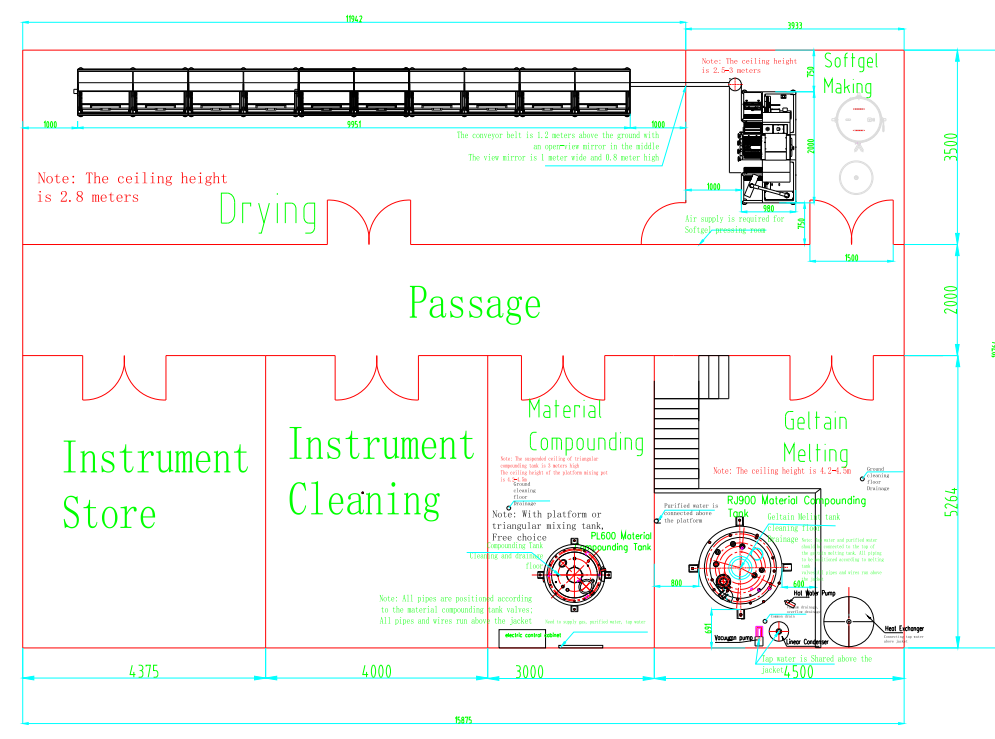
Cost of Pharmaceutical Manufacturing Plant
Key Cost Determinants
Type of Product & Dosage Form: The technology and cleanroom requirements differ drastically.
Oral Solids (Tablets/Capsules): Least expensive.
Liquids & Creams: More complex than solids.
Sterile Injectables (Vials, Syringes): Requires high-grade aseptic processing, isolators, or lyophilizers. Much more expensive.
Biologicals (Biologics, Vaccines): Requires bioreactors, complex purification systems (chromatography), and stringent controls. The most expensive.
Capacity & Scale: A small pilot plant for clinical trial materials is far cheaper than a full-scale commercial facility.
Level of Automation: Manual or semi-automated lines are cheaper upfront. Fully automated, “lights-out” facilities have high capital costs but lower long-term labor costs.
Regulatory Standards & Location:
Geography: Construction, labor, and material costs vary by country (e.g., India vs. USA vs. Western Europe).
Regulatory Market: A plant built to serve only a local market is cheaper than one designed to pass stringent FDA (U.S.), EMA (EU), or WHO inspections. This impacts quality of materials, documentation systems, and design complexity.
Site Infrastructure: Costs soar if you need to add utilities like steam boilers, high-capacity electrical substations, or water purification systems (WFI – Water for Injection is critical).
Cost Ranges (CAPEX – Capital Expenditure)
These are very rough, ballpark estimates for the plant construction and core equipment (excluding land and long-term R&D).
| Facility Type | Approximate Cost Range (USD) | Key Drivers & Notes |
|---|---|---|
| Pilot Plant / Small-Scale API | $10M – $50M | For clinical supply or small-volume API. High variability based on tech. |
| Generic Oral Solid Dosage | $30M – $100M+ | Mature technology, but cost scales with capacity and automation. |
| Sterile Injectable Facility | $100M – $500M+ | Requires Class A/B cleanrooms, isolators, vial/syringe lines, lyophilizers. |
| Biologics / Monoclonal Antibody Plant | $500M – $1.5B+ | “Bio-manufacturing” costs dominate. Single-use bioreactor trains or stainless steel, complex downstream processing, extensive labs. |
Follow the Rules
The FDA makes rules for drug factories. You must follow these rules. They tell you how to build your facility. They also tell you how to keep it clean.
These rules are called GMP. That means Good Manufacturing Practice. Learn these rules first. Talk to experts who know them well. They can help you avoid problems.
Get permits before you start building. Check with local officials. Make sure you can build in your chosen location.
Keep Everything Clean
Germs are bad for drugs. You must stop germs from getting into your facility. This is very important.
Make separate rooms for different jobs. Keep raw materials in one area. Keep finished drugs in another area. This stops germs from spreading.
Use special air filters called HEPA filters. These remove tiny particles from the air. Keep clean rooms under positive pressure. This pushes dirty air out.
Make walls and floors smooth. Avoid corners where dirt can hide. Use materials that are easy to clean. Clean everything often with the right chemicals.
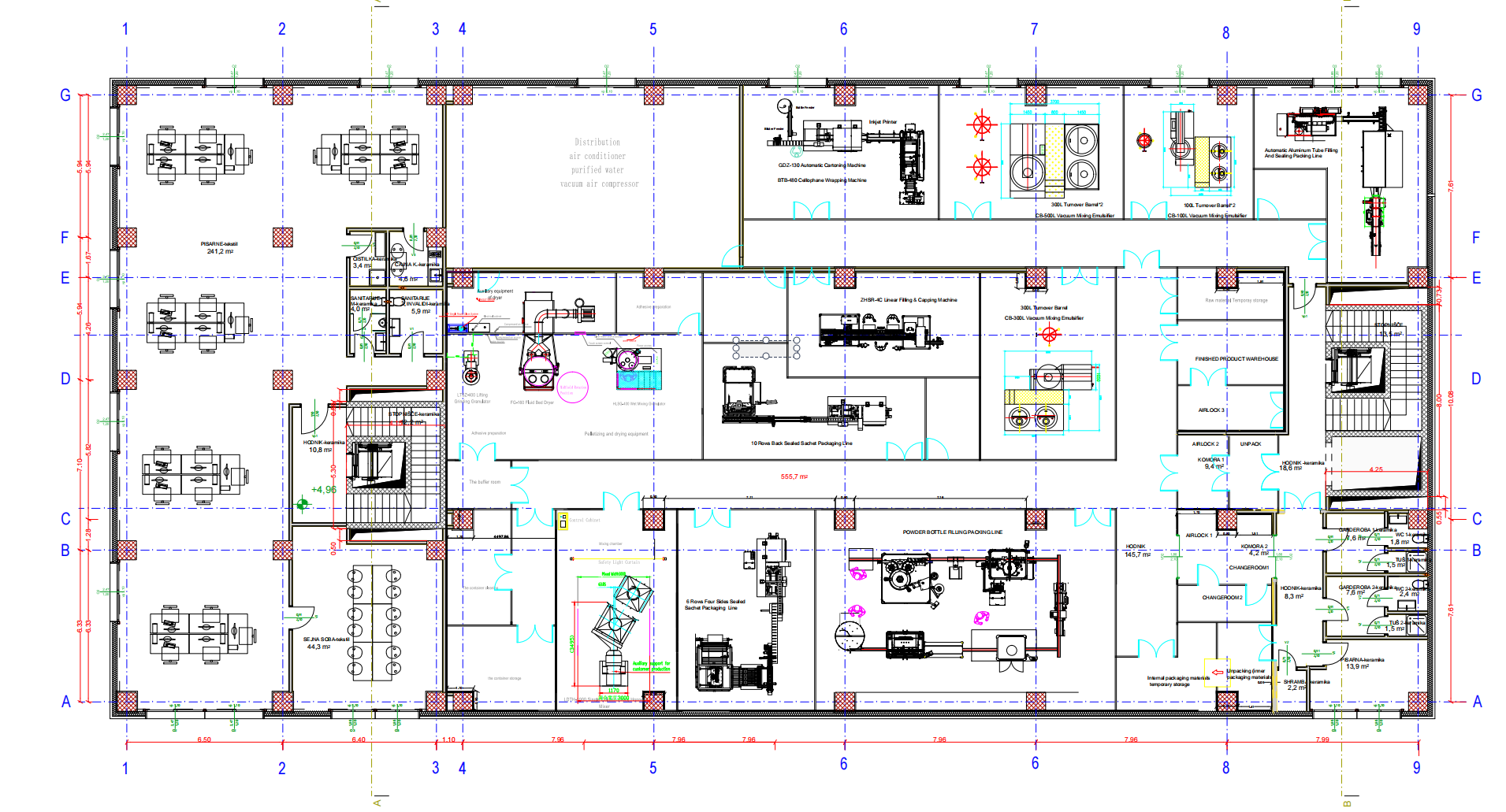
Plan How Things Move
Think about how people and materials move through your building. Good planning saves time and money.
Make a straight path from start to finish. Materials should move in one direction. This prevents mix-ups.
If you make different drugs, keep them separate. Use different rooms or different times. This stops ingredients from mixing.
Put packaging in its own area. Keep labeling separate too. These steps need their own clean spaces.
Make It Easy to Change
The drug business changes fast. New products need new equipment. Build your facility so you can change it later.
Use walls you can move. This lets you make rooms bigger or smaller. Leave extra space for new equipment.
Make your electrical system bigger than you need now. Do the same with water and air systems. This lets you add more equipment later.
Plan where you might expand. Leave room to add new buildings or rooms.
Keep Workers Safe
Drug making can be dangerous. Some chemicals can hurt people. You must protect your workers.
Put in good air systems. Use fume hoods near dangerous chemicals. These pull bad air away from workers.
Install emergency showers and eye wash stations. Put them near dangerous work areas. Workers can use them if chemicals splash on them.
Mark all exits clearly. Keep escape routes clear. Install fire systems that work with your chemicals.
Train all workers on safety rules. Make sure they wear the right protective gear.
Control Air and Temperature
Many drugs need the right temperature and humidity. Some drugs go bad if conditions are wrong.
Install good heating and air conditioning systems. Have backup systems in case the main ones break. Watch temperature and humidity all the time.
Set up alarms. They should warn you if temperature or humidity gets too high or low. Fix problems fast.
Use energy-efficient equipment. Drug factories use a lot of power. Efficient systems save money.
Keep Your Facility Secure
Drugs are valuable. Thieves want to steal them. You need good security. Control who can enter each room. Use key cards or fingerprint scanners. Keep track of who goes where. Install cameras in important areas. Watch storage rooms carefully. Some drugs need extra security like safes.
Have different security levels. Public areas need basic security. Drug making areas need much more. Check backgrounds of all workers. Some jobs need special clearances.
Plan for Testing
You must test all drugs before selling them. Plan special rooms for testing. Put labs near production areas. This makes it easy to take samples. But keep labs separate to avoid contamination.
Plan storage for test samples. You must keep these for many years. They need the right temperature and humidity. Buy the right testing equipment. Different drugs need different tests.
Work with Experts
Drug factory design is complex. Work with people who know how to do it right. Hire architects who have built drug factories before. Use engineers who understand drug making. Work with regulatory experts who know the rules.
Visit other drug factories if possible. See what works well. Learn from their mistakes. Start planning early. Good design takes time. Rushing leads to expensive problems later.
Final Words
Building a drug manufacturing facility takes careful planning. Follow all regulations from the start. Focus on keeping everything clean and safe. Work with experienced people who understand drug manufacturing. Their knowledge will help you avoid costly mistakes.
Remember that good design saves money over time. It makes operations smoother. It reduces contamination problems. It helps you pass inspections. Take time to plan everything carefully. A well-designed facility will help you make safe, effective drugs for many years.
References:
Designing the Ideal Pharmaceutical Manufacturing Plant.
Pharmaceutical Manufacturing Facility Design.
Best Practices for Design and Operation of Multiproduct Manufacturing Facilities.
Copyright Notice:
You may not reproduce, modify, publish, display, transmit, or in any way exploit any content on this website, or use such content to construct any kind of database without prior express written approval by Finetech Group. For permission to use the content, please contact: info@pharmamachinecn.com
Disclaimer:
The information contained in this article is for general information purposes only. The Company does not guarantee the accuracy, relevance timeliness or completeness of any information, and the Company assumes no responsibility for errors or omission in the content of this article.