 English
  Russian
  Turkish
  Spanish
  French
  German
  Japanese
Have you ever wondered about the complex journey of a simple pill? From a raw chemical powder to a uniform dosage, a granule is weighed, blended, compressed, and coated before it can be packaged and sealed. This entire operation is interconnected by a highly automated network of machinery known as pharmaceutical engineering equipment.
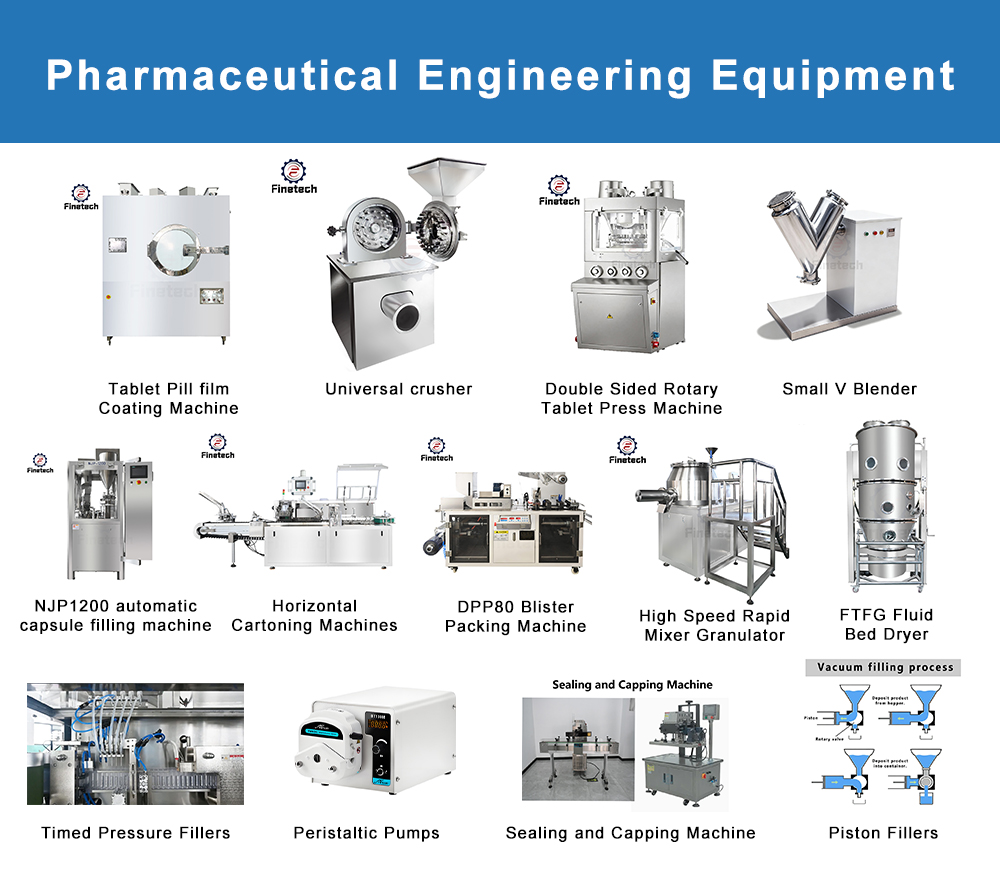
This specialized hardware system is designed to facilitate the smooth and compliant flow of drug production. They not only ensure accurate, consistent API dosing but also verifies that your products meet global quality and safety standards.
If you are looking to establish a pharmaceutical manufacturing line, this guide is the perfect starting point. Keep reading to get a glimpse into the world of essential pharmaceutical machinery.
What is Pharmaceutical Engineering Equipment?
Pharmaceutical engineering equipment refers to specialized machinery and systems used in the large-scale manufacturing of medicinal drugs. This includes all the necessary tools for the preparation, manufacturing, and packaging of the final drug product.
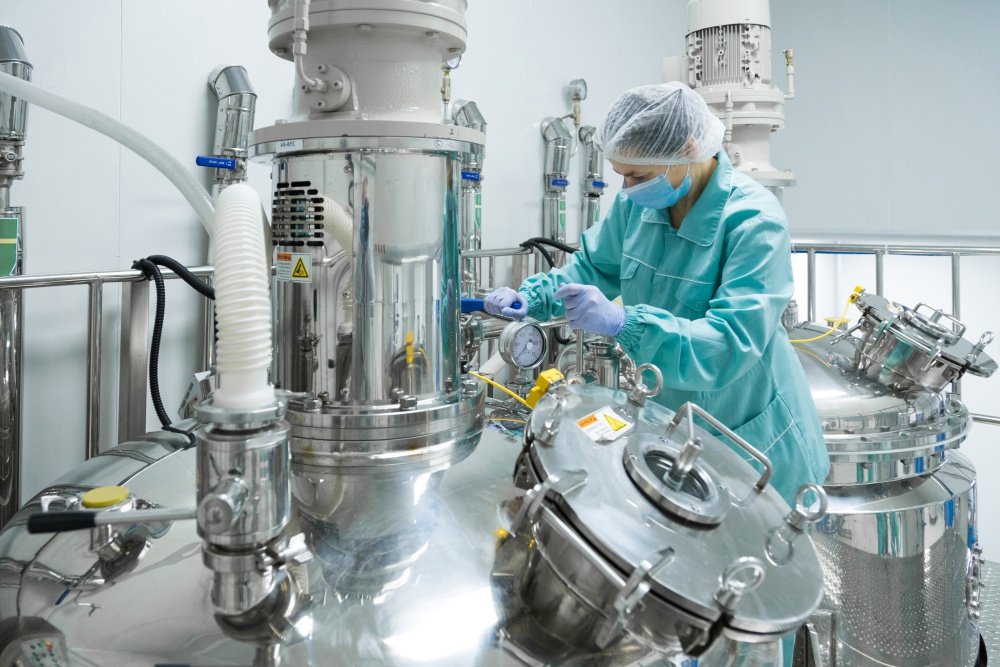
Such equipment ranges from processing tools like mixers and granulators to tablet and capsule manufacturing machines and automated packaging lines.
These tools and machines are designed to meet strict regulatory guidelines, such as Good Manufacturing Practice (GMP). This adherence maintains high product quality, safety, and reliable batch-to-batch consistency.
Key Categories of Pharmaceutical Engineering Equipment
Pharmaceutical engineering equipment is generally grouped into distinct categories. These categories are defined based on the function the machinery performs in the overall manufacturing process.
The major functional groups include raw material processing, dosage form manufacturing, and packaging. We will now take a detailed look at all these categories and the specific equipment within them.
Raw Material Processing
As the name suggests, raw material processing prepares the active pharmaceutical ingredients (APIs) and excipients for the final drug formulation. It includes the following equipment:
1. Crushers

Crushers are high-speed grinding machines used to crush, grind, and pulverize APIs and excipients into a finer size. They employ high-speed rotating blades that exert impact and shear forces to break down and crush solid particles into smaller ones. The three main types are the universal crusher, coarse crusher, and powder crusher.
2. Blending Equipment

They are homogenization machines that mix powders, granules, and other solid or liquid materials into a uniform consistency. Blenders ensure that each drug maintains the correct amount of API.
Double cone blenders are the most widely used machines for mixing dry powders and granules. V-cone blenders provide efficient mixing with minimal power consumption. Ribbon blenders are suitable for mixing granules of varying densities in large batch sizes.
3. Granulators

Pharmaceutical granulators create larger, denser, and more free-flowing particles from fine powders. This process is essential for improving the flow properties and compression strength of different APIs. The rapid mixer granulator (RMG) is a common machine that uses a high-speed impeller and chopper blade to achieve quick granulation.
4. Dryers

Pharmaceutical APIs need to maintain a certain level of moisture for product stability and quality. Low moisture levels can make the materials brittle, while excessive moisture can negatively affect the chemical stability of the drug.
Various drying equipment is used to achieve a stable moisture content in drug formulations. For example, the fluid bed dryer works by passing a stream of hot, high-velocity air through the material. It suspends the material in a fluid state for quick drying.
Drying ovens, on the other hand, use simple, static drying where material is spread on trays in a heated chamber.
Dosage Form Manufacturing
Once the raw materials are processed and prepared, the mixture goes through the dosage formation process. These machines create the finished drug product, such as tablets, capsules, or liquids.
1. Tablet Press Machines

Tablet press machines take granular or powdered materials and convert them into solid tablets. The process starts with feeding the material, followed by die filling to control weight.
Next comes pre-compression to remove trapped air, and then the main compression stage, where punches bond the particles. The finished tablet is then forced out during ejection and moved to collection.
2. Capsule Filling Machine
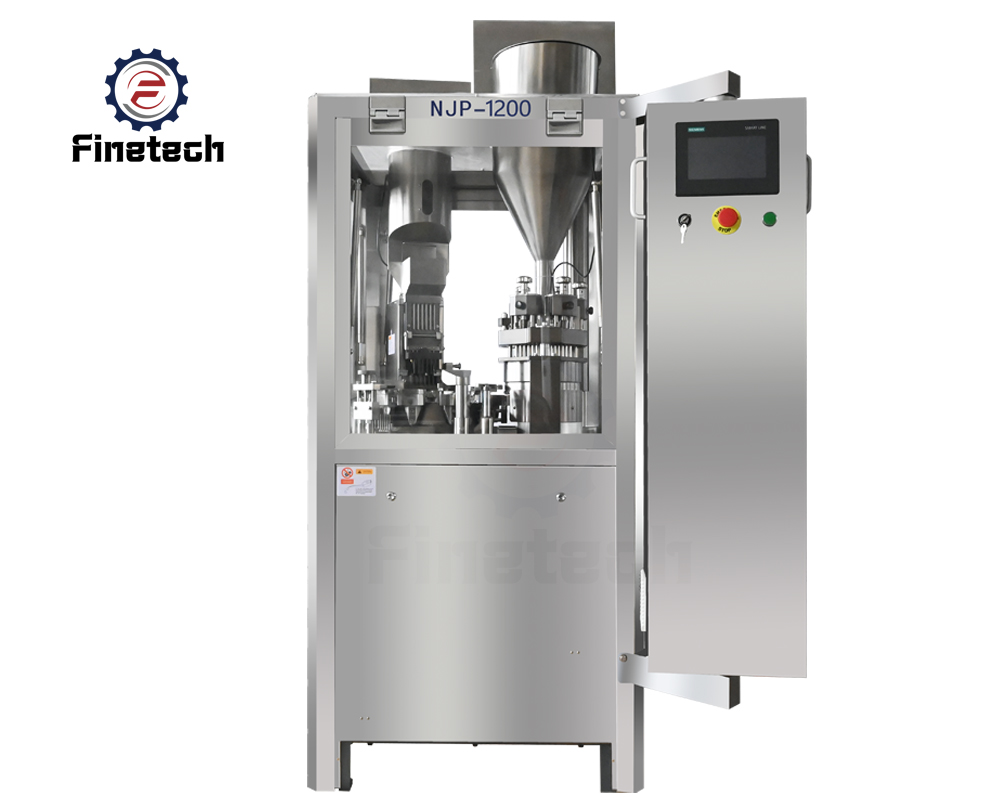
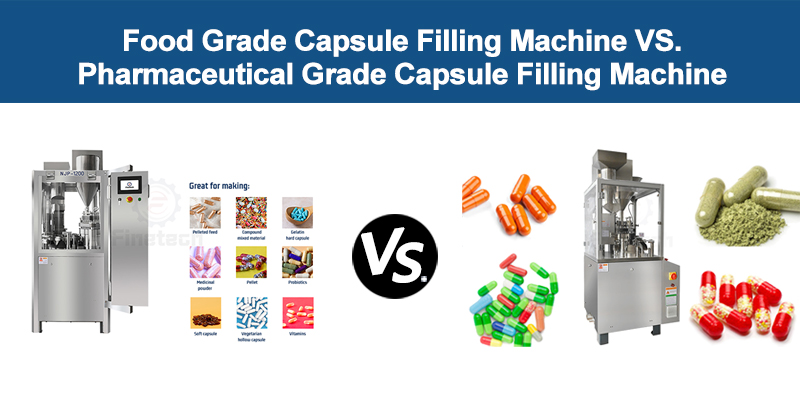
A capsule filling machine fills reformed capsule shells with the drug formulation, whether in powder, granules, or pellet form. This process can be executed manually or automatically.
Manual fillers are small-scale machines that operate using plates and pins to fill a few hundred capsules per hour. They are usually reserved for compounding or small clinical batches. Automated fillers are industrial machines that can fully automate the separation, filling, joining, and ejection of capsules.
These machines can fill a volume ranging from 5,000 to 170,000 capsules per hour.
3. Tablet Coating Machines
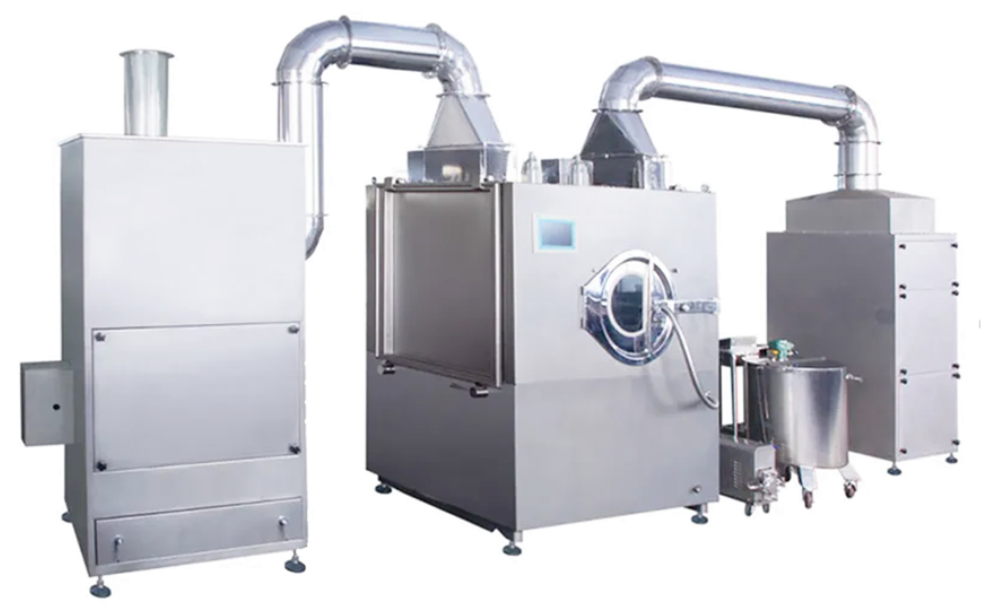
Medicines usually need coating to mask unpleasant taste, protect the API from light or moisture, or facilitate easy swallowing. The coating process takes place in a tablet coating machine.
Tablets are tumbled in the coating machine’s rotating pan. While they tumble, a coating solution (polymeric film, sugar, or solvent) is sprayed onto their surface. At the same time, heated air is introduced and exhausted from the pan. This quickly dries the solvent and leaves a smooth and even layer on every single tablet.
Liquid Filling Machines
Liquid filling machines are designed to dispense specific volumes of liquid formulations into containers like vials, ampoules, and bottles. Here are some of the most common types:
1. Peristaltic Pump Fillers
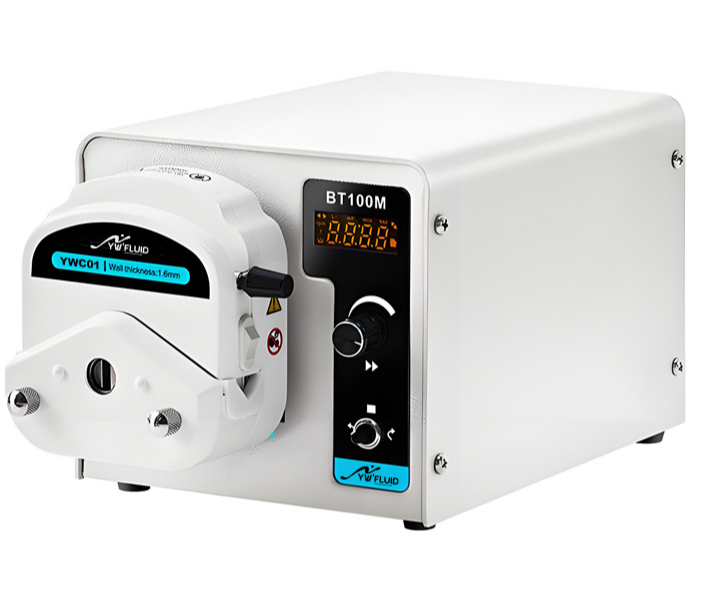
Peristaltic pump fillers use a pump to dispense liquids by compressing a flexible tube. This method makes sure the product only contacts the inside of the disposable tubing. That is why it is considered the easiest to clean and highly sanitary system.
A rotor with rollers compresses and releases the flexible tube against a stator as it turns. This action creates a vacuum that draws liquid into the tube from a reservoir.
The liquid is then pushed out the other end when the tube is compressed further along its length. Peristaltic pumps are ideal for high-value fluids and small-volume parenterals (injectable drugs).
2. Piston Fillers
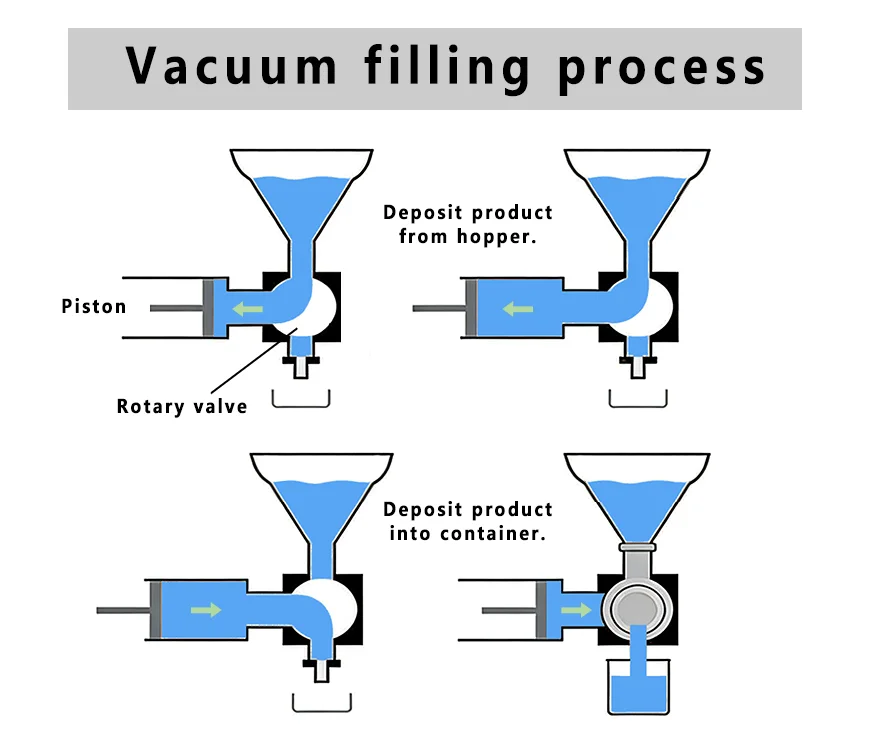
Piston fillers are highly accurate volumetric machines. They work using a piston that moves within a cylinder. During the intake stroke, the piston retracts and draws a measured volume of liquid from a product hopper into the cylinder chamber.
The piston gradually extends, displaces, and pushes the entire measured volume out through the nozzle into the container. These machines are typically used for filling high viscosity liquids like thick syrups, suspensions, gels, and creams.
3. Timed Pressure Fillers
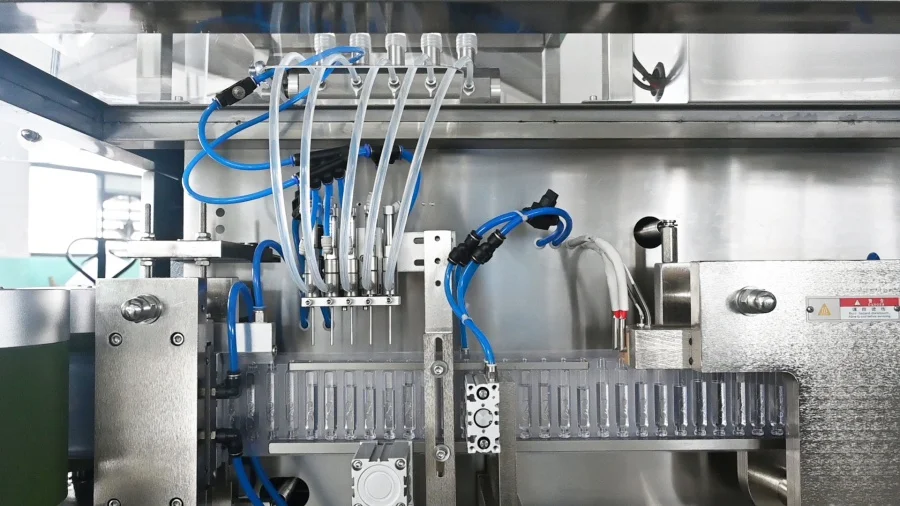
These machines rely on the force of gravity to move containers. The liquid flows from a large overhead tank, through nozzles, and into the container for a pre-set amount of time. Their simple design makes them cost-effective and easy to clean.
They are best suited for low-viscosity, free-flowing liquids like mouthwashes, rubbing alcohol, or simple water-based solutions.
Packaging Equipment
These are the final set of machines that protect, seal, label, and package the finished drug product before it is distributed. Proper packaging protects the final product, maintains hygiene, and provides essential information for the end user.
1. Blister Packaging Machines
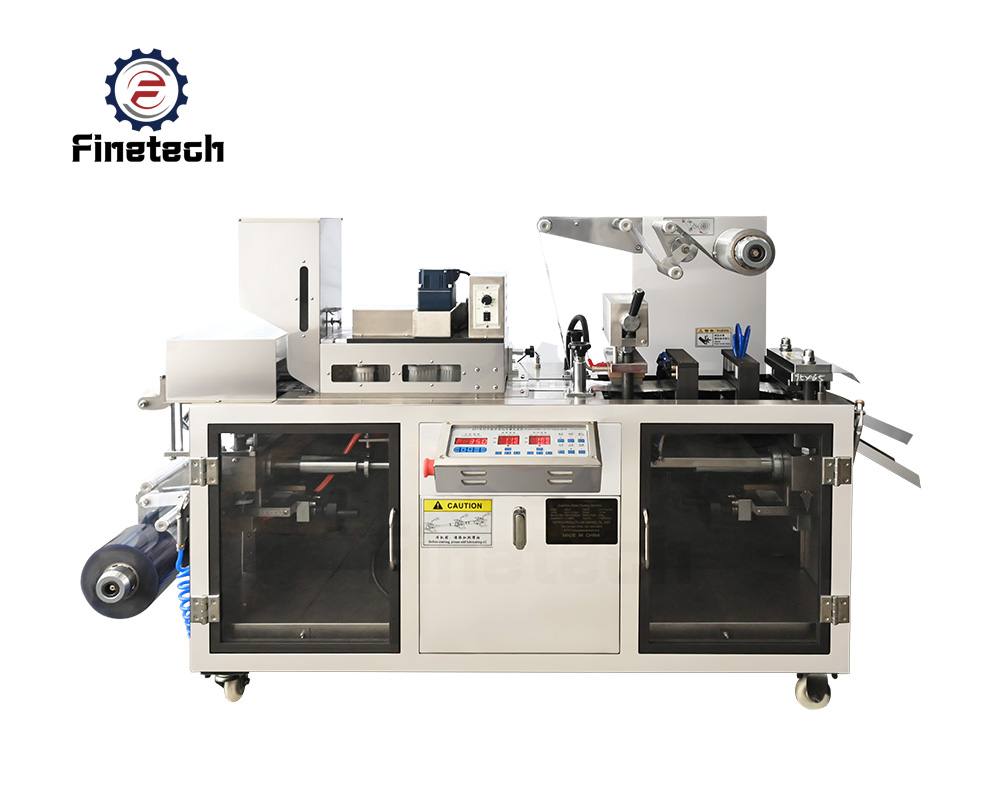
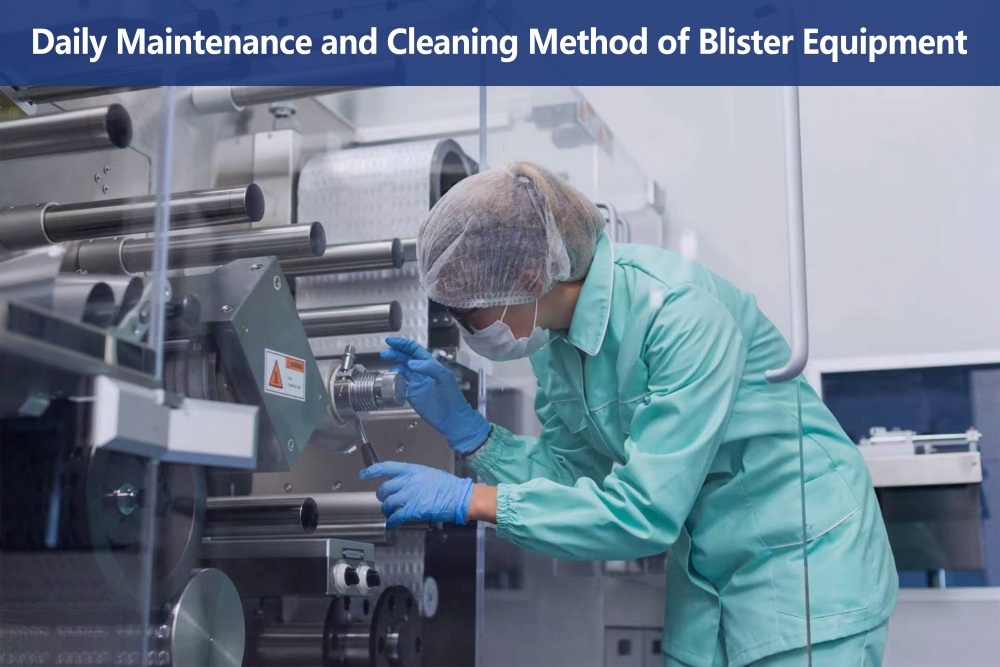
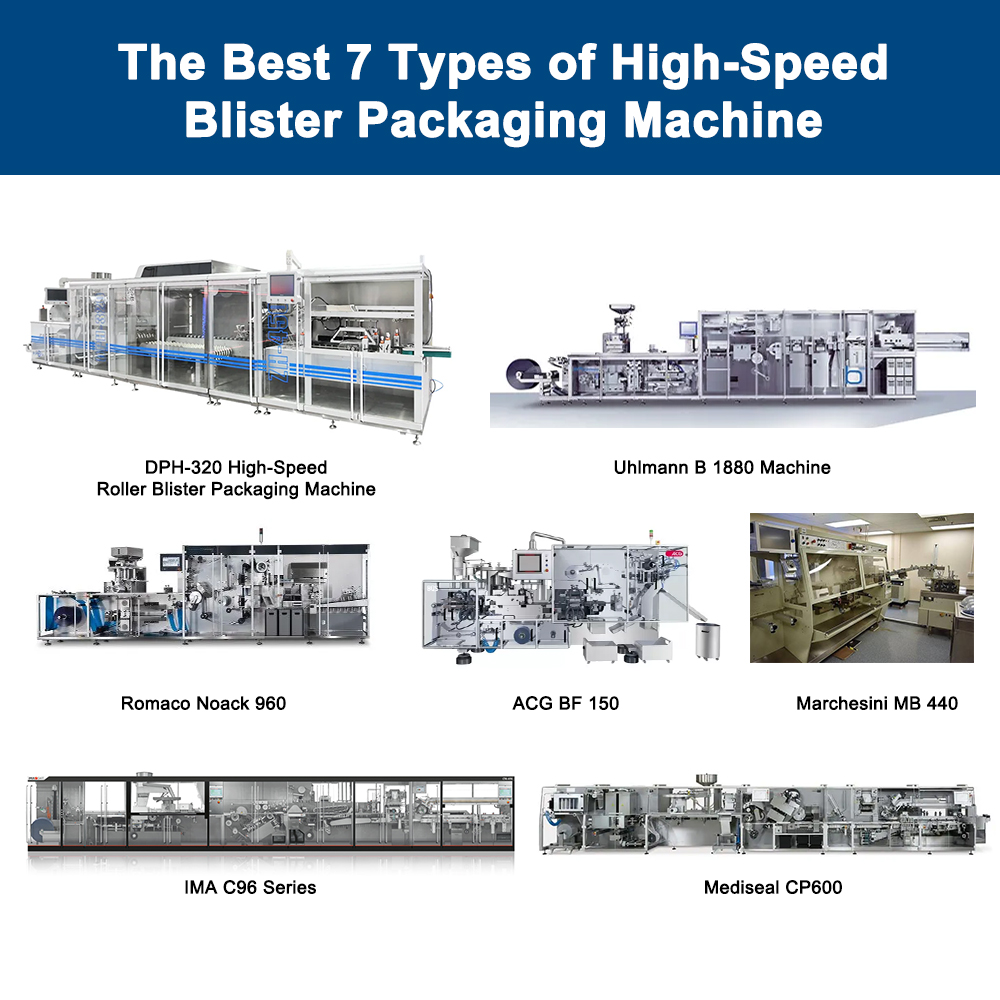
A blister packaging machine forms a protective cavity (the blister) and seals the individual dose within it using foil or plastic. The machine works by forming the plastic film using heat or cold pressure. Products (tablets or capsules) are fed into the formed pockets and sealed with a lidding foil. This process provides excellent protection against moisture and contamination.
2. Capping and Sealing Machines
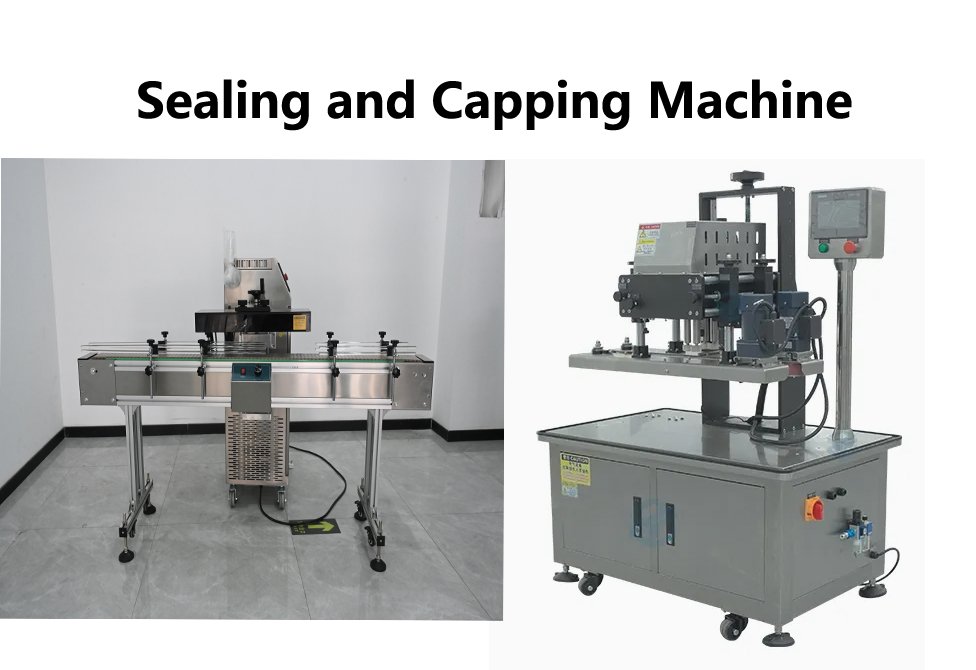
These machines are used to securely apply closures to filled containers. They apply screw caps, snap caps, and child-resistant features on bottles and vials.
Sealing machines apply crimped aluminum seals to injectable vials or hermetic seals to plastic containers. Capping and sealing machines are critical for preventing tampering and preserving the product’s sterile environment.
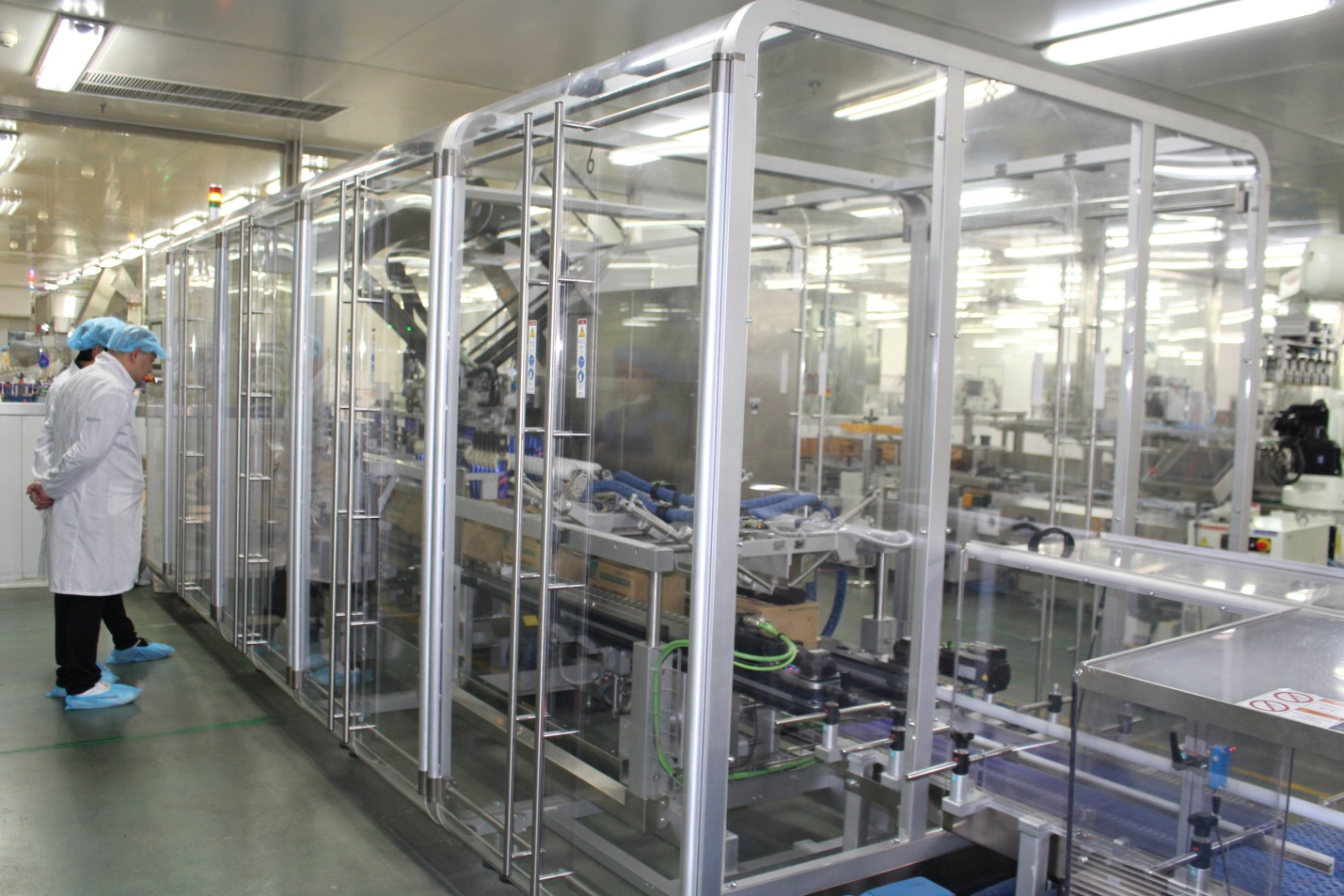
3. Cartoning Machines

A cartoning machine automatically takes a package, e.g., a blister pack or a filled bottle, and places it into a pre-glued cardboard carton.
This high-speed equipment also folds and inserts the patient information leaflet (PIL) alongside the drug. The packed carton is closed and sealed, which makes the product ready for bulk packaging and shipment.
FAQs
1. How does equipment calibration affect my batch quality?
If the balance, temperature sensors, and pressure gauges are even slightly off, your drug may fail dissolution, potency or stability tests.
2. How do I know if the equipment requires lubrication?
Most machines have lubrication points marked on the frame. Missing lubrication causes overheating, vibration, and unexpected shutdowns.
3. What operating limits should I know before starting?
Every machine has a safe range for temperature, pressure, load capacity, mixing speed or airflow. Exceeding these can spoil the batch or damage the equipment.
Secure Your Business Future With Quality and Compliance
Pharmaceutical engineering equipment is the lifeblood of the drug manufacturing business. Every single machine you select, from blenders to tablet presses, must be of the highest quality.
Along with the initial investment, back your business with strict maintenance check-ups and validation protocols. This will help you maintain regulatory compliance, prevent unexpected downtime, and ultimately secure long-term integrity.
The future of pharma demands excellence and efficiency. As your one-stop solution for pharmaceutical equipment, Finetech provides nothing but the best. From raw material processing to final packaging, we help you establish a high-performance, compliant manufacturing line.
Set up a consultation with our specialist today and empower your business with unparalleled quality.

1 thought on “Pharmaceutical Engineering Equipment List”
Bravo ! Tu as réussi à 👏 rendre ça passionnant