English
  Russian
  Turkish
  Spanish
  French
  German
  Japanese
Pharmaceutical facilities also need analytical instruments to ensure drug production remains safe throughout its life cycle. From early-stage research to routine batch testing, analytical instruments support accurate decision-making and regulatory documentation like ANDA reviews.
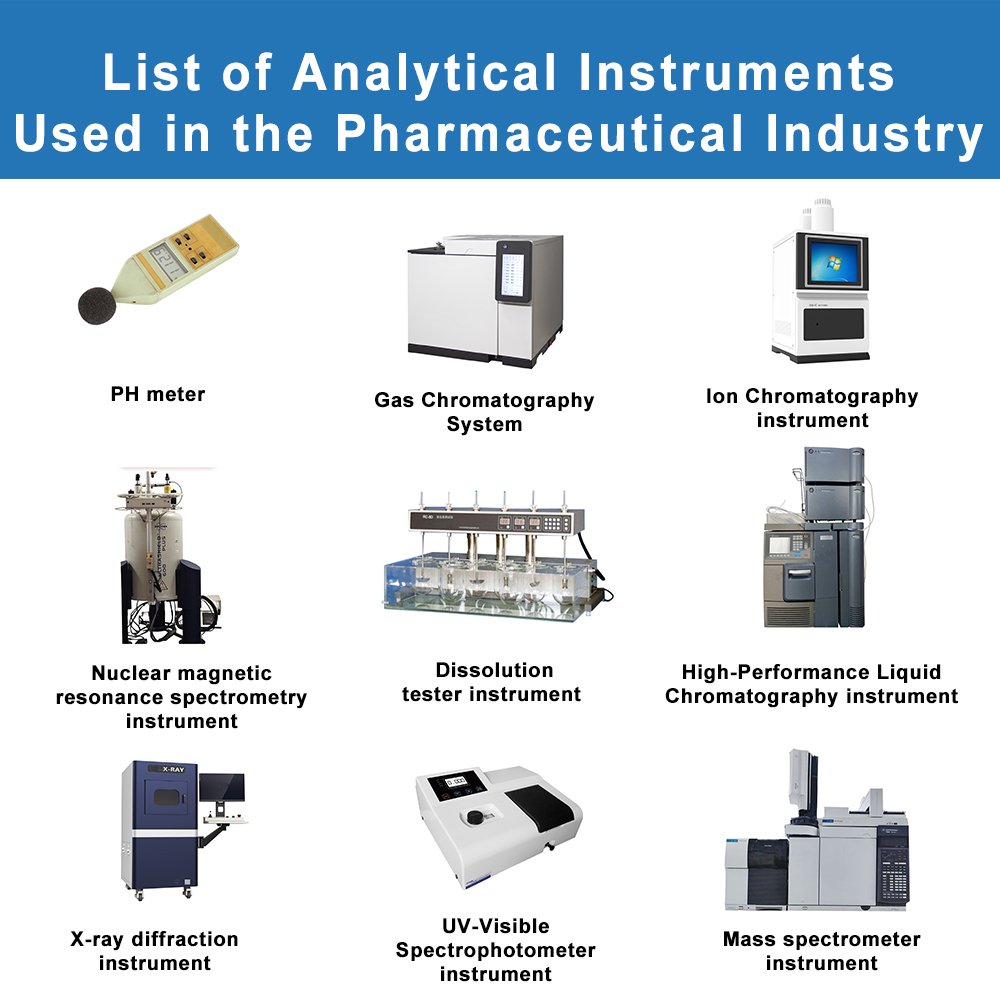
Analytical techniques, such as spectroscopy, chromatography, thermal, and physical property analysis require specialized instruments for accurate testing. This helps pharmaceutical products enter the market with greater credibility.
But which analytical instruments are actually needed, and what is their importance? This guide includes a comprehensive list of analytical instruments used in the pharmaceutical industry.
Complete List of Analytical Instruments Used in the Pharmaceutical Industry
Analytical instruments in the pharmaceutical industry are usually grouped based on what they measure. While some analyze physical properties like pH and dissolution, others measure the purity and potency of APIs.
Let’s take a look at some of the most important pharmaceutical analytical instruments.
1. Spectroscopic Instruments
Spectroscopic instruments play a key role in pharmaceutical analysis. They reveal information about a substance’s identity, structure, and concentration. Drug quality depends heavily on accurate identification and impurity detection. Hence, spectroscopy is one of the first analytical techniques applied in pharmaceutical laboratories.
1. UV-Visible Spectrophotometer
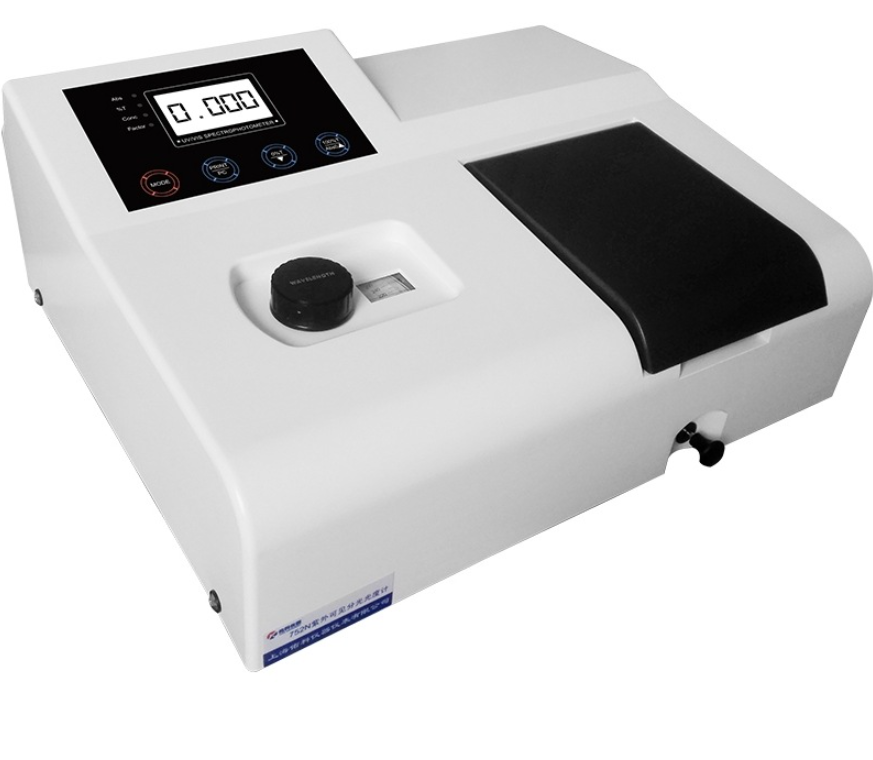
A UV-visible spectrophotometer measures how much ultraviolet or visible light a substance absorbs at specific wavelengths. The amount of absorbed light is directly related to the concentration of the drug in solution. It allows analysts to process numerous samples in a short time without complex preparation.
Standard UV-visible spectrophotometers consist of a light source, monochromator, absorption cell, detector, and signal processor. It may use either single or double light beams, depending on the application. Due to high sensitivity and low application cost, the spectrophotometer is widely used in the pharmaceutical industry.
2. Mass Spectrometer
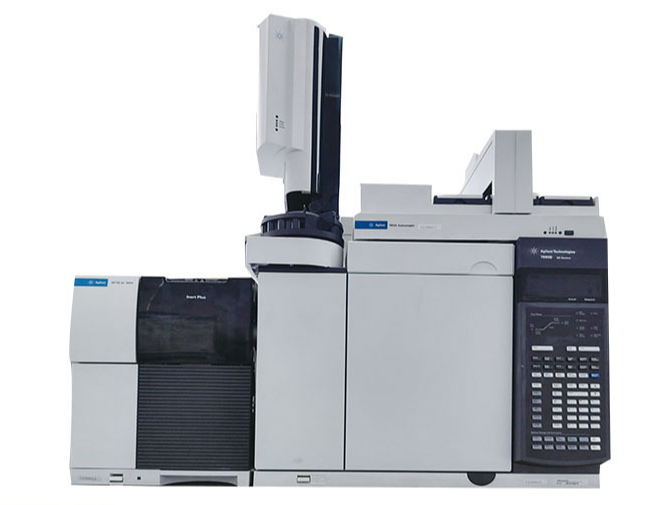
Mass spectrometry identifies compounds based on their mass-to-charge ratio. The technique is widely used to detect trace impurities that aren’t identified by conventional methods. It may be combined with chromatographic techniques to improve separation and detection.
In pharmaceutical applications, mass spectrometry is used for impurity profiling, metabolite identification, and stability testing. It consists of five main stages: sample introduction, ionization, mass analysis, detection, and data processing. The process is highly sensitive; therefore, it can detect even minute quantities of drugs and metabolites in large samples.
3. Nuclear Magnetic Resonance Spectrometer
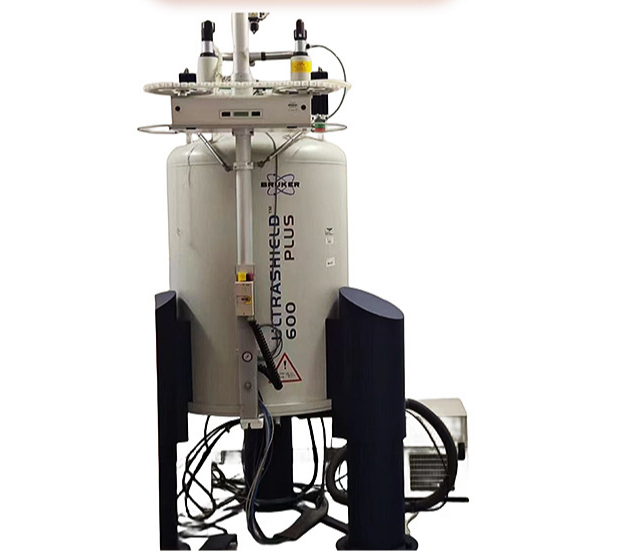
Nuclear magnetic resonance spectrometry, commonly known as NMR, provides detailed information about molecular structure. Compared to electron microscopes and X-ray diffraction instruments, NMR is more popular since it’s non-destructive and requires less sample preparation. This is why it’s considered the gold standard for structural analysis, especially during drug discovery and early-stage research.
Regulatory authorities widely recognize NMR data as definitive proof of molecular structure. As a result, NMR plays a critical role in new drug development and in submissions to the FDA and EMA. Although the accuracy and reliability of the process depend on the testing setup and sample conditions, the risk of error can be reduced to less than 2%.
2. Chromatographic Instruments
Chromatographic instruments are designed to separate components within a mixture. Here are the three most common chromatographic instruments used in the pharmaceutical industry.
1. High-Performance Liquid Chromatography System
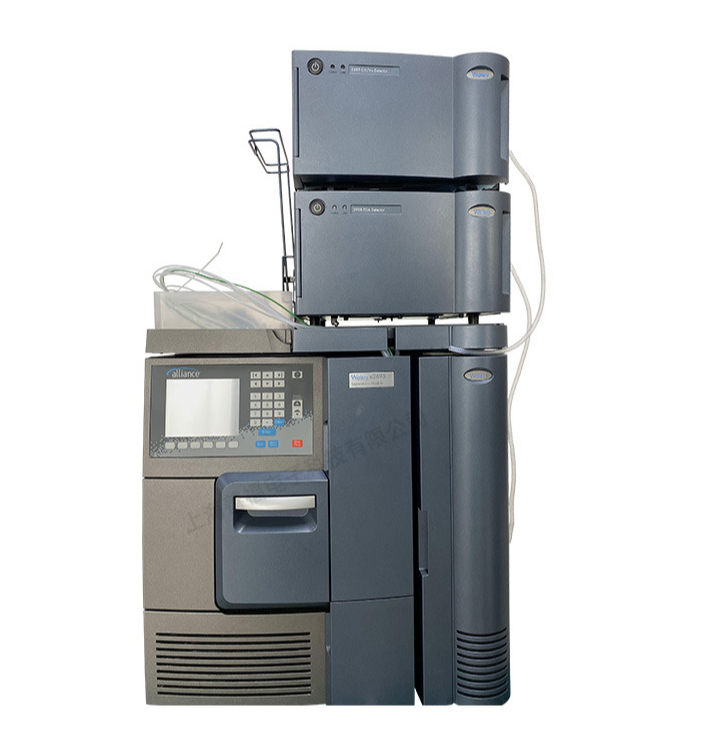
A high-performance liquid chromatography system, also known as HPLC, separates and fractionates complex compounds. The pharmaceutical material is pumped at high pressure through the separation columns. Once the material has passed this stationary phase, it interacts with the solvent in the mobile phase. The resulting separation allows accurate measurement of drug content and impurities.
Recent literature surveys reveal that HPLC is the most widely used chromatographic system. It’s used throughout the drug lifecycle, from development to batch release. This makes it a mandatory technique in many official pharmacopeial methods.
2. Gas Chromatography System
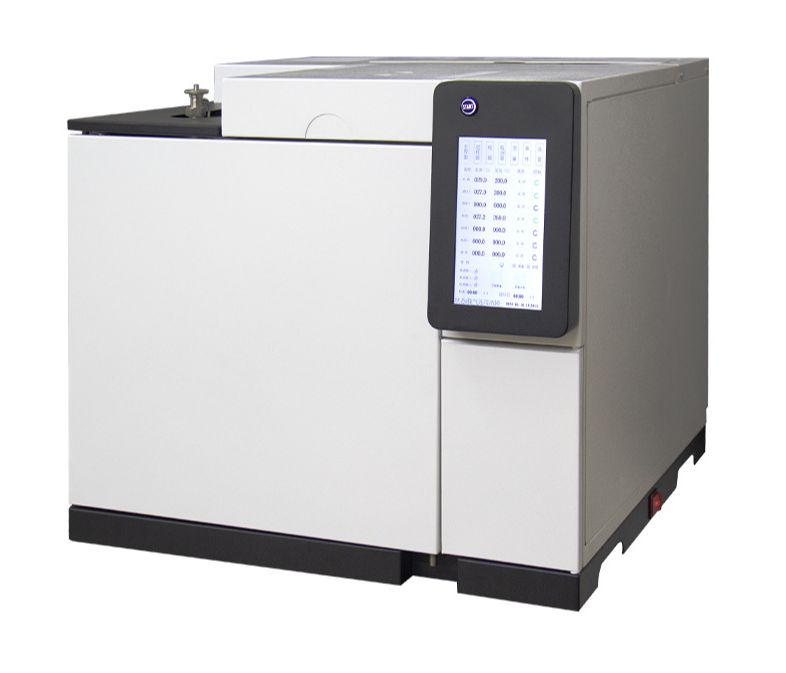
Gas chromatography systems analyze and separate volatile and semi-volatile compounds. They are especially important in pharmaceutical manufacturing, where organic solvents are frequently used during synthesis and formulation.
Key components of a gas chromatograph include a sample injector, flow controller, GC column, column oven, detector, and a computer for data analysis.
The system is capable of detecting traces of compounds down to parts per trillion. With an efficient combination of electronic sensors and pumps, the chromatograph maintains the mobile phase flow rate between 0.001 and 100 mL/min. It has previously been used for assays of isotretinoin, cocaine, and the detection of residual solvents in betamethasone valerate.
3. Ion Chromatography System
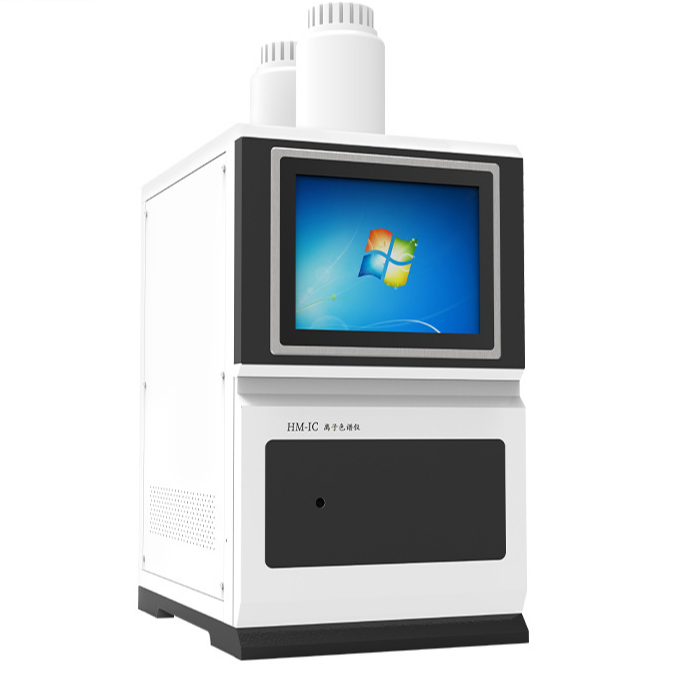
Charged ions and salts can significantly influence the stability, solubility, and shelf life of drugs if not properly controlled. An ion chromatography instrument separates and analyzes these charged species from liquid media. It can complete simultaneous analysis of several ionic compounds in minutes.
The basic working principle of an ion chromatography system is based on the conductivity of analytes. For instance, it allows the detection of nitrosamine impurities in the water used in drug manufacturing or added in syrups and injectables.
3. Physical Properties Analysis Instruments
Analytical instruments that test the physical properties of a drug help ensure consistent performance and safety across batches. These tools provide insight into factors that influence product reliability during storage, handling, and use.
1. pH Meter
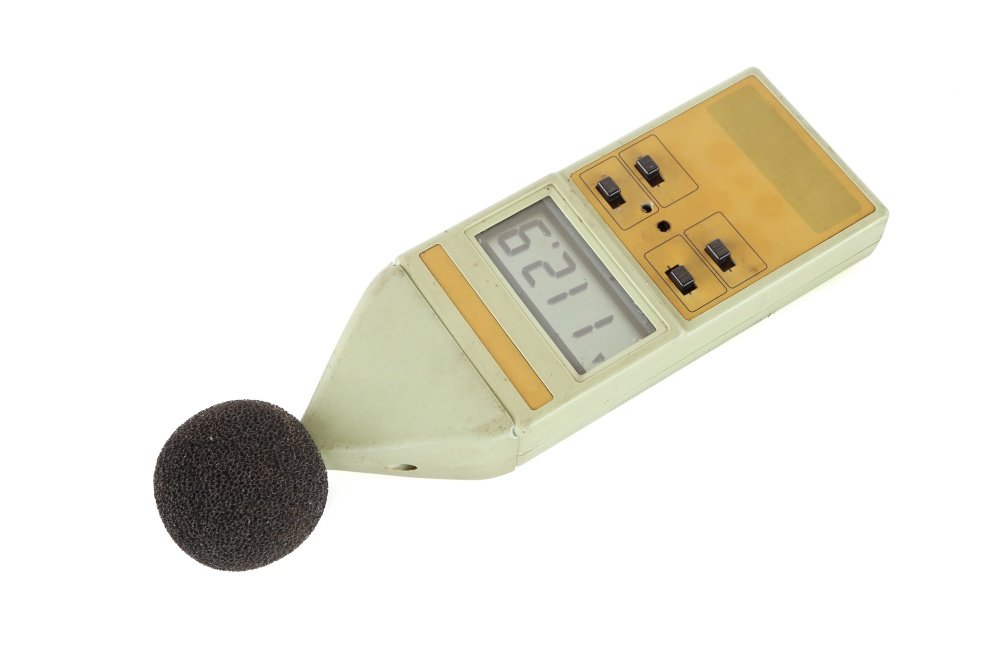
Even small changes in pH can affect how a formulation behaves during storage or after administration. A pH meter measures the acidity or alkalinity of a solution, which helps adjust and optimize drug performance.
It consists of a single or double probe, each containing two electrodes. One is a pH-measuring electrode, while the other is the reference electrode, which stays constant. The probes contain a potassium chloride solution and a silver chloride wire. It passes electrical signals to the meter, which displays the pH reading on the screen.
2. Dissolution Tester
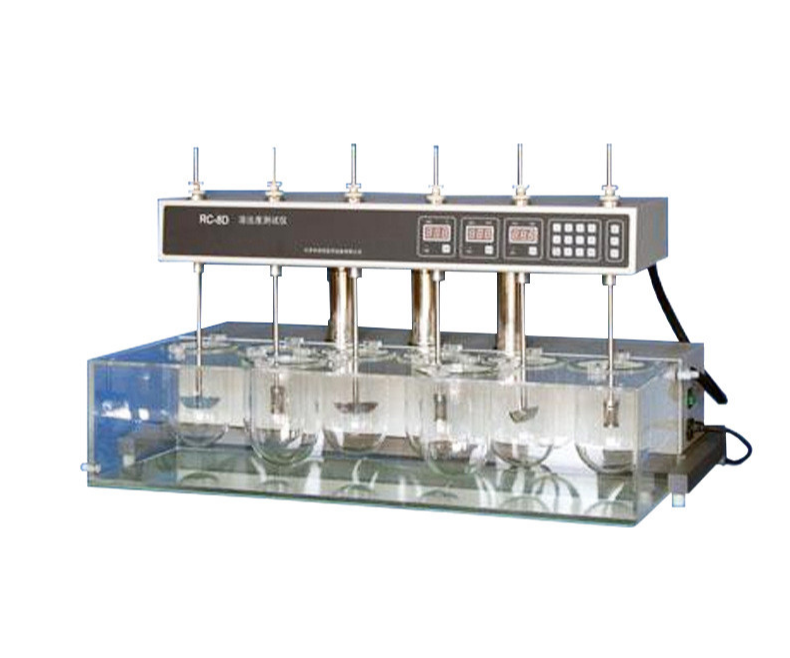
Dissolution testers analyze drug release properties in a specified medium under controlled conditions. For solid dosage forms, dissolution performance is a key indicator of product quality.
Consistent dissolution results demonstrate that a manufacturing process is stable and well-controlled. It measures the bioavailability of the Active Pharmaceutical Ingredients (APIs), which enables the prediction of the time for complete release of material from the dosage form.
3. X-ray Diffractometer
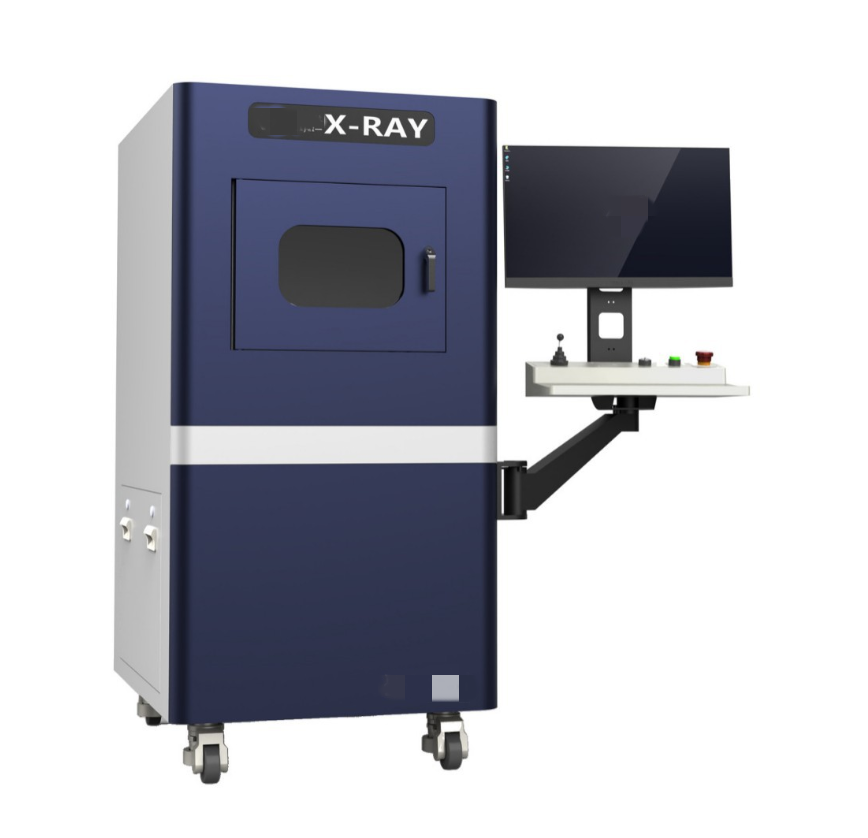
X-ray diffraction (XRD) is used to analyze the crystal structure of solid pharmaceutical materials. It helps identify different polymorphic forms and crystalline phases that can influence drug performance. Most XRDs consist of a radiation source, monochromator, slits, sample, and detector.
It’s commonly applied in solid-state characterization, polymorphism analysis, and compatibility analysis with excipients. These applications help detect structural changes early. The instrument quantifies crystalline impurities down to 0.05%. As a result, XRD reduces the risk of formulation failure and supports consistent product quality.
FAQs
1. What role does Gas Chromatography play in residual solvent analysis for active pharmaceutical ingredients?
GC identifies volatile organic compounds remaining after chemical synthesis. Using headspace sampling and flame ionization detection, technicians verify that residual solvents like ethanol or toluene fall below established ICH Q3C safety limits.
2. Why is Nuclear Magnetic Resonance spectroscopy used during the drug development phase?
NMR provides detailed information regarding the physical and chemical properties of atoms within a molecule. It is the gold standard for verifying the three-dimensional structure and purity of new synthetic drug compounds.
3. What is the purpose of using a Refractometer in liquid dosage form production?
Refractometers measure the refractive index to determine the concentration of dissolved solids in syrups or suspensions. This quick analytical check provides real-time verification of ingredient ratios during the blending and filling stages.
4. How do Dissolved Oxygen meters contribute to fermentation control in bioprocessing?
DO meters provide continuous feedback on oxygen levels within bioreactors. Maintaining specific oxygen concentrations is crucial for optimizing the growth and productivity of cell cultures used to manufacture biological therapeutic agents.
Invest in Analytical Instruments to ensure consistent production
Analytical instruments used in the pharmaceutical industry are not limited to regulatory compliance. They are also necessary to maintain production standards. This, in turn, helps pharmaceutical companies protect brand credibility and patient trust.
If you’re a pharmaceutical facility looking for a trusted equipment supplier for your company, you’re at the right place. At Finetech, we provide equipment especially customized for you.
With cGMP-compliant systems that are CE and ISO certified, we’ve successfully catered to more than 500 clients. Contact us now to discuss your requirements and find the perfect analytical instruments to enhance quality.
References:
Pharmaceutical Laboratory Equipment List.
Analytical Instruments: A Complete Guide.
What Does Pharmaceutical Laboratory Equipment Include?
Copyright Notice:
You may not reproduce, modify, publish, display, transmit, or in any way exploit any content on this website, or use such content to construct any kind of database without prior express written approval by Finetech Group. For permission to use the content, please contact: info@pharmamachinecn.com
Disclaimer:
The information contained in this article is for general information purposes only. The Company does not guarantee the accuracy, relevance timeliness or completeness of any information, and the Company assumes no responsibility for errors or omission in the content of this article.