Japanese
  English
  Russian
  Turkish
  Spanish
  French
  German
錠剤やカプセルは、服用した後の作用がすべて同じというわけではありません。有効成分を素早く放出するものもあれば、時間をかけてゆっくりと放出するように設計されているものもあります。重要なのは、体内でどれほど効果的に有効成分が利用可能になるかということです。.
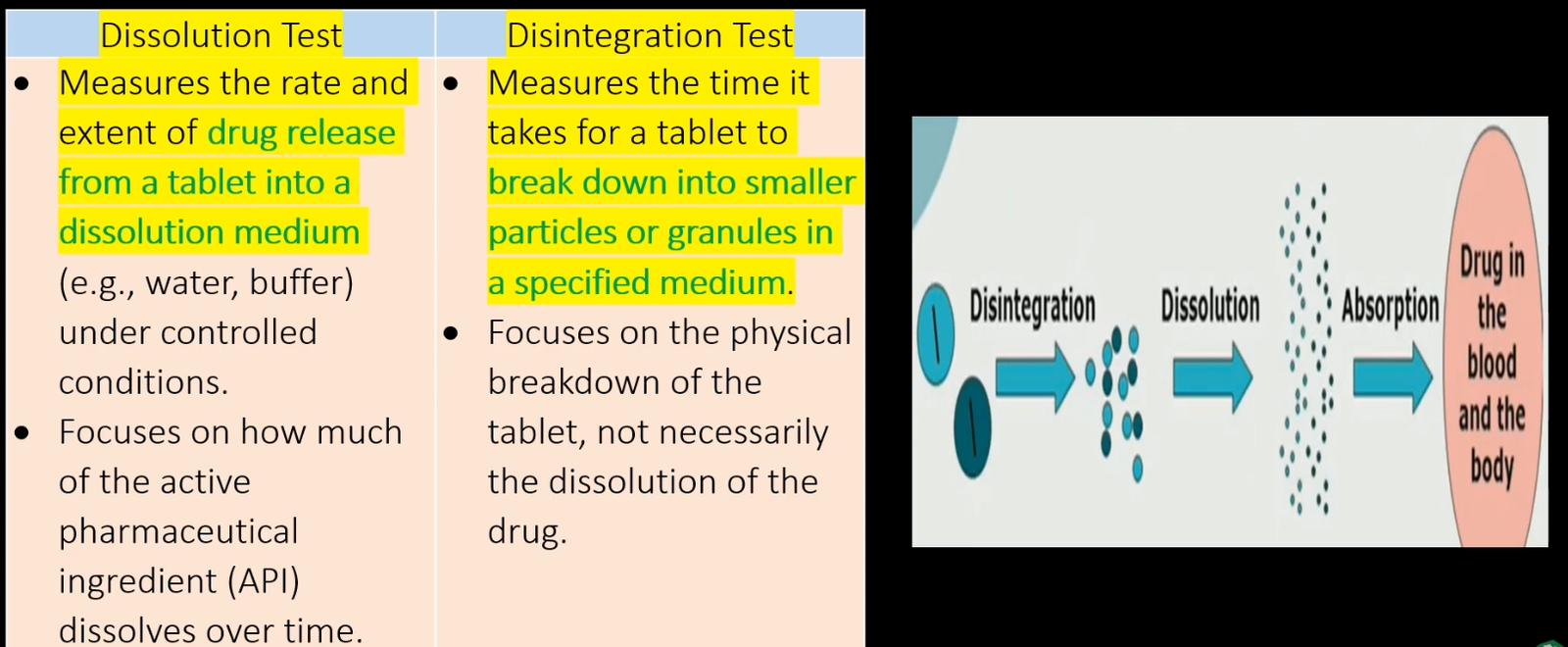
まさにそれが、錠剤やカプセルの溶出試験が測定することを目的としている点です。この試験は、医薬品製造において極めて重要な役割を果たしています。.
以下では、錠剤の溶出試験とは何か、その仕組み、そして規制順守においてなぜ重要なのかについて解説します。また、本ガイドでは、製造業者が直面する一般的な試験上の課題と、その対処法についても取り上げます。.
錠剤およびカプセルの溶解試験とは何ですか?
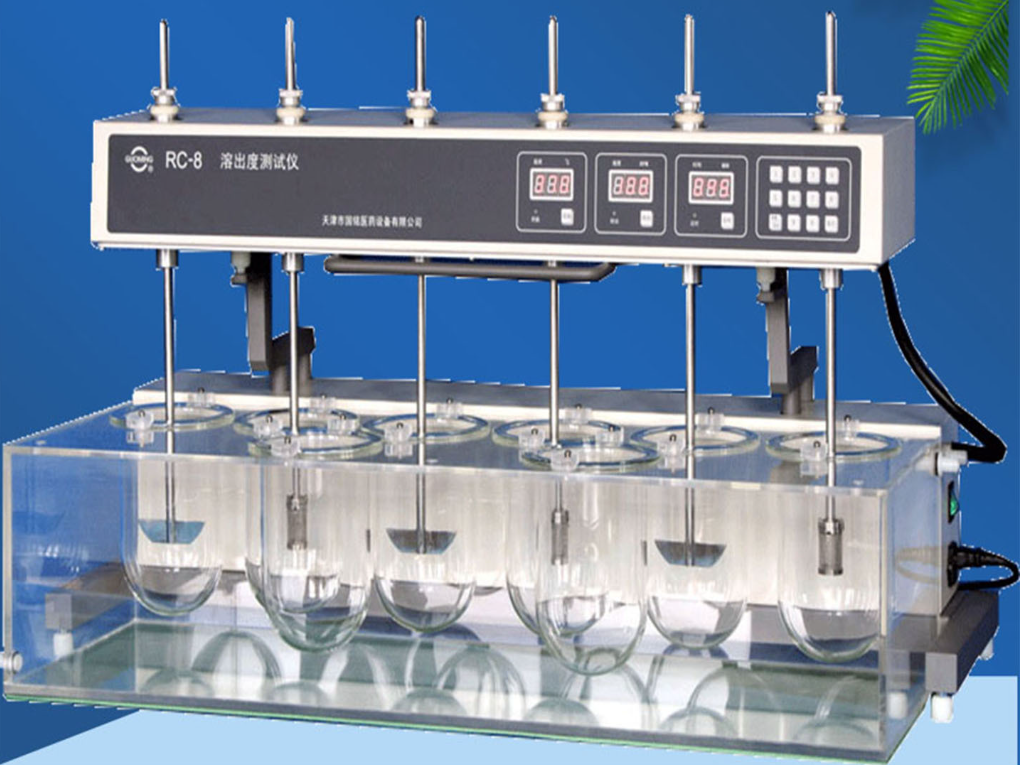
錠剤およびカプセルの溶解試験とは、ある薬剤が 有効医薬品成分(API) 錠剤やカプセルから溶け出し、溶液になります。.
これは、薬剤がその製剤からどのくらいの速さで、どのくらいの量が放出されるかを測定するために用いられる実験室での手順であり、 剤形 液体培地へと移す。この試験は、ヒトの消化環境を模した管理された条件下で実施される。.
これは医薬品の品質管理において極めて重要な要素であり、米国食品医薬品局(FDA)などの規制当局や、以下のような薬典によって義務付けられています。 米国薬局方.
錠剤およびカプセルの溶出試験の仕組み
ここでは、錠剤やカプセルの溶解試験がどのように行われるかについて、手順ごとに解説します。.
手順 1:溶解媒体を調製する
このプロセスは、適切な溶解媒の調製から始まります。この液体は薬剤に応じて選定され、体液を模倣するように設計されています。精製水、緩衝液、あるいは模擬胃液などがこれにあたります。.
培地は正確に測定し、所定のpHに調整する必要があります。場合によっては、さらに 脱気済み 試験の妨げとなる可能性のある気泡を取り除くためです。試料の調製が適切に行われない場合、試験全体の結果の信頼性が損なわれてしまいます。.
ステップ2:温度の設定と安定化
培地を容器に入れたら、システムを加熱して 37°C(±0.5°C)。. この温度は人体の温度を表しており、試験中は常に一定に保たなければなりません。.
システムは、この温度に達し、安定するまで十分な時間を確保してから起動する必要があります。安定化する前に試験を開始すると、薬物放出の結果にばらつきが生じるおそれがあります。.
ステップ3:装置の設定と回転の設定
次のステップでは、溶解装置(通常はパドル式またはバスケット式)をセットアップする必要があります。その後、試験方法に従って回転速度を調整します。.
装置によって生み出される動きにより、媒体が錠剤やカプセルの周囲を制御された方法で流れるようになっています。これは、体内の自然な流体の動きを再現したものです。バランスが崩れたり、振動が生じたり、速度が適切でなかったりすると、薬剤の溶解に影響を及ぼす可能性があります。.
ステップ4:錠剤またはカプセルを投与する
その 錠剤またはカプセル その後、これを容器に入れます。この際、剤形が破損したり変形したりしないよう、慎重に行う必要があります。.
製剤が投入されるとすぐに、タイマーが開始されます。この時点から、薬剤が溶解し始め、試験は「アクティブ」状態とみなされます。.
ステップ5:試験条件を管理下に保つ
試験中は、すべての条件を一定に保つ必要があります。温度、回転速度、および環境は変化させてはなりません。例えば:
- 温度は37°Cに保たなければなりません。.
- 回転数は一定に保たなければならない。.
- 外部からの干渉は避けるべきです。.
手順 6:一定の間隔でサンプルを採取する
あらかじめ定められた時点において、容器から試料を採取します。この作業は、システムに乱れが生じないよう慎重に行われます。各試料は、その瞬間において薬物がどれだけ溶解していたかを表しています。.
試験全体を通じて、サンプリングの位置、タイミング、および取り扱い方法は一貫していなければなりません。わずかな違いでも、データの不正確さにつながる可能性があります。.
ステップ7:試料の分析
採取された試料は、その後、UV分光光度計やHPLC装置などの実験室用機器を用いて分析されます。この工程で、各試料中の薬剤の濃度が測定されます。.
その結果は、溶解した薬剤の割合(%)に換算され、これが評価の基礎となる。.
ステップ8:結果の生成と評価
このステップでは、データをプロットして溶出曲線を作成します。これにより、時間の経過に伴う薬剤の溶出状況がわかります。.
最後に、結果をあらかじめ定められた合格基準と照らし合わせます。製品がこれらの基準を満たしている場合、テストに合格となります。しかし、基準を満たしていない場合は不合格となり、さらなる調査を行わない限りリリースすることはできません。.
溶解試験装置の種類(USP法)
錠剤およびカプセルの溶出試験は、標準化された装置を用いて実施されます。これらの方法により、結果の一貫性、比較可能性、および規制上の要件を満たすことが保証されます。.
これらには次のものが含まれます。
1. 装置1(バスケット法)
この方法では、錠剤やカプセルを、溶出媒体の中で回転する小さな金網のバスケットに入れます。このバスケットは、液体が中を流れるようにしながら、製剤を所定の位置に保持します。.
この回転により、薬物が培地中に徐々に溶解する制御された環境が作り出されます。この方法は、特に以下の場合に有用です。 カプセル 浮遊する可能性があるものや、試験中に容器内に留めておく必要がある剤形。.
2. 装置2(パドル法)
パドル法は、最も広く用いられている手法です。この方式では、錠剤やカプセルを容器の底に直接置き、回転するパドルがその上にある媒体をかき混ぜます。.
パドルが回転することで、薬剤が液体に均一に溶解するのを助ける流れのパターンが形成されます。この方法は、速放性錠剤や標準的なカプセル製剤によく用いられています。.
溶出試験における一般的な問題点
たとえその方法が妥当性を確認されていたとしても、些細な点を見落としてしまうと、溶出試験の結果は信頼できないものになりかねません。問題の多くは、試験装置の設定ミス、試験条件の管理不備、あるいは機器のメンテナンス不足に起因しています。.
これらの問題は以下の通りです。.
1. 一貫性のない結果
最もよく見られる問題の一つは、同一の試験において、試験の繰り返し間や試験容器間で結果にばらつきが生じることです。これは通常、試験条件が完全に制御されていないことを示しています。.
不均一性は、試料の配置の違い、サンプリングのタイミング、あるいは温度や回転速度のわずかな変動に起因する場合があります。わずかな偏差であっても、薬剤の溶解速度に影響を与える可能性があります。.
もう一つの原因は、剤形そのもののばらつきであり、特に製造工程が厳格に管理されていない場合に顕著である。.
2. 機器に関する問題
溶解装置は正確に作動しなければなりません。そうでない場合、試験全体に影響が及びます。問題は主に、位置ずれ、部品の摩耗、または校正不足に起因します。装置に関連する一般的な問題には、次のようなものがあります:
- 校正誤差による回転速度の不正確さ。.
- パドルやバスケットの位置がずれている。.
- 温度制御の不具合。.
- システムにおける振動または不安定性。.
これらの要因は、容器内の液体の動きに変化をもたらす可能性があり、それが溶解挙動に直接影響を及ぼします。.
3. メディアエラー
溶解媒体は、この試験において極めて重要な役割を果たします。正しく調製されていないと、試験結果は薬剤の実際の性能を反映したものにはなりません。.
次のような場合、エラーが発生する可能性があります:
- pHが指定範囲外です。.
- 培地の組成が正しくありません。.
- 脱気が不十分なため、気泡が生じている。.
- 温度が適切に維持されていません。.
この培地は生体内の状態を模擬しているため、その調製に誤りがあると、薬剤の挙動に関する結論が不正確になる恐れがあります。.
よくある質問
1. 錠剤の溶出試験はどのように行われるのですか?
錠剤を、所定の体積の溶解媒体が入った容器に入れ、通常は体温に近い温度に制御します。パドルまたはバスケットを所定の速度で回転させ、設定された時点ごとに試料を採取します。採取した試料はろ過し、必要に応じて希釈した後、UV分析、HPLC、またはその他のバリデーション済みの分析法を用いて分析します。.
2. 錠剤の溶出試験において、「Q」とは何を意味しますか?
Qとは、特定の時点において溶解しなければならない指定された有効成分の量を指します。これは必ずしも100%という値になるわけではなく、製品、薬物放出挙動、規制当局の要件、およびバリデーション済みの試験方法に基づいて設定されます。日常的な品質管理(QC)において、Qは、そのロットが溶出規格を満たしているかどうかを判断する上で重要な指標となります。.
3. タブレットはなぜ溶出試験に不合格となるのか?
錠剤は、過度の硬度、濡れ性の不良、過度の圧縮、結合剤含有量の高さ、コーティングの欠陥、APIの粒子径の変化、あるいは安定性試験中の経時変化などにより、溶出試験に不合格となる場合があります。 また、回転数(RPM)の誤り、pH値の不正確さ、気泡の混入、ろ過不良、または容器の位置ずれなどの測定方法上の問題も、誤った不合格判定を引き起こす可能性があります。適切な調査を行う際には、製品の不具合と分析上の誤りや機器の誤差を区別する必要があります。.
4. 溶出試験において、気泡はなぜ問題となるのでしょうか?
気泡は、錠剤、カプセル、バスケット、パドル、あるいは容器の表面に付着し、流体力学的挙動を乱すことがあります。これにより、製剤と媒体との接触が減少したり、撹拌パターンが変化したりする可能性があります。その結果、溶出試験の結果に変動が生じたり、数値が低くなったり、あるいは誤解を招くような結果が得られることがあります。.
正確なテストを支える、信頼性の高い本番環境を構築する
錠剤やカプセルの溶解試験は、製品が実際の使用においてどの程度の性能を発揮するかを直接的に測定するものです。このプロセスが適切に管理されていない場合、その結果は信頼できず、製品の品質とコンプライアンスの両方にリスクが生じます。.
しかし、コンプライアンスを確保するにはそれだけでは不十分です。GMPに準拠し続けるためには適切な機械設備も必要ですが、ファインテックはそのような設備をご提供いたします。.
当社は信頼性の高い 医薬品製造および包装機器, 、充填機や錠剤プレス機などが含まれます。製品の性能をより的確に管理したいのであれば、その取り組みは製造段階から始めるべきです。.
今すぐ当社のスペシャリストにお問い合わせください ご予約はこちら!
参考文献:
著作権について
ファインテック・グループの書面による事前の明示的な承認がない限り、本ウェブサイト上のコンテンツを複製、変更、公開、表示、送信、その他の方法で利用したり、そのようなコンテンツを使用して何らかのデータベースを構築したりすることはできません。コンテンツの使用許可については、こちらまでお問い合わせください: info@pharmamachinecn.com
免責事項:
本記事に含まれる情報は、一般的な情報提供のみを目的としています。当社は、いかなる情報についても、その正確性、妥当性、適時性、完全性を保証するものではなく、また、本記事の内容の誤謬または脱漏について一切の責任を負いません。.