 English
  Russian
  Turkish
  Spanish
  French
  German
  Japanese
Have you ever wondered how medicines stay safe and pure before they reach us? A big part of the answer is stainless steel. It is strong, shiny, and easy to clean, so it can handle chemicals and prevent contamination. In this article, we discuss how stainless steel used in the pharmaceutical industry and the important role it plays in making sure every medicine is safe and effective.
Properties of Stainless Steel
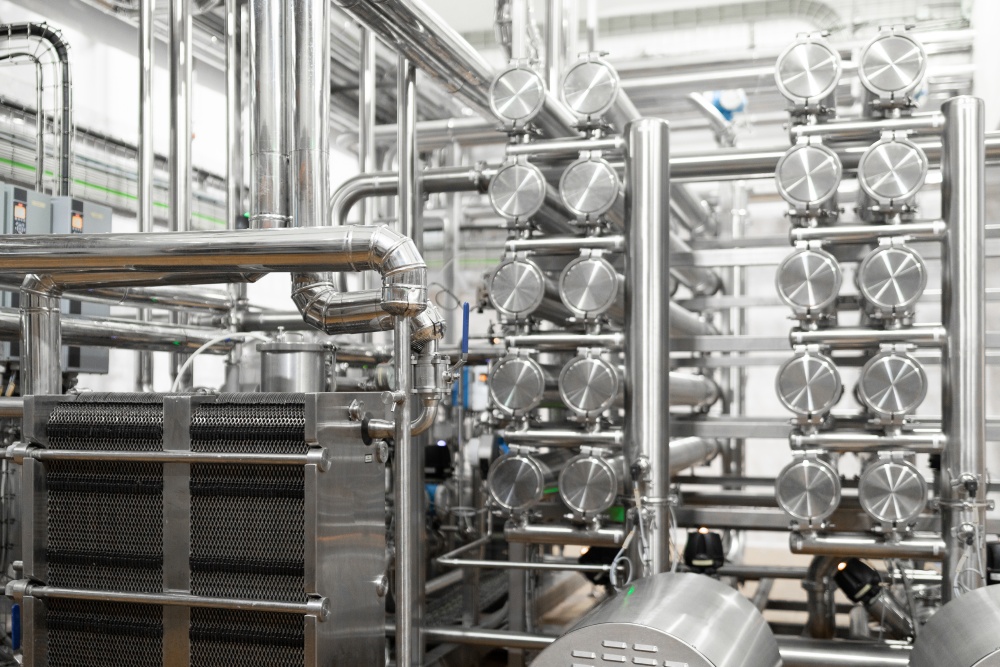
Stainless steel is one of the most important materials in the pharmaceutical industry. It is used everywhere, in tanks, pipes, mixers, and even storage units, because it keeps medicines pure and sterile. Its special properties make it ideal for clean, hygienic environments.
Corrosion Resistance
Stainless steel used in the pharmaceutical industry does not rust or get damaged easily. Even when it comes into contact with water, chemicals, or cleaning agents, it remains strong. This is very important because rust or corrosion can spoil medicines.
Strength and Durability
This metal is extreme and lasts a long time. Tanks, pipes, and machines made of stainless steel can handle heavy use without breaking. Its durability saves money because the equipment does not need to be replaced as often.
Easy to Clean
Cleaning is effortless with stainless steel. Its smooth surface stops dirt and germs from sticking. Stainless steel used in the pharmaceutical industry is the preferred choice when hygiene is a priority.
Non-reactive Nature
Stainless steel does not react with medicines or chemicals. This means medicines retain their original quality and do not spoil in the containers. Doctors and pharmacists trust stainless steel for safe storage and production.
Heat and Chemical Resistance
Stainless steel can handle high temperatures and strong chemicals without changing shape. Machines and pipes made from it can work in harsh conditions.
Smooth and Shiny Surface
Stainless steel has a surface that looks clean and professional. It also prevents bacteria from growing, which makes maintenance easier. In the pharmacy industry, this quality is beneficial to keep equipment safe and medicines uncontaminated.
Grades of Stainless Steel Used in the Pharmaceutical Industry
Different machines and tools in medical factories require stainless steel that best suits their needs. Not all stainless steel is the same, so choosing the right type is very important for safety and long-lasting equipment. The grades of stainless steel used in the pharmaceutical industry are:
Grade 304 Stainless Steel
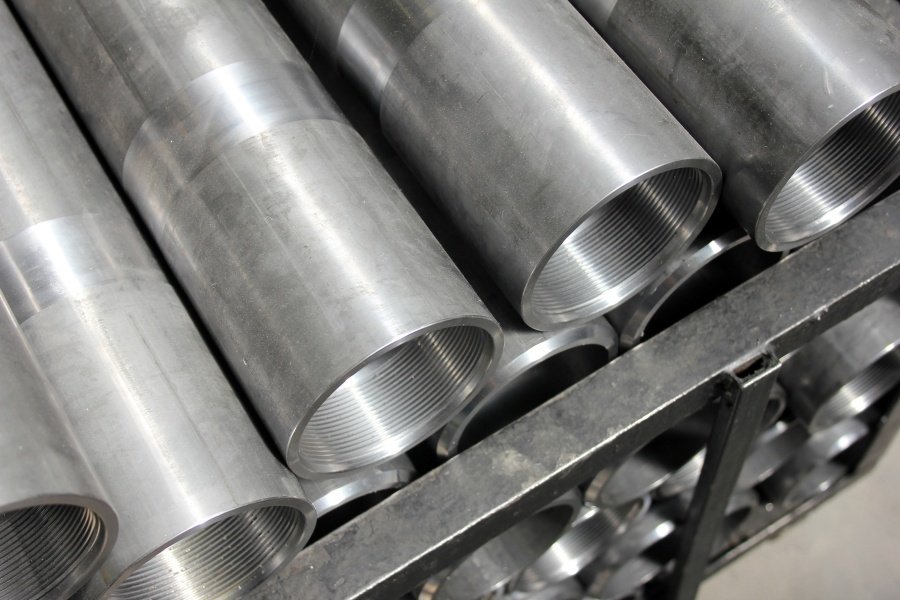
Grade 304 is a common type of stainless steel. It is strong, resistant to rust, and easy to clean. This grade is mainly used in pipes, tanks, and general equipment in the pharmaceutical production line. It is suitable for environments that do not need very high chemical resistance.
Grade 316 Stainless Steel
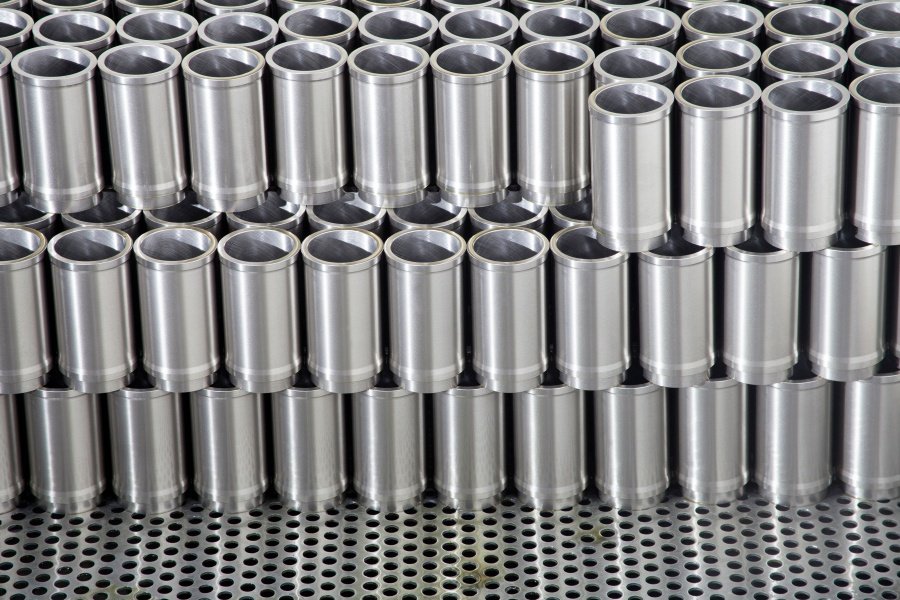
Grade 316 stainless steel is stronger and more resistant to corrosion than 304. It contains extra molybdenum, which helps it resist harsh chemicals. This makes it suitable for equipment that handles potent cleaning agents or reactive substances in pharmaceutical production.
Grade 316L Stainless Steel
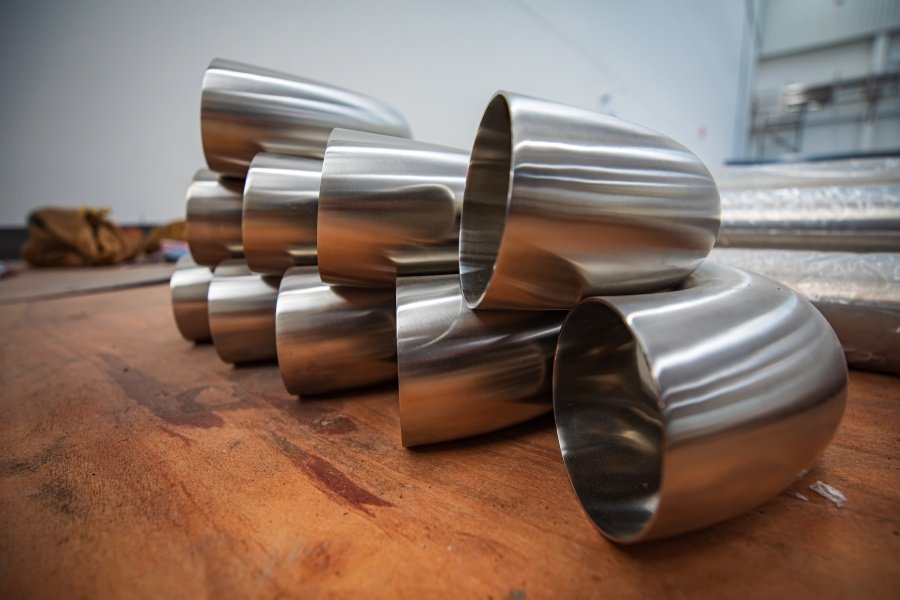
316L is a low-carbon version of 316 and is commonly referred to as surgical or medical-grade stainless steel. It can handle extreme cleaning processes. Many machines, storage tanks, and pipes in the pharmaceutical industry are made from 316L stainless steel because it helps keep medicines pure and safe.
Grade 904L Stainless Steel

904L stainless steel, used in the pharmaceutical industry, offers very high corrosion resistance and is among the strongest grades available. It has more nickel and chromium than other grades, making it durable even under extreme conditions. Though expensive, it is used where equipment must last a long time and resist strong chemicals.
Medical-Grade Stainless Steel
Medical-grade stainless steel is a highly pure form of stainless steel used in medical and healthcare equipment. It is highly resistant to corrosion and chemicals, making it ideal for equipment that comes into contact with medicines or patients.
In the pharmaceutical industry, it is used for surgical tools, storage tanks, mixers, and pipes where cleanliness and safety are critical.
| Grade | Composition | Corrosion Resistance | Uses in the Pharmaceutical Industry | Cost |
| 304 | Basic stainless steel with chromium and nickel | Good | Tanks, pipes, and general equipment | Low |
| 316 | Extra molybdenum added | Better than 304, resists strong chemicals | Pipes, mixers, equipment handling reactive liquids | Medium |
| 316L | Low-carbon version of 316 | High resistance to corrosion and cleaning | Storage tanks, pipes, and high-purity production equipment | Medium-High |
| Medical Grade | Very pure, specially processed | Excellent | Surgical tools, mixers, storage tanks, and sensitive production areas | High |
| 904L | High nickel and chromium | Extremely high resistance to corrosion | Special equipment for harsh chemicals or high durability needs | Very High |
Factors for Choosing the Right Stainless Steel Grade in the Pharmaceutical Industry
Choosing the right grade of stainless steel used in the pharmaceutical industry will help machines and equipment work well and last a long time. Different grades have different strengths, so the choice depends on the chemicals it will come into contact with and how often it will be cleaned.
Using the wrong grade can cause rust, damage, or contamination, which can affect medicine production. The following factors should be considered when choosing a stainless steel grade:
- Type of Chemicals:Some stainless steel grades handle strong acids and cleaning agents better than others.
- Cleaning and Sterilization: Equipment that needs frequent cleaning or high-temperature sterilization works better with higher-grade stainless steel.
- Durability and Strength:Machines that handle heavy loads or pressure require stronger grades of materials.
- Cost: Higher grades, such as 904L, are expensive, so the choice should balance cost with needs.
- Ease of Maintenance: Some grades are easier to clean and inspect, saving time and reducing contamination risks.
By looking at these factors, engineers can choose the right stainless steel grade for the pharmaceutical machinery.
Applications of Stainless Steel in the Pharmaceutical Equipment
Making safe and clean medicines needs strong equipment. Stainless steel used in the pharmaceutical industry because it can handle heat, chemicals, and frequent cleaning without rusting or breaking.
Tanks and Vessels
Tanks and vessels made of stainless steel hold liquids and powders used to make medicines. They do not rust or react with chemicals, which helps keep the products pure. These tanks are easy to clean, which supports safe and hygienic production.
Pipes and Valves
Pipes and valves carry ingredients from one step to another in the pharmaceutical manufacturing process. Stainless steel pipes are smooth inside, so no material sticks to them. They can also handle high pressure and temperature without breaking or leaking, making them safe and dependable for daily use.
Mixers and Agitators
Mixers and agitators made with stainless steel help blend ingredients evenly. Because stainless steel does not absorb any substance, it prevents contamination. This keeps every batch of medicine safe and consistent in quality.
Dryers and Coating Machines
These machines dry or coat tablets and capsules. Stainless steel used in the pharmaceutical industry helps these machines work safely with heat and moisture. It also makes them durable and easier to clean, which means they last for years without losing quality or shine.
Filtration and Separation Equipment
Stainless steel is also used in filters and separators that remove unwanted particles from liquids or powders. It does not react with the materials, so medicines stay pure and safe. These machines last a long time, which makes them very useful in every step of the pharmaceutical industry, where clarity and quality are needed.
Cleanroom Furniture and Fixtures
In cleanrooms, even small dust or bacteria can be harmful. Stainless steel furniture is used because it is easy to sanitize and maintain. It also gives a polished and professional look to the controlled working area.
Storage and Transportation Equipment
Stainless steel containers are used to store and transport medicines or chemical solutions. They keep materials safe during transport and prevent any damage. This makes them perfect for long-distance delivery and helps protect sensitive pharmaceutical products.
Surgical and Laboratory Tools
The use of stainless steel in medical applications is seen clearly in tools like scissors, tweezers, and lab instruments. These tools stay sharp, rust-free, and clean after many uses.
Maintenance and Cleaning Procedures
Keeping machines clean is one of the most careful parts of making medicine. Stainless steel used in the pharmaceutical industry is chosen because it stays smooth, shiny, and rust-free even after repeated cleaning. After each batch, workers wash and wipe the machines to remove any leftover powder or liquid.
From time to time, they also perform deep cleaning to reach hard-to-reach areas and ensure the equipment remains strong and safe to use. Cleaning products are carefully selected to avoid damaging the surface or leaving any residue. Every cleaning step is written and followed under the SOP in the pharmaceutical industry, which helps keep the process clear and controlled.
FAQs
Why is stainless steel used in medicine?
Stainless steel is used in medicine because it is strong, rust-resistant, and easy to clean. It does not react with medication or the human body, making it very safe. Doctors and manufacturers use it for tools, surgical instruments, and equipment that must stay germ-free.
Is stainless steel 100% non-toxic?
Stainless steel is mostly non-toxic and safe for use in medicines, food, and water. It does not react with most chemicals, so it does not contaminate products. However, it must be properly cleaned and maintained to keep it safe and free from rust or dirt.
What stainless steel is FDA approved?
The FDA approves certain grades of stainless steel for use in food and medicine, mainly grades 304 and 316. These grades do not release harmful chemicals and are safe to touch medicines or food.
Conclusion
Stainless steel keeps medicines safe and clean. It is strong, easy to wash, and helps machines last longer while maintaining pure products. Alternatively, you can explore other popular aluminum 101 guides and applications. For high-quality pharmaceutical machinery made from the best stainless steel, contact us today. We offer long-lasting, easy-to-use machines for your work.


23 thoughts on “Stainless Steel Used in the Pharmaceutical Industry”
That is reallу attention-ցrabbing, You are an overly professional blogger.
I have joined your feed and look forward to in search
of more of your great post. Additionaⅼly, I have shareԀ your
web site in my social networks
It’s amazing in support of me to have a web page, which is valuable in support of my experience.
thanks admin
Appreciating the hard work you put into your site and in depth information you offer.
It’s awesome to come across a blog every once in a while that isn’t the same unwanted rehashed material.
Wonderful read! I’ve saved your site and I’m including your RSS feeds to my Google account.
This paragraph is really a good one it assists
new net viewers, who are wishing in favor of blogging.
You are so awesome! I don’t think I’ve truly read through a single thing
like this before. So nice to discover someone with unique thoughts on this subject.
Really.. thank you for starting this up. This website is
something that’s needed on the internet, someone with a little originality!
You should take part in a contest for one of the best sites on the web.
I will recommend this site!
This post gives clear idea designed for the new viewers of blogging, that genuinely how to
do blogging.
Hello! I could have sworn I’ve been to this site before but after checking through some of the post I realized it’s new to me.
Nonetheless, I’m definitely happy I found it and I’ll be bookmarking and checking back frequently!
Everything is very open with a very clear description of the challenges.
It was definitely informative. Your site is very useful.
Many thanks for sharing!
Good blog you’ve got here.. It’s difficult to find high-quality writing
like yours nowadays. I honestly appreciate people like you!
Take care!!
Very nice post. I just stumbled upon your weblog and wished
to say that I’ve truly enjoyed surfing around your blog posts.
After all I’ll be subscribing to your feed and
I hope you write again very soon!
I was suggested this blog by my cousin. I’m
not sure whether this post is written by him as no
one else know such detailed about my difficulty.
You are amazing! Thanks!
Thanks for finally writing about >Stainless Steel Used in the Pharmaceutical Industry <Liked it!
Greate pieces. Keep posting such kind of information on your blog.
Im really impressed by your site.
Hi there, You have done a fantastic job. I’ll definitely digg
it and in my view recommend to my friends. I’m confident they will be benefited from this web site.
It’s amazing designed for me to have a site, which is helpful designed
for my knowledge. thanks admin
Pretty section of content. I just stumbled upon your website and in accession capital to assert that I acquire actually enjoyed account your blog posts.
Anyway I will be subscribing to your feeds and even I achievement
you access consistently quickly.
Have you ever thought about writing an ebook
or guest authoring on other sites? I have a
blog centered on the same ideas you discuss and would love
to have you share some stories/information. I know my readers would value your work.
If you are even remotely interested, feel free to shoot me an e-mail.
I was wondering if you ever considered changing the layout of your website?
Its very well written; I love what youve got to say.
But maybe you could a little more in the way of content so
people could connect with it better. Youve got an awful lot of text for only having one
or two pictures. Maybe you could space it out better?
I am really thankful to the owner of this site who has shared this great piece of writing at at this time.
you are in point of fact a good webmaster.
The website loading speed is amazing. It seems that you’re doing
any distinctive trick. In addition, The contents are masterpiece.
you have done a wonderful process on this subject!
What’s up, I want to subscribe for this blog to take most up-to-date updates, so where can i do it please help.
I absolutely love your website.. Pleasant colors & theme.
Did you make this site yourself? Please reply back as I’m
hoping to create my own blog and would love to find out where you got this from or just what the theme is named.
Kudos!
Good info. Lucky me I found your website by accident (stumbleupon).
I’ve book-marked it for later!