English
  Russian
  Turkish
  Spanish
  French
  German
  Japanese
Blister packaging machines are used to package tablets, capsules, and other pharmaceutical products. They help protect medicines from moisture, dust, and physical damage while making storage and transportation easier.
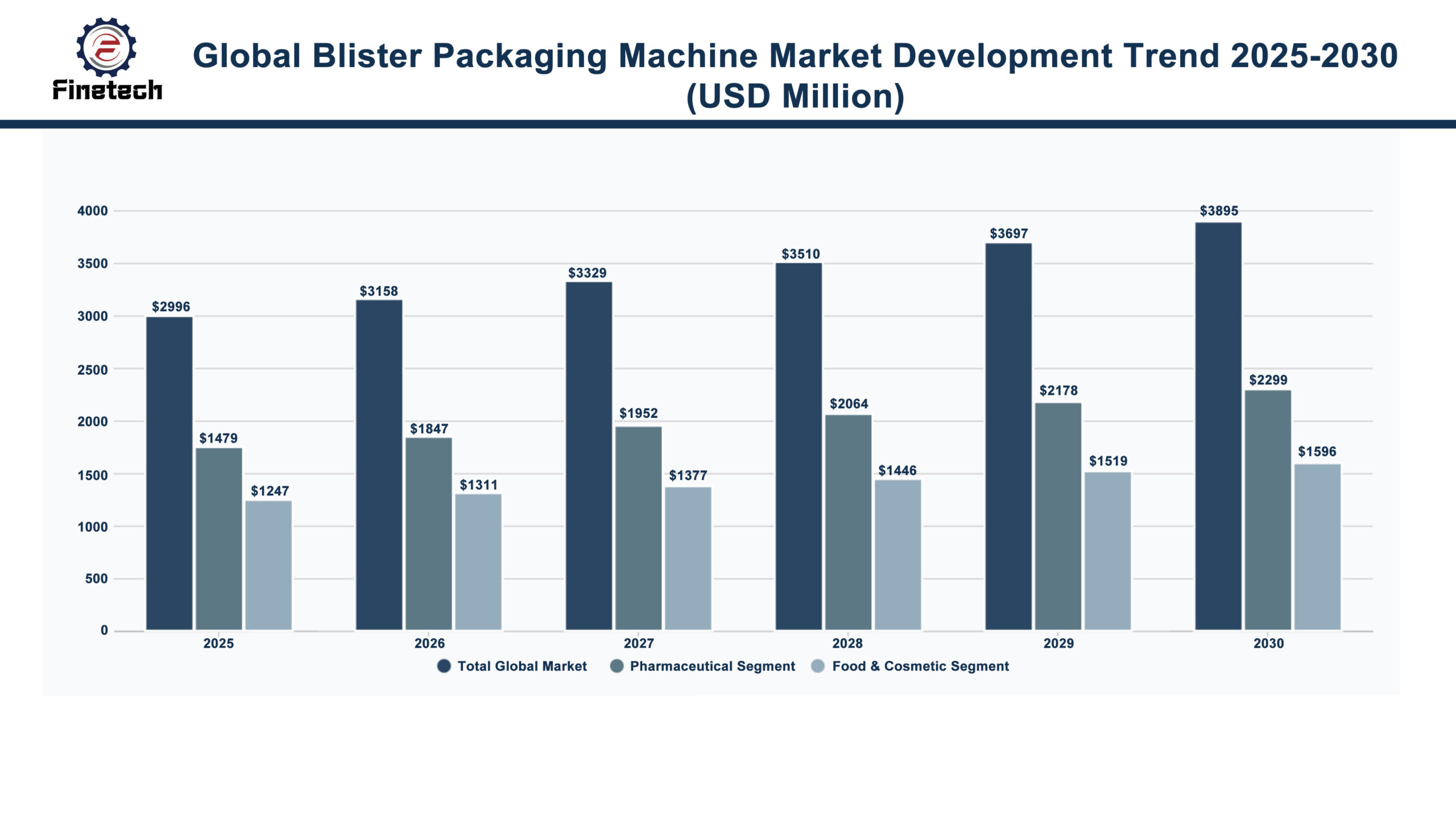
As pharmaceutical production continues to grow around the world, the need for faster and more advanced packaging equipment is also increasing. New technologies and investments in manufacturing facilities are influencing the market. In this article, we discuss the global blister packaging machine market development trend 2025-2030.
Global Blister Packaging Machine Market Development Trend 2025-2030
Several developments are shaping the blister packaging machine market between 2025 and 2030. Manufacturers are looking for equipment that can increase production and adapt to changing packaging requirements.
Growing Demand from the Pharmaceutical Industry
Pharmaceutical companies are producing larger quantities of medicines to meet growing healthcare needs. As demand for tablets and capsules increases, manufacturers need packaging machines capable of handling higher production volumes.
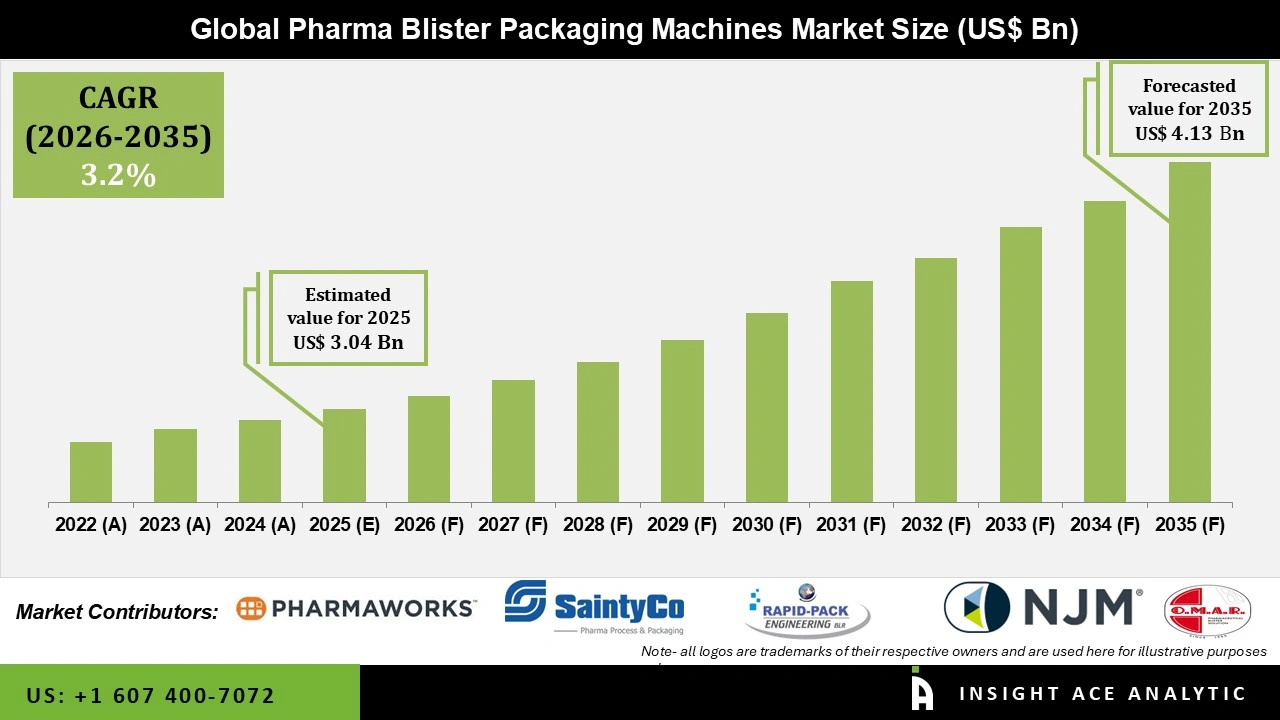
The global blister packaging machine market is projected to grow at a CAGR of 3.2% during the 2026 to 2035 forecast period, which is proof of the increasing demand for advanced packaging equipment.
New pharmaceutical facilities are also being established in many countries, creating more demand for blister packaging equipment. This is one of the main reasons behind the global blister packaging machine market development trend 2025-2030.
More Companies Are Choosing Automation
Many manufacturers are replacing older systems with automatic blister packaging machines. Automatic equipment can perform multiple packaging steps with less manual involvement, helping companies package products faster.
For businesses handling large production volumes, automation can help increase output and make day-to-day operations easier.
Smart Features Are Becoming More Common
Modern blister packaging machines now include features that were not common a few years ago. Touch-screen controls, production monitoring, AI help features, and digital settings are becoming standard in many facilities.
These features allow operators to manage packaging processes more easily and make adjustments when needed. As technology continues to develop, more manufacturers are showing interest in machines with advanced control systems.
Focus on Sustainable Packaging
Many companies are paying closer attention to packaging materials and packaging waste.
Plastic-based blister packaging continues to dominate the market because it offers good product protection and cost-effectiveness. In 2026, the plastic-based blister packaging segment accounted for 61.40% of the global market, while carded blister packaging held a 43.67% share.
This has encouraged machine manufacturers to develop equipment that can work with a wider range of materials, which focuses on sustainable development.
Companies now aim to not only package products effectively but also to reduce unnecessary material usage where possible. This change is influencing machine design and purchasing decisions across the industry.
Strong Growth in Asia-Pacific
The Asia-Pacific region continues to attract investment in pharmaceutical manufacturing. Countries such as China and India have become major centers for medicine production, creating strong demand for packaging equipment.
As more pharmaceutical companies expand their production capacity, the demand for blister packaging machines is expected to remain strong.
In 2025, Asia-Pacific accounted for 38.05% of the global blister packaging market, generating USD 11.65 billion in revenue. The regional market is expected to grow further to USD 12.55 billion in 2026. This regional expansion is an important part of the global blister packaging machine market development trend 2025-2030.
Demand for Higher Production Speeds
Manufacturers are under pressure to produce more products within shorter timeframes. As a result, high-speed blister packaging machines are becoming increasingly popular.
These machines help companies package large quantities of products while maintaining packaging quality. For many manufacturers, increasing production speed has become a major reason for investing in new equipment.
What This Means for Manufacturers
The packaging industry is changing alongside pharmaceutical production. Companies that invest in modern equipment can benefit from higher production capacity, faster packaging speeds, better product handling, and reduced manual work.
Manufacturers are also paying more attention to automation and machine technology when upgrading their production lines. Choosing equipment that matches current and future production needs can help companies stay competitive as market demands continue to grow.
Conclusion
The global blister packaging machine market development trend 2025-2030 is being shaped by growing pharmaceutical production, automation, smart machine features, sustainable packaging efforts, and rising demand for high-speed equipment.
Looking for a modern blister packaging machine for your production line? Contact Finetech to get solutions that match your manufacturing needs.
References:
Pharma Blister Packaging Machines Market Size, Trends and Segments (2026–2035).