English
  Russian
  Turkish
  Spanish
  French
  German
  Japanese
If you’re looking to start a tea business, it is much easier today than it was a few years ago. However, one challenge many new tea businesses face is packaging tea the right way. Here, a small business tea bag machine helps address this issue.
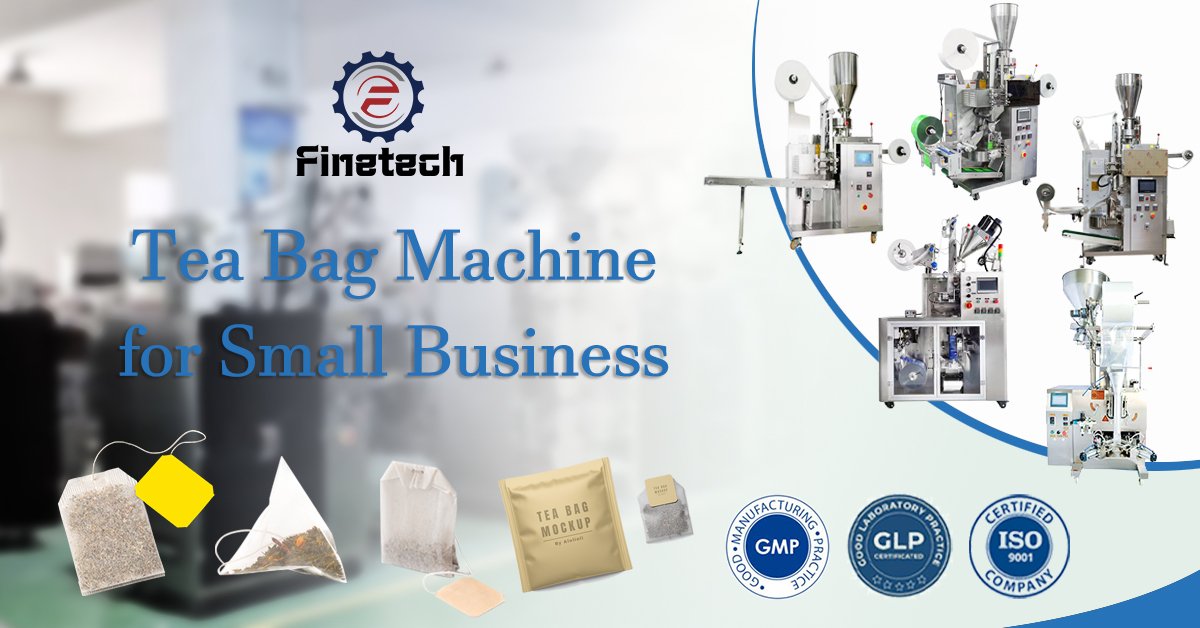
Instead of filling each bag manually, the machine measures the correct amount of tea leaves and seals them in a hygienic way. As a small business, you need to be more vigilant while choosing a machine, as it affects almost every aspect of productivity.
To help you make the right choice, we’ll be discussing the different types of tea bag machines available and how you can choose the right one.
What Is a Tea Bag Machine for a Small Business?
A tea bag machine for a small business is a packaging machine designed to automatically measure, fill, form, and seal tea bags using tea leaves, tea dust, or herbal blends. Rather than manually weighing tea and sealing bags, the machine handles the entire process.
For small businesses, these machines are usually available in compact or semi-automatic models to produce hundreds of tea bags per hour.
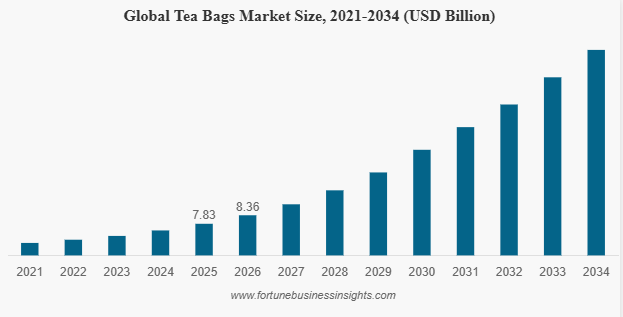
Moreover, the need for tea bag machines has grown as more consumers prefer the convenience. Studies show that around 60% of tea drinkers globally prefer tea bags over loose-leaf tea.
Types of Tea Bag Machines for Small Businesses
Tea bag machines come in several formats depending on the type of tea bag, packaging style, and production needs. Let’s discuss each of these different machines that small businesses can use today.
1. Single Chamber Tea Bag Machines
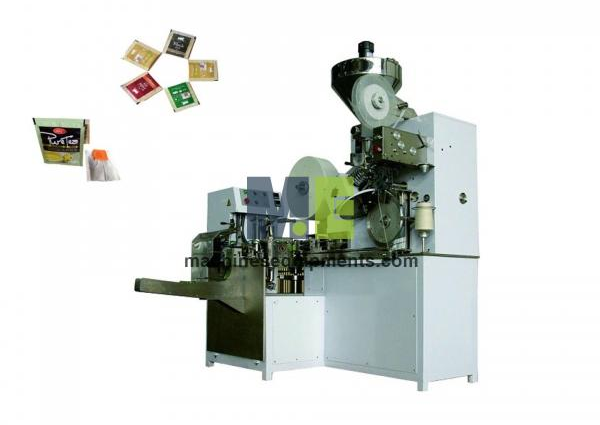
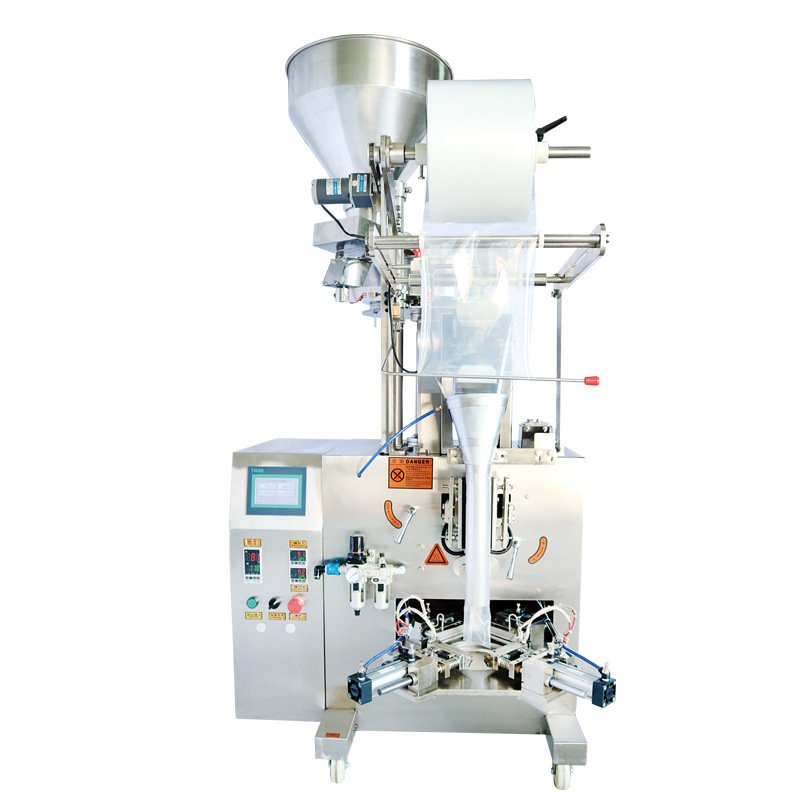
Single-chamber tea bag machines produce simple, flat tea bags with one compartment. These bags are typically made using filter paper and are sealed on all sides after the tea leaves are measured and filled inside.
Small tea brands, herbal tea producers, and startups commonly use these machines. They also require less space and maintenance, making them a practical choice for businesses starting with smaller production volumes.
2. Double Chamber Tea Bag Machines
Double-chamber tea bag machines produce the classic two-pocket tea bags that are widely recognized in commercial tea packaging. Here, the tea bag is divided into two chambers, allowing more water to flow through the tea during brewing.
This design helps the tea leaves expand more easily and improves flavor extraction. Because of this advantage, many large tea brands use double-chamber tea bags as their standard packaging format.
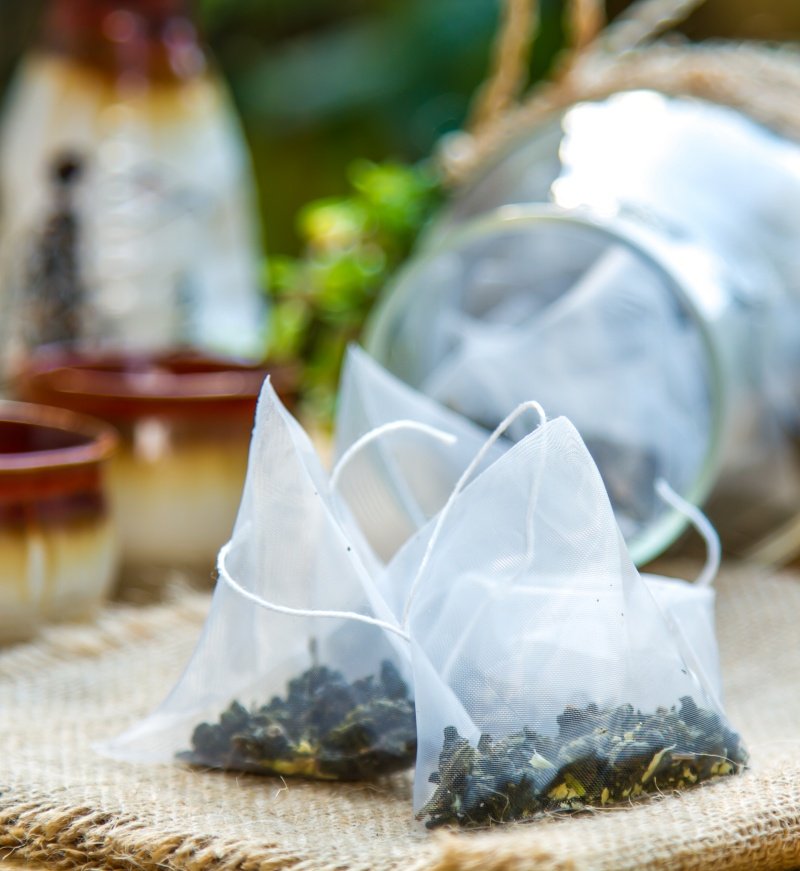
3. Pyramid (Triangle) Tea Bag Machines
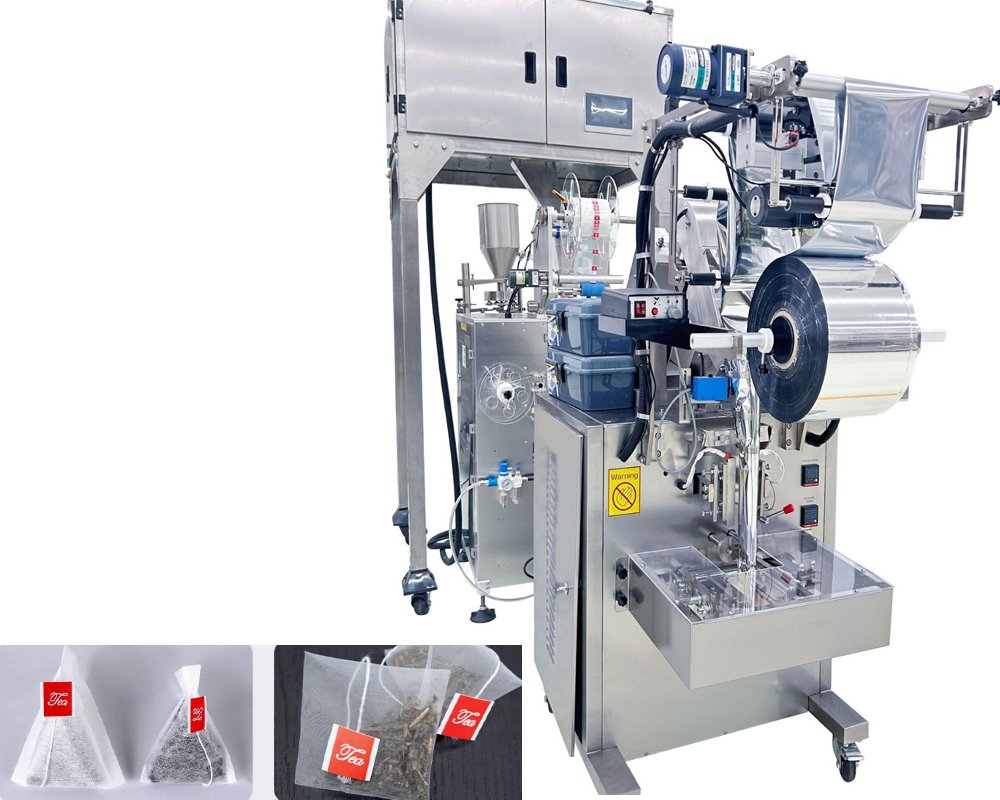
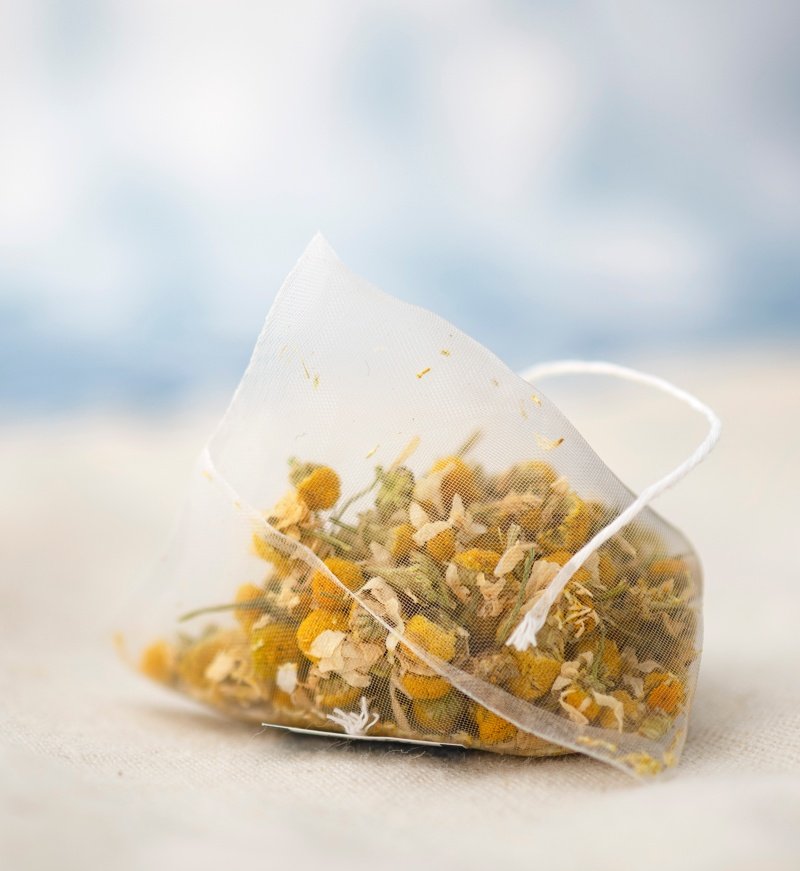
Pyramid tea bag machines produce triangular or pyramid-shaped tea bags. These bags are typically made using nylon mesh, biodegradable mesh, or silk-like materials that allow tea leaves to expand more freely during brewing.
The larger space inside pyramid bags makes them suitable for whole tea leaves, flower teas, and specialty blends. The machines used to produce pyramid tea bags are more advanced and usually include ultrasonic sealing technology to seal the mesh material.
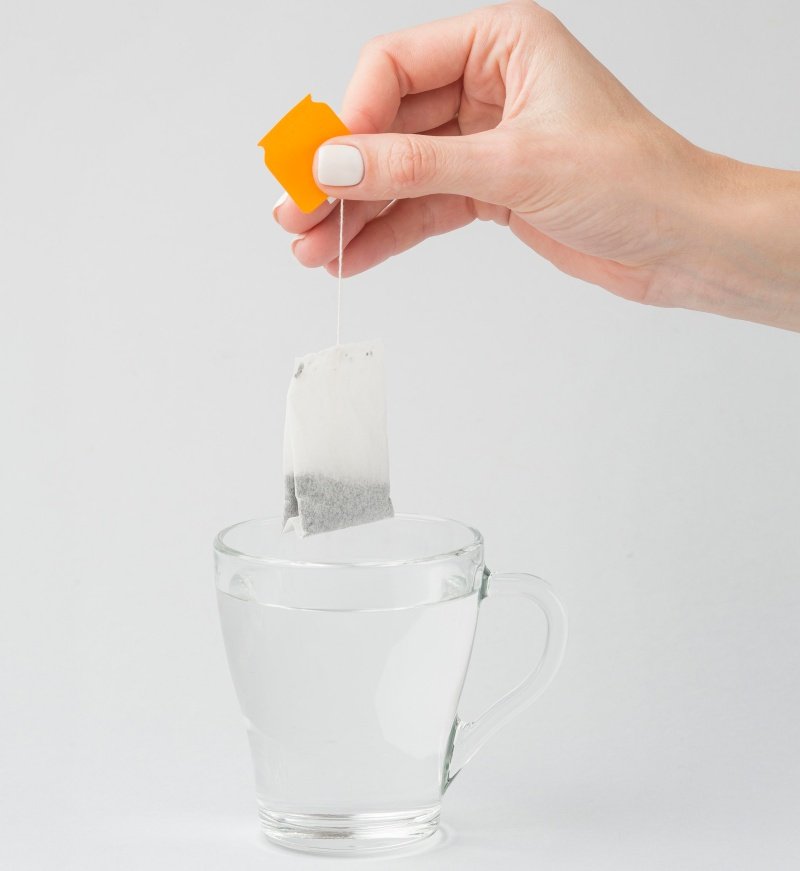
4. Tea Bag Machines with String and Tag
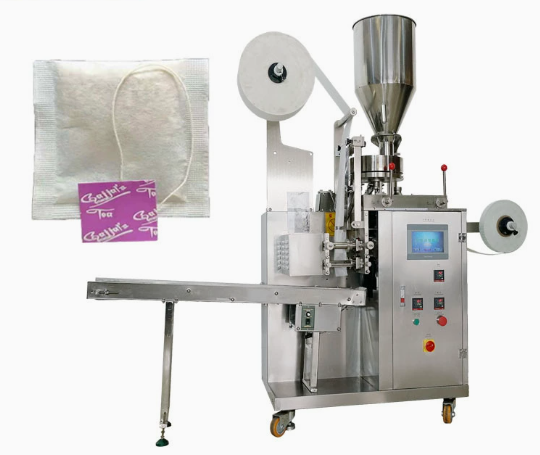
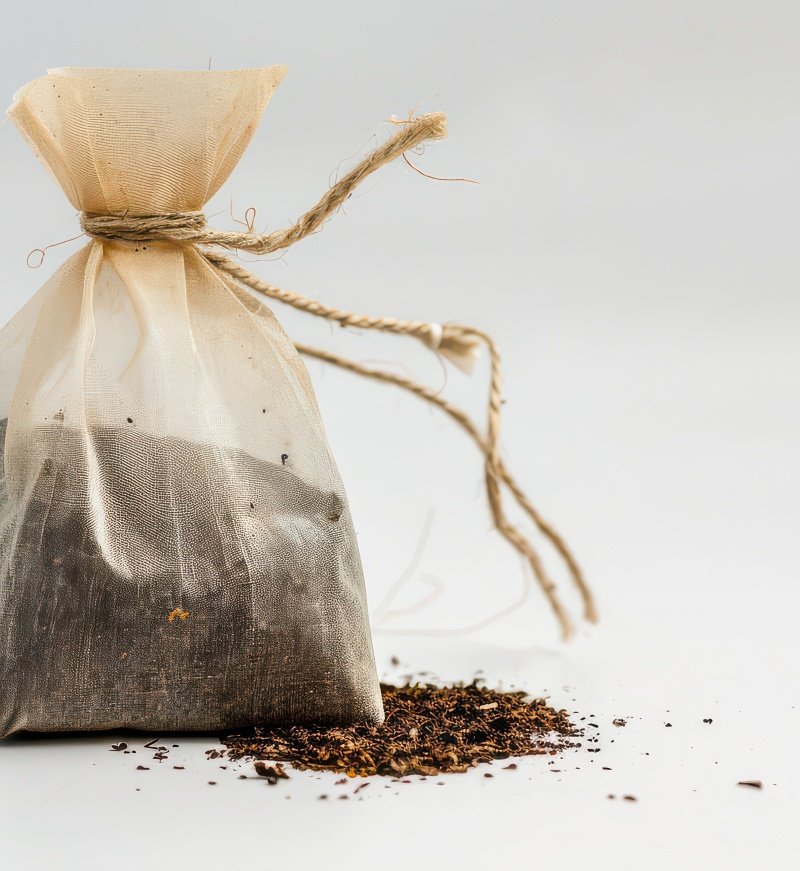
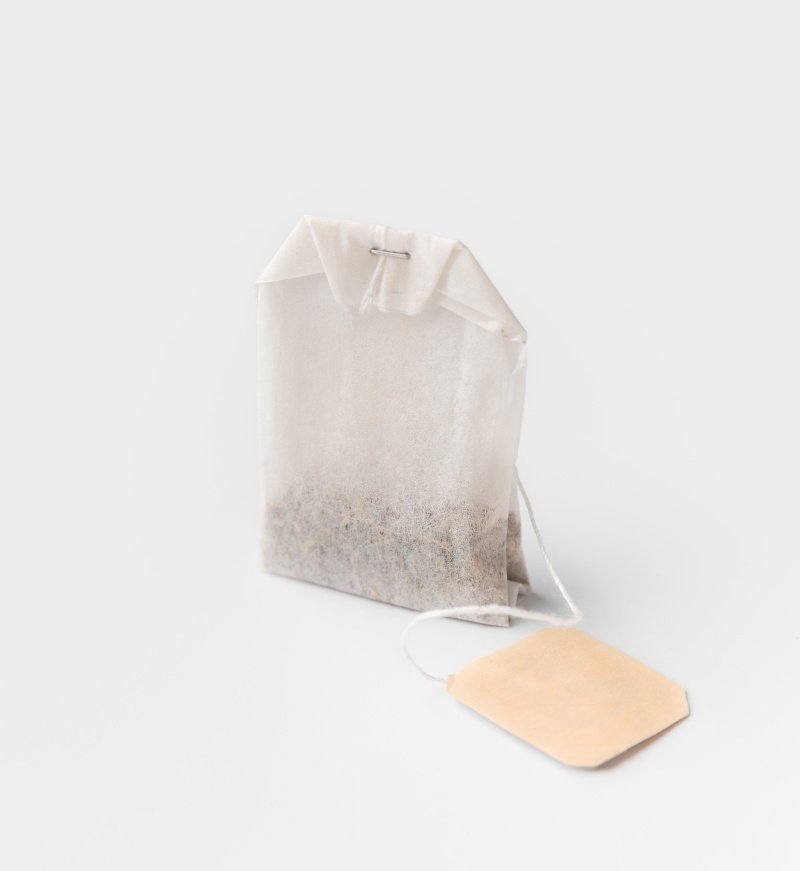
Many tea bag machines include the ability to automatically attach a cotton string and paper tag to each tea bag. This feature is commonly used in retail tea packaging because it allows consumers to easily remove the tea bag from the cup.
During the packaging process, the machine forms the tea bag, fills it with tea leaves, seals it, and then attaches the string and tag. This string and tag also provide space for branding or product information.
5. Inner and Outer Envelope Tea Bag Machines
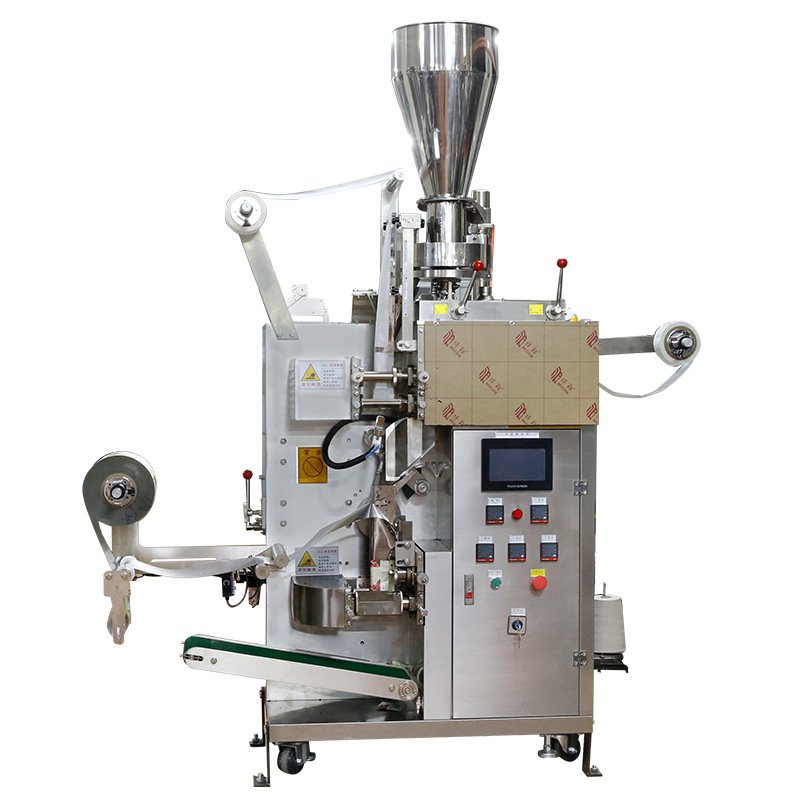
Inner and outer envelope tea bag machines add an additional layer of packaging around each tea bag. After the tea bag is formed and sealed, the machine automatically wraps it in a protective outer paper envelope.
This additional packaging helps protect the tea from moisture, light, and contamination, which helps preserve freshness and aroma. It also improves product presentation and allows companies to print branding on the outer wrapper.
6. Round Tea Bag Machines
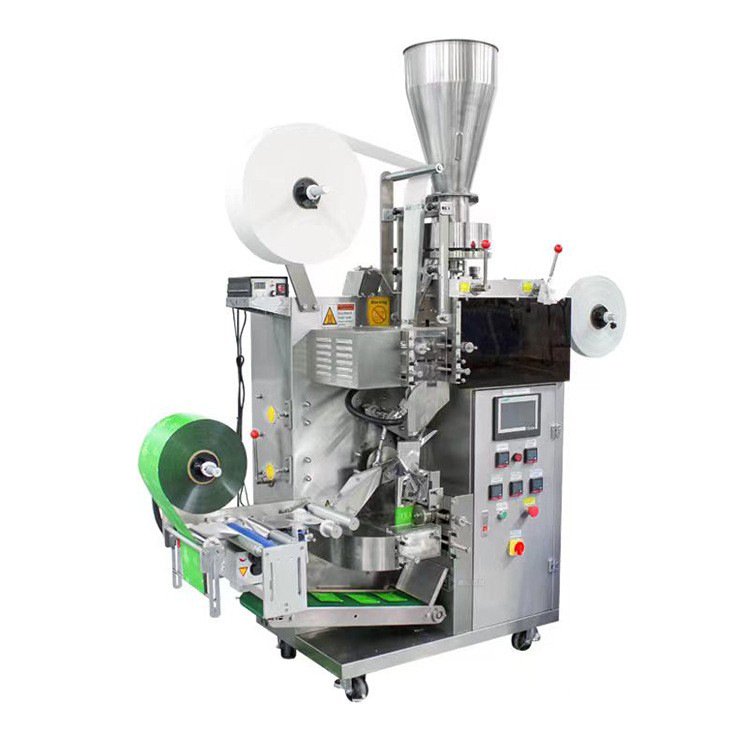
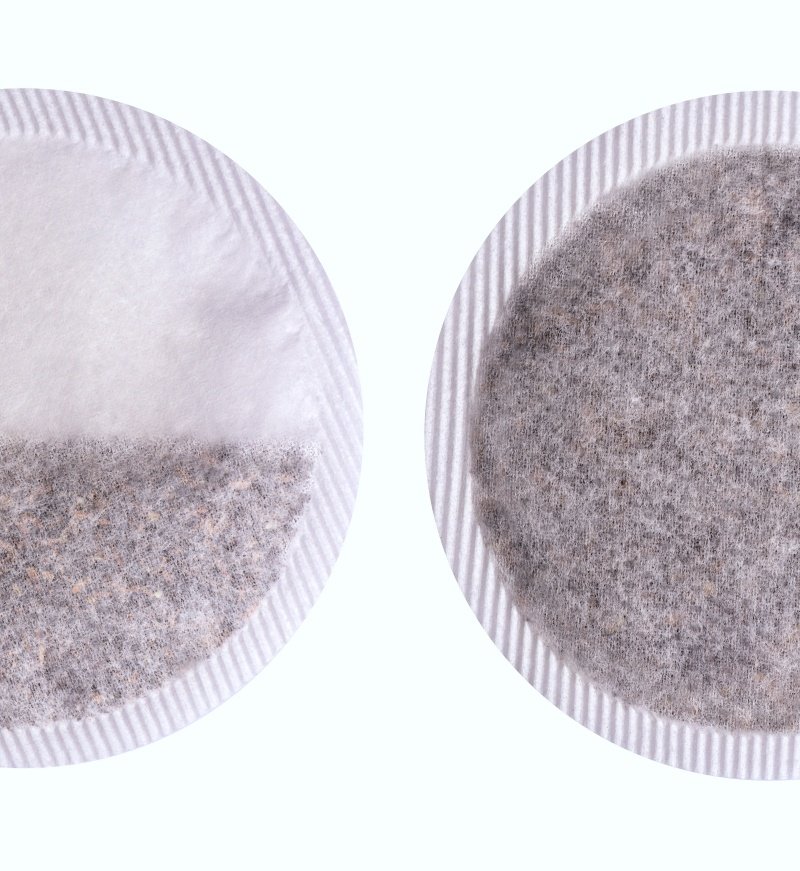
Round tea bag machines produce circular tea bags, which are often used for cup-sized tea bags or coffee-style brewing formats. These tea bags are typically designed to sit flat inside a mug or cup during brewing.
The machines form the round shape using filter paper and seal the edges after filling the tea inside. Because of their simple structure, round tea bags can be produced quickly and efficiently.
7. Drip Coffee / Hanging Ear Tea Bag Machines
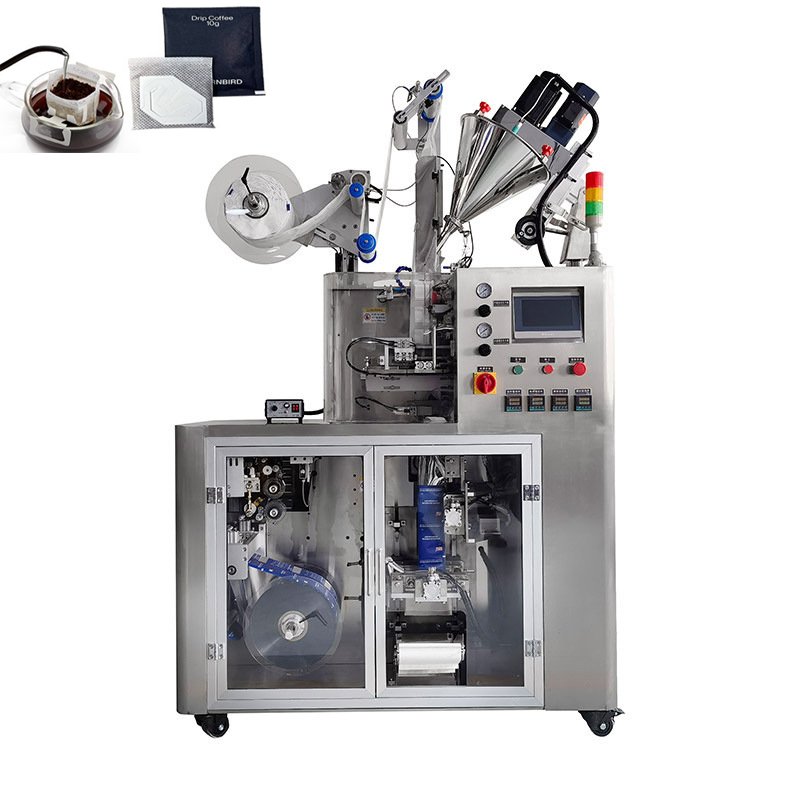
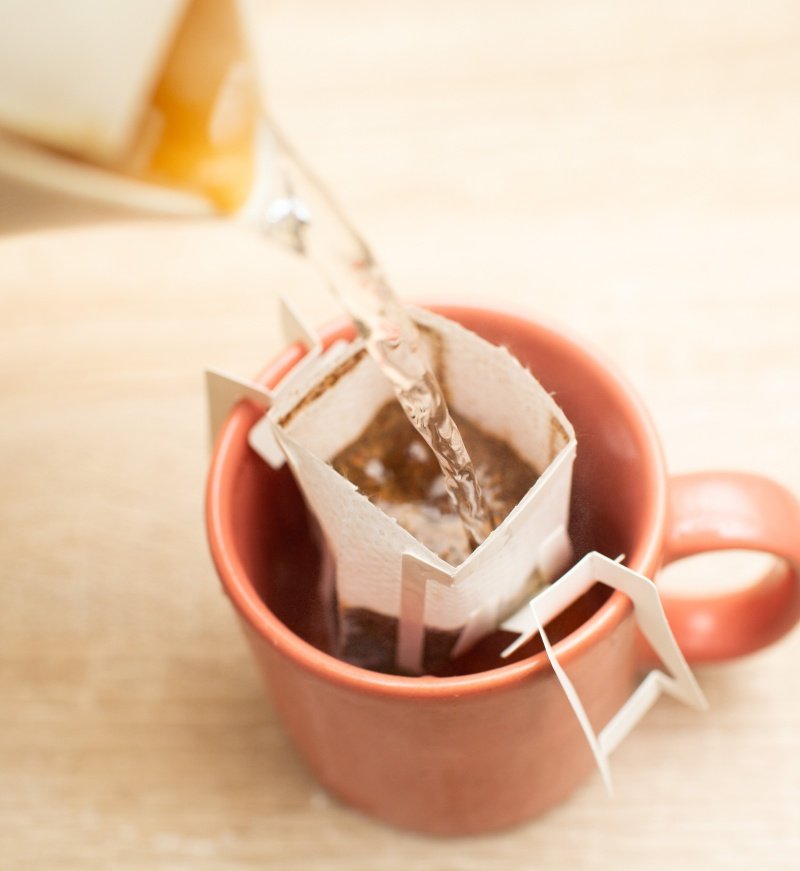
Drip coffee or hanging ear machines produce single-serve filter bags that hang over the edge of a cup. While originally designed for drip coffee products, these machines are increasingly used for tea as well.
This machine fills the filter bag with tea leaves, seals it, and attaches foldable paper arms that allow the bag to sit securely on top of a cup. Hot water can then be poured directly through the bag, giving the tea time to brew in the cup below.
Applied Tea Bags Types You Can Get Out of These Machines
Before buying a tea bag machine, it is worth knowing which formats your chosen machine actually supports. Not all machines handle every team bag type, and your format decision affects everything.
Keeping that in mind, the different applied tea bags types include:
- Flat Tea Bags: The most traditional format, rectangular, filter paper, sealed on all sides. It’s the most widely supported format across entry-level and mid-range tea bag machines.

Flat Tea Bags. - Pyramid Tea Bags: A three-dimensional triangular bag that gives loose leaf tea more room to expand and infuse. Common in premium and specialist tea ranges and requires a machine specifically configured for this format.
Pyramid Tea Bags. - Round Tea Bags: These are circular, heat-sealed bags associated with high-volume commercial production. Simple to produce and widely compatible with automated tea bag machines.
Round Tea Bags. - Drawstring Tea Bags: Flat or rounded tea bags with an attached string for easy removal. A practical consumer-friendly format supported by most mid-range machines.
Drawstring Tea Bags. - Nylon or Mesh Tea Bags: Transparent or silky material bags that visually showcase the tea inside. It’s a premium format that requires machines with specific heat-sealing capabilities for synthetic materials.
Nylon or Mesh Tea Bags. - Cold Brew Tea Bags: Larger format tea bags designed for cold water steeping. A growing format worth considering if your product line targets cold brew consumers.
Cold Brew Tea Bags. - Hanging Ear Tea Bags: This tea bag type is designed to hang over the rim of a cup using foldable paper ears on either side of the bag. It’s popular in single-serve specialty coffee and tea products.
Hanging Ear Tea Bags.
What to Look for When Choosing a Tea Bag Machine
Below are some of the most important features to evaluate before purchasing a tea bag machine for a small business.
1. Filling Accuracy
Filling accuracy determines how precisely the machine measures and dispenses tea leaves into each tea bag. Most modern tea bag machines use volumetric cup fillers or electronic weighing systems to maintain accurate portions. Reliable machines can keep the weight variation extremely small to avoid material waste.
2. Production Speed
Production speed refers to how many tea bags a machine can produce within a specific period. Small businesses typically start with machines that produce 30 to 60 tea bags per minute, while larger commercial machines can produce 120 to 200 tea bags per minute. You should choose the production speed based on the expected demand and sales volume.
3. Sealing Technology
Most machines use heat sealing or ultrasonic sealing to close the filter material after the tea leaves are filled. Heat sealing is commonly used for traditional filter paper tea bags and works well for standard packaging materials. Ultrasonic sealing, on the other hand, is often used for nylon or biodegradable mesh materials used in pyramid tea bags.
4. Material Compatibility
Different tea bags require different materials, such as filter paper, nylon mesh, PLA biodegradable mesh, or nonwoven fabric. Some machines are designed to handle only one type of material, while more advanced systems support multiple materials. Many tea brands today prefer biodegradable or compostable materials.
5. Ease of Maintenance
When evaluating a tea bag machine, it is important to consider cleaning procedures, spare part availability, and technical support from the manufacturer. Machines with simple designs and accessible components are generally easier to maintain. For small businesses, easy maintenance makes daily operations much smoother.
FAQs
1. What bag styles can a small tea bag machine produce?
Most machines support flat filter bags, pillow-style bags, or pyramid bags. Pyramid designs are preferred for premium loose-leaf teas because they allow leaves to expand during infusion.
2. What are the common sealing technologies used in tea packaging?
Most machines use constant heat-sealing rollers or ultrasonic sealing. Ultrasonic technology is increasingly preferred for synthetic materials like nylon or PLA, as it provides a clean, glue-free bond without affecting the tea’s flavor profile.
3. What production capacity do small tea bag machines typically offer?
Most compact units produce 20–80 tea bags per minute, depending on configuration and tea particle size. Higher-end small machines can exceed 100 bags per minute with optimized filling and sealing modules.
4. How accurate is the dosing system in a tea bag machine?
Modern machines use volumetric cups, auger fillers, or multi-head weighers. These systems deliver precise dosing to maintain consistent tea weight and minimize product loss.
5. What maintenance is required for a tea bag machine?
Routine maintenance includes cleaning the filling hopper, replacing heating elements, lubricating mechanical parts, and calibrating the dosing system. Annual maintenance costs are often 8–12% of the machine’s purchase price.
Choose the Right Packaging Solutions for Your Business
Choosing the right tea bag machine for a small business can significantly improve packaging consistency and overall product presentation. The key is to choose a machine that matches your tea type, packaging style, and expected production volume.
However, the problem is that we at Finetech don’t have tea bag machines. If you or anyone around you is looking for a general packaging solution for medicines or other products, backed by 30 years of experience.
Talk to our specialists to guide you toward packaging systems that best support your manufacturing process!