English
  Russian
  Turkish
  Spanish
  French
  German
  Japanese
Modern healthcare demands increasingly innovative delivery solutions, and pharmaceutical powders are at the forefront of this development. However, the field is not as straightforward as it may initially seem.
From life-saving internal medications to specialized topical treatments, there are different types of pharmaceutical powders tailored for specific clinical outcomes. The global powdered formulation market has surged to a value of billions of dollars, a growth that highlights its role in patient care and drug manufacturing.
Understanding pharmaceutical powders is essential for anyone looking into modern drug delivery. Let’s get into the details of how these dry formulations support patient health and safety.
What Are Pharmaceutical Powders?

Pharmaceutical powders are dry, solid, and finely divided medications designed for clinical applications. They consist of particles that range between 10 nm and 1000 μm in size. Such fineness is achieved through mechanical processes like crushing, grinding, and milling.
These powders are widely used in different medical sectors, such as the production of pediatric antibiotics or the formulation of specialized dermatological treatments.
Beyond large-scale manufacturing, pharmaceutical powders offer a distinct advantage in chemical stability. They can resist chemical degradation better than liquid forms while providing quick dissolution and fast-acting relief.
Different Types of Pharmaceutical Powders
Understanding different types of pharmaceutical powders requires looking at both their physical design and their clinical use. These substances generally fall into two main categories: industrial and clinical.
The industrial side focuses on composition and particle structure for manufacturing. On the other hand, the clinical side determines how a patient actually uses the medication, whether internally or externally.
1. Industrial Powders
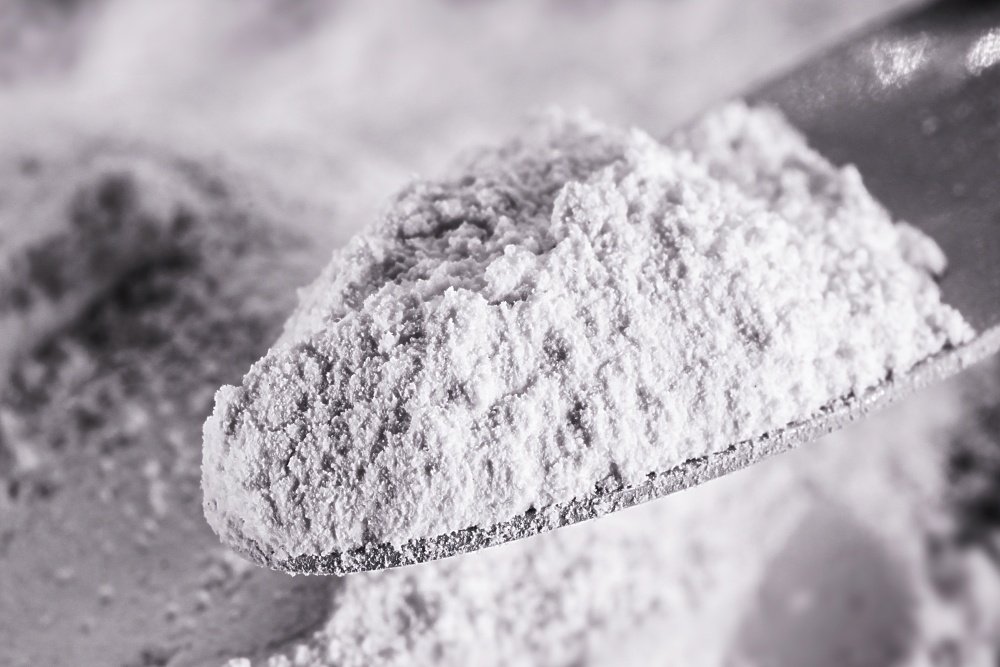
Industrial powders are categorized into two distinct groups based on their chemical composition and structural complexity. Let’s take a look at them:
a) Single Powders
A single powder consists of a single active pharmaceutical ingredient (API) processed into a uniform state. The active component is reduced to a fine powder, then weighed, and divided into individual doses.
For example, a standard aspirin formulation contains a specific weight of acetylsalicylic acid as the primary pain reliever. The active primary therapeutic function is often supported by inactive excipients like cornstarch and cellulose. These additives maintain the powder’s structural integrity and ensure the medication remains stable during storage.
b) Compound Powders
Compound powders are mixtures that contain two or more active ingredients. These formulations combine multiple medicinal components to provide broader therapeutic effects. A common example is the combination of paracetamol and caffeine, where the caffeine acts as an adjuvant to enhance the analgesic properties of the paracetamol.
2. Internal Dosage Forms
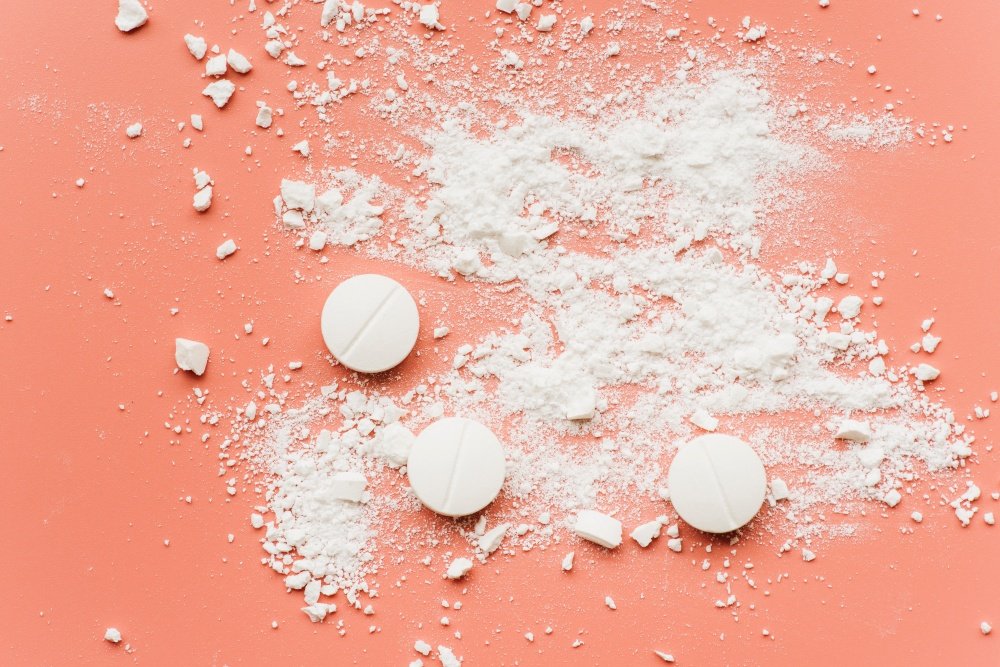
Formulations within this category are specifically designed for ingestion. They must be processed by the digestive system to be effective. Below are the primary types of internal powders used in modern medicine.
a) Bulk Powders
Bulk powder consists of non-potent medications where the patient measures each dose using a teaspoon or a measuring cup. They are supplied in large quantities and usually come in wide-mouth jars to allow for easy access.
These powders are dosed with acceptable accuracy and safety for drugs with a wide therapeutic window. Some of the most common examples are antacids, bulk-forming laxatives, and nutritional supplements.
b) Divided Powders
Divided powders are potent drugs that require exact measurements to ensure patient safety. Every single dose of these powders is packed individually by the manufacturer. They are pre-measured into individual foil packets or paper “charts.”
These powders ensure the patient receives a precise dose, such as 500 mg or 1 g. By isolating each measurement, manufacturers eliminate the risk of dosing errors associated with manual scooping.
c) Effervescent Powders
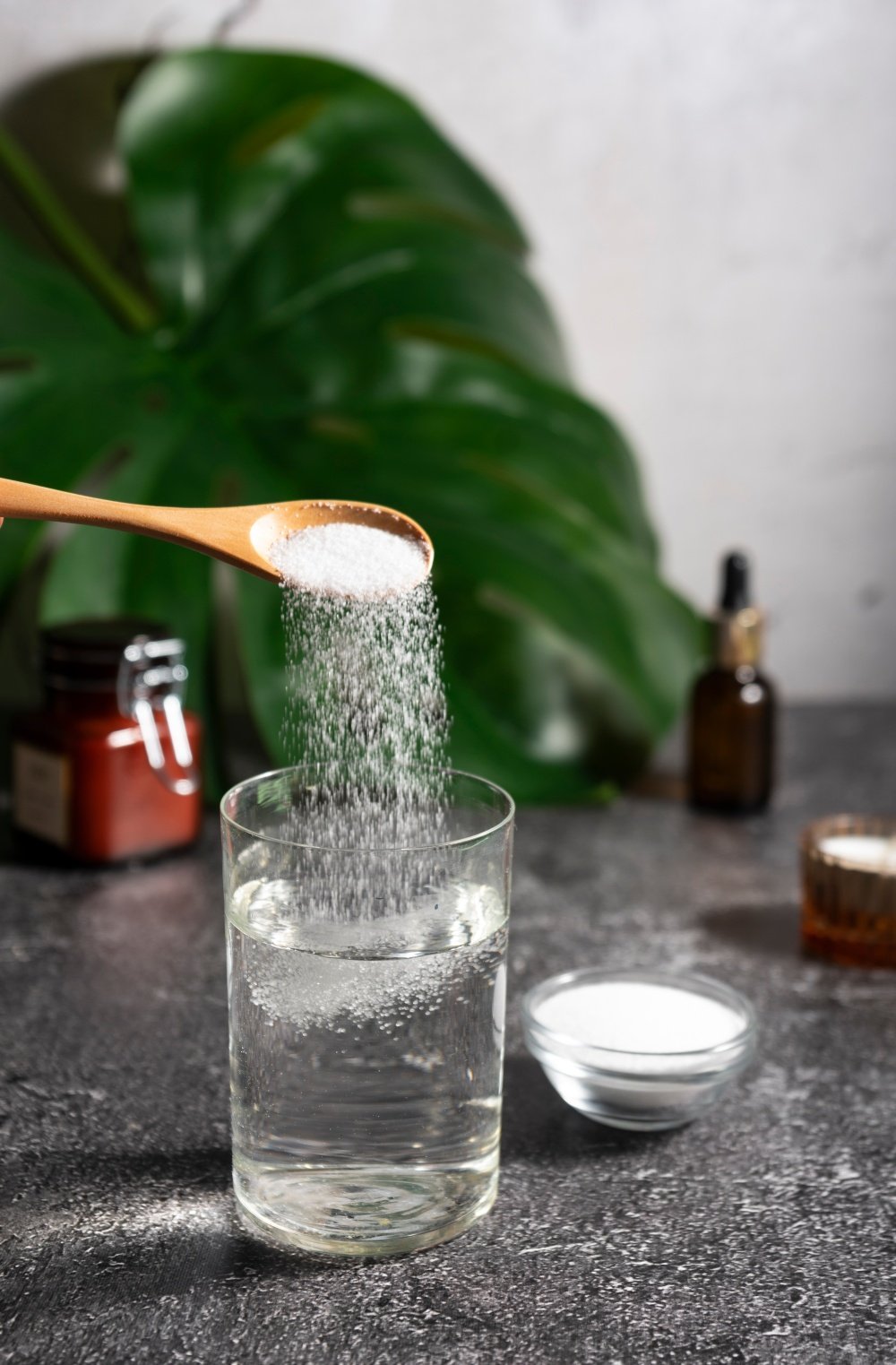
Effervescent powders are specialized granules that contain medicinal agents mixed with citric acid and sodium bicarbonate. When added to water, the components react to release carbon dioxide. This chemical reaction creates a sparkling solution that effectively masks salty or bitter tastes. At the same time, the effervescence helps in speeding up stomach emptying so the patient experiences faster relief.
3. External and Topical Powders
External powders are applied directly to the skin or mucous membranes to provide localized treatment. Unlike internal formulations, these medications are not intended for systemic absorption into the bloodstream. Here are the key examples of external powders:
a) Dusting Powders
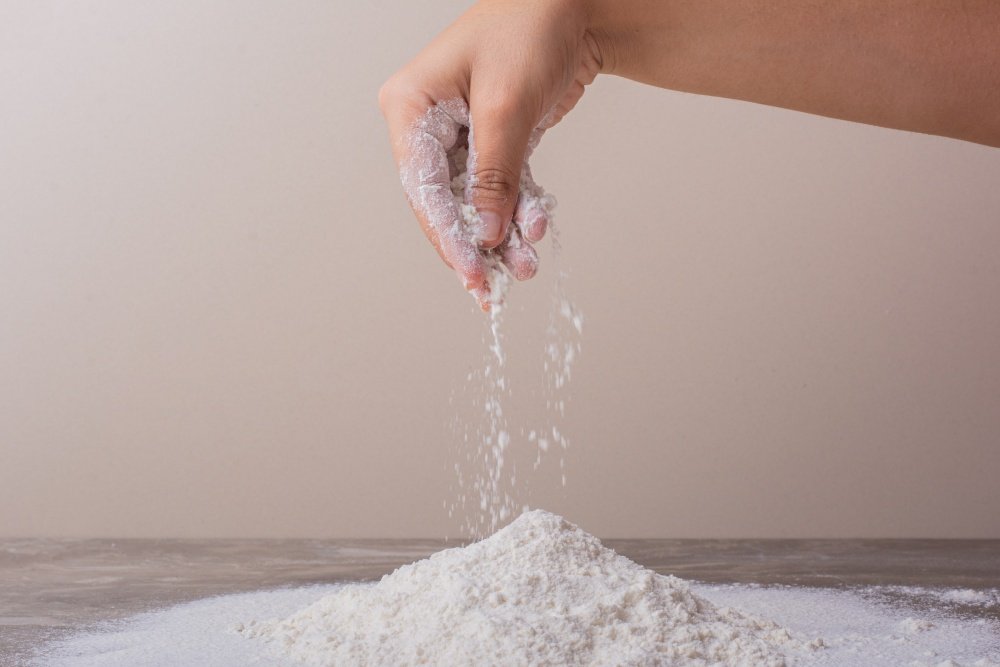
Dusting powders are fine-milled topical medications typically dispensed from a sifter-top container. These formulations contain medicinal agents specifically designed to treat skin or fungal infections. Manufacturers use absorbent bases like clay, kaolin, magnesium carbonate, talc, or starch for a smooth application.
b) Douche Powders
Douche powders are medicinal products used to create cleaning solutions for intimate hygiene. Often referred to simply as douches, these powders are prepared specifically for vaginal health and are synthesized from volatile substances.
The resulting solution maintains a specific pH balance between 3.5 and 5. This acidic range is critical for preserving the body’s natural protective environment and preventing the growth of harmful bacteria.
c) Insufflations
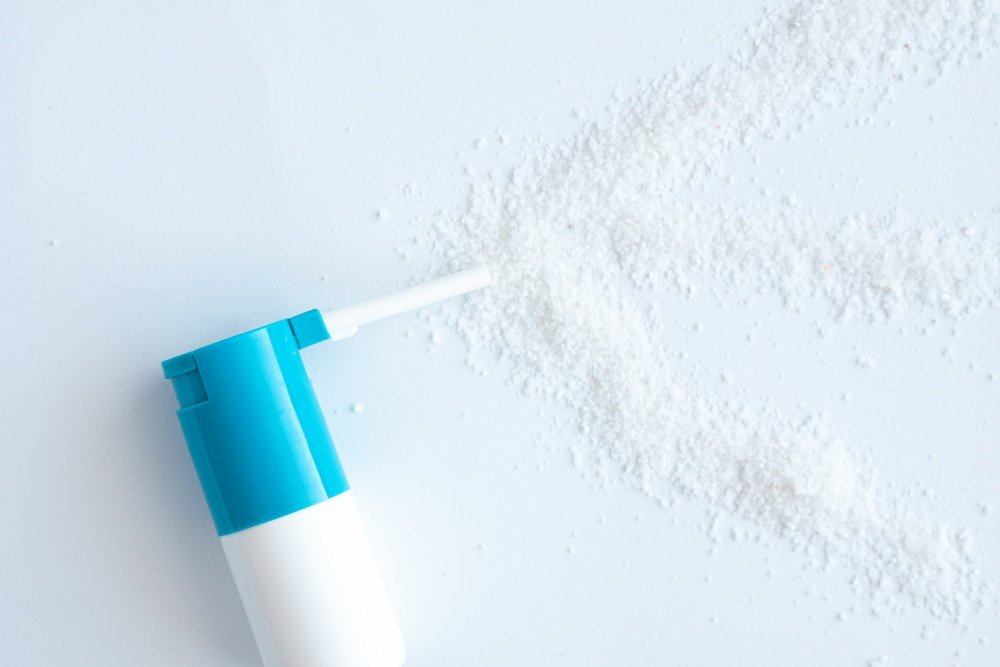
Insufflations consist of extremely fine particles for delivery into body cavities such as the ears, nose, or throat. Because these areas are difficult to reach, a specialized device called an insufflator is used to propel the medication into the affected area.
These formulations typically contain potent anti-infectives, corticosteroids, or vasoconstrictors. In the ears, they are frequently used to treat chronic infections like otitis media by delivering antibiotics directly to the site. When applied, they can cure localized inflammation and fungal infections and provide quick relief from severe allergic reactions.
Key Advantages of Pharmaceutical Powders
Pharmaceutical powders are remarkably versatile formulations that play a critical role in supporting patient health and safety. These preparations offer several distinct benefits that make them a preferred choice for both manufacturers and clinicians.
1. Superior Stability
Powders are significantly more chemically and physically stable than liquid medications. The lack of water protects them from degradation processes such as hydrolysis and keeps the active ingredient potent for a longer time. This inherent resistance to breakdown supports a longer shelf life and simplifies the logistics of storage and transportation.
2. Quick Action
Powdered medications possess a large surface area compared to compressed tablets or capsules. More surface area aids in quick dissolution within the stomach and allows the drug to enter the bloodstream much faster.
These formulations bypass the time required for a solid pill to break apart and help patients with rapid relief. This speed is especially beneficial for treating acute pain or gastric distress, where immediate absorption is critical.
3. Dosing Flexibility
Pharmaceutical powders provide unparalleled dosing flexibility, particularly for medications that require high volumes of active ingredients.
While a single dose might be too large to swallow, the same amount can be easily administered as a powder mixed with water or soft food. Furthermore, pharmacists can adjust the weight of divided powders to meet the specific needs of pediatric or geriatric patients.
Top 3 Challenges of Pharmaceutical Powders
While the benefits are significant, working with dry particles presents unique challenges. Addressing these issues is essential for maintaining the safety and performance of the medication.
Challenge #1: Hygroscopicity
One of the primary difficulties involves hygroscopicity, where powders absorb moisture from the surrounding air. It can cause the particles to become damp, lumpy, or chemically unstable over time. To prevent this, manufacturers should use specialized moisture-proof packaging and controlled environments during the production process.
Challenge #2: Taste Masking
Masking the bitter or unpleasant taste of certain drugs is far more difficult in powder form than in a coated tablet. The medication dissolves directly in the mouth or in a liquid and immediately exposes the patient’s taste buds to the active ingredients.
Scientists often incorporate advanced flavorings and sweeteners to make the formulation palatable. This process is particularly important for pediatric medications. In these cases, a pleasant taste is essential so the child completes their full course of treatment.
Challenge #3: Dosing Inaccuracy
Dosage accuracy remains a major concern for medications supplied in bulk. Divided powders are pre-measured by the manufacturer for absolute accuracy. However, bulk powders rely on the patient using a household teaspoon or a provided measuring cup.
A manual measurement process can lead to slight variations in the daily dose delivered to the patient. Consequently, this format is less suitable for highly potent drugs where a narrow safety margin requires exact and consistent dosing.
Enhance Treatment Outcomes Through the Right Technology
The true value of pharmaceutical powders lies in their ability to adapt to diverse patient needs. From life-saving antibiotics to fast-acting solutions for acute pain, these formulations prioritize both safety and speed. The real challenge for modern pharmacy is to balance these clinical benefits with technical accuracy and stability.
Manufacturers need to understand that the use of the right processing technology is equally important for achieving consistent quality. For high-performance pharmaceutical equipment that ensures superior particle uniformity, choose Finetech. As a leading pharmaceutical manufacturing partner, we make sure that every piece of your pharmaceutical production meets the highest global standards.
Reference:
Chapter 5: Pharmaceutical Powders.
Advantages and Disadvantages of Pharmaceutical Powders.
Copyright Notice:
You may not reproduce, modify, publish, display, transmit, or in any way exploit any content on this website, or use such content to construct any kind of database without prior express written approval by Finetech Group. For permission to use the content, please contact: info@pharmamachinecn.com
Disclaimer:
The information contained in this article is for general information purposes only. The Company does not guarantee the accuracy, relevance timeliness or completeness of any information, and the Company assumes no responsibility for errors or omission in the content of this article.