English
  Russian
  Turkish
  Spanish
  French
  German
  Japanese
Pharmaceutical OTC (Over-the-Counter) medicines may appear simple on the shelf. But behind every approved product is a complex framework of formulation decisions and quality oversight.
Each approved OTC product is backed by careful formulation decisions, strict quality controls, and ongoing regulatory oversight. Because these products are used without direct medical supervision, pharmaceutical companies must apply strict quality standards.
For this reason, OTC medicines are not lower-risk shortcuts compared to prescription drugs. So, if your facility is considering OTC manufacturing, here’s everything you need to know about it.
What Are Pharmaceutical OTC Medicines?

Pharmaceutical OTC medicines, or over-the-counter medicines, are drug products that can be sold without a prescription. This is because they are considered safe and effective when used as directed.
Within the pharmaceutical industry, OTC status does not mean a product is basic or loosely controlled. This just means the medicine meets specific regulatory criteria that allow it to be used by consumers.
In fact, 81% of adults rely on OTC medicines as a first response to minor health issues before seeing a healthcare professional.
How Pharmaceutical OTC Medicines Differ From Prescription Drugs
The real difference between OTC and prescription medicines lies in how the products are used, controlled, and communicated to the end user.
Among the differences, availability is the most visible one. OTC medicines can be sold without a prescription because regulators have determined that consumers can use them safely on their own.
Prescription drugs, on the other hand, require a licensed healthcare professional to diagnose, prescribe, and monitor use due to higher complexity or risk.
Supervision requirements also differ. OTC products rely on clear labeling and standardized dosing, while prescription drugs require professional supervision, dose adjustments, and ongoing monitoring.
Common Types of Pharmaceutical OTC Medicines
OTC medicines treat a wide range of common, self-limiting conditions with formulations that have well-established safety profiles. The most widely used types of pharmaceutical OTC medicines include:
1. Pain Relief and Anti-Inflammatory Medicines
Pain relief medicines are among the largest OTC categories. They cover products designed to alleviate headache, muscle pain, fever, and inflammation. Common active ingredients include acetaminophen (paracetamol) and ibuprofen.
Because pain is a broad symptom that intersects with many conditions, these OTC analgesics are often manufactured in multiple dosage forms.
2. Cold, Flu, Cough, and Allergy Products
OTC products targeting cold, flu, cough, and allergy symptoms are essential during seasonal peaks and in everyday pharmacy demand. These products often combine multiple actives, such as analgesics, decongestants, and antihistamines.
Common examples include daytime formulations for symptom relief and nighttime versions containing sedating antihistamines.
3. Gastrointestinal Medicines
Over-the-counter gastrointestinal medicines help manage heartburn, indigestion, nausea, and diarrhea without prescription oversight. Antacids, antidiarrheals, and antiemetics fall under this category.
From a production perspective, this class may require specialized packaging (e.g., chewables or effervescent tablets).
4. Topical Skin Treatments
Topical OTC medications are formulated to treat minor skin conditions, including rashes, insect bites, sunburn, and acne. These products often contain agents that soothe inflammation, reduce itching, or support the skin barrier.
Manufacturers must focus on compatibility testing between APIs and base materials to ensure consistent delivery of actives with frequent use.
Regulatory Pathways for Pharmaceutical OTC Medicines
For pharmaceutical facilities, OTC approval follows defined regulatory pathways. Facilities must demonstrate that an OTC medicine is safe, effective, and clearly labeled for supervised use.
Here are the pathways that these medicines need to follow:
1. OTC Monograph System
In many regions, most notably the United States, a large portion of OTC medicines are regulated under an OTC monograph system. This functions like a “pre-approved rulebook” that defines active ingredients, dosage forms, indications, labeling, and warnings.
However, any deviation, even a minor one, can move the product outside monograph eligibility and trigger a different regulatory pathway.
2. OTC Products Requiring Regulatory Submissions
When a product does not fit within an existing monograph, a regulatory submission is required. This may apply to new active ingredients, new combinations, new dosage forms, or novel claims.
In these cases, pharmaceutical facilities must submit detailed documentation showing safety, effectiveness, and quality. It also means longer development timelines and higher upfront regulatory effort are required.
Quality and Safety Requirements for Pharmaceutical OTC Medicines
OTC medicines are subject to the same GMP requirements as prescription products, but the level of responsibility placed on the manufacturer differs. Below are quality and safety requirements that you should be aware of.
1. GMP Compliance and Quality Systems
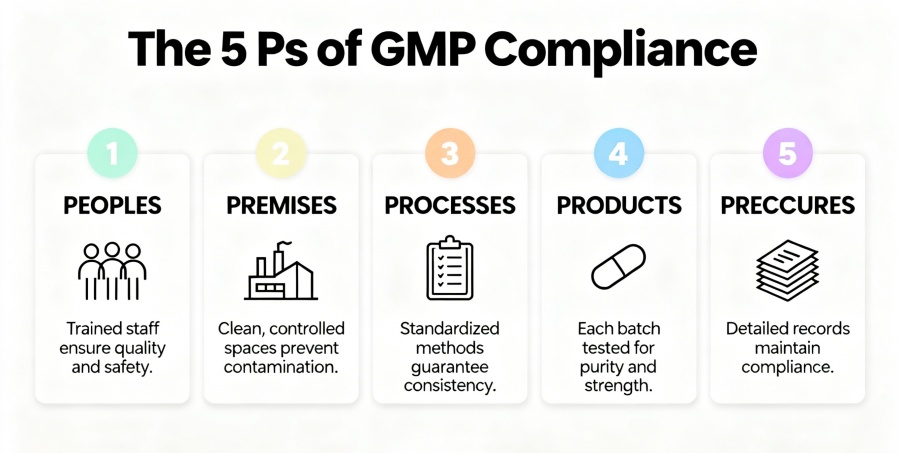
OTC medicines must be manufactured in full compliance with current Good Manufacturing Practices (cGMP). This includes validated processes, qualified equipment, controlled environments, and trained personnel.
Quality oversight must be independent, with clear authority to approve or reject materials, intermediates, and finished products.
2. Manufacturing Controls
Manufacturing controls are critical for OTC products because dosing errors or variability can directly impact consumer safety. Facilities must demonstrate:
- Accurate weighing and dispensing of active ingredients.
- In-process controls to ensure uniformity.
- Line clearance and packaging controls to prevent mix-ups.
Since OTC medicines are used without medical supervision, dose consistency across every batch is non-negotiable.
Benefits of Pharmaceutical OTC Medicines for Consumers
When designed, manufactured, and labeled correctly, OTC medications offer clear benefits to end users while maintaining regulatory control. These include:
1. Improved Accessibility to Treatment
One of the primary benefits of OTC medicines is accessibility. Consumers can obtain treatment for common conditions without waiting for a medical appointment. This immediate access helps prevent minor issues from escalating.
2. Cost Savings
OTC medicines are generally more affordable than regulated alternatives. Consumers save on consultation fees, and healthcare systems benefit from reduced demand for primary care visits related to minor, self-limiting conditions.
3. Ease of Use
Over-the-counter products are designed for straightforward use. Clear dosing instructions, familiar dosage forms, and widespread retail availability make them easy to integrate into everyday life.
4. Support for Responsible Self-Care
OTC medicines empower consumers to manage routine health issues independently. Used correctly, they promote informed self-care while leaving professional care for more serious conditions.
Risks and Limitations of OTC Medicines
Despite their benefits, OTC medicines are not risk-free. From a pharmaceutical facility perspective, understanding these limitations is essential.
1. Risk of Misuse or Overuse
Pharmaceutical OTC medicines can be misused when consumers exceed recommended doses or use them for longer than directed.
Without professional supervision, such misuse often stems from misunderstanding. This risk underscores the need for clear dosage instructions, duration warnings, and language that is easy for consumers to understand.
2. Overdosing
Overdosing is a significant concern, especially when consumers use multiple OTC products containing the same active ingredient. This is common in categories such as pain relief and cold or flu products.
Pharmaceutical manufacturers must clearly disclose active ingredients and include warnings to prevent accidental exposure.
3. Drug Interactions
OTC medicines can interact with prescription drugs, supplements, or existing medical conditions, sometimes causing harmful effects. Children, older adults, and people with chronic illnesses are especially vulnerable.
It is essential for facilities to provide clear, up-to-date warnings about contraindications and potential interactions.
FAQs
1. How does the FDA regulate OTC drug safety?
The FDA utilizes the OTC Drug Monograph system, a “rule book” establishing acceptable ingredients, dosages, and labeling for specific therapeutic classes. New products not covered by an existing monograph must undergo the New Drug Application (NDA) process similar to prescription pharmaceuticals.
2. Why do some prescription drugs eventually become OTC?
Through a process known as an Rx-to-OTC switch, manufacturers can apply to change a drug’s status if they prove that consumers can safely use it without a doctor’s guidance. This transition often occurs when a drug has a long, well-documented history of safety and effectiveness in the prescription market.
3. How should OTC medications be stored for maximum efficacy?
Most nonprescription drugs should be kept in a cool, dry place away from direct sunlight, such as a dedicated cabinet outside the bathroom to avoid humidity. Proper storage helps maintain the chemical stability of the active pharmaceutical ingredients until the expiration date.
4. Are homeopathic products considered pharmaceutical OTC drugs?
Homeopathic products are categorized differently and do not undergo the same clinical efficacy testing as standard OTC drugs. While they may be sold in the same aisles, they are regulated under a separate framework that does not require them to meet the same standards for proven therapeutic results.
Make OTC Medicines with the Right Manufacturing Partner
Pharmaceutical OTC medicines may not require a prescription, but they demand the same level of compliance. Without the right equipment and processes, even the best-formulated products can face quality issues or regulatory setbacks.
That’s where Finetech comes in.
With decades of experience and a strong focus on GMP compliance, Finetech helps facilities upgrade OTC production lines. Our equipment and technical expertise are built to support safe, efficient, and compliant manufacturing.
Talk to our specialists for a free consultation!
References:
Understanding Over-the-Counter Medicines.
Understanding over-the-counter (OTC) generic and originator medicines.
Copyright Notice:
You may not reproduce, modify, publish, display, transmit, or in any way exploit any content on this website, or use such content to construct any kind of database without prior express written approval by Finetech Group. For permission to use the content, please contact: info@pharmamachinecn.com
Disclaimer:
The information contained in this article is for general information purposes only. The Company does not guarantee the accuracy, relevance timeliness or completeness of any information, and the Company assumes no responsibility for errors or omission in the content of this article.