English
  Russian
  Turkish
  Spanish
  French
  German
  Japanese
An automatic capsule filling machine runs faster and harder than a semi-automatic one, which means its parts wear out faster too. Some parts wear down with cycle count, while others need swapping whenever the capsule size or dose changes.
In this guide, we’ll look at the parts that matter most on an automatic capsule filler, and how often you need to give each one attention.
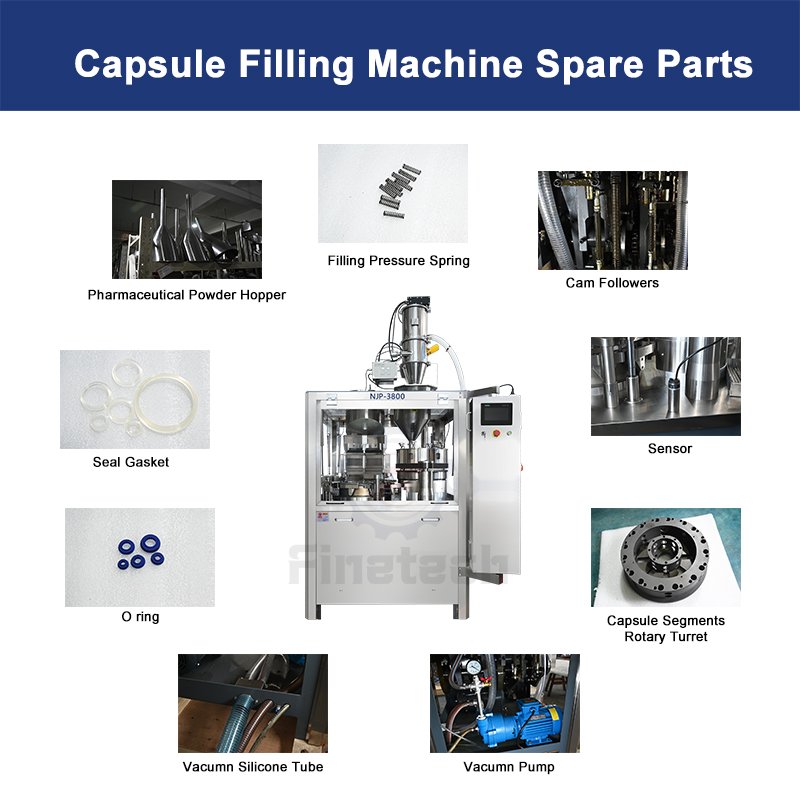
Common Spare Parts in an Automatic Capsule Filling Machine
An automatic capsule filling line runs several components under constant mechanical load, which means they need swapping after continuous use. Here’s a quick look before we go through them individually:
| Part | Function |
| Cam Followers | Guide timed movement between stations |
| Vacuum Pump | Creates the vacuum used to separate and orient capsules |
| Vacuum Silicone Tube | Carries vacuum from the pump to the machine’s vacuum points |
| Sensor | Detects capsule position, jams, or missing capsules |
| Pharmaceutical Powder Hopper | Holds and feeds powder into the dosing station |
| Sorting Magazine | Orients and separates capsules by size before filling |
| Filling Pressure Spring | Applies consistent pressure during dosing |
| Seal Gasket | Seals joints to prevent leaks or vacuum loss |
| O-Ring | Seals connection points against leaks |
A detailed explanation of each of these parts is as follows:
1. Cam Followers
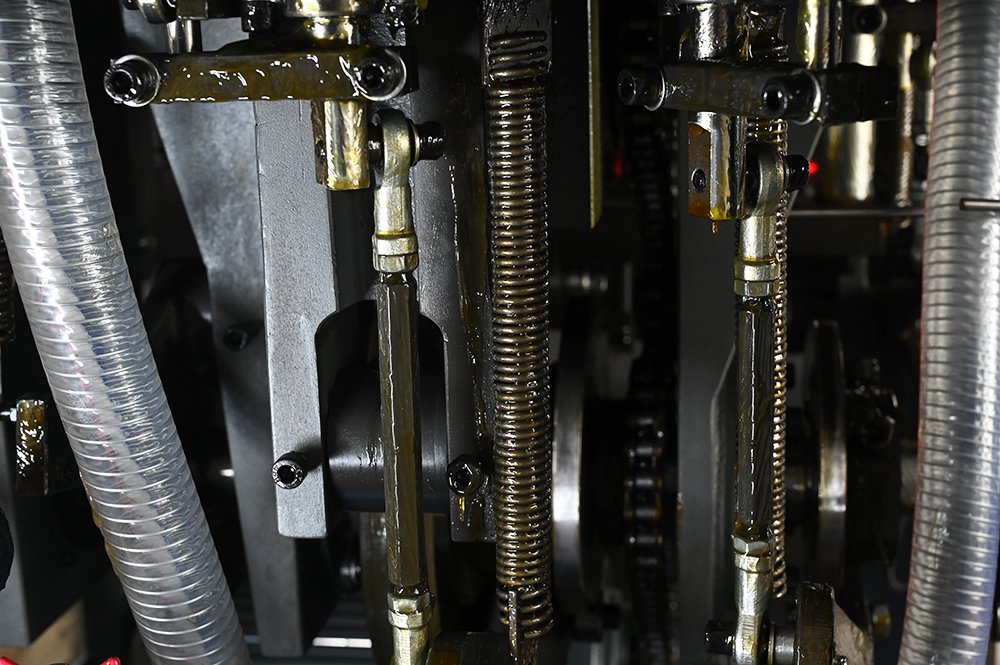
Cam followers guide the timed movement between stations to keep every step of the cycle synced to the next. They take constant mechanical stress at automatic-line speeds, and once they wear out of tolerance, the timing between stations drifts, which throws off filling, tamping, or ejection accuracy.
2. Vacuum Pump
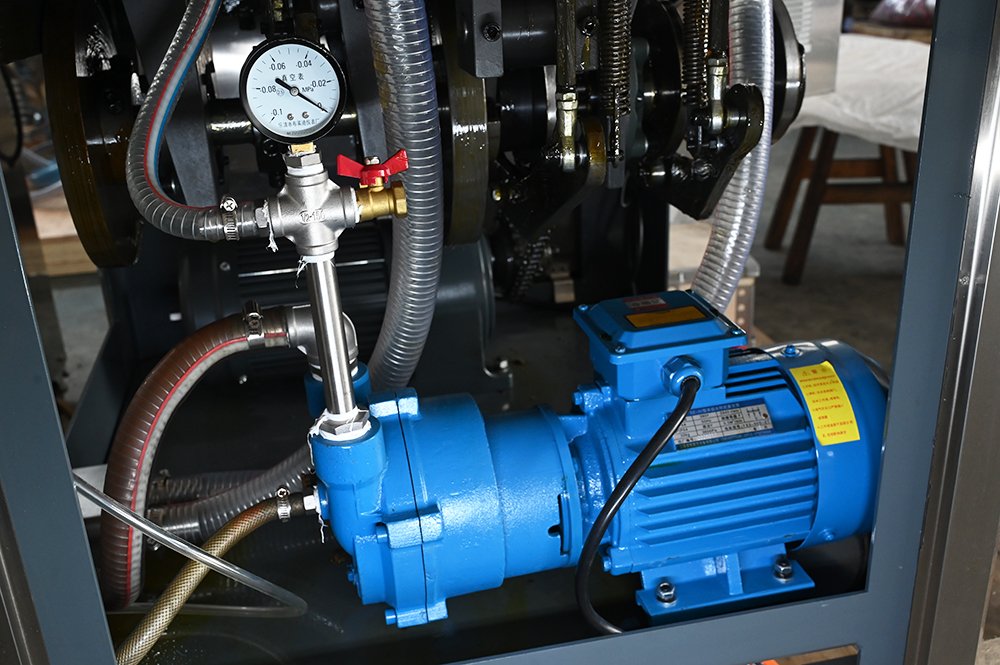
The vacuum pump creates the suction that separates and orients capsules as they move through the machine. It runs continuously during operation, so it wears down over time like any motor-driven component.
A weakening pump shows up as inconsistent capsule handling before it fully fails, which makes it worth monitoring regularly.
3. Vacuum Silicone Tube
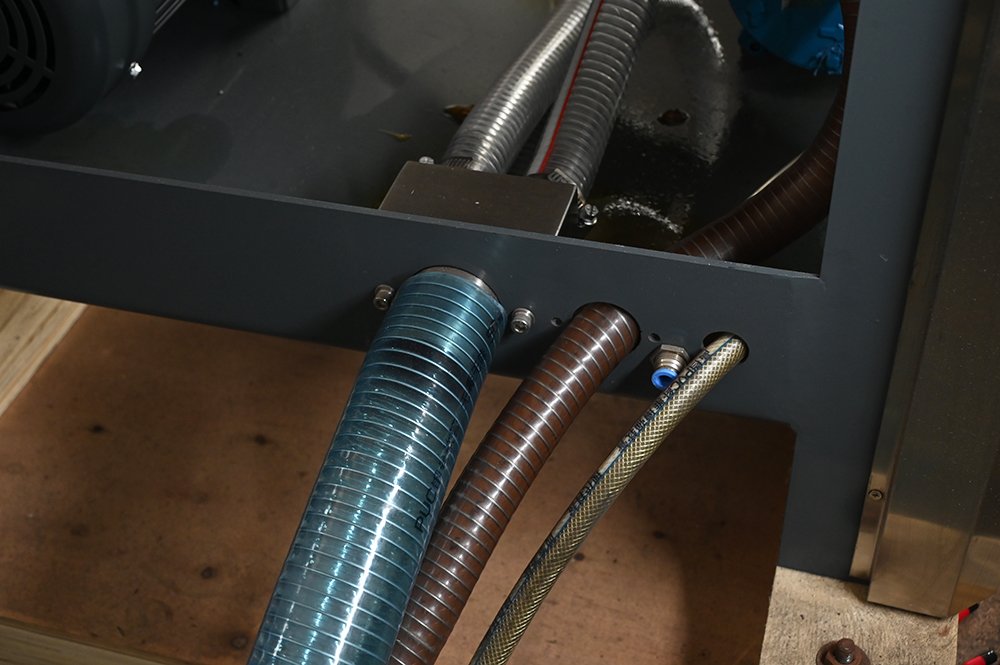
This tube carries vacuum from the pump to the points on the machine where suction is actually needed. Over time, the silicone becomes brittle from constant heat exposure and repeated bending as the machine runs.
Once it cracks, air leaks in through the crack instead of staying sealed, and that breaks the vacuum before it reaches where it’s supposed to work. This weakens capsule handling even if the pump itself is working fine.
4. Sensor
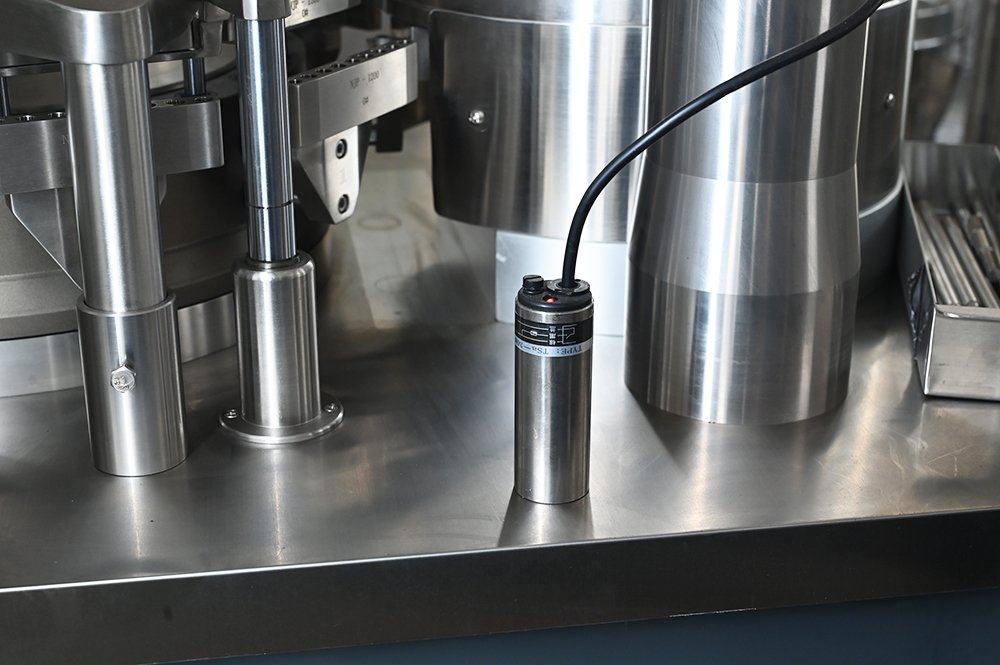
Sensors detect capsule positions, jams, or missing capsules as they move through the line, feeding that information back to the machine’s control system.
A failing sensor doesn’t always stop the machine outright. However, it can start giving false readings, which leads to unnecessary stops or, worse, missed jams that damage other parts downstream.
5. Pharmaceutical Powder Hopper
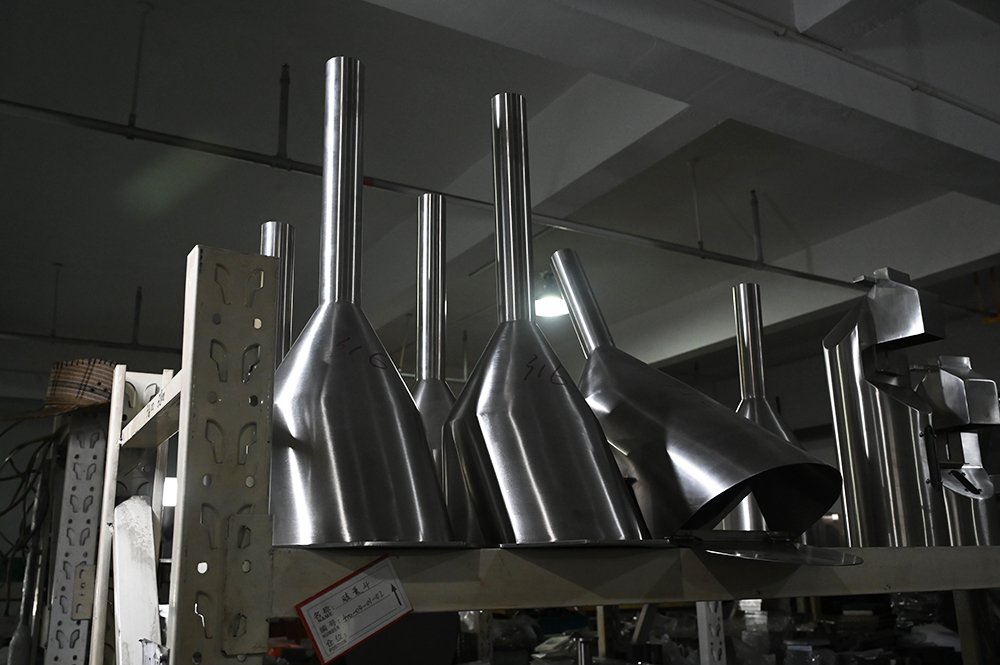
The powder hopper holds and feeds powder down into the dosing station, keeping a steady supply available as the disc rotates beneath it. Wear here usually shows up as scratches or residue buildup inside the hopper, which can affect how evenly pharmaceutical powder flows down to the dosing stage.
6. Capsule Segments Rotary Turret
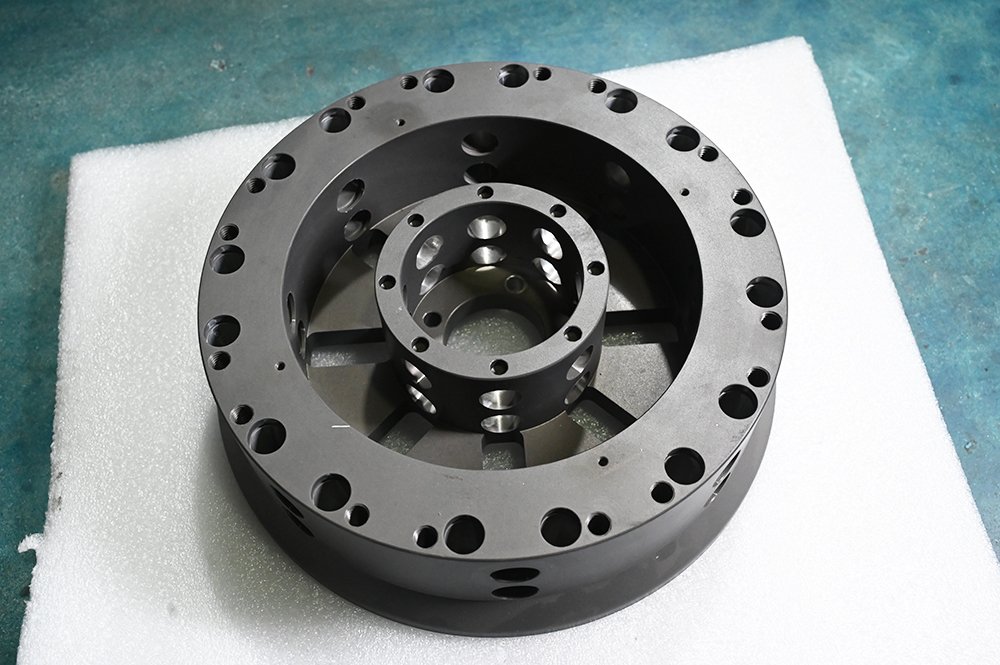
This core intermittent rotating assembly carries upper and lower capsule segments. It indexes capsules station‑by‑station for separation, filling, closing and ejection. Precise cam‑driven indexing keeps accurate positioning, reduces capsule jamming and rejects. Supports quick segment change‑over for different capsule sizes and easy GMP‑compliant cleaning.
7. Filling Pressure Spring
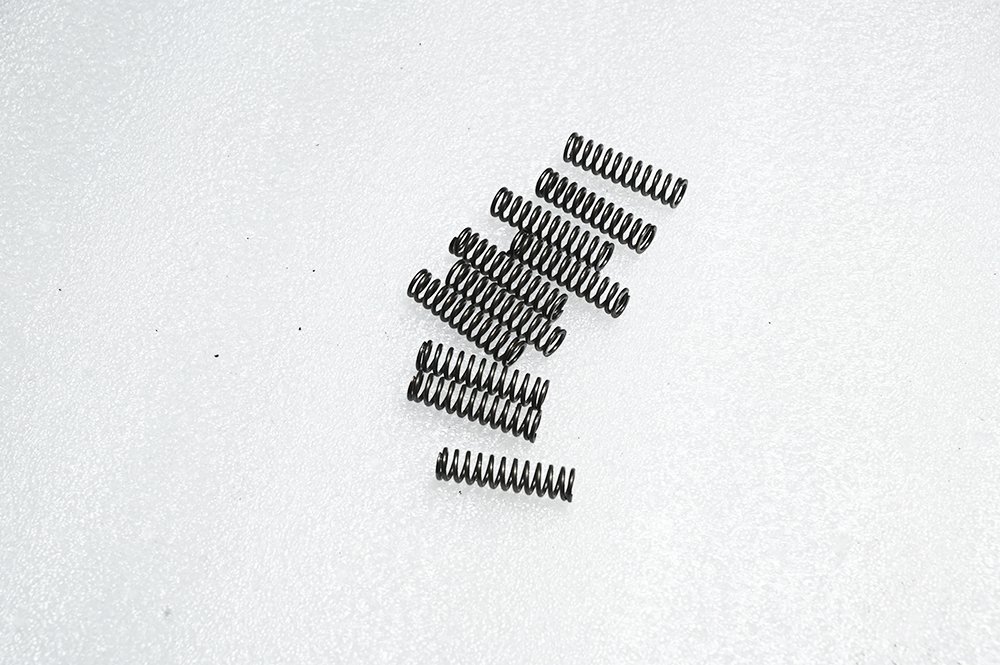
This spring applies consistent pressure during the dosing stage to keep fill weight uniform from one capsule to the next.
Like any spring under repeated use, it loses tension over time. As that tension drops, the pressure it applies becomes less consistent, and that inconsistency eventually shows up as fill weight drift across a batch.
8. Seal Gasket
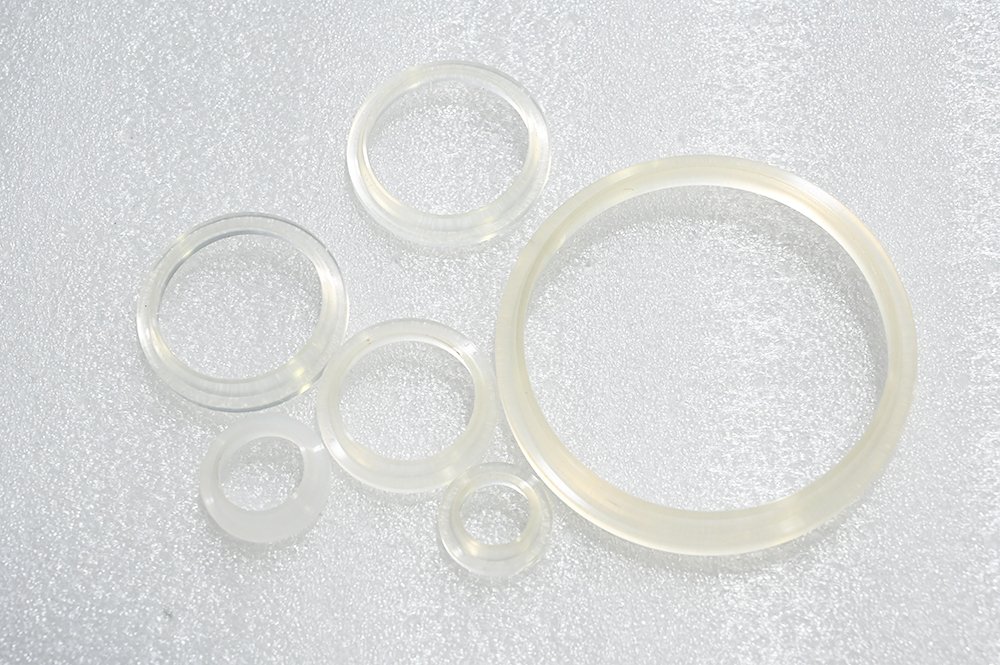
Seal gaskets sit at joints throughout the machine, preventing leaks and maintaining vacuum where it’s needed. They’re a soft, wear-prone material by design, so they degrade faster than the metal components around them and need more frequent checking.
9. O-Ring
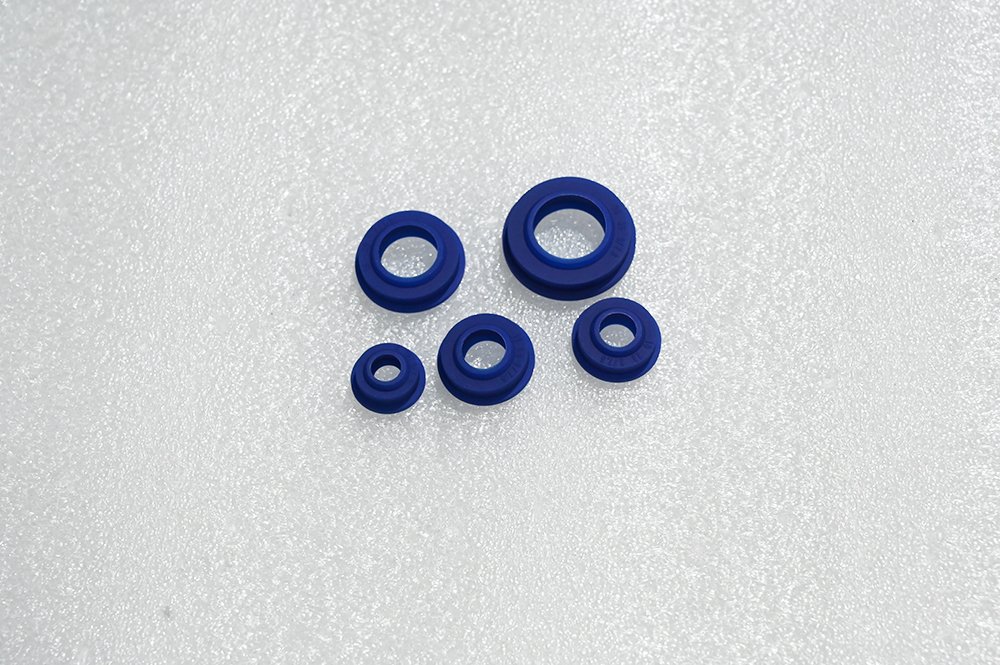
O-rings seal connection points against leaks, much like gaskets, but they sit at smaller, rounder fittings like tubing connections.
They’re cheap on their own, yet one failed O-ring in the wrong spot can drop vacuum pressure or cause a leak. That’s what makes them worth checking regularly, even though they rarely draw attention on their own.
References:
Capsule Filling Machine Change Parts.
What Are Capsule Molds? All Types You Need To Know.