Spanish
  English
  Russian
  Turkish
  French
  German
  Japanese
En lo que respecta a la medicación, encontrar el tipo adecuado para las necesidades específicas de cada uno puede marcar una gran diferencia en el proceso de recuperación. Quizá hayas visto frascos de medicamentos con las siglas “SR” o “ER” impresas en la etiqueta. Estas letras representan dos de los avances más importantes en la administración moderna de fármacos: la liberación prolongada y la liberación extendida.
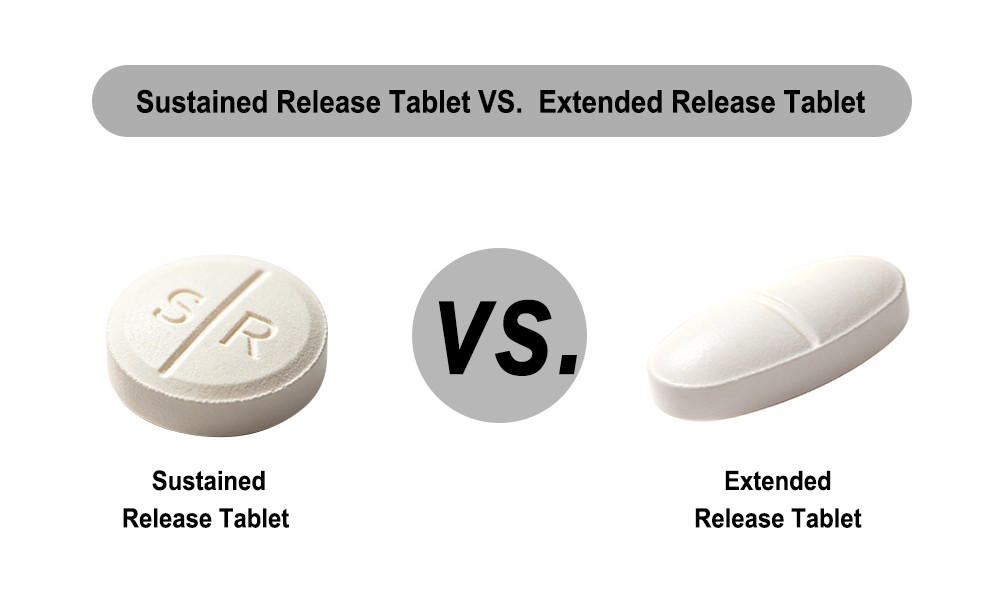
La liberación prolongada y la liberación extendida son tecnologías especializadas que controlan la forma en que los principios activos se incorporan a nuestro organismo y actúan en él.
Pero, ¿cómo funcionan realmente estos mecanismos?
Sigue leyendo esta guía para saber más sobre ambas formulaciones, la diferencia entre los comprimidos de liberación prolongada y los de liberación extendida, y sus beneficios.
Diferencia entre los comprimidos de liberación prolongada y los de liberación extendida: resumen

A continuación se presenta una tabla comparativa detallada que destaca las diferencias clave entre los dos sistemas de administración de fármacos:
| Característica | Liberación prolongada (SR) | Liberación prolongada (ER) |
| Patrón de liberación | Poco a poco, pero con constancia, a lo largo del tiempo. | Cantidad constante durante un período prolongado. |
| Cinética | De primer orden (la velocidad disminuye a medida que se agota la dosis) | De orden cero (perfectamente plana, con una pendiente constante). |
| Duración | Normalmente, entre 8 y 12 horas. | Normalmente, hasta 24 horas |
| Mecanismo | Sistemas de matriz principalmente hidrofílicos | Bombas osmóticas, aberturas láser o microesferas |
| Objetivo principal | Mantener el margen terapéutico | Lograr un nivel estable del fármaco. |
| Mejor para | Dolor agudo, estabilidad de la frecuencia cardíaca y tratamientos dos veces al día. | Enfermedades crónicas (diabetes/TDAH), pacientes de edad avanzada y personas con estómagos sensibles. |
¿Qué son los comprimidos de liberación prolongada?
Los comprimidos de liberación prolongada (SR) son medicamentos especiales diseñados para liberar su principio activo de forma lenta y constante durante un periodo prolongado, en lugar de hacerlo todo de una vez. Este proceso mantiene una concentración constante del medicamento en el torrente sanguíneo y no provoca los picos ni las caídas bruscas que se observan con los comprimidos tradicionales.
Las formulaciones SR resultan especialmente útiles para los medicamentos que requieren un nivel constante en el organismo para obtener resultados óptimos. Por ejemplo, el ibuprofeno de 12 horas para el tratamiento del dolor crónico o los fármacos cardiovasculares que necesitan una estabilidad constante durante las 24 horas del día.
¿Qué son los comprimidos de liberación prolongada?
Los comprimidos de liberación prolongada (ER o XR) son formulaciones farmacéuticas avanzadas que liberan una cantidad específica y constante de medicamento en el torrente sanguíneo durante un periodo prolongado.
A diferencia de las versiones de liberación inmediata, los comprimidos de liberación prolongada actúan durante un periodo de tiempo aún más prolongado. Estas formulaciones suelen actuar hasta veinticuatro horas para garantizar un tratamiento constante.
Los medicamentos de liberación prolongada simplifican los complejos tratamientos para las enfermedades crónicas y mejoran el cumplimiento terapéutico de los pacientes. Por ejemplo, metformina de una sola toma diaria proporciona un control estable de la glucemia las 24 horas del día.
Liberación sostenida frente a liberación prolongada: cómo entender las diferencias
Aunque tanto las formulaciones SR como las ER están diseñadas para controlar la liberación de un fármaco a lo largo del tiempo, existen algunas diferencias clave entre ambas. Estas diferencias se centran en la precisión y la duración del mecanismo de administración. Este aspecto crucial de la proceso de desarrollo de medicamentos garantiza que los medicamentos ofrezcan la máxima eficacia con menos efectos secundarios.
Comprimidos de liberación prolongada
La importancia de las pastillas de SR va más allá de simplemente cuánto tiempo tarda una cápsula en disolverse o descomponerse en el estómago. La administración moderna de medicamentos se basa en métodos complejos para garantizar que el principio activo evite la digestión inmediata y se consiga así un efecto más controlado.
Para comprender estas complejidades, analizaremos el mecanismo, el perfil de liberación y otros factores importantes:
1. Mecanismo
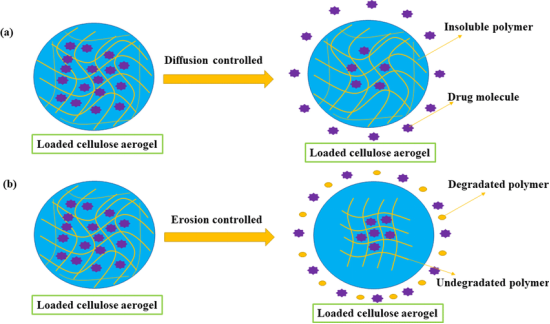
La mayoría de las pastillas anticonceptivas utilizan un sistema de “matriz”, que consiste en una mezcla homogénea de principios activos y agentes gelificantes. Esta estructura actúa como un marco de control que evita que el medicamento se disuelva de golpe.
Los componentes principales de esta matriz son polímeros hidrofílicos. Estas moléculas especializadas reaccionan inmediatamente al entrar en contacto con los jugos gástricos. En lugar de descomponerse simplemente, absorben agua y se hinchan hasta formar una barrera espesa y gelatinosa alrededor del fármaco. Esta capa de gel obliga al medicamento a liberarse a una velocidad lenta y predecible, a medida que se va desgastando gradualmente o permite que el fármaco la atraviese.
2. Release Profile
The delivery rate of an SR tablet typically follows first-order kinetics, where the release rate depends on the concentration of the drug remaining in the system. It is achieved through:
- Diffusion Control:Drug molecules are embedded in insoluble carriers, which force them to migrate slowly through a microscopic maze into the body.
- Dissolution Control: The solvent excipients gradually dissolve and release new layers of medicine.
- Osmotic Pressure Drive: A semi-permeable membrane uses osmotic differences to draw water inside, and pushes the drug molecules out.
- Ion Exchange: Suitable for preparations containing ionic drugs, through the ion exchange resin control drug release speed.
3. Primary Goal
The main purpose of SR tablets is to optimize the therapeutic window by maintaining a steady drug concentration in the blood. This approach prevents fluctuations where a patient might experience toxicity at high levels or a loss of symptom control at low levels.
4. Uses
Sustained-release tablets are critical for managing health conditions that require around-the-clock medication. SR versions of analgesics, such as tramadol, provide continuous relief for patients with back injuries or arthritis. Similarly, blood pressure medications like Propranolol SR work throughout the day to prevent dangerous spikes.
Extended Release Tablets
Both sustained-release and extended-release medications are designed to prolong the duration of drug action. However, the main difference lies in how the drug is released into the body. This distinction is an integral part of pharmaceutical manufacturing that keeps the treatment effective over longer cycles.
1. Mecanismo
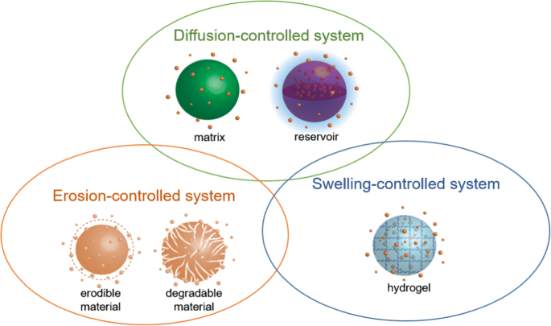
Extended-release tablets often utilize an osmotic pump system or specialized coated beads. Unlike simple matrices, these systems use a semi-permeable membrane and a laser-drilled hole. As water enters the tablet, internal pressure forces the medication out at a constant, predetermined rate.
2. Release Profile
The delivery of ER tablets typically follows zero-order kinetics. This means the system provides a constant amount of drug over a specific period, regardless of the remaining concentration in the tablet. This plateau effect is achieved through different methods:
- Osmotic Pressure Drive: Water enters through a semipermeable membrane and creates pressure. This force pushes the drug out of a microscopic aperture at a fixed, hourly rate.
- Diffusion-Controlled Reservoirs: A non-dissolving polymer coating surrounds the drug core. The medication slowly migrates through this thin layer, which acts as a permanent speed limit for the drug release.
- Erosion Control: The tablet is designed to wear away at a perfectly synchronized speed. As the outer surface disappears, the drug is released at a rate that matches the steady loss of the tablet’s mass.
- Multi-Stage Bead Delivery:The capsule contains different groups of beads, each with a specific coating thickness. These groups dissolve in a timed sequence to maintain a constant flow of medication into the body.
3. Primary Goal
The primary objective of ER tablets is to maintain a constant and optimal level of medication in the body for up to 24 hours. By delivering a fixed dose every hour, these systems eliminate the fluctuations seen in shorter-acting pills. This stable state enhances the drug’s performance and reduces the risk of toxicity or breakthrough symptoms.
4. Uses
Extended-release tablets are primarily used for managing chronic conditions that require an uninterrupted therapeutic effect.
Beta-blockers like Metoprolol Succinate (Toprol-XL) maintain balanced blood pressure and heart rates throughout the day and night. Mental health treatments for ADHD, like Methylphenidate ER (Concerta), rely on ER technology to provide smooth and continuous results.
Benefits of Sustained-Release Tablets
Sustained-release medicines offer significant advantages over conventional immediate-release forms. Here are some of the key benefits of SR tablets:
1. Reduced Dosing Frequency
SR tablets consolidate multiple doses into a single pill by releasing the drug slowly. Patients need to take pills less often (e.g., once or twice daily instead of every 4-6 hours). This improves convenience and makes it easier to adhere to the prescribed treatment plan as they only need to take it once or twice daily.
2. Lowered Toxicity Risks
Conventional immediate-release pills deliver their entire dose into the bloodstream almost instantly. This sudden influx often creates peak concentrations that can reach levels bordering on toxicity and lead to uncomfortable side effects.
Sustained release technology acts as a buffer by maintaining a controlled, gradual flow of the drug. It keeps the medication within a safe therapeutic window, which reduces the intensity of adverse reactions and prevents the body from being overwhelmed by a high initial dose.
3. Consistent Symptom Control
Traditional medications often cause crashes or troughs, where the drug level drops below the effective range before the next dose. This results in a return of symptoms, such as a spike in blood pressure or a flare-up of chronic pain.
SR versions provide uninterrupted relief by keeping the medication stable at a steady therapeutic level. It provides seamless coverage throughout the day without the fluctuations that disrupt a patient’s quality of life.
Benefits of Extended-Release Tablets
ER tablets provide specialized clinical advantages that go beyond simple convenience. Here is how these medicines offer superior outcomes for long-term therapy:
1. Enhanced Patient Compliance
ER formulations reduce the daily pill burden to a single dose, which lowers the chance of missed or forgotten medication. A single morning or evening routine is much easier to sustain than a complex schedule throughout the workday. This simplicity helps maintain a consistent treatment schedule without the stress of frequent dosing.
2. Management of Chronic Conditions
These tablets are excellent for managing persistent health issues, especially for elderly patients. Because aging individuals often manage multiple prescriptions, the simplified ER schedule reduces the risk of drug-dosage errors.
A stable, round-the-clock symptom control prevents dangerous fluctuations in blood pressure or glucose levels. This consistent delivery is particularly important for aging bodies, which may be more sensitive to sudden changes in drug concentration.
3. Protects Sensitive Drugs
Extensive release technology shields active ingredients from harsh stomach acids through specialized enteric coatings. The protective layers make sure the medicine remains intact and only releases once it reaches the alkaline environment of the intestines.
A targeted release prevents the drug from losing its potency and the stomach lining from potential irritation caused by certain medications.
Preguntas frecuentes
1. How does the drug release mechanism differ between SR and ER formulations?
SR tablets typically utilize a matrix or coating that dissolves slowly to deliver medication at a consistent rate over 8 to 12 hours. ER tablets often use more complex delivery systems, such as osmotic pumps or multi-layered membranes, to provide a steady release that can last up to 24 hours.
2. Can SR and ER tablets be used interchangeably?
No, these formulations are not bioequivalent and switching between them without medical supervision can lead to sub-therapeutic levels or toxicity. The specific release profile of each is tailored to the drug’s half-life and the patient’s clinical requirements.
3. Is it safe to crush or chew SR and ER tablets?
Most SR and ER medications must be swallowed whole to preserve the integrity of their release-controlling mechanism. Crushing or chewing them can cause “dose dumping,” where the entire 12-to-24-hour dose is released instantly, potentially causing a dangerous overdose.
Optimal Healing Through the Right Technology
Choosing between sustained-release and extended-release tablets depends on a patient’s specific health needs, age, and lifestyle. While both formulations provide significant clinical benefits, the ultimate decision relies on individual treatment goals and expert medical advice.
Whether a treatment plan requires the 12-hour coverage of SR or the 24-hour plateau of ER, the effectiveness of these treatments starts with the quality of pharmaceutical manufacturing.
The right technology can make all the difference in patient recovery. Tecnología fina ensures that every tablet meets the highest standards of accuracy and reliability. As leading pharmaceutical manufacturers, our mission is not just to produce equipment but to enhance global health outcomes through innovation.
Visit our website today and get an instant quote for your manufacturing needs.
Aviso de derechos de autor:
Queda prohibido reproducir, modificar, publicar, mostrar, transmitir o explotar de cualquier modo cualquier contenido de este sitio web, así como utilizar dicho contenido para construir cualquier tipo de base de datos sin la autorización previa, expresa y por escrito de Finetech Group. Para obtener permiso para utilizar el contenido, póngase en contacto con info@pharmamachinecn.com
Descargo de responsabilidad:
La información contenida en este artículo es sólo para fines de información general. La Empresa no garantiza la exactitud, pertinencia, actualidad o exhaustividad de ninguna información, y la Empresa no asume ninguna responsabilidad por errores u omisiones en el contenido de este artículo.