 English
  Russian
  Turkish
  Spanish
  French
  German
  Japanese
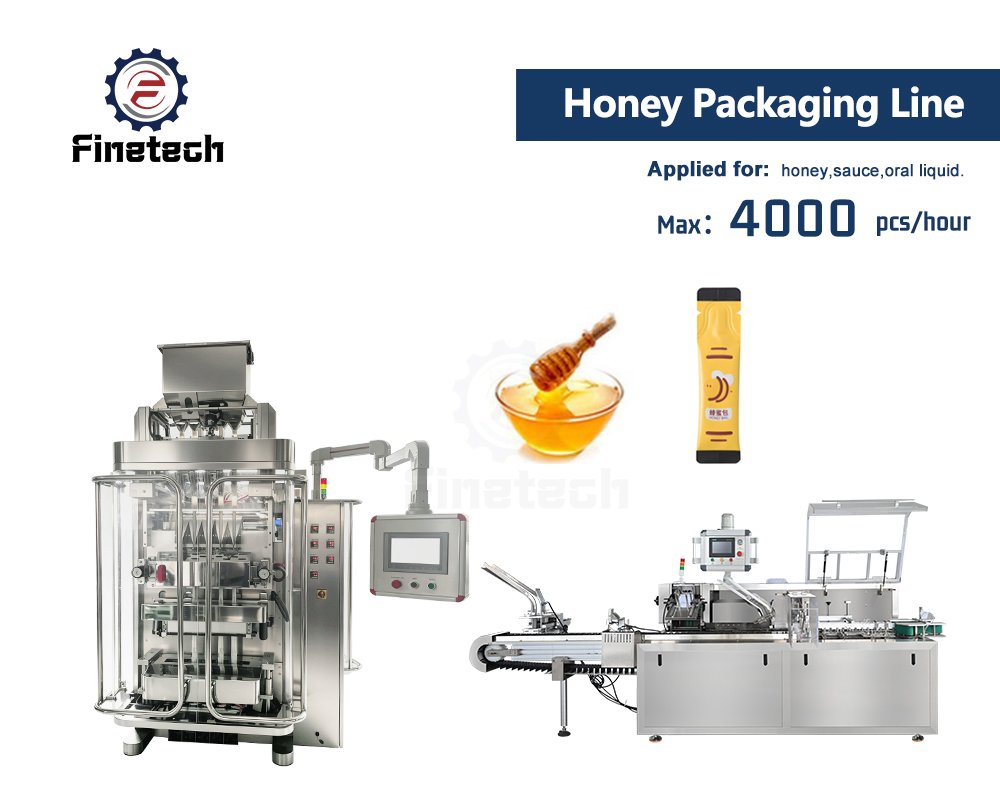
Honey Packaging Line
Our Honey Packaging Line is designed to manage the complete process of filling and packaging honey into retail-ready containers. This line is commonly used in honey processing facilities, food manufacturing plants, and commercial packaging environments where sticky and viscous products require stable movement.
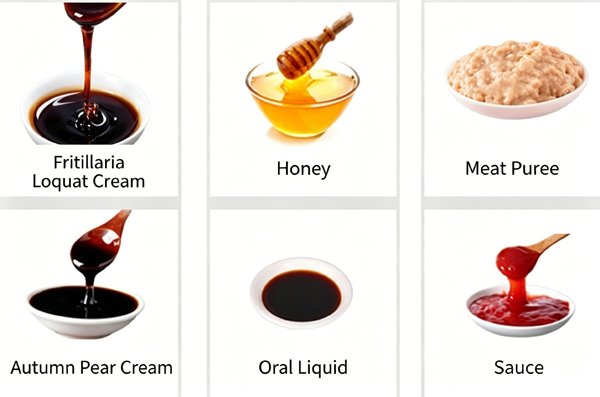
Instead of treating filling, sealing, capping, and labeling as separate operations, our system integrates them into a single packaging line. Honey moves through each stage continuously, which reduces manual handling.
Moreover, this line can be configured for bottles, jars, pouches, and stick packs depending on your packaging requirements.
Need a Custom Quote?
Or More information About this product? Contact our sales stuff today!
Key Features
Technical Data
Packing Line Machines
FAQ
Application
Reviews No reviews yet
- Servo-Controlled Filling Accuracy: The filling section operates through servo-assisted or pneumatic dosing systems that maintain accurate volume control. Operators can adjust filling parameters based on packaging format and production speed requirements.
- Multi-Format Packaging Compatibility: Our packaging line supports different packaging styles, including glass jars, plastic bottles, stand-up pouches, sachets, and stick packs. This gives manufacturers flexibility when handling multiple SKUs.
- PLC-Based Control System: Operators can monitor filling speed, production count, temperature settings, and machine status through a centralized touchscreen interface. The PLC system allows faster adjustments.
- Low Maintenance Design: Critical components such as filling nozzles, hoppers, transfer pumps, and sealing units are positioned for easier inspection and servicing. This reduces downtime and simplifies routine maintenance procedures.
- Hopper with Heating Support: The hopper can be equipped with a heating and mixing system to maintain proper honey flow during colder conditions. It prevents thickening inside the tank and keeps the filling performance stable.
- Leak-Resistant Sealing Support: The sealing section applies controlled pressure and temperature to create secure pouch or sachet seals.
Applications
- Honey Processing Facilities: Used in commercial honey production environments where accurate filling and hygienic product transfer are important during packaging. The system helps maintain leak-proof sealing and stable product quality.
- Organic and Natural Food Packaging: Suitable for manufacturers packaging organic honey and natural food products in retail-ready formats. These environments often require clean filling systems and flexible packaging compatibility.
- Contract Packaging Operations: Installed in packaging facilities handling multiple honey brands and container formats. The adjustable setup supports different packaging sizes without major production interruptions.
Workflow
- Step 1: Product Loading: Honey is transferred into the storage hopper or feeding tank, where the system regulates product flow before filling begins.
- Step 2: Container Feeding: Bottles, jars, pouches, or sachets are loaded onto the conveyor system and automatically aligned before entering the filling station.
- Step 3: Filling Process: The dosing system dispenses controlled amounts of honey into each container using synchronized filling nozzles.
- Step 4: Sealing and Capping: Filled containers move toward the sealing or capping station depending on the packaging format. Bottles and jars are capped securely, while pouches and sachets are sealed using heat or pressure.
- Step 5: Coding and Labeling: Batch numbers, manufacturing dates, and expiry information can be printed directly onto the packaging through integrated coding systems.
- Step 6: Inspection and Rejection: Optional inspection systems monitor fill levels, cap placement, and sealing quality during production.
- Step 7: Final Output: Finished products are discharged onto the collection conveyor and transferred toward secondary packaging.
| Item | Specification |
| Model: | FT-280HY |
| Lane Number: | 2–12 lanes (customizable) |
| Sachet Size: | Length: 50–180 mm; Width: 17–65 mm |
| Stick Pack Size: | W: 20–30 mm; L: 80–150 mm (10–20 g) |
| Film Specification: | Width ≤280 mm; Thickness 0.07–0.10 mm (food-grade laminated film) |
| Filling Method: | Piston/peristaltic/ceramic pump |
| Speed: | 30–100 pouches/min per lane; total 100–540 sachets/min |
| Filling Accuracy: | ±0.5–±1% |
| Sealing Type: | Back seal/stick pack; 3-side/4-side seal optional |
| Cutting Type: | Straight/zigzag/round corner |
| Total Power: | 4.5–7.5 kW |
| Dimension: | 2,200 × 800 × 1,900 mm |
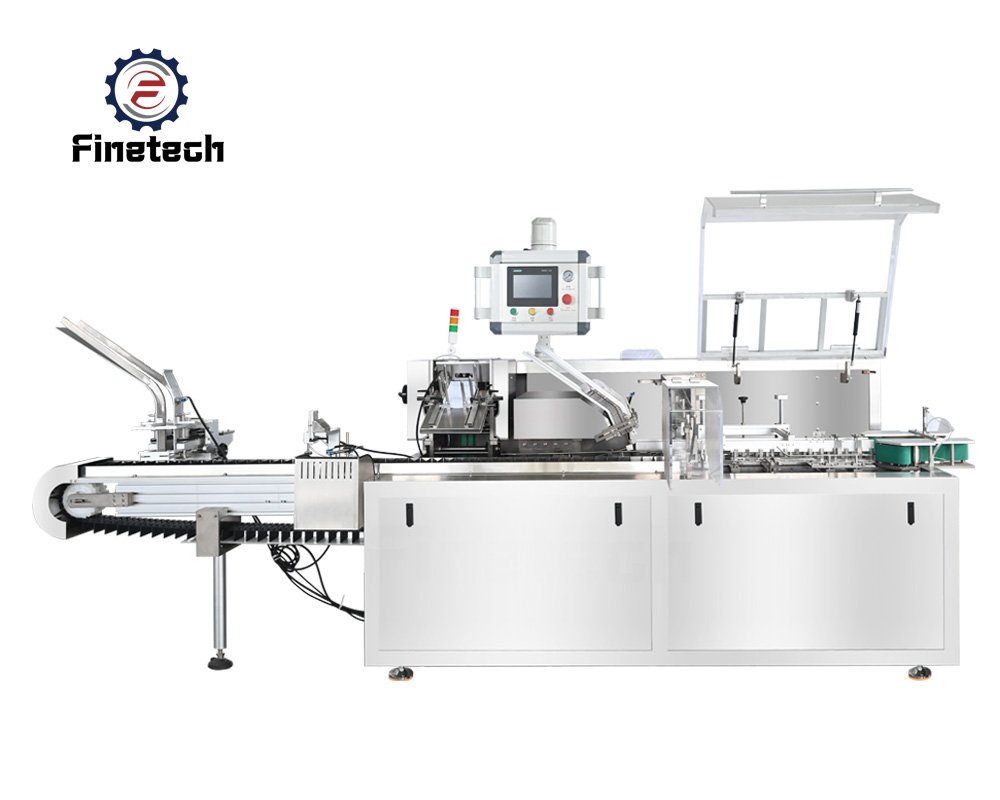

Not recommended. Crystallized honey has low fluidity, which can damage pumps and lead to inaccurate filling.
Heat crystallized honey to 55–60°C in a heated tank with agitation until fully liquid before filling.
- Piston pump: Ideal for high-viscosity, particle-containing, or large-dose applications; high pressure but complex cleaning.
- Peristaltic pump: Best for high hygiene requirements or low-foaming scenarios; easy maintenance (only replace hoses) but hoses are consumables.
- Use the same batch of honey to fill 30–50 consecutive samples.
- Weigh each sample with a calibrated high-precision scale (0.1g accuracy) to check consistency.
Mainly due to poor cap seating.
Yes.
Yes.


Customer Reviews
No reviews yet. Be the first to review this product!
Write a Review

Related Products
No reviews yet
1 Reviews
No reviews yet
No reviews yet
No reviews yet
1 Reviews