English
  Russian
  Turkish
  Spanish
  French
  German
  Japanese
As a healthcare professional or a consumer, you must have noticed the diverse range of containers that dominate pharmacy shelves and clinical laboratories. While they may appear to be simple storage units, these pharmaceutical jars are the foundational components of therapeutic integrity.
Selecting the correct container is a calculated task, as the specific properties of glass or polymer can dictate the long-term stability of a treatment. However, understanding these differences does not have to be complicated.
In the sections below, we will break down container types, materials, and their benefits, and explain why they matter for patient health.
What are Pharmaceutical Jars?
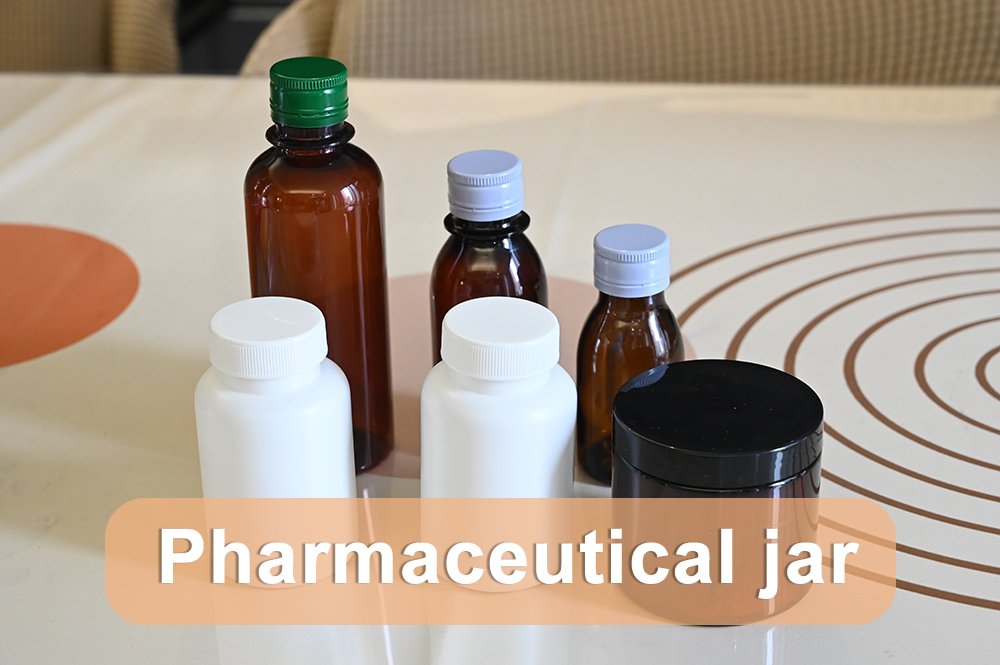
Pharmaceutical jars are specialized wide-mouth containers designed for the packaging of medicinal products. Unlike pharmaceutical bottles, these vessels have a broad opening almost equal to the body diameter.
This intentional design allows for easy access to solid oral dosage forms such as tablets and capsules, as well as semi-solid formulations like creams and ointments. In addition to convenience, pharmaceutical jars provide product stability and protection from environmental exposure.
Five Main Types of Pharmaceutical Jars
Pharmaceutical jars are manufactured in various shapes and materials to meet the demands of the global healthcare industry. These containers are selected based on the specific stability profile of a medication, environmental protection requirements, and regulatory standards.
Here are some of the most common types of jars used in the pharmaceutical industry.
1. HPDE Jars
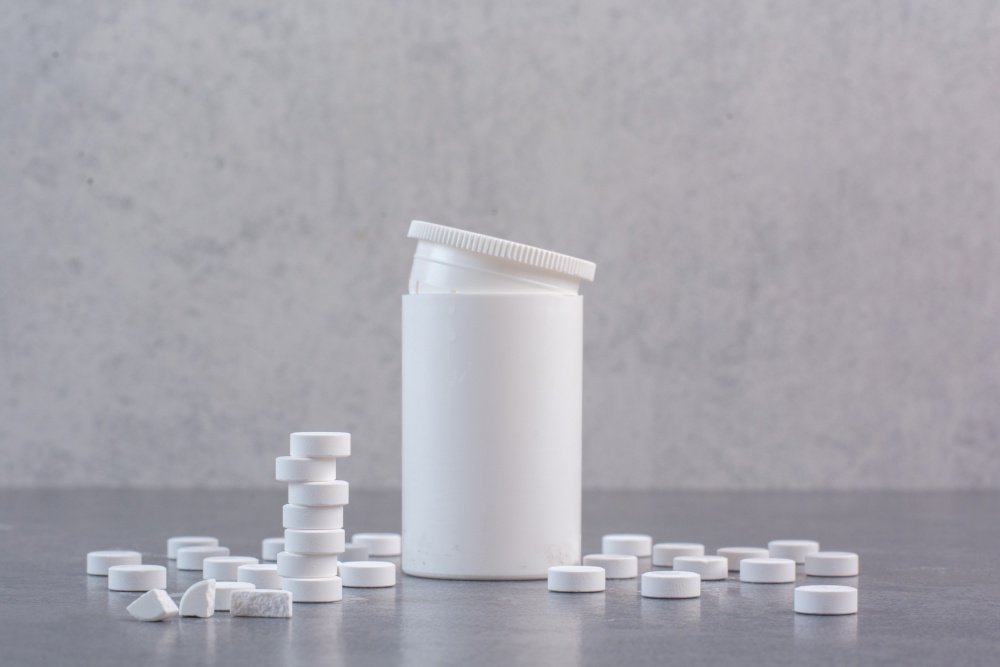
High-density polyethylene (HDPE) is a strong, rigid, and durable thermoplastic known for its exceptional chemical resistance and moisture barrier properties. These jars provide natural UV protection and are highly recyclable. This makes them a preferred and sustainable choice for manufacturers.
HDPE jars are the industry standard for the bulk storage and transport of solid oral dosages, such as tablets and capsules. Their robust construction prevents moisture ingress, which is essential for maintaining the stability and shelf life of medications.
2. PET Jars
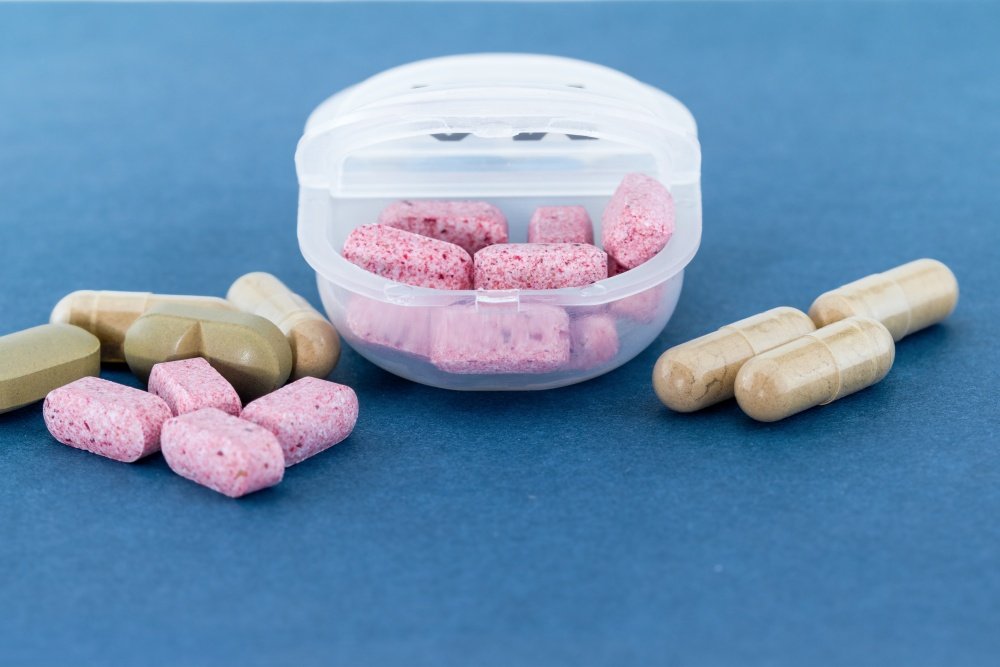
Polyethylene terephthalate (PET) is a common, lightweight, and recyclable thermoplastic. It acts as an effective gas and moisture barrier and preserves the freshness and chemical stability of the contents inside. In the pharmaceutical sector, PET jars are frequently used for storing vitamins, supplements, and over-the-counter medications. Their shatterproof nature and aesthetic appeal make them a safe, professional choice for consumer-facing products
3. PP Jars
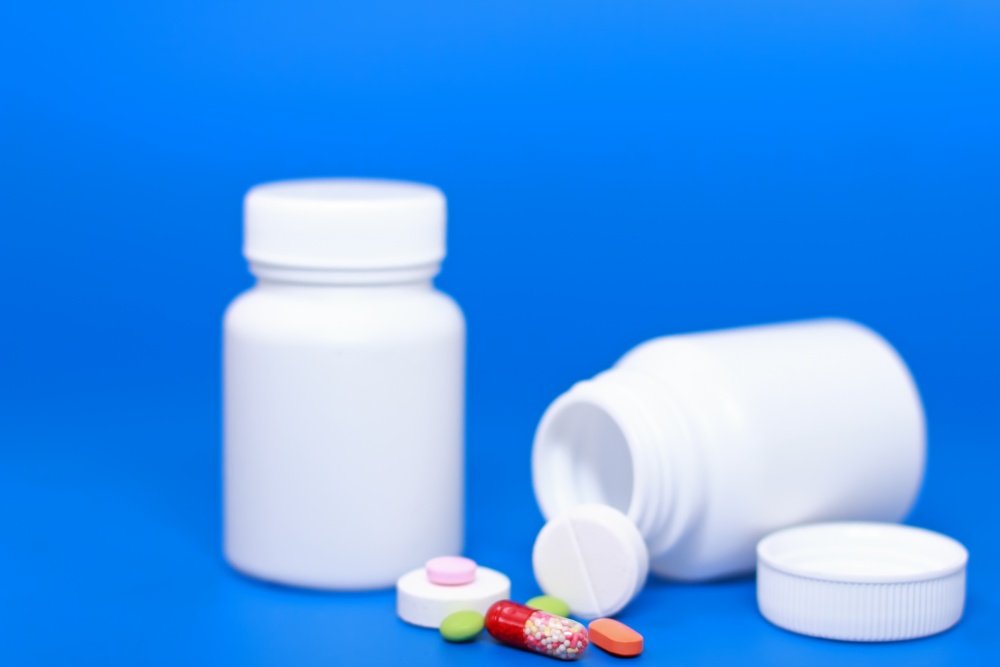
Polypropylene (PP) is a durable, lightweight thermoplastic polymer prized for its excellent mechanical properties and high heat distortion temperature. This material offers superior resistance to gas and water permeability, alongside notable flame resistance. PP jars are the preferred choice for products requiring high-temperature sterilization. They are used for storing semi-solid preparations, such as medicated creams, ointments, and gels.
4. Clear Glass Jars
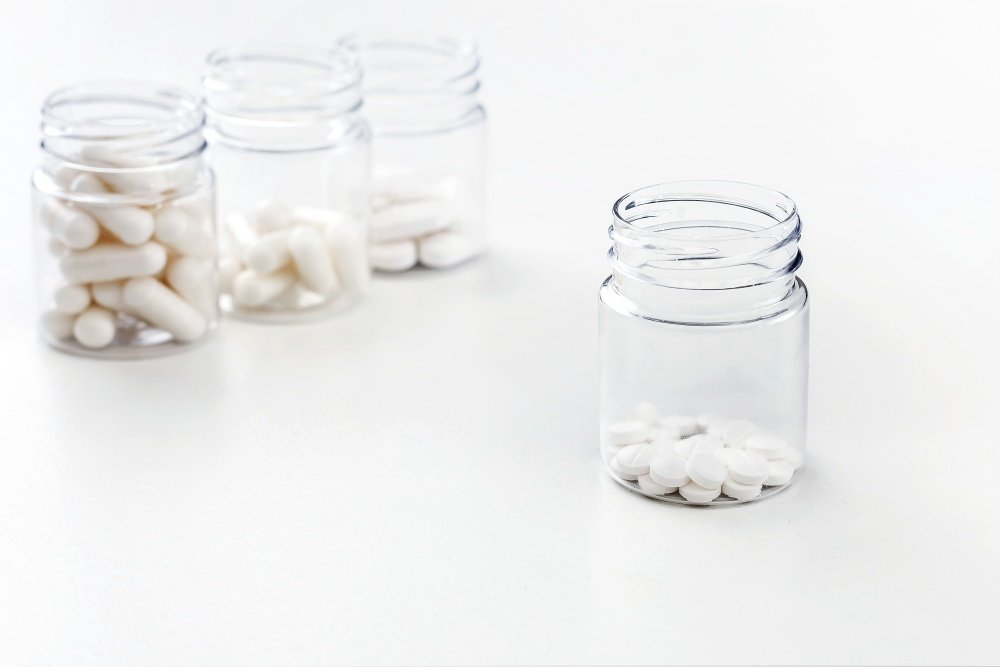
Clear glass or flint glass is a non-porous and chemically inert material that offers maximum visibility. Its primary advantage is transparency, which allows pharmacists and patients to easily inspect the color, quantity, and physical integrity of the medication. These jars are used exclusively for stable products that do not react to light, such as certain capsules or surgical powders
5. Amber Glass Jars
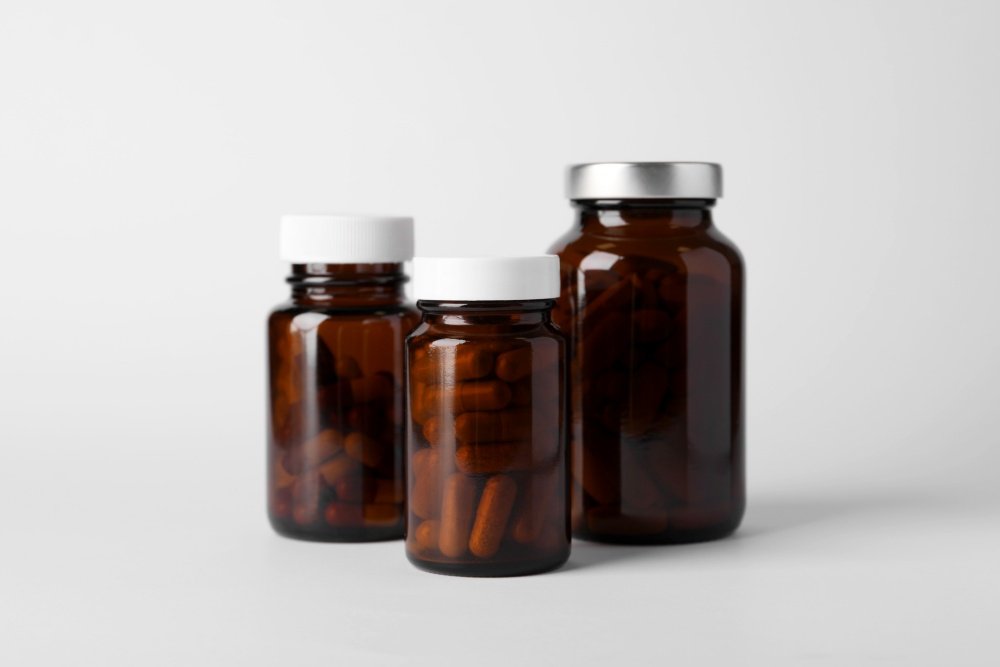
Amber glass is a specialized material infused with iron, sulfur, and carbon to create a deep, protective tint. This filter blocks ultraviolet (UV) and blue light, preventing photodegradation. It is a process where light exposure breaks down the chemical bonds of a drug. Amber jars are preferred for storing various antibiotics and liquid-based compounds.
What Makes Pharma Jars Suitable for Industry?
Pharmaceutical jars are designed with a strong focus on chemical inertness, protection against environmental factors, and strict regulatory compliance. Here are some of their key features you need to know:
1. Chemical Inertness
Chemical inertness refers to a substance’s high resistance to undergoing chemical reactions with other materials. Pharmaceutical-grade polymers and glass are engineered to be non-reactive. This critical property makes sure that the container material does not leach harmful chemicals into the medication or absorb active ingredients from the product.
2. Tamper-Evident Seals
For optimal consumer safety, most pharmaceutical jars utilize induction-sealed foil liners. These liners are hermetically sealed to the jar’s rim, providing an airtight barrier that confirms the product has not been opened since leaving the production facility. This feature is essential for maintaining a sterile environment and preventing intentional or accidental contamination during transit.
3. Child-Resistant Closure
Child-resistant closures are specialized caps designed to be significantly difficult for children under five to open. These mechanisms typically require a push-and-turn or squeeze-and-turn motion. It is a dual action that exceeds the cognitive and physical coordination of a child. This remains a non-negotiable safety feature for domestic medication to prevent accidental poisoning.
4. Enhanced Moisture and Gas Barriers
The efficacy of pharmaceutical packaging depends largely on its ability to maintain a controlled internal environment. High-performance jars are engineered with specific moisture vapor transmission rates (MVTR) to prevent humidity from destabilizing sensitive powders or tablets. These enclosures block oxygen ingress, which prevents the oxidation of active ingredients and helps the medication remain chemically potent until the very last dose.
Four Key Benefits of Pharmaceutical Jars
Pharmaceutical jars protect medicinal compounds, but their usage extends far beyond simple containment. They are an active part of the drug delivery system that helps the patient receive a product that is as effective as it was on the day of manufacture. Let’s look at some key benefits of using high-quality pharmaceutical jars.
1. Extended Shelf Life
The primary benefit of a pharmaceutical jar is its ability to extend the shelf life of its contents. It acts as a high-performance barrier against atmospheric oxygen, moisture, and UV radiation and prevents the chemical degradation of active ingredients. For moisture-sensitive tablets or photosensitive liquids, the structural integrity of the jar keeps the product stable until its expiration date.
2. Superior Safety for Patients
These containers provide superior safety for patients by integrating multiple layers of protection. Child-resistant closures (CRC) are a crucial defense against accidental pediatric ingestion.
On the other hand, tamper-evident induction seals provide a visual guarantee that the medication has not been compromised. Additionally, the use of chemically inert materials guarantees that no harmful leachables or toxins migrate from the container into the medicine.
3. Regulatory Compliance
Pharmaceutical jars help companies meet strict regulatory compliance. International bodies, such as the FDA, USP, and EMA, mandate specific standards for primary packaging to maintain drug stability. Using validated, pharmaceutical-grade jars simplifies the approval process for new medications. Manufacturers can provide documented proof that their packaging meets established safety and quality benchmarks to avoid legal hurdles and product recalls.
4. Versatile Applications
The design of these jars allows for versatile use across the entire healthcare sector. Their wide-mouth shape works perfectly for high-speed factory filling or manual compounding by a local pharmacist. These containers adapt to many needs, from holding sensitive lab chemicals to protecting daily vitamins. Since they come in various materials and sizes, they remain the most practical choice for diverse medical storage.
FAQs
1. What are pharmaceutical jars used for?
Pharmaceutical jars are used for solid, semi-solid, and sometimes powder-based drug products. Common uses include tablet jars, capsule jars, ointment jars, cream jars, sample jars, and pharmacy dispensing jars. The right jar depends on the medicine’s sensitivity, dose form, shelf life, and user handling needs.
2. Can pharmaceutical jars affect drug stability?
Yes. A jar can affect stability through moisture ingress, oxygen exposure, light transmission, sorption, leaching, or interaction with the formulation. Poor packaging choice can lead to potency loss, discoloration, odor change, tablet softening, capsule brittleness, or microbial risk in some products.
3. What is a pharmaceutical jar closure?
A pharmaceutical jar closure is the cap or lid that seals the jar and controls access to the product. Closures may include screw caps, child-resistant caps, tamper-evident caps, induction-seal caps, and lined closures. The closure must fit the jar finish correctly, or the package may leak, breathe, or fail during distribution.
4. What sizes do pharmaceutical jars come in?
Pharmaceutical jars are available in small sample sizes, pharmacy dispensing sizes, and larger bulk-pack formats. Tablet and capsule jars may range from small patient packs to large count containers. Cream and ointment jars are usually selected by fill weight, headspace, and how the user removes the product.
Future-Proof Your Pharmaceutical Jar Packaging
Selecting the appropriate pharmaceutical jar is a critical decision that directly impacts the safety and long-term potency of a medication. The ideal packaging requires a deep understanding of your product’s chemical profile.
Whether it is a rigid HDPE container for bulk tablets or protective amber glass for sensitive liquids, these containers do more than just hold a product. These jars preserve its life-saving potential.
To maintain this integrity at scale, you need a sophisticated packaging line that handles these materials with utmost accuracy. Finetech’s pharmaceutical packaging line delivers end-to-end excellence and manages everything from initial equipment selection to professional installation. We provide long-term support and maintenance that ensures your production remains smooth, compliant, and efficient for years to come.
References:
Pharmaceutical Bottle: Types, Features and Applications.
Primary, Secondary, and Tertiary Packaging in Pharmaceuticals with Examples.
What is Biodegradable Pharmaceutical Packaging?
Different Types of Packaging in Pharmaceutical Industry
Copyright Notice:
You may not reproduce, modify, publish, display, transmit, or in any way exploit any content on this website, or use such content to construct any kind of database without prior express written approval by Finetech Group. For permission to use the content, please contact: info@pharmamachinecn.com
Disclaimer:
The information contained in this article is for general information purposes only. The Company does not guarantee the accuracy, relevance timeliness or completeness of any information, and the Company assumes no responsibility for errors or omission in the content of this article.