 English
  Russian
  Turkish
  Spanish
  French
  German
  Japanese
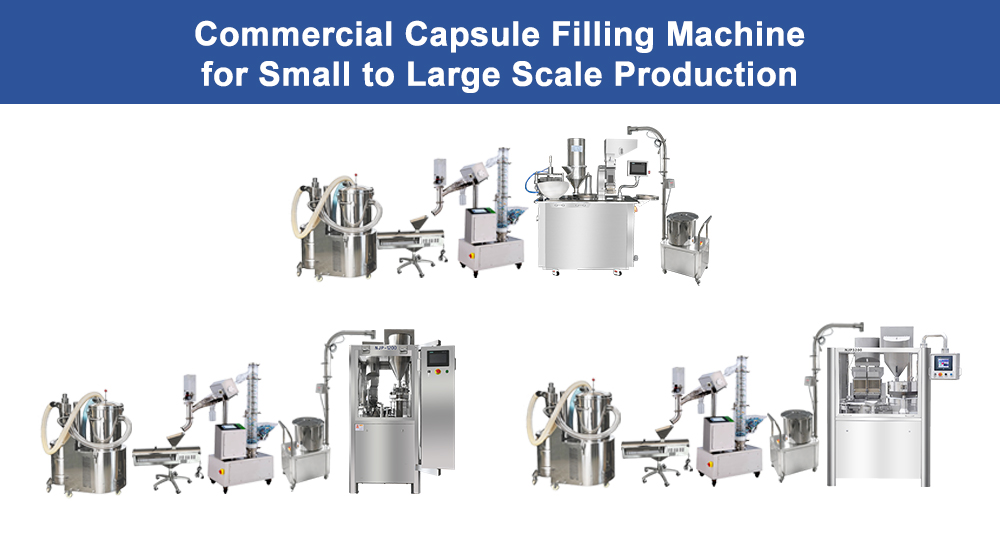
Commercial Capsule Filling Machine for Small to Large Scale Production
Capsule production looks simple from the outside, but it isn’t. You fill, seal, and pack, which is what most people
 Skip to content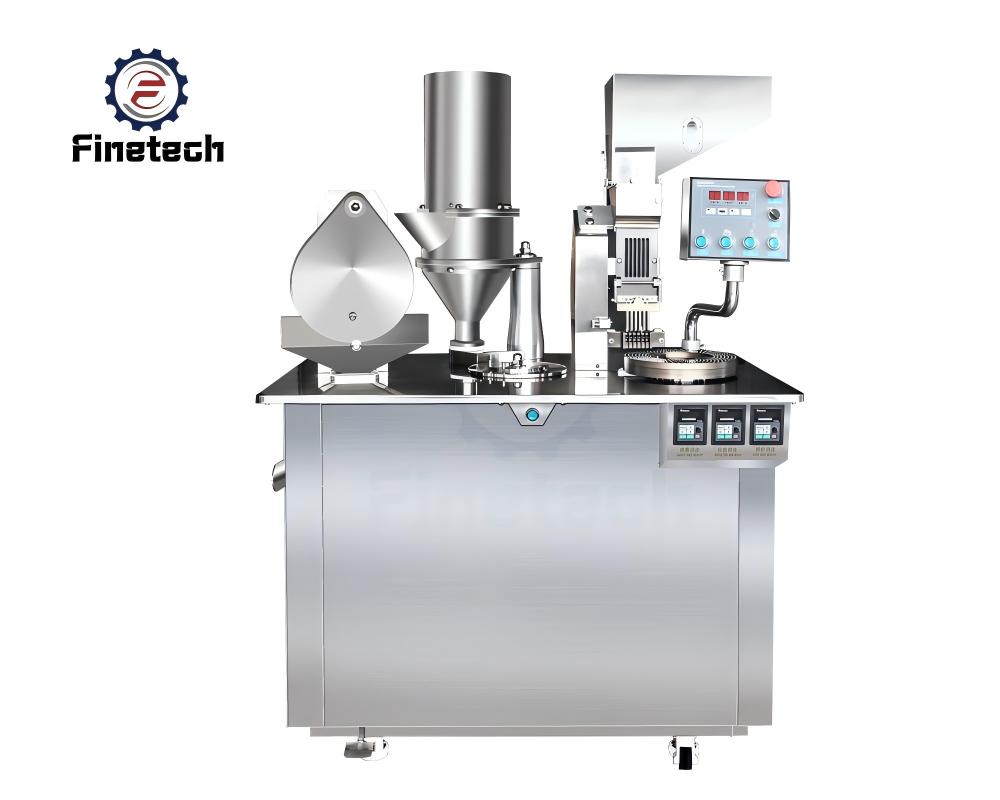


Can adjust parameters like fill weight, speed, and cycle to suit your production needs.
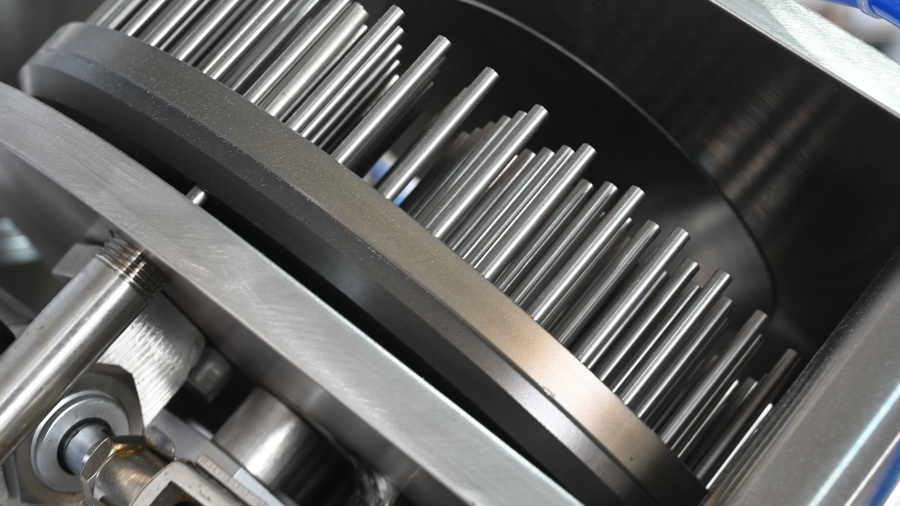
Auger and tamper pin filling, along with dosator systems, are all available in semi-auto capsule filling machines.

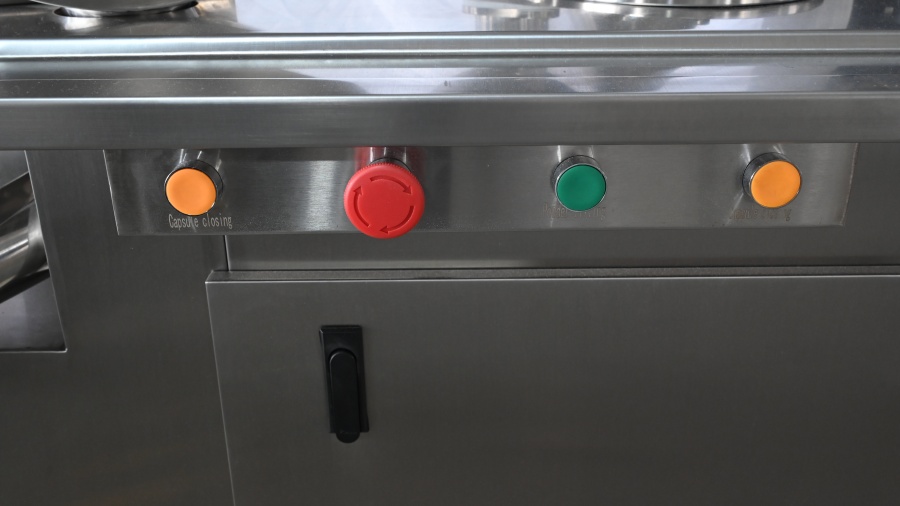
Emergency shut-off mechanisms to safeguard the operator and machine against damage in case of an unfortunate situation.
Capsule production looks simple from the outside, but it isn’t. You fill, seal, and pack, which is what most people
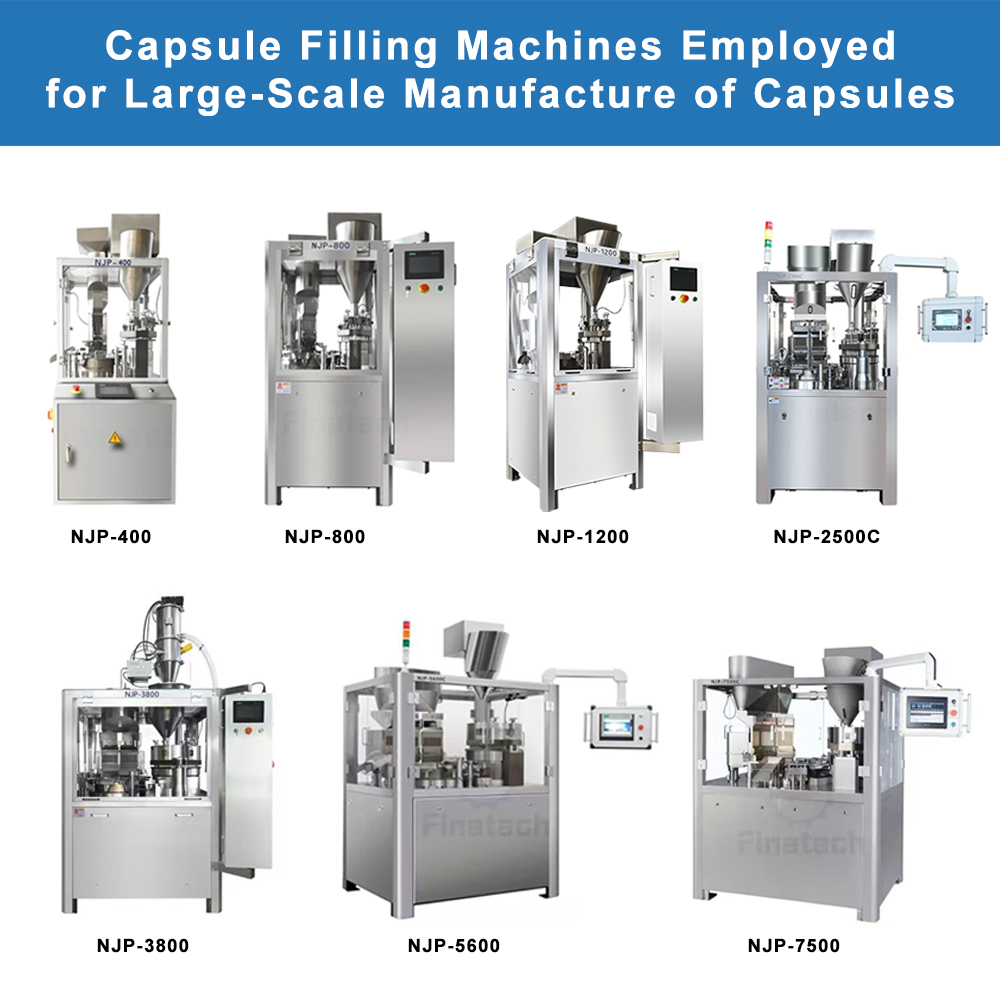
Pharmaceutical and nutraceutical manufacturers produce millions of capsules every day. Meeting this demand requires equipment that can maintain high speed,
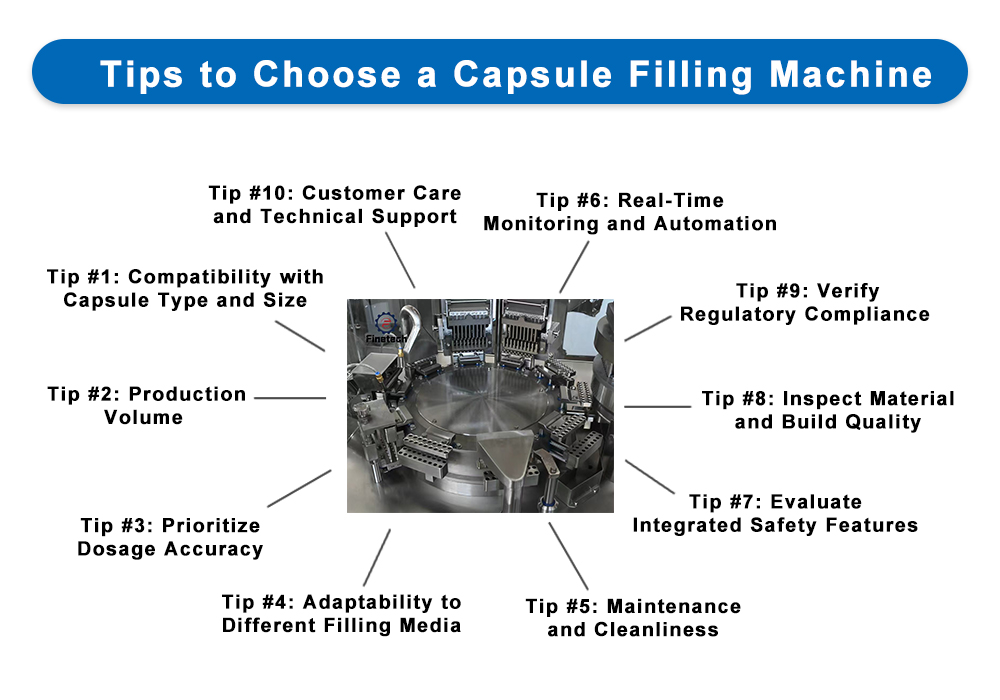
Capsule-filling machines serve as the backbone of production for both the pharmaceutical and nutraceutical industries. However, finding the perfect match
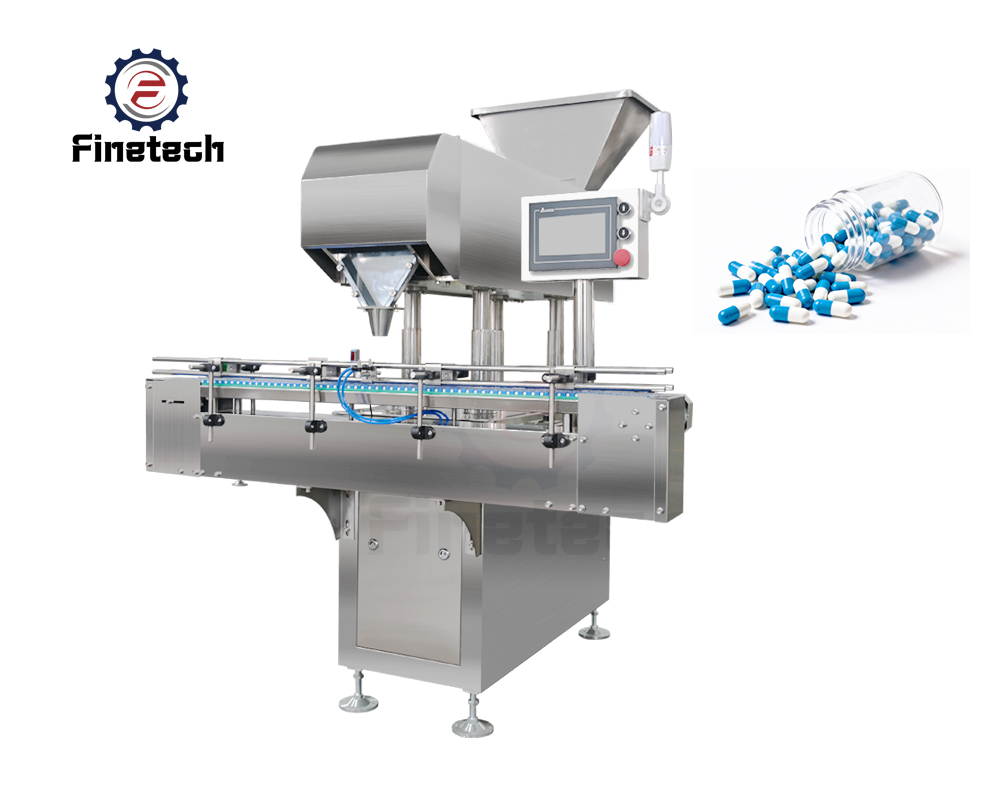
The global annual use of medicines is expected to reach 3.8 trillion daily doses by 2028. Now imagine counting and
The typical output of a semi-auto capsule filling machine ranges from 20000 capsules to 40000 capsules per hour.
Semi-auto capsule filling machines have both manual operation and automation, while fully automatic ones handle all steps without operator involvement.
Yes, our machine is compatible with hygroscopic or fine powders, but you should be mindful of the flow characteristics.
Yes, our machines have built-in safety mechanisms such as interlocking and emergency shut-off.
Yes, semi-auto capsule filling machines can handle multiple capsule sizes from #0 to #5.
Yep, we have all types of diagrams.
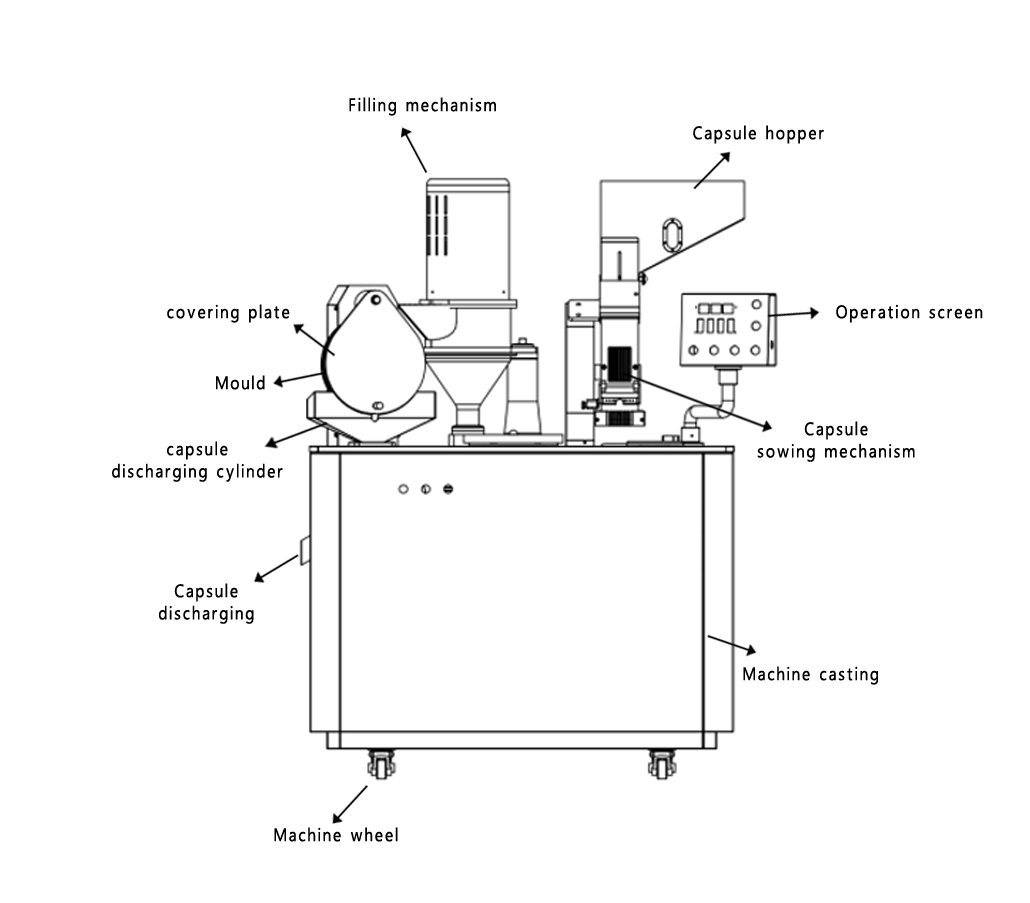
It’s a machine that automates the critical steps of capsule filling (powder, pellets, or granules) but requires significant operator intervention for loading empty capsules and sometimes for initiating cycles. It bridges the gap between manual filling and fully automatic lines.
You can check here to know more about semi automatic capsule filler
Semi-automatic: Operator-dependent for tray loading/unloading, often single station, lower output (e.g., 500-15,000 capsules/hour), portable, lower cost.
Fully automatic: Continuous, automated operation from empty capsule loading to finished capsule ejection. High-speed (tens to hundreds of thousands/hour), integrated systems, high cost.
Small-batch production (clinical trials, niche products)
R&D & Formulation Labs (for prototyping different powder blends)
Pharmacies & Compounding Centers
Nutraceutical & Herbal Companies with diverse, lower-volume SKUs
Pilot plants for scale-up studies
Primarily free-flowing powders. With attachments or modifications, they can also handle granules, micro-pellets, herbal flakes, and even semi-solids/liquids (using a special pump attachment).
Output is highly operator-dependent. Common ranges are:
Hand-operated (lever): 500 – 3,000 capsules per hour.
Motor-driven (foot pedal/button): 3,000 – 15,000 capsules per hour.
Very quickly (typically 5-15 minutes). It involves swapping out the filling trays and dosing disc/powder tray for the new capsule size. Changeover kits are usually provided.
It is challenging. Poorly flowing powders are the biggest limitation. Pre-processing the powder (e.g., granulation, adding glidants like colloidal silicon dioxide) is often necessary to achieve acceptable flow and weight uniformity.
Often features a PLC and touchscreen interface that allows you to set desired parameters and monitor the filling process.
Digital Control Panel